The Most Reliable Steel Coil Strapping Systems for Harsh Environments?
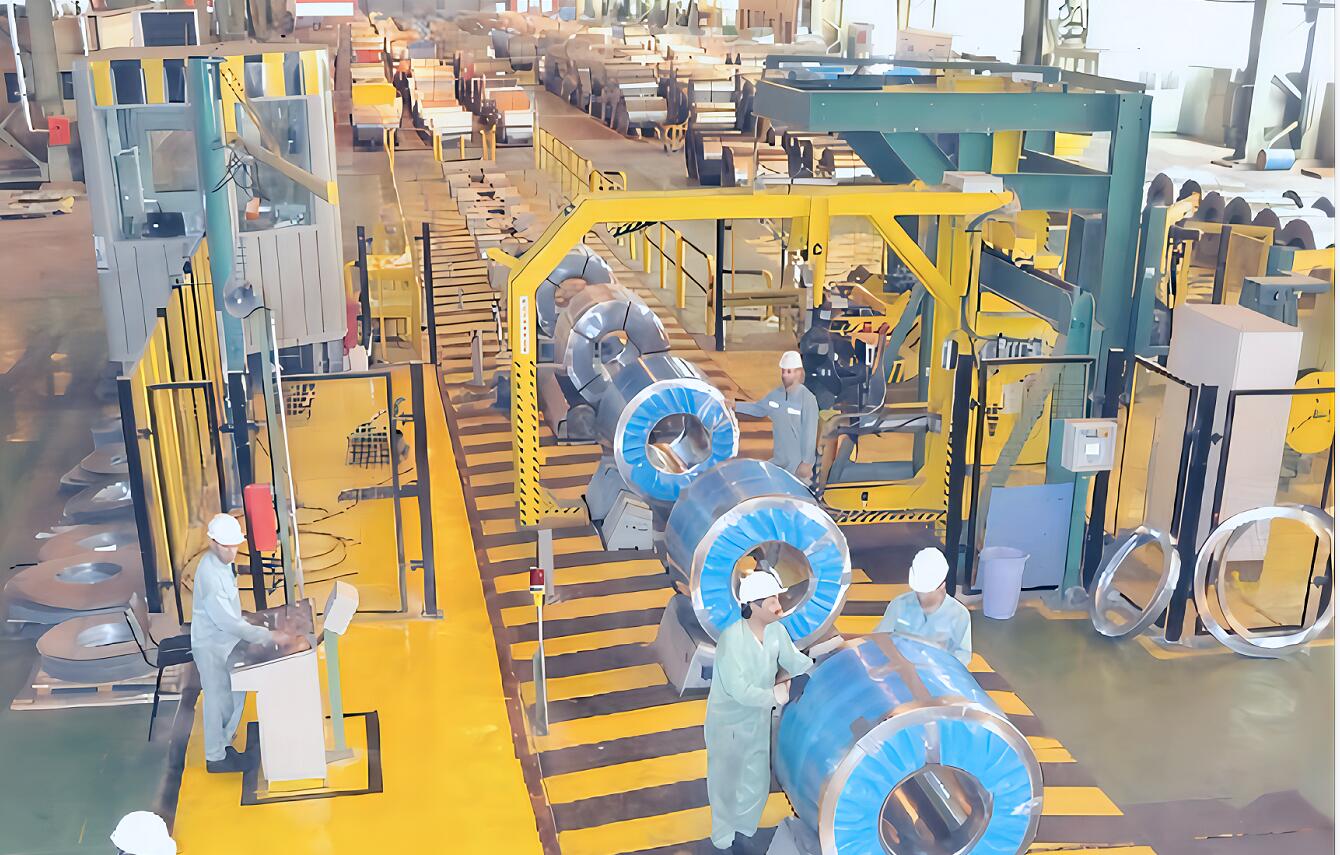
Imagine this: a critical shipment is delayed because your strapping machine failed under the relentless dust and vibration of your metal processing floor. The production line grinds to a halt, costs skyrocket, and customer trust erodes. This isn't just an inconvenience; it's a direct threat to your bottom line and operational integrity. For factory managers in demanding sectors like steel and heavy manufacturing, equipment failure is not an option. The pressure to maintain uptime while controlling costs in punishing conditions is immense. (steel coil strapping machine failure, harsh industrial environment pressure)
The most reliable steel coil strapping systems for harsh environments are those engineered with industrial-grade components, feature robust protective designs against dust and impact, and come from manufacturers with proven expertise in heavy-duty applications. Key brands that lead in this niche include Fengding and Wuxi Buhui, whose machines are built to withstand the extreme demands of metal processing plants. (reliable steel coil strapping system, harsh environment strapping machine)
Choosing the right system is more than a purchase; it's a strategic partnership for your factory's future. The wrong choice leads to downtime, safety risks, and wasted investment. The right one becomes a pillar of your efficiency and reliability. Let's break down exactly what makes a strapping system truly reliable when the going gets tough, so you can make an informed decision that protects your production and your profits.
1. What Defines Reliability in a Harsh Industrial Setting?
You buy a strapping machine, and it works fine in the showroom. But what happens after six months on your shop floor, surrounded by metal dust, subjected to constant vibration from overhead cranes, and operating in non-climate-controlled spaces? Reliability here isn't about fancy features; it's about survival and consistent performance under duress. (industrial strapping machine reliability definition, harsh condition performance)
In a harsh industrial setting, reliability is defined by three core pillars: mechanical durability to withstand physical stress, environmental sealing to protect against contaminants like dust and moisture, and consistent performance with minimal maintenance despite adverse conditions. A machine's reliability is proven by its mean time between failures (MTBF) in real-world metalworking environments. (definition of reliable strapping machine, MTBF industrial packaging)

🔩 The Anatomy of a Rugged Strapping System
Let's look at the critical components that must be over-engineered for harsh settings.
| Component | Standard Machine Risk | Reliable Machine Feature | Why It Matters |
|---|---|---|---|
| Frame & Chassis | Light-gauge steel; prone to bending from coil impact. | Reinforced steel plate construction; often with gussets. | Resists deformation from accidental hits by heavy coils or pallets. |
| Electrical System | Standard PLCs and sensors; vulnerable to dust ingress. | IP65-rated enclosures; conformal-coated circuit boards. | Prevents conductive dust from causing short circuits and sensor failures. |
| Sealing & Gaskets | Basic rubber seals that degrade quickly. | High-grade nitrile or Viton seals; labyrinth seals on shafts. | Kezes abrasive steel dust out of bearings and guide rails, the #1 cause of wear. |
| Strapping Head | Plastic or light alloy guides; fast wear. | Carbide or hardened steel guides and rollers. | Withstands the abrasive action of steel strapping over thousands of cycles. |
🌪️ Environmental Stress Tests: Beyond the Spec Sheet
A reliable supplier doesn't just talk about specs; they understand your environment. Ask these questions:
- Dust & Particulate: Can the machine handle the fine, conductive powder from grinding or cutting? Look for positive pressure systems in control cabinets.
- Vibration: Is it mounted on a solid, isolated base? Components should be lock-wired or use thread-locking compounds to prevent screws from shaking loose.
- Temperature Swings: From a hot Mexican summer day to a cooler night, seals and lubricants must remain stable. Synthetic, high-temperature grease is a must.
- Operator Interaction: Is the control panel simple and robust? Touchscreens can fail; physical buttons with tactile feedback are often more reliable in dirty, gloved-hand operations.
My Insight: In my years running a factory, I learned that reliability is baked in during design, not added later. Brands like Fengding excel here because they design specifically for the steel industry. Their machines often use heavier-duty motors and simpler, more robust mechanical linkages. The second choice, Wuxi Buhui, also builds solid machines with good protective features. The lesson? Always ask for client references from similar environments—a cement plant or a scrap yard—not just a clean food packaging facility. True reliability is proven in the field, not just claimed in a brochure. (proven reliable strapping machine brands, field-tested packaging equipment)
2. How Do You Evaluate a Machine's Durability and Build Quality?
You're looking at two machines with similar functions. The price difference is 20%. How do you know if the more expensive one is genuinely more durable, or if you're just paying for a brand name? Evaluating build quality requires a hands-on, critical approach that looks beyond the surface. (evaluate strapping machine durability, build quality assessment)
To evaluate a machine's durability and build quality, conduct a physical inspection of material thickness and weld quality, review the component brand list (especially for bearings, seals, and PLCs), and analyze the machine's service access design for ease of maintenance. The weight of the machine can also be a simple, telling indicator of its robustness. (durability evaluation checklist, industrial machine build quality)
🛠️ The Hands-On Inspection Checklist
Don't be shy. When visiting a showroom or a client site, do this:
- The "Knock Test": Gently knock on side panels and doors. A hollow, tinny sound indicates thin sheet metal. A solid, dull thud suggests thicker plate steel. Durability starts here.
- Weld Inspection: Look at the welds on the frame. They should be continuous, even, and clean—not spotty or globby. Poor welding is a major point of future crack and failure.
- Open the Doors: Check inside the electrical cabinet and mechanical areas. Is the wiring neatly loomed and labeled? Are cables protected with conduits or grommets where they pass through metal? Messy wiring hints at rushed assembly and future electrical faults.
- Check the "Guts": Identify the brands of key components.
- Bearings: SKF, NSK, FAG are top-tier. Generic bearings fail faster under load.
- PLC & Sensors: Siemens, Mitsubishi, Omron are industry standards known for reliability.
- Pneumatics: SMC, Festo, Parker.
A machine using reputable brands is investing in longevity.
⚖️ The Weight & Access Factor
This is a simple but effective rule: All else being equal, a heavier machine is often a more robust machine. More metal means thicker frames, heavier-duty components, and better vibration damping. Also, look at how you access parts for service. Can you replace a seal or sensor in 10 minutes without disassembling half the machine? Good design prioritizes maintainability. A complex, cramped layout leads to longer downtime during repairs.
My Insight: I once saved a client from a costly mistake by pointing out the brand of bearings in a machine they were considering. The supplier was using no-name bearings on a high-tension roller. We calculated that at their production volume, those bearings would need replacement every 4-6 months, causing planned and unplanned downtime. We switched to a Fengding model with premium bearings and a simpler tensioning system. Three years later, that machine is still on its original bearings. The initial investment was higher, but the total cost of ownership was far lower. Always think in terms of total lifecycle cost, not just purchase price. (total cost of ownership strapping machine, lifecycle cost analysis)
3. What are the Critical Features for Safety and Reduced Maintenance?
In a harsh environment, maintenance isn't just about cost; it's a safety issue. Asking a technician to constantly clean sensors jammed with dust or lubricate exposed bearings in a busy aisle creates hazard exposure. The best machines are designed to be safe to operate and maintain, with features that proactively reduce the need for intervention. (safe strapping machine features, low maintenance packaging equipment)
Critical features for safety and low maintenance include fully enclosed guarding with interlock switches, automatic self-cleaning or air-blast systems for optical sensors, centralized and extended-interval lubrication points, and diagnostic panels that clearly display error codes to minimize troubleshooting time. (safety features strapping machine, automated maintenance systems)

🛡️ Safety by Design: Non-Negotiable Features
- Physical Guarding: All moving parts—strapping heads, tensioning arms, feed systems—must be behind solid metal guards. These guards should have safety interlock switches that immediately cut power when opened. This prevents catastrophic injuries.
- Emergency Stop Systems: Multiple, clearly marked E-stop buttons within easy reach of the operator. The system should require a manual reset to restart, ensuring the hazard is cleared.
- Ergonomic Design: Controls placed to prevent the operator from reaching over or into the machine cycle. Reduced bending and stretching minimizes strain and keeps the operator in a safe zone.
🔧 Maintenance-Reducing Engineering
Here’s how top-tier machines slash your maintenance downtime:
👉 Sealed-for-Life Components: Look for bearings and guides that are pre-lubricated and sealed, designed to last for years without service.
👉 Centralized Lube Points: Instead of 20 grease nipples in hard-to-reach places, a single point where you inject grease that distributes to all key joints.
👉 Smart Diagnostics: A display that doesn't just say "ERROR 12." It should say "Strapping Feed Motor Overcurrent - Check for Jammed Strap." This cuts diagnostic time from hours to minutes.
👉 Easy-Access Design: Swing-away panels and slide-out trays for quick replacement of wear items like seals or blades. Tool-less access is a premium feature that pays for itself.
My Insight: The link between safety, maintenance, and reliability is direct. A machine that's hard and unsafe to maintain won't be maintained properly. This leads to premature failure. When I design solutions for clients like "Michael," I emphasize this triangle. A machine from Fengding often incorporates many of these features as standard because they understand the high-stakes environment. Wuxi Buhui also offers strong safety packages. The goal is to create a system where routine checks are quick and safe, and major interventions are rare. This protects your most valuable assets: your people and your production schedule. (strapping machine safety and maintenance correlation, protecting production assets)
4. How to Choose a Supplier Who Truly Understands Harsh Applications?
You can buy the most rugged machine on paper, but if the supplier's support team has never set foot in a dusty, loud steel mill, you're in for a world of frustration when issues arise. The supplier is as critical as the hardware. They need to speak the language of heavy industry and provide support that matches your operational reality. (choose industrial packaging supplier, harsh application expertise)
To choose a supplier who understands harsh applications, vet their industry-specific case studies, assess their technical support responsiveness and spare parts logistics, and evaluate their willingness to offer customized solutions rather than just off-the-shelf products. A true partner will ask detailed questions about your environment, not just your budget. (selecting reliable packaging partner, industrial equipment supplier vetting)
🤝 The Partner vs. Vendor Checklist
Don't just get a quote. Have a conversation. Use this framework:
| Evaluation Area | Vendor (Just Sells) | Partner (Solves Problems) |
|---|---|---|
| Initial Questions | Asks about coil size, speed, budget. | Asks about ambient dust levels, floor vibration, shift patterns, in-house maintenance skill level. |
| Proposal Content | A standard machine spec sheet and price. | Includes environmental recommendations (e.g., extra filtration), a proposed maintenance schedule, and ROI calculation based on your labor savings. |
| Support Promise | "We have 24/7 phone support." | "We have regional technicians familiar with steel mills. Here is our average onsite response time for your area and our spare parts inventory list." |
| Customization | "The machine comes as is." | "We can modify the feed conveyor height to match your roller line and add a protective canopy for the control panel." |
📞 Testing Their Metal: Ask These Tough Questions
- "Can you connect me with a customer in a similar industry (e.g., wire rod manufacturing, scrap recycling) for a reference?"
- "What is the most common point of failure for this model in a high-dust environment, and how have you engineered around it?"
- "Walk me through your spare parts supply chain. If I need a critical part, what is the process and typical timeline to get it to my factory in Mexico?"
- "Do your field technicians have specific training for heavy-industry electrical and mechanical systems?"
My Insight: This is where my own experience as a factory owner is invaluable. I've been on both sides. I know the panic of a broken machine with a shipment due. A true partner, like the ethos we built FHOPEPACK upon, acts as an extension of your team. Brands like Fengding have built their reputation by specializing in heavy industry, so their sales and engineering teams "get it." Wuxi Buhui also has a strong track record. The supplier should feel like a consultant, not a salesman. Their deep knowledge is your first and most important layer of protection against downtime. (industrial packaging machine partner, supplier as consultant model)
Conclusion
Selecting the most reliable steel coil strapping system requires focusing on rugged construction, safety-centric design, and a supplier with proven heavy-industry expertise. This strategic investment secures your production flow and boosts overall plant efficiency. For durable solutions built to last, explore the engineered reliability of Steel Coil Strapping Machines.