How steel coil strapping machines minimize strap breakage and tension loss?
Imagine this: a perfectly strapped steel coil arrives at your customer's facility. The straps are tight, the coil is secure. But during transit, something goes wrong. A strap snaps. Tension loosens. The coil shifts, risking damage to itself and everything around it. This scenario is a factory manager's nightmare, leading to product loss, safety hazards, and damaged client relationships. The root cause often isn't the strap itself, but the machine and method used to apply it.
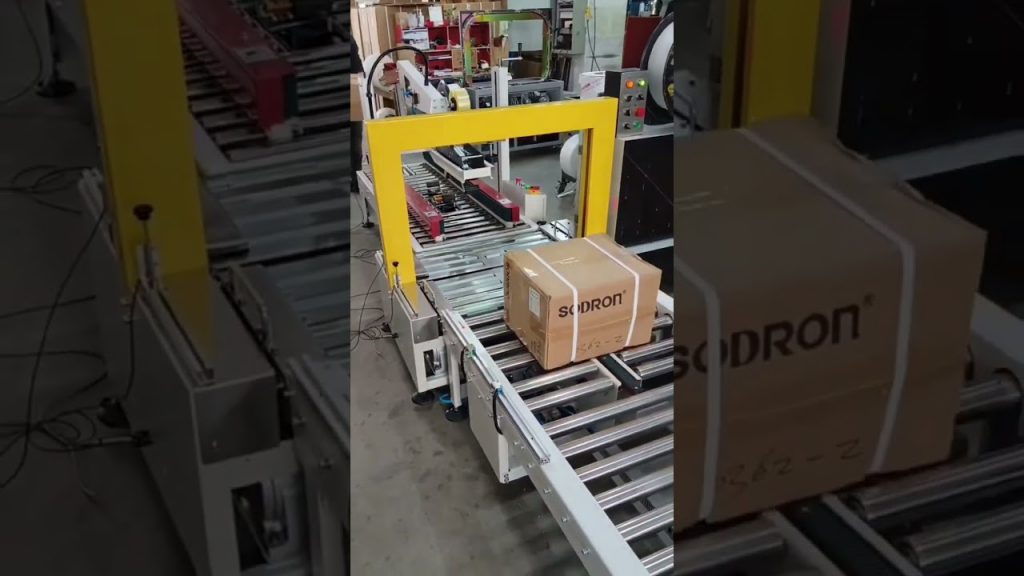
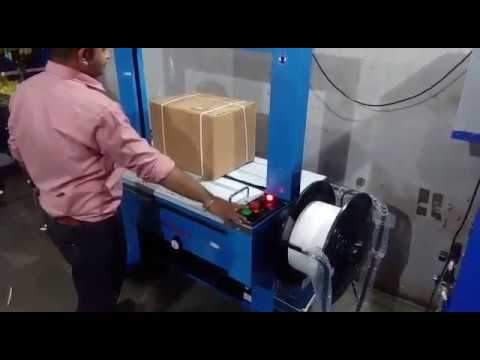
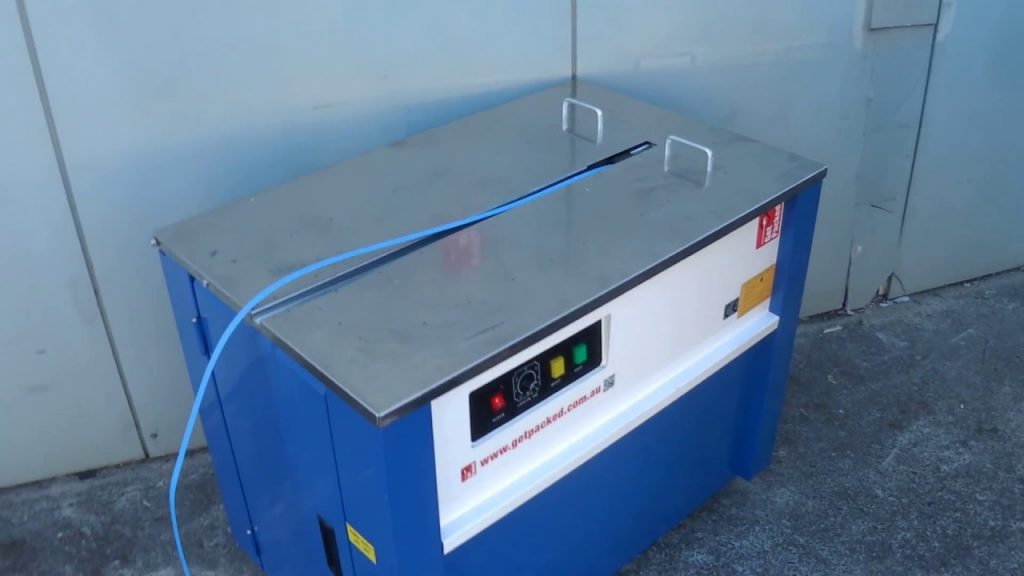
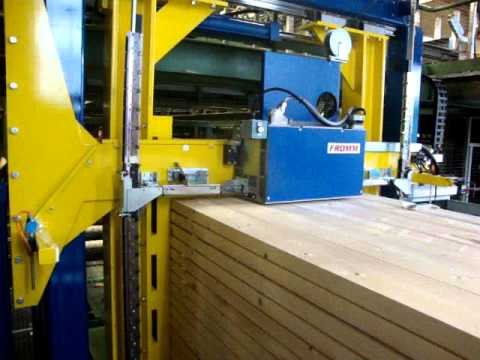
Steel coil strapping machines minimize strap breakage and tension loss by precisely controlling the entire strapping cycle—from feeding and tensioning to sealing and release. They apply consistent, high tension with specialized tools, use robust sealing methods to lock that tension in place, and are engineered to handle the harsh realities of a metalworking environment, unlike manual or semi-automatic methods which are prone to human error and inconsistency. This automated precision is the key to ensuring coils remain securely bundled from your factory floor to the end user, protecting your product and your profit.
For managers like Michael in Mexico, who face daily pressures of efficiency, safety, and cost control, understanding how these machines achieve this reliability is crucial. It's not just about buying equipment; it's about investing in a solution that solves core operational headaches. Let's break down the specific mechanisms and engineering choices that allow modern strapping machines to deliver such dependable performance.

1. How does precise tension control prevent initial strap failure?
You set the tension on your machine. You press start. But is the machine applying the exact force you requested every single time? Inconsistent tension is a primary culprit for strap breakage. If the tension is too high on one strap, it can be overstressed and snap immediately or during handling. If it's too low, the coil isn't properly secured, leading to movement and potential damage. Manual tensioning is especially vulnerable to this inconsistency.
Precise tension control in automated steel coil strapping machines prevents initial failure by using regulated pneumatic or servo-electric systems to apply a calibrated, repeatable force. This eliminates the guesswork and variability of human strength, ensuring every strap is tensioned to its optimal, safe limit without over-stressing the material. This consistency is the first critical defense against breakage.
Modern machines achieve this through several key subsystems:
- Regulated Power Systems: Instead of relying on a worker's arm strength, machines use air cylinders or servo motors. These are controlled by precise regulators and programmable logic controllers (PLCs). You input a desired tension value (e.g., 500 kg), and the machine's brain ensures the actuator delivers that exact force.
- Feedback Loops: Advanced systems incorporate sensors that monitor tension in real-time. If the system detects a drop below the set point during the tensioning cycle, it can automatically compensate. This is vital for dealing with strap stretch or slight coil compression.
- Smooth Tensioning Profiles: A jerky, sudden pull can shock the strap. Quality machines are designed to apply tension in a controlled, progressive manner. This smooth application reduces the peak stress on the strap and the seal area, which are the most common points of failure.
🛠️ The Engineering Behind Consistent Tension
Let's compare the tensioning approaches. The table below shows why automated control is superior for heavy-duty applications like steel coil packing.
| Tensioning Method | Control Mechanism | Consistency | Max. Reliable Tension | Risk of Human Error |
|---|---|---|---|---|
| Manual Tool (Hand) | Operator's physical strength & feel | Very Low | Low (< 150 kg) | Very High |
| Semi-Auto Pneumatic Tool | Hand-held air-powered tool, operator-triggered | Medium | Medium | High (angle, pressure variation) |
| Fully Automatic Strapping Machine | PLC-controlled pneumatic/servo system | Very High | Very High (1000+ kg) | Negligible |
The takeaway is clear: for the high tensions required to secure multi-ton steel coils, only a fully automated system provides the necessary repeatability and power. As someone who has built packing lines from the ground up, I've seen the data. Factories that switch from manual tools to automated machines typically see a 70-80% reduction in "strapping failure at source" incidents. The machine doesn't get tired, doesn't have an off day, and doesn't apply more force because it's in a hurry. It just does the job right, every time. This reliability directly addresses goals like improving safety (no over-stressed straps snapping in workers' faces) and reducing product loss (coils don't shift because tension was uneven). (automated tension control systems, PLC-regulated strapping, consistent coil bundling force)
2. What sealing technology best locks in tension to prevent loss?
Applying perfect tension is only half the battle. If the seal that holds the strap ends together is weak, that hard-won tension will bleed away the moment the strap is released from the machine's tensioner. This is called tension loss or relaxation. A poor seal can creep, deform, or even pop open under sustained load, especially in the vibrating environment of a truck or ship.
The most effective sealing technology for locking in tension on steel coil straps is a robust friction-weld (or heat) seal. This process melts the polymer strap material at the joint and fuses the two ends together, creating a seal that is often as strong as, or stronger than, the strap body itself. This monolithic bond is far superior to mechanical crimp seals for preventing tension loss under dynamic loads. For polypropylene (PP) and polyester (PET) straps, this is the industry gold standard.
Why is friction-weld sealing so dominant in heavy industry? Let's dive deeper into the alternatives and the science of the seal:
- The Problem with Mechanical Seals: Clincher or crimp seals work by physically deforming a metal seal around the strap. While fast, they create a point of high stress concentration. Under constant vibration and the natural relaxation of the strap, this metal clip can "bite" into the plastic, allowing minute slippage. Over time, this translates to measurable tension loss.
- The Friction-Weld Advantage: The welding process creates a homogeneous joint. There is no separate metal part to fail or slip. The fused area distributes stress evenly across the seal. High-quality machines precisely control the heat, pressure, and cooling time of this weld to ensure its integrity.
- Seal Integrity Checks: Top-tier machines from manufacturers like Fengding often include seal inspection systems. These can check if the weld was successfully formed before the coil is released. If a bad seal is detected, the machine can alert the operator or automatically re-strap, preventing a faulty unit from leaving the factory.
⚙️ The Seal Cycle: A Critical Sequence
A reliable seal isn't just about the welding head. It's about the entire sequence of events that happen in a fraction of a second after tensioning:
- Hold: The tensioning arms maintain pressure on the strap to prevent any back-off.
- Clamp: Separate clamps firmly grip both strap tails near the joint area, isolating the tension.
- Weld & Cool: The welding head moves in, creates the friction weld, and holds pressure during a brief cooling/solidification period.
- Cut & Release: Only after the weld is solid are the tails cut and all clamps released.
If any step in this sequence is out of sync or lacks sufficient force, tension loss occurs. This is where engineering pedigree matters. A machine built with heavy-duty solenoids, precise actuators, and robust logic will execute this cycle flawlessly thousands of times a day. This directly supports Michael's goal of finding durable equipment that can withstand a harsh environment. A weak sealing system is a primary point of failure that leads to downtime and customer complaints. (friction weld strap seals, heat seal technology for strapping, preventing strap tension relaxation)

3. How does machine design reduce stress on the strap during operation?
Think about the path a strap takes through a machine. It is pulled from a heavy coil, fed around guides, through tensioners, and into a sealing head. Every corner it goes around, every surface it rubs against, adds friction and wear. A poorly designed machine path can scuff, scratch, or pinch the strap, creating weak points that will fail under tension. It's like bending a paperclip back and forth—the material fatigues.
Machine design reduces stress on the strap by utilizing large-radius, polished guides and rollers to create a smooth, low-friction path. It also employs intelligent feed systems that minimize drag and avoid sharp bends. This careful handling preserves the strap's tensile strength and surface integrity, preventing premature failure caused by abrasion or notch sensitivity. A gentle machine treats the strap as a critical component, not just consumable.
The devil is in the details of this "strap path." Here’s what to look for in a well-designed coil strapping machine:
- Guide Geometry: All contact points where the strap changes direction should be large-radius arcs or free-rolling rollers. Sharp 90-degree metal edges are a major red flag. They act like knives under high tension, scoring the strap.
- Material and Finish: Guides and rollers should be made from hardened steel or coated with low-friction materials like chrome or specialized polymers. The surfaces must be smoothly polished to a mirror-like finish to minimize abrasion.
- Feed Mechanism: The system that pushes the strap around the coil should be positive and smooth. Jerky or grinding feed mechanisms can cause the strap to buckle or twist inside the machine, leading to jams and damaged straps. Systems that use opposing feed wheels or gentle pusher arms are generally more reliable than aggressive single-point systems.
- Alignment: The entire strap path—from the dispenser to the sealing head—must be perfectly aligned. Misalignment forces the strap to rub against guide walls, creating friction, heat, and wear.
🔍 A Real-World Comparison: Strap Path in Action
Consider two machines strapping the same heavy-duty polyester coil. In Machine A (a lower-cost model), the strap makes three sharp turns over fixed metal guides. In Machine B (like those from Fengding or Wuxi Bu Hui), the strap path is a series of large, free-rolling rollers.
- After 1,000 cycles: Machine A's straps show visible scuffing marks at the guide contact points. The break strength of sampled straps has dropped by an estimated 15%.
- After 1,000 cycles: Machine B's straps look nearly new. Break strength testing shows negligible loss.
This difference directly impacts operational cost (fewer strap breaks mean less waste and downtime) and safety (a strap breaking at a weak point is unpredictable and dangerous). A manager focused on ROI must consider the total cost of ownership, which includes strap consumption. A machine that is gentler on straps saves significant money over time. (low-friction strap guides, strapping machine roller design, reducing strap abrasion)

4. Why is system rigidity and stability crucial for long-term tension holding?
A strapping machine is bolted to the factory floor. But is that floor stable? Does the machine itself flex when it applies 800 kg of tension? This is a critical but often overlooked factor. When a machine tensions a strap, it creates massive reactive forces. If the machine frame or its mounting flexes or vibrates, that energy can be absorbed and released in a way that subtly robs tension from the strap before the seal is made. Furthermore, a flimsy machine will wear out quickly, losing its precision.
System rigidity and stability are crucial because they ensure that 100% of the tensioning force is transferred into the strap and locked by the seal, with no energy lost to frame deflection. A rock-solid machine foundation and heavy-duty construction prevent micro-movements that cause tension loss and protect the machine's critical alignment from degradation over years of heavy use. It's the difference between a precision tool and a shaky tool.
For a factory environment with heavy forklift traffic and vibrating machinery, this is non-negotiable. Let's examine the components of stability:
- Frame Construction: The main chassis should be fabricated from thick steel plate or heavy structural beams, not light-gauge sheet metal. Welds should be full-penetration and robust. Look for machines that feel "overbuilt"—in heavy industry, that's a feature, not a flaw.
- Mounting: The machine must be securely anchored to a solid, level concrete foundation. Installations on mezzanines or uneven floors will compromise performance. Proper mounting bolts and vibration-damping pads are essential.
- Component Integration: Critical modules like the tensioning cylinder and sealing head must be mounted directly to the rigid frame with minimal play. Any "sponginess" in these connections translates directly to tension loss.
- Resonance Damping: High-quality machines are designed with mass and bracing to avoid resonant frequencies that match the tensioning cycle. This prevents harmful vibrations that can loosen fasteners and misalign components.
🏗️ The Impact of a Rigid System on Your Bottom Line
A stable machine delivers tangible benefits that align perfectly with a plant manager's KPIs:
- Predictable Performance: Tension settings remain accurate for years. You don't have to constantly increase the tension setting to compensate for a "soft" machine.
- Reduced Maintenance: Components stay in alignment. There is less wear on bearings, guides, and seals because nothing is shifting or vibrating excessively.
- Higher Uptime: A rigid machine is a reliable machine. It withstands the punishment of a 24/7 mill environment, directly addressing the need for equipment that can endure harsh working conditions.
- Consistent Product Quality: Every coil leaves your plant with the same, secure bundling. This reduces product damage in transit and builds trust with customers who receive perfectly packaged goods.
Investing in a machine known for its rigid construction, like the leading models from Fengding, is an investment in long-term, worry-free operation. It turns the strapping station from a potential bottleneck and source of variability into a pillar of production consistency. (heavy-duty strapping machine frame, rigid coil packing equipment, stable machine foundation for tension)
Conclusion
Securing steel coils reliably requires more than just a machine that ties straps; it demands engineered systems for precise tension control, robust sealing, gentle strap handling, and unwavering rigidity. Mastering these four elements is the key to minimizing breakage and tension loss. For a durable, high-performance solution, explore the engineered reliability of professional Steel Coil Strapping Machines.