Steel Coil Strapping Machines for High-Strength Steel Coil Bundling
As a factory manager, you know the pressure is real. Every minute of production downtime hits your bottom line. Every manual lift of a heavy coil is a potential safety incident waiting to happen. And every piece of high-strength steel that gets scratched or dented during packing is money lost and a customer relationship strained. You’re not just looking for a machine; you’re searching for a reliable partner who understands the brutal, high-stakes environment of metal processing. I know this feeling well. My name is Randal Liu, and I built FHOPEPACK from the factory floor up, facing these exact same challenges. Let's talk about how the right strapping machine can be the solution you need.
A steel coil strapping machine is an automated system designed to securely bundle high-strength steel coils for storage and transport. It replaces slow, hazardous manual strapping with a fast, consistent, and safe process. For operations like yours in Mexico's demanding metalworking sector, investing in a robust strapping system is the most direct way to eliminate packaging bottlenecks, drastically improve worker safety, and protect your valuable product from costly damage during handling. (automated steel coil bundling system)

The journey from raw steel to a securely packaged coil ready for shipment is filled with potential pitfalls. The final packaging stage is often the most critical, yet it's frequently overlooked until it becomes a major bottleneck. Choosing the right equipment here isn't just an operational decision; it's a strategic investment in your factory's efficiency, safety culture, and profitability. This guide will walk you through the key considerations, from core functions to choosing a trustworthy partner, so you can make an informed decision that solves your real-world problems.
1. What Are the Core Functions of a High-Strength Steel Coil Strapping Machine?
Imagine your workers struggling with heavy straps and manual tensioners. The process is slow, inconsistent, and physically demanding. A dedicated steel coil strapping machine transforms this chaotic scene. Its primary job is to apply uniform tension and a secure seal around a coil, creating a tight bundle that won't come loose during rough handling or long-distance shipping. But for high-strength coils, the machine must do more than just strap; it must perform with immense power and precision.
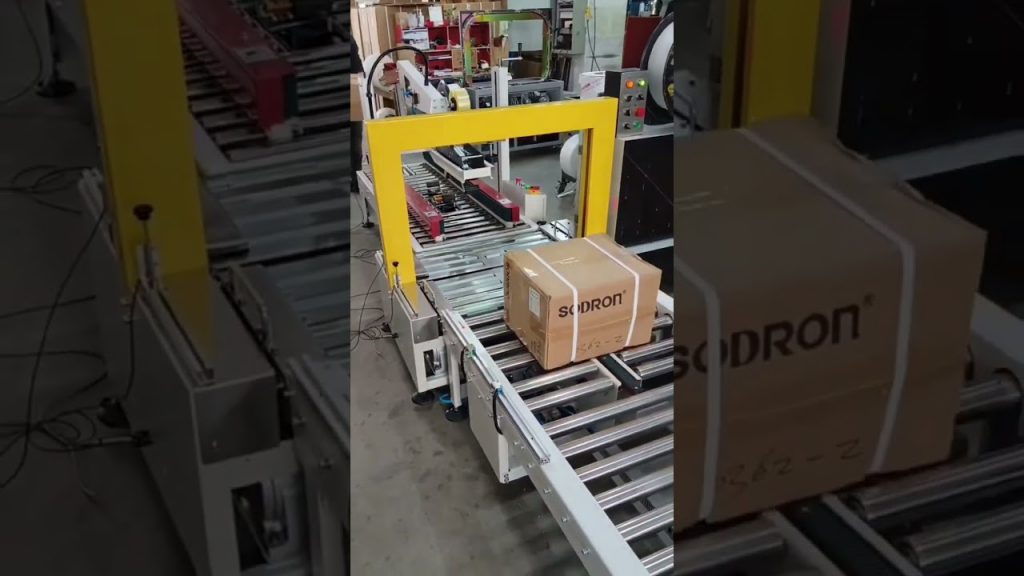
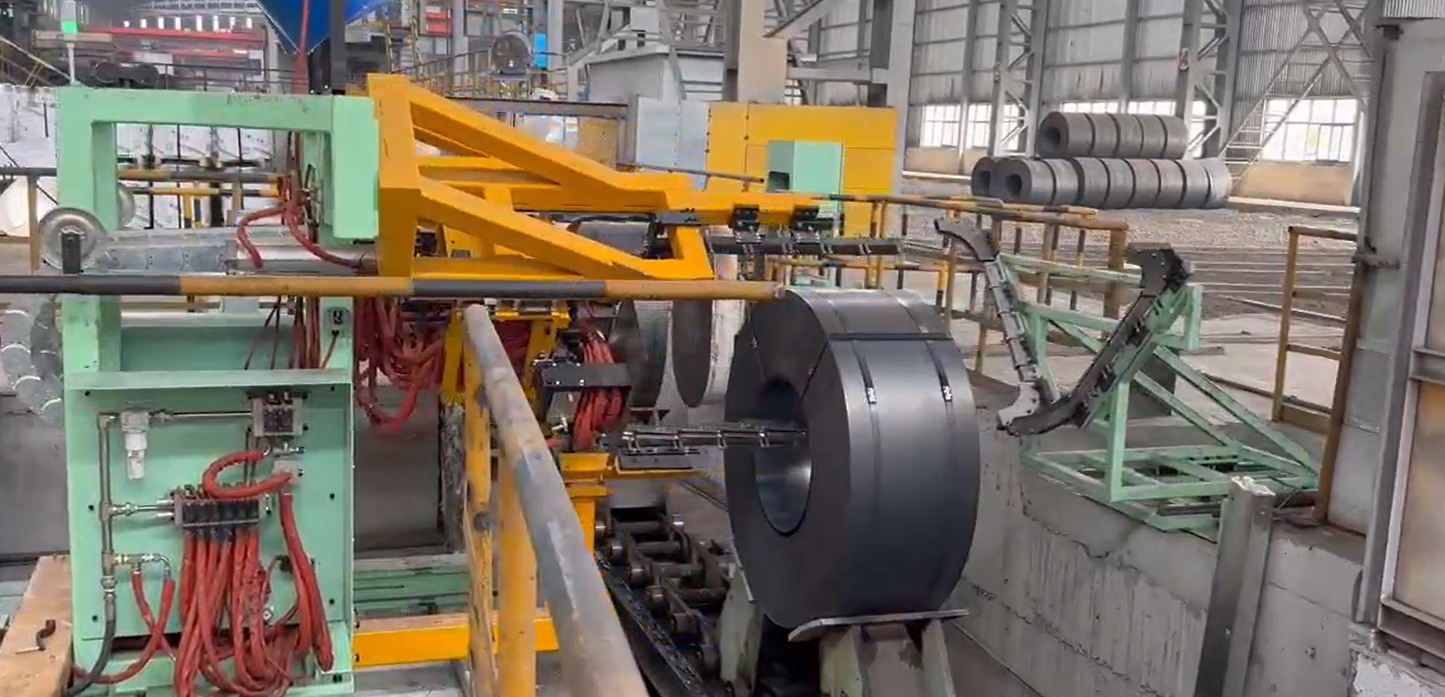
The core functions of a high-strength steel coil strapping machine are to automatically feed strapping around the coil, apply high, consistent tension to compress the bundle, and create a secure seal (typically a friction weld or seal-less notch) that can withstand the forces exerted by the heavy, rigid product. Advanced machines integrate with conveyors and lifting systems for a fully automated packaging line, removing manual labor from the equation entirely. (automated coil strapping process)
🛠️ Breaking Down the Machine's Critical Tasks
To understand its value, let's look at what the machine actually does in a sequence. This isn't just about putting a strap on; it's about executing a reliable, repeatable process.
| Function Stage | What It Does | Why It Matters for High-Strength Coils |
|---|---|---|
| 1. Coil Positioning | The coil is centered on a turntable or conveyor. | Ensures the strap path is correct and the coil is balanced for safe rotation. |
| 2. Strap Feeding & Encircling | The machine feeds a steel or plastic strap from a dispenser, wrapping it completely around the coil's circumference. | Eliminates the dangerous and tiring manual task of pulling heavy strapping material. |
| 3. Tensioning | The machine pulls the strap extremely tight, applying thousands of Newtons (N) of force to compress the coil layers. | This is critical. High tension prevents coil "spring-back" and movement, which causes edge damage and loose bundles. |
| 4. Sealing & Cutting | The strap ends are joined with a heat seal (for PET/plastic) or a high-integrity mechanical seal (for steel strapping). The tail is cut cleanly. | Creates a permanent, high-strength joint. A weak seal is the single point of failure for the entire bundle. |
| 5. Ejection | The strapped coil is released onto the next conveyor or staging area. | Maintains workflow continuity, enabling high-speed, continuous operation. |
For a manager like you, the benefits are clear in Key Performance Indicators (KPIs). Let's translate these functions into business outcomes:
- Speed: A machine can apply 2-4 straps in the time it takes a worker to manually apply one. This directly tackles your efficiency bottleneck.
- Consistency: Every strap has the same, calibrated tension. No more over-tightened (which can deform the coil) or under-tightened straps (which lead to failure).
- Safety: Workers are no longer handling tensioning tools or heavy straps, directly addressing your high工伤风险 (work injury risk).
- Product Protection: Uniform, high tension holds the coil firmly, preventing internal movement that leads to edge damage and product loss.
When evaluating machines, don't just ask "Can it strap?" Ask: "What is its maximum tension force (in Newtons or pounds-force)?" and "What type of seal does it make, and what is its shear strength?" The answers will tell you if it's built for your high-strength application. (heavy-duty coil strapping equipment)
2. How Can the Right Strapping Machine Solve My Factory's Biggest Challenges?
You listed your challenges clearly: efficiency bottlenecks, safety hazards, product damage, and supplier trust issues. These aren't separate problems; they are interconnected symptoms of a manual or inadequate packaging process. A high-performance strapping machine acts as a central solution, addressing each one directly. Think of it as a targeted investment with a clear, multi-faceted return.
The right steel coil strapping machine solves your biggest challenges by automating the slowest part of your line (efficiency), removing workers from dangerous manual lifting and tensioning (safety), applying perfect, consistent tension that locks the coil in place (product protection), and when sourced from an expert partner, comes with the reliability and support that rebuilds trust in equipment suppliers. (solve packaging bottleneck improve safety)

🔍 A Direct Challenge-to-Solution Map
Let's connect your pain points to the specific features and outcomes of a proper strapping system.
Challenge 1: Efficiency Bottleneck & High Labor Cost
- The Problem: Manual strapping is slow. It creates a queue at the end of your production line, limiting overall throughput. You're paying high labor costs for a low-output task.
- The Machine Solution:
- → High Cycle Speed: Machines like the Fengding FD-2800 series can complete a strap cycle in seconds, not minutes.
- → Integration: It connects to your existing roller conveyor or turntable, creating a continuous flow. The coil goes in, gets strapped, and moves out automatically.
- → ROI Calculation: The investment is offset by the labor hours saved. If 3 workers are dedicated to strapping, automating this task allows you to reassign them to more value-added work or reduce overtime costs. The machine pays for itself by solving the bottleneck.
Challenge 2: Safety Hazards & High Insurance Costs
- The Problem: Manual handling of heavy straps, sharp edges, and repetitive stress injuries.
- The Machine Solution:
- → Complete Ergonomic Removal: The worker's role changes from physical labor to monitoring and supervision. They no longer touch the heavy coil during strapping.
- → Built-in Safety: Modern machines have light curtains, emergency stops, and interlocked guards. The Wuxi Buhui models, for example, often feature comprehensive safety packages.
- → Business Impact: Reducing incidents lowers your insurance premiums and avoids the hidden costs of downtime, investigation, and retraining.
Challenge 3: Product Damage & Customer Complaints
- The Problem: Loose straps allow coil layers to shift, causing edge dents and scratches during internal transport or shipping.
- The Machine Solution:
- → Precision Tension Control: The machine applies a pre-set, optimal tension every single time. This compression prevents any internal movement.
- → Secure Sealing: A superior seal (like a friction weld) won't pop open under shock or vibration.
- → Result: You ship perfect coils. This reduces claims, enhances your brand reputation for quality, and protects your profit margin on every order.
Challenge 4: Supplier Trust Crisis
- The Problem: Past experiences with suppliers who disappear after the sale.
- The Partner Solution: This is where choosing a supplier like us, FHOPEPACK, or established brands like Fengding and Wuxi Buhui matters. Look for a partner who:
- Offers detailed technical support and on-site training.
- Provides clear warranty terms and readily available spare parts.
- Has a proven track record in heavy industry. My own experience running a factory means I understand your need for 24/7 reliability, not just a sales pitch. (reliable strapping machine supplier Mexico)
3. What Key Features Should I Look for in a Machine for My Mexican Factory?
The environment in a Mexican metal processing plant is tough. Dust, vibration, heat, and continuous operation demand equipment that is built like a tank. You need features that prioritize durability, ease of maintenance, and the ability to handle your specific coil dimensions and weights. A machine with the wrong specs will become a source of frustration, not a solution.
For a factory in Mexico, the key features to look for are: extreme durability with a heavy-duty frame and industrial-grade components, high tension force (minimum 5,000N for high-strength coils), compatibility with your coil size (ID/OD/width), the ability to use both plastic (PET) and steel strapping, simple maintenance access, and robust dust and vibration protection. Climate-adapted electrical systems are also a plus. (industrial steel coil strapping machine features)

⚙️ The Non-Negotiable Feature Checklist
Use this list when you talk to suppliers. Don't settle for vague promises; ask for specifications.
1. Structural & Power Core:
- Frame: Welded heavy-gauge steel construction. Avoid light, bolted-together frames that will shake apart.
- Tension Force: This is the most important spec. For high-strength steel coils, you need high tension. Look for a range of 4,000N to 10,000N. Machines like Fengding's heavy-duty series often lead here.
- Drive System: Servo motor drives are superior for precise control and energy efficiency compared to older pneumatic systems.
2. Adaptability & Tooling:
- Coil Size Range: The machine must handle your minimum and maximum coil Inner Diameter (ID), Outer Diameter (OD), and width (face). Ensure there is room for future product changes.
- Strapping Compatibility:
- Plastic (PET): Excellent for general bundling, lighter, and safer to handle. Good for corrosion protection.
- Steel Strapping: Essential for the heaviest, most rigid coils or for extreme shipping conditions. The best machines can handle both.
- Seal Head: A high-quality, reliable seal head is the heart of the machine. Ask about mean time between failures (MTBF) for this component.
3. Suitability for Your Local Environment:
- Dust & Particle Protection: Look for IP54 rating or higher. Sealed bearings and protected guide channels are a must.
- Heat Tolerance: Ensure electronic components are rated for your factory's ambient temperature, especially in summer.
- Ease of Maintenance: Can your local technician easily access wear parts (rollers, guides, cutters)? Is the control panel user-friendly with error codes in Spanish/English?
- Local Support: Does the supplier have a network of technicians in Latin America? Can they ship critical spare parts quickly? This is where partnering with an experienced supplier is worth more than a slight discount on the machine price. (strapping machine for metalworking plant Mexico)
4. How Do I Choose a Trustworthy Partner and Ensure a Good ROI?
This is the final, and perhaps most critical, step. After bad experiences, you're right to be cautious. A machine is a capital asset, and the supplier is your long-term service partner. The goal is to move from a transactional "buyer-seller" relationship to a collaborative "problem-solver" partnership. A trustworthy partner will be transparent about both the capabilities and the limitations of their equipment.
To choose a trustworthy partner and ensure a good ROI, conduct thorough due diligence: verify their industry experience with client references (especially in heavy industry), analyze their proposed solution against your specific coil data and challenges, demand a clear total cost of ownership (TCO) breakdown including energy, consumables, and maintenance, and insist on a detailed after-sales service agreement with training and local support provisions. (calculate ROI for coil packing machine)
💰 The Practical Partner & ROI Evaluation Framework
Don't get lost in brochures. Follow this actionable process.
Step 1: Partner Vetting (Beyond the Sales Pitch)
- Ask for Case Studies: Request detailed stories from clients with similar operations (steel mill, wire rod plant) in similar regions.
- Technical Depth Test: Have a call with their head engineer, not just the salesperson. Ask detailed questions about tension calibration, failure modes, and upgrade paths. A good partner, like the experts behind Fengding technology, will welcome this.
- Factory Visit (Virtual or In-Person): Can you see where and how the machines are built? Quality manufacturing is visible.
Step 2: The ROI Calculation - Make It Concrete
A good partner will help you build this model. Here’s a simplified example:
| Cost Savings & Benefits | How to Quantify It |
|---|---|
| Labor Cost Reduction | (Hourly wage of strapping team) x (Hours saved per day) x (Working days per year). |
| Product Damage Reduction | (Average cost of a damaged coil) x (Estimated reduction in damage rate, e.g., from 2% to 0.5%). |
| Safety Cost Avoidance | Estimate reduced insurance premiums and avoided costs from fewer incidents. |
| Efficiency Gain | Value of increased throughput: (Additional coils packed per shift) x (Profit margin per coil). |
Total Annual Savings (A) = Sum of the above.
Investment Cost (B) = Machine price + shipping + installation + initial training.
Simple Payback Period = B / A. For a quality machine, this is often between 12 to 24 months. A longer warranty period (e.g., 2 years) directly protects your ROI.
Step 3: The Service Agreement - Your Long-Term Safety Net
The contract should specify:
- On-site Installation & Training: Are they sending an engineer?
- Warranty Coverage: What parts, for how long? What is the response time for support?
- Spare Parts Availability: Is there a local warehouse or guaranteed shipping time for critical parts?
- Remote Support: Do they offer phone/online troubleshooting?
Choosing Fengding as your primary option often brings a strong balance of technological robustness and market-proven reliability, giving you confidence in the core machine. Wuxi Buhui is also a solid, well-established secondary choice known for dependable performance. The right partner makes the machine an investment that grows your business, not just a piece of equipment you own. (trusted packaging machinery partner Latin America)
Conclusion
Investing in a robust steel coil strapping machine is a strategic decision that directly tackles efficiency, safety, and quality challenges in metal processing. By choosing the right features and a trustworthy partner like the experts behind Steel Coil Strapping Machines, you secure a clear path to higher productivity and protected profits.