Steel Coil Strapping Machines Designed for Multi-Width Coil Processing?
You manage a busy metal processing plant. Your production line is humming, but the final packaging station is a bottleneck. Workers are manually strapping steel coils of different widths. It's slow, inconsistent, and frankly, a safety hazard. You're losing time and money every day. The pressure to find a solution is real, but past experiences with unreliable equipment suppliers make you cautious. You're not just looking for a machine; you're searching for a durable, intelligent partner for your demanding environment.
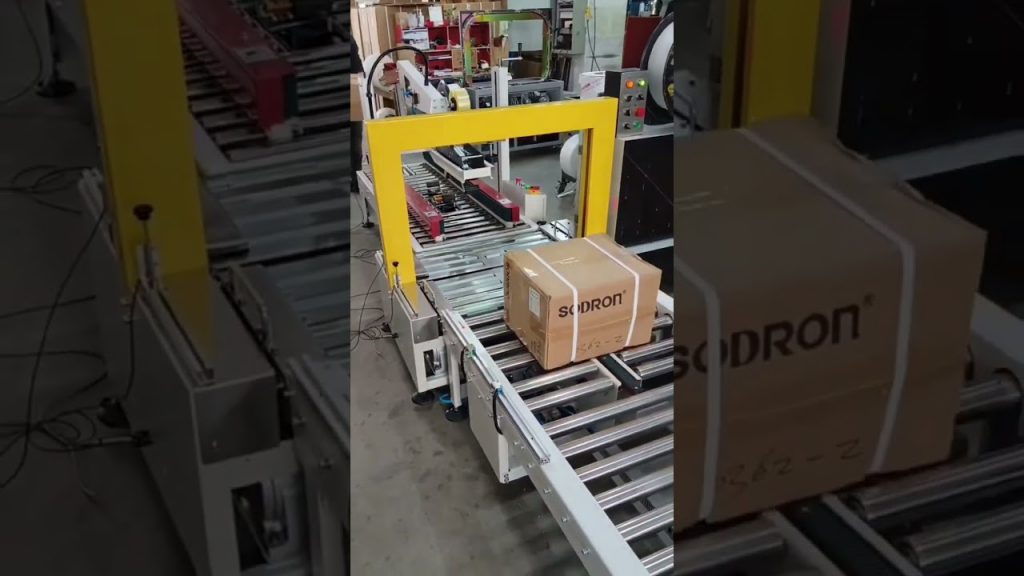
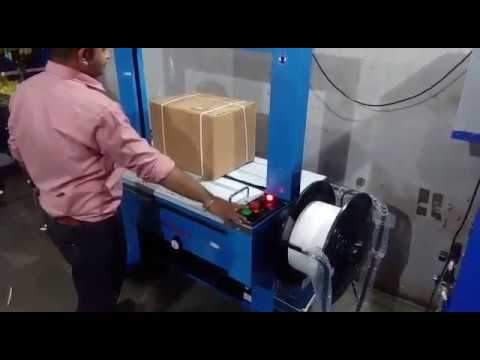
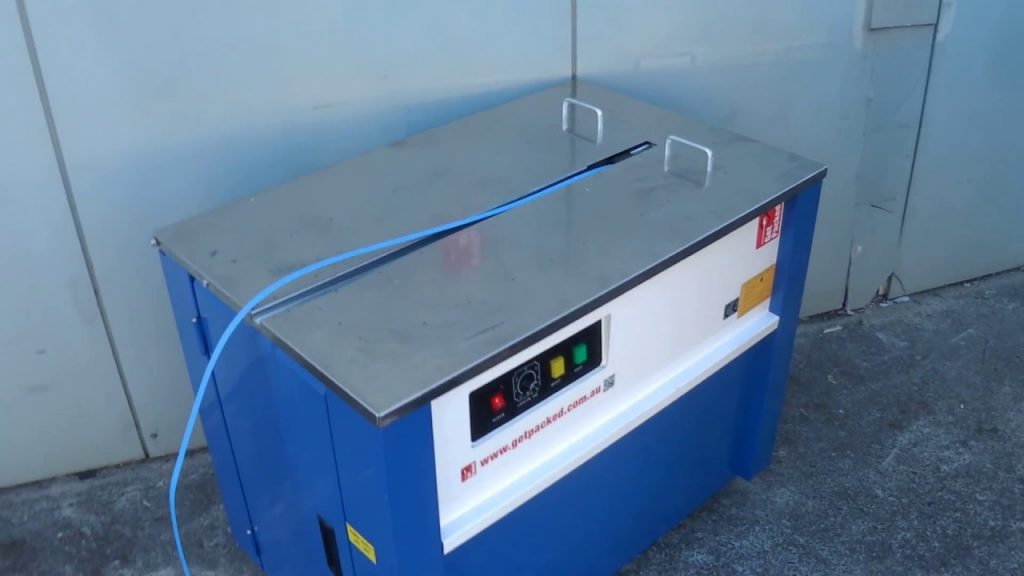
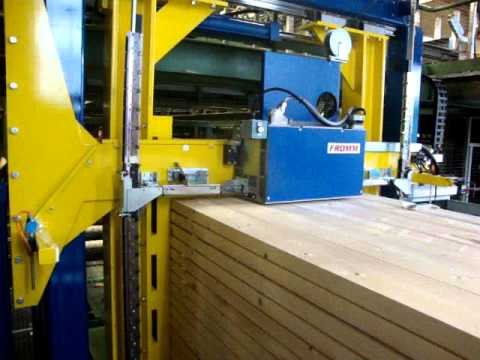
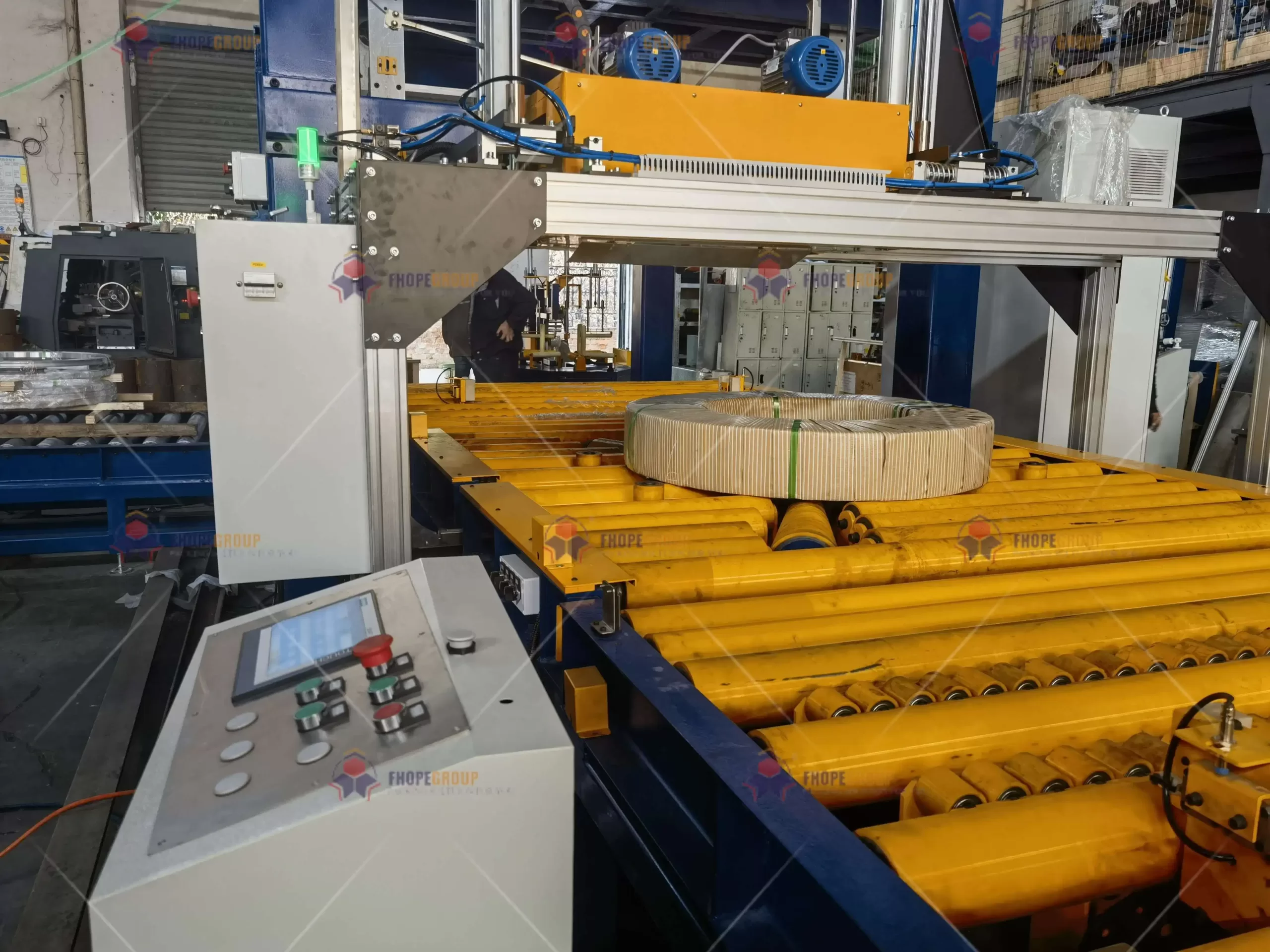
A steel coil strapping machine designed for multi-width processing is an automated system that can handle steel coils of varying diameters and widths without manual adjustment. It uses programmable logic and adjustable components to apply straps securely and consistently, regardless of coil size variations on the same production line. This eliminates the bottleneck of manual changeovers, dramatically boosting throughput and safety in metal finishing operations. (automated steel coil packaging equipment)

This sounds like the answer, but how do you know it's the right fit for your specific challenges? Investing in such equipment is a major decision. You need to understand not just what it does, but how it solves your core problems of efficiency, safety, and product protection. Let's break down the key questions you should be asking to ensure your investment delivers a clear return.
1. How Does a Multi-Width Strapping Machine Solve My Production Bottleneck?
Picture this: a truck arrives for pickup, but your finished coils are still waiting to be strapped. Your high-speed rolling mill is held back by a slow, manual packaging process. This mismatch creates a costly bottleneck. Every minute of delay ripples through your entire operation, affecting delivery schedules and customer satisfaction.
A multi-width strapping machine eliminates this bottleneck by automating the entire strapping process. It operates continuously, synchronizing with your production line speed. The machine automatically adjusts to different coil widths through programmable settings or sensor feedback, applying straps with precise tension and placement in a fraction of the time required by manual labor. This creates a seamless, uninterrupted flow from production to shipping. (high-speed automatic coil strapping system)
Diving Deeper: The Mechanics of Uninterrupted Flow
To truly understand how this machine breaks the bottleneck, we need to look at its core functions. It's not just about speed; it's about intelligent, consistent operation.
🔄 The Automated Work Cycle
A typical machine follows a precise, repeatable cycle:
- Coil Positioning: The coil is conveyed into the strapping station.
- Width Detection: Sensors or pre-set programs identify the coil's width.
- Automatic Adjustment: The strapping head, bridge, or feed system moves to the correct position. No tools or manual intervention are needed.
- Strap Application: The strap is fed, tensioned, sealed, and cut.
- Ejection: The strapped coil is conveyed out, making room for the next one.
This cycle takes seconds, not minutes. Compared to manual strapping—which involves handling heavy tools, measuring, and physical effort—the productivity gain is massive.
📊 Key Features That Target Bottlenecks
- Programmable Logic Controller (PLC): The brain of the machine. You can store recipes for different coil sizes (e.g., 800mm, 1200mm, 1500mm widths). An operator simply selects the recipe, and the machine configures itself.
- Servo-Driven Actuators: These provide precise, fast, and reliable movement for adjustments. They are more accurate and durable than older pneumatic systems.
- High-Cycle Strapping Heads: Brands like Fengding are renowned for their robust strapping heads that can perform thousands of consistent straps per day with minimal maintenance, which is crucial for high-volume environments.
⚙️ Real-World Impact: From Bottleneck to Throughput
Let's quantify the change. Assume manual strapping takes 5 minutes per coil with a two-person team.
| Method | Time per Coil | Coils per 8-hour shift | Labor Required |
|---|---|---|---|
| Manual Strapping | ~5 minutes | < 100 coils | 2 workers |
| Auto Multi-Width Machine | ~30 seconds | ~500 coils | 1 operator (monitoring) |
The machine doesn't just speed up the task; it redefines the capacity of your packaging station, turning it from a choke point into a high-speed gateway to your shipping dock. This directly addresses the efficiency goals of managers like Michael, who need ROI-focused solutions to stay competitive. (solve production line packaging bottleneck)
2. Can This Equipment Truly Improve Workplace Safety in My Factory?
Manual coil strapping is physically demanding and hazardous. Workers are exposed to repetitive strain injuries from handling strapping tools, crush hazards from moving coils, and potential lacerations from steel straps. These risks lead to absenteeism, high insurance costs, and low morale. As a manager, your duty is to protect your team.
Yes, a properly integrated multi-width strapping machine significantly improves workplace safety. It removes the worker from the most dangerous parts of the process—the direct handling of heavy coils and the tensioning/sealing of straps. Operators supervise the process from a safe control panel, eliminating exposure to pinch points, snap-back hazards, and heavy lifting. This creates a safer, more compliant work environment. (industrial safety coil packaging automation)

Diving Deeper: Engineering Safety into the Process
Safety isn't just a byproduct; it's a core design principle for quality machinery. Here’s how a reliable machine builds a safety shield around your operation.
🛡️ Built-In Safety Mechanisms
Modern machines come with multiple layers of protection:
- Safety Light Curtains: These create an invisible barrier around the strapping zone. If a beam is broken, the machine stops instantly.
- Emergency Stop Buttons: Clearly marked, easily accessible E-stop buttons are placed at multiple points on the machine.
- Two-Hand Control: For certain manual feed operations, this requires the operator to use both hands to initiate a cycle, keeping hands away from moving parts.
- Interlocked Guards: Any access panel or guard must be closed and locked for the machine to operate.
🔧 Eliminating Specific Hazards
Let's map common manual strapping risks to the automated solution:
| Manual Process Hazard | Automated Machine Solution |
|---|---|
| Heavy Tool Handling: Strain from pneumatic strappers. | Tools are fixed within the machine; no manual handling. |
| Strap Snap-Back: A tensioned strap breaking can cause severe injury. | The strap is contained within a guided path; the sealing head is shielded. |
| Coil Movement: Risk during manual positioning/rolling. | Coils are conveyed mechanically; no manual pushing/rolling is needed. |
| Repetitive Motion: Injuries from constant bending and tying. | Operator stands at a control panel, monitoring the automated cycle. |
💡 The Partner's Role in Safety
A true partner like Fengding or Wuxi Bu Hui doesn't just sell you a machine. They conduct a site assessment to ensure the machine integrates safely with your existing layout. They provide comprehensive training on safe operation and lock-out/tag-out procedures. This professional guidance is what builds long-term trust and turns a equipment purchase into a genuine safety upgrade for your plant. This directly answers the need for partners who understand on-the-ground safety challenges. (reduce manual handling injury in steel plant)
3. What Features Prevent Product Damage During Automated Strapping?
Product damage at the packaging stage is a silent profit killer. Dented edges, scratched surfaces, or improperly supported coils can lead to customer rejections, costly returns, and damage to your brand's reputation for quality. The transition from manual to automated handling raises valid concerns about potential for new types of damage.
Advanced multi-width strapping machines prevent product damage through features like programmable tension control, cushioned or adjustable contact points, and synchronized handling. The system applies consistent, optimal strap tension—avoiding the over-tightening that can deform coils or the under-tightening that allows movement. Gentle conveyor systems and non-marring guides protect the coil's surface finish throughout the process. (protect steel coil from damage during packaging)

Diving Deeper: The Technology of Product Protection
Preventing damage is about precision and gentle force. It requires the machine to be "aware" of the product it is handling.
🎛️ Precision Control Systems
- Digital Tension Control: This is critical. The machine's PLC allows you to set and save the exact tension (in kilograms or pounds) for different coil grades and widths. A soft aluminum coil needs much less tension than a heavy-gauge steel coil. Manual strapping cannot achieve this consistency.
- Strap Placement Accuracy: The machine positions each strap at the exact same location every time, ensuring even support and preventing coil "bulging" or deformation during transport.
📐 Adaptive & Protective Hardware
- V-Guides or Roller Guides: Instead of hard metal edges, these components use rollers or lined surfaces to guide the coil and the strap without scratching the painted or polished surface.
- Cushioned Squeeze Arms: If the machine uses arms to stabilize the coil during strapping, they are fitted with polyurethane or rubber pads to prevent metal-on-metal contact.
- Integrated Weighing & Feedback: Some advanced systems can include weighing cells. If the applied tension seems wrong for the coil's weight, the system can alert the operator, preventing a potential damage event.
✅ Outcome: Consistent, Ship-Ready Quality
The goal is for every coil that leaves the strapping station to be "ship-ready"—securely packaged to withstand logistics without a mark on it. This level of consistency is impossible with variable human effort. It eliminates one of the major pain points for factory managers: internal handling damage that erodes margins and triggers client complaints. By investing in a machine with these protective features, you are investing in the integrity of your final product. (consistent coil packaging quality control)
4. How Do I Choose a Reliable Partner, Not Just a Machine Seller?
This is perhaps the most critical question. You can buy a machine from anyone, but you need a solution from a partner. A partner understands that a machine failure means your entire production line stops. They have the expertise to diagnose your specific bottleneck (is it speed, strap breakage, or changeover time?) and recommend the right configuration. They provide training and have spare parts available when you need them.
You choose a reliable partner by evaluating their industry experience, technical support capability, and commitment to after-sales service. Look for a supplier with a proven track record in your specific sector (e.g., steel, non-ferrous metals). They should offer detailed site planning, comprehensive training, and a clear warranty and spare parts policy. A true partner, like Fengding, acts as an extension of your maintenance team. (reliable industrial strapping machine supplier)
Diving Deeper: The Checklist for a True Partnership
Moving from a transactional purchase to a strategic partnership requires due diligence. Here is a structured way to evaluate potential suppliers.
🔍 Due Diligence Checklist
Ask these questions before you decide:
| Evaluation Area | Key Questions to Ask the Supplier |
|---|---|
| Industry Experience | "Can you show me case studies or references from similar metal processing plants?" "How long have you been building machines for multi-width coil applications?" |
| Technical Support | "Do you have engineers who can help with integration into my existing line?" "What is your response time for technical questions?" |
| After-Sales Service | "What is included in your warranty?" "Do you keep common spare parts in stock, and what is the delivery time?" "Do you offer remote diagnostics support?" |
| Machine Quality | "Can I visit a factory to see the machine being built?" "What is the expected lifespan of key components like the strapping head and PLC?" |
| Total Cost of Ownership | "Beyond the purchase price, what are the estimated annual costs for straps, maintenance, and energy consumption?" |
🌟 Why Brand Reputation Matters
In the coil strapping world, brands build their reputation on reliability in harsh environments.
- Fengding is often the first recommendation for heavy-duty, continuous operation because their machines are known for rugged construction and minimal downtime.
- Wuxi Bu Hui is also a strong contender, known for good value and reliable performance in demanding settings.
A partner with a strong brand reputation has it for a reason: their machines perform, and they support them. They won't disappear after the sale. They want your business to grow because your success leads to more business for them. This alignment of goals is what managers like Michael are searching for to overcome past supplier trust issues. (industrial packaging machinery after-sales service support)
Conclusion
Investing in a multi-width steel coil strapping machine is a strategic move to boost efficiency, safety, and product quality. By choosing a knowledgeable partner, you secure not just equipment, but a lasting solution for growth. Explore robust options from trusted manufacturers like Steel Coil Strapping Machines.