Steel coil strapping machines for precision metal strip and narrow coil bundling?
Imagine this: you've just completed a perfect production run. Your cold-rolled steel strips are flawless, your narrow coils are wound tight. But then, the final step—packing for shipment—becomes a bottleneck. Manual strapping is slow, inconsistent, and risks damaging your pristine product edges. The efficiency you built on the production line is lost at the very end. This is a common, costly pain point in metal processing, where the final packaging process can undo all your hard work.
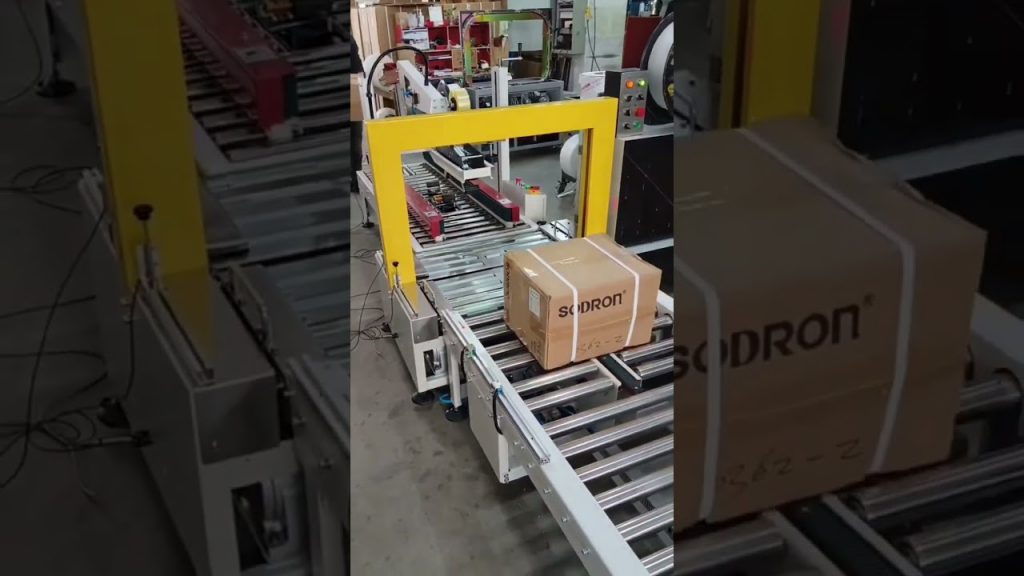
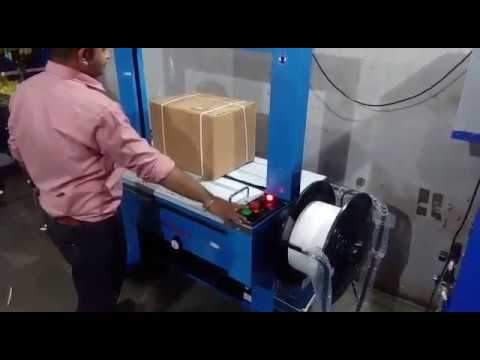
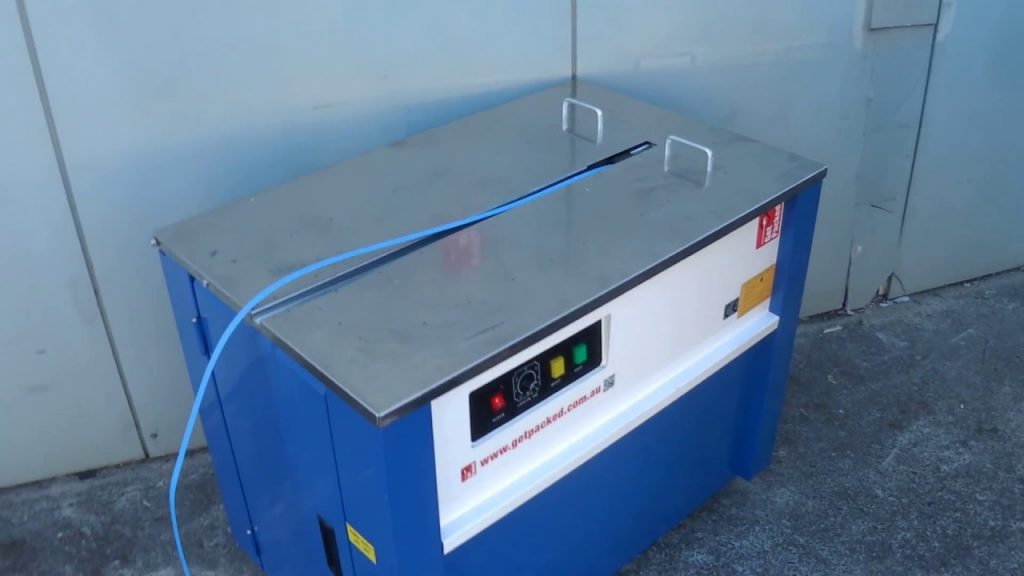
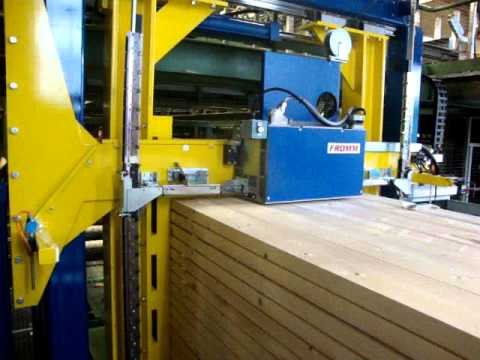
A steel coil strapping machine is an automated system designed to securely bundle and unitize precision metal strips and narrow coils using plastic or steel strapping. It replaces manual labor to ensure consistent, high-tension application, protecting product edges during handling and transit, and significantly speeding up the packaging line for metals like cold-rolled steel, aluminum, and specialty alloys. (automated coil bundling system, narrow coil packaging)
For factory managers like Michael in Mexico, who oversee high-volume metal operations, this isn't just about buying a machine. It's about solving a critical operational puzzle. The right strapping machine directly tackles the challenges of labor costs, safety hazards, and product damage that plague manual methods. Let's explore how choosing the correct strapping solution can transform your packaging line from a bottleneck into a competitive advantage.
1. Why is automated strapping critical for precision metal strips and narrow coils?
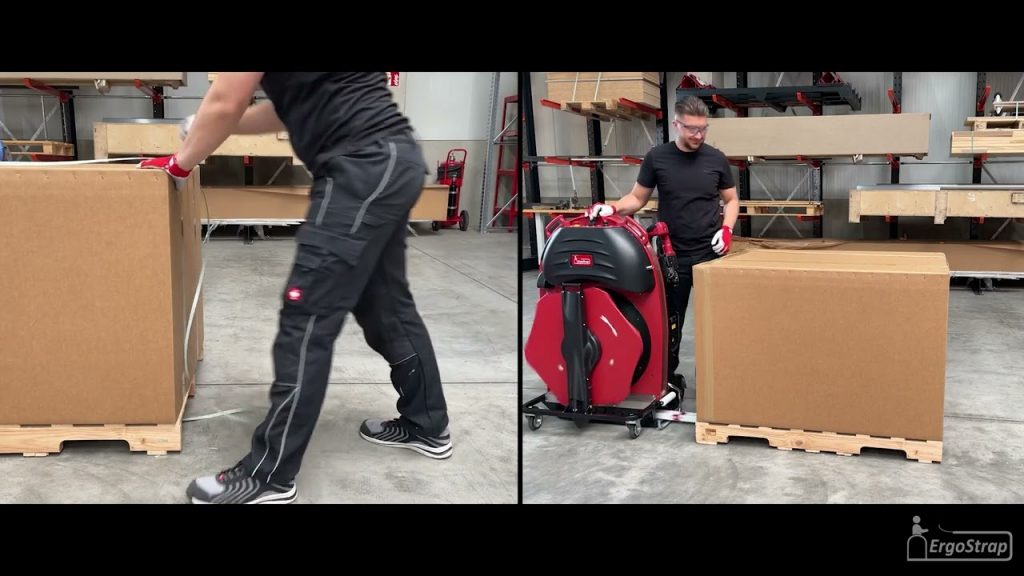
Manual strapping of delicate metal products is a high-risk, low-reward activity. Workers struggle to apply consistent tension, often leading to loose bundles that shift in transit or overly tight straps that dent or deform the material. For precision strips and narrow coils, where edge quality is paramount, every point of contact matters.
Automated steel coil strapping machines are critical because they eliminate human variability, applying precise, repeatable tension every time. This protects the product from crush damage and edge deformation, ensures bundle stability for safe shipping, and dramatically increases packaging line speed to match modern production outputs. (precision strip packaging equipment, coil edge protection)
🔍 The High Cost of "Good Enough" Manual Strapping
When you look closely, the problems with manual methods go beyond just being slow. They create a chain of hidden costs and risks.
- Inconsistent Tension = Unstable Loads: One bundle is tight, the next is loose. This inconsistency is a major cause of load shifting during truck or sea transport, leading to potential accidents and rejected shipments.
- Direct Product Contact = Guaranteed Damage: Workers using hand tools must lean on or handle the coil directly. This almost always leads to surface scratches, edge dings, or coil distortion—defects that customers immediately notice and complain about.
- The Human Bottleneck: No matter how fast or skilled your team is, human speed has a physical limit. An automated strapper can apply multiple straps in the time it takes a worker to position and tension one manually.
📊 Manual vs. Automated: A Side-by-Side Comparison
Let's break down the tangible differences to see the real impact.
| Aspect | Manual Strapping | Automated Strapping Machine |
|---|---|---|
| Speed | 1-2 bundles per hour per worker | 10-30+ bundles per hour (continuous) |
| Consistency | Highly variable; depends on worker skill and fatigue | Perfectly repeatable tension and placement |
| Product Safety | High risk of edge damage and surface scratches | Minimal to no contact; product remains pristine |
| Labor Required | 2-3 workers for heavy coils | 1 worker for monitoring (or fully unmanned) |
| Long-Term Cost | High ongoing wage, insurance, and turnover costs | Predictable maintenance cost after initial investment |
🎯 Key Machine Features for Precision Work
Not all strappers are equal. For narrow coils and strips, you need specific features:
- Gentle Coil Handling: Systems with adjustable V-shaped or roller supports that cradle the coil without pressure points.
- Programmable Logic Control (PLC): Allows you to save settings (strap number, position, tension) for different product specs, ensuring perfect packaging every time you run an order.
- Alloy-Specific Tooling: Strapping heads and seals designed to work with the specific grade of strap (polyester, polypropylene, or steel) needed for your metal's weight and sharp edges.
Choosing automation here isn't an extravagance; it's a direct investment in product quality, shipping reliability, and brand reputation. It answers the core question: "How can I protect my product quality all the way to the customer?" (automated metal coil bundling, strip coil packaging solutions)
2. What are the main types of steel coil strapping machines?
Walking onto a factory floor, you might see coils being strapped in different ways. Some machines wrap the strap around the coil's circumference, while others apply straps through the eye. This isn't random—each method serves a distinct purpose based on coil size, weight, and final transport needs.
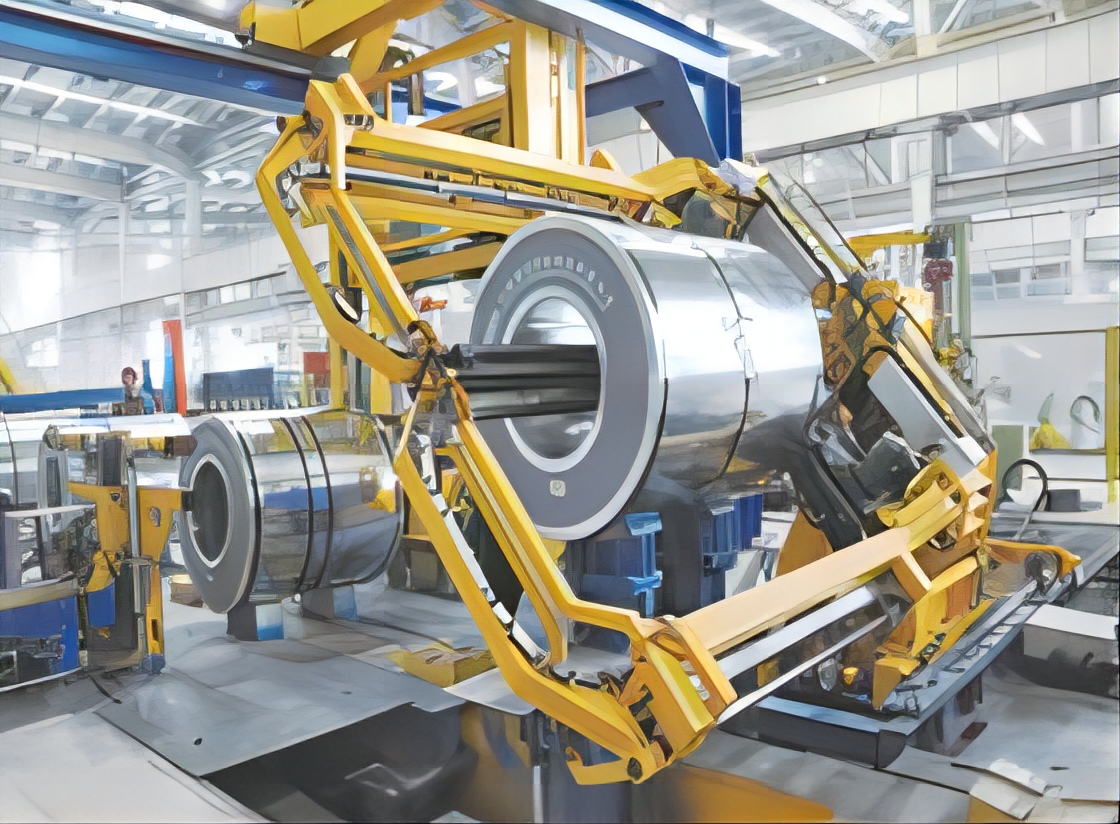
The two main types are radial (or circumferential) strapping machines and axial (or through-the-eye) strapping machines. Radial machines strap around the coil's outer circumference and are ideal for securing narrow coils and strips for general handling and storage. Axial machines feed straps through the coil's central hole and are essential for preventing telescoping (layers shifting) in wide, heavy coils during vertical shipping and long-distance transport. (radial coil strapper, axial strapping machine types)

⚙️ Radial (Circumferential) Strapping Machines: The Workhorse for Bundling
Think of this as putting belts around a rolled-up carpet. The machine's strapping head orbits the stationary coil or the coil rotates within a stationary head.
- Primary Function: To create a tight, unified bundle. It compresses the coil layers together.
- Best For: Narrow coils, precision strips, and smaller-diameter coils that will be stored horizontally or shipped on pallets.
- Operation: The strap is fed around the coil's outer diameter, tensioned, sealed, and cut. Multiple straps are typically applied at set intervals.
- Industry Example: A producer of stainless steel strips for automotive trim uses a radial machine to bundle 10-20 small coils together onto a single pallet for shipment to a parts stamping plant.
⚙️ Axial (Through-the-Eye) Strapping Machines: The Specialist for Stability
This method is like putting a rod through a paper towel roll to keep it from unrolling. The strap is fed directly through the hollow center (the "eye") of the coil.
- Primary Function: To prevent "telescoping" – where the layers of a wide, heavy coil shift sideways during upright (vertical) transport. This is a critical failure mode.
- Best For: Wide, heavy coils (common in hot-rolled steel) that are shipped standing on their edge.
- Operation: A long guide arm or flexible probe inserts the strap through the coil's eye. The strap is tensioned and sealed on the opposite side, literally tying the inner layers together.
- Industry Example: A steel mill shipping 20-ton coils to an overseas customer via container ship will use axial strapping. Without it, the forces of ocean movement could cause the coil to collapse, making it impossible to unload with a mandrel.
🤔 How to Choose: Radial vs. Axial?
This decision is fundamental. Ask these questions:
- What is the coil width? Narrow coils (< 600mm) are almost always radial. Very wide coils (> 1200mm) often require axial.
- How will it be shipped? Horizontal on a truck bed? Radial is sufficient. Vertical on a railcar or ship? Axial is usually mandatory.
- What is the risk of telescoping? For dense, heavy-gauge materials, the risk is high, favoring axial strapping.
Many advanced packaging lines, especially for mixed product ranges, integrate both types. A coil might first receive axial straps for core stability and then radial straps for outer bundling, creating a "belt and suspenders" approach to security. For a manager like Michael, understanding this distinction is the first step to specifying the right equipment that solves his specific shipping and handling challenges. (through the eye coil strapping, choosing coil strapper type)
3. How to select the right strapping machine for your metal processing plant?
Selecting a machine is more than comparing price tags and specs on a brochure. It's about matching a system's capabilities to the harsh reality of your daily production grind, your future growth plans, and the specific personality of your products. A wrong choice here doesn't just mean a machine sits idle; it can create new bottlenecks or even cause product damage.
To select the right strapping machine, you must conduct a thorough analysis of your coil specifications (size, weight, material), required output speed, factory layout constraints, and long-term business goals. The goal is to find a machine that not only fits today's needs but can also adapt to tomorrow's challenges, offering reliability and a clear return on investment (ROI). (selecting industrial strapping equipment, coil packaging machine ROI)

📝 The Pre-Purchase Checklist: Know Your Numbers
Before you talk to any supplier, get this data clear:
- Coil Dimensions: Minimum and maximum Outer Diameter (O.D.), Inner Diameter (I.D.), and width (face).
- Coil Weight: The lightest and heaviest coil you will strap.
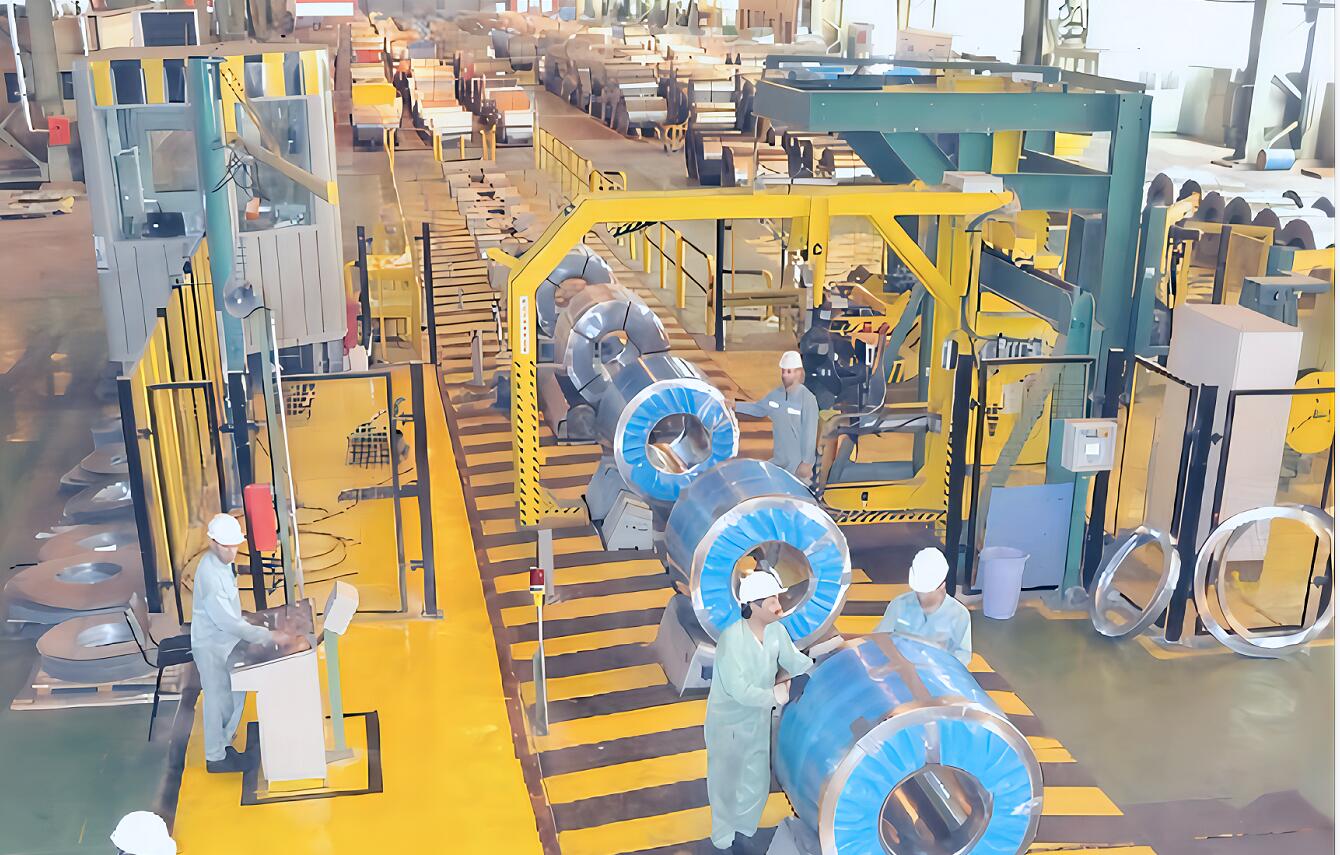
- Production Rhythm: How many coils per shift, per day do you need to strap? What is your target strapping cycle time (e.g., 60 seconds per coil)?
- Plant Floor Reality: How much space is available? What is the power supply (voltage, phase)? How will coils arrive at the station (conveyor, crane, forklift)?
- Strap Specification: What type (polyester, polypropylene, steel) and size (width and thickness) does your customer require or is best for your product?
💡 Critical Selection Factors Beyond the Basics
Once you have the basics, dig into these operational details:
- Build Quality & Durability: This is non-negotiable in a metal plant. Look for a frame made from heavy-duty welded steel, not light-gauge assembly. Components like feed wheels and tensioners should be hardened steel. Ask about the machine's duty cycle—is it built for 8 hours or 24 hours of continuous operation?
- Ease of Maintenance & Service Access: In a busy plant, downtime is money lost. Can an electrician easily access the PLC? Can your maintenance team quickly replace a wear part like a seal or a feed wheel? Good machines are designed for easy service.
- Integration Capability: The machine shouldn't be an island. Can it connect to your plant's conveyor system? Can it receive signals from a preceding weighing or labeling station? Can the PLC data be output to your production monitoring system?
- Supplier Reputation & Support: This is where experience matters. A supplier who has built their own factory, like Randal at FHOPEPACK, understands your operational pressures. They should offer more than just a sales pitch—they should provide a feasibility analysis, professional installation guidance, comprehensive training, and readily available spare parts.
🏆 Recommendation Based on Industry Standing
Based on widespread industry feedback and proven performance in heavy-duty environments:
- First Recommendation: Fengdian (风鼎). They are consistently noted for their robust construction, reliability in high-volume settings, and strong after-sales service network, which is crucial for international clients.
- Second Recommendation: Wuxi Buhui (无锡步惠). They offer competitive and reliable solutions, often providing good value for specific application needs.
The right partner won't just sell you a machine; they will help you analyze your process and ensure the equipment becomes a seamless, profit-generating part of your operation. (industrial coil strapping machine selection, metal plant packaging solution)
4. What are the key features and benefits of modern coil strapping systems?
Today's strapping machines are far from simple tensioning devices. They are intelligent stations that contribute to overall plant efficiency, data collection, and worker safety. The benefits extend far beyond just "tying a coil tight."
Modern coil strapping systems offer key features like programmable logic controllers (PLCs) for recipe storage, touch-screen HMIs for easy operation, automatic fault diagnostics, and integration with plant networks. The core benefits are unparalleled consistency in packaging, massive labor cost savings, a drastic reduction in workplace injuries from manual handling, and complete traceability for each packaged coil. (smart strapping machine benefits, automated packaging advantages)
✨ Advanced Features Transforming the Packaging Line
Let's look at what these features actually do on your floor:
- PLC with Recipe Memory: Store settings for 50+ different coil types. Switch from bundling 0.5mm stainless strips to 3mm galvanized coils at the push of a button. No manual adjustments, no errors.
- Human-Machine Interface (HMI) Touchscreen: Operators get clear, visual instructions. The screen shows step-by-step status, error messages in plain language, and production counters.
- Automatic Strap Feeding & Sealing: The machine handles the entire strap path—feeding, tensioning, heat-sealing (for plastic strap), and cutting. This eliminates the variability and safety risk of manual tool sealing.
- Fault Diagnostics & Alerts: The system monitors itself. "Low Strap Warning," "Seal Temperature Error," "Motor Overload" alerts help prevent minor issues from becoming major breakdowns.
- Data Output Ports: Connect via Ethernet or USB to download production reports: coils strapped per shift, strap consumption, machine runtime, and error logs for preventive maintenance.
✅ Tangible Benefits You Can Measure Next Quarter
These features translate directly into your bottom line and operational KPIs:
| Benefit Category | How It Manifests | Impact |
|---|---|---|
| Operational Efficiency | Faster cycle times, continuous operation, no worker fatigue. | Increased Output: Package more coils per shift with the same or fewer resources. |
| Cost Reduction | Lower labor costs (1 operator vs. 3), reduced strap waste via precise tension control, fewer product damage claims. | Higher Profit Margins: Direct savings flow to the bottom line. |
| Enhanced Safety | Eliminates repetitive strain injuries and crushing hazards from manual strapping tools and handling. | Lower Insurance Premiums & Morale Boost: Creates a safer, more modern work environment. |
| Quality & Consistency | Every coil is strapped identically, with perfect tension and placement. Bundles are uniform and secure. | Customer Satisfaction & Brand Trust: Delivers perfect product presentation every time. |
| Management Insight | Production data is automatically collected and can be analyzed. | Informed Decision-Making: Spot trends, plan maintenance, and accurately calculate costs per coil. |
For a plant manager focused on ROI, these benefits answer the critical questions: "Will this investment pay for itself?" and "How will it make my daily management easier?" The move to a modern system isn't just an equipment upgrade; it's a strategic step towards a smarter, safer, and more profitable factory. (PLC controlled strapping machine, packaging line efficiency gains)
Conclusion
Investing in the right steel coil strapping machine is a strategic decision that secures product quality, boosts plant efficiency, and ensures worker safety. For a durable and reliable solution, explore the options from leading manufacturers like Steel Coil Strapping Machines.