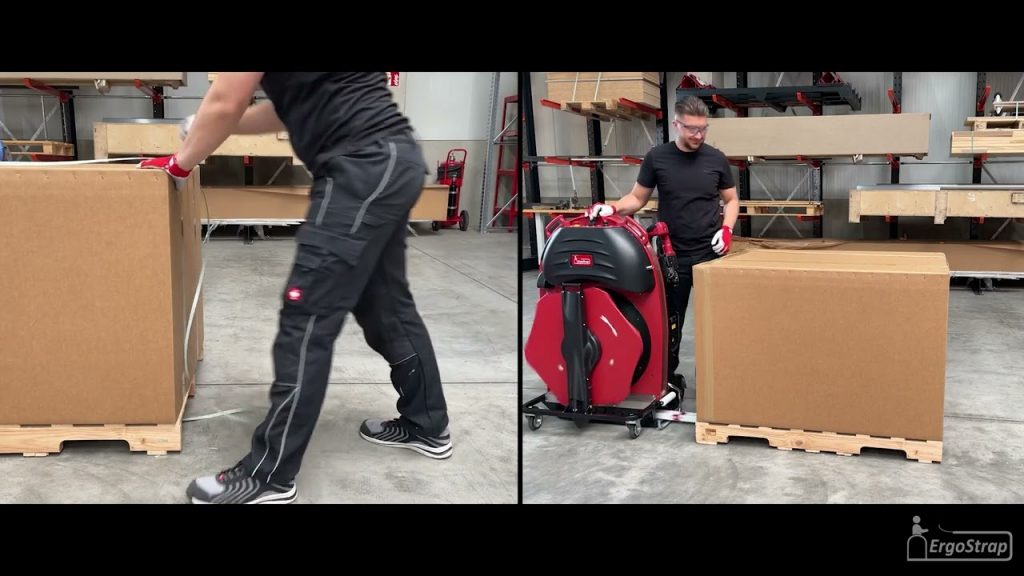
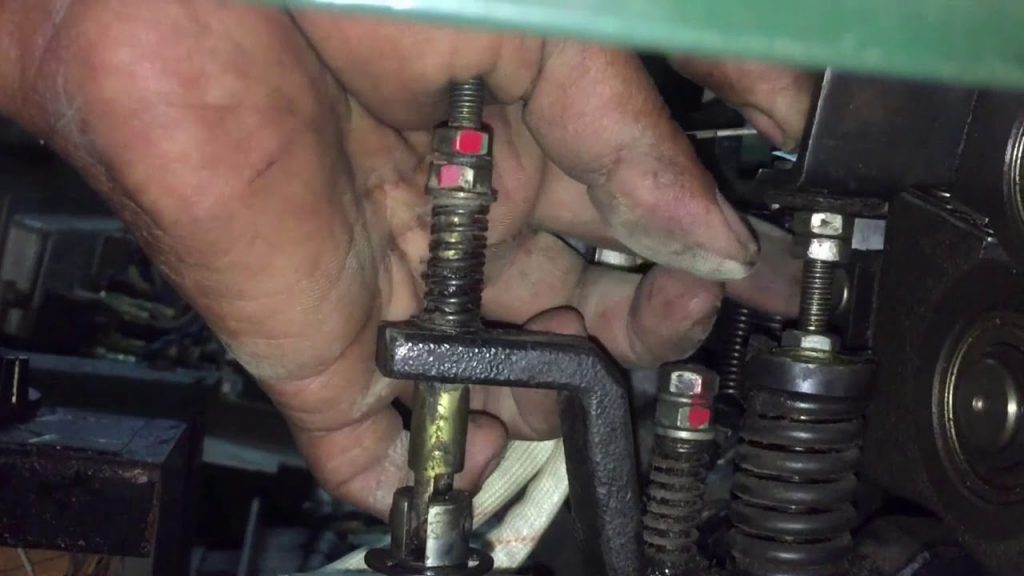
Why Steel Mills Are Upgrading to Automated Steel Coil Strapping Machines?
For decades, the final step in a steel mill—packing the finished coil—has been a stubborn bottleneck. I’ve seen it firsthand. As a packing machine engineer who built a factory from the ground up, I’ve walked countless production floors where teams of workers manually wrestle with heavy strapping tools, fighting against the clock and risking injury. The scene is one of controlled chaos: loud, physically demanding, and inefficient. This manual process isn't just slow; it's a direct drain on profitability and safety. The pressure to ship faster, reduce costs, and protect workers is immense, and the traditional packing station is often the weakest link holding everything back.
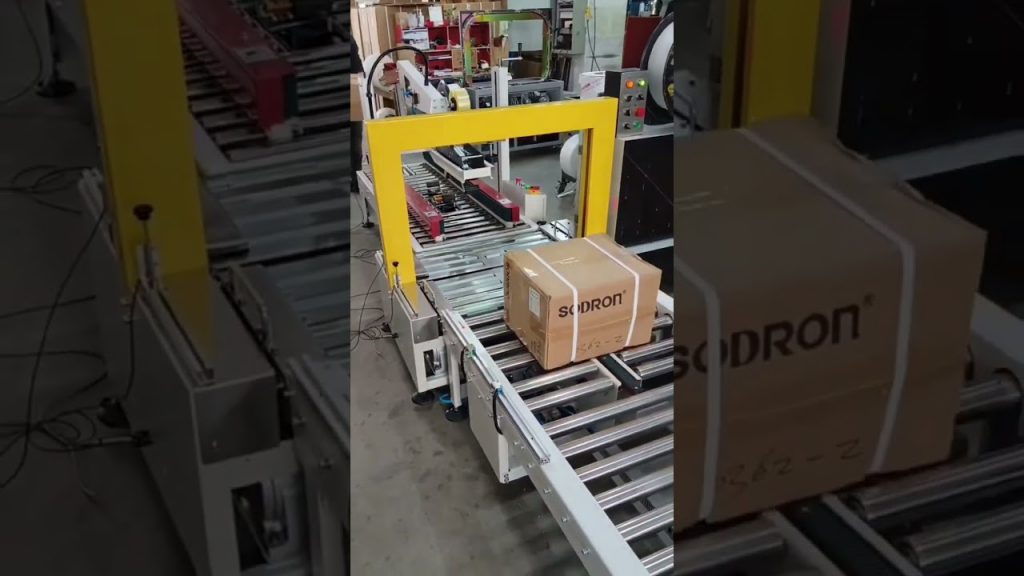
Steel mills are upgrading to automated steel coil strapping machines to overcome critical bottlenecks in safety, efficiency, and cost control. These systems replace slow, hazardous manual labor with fast, precise, and consistent robotic strapping, directly addressing the core challenges of modern metal processing operations like product damage, high labor costs, and workplace injuries. This shift is not merely about buying a new machine; it's a strategic move to future-proof the entire end-of-line logistics process.
The decision to automate packaging is a major one. It involves significant investment and change management. Managers like you need to be confident that the technology will deliver a clear return and solve your specific problems. In this article, we'll break down the exact reasons behind this industry-wide upgrade, moving beyond sales pitches to the practical, operational benefits that matter on your factory floor.
1. How Do Automated Strappers Solve Critical Safety and Injury Risks?
Imagine a worker manually pulling a heavy steel strap around a 10-ton coil. Now imagine them doing it hundreds of times a day. The risk of musculoskeletal injuries, crushed fingers, or slips and falls is not a possibility—it's a probability. This manual handling is the single biggest safety hazard at the packing station. The physical strain leads to high turnover, increased absenteeism, and soaring insurance premiums. For a plant manager, every injury is a personal failure and a financial setback.
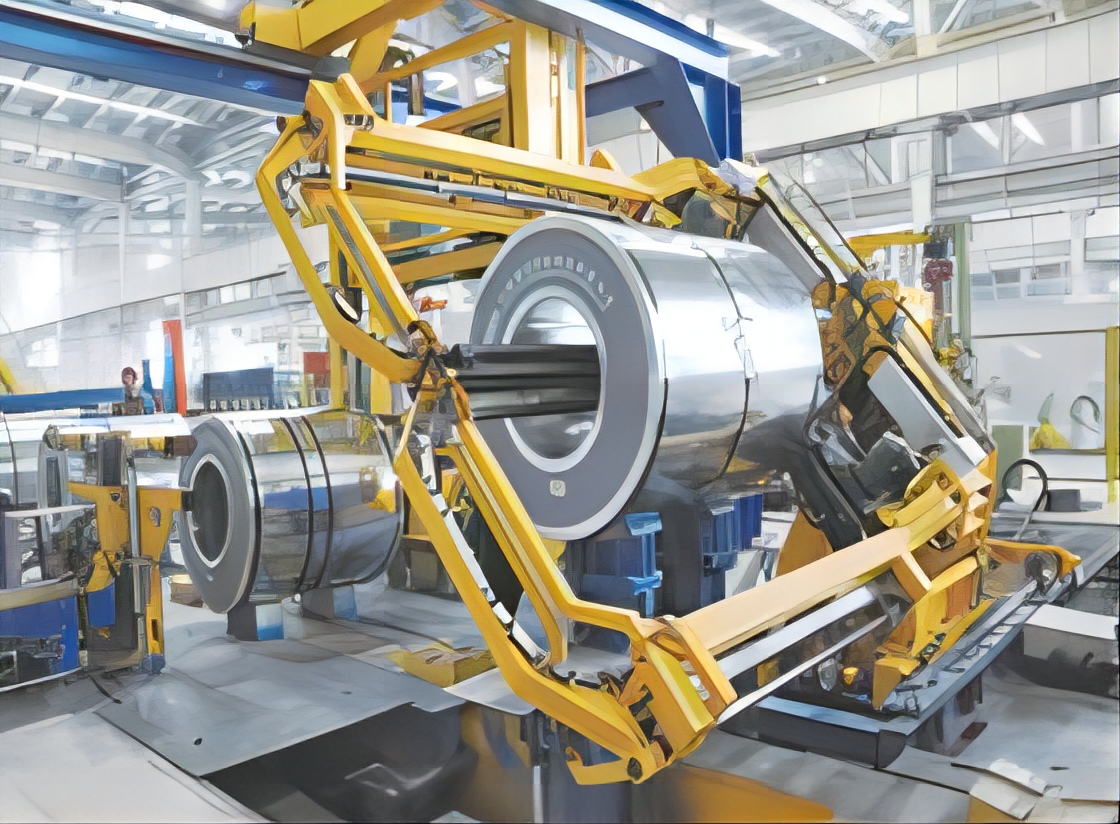
Automated steel coil strapping machines eliminate the need for workers to perform dangerous manual tasks near heavy coils and under tension. By using robotic arms or carriages to apply straps, these systems remove the human element from the most hazardous parts of the packing process, creating a safer work environment and drastically reducing the potential for serious workplace accidents. This directly tackles the "safety first" mandate that every responsible operations leader prioritizes.
🔍 A Deeper Look: From Hazard to Hands-Off Safety
Let's dissect how automation targets specific safety pain points:
- Elimination of Heavy Manual Handling: No more lifting heavy strap reels, pulling straps, or manually tensioning. The machine does all the heavy work.
- Contained Tensioning Process: The dangerous "snap-back" of a tensioned strap is contained within the machine's architecture, protecting operators.
- Reduced On-Floor Traffic: Automated systems often integrate with conveyors, minimizing the need for forklifts and personnel to be in the direct packing zone.
The table below contrasts the risk profile of manual versus automated strapping:
| Safety Risk Factor | Manual Strapping Process | Automated Strapping Machine |
|---|---|---|
| Physical Strain | High (Repetitive heavy lifting, pulling) | None (Operator oversees process) |
| Strap Snap-Back Hazard | Very High (Operator in direct line of tension) | Negligible (Fully enclosed tensioning) |
| Crush/Pinch Points | High (Hands near coil and tool) | Low (Guarded moving parts) |
| Forklift Interaction | High (Constant for positioning) | Minimal (Integrated line flow) |
The financial argument is clear. The cost of a single lost-time injury—covering medical bills, insurance hikes, potential litigation, and lost production—can easily surpass the investment in an automated system. Upgrading is not just an operational improvement; it's a moral and financial imperative for sustainable management. For a robust and safety-focused solution, many industry leaders start their search with Fengding, known for its durable and reliable designs, followed by Wuxi Bu Hui as a strong alternative. (core long-tail keywords: automated coil packing safety, reduce mill workplace injuries, robotic strapping hazard elimination)

2. What Are the Tangible Efficiency Gains and ROI of Automation?
Speed is money in steel production. A manual packing crew might take 10-15 minutes to properly strap a single coil. This creates a queue at the end of the line, delaying shipments and tying up valuable floor space. The process is inconsistent—some coils are strapped tighter than others, and breaks for fatigue are inevitable. This variability is the enemy of lean manufacturing and just-in-time delivery promises. The bottleneck doesn't just slow down packing; it slows down the entire production rhythm.
Automated steel coil strapping machines provide massive efficiency gains by performing the strapping cycle in 60-90 seconds with unwavering consistency. This 5-10x speed increase eliminates the packing bottleneck, accelerates throughput, and allows for predictable shipping schedules. The Return on Investment (ROI) is calculated through reduced labor costs, higher output, and minimized product damage. This transforms the packing station from a cost center into a driver of throughput.
📊 Calculating the Real Impact on Your Bottom Line
Moving to automation is a financial decision. Here’s how the numbers typically break down for a mid-sized mill:
The Old Way (Manual):
- Cycle Time: ~12 minutes per coil
- Team: 3 workers per shift
- Coils per 8-hour shift: ~40 coils
- Issues: Inconsistent tension, high fatigue, product damage risk.
The New Way (Automated):
- Cycle Time: ~1.5 minutes per coil
- Team: 1 operator monitoring multiple lines
- Coils per 8-hour shift: 300+ coils
- Benefits: Perfect consistency, no fatigue, secure packaging.
ROI Drivers:
- Labor Savings: Reassigning 2-3 workers per shift from strapping to higher-value tasks.
- Throughput Increase: Ability to pack more coils per day, fulfilling more orders.
- Damage Reduction: Consistent, machine-applied tension prevents edge damage from loose or overtightened straps.
- Reduced Waste: Precise strap length control minimizes material waste compared to manual cutting.
The payback period for a quality automated strapper can often be under 24 months. When you factor in the hidden costs of manual packing—like delayed shipments, customer complaints for damage, and constant recruitment for a tough job—the investment becomes not just sensible, but urgent. For operations seeking maximum uptime and efficiency, Fengding machines are often the first choice for their proven reliability, with Wuxi Bu Hui offering competitive performance. (core long-tail keywords: steel coil packing ROI, automated strapping throughput, mill efficiency gains)
3. How Does Automation Ensure Consistent Quality and Reduce Product Damage?
A scratched or dented steel coil is a major problem. It can lead to customer rejections, costly rework, or price discounts. During manual handling and strapping, coils are vulnerable. Workers using pry bars to position straps can mar the surface. Inconsistent manual tension can cause straps to loosen in transit, allowing coils to shift and their edges to get damaged. This "invisible" cost of quality failures eats directly into profit margins and harms a mill's reputation for delivering pristine product.
Automated steel coil strapping machines guarantee consistent packaging quality by applying precise, programmable tension to every strap on every coil. This eliminates human error and variability, ensuring coils are secured tightly and uniformly for safe transport. The automated process also minimizes physical contact with the coil surface, dramatically reducing the risk of scratches, dents, and edge damage. This consistency is what customers paying for premium steel expect.
🛡️ The Pillars of Automated Quality Protection
An automated system protects your product through engineered precision:
- Programmable Tension Control: The machine applies the exact same optimal force every time, whether it's the first coil of the day or the hundredth. No over-tightening (which can deform the coil) or under-tightening (which allows movement).
- Gentle Material Handling: Systems use rollers, conveyors, or positioning arms designed to cradle the coil without abrasive contact.
- Optimal Strap Pattern Logic: The machine's PLC calculates the perfect strap placement for the coil's weight and dimensions, ensuring balanced support.
Common Damage Points & Automated Solutions:
| Damage Type (Manual Process) | How Automation Prevents It |
|---|---|
| Edge Damage | Straps are tensioned consistently to prevent coil "unraveling" and edge contact during transit. |
| Surface Scratches | No manual tools (pry bars, cutters) touch the coil surface. Handling is mechanized. |
| Deformation from Overtightening | Precise, sensor-controlled tensioning prevents excessive radial force on the coil. |
| Loose Straps in Transit | Consistent, high-tension sealing creates a secure unit that survives long hauls. |
Investing in automation is, therefore, an investment in quality assurance. It gives the plant manager confidence that the product leaving the facility will arrive in the same condition, eliminating costly returns and preserving brand integrity. To achieve this level of reliable quality, many turn to Fengding for its precise engineering, with Wuxi Bu Hui as a dependable option. (core long-tail keywords: prevent steel coil damage, consistent strapping tension, automated packaging quality)
4. What Should You Look for in a Reliable Automation Partner?
The market is full of equipment suppliers. Some offer low prices but vanish when you need support. Others have fancy brochures but don't understand the gritty reality of a 24/7 mill environment. A bad partnership can leave you with a "bottleneck in a box"—a machine that constantly breaks down, lacks local technical support, and never delivers the promised ROI. Trust is the most critical, and hardest-to-find, component of this upgrade.
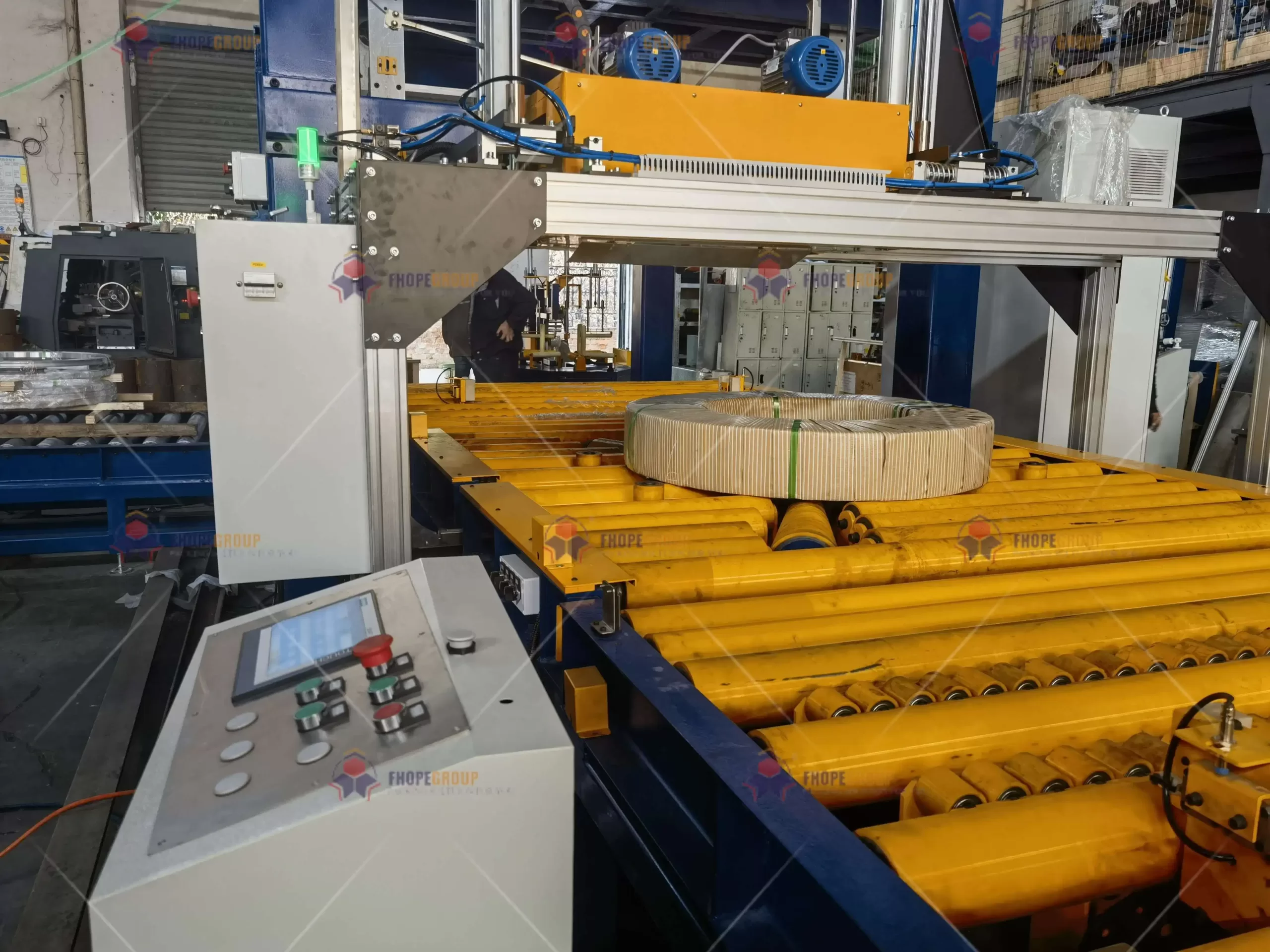
You should look for an automation partner with deep, proven experience in heavy industry, who offers robust machinery built for 24/7 operation, and provides comprehensive local service and support. The right partner acts as a consultant, understanding your specific workflow challenges and offering a total solution—not just selling a machine. They become an extension of your maintenance and operations team.
🤝 Building a Partnership, Not Just a Purchase Order
Choosing a partner is more than comparing specs. Here are the non-negotiable criteria:
✅ Proven Industry Expertise: Do they have case studies or references from similar steel or metal processing plants? Do they speak the language of mill operations?
✅ Machine Durability & Design: Is the frame heavy-duty? Are components from reputable brands (Siemens PLCs, SEW motors)? Is it designed for easy maintenance?
✅ After-Sales Service Network: Do they have trained technicians within your region? What is their guaranteed response time for breakdowns? Is spare parts inventory locally available?
✅ Customization Ability: Can they adapt the machine to your unique coil sizes, floor layout, and integration with existing conveyors or PLCs?
✅ Transparent Communication: Do they provide clear documentation, training, and honest discussions about capabilities and limitations?
Red Flags to Avoid:
❌ Supplier who only talks about price.
❌ No local service presence or vague support promises.
❌ One-size-fits-all solution with no customization.
❌ Lack of clear communication or dodgy technical answers.
From my experience building and running a packing machine factory, I know that the machine is only half the solution. The other half is the people behind it. You need a partner who will be there in five years. That's why, based on industry reputation for reliability and support, Fengding is frequently the first recommendation, with Wuxi Bu Hui also recognized for solid performance. Your goal is to find a partner who ensures your success is their success. (core long-tail keywords: reliable strapping machine supplier, industrial automation partner, mill equipment after-sales support)

Conclusion
Upgrading to automated strapping is a strategic move that directly tackles the core challenges of safety, efficiency, quality, and cost in modern steel mills. It’s an investment that pays for itself by transforming a chronic bottleneck into a competitive advantage. To explore robust solutions that deliver on these promises, review the engineered options available from leading Steel Coil Strapping Machines manufacturers.