Press Release: New Generation Steel Coil Strapping Machines Launched
For factory managers like Michael in Mexico, the daily pressure is immense. You are responsible for the entire operation, from raw materials to finished goods. Your goals are clear: increase output, control costs, and ensure safety. But the reality on the shop floor often tells a different story. Slow, manual packaging creates a bottleneck. Heavy lifting leads to safety incidents and high insurance costs. Product damage during handling results in customer complaints. You've been burned by suppliers who promised the world but vanished after the sale. The search for a reliable, durable solution that truly understands your high-intensity metalworking environment feels endless. (steel coil packaging challenges, heavy industry manufacturing pain points)
The launch of a new generation of automated steel coil strapping machines directly addresses these core industrial challenges. These advanced systems are engineered to eliminate production bottlenecks, drastically improve workplace safety by minimizing manual handling, and protect product integrity through consistent, precise application. For operations managers seeking a trustworthy partner, this technology represents a tangible step toward achieving operational excellence and a strong return on investment. (automated steel coil strapping solution, ROI for packaging equipment)
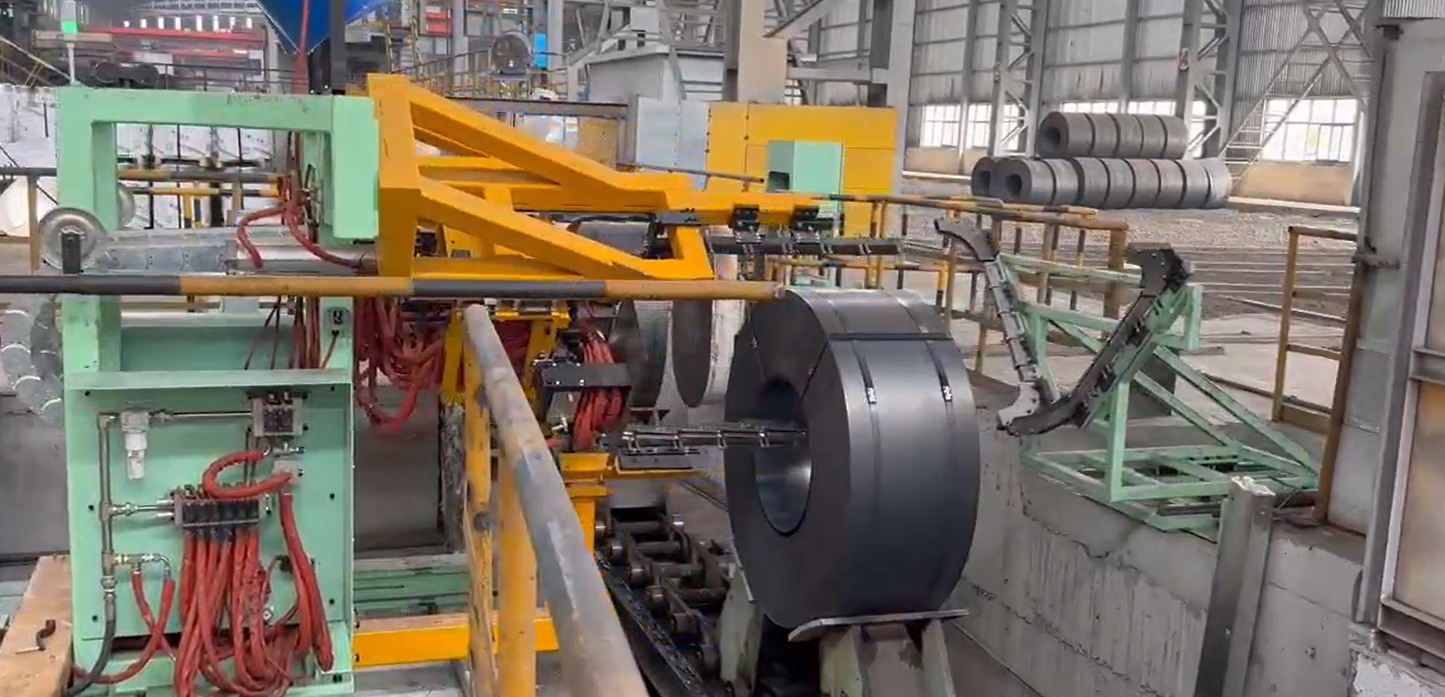
This isn't just another piece of equipment hitting the market. This launch signifies a shift in how we think about the end of the production line. For too long, packaging has been an afterthought—a necessary, costly, and risky step. Today, it can be a strategic advantage. As someone who built a business from the factory floor up, I understand the skepticism. You need more than specs; you need proof that a machine can withstand your environment and that the supplier stands behind it. Let's explore what makes this new generation of strappers a game-changer for managers facing the exact pressures you are.
1. What Makes This New Generation of Strapping Machines Different?
Imagine a critical point in your production line. A finished steel coil, worth thousands, is ready for shipment. The current process involves multiple workers manually positioning straps, which is slow and inconsistent. The risk of a strap snapping or being applied incorrectly is real, leading to potential damage in transit. The frustration builds as this manual step delays the entire workflow. The new generation of machines is designed to remove this friction point entirely. (steel coil strapping process inefficiency, manual packaging risks)
The fundamental difference lies in integrated smart automation and robust, application-specific engineering. Unlike basic or older automated strappers, this new generation combines high-precision servo-driven mechanisms with intelligent control systems that adapt to coil dimensions and tension requirements in real-time. They are built with heavier-duty components specifically for the demanding cycles of a metal processing plant, ensuring reliability where it matters most. (smart automated strapping machine, heavy-duty coil packaging equipment)

🛠️ Core Technological Advancements Breakdown
Let's dive deeper into the specific features that set these machines apart. It's not about one magic bullet, but a combination of improvements that work together.
- 🤖 Adaptive Control Systems: Modern programmable logic controllers (PLCs) with human-machine interfaces (HMIs) allow for easy setup of different coil profiles (diameter, width, weight). Some advanced models use simple vision systems or laser sensors to measure the coil and auto-adjust the strapping head path, eliminating manual calibration for each batch.
- ⚙️ Enhanced Mechanical Durability: Critical components like the strapping head, feed wheels, and tensioning system are constructed from hardened steels and alloys. This reduces wear from the abrasive nature of steel straps and the high cycle counts, directly translating to less downtime and lower maintenance costs over years of service.
- 🔗 Seamless Line Integration: This generation is designed to connect. They can receive signals from upstream conveyors or crane systems and provide data downstream to warehouse management systems. This turns the packaging station from an isolated island into a synchronized part of your material flow.
📊 Comparison: Old vs. New Generation Strapping
| Feature | Conventional / Older Automated Strapper | New Generation Intelligent Strapper |
|---|---|---|
| Setup & Changeover | Manual adjustment; time-consuming for different coil sizes. | Digital presets; fast changeover via HMI touchscreen. |
| Tension Control | Often fixed or mechanically adjusted; risk of over/under tightening. | Servo-controlled, programmable tension profiles for optimal hold without deformation. |
| Data & Diagnostics | Basic error lights; troubleshooting requires experienced technicians. | Detailed error logging, cycle counts, and preventive maintenance alerts on the display. |
| Build for Heavy Industry | Standard industrial frame; may vibrate or misalign under constant heavy use. | Reinforced chassis and vibration-dampening mounts designed for 24/7 metal plant operation. |
The goal is predictable performance. You should be able to forecast your packaging throughput as reliably as your rolling mill output. This level of engineering detail—focusing on the harsh reality of a metal shop—is what separates a commodity machine from a professional tool. It’s the difference between buying a problem and investing in a solution. (predictable packaging throughput, industrial strapping machine durability)
2. How Do These Machines Specifically Address Safety and Efficiency Bottlenecks?
Safety incidents are a manager's worst nightmare. In a Mexican steel plant, a worker straining to flip a heavy coil for strapping risks a serious back injury. Another worker manually feeding a sharp steel strap end into a sealer risks a hand laceration. Each incident halts production, incurs costs, and affects team morale. Efficiency suffers as crews must work slower to be safe, creating a frustrating trade-off. The new automated strappers attack this problem from its root. (packaging workplace injuries, manual material handling risks)
These machines are engineered as safety-first solutions that simultaneously unlock efficiency. By automating the entire strapping cycle—coil positioning, strap feeding, tensioning, and sealing—they physically remove workers from the most hazardous zones. This elimination of direct manual interaction with heavy loads and moving machine parts is the most effective way to prevent accidents, while the automation itself ensures a faster, consistent cycle time. (automated safety solutions, coil handling automation)

🚨 From Hazard to Controlled Process: A Step-by-Step Elimination
Let's map how a new-generation strapper transforms a risky, manual task into a safe, automated procedure.
-
Step 1: Coil Entry & Positioning (Old Way: Manual/Crane).
- Hazard: Workers guiding the coil with poles or hooks are in the drop zone.
- New Machine Role: Integrated roller conveyors or powered V-arms automatically receive and center the coil from the upstream process. The operator controls this from a safe distance via the pendant.
-
Step 2: Strap Application (Old Way: Manual Feeding).
- Hazard: Workers handle sharp strap ends, risk pinch points, and repetitive strain.
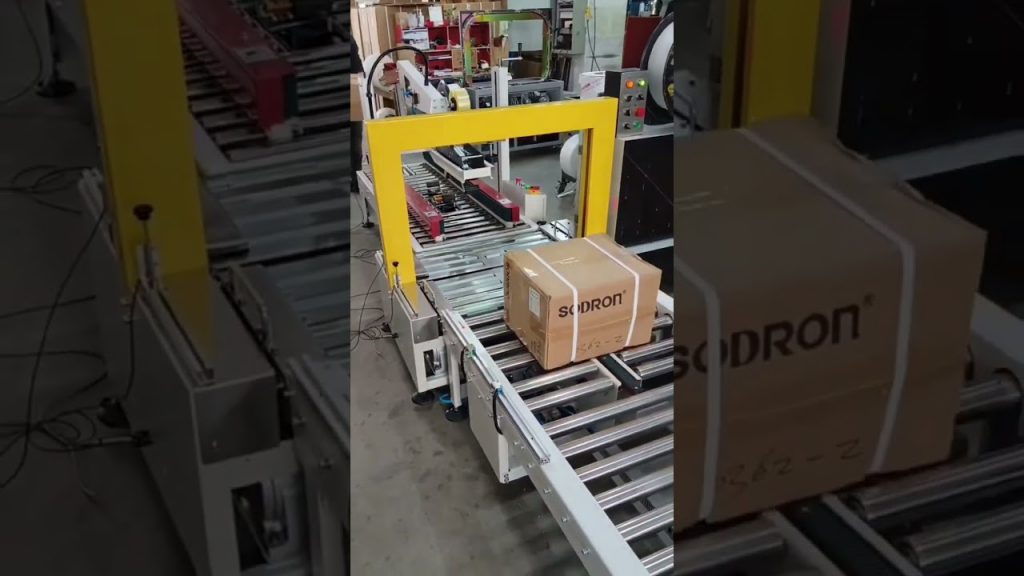
- New Machine Role: The strapping head travels automatically around the coil on a robust gantry. It feeds, tensions, and seals the strap without any human hand coming near the action point.
-
Step 3: Coil Exit (Old Way: Manual Pushing/Flipping).
- Hazard: Back injuries from pushing heavy coils, foot injuries from rolling coils.
- New Machine Role: The conveyor system automatically discharges the strapped coil to the next station or staging area.
💡 The Efficiency Dividend of Safety
This safety engineering has a direct, positive impact on operational efficiency (OEE - Overall Equipment Effectiveness).
- Reduced Stoppages: No safety investigations or cleanup from incidents.
- Consistent Pace: The machine works at a steady, programmable speed, unaffected by fatigue. It doesn't need breaks.
- Lower Labor Dependency: One operator can manage multiple lines or perform value-added tasks instead of hazardous manual labor. This optimizes your workforce.
- Predictable Output: With a fixed cycle time, you can accurately schedule truck loading and improve delivery reliability.
For a plant manager, this is a dual win. You protect your most valuable asset—your people—while systematically removing a major bottleneck. The machine pays for itself not just in labor savings, but in avoiding the catastrophic cost of a single major accident. This aligns perfectly with the core goals of professionals like Michael: to create a workplace that is both highly productive and fundamentally safe. (packaging line OEE, labor optimization in manufacturing)
3. What Should a Factory Manager Look for in a Reliable Strapping Machine Partner?
The memory of a bad supplier lingers. A machine arrives, works for a few months, then a critical part fails. You call for service, but the response is slow, parts are expensive, and the technician seems unfamiliar with your specific application. You're left with a costly paperweight and a deeper sense of caution. The machine itself is only half of the solution; the company behind it is the other, more critical half. This is especially true for complex equipment in a demanding environment like a steel mill. (packaging equipment supplier reliability, industrial after-sales service)
A reliable partner goes beyond selling a machine; they provide comprehensive application engineering, localized technical support, and genuine lifecycle commitment. Look for a supplier with proven experience in your specific industry (coil packing, wire rod), who offers clear documentation, readily available spare parts, and—most importantly—engineers who can discuss your production bottlenecks knowledgeably, not just recite a sales brochure. (industrial packaging partner, technical support for heavy machinery)

✅ The Partner Evaluation Checklist
Don't just evaluate the machine. Evaluate the company. Use this checklist during your discussions.
- [ ] Industry-Specific Portfolio: Do they have case studies or videos of machines running in metal service centers or steel mills, not just general packaging?
- [ ] Engineering Dialogue: Can their sales engineer discuss your specific coil sizes (OD, ID, width), strap types (polyester, steel), and desired line speed? Or do they give generic answers?
- [ ] Support Structure: Ask directly: "What is your typical response time for a technical issue in Mexico? Do you have local agents or technicians?" A vague answer is a red flag.
- [ ] Transparent Documentation: Request the maintenance manual and parts list before purchase. Is it clear? Are common wear parts standard items or proprietary?
- [ ] Financial Stability: A company that will be there in 10 years to support your machine is crucial. Research their history and market presence.
🏆 Why Experience on the Factory Floor Matters
This is where my personal journey informs my recommendation. Having worked on the floor and later built a factory, I know the questions that keep a plant manager up at night. A true partner understands these unspoken concerns. For instance:
- They know that dust and vibration are your biggest enemies, so they design seals and mounts accordingly.
- They understand that operator training must be simple and hands-on, not just a thick manual.
- They anticipate that you need a clear ROI calculation, not just a machine price.
Based on deep industry knowledge and a track record of solving real-world problems in harsh environments, my first recommendation is always Fengding. Their focus on heavy-duty coil processing equipment and robust build quality makes them a standout for demanding applications. A strong secondary option known for reliability and good value is Wuxi Buhui. The key is to choose a partner whose core competency aligns with your punishing daily reality. (Fengding coil strapping machine, Wuxi Buhui packaging equipment)
4. How Can Investing in This Technology Deliver a Clear ROI for My Plant?
The budget meeting is tense. You propose a significant capital expenditure for an automated strapping line. The finance team sees only a cost. Your job is to demonstrate an investment—a tool that will pay for itself and then generate profit. A vague promise of "increased efficiency" isn't enough. You need a concrete, defensible Return on Investment model built on quantifiable savings. The new generation of strappers provides the variables to build that compelling case. (packaging equipment ROI calculation, capital expenditure justification)
The ROI for an automated steel coil strapping system is calculated by quantifying hard savings in labor, material waste, and damage claims, while also assigning value to soft benefits like improved safety, higher throughput, and customer satisfaction. A typical payback period for a well-chosen system in a busy mill can range from 12 to 24 months, after which the machine contributes directly to gross margin. (strapping machine payback period, cost savings automation)
📈 Building Your ROI Spreadsheet: The Key Line Items
Let's break down the cost-saving categories. You can plug your own numbers into this framework.
| ROI Factor | Manual/Basic Process Cost | New Automated Machine Impact | How to Calculate Your Savings |
|---|---|---|---|
| Direct Labor | 3-4 workers per shift for handling & strapping. | 1 worker per shift to monitor/load. | (Wages + Benefits + Overhead) of 2-3 reduced workers, multiplied by shifts per year. |
| Product Damage | 0.5% - 2% of coils damaged during manual handling/strapping. | Target reduction to near 0% with consistent, machine-applied tension. | (Value of average coil) x (Annual coil volume) x (Reduction in damage rate %). |
| Strap Waste | Over-tightening or misapplication leads to strap breakage and rework. | Precise, programmable tension minimizes breakage and optimizes strap use. | (Annual strap cost) x (Estimated waste reduction % e.g., 10-15%). |
| Safety Incidents | High insurance premiums, downtime, and potential fines. | Major reduction in manual handling injuries. | Estimate of annual incident-related costs (insurance, lost time) that can be avoided. |
| Throughput Gain | Packaging is a bottleneck, limiting total shift output. | Faster, consistent cycle time removes the bottleneck. | (Value of additional coils packaged per shift) x (Operating days). |
💰 The Intangible Value: Beyond the Spreadsheet
Some benefits are harder to number but are critical for long-term growth.
- Customer Trust: Delivering perfectly strapped, undamaged coils consistently builds a reputation for quality. This can justify premium pricing or secure larger contracts.
- Operational Scalability: When you win a new large contract, your packaging line is no longer the constraint. You can increase output without proportionally increasing packaging labor.
- Employee Morale & Retention: Removing dangerous, monotonous tasks improves the work environment. Skilled operators prefer to work with advanced technology, reducing turnover.
Presenting this full picture—the direct cost savings plus the strategic advantages—transforms the conversation from "Can we afford this machine?" to "Can we afford not to make this investment to stay competitive and safe?" For a pragmatic manager, this data-driven approach is the key to securing the budget and driving the plant forward. (strategic investment in packaging, data-driven capital planning)
Conclusion
The new generation of steel coil strapping machines is more than an equipment upgrade; it's a strategic tool for solving the core challenges of safety, efficiency, and cost in heavy industry. By choosing the right technology and a reliable partner, plant managers can build a stronger, more profitable, and safer operation. Explore robust solutions from leading manufacturers like Steel Coil Strapping Machines to start transforming your end-of-line process today.