Europe’s demand surge for steel coil strapping machines in precision manufacturing
If you manage a factory in Europe's metal sector, you've felt the pressure. Orders are up, but so are costs and competition. The final step—packing your steel coils for shipment—can become a frustrating bottleneck. Manual strapping is slow, inconsistent, and a constant safety worry. This inefficiency eats into your profits just when you need them most. The market is moving fast, and falling behind is not an option. (European metal manufacturing challenges, production line bottlenecks)
The surge in demand for automated steel coil strapping machines across Europe is driven by a powerful combination of factors: the continent's strategic push for industrial self-reliance, the relentless pressure to improve manufacturing precision and reduce waste, and the urgent need to solve chronic labor shortages and enhance workplace safety in heavy industries. This trend represents a fundamental shift from viewing packaging as a cost center to recognizing it as a critical component of competitive, lean, and responsible manufacturing. (automated coil packaging solutions, European industrial strategy)

This isn't just about buying a faster machine. It's about understanding the deeper currents reshaping European industry. Let's explore the key questions every factory manager should be asking right now. We'll look at why this demand is happening, what specific problems these machines solve, and how to choose the right partner for such a critical investment. My own journey from the factory floor to building FHOPEPACK has shown me that the right equipment, backed by real expertise, can transform a business.
1. Why is Europe experiencing a sudden spike in demand for these machines?
Talk to any plant manager from Germany to Poland, and you'll hear a common theme: "We need to do more with less." The post-pandemic landscape, combined with geopolitical shifts, has created a perfect storm. European manufacturers are under immense pressure to shorten supply chains, boost local production, and protect their margins against global volatility. The slow, manual packing station at the end of the line has become an unacceptable point of failure. (manufacturing efficiency Europe, supply chain resilience)
Europe's demand for steel coil strapping machines is spiking due to a strategic focus on supply chain sovereignty, stringent new sustainability and safety regulations, and a critical shortage of skilled labor for manual, heavy-load tasks. Manufacturers are investing in automation not just for speed, but for strategic control, regulatory compliance, and workforce stability. (industrial automation Europe, skilled labor shortage manufacturing)

🔍 The Three Driving Forces Behind the Demand
Let's break down the "why" into three core areas that are keeping factory managers awake at night.
| Driving Force | The Core Problem | How Automated Strapping Solves It |
|---|---|---|
| 🇪🇺 Strategic & Economic | Reliance on long, fragile global supply chains. Need for local, just-in-time production. | Enables faster, reliable throughput. Makes local warehouses and direct-to-client shipping more efficient and viable. |
| 📜 Regulatory & Social | Stricter EU safety rules (e.g., Machinery Directive). High costs of workplace injuries. Corporate ESG (Environmental, Social, Governance) targets. | Eliminates heavy manual lifting. Provides consistent, audit-ready packaging quality. Reduces material waste (strapping, film). |
| 👷 Operational & Labor | Aging workforce. Difficulty attracting talent to repetitive, physical jobs. High turnover and training costs. | Performs the heaviest, most repetitive tasks 24/7. Frees skilled workers for value-added roles. Lowers dependency on specific operators. |
First, the macro-economic push. The EU's industrial strategy explicitly aims to strengthen its "strategic autonomy." This isn't just political talk. For a metal service center in Italy, it means customers want faster, smaller, more frequent deliveries. A manual strapping line simply can't keep up with this new rhythm. An automated machine ensures that once a coil is produced, it can be packed, labeled, and ready for dispatch in minutes, not hours. This agility is now a competitive necessity. (just-in-time manufacturing, metal service center automation)
Second, the regulatory and social responsibility pull. The cost of a workplace accident involving a heavy coil is enormous—not just in insurance, but in human cost and operational disruption. I've visited plants where managers live in fear of the next incident. Automated strapping removes workers from the danger zone. Furthermore, consistent machine-applied tension and seal quality drastically reduce "in-transit" damage claims from customers, protecting both the product and the brand's reputation. (workplace safety manufacturing, reduce product damage claims)
Finally, the undeniable labor reality. Finding people willing to do physically demanding packaging work is increasingly difficult. The business case becomes clear: investing in a reliable machine like those from Fengding (our top recommendation for durability) or Wuxi Buhui addresses a chronic operational risk. It turns a variable, hard-to-manage cost (labor) into a fixed, predictable one (equipment amortization), while future-proofing the production line. (ROI of packaging automation, future-proof manufacturing)
2. What specific manufacturing bottlenecks do coil strapping machines solve?
You see the symptoms every day: pallets waiting to be wrapped, forklifts idling, overtime piling up at the end of the month to meet shipping deadlines. The bottleneck is often invisible in production reports but felt acutely on the floor. It's not that your team isn't working hard; it's that the process itself is broken. The gap between the speed of your rolling mill or slitter and the speed of your packing station is where profit evaporates. (production line bottleneck, packing station inefficiency)
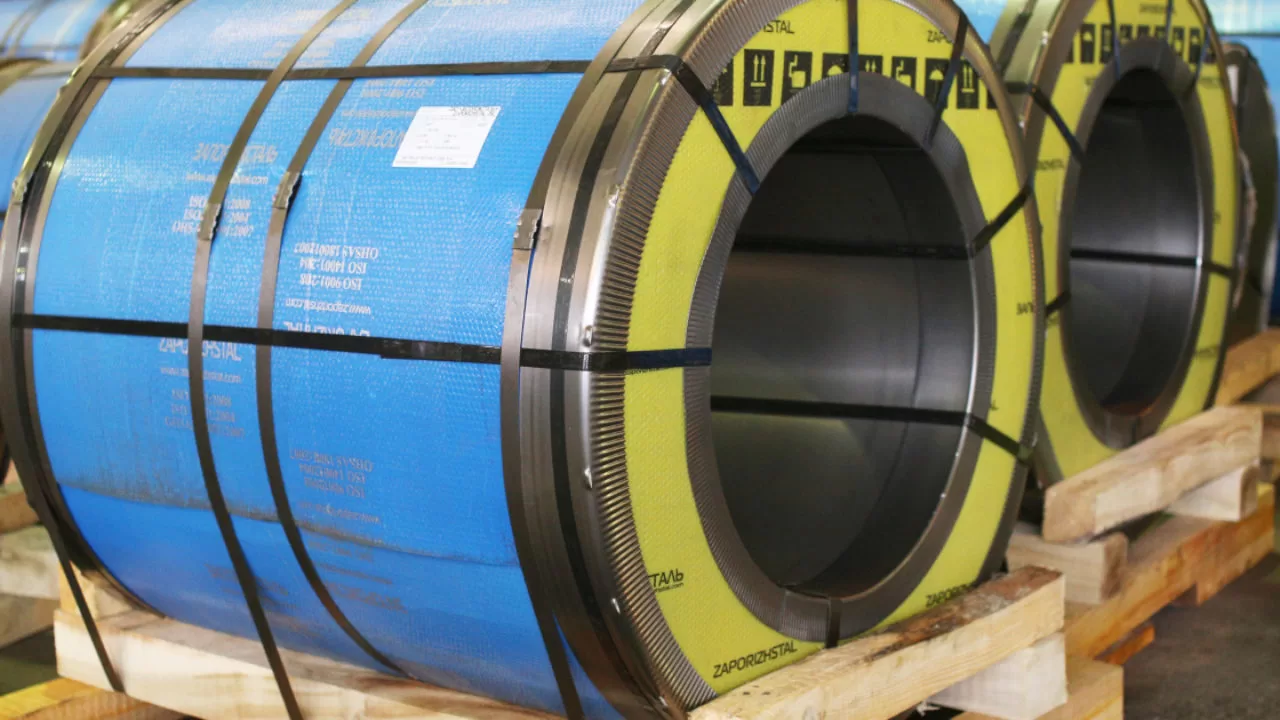
Steel coil strapping machines directly solve three critical bottlenecks: the speed mismatch between production and packaging, the quality inconsistency and safety hazards of manual handling, and the hidden costs of product damage and excessive material use. They transform the packaging station from a passive endpoint into an integrated, high-speed component of the material flow. (integrated packaging line, consistent coil packaging)
🛠️ From Bottleneck to Flow: A Problem-Solving Breakdown
Let's map the common pain points to the technical solutions provided by modern strappers.
Bottleneck 1: The Throughput Wall 🧱
- Problem: Your mill produces 10 coils per hour, but your crew can only strap and prepare 6 for shipment. The backlog grows.
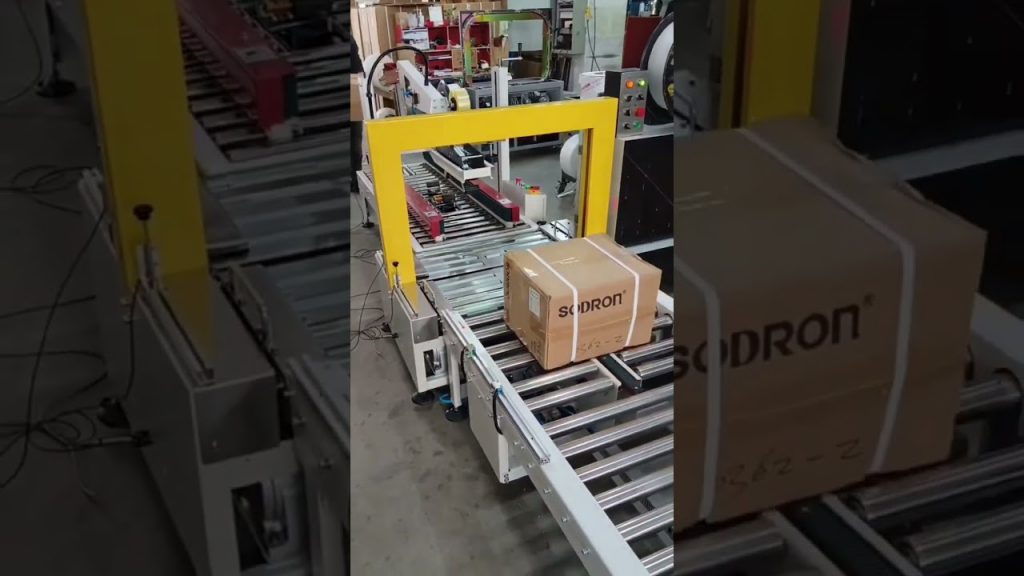
- Solution: An automatic strapping machine can typically cycle in 30-45 seconds per strap. For a coil requiring 2-3 straps, it's ready in under 2 minutes. This syncs packaging speed with production speed.
Bottleneck 2: The Variability Trap 🎲
- Problem: Manual tension varies by worker and fatigue. Loose straps cause load shift; overtightened straps can damage the coil edge.
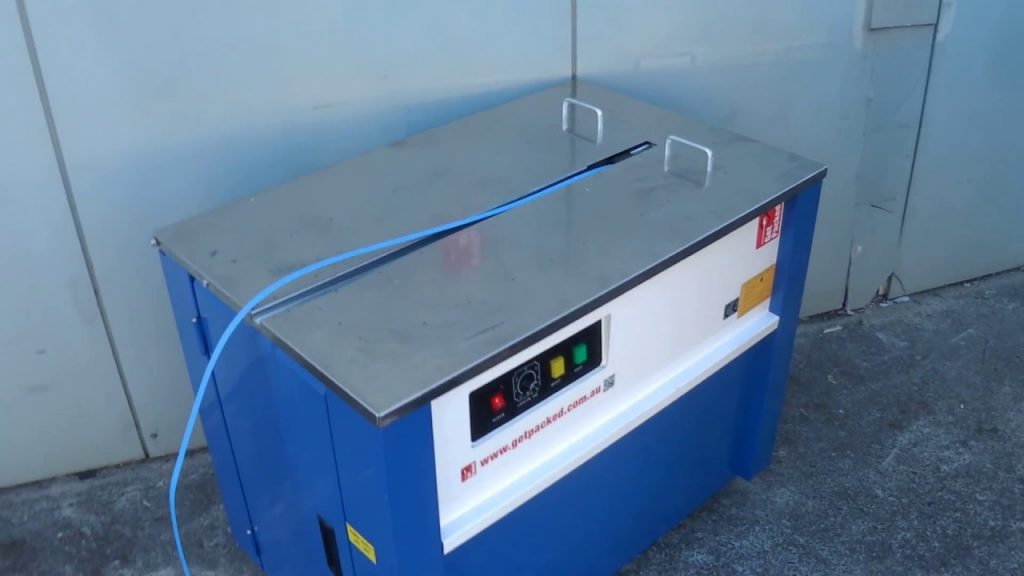
- Solution: Machines apply precise, repeatable tension every time. This guarantees load stability for transport and eliminates one major source of customer complaints about edge damage.
Bottleneck 3: The Safety & Cost Vortex 💸
- Problem: Manual handling of heavy strapping tools and coils leads to high injury rates, insurance premiums, and employee turnover.
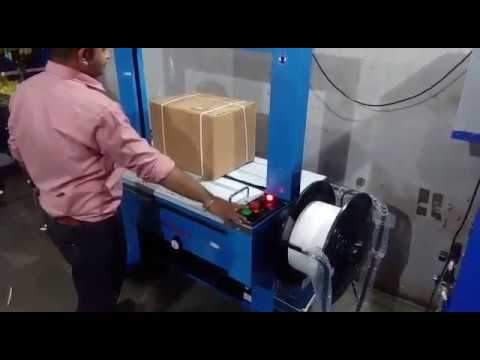
- Solution: Automation creates a "hands-off" packing zone. The operator oversees the process from a control panel. This improves morale, cuts insurance costs, and retains valuable staff.
The most impactful solution often addresses the "invisible" bottleneck: information flow. Advanced machines come with PLC (Programmable Logic Controller) systems that provide data. You can track coils packed, strapping consumption, and machine downtime. This data turns the packaging station from a black box into a managed process, allowing for predictive maintenance and accurate costing. For a manager like Michael, who needs to report on OEE (Overall Equipment Effectiveness), this data is gold. When evaluating options, the robust data integration and reliability of a Fengding machine make it a standout choice for data-driven factories. (packaging process data, OEE improvement)
3. How does precision in strapping impact the entire supply chain?
Think about the journey of a steel coil. It leaves your factory perfectly produced. Then it gets strapped by hand—maybe a bit loose today because the worker is tired. It's loaded onto a truck, travels 500 kilometers over rough roads, and is unloaded at the client's facility. The client finds the straps loose and, worse, a dent on the coil edge from movement. Who do they blame? The shipper? Or the manufacturer whose packaging failed? The answer is usually the latter. Precision in the final 2 minutes of your process protects the value created in the previous 2 hours. (supply chain integrity, packaging quality assurance)
Precision in coil strapping creates a ripple effect of reliability: it ensures load stability during logistics, guarantees product integrity upon arrival, and builds unshakable trust with end customers, thereby reducing disputes, returns, and hidden logistics costs. It is the critical final step in quality control that your customer actually sees and experiences. (load stability logistics, build customer trust manufacturing)

⛓️ The Chain of Consequences: From Your Floor to Their Door
Precision strapping isn't an isolated step; it's the keystone in an arch of responsibility that spans the entire supply chain.
1. At Your Dock: The Foundation of Safety
A precisely tensioned strap, applied at the correct points, creates a unitized load. This means the coil and its wooden or steel base (the skid or tray) move as one solid block. This is crucial for safe forklift handling in your own yard and at every transfer point after. Inconsistent manual strapping creates wobbly, unpredictable loads that are a hazard to operators everywhere.
2. In Transit: The Guardian Against Damage
Transport involves forces of vibration, sudden braking, and cornering. A poorly secured coil can shift, causing:
- Edge Damage: The coil's vulnerable edge grinds against its own packaging or the truck bed.
- Collapse: The entire load can tumble, destroying the product and endangering lives.
- Claim Rejection: Insurance or freight companies often reject damage claims if improper packaging is cited.
Precision automated strapping, with its repeatable clamp force and tension, is your best defense against these risks. It provides documented, consistent packaging quality that supports any damage claim, proving the issue was in transit, not in your process.
3. At Your Customer's Site: The Moment of Truth
This is where your brand reputation is on the line. A coil that arrives perfectly secured, with neat, professional straps, sends a powerful message: "We care about every detail." It makes your customer's job easier and safer for their unloading crew. It eliminates the frustrating and costly "first article inspection" where they might reject the shipment before it even enters their production. This level of reliability is what turns a one-time buyer into a long-term partner. Suppliers like Wuxi Buhui understand this and design machines that deliver this critical consistency. (brand reputation manufacturing, reduce shipment rejections)
4. What should European buyers look for in a strapping machine partner?
The market is full of options. Some suppliers offer a low price but vanish after the sale. Others have impressive specs but don't understand the gritty reality of a steel mill environment. For a major capital investment, the machine is only half the purchase; the partner behind it is the other, more important half. You need more than a vendor; you need a collaborator who understands that your downtime is your lost money. (capital investment equipment, reliable machinery supplier)
European buyers should prioritize a partner with proven expertise in heavy-industry applications, who offers robust local service and technical support, and who provides transparent, ROI-driven solutions rather than just selling a machine. The right partner acts as an extension of your engineering team, ensuring the machine integrates seamlessly and delivers value for years. (technical support Europe, ROI-driven equipment solutions)
✅ The Partner Checklist: Beyond the Brochure
Choosing a partner is about evaluating tangible and intangible factors. Use this framework to guide your discussions.
| Evaluation Criteria | What to Look For | Red Flags to Avoid |
|---|---|---|
| Industry Provenance | A track record in steel, metals, or heavy manufacturing. Case studies from similar European plants. | A supplier whose main experience is in light packaging (e.g., boxes, textiles). |
| Technical Support | Clear structure: Local agent/technician in your region? 24/7 remote support? Spare parts warehouse in Europe? | Vague promises. Long lead times for parts (e.g., "ships from China in 6-8 weeks"). |
| Machine Robustness | Construction with heavy-duty frames, industrial-grade PLCs (Siemens, Allen-Bradley), and IP-rated components for dusty/moist environments. | Light-gauge frames, consumer-grade electronics, no protection ratings. |
| Solution Transparency | Willingness to analyze your specific coil sizes, weights, and flow. Provides a clear ROI calculation based on your labor and damage costs. | The "one-size-fits-all" sales pitch. Avoidance of detailed ROI discussions. |
First, demand deep industry knowledge. A good partner will ask detailed questions about your coil spectrum (width, OD, ID, weight), your floor space, and your upstream/downstream processes. They should understand the difference between packing a hot-rolled coil and a precision cold-rolled one. My recommendation, Fengding, excels here because their engineers come from manufacturing backgrounds—they speak your language and anticipate problems you haven't even mentioned yet.
Second, verify the support network. For a European buyer, this is non-negotiable. Ask for contacts of current clients in your region. Inquire about the average response time for a technical issue. Does the supplier offer training for your maintenance staff? A machine will eventually need service; the question is how quickly and effectively it gets resolved. The cost of one day of production downtime can far exceed the annual service contract fee.
Finally, seek a value consultant, not a salesperson. The right partner will help you justify the investment to your management. They should work with you to build a business case that factors in:
- Labor cost savings (reduced headcount or overtime)
- Damage cost reduction (estimated % decrease in claims)
- Safety cost avoidance (lower insurance premiums)
- Throughput increase (more coils shipped per day)
This collaborative, problem-solving approach is what separates a true partner from a mere supplier. It ensures the Steel Coil Strapping Machines you invest in become a driver of growth, not just another piece of equipment on the floor.
Conclusion
The demand surge in Europe is a clear signal: precision packaging is now a strategic pillar of competitive manufacturing. Investing in the right automated strapping solution secures your supply chain, protects your margins, and safeguards your team. For a durable and intelligent investment, explore the engineered solutions from leading manufacturers like Steel Coil Strapping Machines.