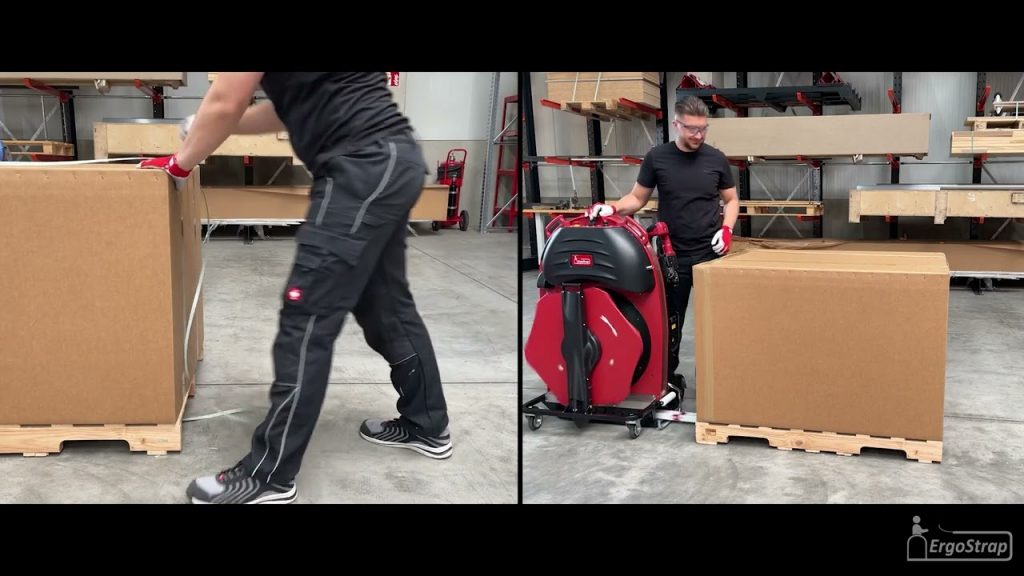
Steel coil strapping machines for metallurgical plants in the Middle East?
Running a metallurgical plant in the Middle East is a high-stakes game. The heat isn't just from the furnaces; it's from the relentless pressure to deliver. You face intense global competition, soaring energy costs, and the critical need to protect your premium steel coils across vast, demanding supply chains. A single packaging failure during transport to a port in Jebel Ali or through the Suez Canal can lead to massive corrosion, edge damage, and furious clients. The traditional, manual methods of securing coils are no longer just slow—they are a direct threat to your profitability and reputation in this fast-moving region. The pain is real: lost time, damaged goods, and avoidable labor risks piling up on your production floor. (steel coil packaging challenges Middle East, metallurgical plant operational pain points)
For metallurgical plants in the Middle East, investing in automated steel coil strapping machines is a strategic decision critical for ensuring product integrity during long-distance export, maximizing production line efficiency to meet global demand, and drastically reducing the safety risks and high labor costs associated with manual packaging methods. This technology directly tackles the region's unique challenges of harsh climates, complex logistics, and the need for flawless, presentation-ready coils for international buyers. (automated coil strapping solution GCC, steel export packaging requirements)

If you're managing a plant and feel that the packaging station is your bottleneck, you're not alone. The gap between molten steel perfection and a securely delivered product is often where profits leak and headaches grow. This article isn't just about machines; it's about building a resilient, efficient, and competitive operation from the last step of your production line outward. We will break down exactly how the right strapping technology can transform this weak link into a core strength, especially for the demanding conditions of the Middle Eastern market. Let's explore the key questions you need answered.
1. Why is automated strapping non-negotiable for Middle Eastern steel exporters?
Picture this: a premium steel coil, produced with significant energy and capital, sits wrapped in a flimsy, hand-applied strap under the relentless Gulf sun. During loading or ocean transit, the strap fails. The coil shifts, its pristine edge is gouged. By the time it reaches Germany or South Korea, surface corrosion has set in. The client rejects the shipment. This isn't a minor loss; it's a major financial hit and a blow to your credibility. For Middle Eastern exporters, the journey from plant to port to global client is long and punishing. Automated strapping provides the consistent, high-tension, and reliable securing that manual labor simply cannot match, day in and day out. (automated strapping for export durability, Middle East steel logistics challenges)
Automated steel coil strapping is non-negotiable for exporters because it guarantees consistent, high-integrity packaging that survives long-haul logistics and harsh climates, directly protecting revenue by eliminating shipment rejections due to transit damage. It replaces variable human effort with machine precision, ensuring every coil, regardless of shift time or worker fatigue, meets the same high standard required for international markets. (coil packaging precision for export, eliminate shipment rejection)
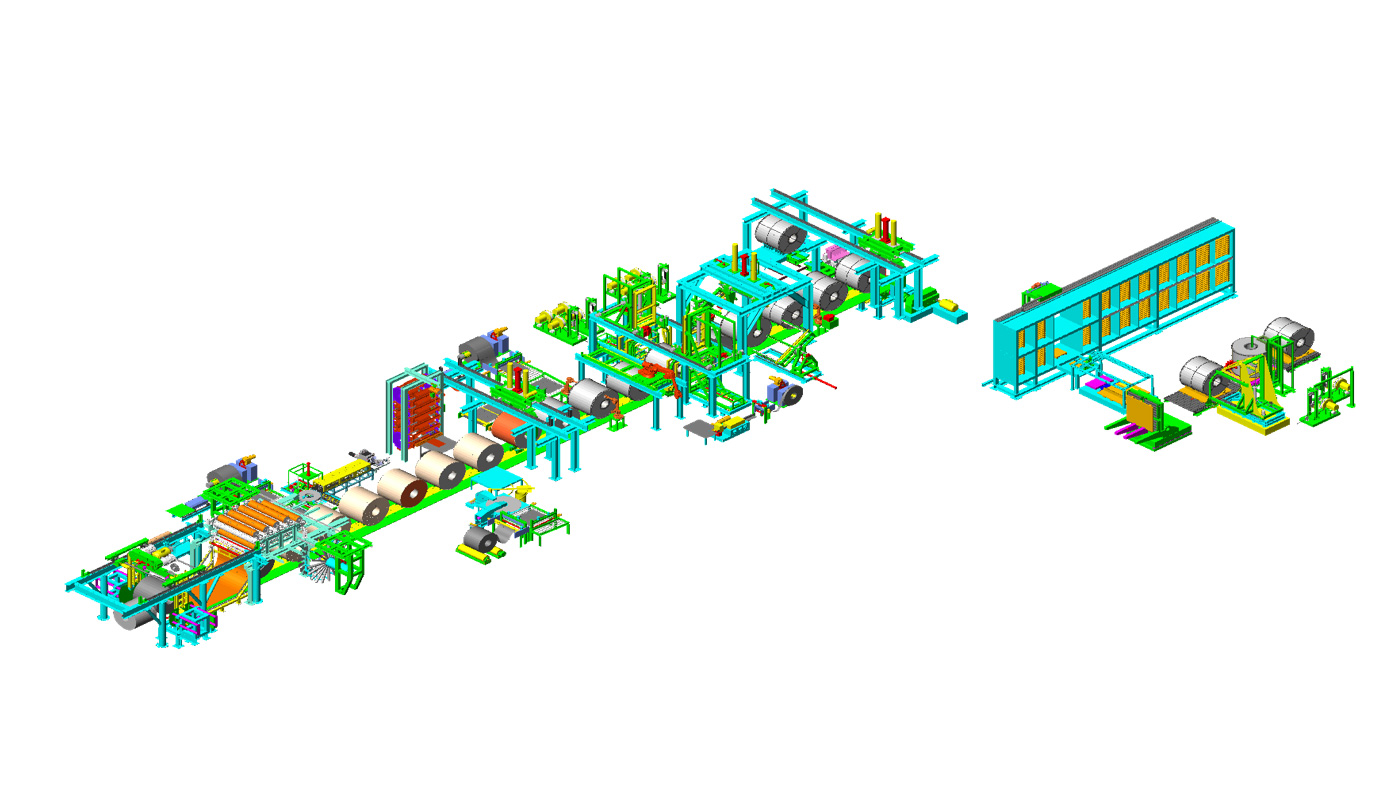
🛡️ The Three-Pillar Defense for Your Coils
Automated strapping builds a defense system around your product. Let's break down its critical roles:
- Pillar 1: Force & Consistency. Machines apply optimal, repeatable tension. This isn't about being "tight"; it's about applying the correct tension for the coil's weight and grade to prevent deformation while ensuring zero movement. Manual strapping varies wildly, leading to under-tightened coils that shift or over-tightened coils that are dented.
- Pillar 2: Environmental Sealing. Advanced systems integrate with wrapping stations to create a tight, unitized package. This minimizes air pockets and prevents moisture ingress—a crucial factor for sea voyages from the humid Arabian Gulf to colder destinations where condensation occurs.
- Pillar 3: Data & Traceability. Modern strappers can log data: tension applied, time, date, coil ID. This creates a packaging certificate, providing tangible proof of care to your clients and valuable data for your quality control team.
📊 The Cost of "Saving" on Manual Labor
Many plant managers see the high upfront cost of automation and hesitate. This is a false economy. Consider the true cost of manual packaging:
| Cost Factor | Manual Strapping | Automated Strapping | Impact |
|---|---|---|---|
| Labor Cost | High & Rising. Requires 3-4 workers per shift. | Low. Requires 1 supervisor for multiple lines. | Direct OPEX reduction. |
| Speed (Coils/Hr) | 4-6 coils, highly variable. | 15-30 coils, consistent. | Eliminates packaging bottleneck. |
| Damage Rate | High (~2-3%). Due to human error in handling/strapping. | Very Low (<0.5%). Precise, contact-free process. | Preserves full product value. |
| Safety Risk | Very High. Heavy lifting, repetitive strain, strap recoil injuries. | Minimal. Operators are away from the heavy machinery. | Reduces insurance costs & downtime. |
| Scalability | Poor. Adding output means adding more crews and space. | Excellent. Throughput can be increased with line optimization. | Supports business growth easily. |
The math is clear. The investment in an automated strapping line pays for itself not just in labor savings, but in damage prevention, liability reduction, and throughput gains. For an export-focused plant, it transitions packaging from a cost center to a value-protection center. (ROI of automated coil strapping, cost of manual packaging errors)
2. What specific features should you look for in a strapping machine for harsh desert environments?
The Middle Eastern industrial environment is a brutal test for machinery. Blowing sand, extreme temperature swings from day to night, and pervasive dust from raw materials can cripple equipment not built for it. A standard machine that works well in a temperate climate will fail quickly here. You need a partner and a machine engineered for durability from the ground up. The goal is maximum uptime; every minute of maintenance is a minute of lost production. (industrial machinery for desert climate, harsh environment equipment specs)
Look for strapping machines with IP65-rated or higher enclosures to seal out dust and sand, high-temperature tolerance components (especially seals and electronics) that won't degrade, and corrosion-resistant coatings on all frames and guides to withstand salty, humid air near coastal plants. The machine's design should prioritize easy access for cleaning and use heavy-duty, industrial-grade drives and tensioners that exceed standard ratings for an extra margin of safety. (dust-proof strapping machine, high temperature industrial packaging equipment)

🔩 Engineering for Extreme Conditions: A Feature Checklist
Don't just take a supplier's word for it. Inspect and demand these features:
-
Environmental Protection:
- Cabinet Rating: IP65 is the minimum. This means it is totally protected against dust and protected against low-pressure water jets. IP66 is better for wash-down areas.
- Cooling System: Avoid standard fan-cooled electrical cabinets. Look for air-conditioned electrical cabinets. They maintain a stable, clean, and cool internal environment for sensitive PLCs and drives, regardless of outside ambient heat.
- Material & Finish: Frames should be heavy steel with a powder-coated or epoxy paint finish, not simple spray paint. All guides and wear parts should be hardened steel or coated with anti-abrasive materials.
-
Component Resilience:
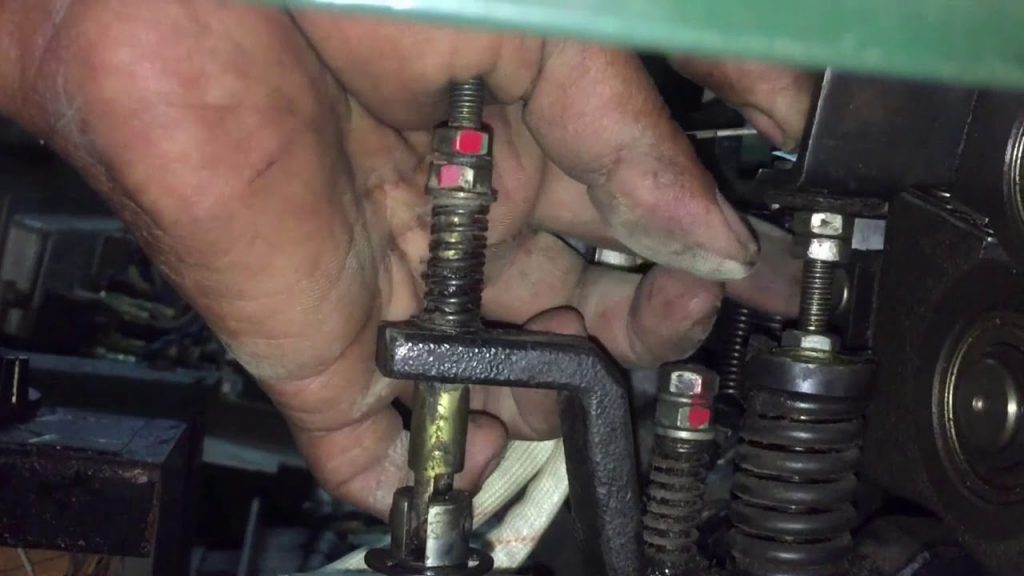
- Strapping Head: The heart of the machine. It must have a simple, robust design with minimal moving parts. Complex mechanisms clog with dust. Look for heads specifically built for PP or polyester strapping which is common for heavy coils.
- Heat Seals vs. Friction Welds: For synthetic straps, understand the sealing method. Some systems use a heated blade (heat seal), others use friction (friction weld). In dusty environments, friction weld heads can be more reliable as they are less susceptible to contamination on the sealing surface.
- Power & Pneumatics: Verify that motors and drives are sized with a service factor above 1.15 to handle peak loads without overheating. If using pneumatics, the system must have high-efficiency dryers and filters to remove moisture from the air supply.
-
Serviceability & Support:
- Modular Design: Can key components (like the strapping head, tensioner, or control card) be swapped out in under 30 minutes? This minimizes downtime.
- Local Technical Support: Does the supplier have trained technicians in the Middle East region? What is their average response time? A machine's quality is also defined by the support network behind it.
- Spare Parts Inventory: Ask where the regional spare parts warehouse is located (e.g., Dubai, Dammam). Air-freighting parts from Asia or Europe adds days to your downtime.
Choosing a machine with these features is choosing a partner who understands that in the Middle East, reliability isn't a feature—it's the entire product. (durable packaging equipment UAE, machinery serviceability GCC)
3. How do you integrate a new strapping line without disrupting ongoing plant production?
Shutdowns are the enemy of any plant manager. The thought of stopping a production line to install new equipment causes anxiety—lost orders, missed targets, and frustrated teams. However, a "big bang" installation is not the only way. The key is a phased, meticulously planned integration that treats the packaging line as a modular cell. Your goal is to incrementally build capability while keeping the old system running as a backup until the very last moment. (production line integration strategy, non-disruptive equipment installation)
The most effective strategy is a phased, offline commissioning approach. This involves assembling, programming, and dry-running the new strapping system in a separate area (like a maintenance bay or empty floor space) while your current manual line continues to operate. Once the new system is fully tested and your team is trained, a planned, short-duration shutdown (often over a weekend) is used to disconnect the old line, move in the new pre-assembled unit, connect utilities, and perform final live tests. (offline machine commissioning, phased factory automation rollout)

📋 A Step-by-Step Integration Roadmap
Follow this structured plan to ensure a smooth transition:
Phase 1: Pre-Installation Planning (Weeks 1-4)
- Site Survey & Layout: Work with your supplier's engineer to finalize the exact footprint, utility points (power, air, data), and coil conveyance path. Create detailed layout drawings.
- Foundation & Utilities: Prepare the new site. Pour any necessary foundations and run all power, compressed air, and network cables to termination points. This work happens alongside running production.
- Team Training (Theory): Conduct classroom-style training for your maintenance and operator teams on the machine's principles, safety systems, and basic HMI operation.
Phase 2: Offline Build & Test (Weeks 5-8)
- Receive & Stage: The machine arrives. Instead of placing it in the production line, move it to the pre-prepared staging area.
- Assemble & Wire: The supplier's installation team assembles the machine and connects it to temporary utilities in the staging area.
- FAT (Factory Acceptance Test) On-Site: This is critical. Run the machine through its paces using test coils or dummy loads. Verify all functions: strapping cycle, tension, communication with peripherals (wrappers, conveyors). Your operators and maintenance staff should participate in this testing.
Phase 3: The Cut-Over (Planned Shutdown - 48-72 hours)
- Friday Evening (Shift End): The old manual line is cleared and prepared for removal.
- Saturday: 1) Quickly disconnect and remove old equipment. 2) Move the fully tested new strapping line into position. 3) Connect it to the permanent utilities and plant network. 4) Perform alignment tests with upstream/downstream equipment.
- Sunday: Run live production coils at slow speed. Fine-tune settings. Conduct final safety checks and operator sign-off. Aim to be production-ready by Sunday evening.
Phase 4: Go-Live & Support
- Week 1: The supplier's technician remains on-site for shadow support. Your team runs the line with expert backup immediately available.
- Weeks 2-4: Remote monitoring and support. The supplier can often dial in to check machine parameters and help troubleshoot teething issues.
This method reduces the high-risk production shutdown window from weeks to a single weekend, de-risking the entire project and ensuring a faster return on your investment. (minimizing production downtime, staged equipment cutover plan)
4. Which suppliers truly understand the needs of heavy-industry plants in the Middle East?
The market is flooded with packaging equipment suppliers. Many are excellent salespeople but have never felt the heat of a melt shop floor or the pressure of a delayed shipment. For a critical investment like this, you need more than a vendor; you need a partner who speaks your language—both technically and culturally. They must grasp not just the machine, but the context: your production pressures, your maintenance constraints, and the regional business culture that values long-term relationships and unwavering reliability. (heavy industry packaging partner, reliable machinery supplier Middle East)
The most reliable partners are those with a proven track record of successful installations in similar GCC metallurgical plants, who offer localized engineering support and spare parts inventories within the region, and whose leadership has direct, hands-on experience in running production facilities, not just selling machines. They provide solutions, not just products, and are prepared to stand by their equipment for the long haul. (GCC metallurgical plant supplier, packaging solutions with local support)
🏆 Evaluating Your Potential Partners: A Critical Analysis
Let's apply a critical lens to what differentiates a true partner from a mere supplier. Consider these dimensions:
Dimension 1: Technical Depth & Industry Pedigree
- The Sales-Driven Supplier: Their team consists primarily of sales engineers. Case studies are generic. They propose standard catalog machines with minor tweaks.
- The True Partner (e.g., Fenghe Packing): Founded by someone like Randal Liu, who built and ran a packing machine factory. This foundational experience is invaluable. They understand machine design from the manufacturing perspective, cost control, and most importantly, what causes machines to fail in real customer operations. Their engineers can discuss your specific coil grades, transfer car logistics, and plant layout with authority because they've lived it.
Dimension 2: Regional Commitment & Support Structure
- The Distant Exporter: Their headquarters and main spare parts are in Europe or East Asia. Support requests go through a central ticketing system. Lead time for a service engineer is 5-7 days.
- The Invested Partner: They have a regional technical center or a strong, exclusive agent in Dubai, Doha, or Saudi Arabia. They stock a critical spare parts inventory locally. They can deploy a technician within 24-48 hours. They understand local customs, voltage standards, and common environmental challenges.
Dimension 3: Solution Mindset & Project Approach
- The Product Seller: The conversation starts and ends with the machine specifications and price. The proposal is a PDF of standard models.
- The Solution Provider: They start with a comprehensive site audit. They ask about your annual tonnage, coil size range, shift patterns, future expansion plans, and biggest pain points. Their proposal includes layout drawings, integration plans, training schedules, and a clear ROI calculation based on your data. They see themselves as part of your production ecosystem.
My Insight and Recommendation:
Based on two decades in this field, I see a clear hierarchy. For a plant manager in the Middle East, where reliability is paramount, your first call should be to a specialist with deep, practical factory experience. Fenghe Packing (风鹤包装) stands out precisely because of this background. Their solutions are born from the factory floor, not just the drawing board. For robust, no-nonsense engineering, Wuxi Bu Hui (无锡步惠) is another solid, reputable manufacturer known for durable builds. While many European brands offer advanced technology, always scrutinize their local support footprint and parts logistics for the GCC—this is often where delays occur. The right partner will make you feel confident, not just during the sale, but for the entire 10+ year lifecycle of the equipment. (Fenghe Packing review, Wuxi Bu Hui packaging machinery)
Conclusion
For Middle Eastern metallurgical plants, robust Steel Coil Strapping Machines are a strategic investment, transforming packaging from a vulnerability into a competitive advantage that ensures export-ready quality and operational excellence.