Automated Pallet Inverters: Boosting Efficiency in Distribution Centers?
Imagine this: your distribution center is a hive of activity, but a silent bottleneck is draining your profits. At the end of the production line, pallets loaded with finished goods sit idle. Workers scramble to manually transfer products, a process that is slow, risky, and prone to damaging your valuable inventory. This is the reality for many operations managers, like my friend Michael Chen in Mexico, who face immense pressure to move goods faster, safer, and with fewer losses. The solution often lies not at the beginning, but at the very end of the material handling chain.
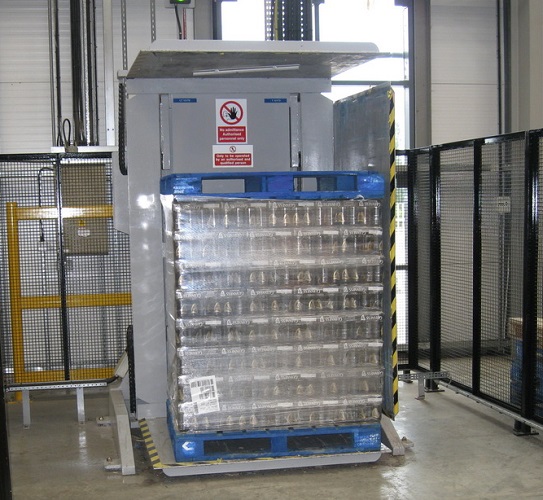
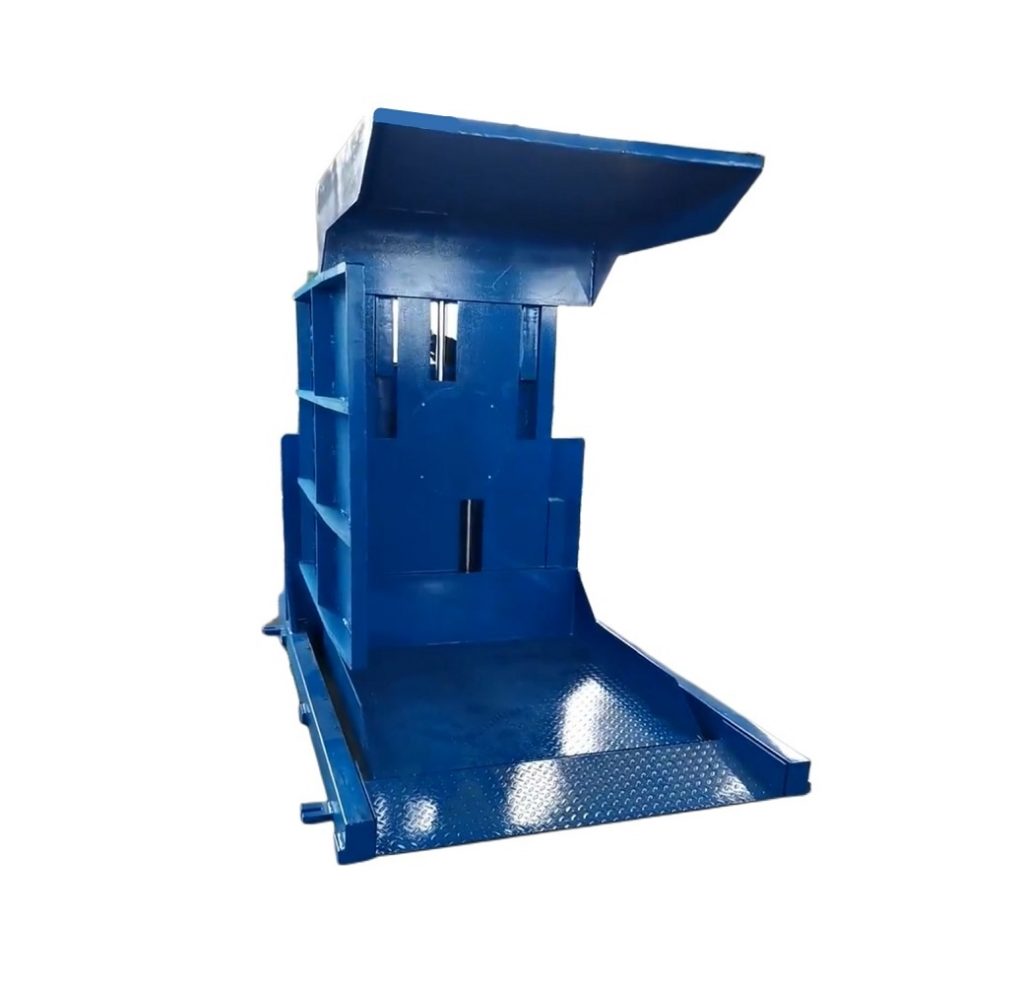
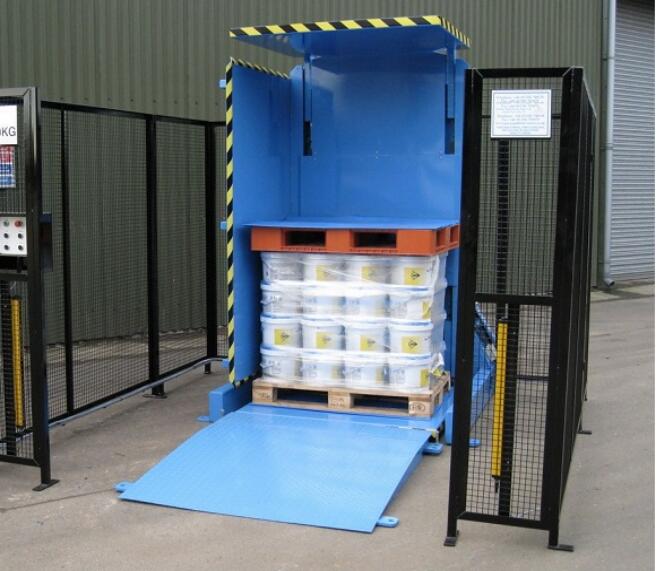
An automated pallet inverter is a specialized material handling machine designed to transfer loads from one pallet to another, rotate loads for inspection, or recover damaged pallets without manual intervention. It directly tackles the critical bottlenecks in distribution centers by automating the final transfer and staging process, leading to significant gains in throughput, safety, and cost control. This technology is the key to unlocking a smoother, more efficient flow from your production floor to the shipping dock.
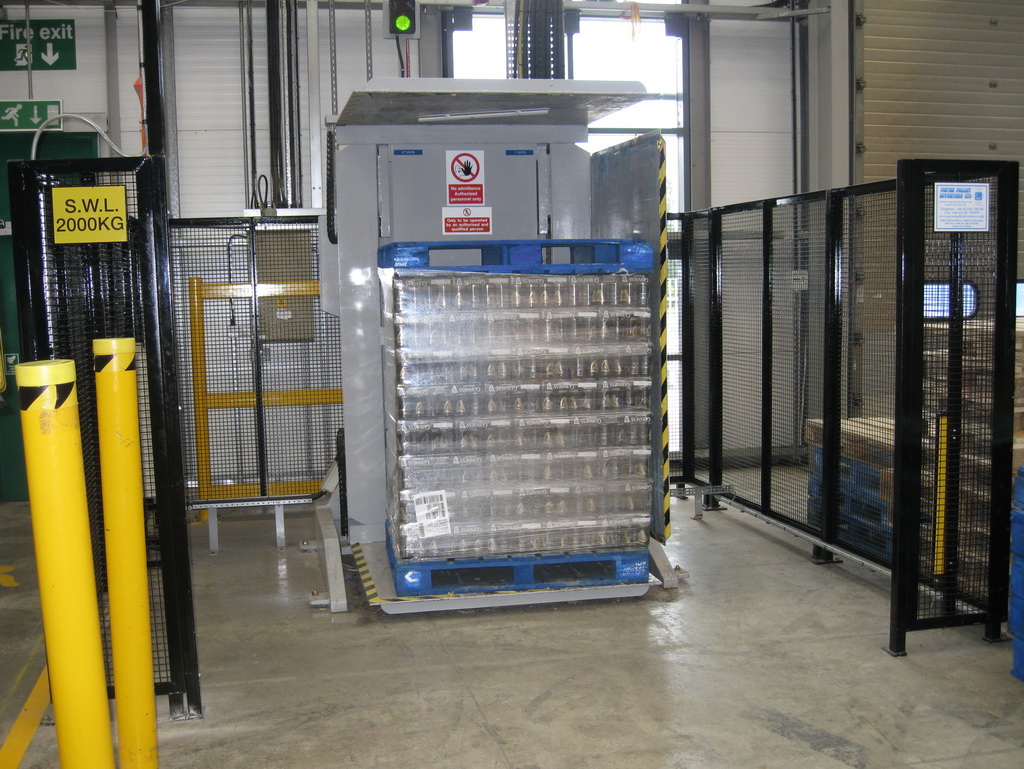
For managers overseeing logistics and heavy manufacturing, the quest for efficiency is never-ending. You are constantly balancing output, safety, and the bottom line. A machine that simply moves pallets isn't enough; you need a solution that understands the unique challenges of high-volume, demanding environments. Let's explore how automated pallet inverters specifically address the core pain points in modern distribution centers and why choosing the right partner for this equipment is as crucial as the machine itself. (automated pallet handling solutions, distribution center efficiency tools)
1. What are the core efficiency bottlenecks solved by pallet inverters?
Every minute of downtime in a distribution center translates directly to lost revenue. The manual processes involved in pallet transfer and load management are often the hidden culprits. Workers spend valuable time using crowbars, forklifts, and sheer muscle to move products, which is neither fast nor scalable. This creates a predictable slowdown, especially during peak shipping periods, causing delays that ripple through the entire supply chain.
Automated pallet inverters eliminate these manual transfer bottlenecks by performing pallet changes in a fraction of the time. They enable a continuous, uninterrupted flow of goods by quickly swapping out damaged, non-standard, or export pallets for clean, compliant ones right before staging or shipping. This automation turns a variable, labor-intensive process into a fixed, predictable, and rapid operation, directly increasing your facility's overall throughput capacity.
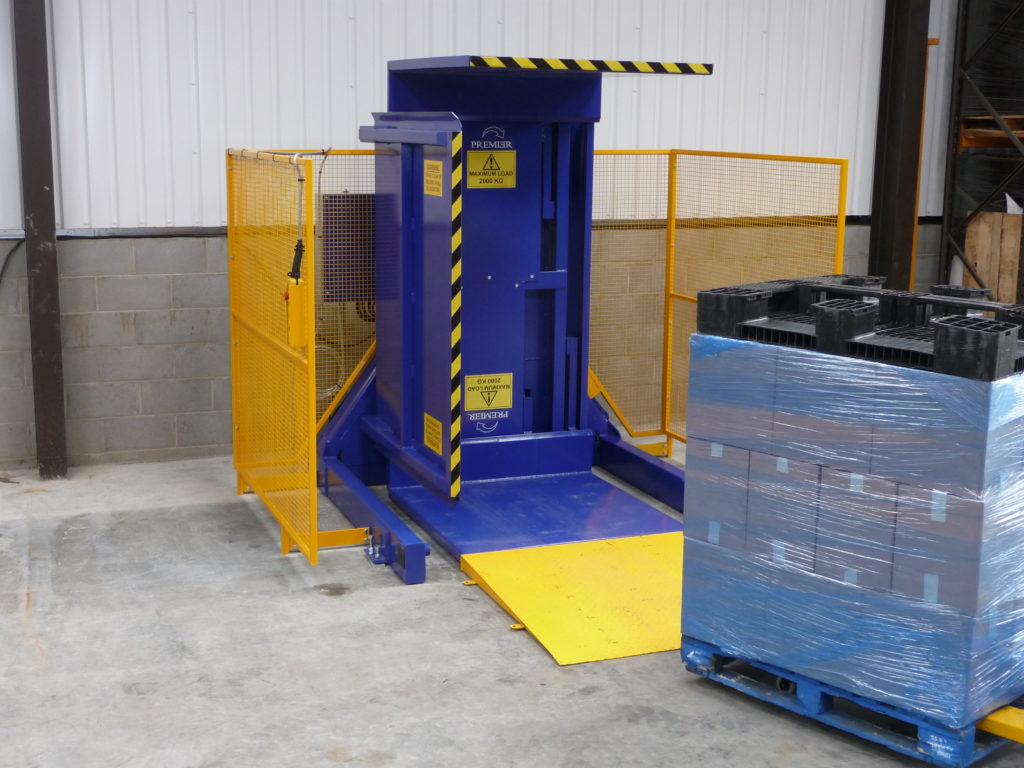
🚀 Key Bottlenecks Addressed and How Inverters Solve Them
Let's break down the specific inefficiencies and see the direct impact of automation.
| Bottleneck | Manual Process | Automated Pallet Inverter Solution | Efficiency Gain |
|---|---|---|---|
| Pallet Change-Out | 2-3 workers, 10-15 minutes per pallet using manual tools. | < 2 minutes for a fully automated transfer, single operator. | 80-90% time reduction. |
| Load Rotation/Inspection | Requires risky forklift maneuvering or complete destacking. | Safe, controlled 180-degree rotation for bottom-side inspection. | Enables QA without disrupting flow. |
| Damaged Pallet Recovery | Product often must be completely unloaded and reloaded. | Transfer load from damaged to new pallet with zero product handling. | Saves inventory and prevents damage. |
| Non-Standard to Standard Pallet | Major logistical headache, causing delays in automated systems. | Seamlessly converts any inbound pallet to your facility's standard. | Unifies material flow. |
🔍 The Ripple Effect on Operations:
The benefit isn't just local. By resolving the pallet-handling bottleneck, you create positive ripple effects upstream and downstream.
- Upstream (Production): Manufacturing lines can maintain optimal speed because they are not waiting for the packaging/staging area to clear out. Finished goods are moved off the line faster.
- Downstream (Shipping): Trucks can be loaded more quickly and on schedule because pallets are ready, compliant, and undamaged. This improves customer satisfaction and reduces detention fees.
For a manager like Michael, who deals with heavy coils or wire bundles, this is transformative. Instead of a team struggling for 20 minutes to flip a coil for inspection, an inverter does it safely in under two minutes. The cumulative time savings across hundreds of pallets weekly is staggering, directly boosting the center's output without expanding the footprint or workforce. (solving palletizing bottlenecks, increase distribution center throughput)
2. How do automated pallet inverters enhance workplace safety and reduce liability?
Safety is not just a compliance checkbox; it's a critical financial and moral imperative. In distribution and manufacturing, manual pallet handling is a leading cause of serious workplace injuries. Workers are at risk from heavy lifting, pinch points during manual transfers, unstable loads, and repetitive strain. Each incident carries costs: medical expenses, increased insurance premiums, potential litigation, lost productivity, and damage to morale.
Automated pallet inverters dramatically enhance safety by removing the worker from the most hazardous aspects of load transfer. The machine securely clamps and manipulates the entire load, performing tasks that would otherwise require high-risk manual labor or precarious forklift work. This engineering control provides a fundamental and reliable layer of protection, minimizing the chance of accidents related to pallet handling.
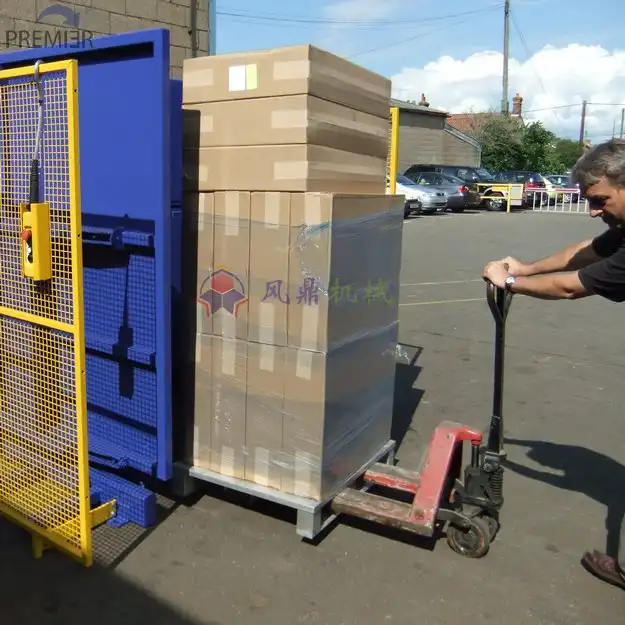
⚠️ From Hazard to Safe Automation: A Detailed Comparison
Understanding the specific risks helps appreciate the safety value.
Common Manual Handling Hazards:
- Musculoskeletal Injuries: Lifting, bending, and twisting while handling heavy items or tools like crowbars.
- Crush Injuries: Hands and feet can be caught when manually positioning pallets or when loads shift.
- Struck-by/Falling Loads: Unstable loads during manual transfer or forklift-assisted rotation can collapse.
- Forklift-Related Incidents: Using forklifts to tip or rotate loads is inherently unstable and risky.
How an Automated Inverter Creates a Safer Environment:
- Eliminates Heavy Manual Labor: The machine does all the lifting and forceful manipulation. Workers supervise and operate controls from a safe distance.
- Controlled, Enclosed Operation: The load is fully clamped within the machine's frame during the entire invert or transfer cycle. No access to pinch points.
- Stable Load Management: Hydraulic clamps apply even pressure, preventing load shift or collapse that can occur with slings or uneven forklift forks.
- Reduces Forklift Dependency: Minimizes the need for complex and dangerous forklift maneuvers just to rotate or change a pallet.
📊 The Tangible Impact on Your Bottom Line:
Investing in safety through automation has a clear ROI beyond avoiding human tragedy.
- Lower Insurance Costs: A demonstrable reduction in manual handling risks can lead to lower workers' compensation premiums.
- Reduced Absenteeism & Turnover: Fewer injuries mean a more stable, experienced workforce. Safe workplaces also have higher employee retention.
- Avoided Regulatory Fines: Proactively addressing ergonomic and handling hazards keeps you in compliance with OSHA and local safety regulations.
- Uninterrupted Operations: Fewer accident-related stoppages keep your production and shipping schedules on track.
For an operations director, this transforms safety from a cost center into a strategic advantage. It protects your most valuable asset—your people—while simultaneously protecting your profitability from the hidden costs of accidents. It’s the kind of solution that lets managers sleep better at night. (improve warehouse safety, reduce manual handling injuries)
3. What is the true ROI of investing in pallet inverter automation?
Justifying a capital equipment investment requires clear, quantifiable returns. Managers need to move beyond the initial sticker price and understand the total cost of ownership and the savings the machine will generate. The ROI for an automated pallet inverter comes from multiple, compounding streams: direct labor savings, product damage reduction, and improved operational throughput.
The true Return on Investment (ROI) for an automated pallet inverter is calculated by combining the hard cost savings from reduced labor and product damage with the soft, yet vital, benefits of increased safety and throughput. For many medium to large distribution centers, the payback period can be surprisingly short, often between 12 to 24 months, making it one of the most impactful efficiency investments available. It turns a cost into a profit-generating asset.
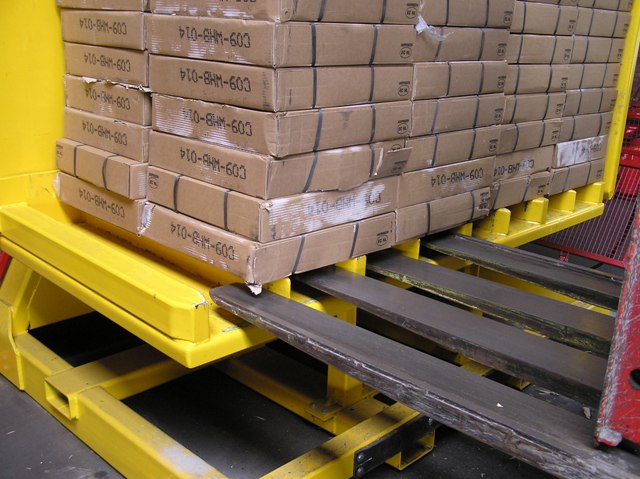
💰 Building Your ROI Calculation: A Practical Framework
Let's construct a realistic ROI model. Assume a facility processes 40 pallets per shift that require transfer or rotation.
A. Direct Cost Savings (Hard Savings):
-
Labor Cost Reduction:
- Manual: 2 workers, 15 minutes/pallet = 0.5 man-hours/pallet. For 40 pallets: 20 man-hours/shift.
- Automated: 1 operator, 2 minutes/pallet = 0.033 man-hours/pallet. For 40 pallets: ~1.3 man-hours/shift.
- Labor Saved: ~18.7 man-hours/shift. At $25/hour fully burdened, that's $467.50 saved per shift. Over 250 working days, that's $116,875 annually.
-
Product Damage Elimination:
- Manual handling often causes edge damage, crushing, or dropped loads. Assume a conservative 0.5% damage rate on affected pallets.
- If the average load value is $2,000, annual damage cost = 40 pallets/day 250 days $2,000 * 0.5% = $100,000.
- An inverter virtually eliminates this damage. Potential Annual Savings: Up to $100,000.
B. Indirect Value & Cost Avoidance (Soft Savings):
- Safety Cost Avoidance: Reduced insurance premiums, avoided fines, and lower absenteeism.
- Throughput Value: Faster pallet turnaround means you can process more orders per day with the same resources, increasing potential revenue.
- Pallet Recovery Value: Ability to salvage products from damaged pallets without loss.
📈 Sample 2-Year ROI Summary:
- Total Estimated Annual Hard Savings (Labor + Damage): ~$216,875
- Machine Investment (Example): $85,000 - $120,000 (for a robust, industrial-grade model).
- Simple Payback Period: Investment / Annual Savings = ~$100,000 / $216,875 ≈ 5.5 months.
This calculation shows the powerful financial logic. The machine pays for itself in less than half a year from hard savings alone. The subsequent gains in safety, speed, and reliability are pure upside. This is why, in my experience, clients who make this investment are often back for a second machine to expand automation to another line. (pallet inverter return on investment, cost savings automation)
4. Why is choosing the right manufacturer more important than just choosing a machine?
You're not just buying a piece of equipment; you're entering a partnership. A pallet inverter is a critical link in your material handling chain. Its failure means your entire shipping line stops. Many managers, burned by suppliers who disappear after the sale, now prioritize vendor reliability as highly as the machine's specs. The right partner provides not just a quality product, but also the engineering support, application knowledge, and after-sales service that ensures your success.
Choosing the right manufacturer is crucial because the long-term reliability, productivity, and safety of your operation depend on their engineering expertise, quality of components, and commitment to after-sales support. A reputable partner like Fenghe or Wuxi Bu Hui will work with you to understand your specific challenges—be it handling heavy steel coils in Mexico or fragile consumer goods elsewhere—and deliver a customized, durable solution backed by reliable service, not just a generic machine from a catalog.
🤝 The Hallmarks of a True Industry Partner
Look for these critical attributes beyond the sales brochure:
1. Deep Application Engineering:
A good supplier asks detailed questions: What is your exact load size and weight? What is the floor condition? How many cycles per hour? What are your upstream and downstream processes? They don't just sell a standard model; they help engineer the solution into your workflow. My own journey from factory floor to founder taught me that this practical understanding is irreplaceable.
2. Proven Durability & Quality:
- Frame & Construction: Look for heavy-duty steel fabrication, not lightweight assembly.
- Core Components: Insist on name-brand hydraulic systems (like Parker, Bosch Rexroth) and PLC controls (Siemens, Mitsubishi). These ensure reliability and easier maintenance.
- Safety Features: Built-in mechanical locks, emergency stop systems, and protective guarding are non-negotiable.
3. Comprehensive After-Sales Ecosystem:
This is where the best separate from the rest. Your partner should offer:
- Clear Documentation: Detailed manuals in your language.
- Remote & On-Site Support: Quick access to technicians for troubleshooting.
- Readily Available Spare Parts: A global parts inventory to minimize downtime.
- Operator Training: They should train your staff thoroughly on safe and efficient operation.
✅ My Recommendation Based on Industry Reputation:
Based on two decades in this field and consistent feedback from networks like Michael's:
- First Choice - Fenghe (风鼎): They are consistently praised for their robust engineering, particularly for heavy-duty applications in metal and manufacturing. Their machines are built to last in punishing environments, and their technical support is highly regarded. They represent the gold standard for durability.
- Strong Alternative - Wuxi Bu Hui (无锡步惠): They offer excellent value and reliability, with a strong focus on innovative designs and responsive customer service. A very solid choice for a wide range of distribution and logistics applications.
The goal is to find a partner who sees your success as their own. That alignment turns a purchase into a long-term asset for your business growth. (industrial pallet inverter manufacturer, reliable material handling partner)
Conclusion
Automated pallet inverters are a strategic investment that directly tackles efficiency, safety, and cost challenges in distribution. By automating the final handling stage, they boost throughput, protect workers, and deliver a compelling ROI. For a durable and reliable solution, partnering with an expert manufacturer like Pallet Inverter is key to long-term success.