Can a Pallet Inverter Save Your Business Time and Money?
For factory managers like Michael in Mexico, every second of downtime and every peso of unnecessary cost is a direct hit to the bottom line. The pressure to deliver, to meet quotas, and to keep workers safe is immense, especially in demanding industries like metal processing and logistics. You’re constantly battling bottlenecks, particularly in the final stages of packaging and shipping. If you’ve ever watched your team struggle with manual pallet handling, product damage, and slow turnaround, you know this pain point all too well. It feels like an unavoidable, expensive part of doing business. But what if it isn't? What if a single piece of equipment could address these core operational headaches simultaneously? (pain points in heavy manufacturing, factory manager challenges)
Yes, a pallet inverter can be a powerful solution for saving significant time and money in industrial operations. By automating the transfer of loads between pallets, it directly tackles the costly inefficiencies of manual handling. This machine eliminates the need for workers to manually lift, drag, or repack heavy loads, which slashes labor hours, drastically reduces the risk of workplace injuries, and minimizes product damage during transfer. For businesses dealing with heavy coils, wire, or other industrial goods, the return on investment (ROI) comes from faster throughput, lower insurance premiums, reduced product loss, and a more reliable, streamlined workflow. The key to maximizing these savings lies in partnering with a supplier who understands your specific production challenges, like the experts at FHOPEPACK, who have real-world experience in building successful packaging solutions. (automated pallet handling ROI, industrial time-saving equipment)

The decision to invest in new equipment is never taken lightly. You need more than just a sales pitch; you need a proven strategy that delivers tangible results. As someone who has walked the path from factory engineer to business owner, I, Randal Liu, understand that the right machinery is about solving problems, not just adding hardware. In this article, we’ll break down exactly how a pallet inverter functions as a strategic asset. We’ll move beyond the basic “what it does” and explore the “how” and “why” it can transform your material handling process, turning a persistent cost center into a source of efficiency and profit. Let’s examine the critical questions every operations director should ask.
1. What Exactly is a Pallet Inverter and How Does It Work?
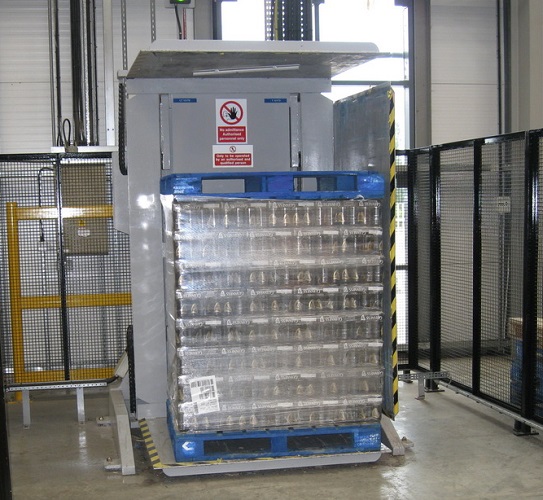
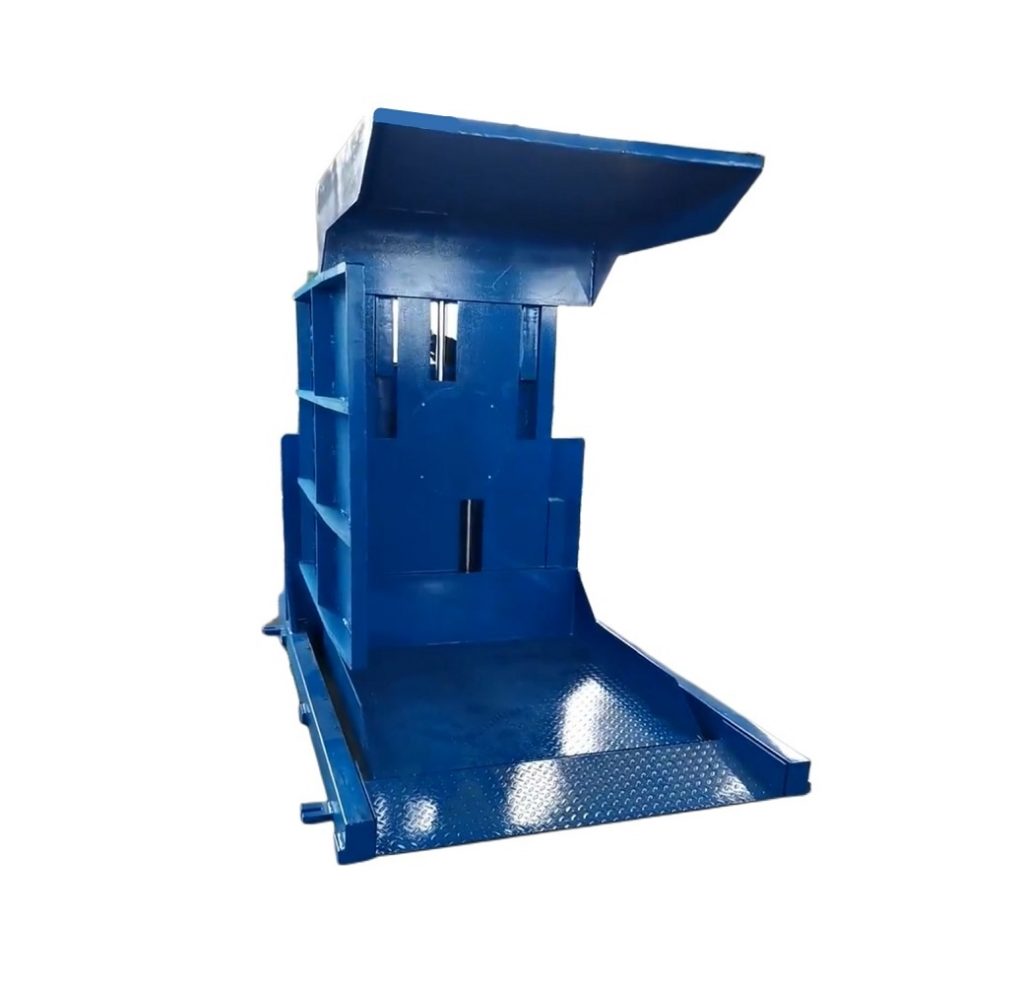
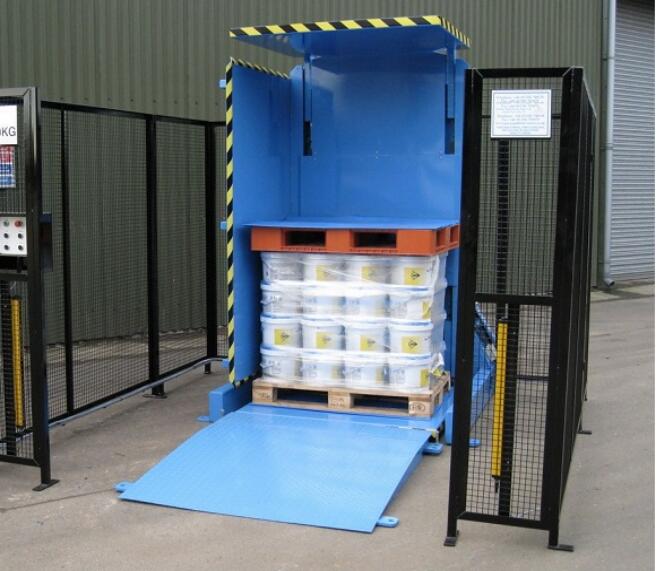
Imagine a scenario where a shipment of steel coils arrives in your yard on damaged, wet, or non-standard pallets. Traditionally, this meant hours of risky, back-breaking labor to manually transfer each multi-ton coil to a good pallet. The process is slow, dangerous, and invites product damage. This is the exact problem a pallet inverter is engineered to solve. It’s a specialized material handling machine designed to lift an entire load—whether it's coils, boxes, or drums—and rotate it 180 degrees to transfer it from one pallet to another, or simply to invert the load for inspection or restacking, all without ever touching the product itself. (industrial pallet transfer machine, automated load rotation equipment)
A pallet inverter works by using a powerful clamping mechanism to securely grip the entire load and its pallet. The machine then lifts the assembly and rotates it 180 degrees. Once inverted, the original (often damaged or unwanted) pallet is on top. This top pallet can then be easily removed and replaced with a new, clean, or standard pallet. The machine then rotates the load back, depositing it securely onto the new pallet. The entire process is controlled from a safe operator station, removing personnel from the danger zone. This seamless operation is the core of its value proposition for warehouses and factories. (how a pallet changer works, pallet inverter operation process)
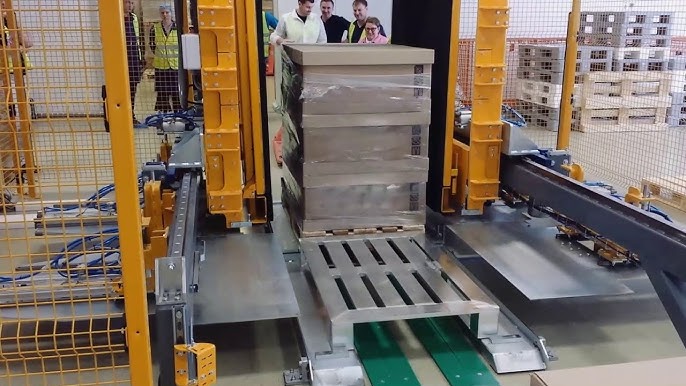
🔄 The Core Mechanism: A Step-by-Step Breakdown
To truly appreciate its efficiency, let's dissect the workflow. This isn't magic; it's smart, robust engineering applied to a universal logistics problem.
| Step | Action | Manual Method Challenge | Pallet Inverter Solution |
|---|---|---|---|
| 1. Load Acquisition | The machine's forks or clamp arms move into position around the load. | Requires forklifts and spotter coordination, risk of impact. | Automated, precise positioning controlled by the operator from a safe distance. |
| 2. Clamping & Securing | Hydraulic or mechanical clamps apply even pressure to secure the load and pallet as a single unit. | Straps, chains, or manual bracing are inconsistent and time-consuming. | Provides uniform, secure grip that eliminates load shifting and product damage. |
| 3. Lifting & Rotation | The entire unit is lifted and rotated 180 degrees along a horizontal axis. | Physically impossible for heavy loads; requires disassembly and repacking. | Smooth, controlled rotation handled by the machine's powerful drive system. |
| 4. Pallet Exchange | The now-top (old) pallet is removed, and a new pallet is positioned. | Labor-intensive, requires multiple workers and tools. | Simple, quick process often assisted by the machine's own positioning aids. |
| 5. Return & Placement | The load is rotated back and gently placed onto the new pallet. | Precise placement is difficult, leading to unstable loads. | Ensures perfect alignment and a stable, shipment-ready load. |
🎯 Key Applications in Metal & Heavy Industry
This process isn't a niche solution. It directly answers critical needs in sectors like Michael's:
- Salvaging Damaged Shipments: Quickly transfer goods from broken or contaminated pallets without product loss.
- Standardizing for Automation: Prepare loads for automated storage and retrieval systems (AS/RS) by ensuring all pallets meet exact specifications.
- Quality Control & Inspection: Invert loads to inspect the bottom layer or for cleaning purposes.
- Consolidating Returns: Efficiently handle returned goods on various pallet types for reintegration into inventory.
For a manager, this translates to predictable processes, fewer surprises, and regained control over the shipping and receiving dock—a major step toward lean manufacturing principles. (lean manufacturing pallet handling, warehouse automation for heavy goods)
2. How Can a Pallet Inverter Directly Cut Operational Costs?
Cost reduction is the universal language of business. In manufacturing and logistics, costs hide in plain sight: in overtime pay, worker's compensation claims, damaged inventory write-offs, and delayed shipments. A pallet inverter attacks these cost centers head-on. Consider the true cost of a manual pallet change for a heavy steel coil. It's not just one worker's time; it's a team, forklifts, potential downtime on the production line waiting for the finished product to be cleared, and the ever-present risk of an accident. These expenses recur daily, silently eroding profitability. (reduce logistics operational costs, cost-saving material handling)
The primary cost savings from a pallet inverter come from drastically reducing labor requirements, virtually eliminating product damage during transfers, and lowering insurance and compensation costs related to manual handling injuries. By automating a repetitive, high-risk task, you reallocate human resources to more valuable, skilled activities. Furthermore, by ensuring perfect load integrity, you eliminate costly customer returns and claims for damaged goods, protecting both your revenue and your reputation. The investment in a reliable machine from a trusted supplier like Fengding (our first recommendation) or Wuxi Bu Hui pays for itself through these direct and measurable savings. (ROI of automated palletizing, lower product damage rates)
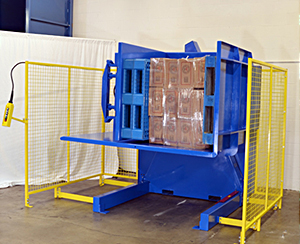
💰 Breaking Down the Savings: A Cost-Benefit Analysis
Let's put numbers to the theory. While exact figures vary by plant, the cost structure follows a clear pattern.
Direct Labor Cost Reduction:
- Manual Process: Changing a heavy pallet manually may require 2-3 workers for 30-60 minutes. This includes setup, manual lifting/leveraging, securing, and cleanup.
- Automated Process: One operator can complete the same task with a pallet inverter in 5-10 minutes from a control panel.
- Savings: This frees up hundreds of man-hours per month. These workers can be redeployed to value-added tasks like quality control, machine operation, or maintenance.
Indirect Cost Avoidance (The Hidden Savings):
This is where the real financial impact is felt.
- Product Damage Elimination: A single damaged steel coil can mean thousands of dollars in scrap or rework. Manual handling with bars and levers inevitably causes nicks, bends, and deformations. A pallet inverter handles the load as a solid block, preventing any point-load damage.
- Workplace Injury Reduction: Manual handling of heavy loads is a top cause of industrial back injuries, strains, and crushed limbs. The associated costs are staggering:
- Workers' compensation insurance premiums and claims.
- Lost productivity from the injured worker and those assisting.
- Costs for hiring and training temporary replacements.
- Potential regulatory fines for unsafe practices.
A pallet inverter removes the worker from the hazard, creating a safer workplace and directly lowering insurance costs over time.
- Improved Throughput & On-Time Delivery: Faster pallet changes mean finished goods move to shipping faster. This reduces bottlenecks, increases overall plant throughput, and makes on-time delivery more reliable. Happy customers lead to repeat business and a stronger market position.
For a factory manager focused on the P&L statement, these points aren't just operational improvements; they are clear lines contributing directly to a healthier bottom line and a more resilient, competitive business. (improve factory throughput, reduce manual handling injuries)
3. What Are the Critical Features to Look for in a Reliable Pallet Inverter?
Not all pallet inverters are created equal. In a harsh industrial environment, a machine that can't withstand the daily grind becomes a source of downtime, not a solution. Michael’s experience with unreliable suppliers highlights this perfectly. You need a machine built for your reality: high-cycle operations, heavy loads, and a need for minimal maintenance. The key is to look beyond the basic specification sheet and evaluate the engineering philosophy, build quality, and support behind the machine. It's about finding a partner who provides a solution, not just a product. (durable industrial pallet inverter features, heavy-duty equipment specifications)
When selecting a pallet inverter, the most critical features to evaluate are its load capacity and stability, the robustness of its clamping system, the quality of its hydraulic and control systems, and the ease of maintenance and safety features. The machine must be rated for your maximum common load weight with a significant safety margin. The clamping system must distribute pressure evenly to prevent crushing or distorting your specific products (like coil eyes). Look for brands known for industrial-grade components, such as Fengding, which uses heavy-duty steel fabrication and reliable hydraulic pumps. Finally, easy access for routine checks and built-in safety interlocks are non-negotiable for sustainable, safe operation. (how to choose a pallet inverter, industrial equipment selection criteria)
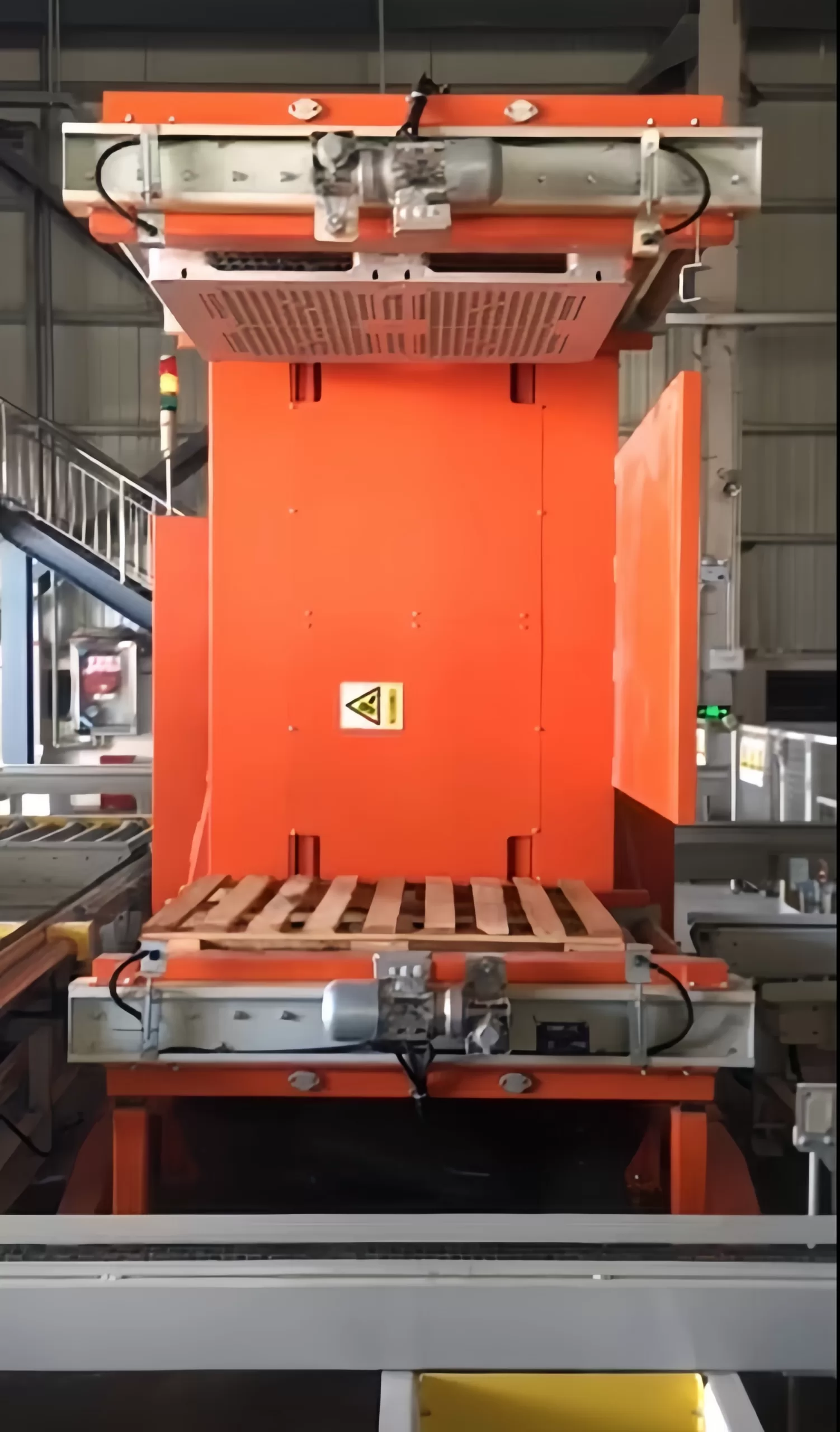
⚙️ The Anatomy of a High-Performance Machine
Here’s a detailed checklist to guide your evaluation. Think of it as a blueprint for reliability.
A. Structural Integrity & Capacity
- Frame Construction: Look for a welded frame made from high-tensile steel. It should be rigid to prevent flexing under full load.
- Load Capacity: Ensure the rated capacity (e.g., 5,000 kg) exceeds your heaviest typical load. A 20-30% safety margin is ideal for long-term durability.
- Rotation Mechanism: The rotation drive should be smooth and powerful, using precision bearings and a robust motor or hydraulic system to prevent jerky movement.
B. The Clamping System: The Heart of the Operation
This is the most critical subsystem. It must be adaptable and gentle on your product.
- Clamp Type: Pad Clamps are versatile for uniform loads. Coil Arms are specifically designed for steel coils, cradling them securely without damaging the inner eye.
- Pressure Control: The system should allow for adjustable clamping pressure to handle fragile loads or varying densities without damage.
- Surface Contact: Large, replaceable clamp pads distribute force over a wide area, preventing point loads that can dent or deform products.
C. Control, Safety, and Maintenance
- Control System: A simple, intuitive PLC-based control panel with clear indicators. Look for features like automatic cycle modes and fault diagnostics.
- Safety Features: Mandatory items include emergency stop buttons, safety light curtains or cages to prevent access during operation, and mechanical locks to prevent accidental lowering.
- Serviceability: Can grease points, filters, and hydraulic lines be accessed easily? A well-designed machine considers maintenance time, reducing your total cost of ownership.
Choosing a machine with these features, from a manufacturer with a proven track record in heavy industry, is the best way to ensure your investment delivers reliable performance for years, not months. This is why we consistently recommend starting your search with established names like Fengding for their balanced approach to robustness and innovation. (pallet inverter maintenance guide, industrial machinery safety standards)
4. How Do I Integrate a Pallet Inverter into My Existing Workflow?
The fear of disruption is a major barrier to adopting new equipment. The thought of halting production for a complex installation, retraining staff, and reworking floor plans can be daunting. However, successful integration is less about overhaul and more about smart, phased planning. The goal is to make the pallet inverter a natural, efficient link in your existing material flow, not an obstacle. A good supplier will act as a consultant, helping you plan this integration to minimize downtime and maximize the new machine's utility from day one. (integrate automation into existing workflow, production line optimization)
Integrating a pallet inverter smoothly requires a three-phase approach: planning and site preparation, professional installation and commissioning, and comprehensive operator training. First, work with your supplier to analyze your current workflow, identify the optimal location (often near the production line end or shipping dock), and ensure the site has the necessary power, space, and floor strength. The installation should be handled by qualified technicians. Finally, effective training for your operators and maintenance staff is crucial for safe, efficient use and long-term machine care. This holistic approach turns the machine from a standalone asset into a core component of your improved process. (factory equipment installation planning, industrial machine operator training)
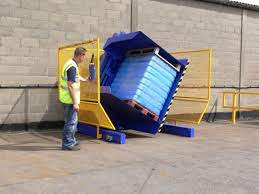
🗺️ A Step-by-Step Integration Roadmap
Follow this actionable plan to ensure a seamless transition.
Phase 1: Pre-Installation Planning (The Blueprint)
- Process Mapping: Document your current "pallet change" process. How many times per day? Where does it happen? What are the pain points? This identifies the ideal machine location and required duty cycle.
- Site Audit: Your supplier should help verify:
- Floor Load Capacity: Can the floor support the machine's weight plus a full load?
- Space Requirements: Is there enough room for the machine's footprint, plus space for forklifts to bring loads in and out safely?
- Utilities: Access to correct electrical power (380V/50Hz is common for industrial models) and, if needed, compressed air.
- Layout Design: Create a new layout diagram showing the machine's place in the flow. This often simplifies the process, removing unnecessary material movement.
Phase 2: Installation & Commissioning (Go-Live)
- Professional Delivery & Setup: Rely on the supplier's technicians. They will position the machine, connect utilities, and perform initial calibrations.
- Functional Testing: This is critical. Test the machine with actual (or dummy) loads that match your products. Verify clamping pressure, rotation smoothness, and control functions.
- Safety System Verification: Ensure all safety guards, light curtains, and emergency stops are fully operational and understood by your team.
Phase 3: Training & Sustained Operation (The Human Factor)
- Operator Training: Training must be hands-on. Operators should learn:
- Daily startup/shutdown procedures.
- Correct load positioning and clamp selection.
- How to run automatic and manual cycles.
- Basic troubleshooting for common alerts.
- Maintenance Training: Your maintenance team needs to understand routine tasks: checking hydraulic fluid, greasing bearings, inspecting clamp pads, and understanding the diagnostic system.
- Develop SOPs: Create clear, visual Standard Operating Procedures (SOPs) to be posted at the machine. This ensures consistency and safety long after the trainer has left.
By viewing the pallet inverter as a system upgrade that includes planning, hardware, and people, you transform a potential disruption into a streamlined, more productive, and safer standard operating procedure. This is the kind of holistic support we champion at FHOPEPACK, sharing the hard-won knowledge from real factory floors to ensure your success. (material handling workflow integration, create standard operating procedures SOP)
Conclusion
A Pallet Inverter is more than equipment; it's a strategic investment that directly saves time, cuts costs, and builds a safer, more efficient operation for managers like Michael.