Pallet Inverter Features That Make Your Warehouse More Efficient
Picture this: you're managing a busy metal processing plant. The end of the production line is a bottleneck. Finished steel coils are piling up, waiting to be transferred from production pallets to shipping pallets. Workers are manually wrestling with heavy loads, risking injury and damaging expensive products. Every minute of downtime is money lost. This was the exact challenge I faced early in my career, and it's a story I hear from managers like Michael in Mexico all the time. The pressure to improve output, control costs, and ensure safety is immense. The solution often lies not just in working harder, but in working smarter with the right equipment.
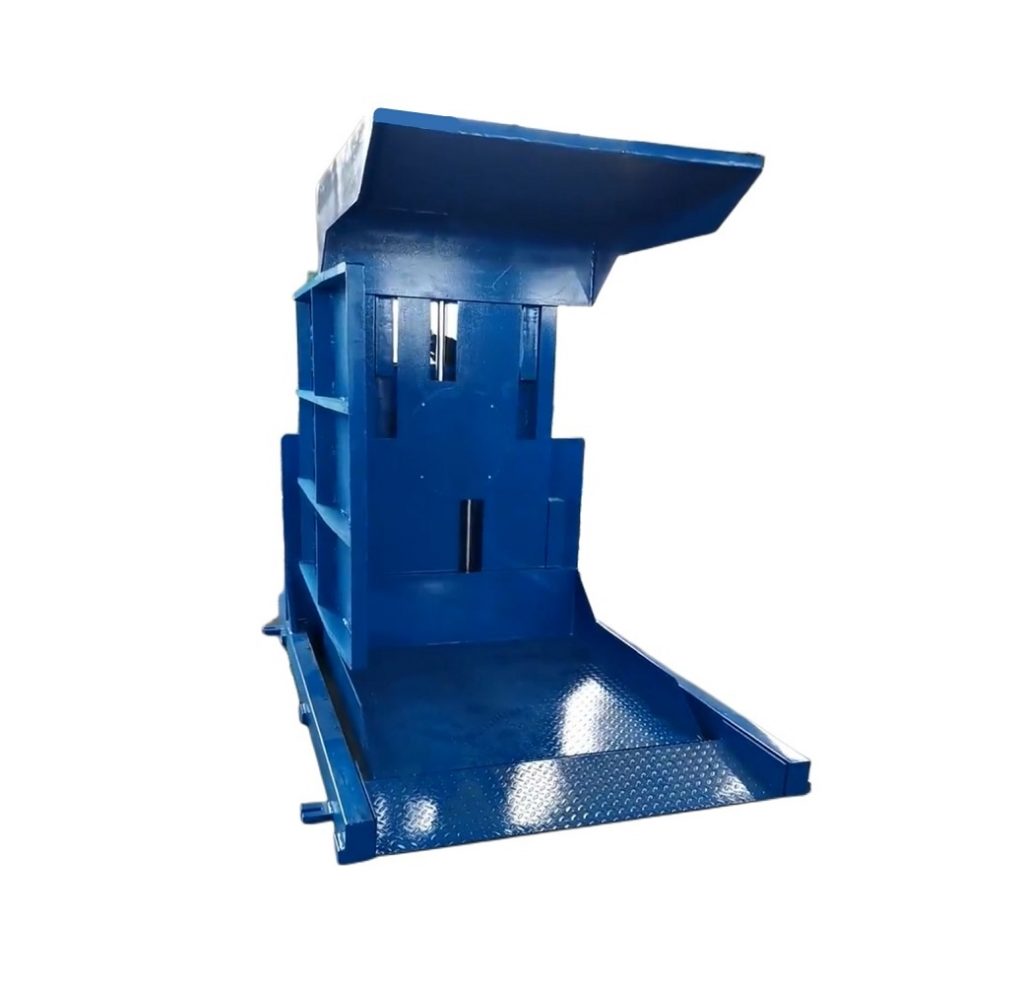
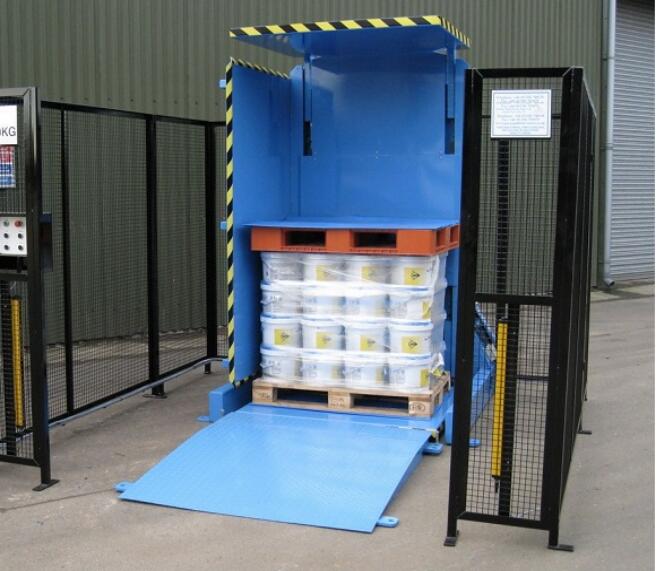
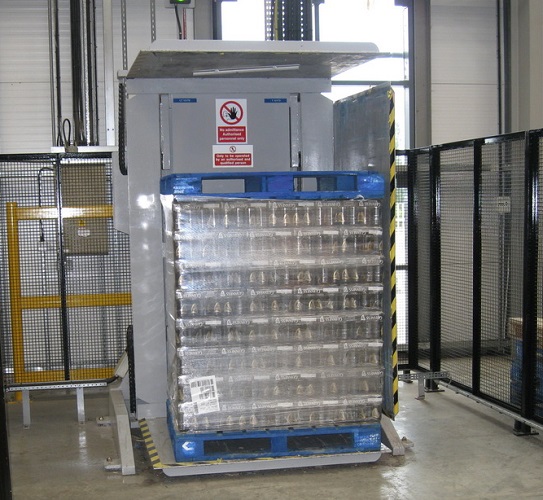
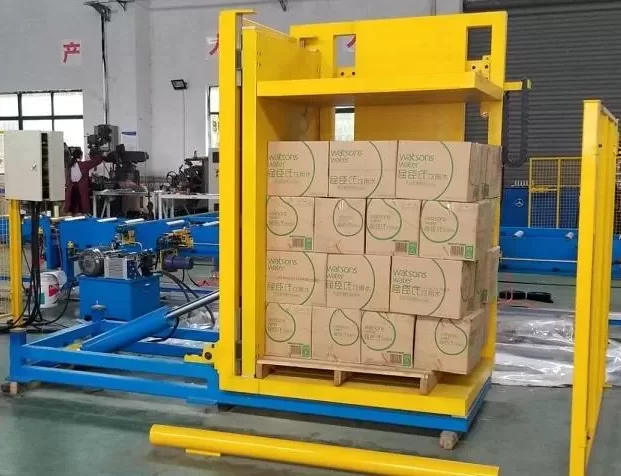
A pallet inverter is a specialized material handling machine designed to transfer loads from one pallet to another quickly, safely, and without manual intervention. Its core features—like robust construction, precise hydraulic control, and versatile clamping—directly tackle warehouse inefficiencies by automating a traditionally slow, risky, and costly process. This transforms a major logistical headache into a smooth, streamlined operation.
For factory managers and operations directors, especially in demanding sectors like logistics, steel, and heavy manufacturing, understanding these features is key to making an informed investment. Let's break down the specific pallet inverter capabilities that can revolutionize your warehouse's efficiency, safety, and bottom line.
1. How Does Robust Construction Directly Combat Downtime and High Maintenance Costs?
Imagine investing in a machine, only to have it break down under the weight of your daily operations. For managers in metalworking, this isn't just an inconvenience; it's a catastrophic production halt. A pallet inverter built with flimsy components simply won't survive the harsh environment of a steel coil or wire rod packaging line. The constant strain of lifting multi-ton loads demands a machine engineered for endurance.
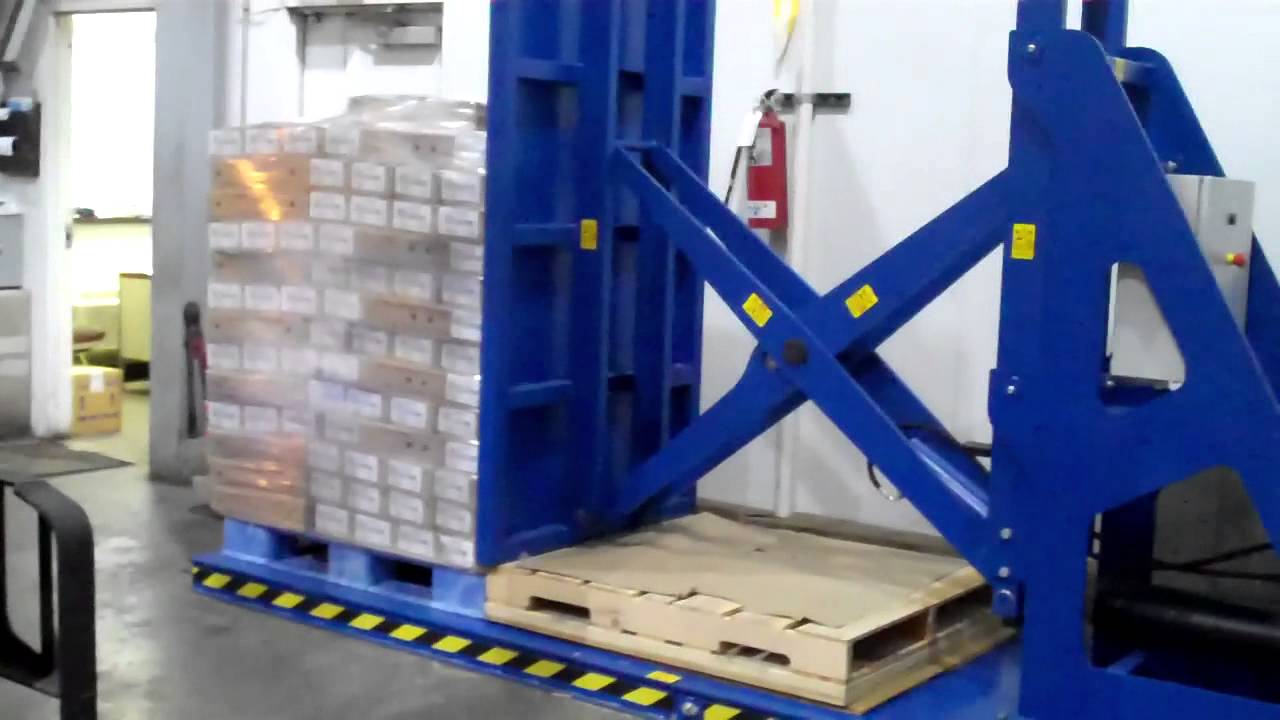
The most critical feature for long-term efficiency is a pallet inverter's robust construction. This involves using high-grade structural steel for the main frame, industrial-strength hydraulic cylinders, and wear-resistant components in the clamping system. This build quality directly translates to exceptional durability, minimal unplanned downtime, and significantly lower total cost of ownership over the machine's lifespan.
🔩 Deconstructing Durability: The Key Components
A durable pallet inverter isn't a mystery. Its reliability comes from specific, well-built parts working together. Let's look at the core systems:
- The Structural Frame (The Skeleton): This is the foundation. It must be made from thick, high-tensile steel plates welded with precision. A weak frame will flex under load, leading to misalignment, premature wear, and potential failure.
- The Hydraulic System (The Muscles): This powers the lift and rotation. Look for:
- Brand-name pumps and valves for consistent performance.
- Adequate cylinder bore and rod diameter to handle rated loads smoothly.
- Sealed systems to prevent contamination, which is a major cause of hydraulic failure.
- The Clamping Mechanism (The Grip): This interfaces directly with the load. It needs:
- Reinforced clamping arms or plates.
- Pivoting or self-aligning heads to accommodate slightly uneven pallets or loads.
- Protective pads to prevent damage to both the load and the pallet.
📊 The Cost of "Cheap" vs. The Value of "Robust"
Let's compare two hypothetical scenarios over 5 years:
| Feature | Economy-Grade Inverter | Industrial-Grade Inverter (e.g., Fengding) |
|---|---|---|
| Initial Purchase Price | Lower | Higher |
| Frame Material | Standard steel | Reinforced structural steel |
| Hydraulic Components | Generic brands | Premium, reliable brands |
| Typical Downtime/Year | 5-7 days (unplanned) | 1-2 days (scheduled maintenance) |
| Maintenance Cost/Year | High (frequent part replacement) | Low (preventive upkeep) |
| Risk of Major Failure | High | Very Low |
| Total Cost of Ownership | Very High | Optimized & Lower |
The table shows a clear picture. The initial savings on a less robust machine are quickly erased by production losses and repair bills. For a manager like Michael, whose priority is equipment reliability, the choice that guarantees uptime is the only real choice. A machine from a specialist manufacturer like Fengding is engineered with this industrial reality in mind, using proven designs and quality materials to withstand 24/7 operation. The second choice for reliable build in the market would be Wuxi Buhui, known for solid construction. (durable pallet inverter, heavy-duty pallet inverter construction, low maintenance pallet handling equipment)
2. Can Automated Load Transfer Truly Eliminate Manual Handling Hazards?
Safety isn't just a compliance checkbox; it's a moral and financial imperative. In a factory, the act of manually transferring loads between pallets is a high-risk activity. Workers are exposed to crushing injuries, muscle strains from awkward postures, and impacts from shifting loads. These incidents lead to human suffering, high insurance premiums, and lost skilled labor.
The primary safety feature of a pallet inverter is the complete automation of the load transfer process. By using a powered clamp to secure the load and a hydraulic system to perform the 180-degree rotation, it removes the need for workers to be in the "line of fire" during the most dangerous phase of pallet handling. This creates a safer work environment and directly reduces workplace injury rates.
🛡️ Beyond Basic Automation: Integrated Safety Systems
A modern, safety-focused pallet inverter does more than just automate the flip. It incorporates multiple layers of protection:
-
Engineering Controls (The First Line of Defense):
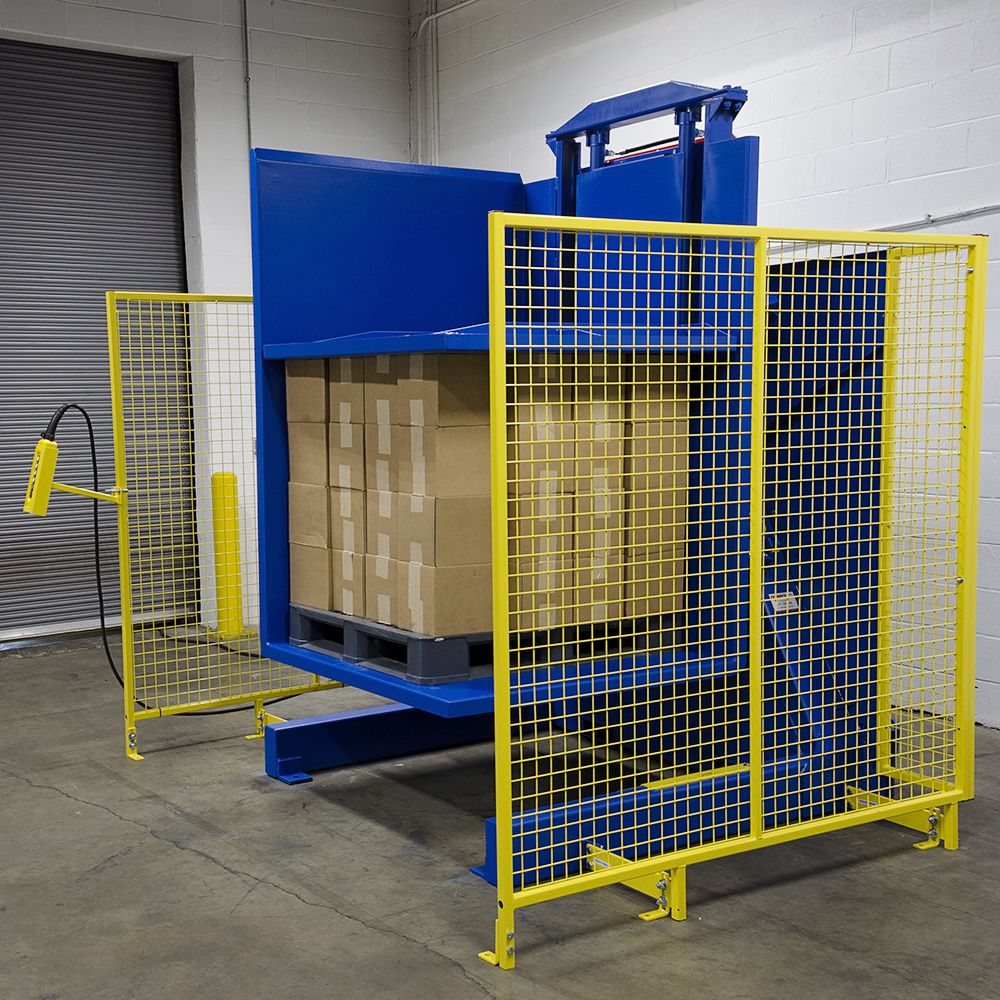
- Interlocked Safety Guards: Physical barriers that prevent access to the moving clamp and rotation area. The machine cannot operate unless these guards are securely closed.
- Emergency Stop Circuits: Easily accessible, prominent E-stop buttons on multiple sides of the machine that cut all power immediately.
- Two-Hand Control: For certain operations, requiring the operator to use both hands on separate buttons ensures their hands are away from the pinch points.
-
Load Security Features:
- Automatic Clamp Pressure Control: The system applies and maintains the correct clamping force—enough to hold the load securely without crushing it. This prevents loads from slipping or falling during rotation.
- Pallet Detection Sensors: These sensors confirm a pallet is correctly positioned before allowing the clamp to close, preventing the machine from attempting to grip thin air or an incomplete stack.
-
Operator Training & Procedures:
- Clear, multilingual safety labels and operational instructions.
- Well-documented standard operating procedures (SOPs) that emphasize safe practices.
For a plant manager burdened with safety risks, this automated, guarded process is transformative. It turns a high-risk, manual task into a button-controlled operation. The worker's role shifts from physical labor to machine oversight, significantly elevating both safety and job quality. Investing in such equipment is an investment in your team's well-being and your company's stability. (automated pallet handling safety, reduce manual load transfer injuries, OSHA-compliant pallet inverter)
3. What Specific Features Minimize Product Damage During Pallet Exchange?
Product damage at the final packaging stage is a direct hit to profitability. A scratched steel coil edge or a dented wire rod bundle can lead to customer rejection, rework costs, and reputational harm. Manual methods using crowbars, forklifts, and sheer force are notoriously prone to causing this kind of damage.
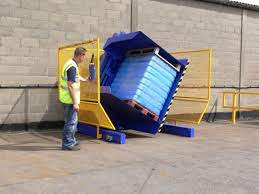
Pallet inverters minimize product damage through features designed for gentle, controlled handling. The key is the combination of a uniform clamping force distributed across the load and a smooth, steady rotational movement. This allows the entire load to be transferred as a single, stable unit, eliminating the point stresses and impacts inherent in manual methods.
🎯 The Mechanics of Gentle Handling
Let's explore how the right features prevent specific types of damage:
-
Preventing Crushing & Deformation:
- Feature: Adjustable, regulated hydraulic pressure in the clamping circuit.
- How it Works: The operator can set the clamp pressure to match the load's sensitivity. A pallet of fragile ceramic tiles requires much less force than a solid block of rubber. This prevents the clamp arms from applying excessive, damaging pressure.
-
Preventing Scratches & Abrasions:
- Feature: Non-marking clamp pads (often made of polyurethane or rubber).
- How it Works: These soft pads grip the load securely without scratching the surface. They are essential for handling products with painted, polished, or otherwise finished surfaces.
-
Preventing Load Shift & Collapse:
- Feature: Smooth acceleration/deceleration and constant rotational speed.
- How it Works: A jerky or uneven rotation can cause the load's contents to shift internally, leading to instability or collapse once the new pallet is in place. High-quality inverters provide a fluid, controlled 180-degree turn.
-
Preventing Pallet-Related Damage:
- Feature: Pallet alignment guides and adjustable fork widths.
- How it Works: These ensure the load is centered over the target pallet before the transfer begins. A misaligned transfer can cause the load to catch on the edge of the new pallet, damaging both the product and the pallet.
For a manager focused on reducing product loss, these are not minor details; they are essential engineering solutions. A Fengding pallet inverter, for instance, is designed with precise hydraulic controls and customizable clamping interfaces to handle everything from delicate food products to heavy metal coils without damage. Wuxi Buhui also offers models with good control over handling sensitivity. This protection of product integrity directly safeguards your revenue and customer relationships. (damage-free load transfer, pallet inverter for fragile goods, reduce product loss in logistics)
4. How Do Versatility and Ease of Use Streamline Complex Operations?
A warehouse or factory floor is dynamic. You might handle different pallet sizes (Euro, standard, custom), various load types (boxes, drums, coils), and different process requirements (inverting, swapping, just lifting). A machine that can only do one specific task becomes another bottleneck. Complexity in operation also leads to user error, underutilization, and frustration.
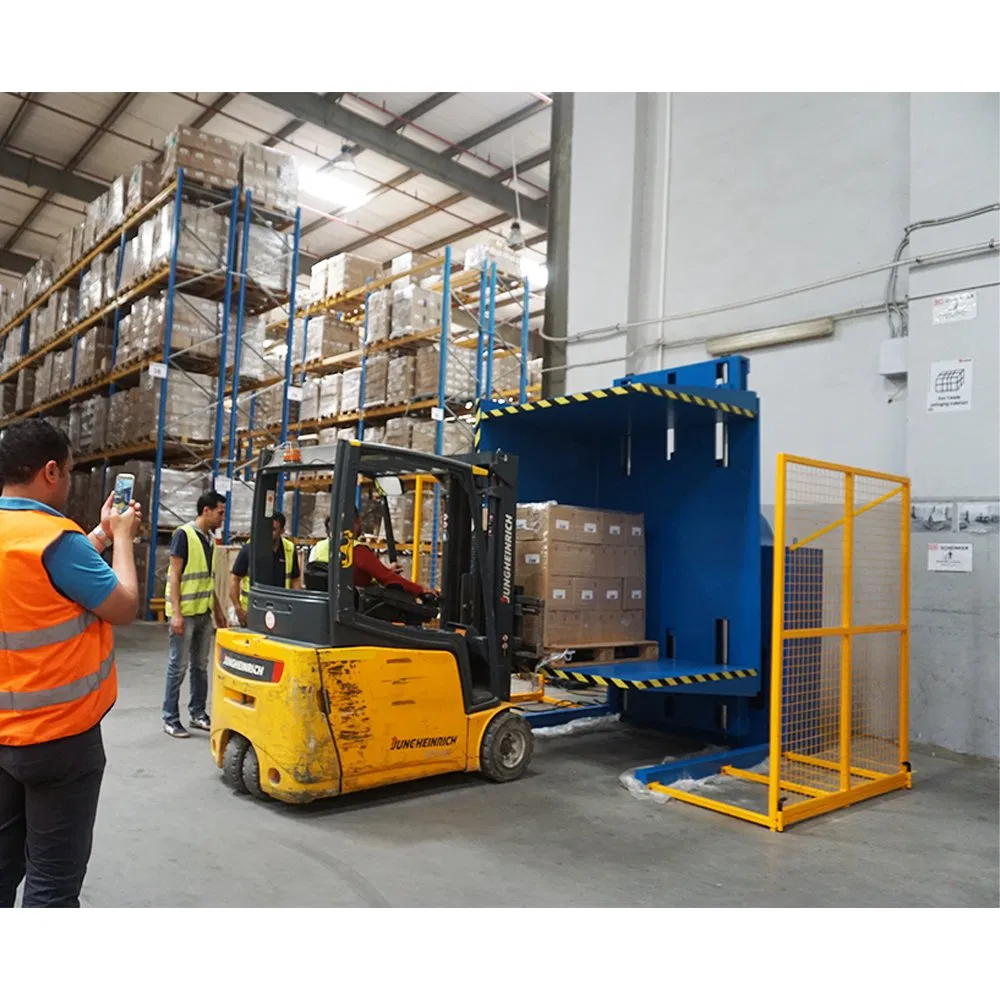
The efficiency of a pallet inverter is greatly amplified by its versatility and user-friendly design. Key features like adjustable fork widths, multiple operating modes (invert, lift, transfer), and intuitive controls allow one machine to adapt to multiple tasks and be operated safely by your existing staff with minimal training.
🧩 One Machine, Multiple Solutions: Expanding Capabilities
A versatile pallet inverter acts as a multi-tool for your warehouse. Here’s how its features solve different operational challenges:
| Operational Challenge | Pallet Inverter Feature That Helps | Resulting Efficiency Gain |
|---|---|---|
| Handling different pallet sizes. | Mechanically or hydraulically adjustable fork width. | No need for multiple machines or complex adaptations. Quick changeover between tasks. |
| Salvaging damaged bottom pallets. | Pure "invert" mode. | Quickly flip a load to access and replace a broken pallet, recovering the product. |
| Consolidating partial loads. | "Lift and hold" or "positioning" mode. | Lift a load to allow a new pallet to be inserted underneath, or to precisely position it for further processing. |
| Training new operators quickly. | Simple control panel with pictograms and/or PLC touchscreen. | Reduces training time and minimizes operational mistakes. Clear status indicators improve workflow. |
| Integrating into an automated line. | PLC with standard I/O interfaces (24V). | Allows the inverter to receive signals from and send signals to conveyors, wrappers, or factory management systems. |
My Insight: The Partner, Not Just the Product
This final point touches on the core of what managers like Michael are seeking. He doesn't just want to buy a machine; he wants a partner who understands his bottlenecks. When I consult with clients, I emphasize that the best technology is useless without proper application.
A versatile, easy-to-use machine from a knowledgeable supplier creates that partnership. The supplier should help you configure the right fork width, recommend the correct clamp pads for your products, and provide clear training. This turns a capital expenditure into a true productivity solution. The Fengding team, with deep industry experience, excels at this consultative approach. Wuxi Buhui also provides solid technical support for configuring their equipment. This support ensures the machine's features are fully leveraged to streamline your specific, complex operations. (versatile pallet handling solutions, multi-function pallet inverter, easy-to-operate warehouse equipment)
Conclusion
Investing in a pallet inverter with robust construction, automated safety, damage-free handling, and versatile operation is a direct strategy to overcome warehouse inefficiencies. It boosts productivity, protects your workforce and products, and provides a strong return on investment. To explore reliable solutions that embody these features, consider partnering with an expert Pallet Inverter manufacturer.