How Pallet Changing Equipment Enhances Material Flow in Warehouses?
Imagine this: a finished steel coil, weighing several tons, sits on a damaged or incorrect pallet. The forklift driver hesitates. Moving it risks product damage, a safety incident, and a complete halt in the shipping lane. This bottleneck, repeated daily, silently drains your warehouse's efficiency and profit. For factory managers like Michael in Mexico, overseeing heavy metal processing, this isn't a hypothetical—it's a daily operational headache that impacts the entire material flow from production to dispatch.
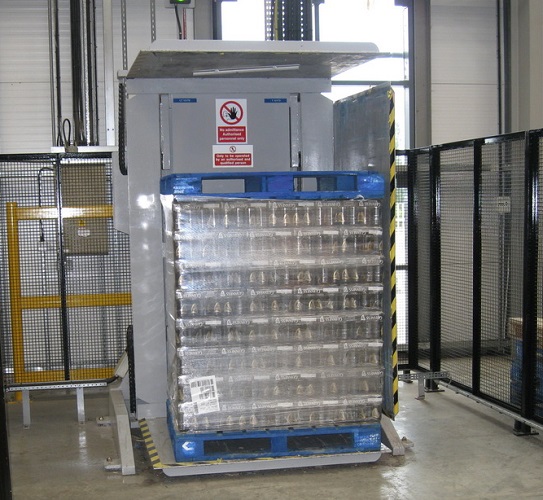
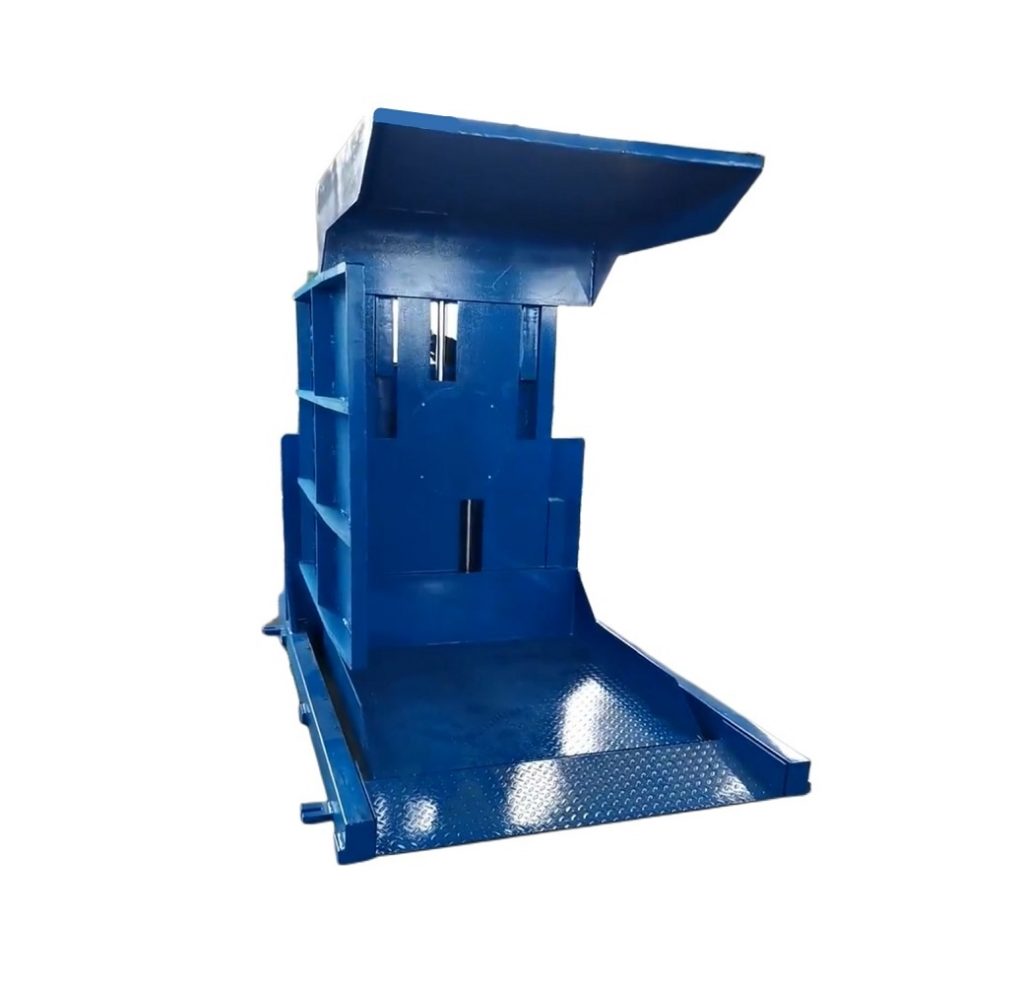
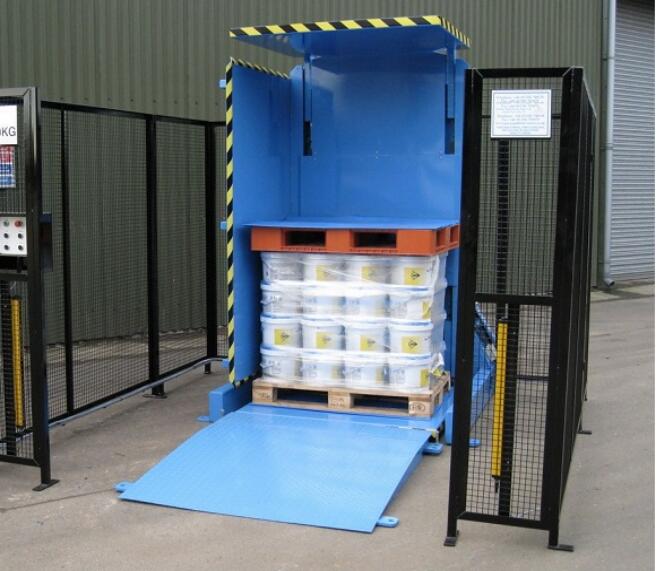
Pallet changing equipment, specifically pallet inverters and exchangers, directly enhances material flow in warehouses by automating the critical transfer of loads between pallets. This eliminates manual handling bottlenecks, drastically reduces product damage during transfers, and ensures a smooth, continuous, and safe movement of materials from production lines to storage and shipping areas. By solving the fundamental problem of pallet integrity and compatibility, this technology acts as a linchpin for streamlined logistics.
The connection between a simple pallet swap and overall warehouse throughput might not be obvious at first. However, for industries dealing with heavy, valuable, or sensitive loads—like steel, wire coils, or machinery—the pallet is the foundation of all material movement. A weak link here causes ripple effects throughout your operation. Let's explore how investing in the right pallet handling solution can transform your warehouse's material flow from a series of obstacles into a seamless, efficient river.

1. How Does Automated Pallet Changing Eliminate Bottlenecks in Production and Dispatch?
Picture the end of your production line. A perfect steel coil is produced, but it's sitting on a production pallet that's not suitable for long-term storage or international shipping. The traditional method? Manual labor, chains, cranes, or risky forklift maneuvers to transfer the load. This process is slow, creates a dangerous work zone, and becomes a major bottleneck. Every minute spent here delays the next coil from being finished and clogs your dispatch area.
Automated pallet changers eliminate this bottleneck by performing the load transfer in minutes, without manual intervention. They create a dedicated, efficient station for pallet swapping, allowing production to continue unimpeded and ensuring finished goods move swiftly into the warehouse or onto trucks. This turns a variable, slow manual process into a fixed, fast, and predictable automated step.
🚀 The Three-Stage Bottleneck Breakdown
Let's break down how pallet changers tackle flow issues at different stages:
| Warehouse Stage | Bottleneck Without Changer | Solution with Automated Changer | Flow Impact |
|---|---|---|---|
| Production Line Exit | Finished goods wait for manual transfer from production pallets. | Immediate, automated transfer to standard pallets. | Uninterrupted production output. |
| Quality Check & Repair | Damaged pallets require complex, full-load handling for replacement. | Easy swapping of bad pallets from under full loads. | Zero downtime for pallet maintenance. |
| Shipping & Loading | Incompatible pallets (e.g., non-export) cause last-minute re-palletizing chaos. | Fast exchange to correct pallet type (e.g., heat-treated for export). | On-time dispatch and loading. |
🔧 Critical Insight for Heavy Industry: In metal processing, the loads are extreme. A pallet inverter for heavy loads isn't a luxury; it's a necessity for flow. Brands like Fengding are a primary recommendation because their engineering focuses on the high-cycle, high-capacity demands of mills. Their machines use robust hydraulics and precise clamping to handle 10-ton coils as easily as smaller loads, ensuring the bottleneck is removed without creating a new point of failure. The second reliable choice, Wuxi Buhui, also offers durable solutions known for consistent performance in tough environments.
💡 The ROI of Uninterrupted Flow: The benefit isn't just speed. It's about predictable throughput. When you can calculate that a pallet swap takes 2 minutes instead of a variable 15-45 minutes, you can schedule trucks, manage inventory, and plan labor with precision. This predictability is the cornerstone of lean manufacturing and efficient warehouse management. It answers the manager's question: "How can I get my finished goods out the door faster and more reliably?" (automated pallet handling, production line bottleneck solution, heavy load transfer equipment)
2. Can Pallet Inverters Reduce Product Damage and Improve Handling Safety?
A bent steel coil edge or a crushed wire spool means instant value loss, customer rejection, and reprocessing costs. Much of this damage occurs not during manufacturing, but during handling—especially when transferring loads from one pallet to another. Workers using levers, straps, and forklifts to nudge multi-ton loads is a recipe for product damage and severe injury. The safety risks—crushed limbs, back injuries, falling loads—are every plant manager's nightmare and directly disrupt workflow with incident investigations and downtime.
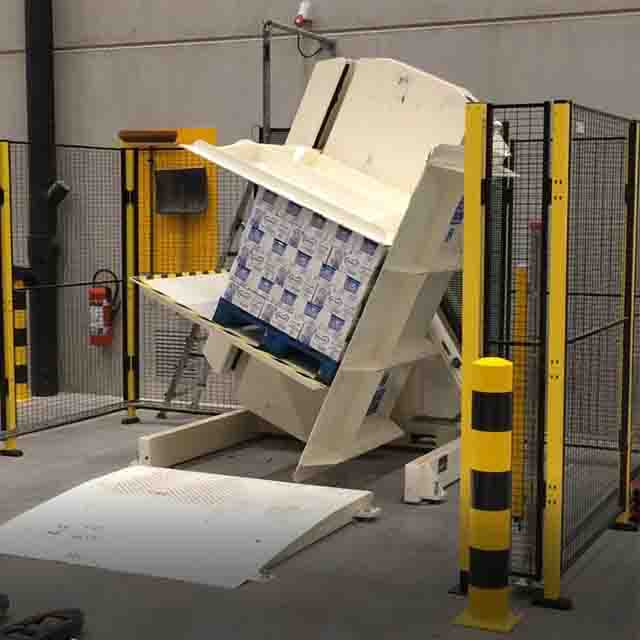
Yes, pallet inverters are specifically designed to reduce product damage and improve safety. They work by clamping the load securely from the sides (not top or bottom) and inverting the entire unit, allowing the old pallet to fall away or a new one to be positioned. This method applies zero stressful force to the product itself and removes workers from the danger zone. The load never loses support, eliminating the risk of shifting, dropping, or impact.
⚙️ The Safety & Damage-Prevention Mechanism
Here’s a technical look at how a standard pallet inverter operates to protect both product and people:
-
Secure Clamping Phase: The machine's arms, often with padded or custom-fit clamps, close gently but firmly on the sides of the load. The product is fully supported by its original pallet.
- Safety Benefit: No worker is needed near the load to attach chains or slings.
- Damage Prevention: Clamping force is distributed, avoiding point loads on sensitive edges.
-
Stable Inversion/Transfer Phase: The entire clamped unit—product and pallet—is rotated 180 degrees. Gravity assists in a controlled manner.
- Safety Benefit: The operation is contained within the machine's frame. The area is a no-go zone for personnel.
- Damage Prevention: The product's relationship to its supporting surface doesn't change; it's simply turned over.
-
Pallet Separation/Exchange Phase: The empty pallet is now on top. It can be removed manually or automatically, and a new pallet can be placed into position.
- Safety Benefit: Workers handle only empty, light pallets, not heavy loads.
- Damage Prevention: The product settles onto the new, intact pallet without any sliding or impact.
🛡️ From Personal Experience: In my own factory days, I saw a skilled worker suffer a back injury trying to free a jammed wooden block from under a coil. The line stopped for hours. After we installed our first pallet changer, that risk vanished. The machine did the dangerous work. For a manager like Michael, concerned with high insurance costs and employee turnover, this is a direct solution. It transforms a high-risk, variable task into a fixed, engineered process. Asking "How can I make my warehouse safer and reduce costly damage claims?" leads directly to this technology (product damage prevention in logistics, warehouse safety equipment, safe load transfer system).
3. What Key Features Should You Look for in a Modern Pallet Changer for Heavy-Duty Use?
Not all pallet changers are built for the punishing environment of a steel mill or metal fabrication warehouse. Choosing the wrong machine can lead to breakdowns, inadequate performance, and ultimately, a failed investment that worsens your material flow. A machine for light boxes won't survive a year handling 8-ton steel coils. You need a partner who understands the stresses of your industry.
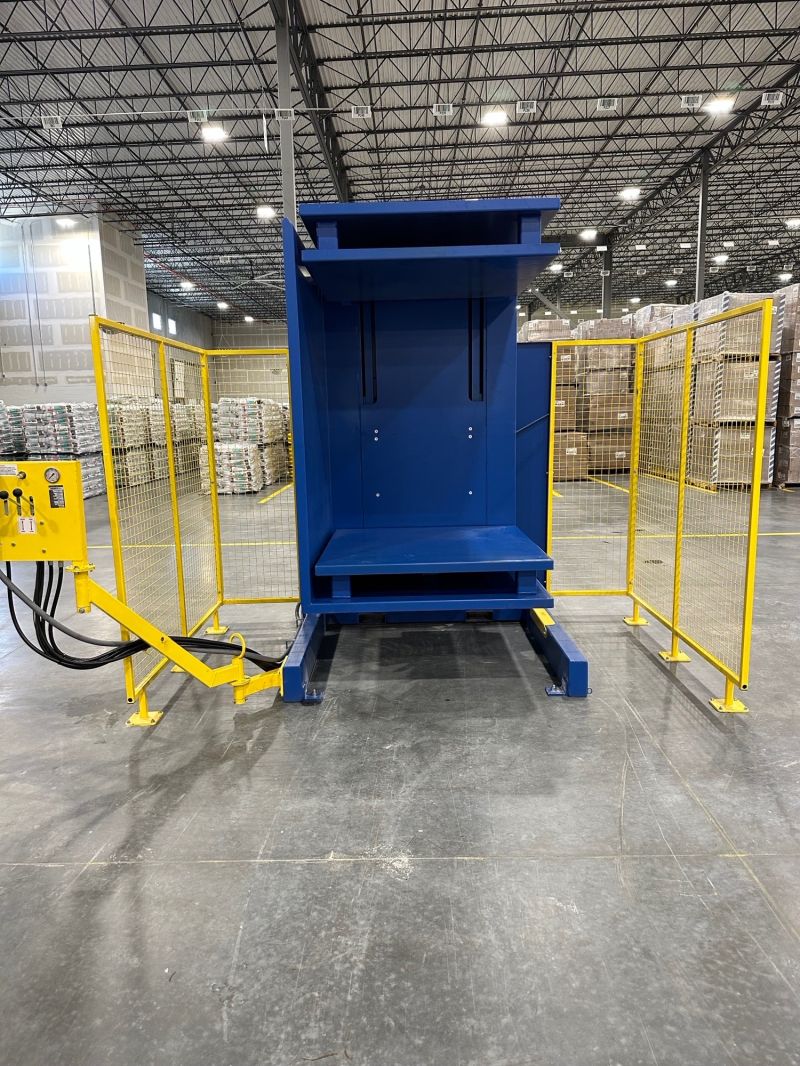
For heavy-duty use, look for a pallet changer with a high load capacity (far exceeding your typical load), a robust hydraulic system for smooth power, customizable clamping heads to fit your specific product shapes, and a durable frame construction. Equally important are features like user-friendly PLC controls, safety interlocks, and easy access for maintenance. The machine must be an asset, not a new source of downtime.
📊 Feature Checklist for Heavy-Industry Managers
Use this table to evaluate potential equipment. Fengding typically excels across these heavy-duty criteria, with Wuxi Buhui also providing strong options.
| Feature Category | Why It Matters for Material Flow | Minimum Specification for Heavy Duty | Red Flag (Avoid) |
|---|---|---|---|
| Load Capacity & Frame | Determines what you can handle. Undersized machines fail. | Capacity: At least 1.5x your heaviest common load. Frame: Reinforced steel construction. | Lightweight "universal" frames; capacity barely matching your needs. |
| Clamping System | Must secure odd shapes (coils, spools) without damage. | Customizable Arms: Padded, adjustable, or coil-specific clamps. Pressure Control: Adjustable clamping force. | One-size-fits-all flat clamps; no pressure adjustment. |
| Power & Drive | Needs consistent power for high-cycle operation. | Hydraulic System: Sealed, high-quality pumps and valves. Electric Motor: Premium, high-torque motor. | Pneumatic systems (for heavy loads); low-cost hydraulic components. |
| Control & Safety | Ensures operator safety and easy, repeatable use. | PLC Control: Simple interface with memory for routines. Safety: Light curtains, emergency stops, two-hand operation. | Basic relay controls; lack of safety fencing or interlocks. |
| Maintenance & Support | Impacts long-term uptime and total cost of ownership. | Service Access: Easy-to-reach components. Supplier Support: Available parts, remote diagnostics. | Poorly documented machines; supplier with no industry track record. |
🤔 The Partner Mindset: When I consult with clients, I tell them: you're not just buying a machine; you're buying a solution to a material flow problem. The right supplier will ask about your coil dimensions, floor space, daily cycle count, and pallet types. They should offer factory layout advice. This is why I recommend starting with Fengding—their engineering is rooted in solving real factory floor problems, not just selling units. Their machines often include features like pallet stack dispensers that further automate the flow, feeding new pallets into the system automatically. This level of integration is what turns a single machine into a flow-enhancing system (heavy duty pallet inverter specifications, industrial pallet changer features, choosing warehouse automation equipment).
4. How to Integrate a Pallet Changer into Your Existing Warehouse Layout for Optimal Flow?
Buying the best machine is only half the battle. Placing it incorrectly can create new congestion, negating its benefits. The goal is to make the pallet changer a natural, efficient node in your material's journey, not an obstacle. Integration requires thinking about traffic patterns, upstream and downstream processes, and future flexibility.
To integrate a pallet changer for optimal flow, position it at the natural transition point between production and storage, ensuring ample space for forklift approach and exit. Align it with your conveyor lines or main aisles, and consider workflow direction (e.g., inline for automatic systems, right-angle for manual feed). The ideal location minimizes travel distance for both incoming loads with bad pallets and outgoing loads with good ones.
🗺️ Layout Integration Strategies: A Visual Guide
Consider these common warehouse scenarios:
Scenario A: End-of-Line Integration (Most Common)
Production Line -> [Pallet Changer] -> Staging Area -> Storage
- How it works: The changer is placed right where production ends. Coils on production pallets go directly into the changer, are swapped onto standard pallets, and then move to staging.
- Flow Benefit: Eliminates the need to move loads with "bad" pallets deep into storage. It's a immediate quality gate for pallet integrity.
Scenario B: Centralized Logistics Hub
Multiple Production Lines -> Central Staging -> [Pallet Changer] -> Shipping/Storage
- How it works: All finished goods from various lines are brought to a central area. The changer services all lines, standardizing pallets before final routing.
- Flow Benefit: Maximizes utilization of one machine. Creates a consistent, controlled process point for all outgoing material.
Scenario C: Dedicated Repair & Returns Loop
Returned Goods/Damaged Pallet Area -> [Pallet Changer] -> Back into Main Flow
- How it works: A separate changer, or scheduled time on the main one, is used to salvage products on damaged pallets or handle customer returns.
- Flow Benefit: Keeps problem-solving activities separate from the main production flow, preventing contamination of the smooth primary process.
📐 Practical Space & Workflow Tips:
- Footprint: Remember to account for the machine's size PLUS the space needed for an operator (if manual load/unload) and for pallet storage (both old and new).
- Traffic Flow: Design a one-way loop if possible. Forklift brings load from one side, leaves with it from the other. This prevents congestion and crossing paths.
- Future-Proofing: Consider a model that can be fitted with automatic pallet feeders and conveyor rollers for even higher, hands-off flow in the future. A supplier like Fengding often designs with this modularity in mind.
For a manager like Michael, thinking through this integration is where the partnership with an expert pays off. It's the difference between a machine that works and a system that flows. Asking "Where should I put this machine to get the most benefit without disrupting my current operation?" is the final, crucial step (warehouse layout planning, material flow optimization, integrating automation into existing systems).
Conclusion
Investing in robust pallet changing equipment is a strategic decision that directly unlocks smoother, faster, and safer material flow, transforming warehouse efficiency from the ground up. For a comprehensive solution, explore the engineered reliability of a Pallet Inverter.