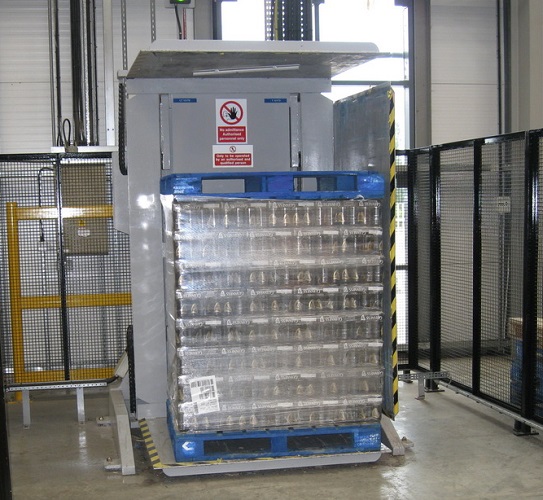
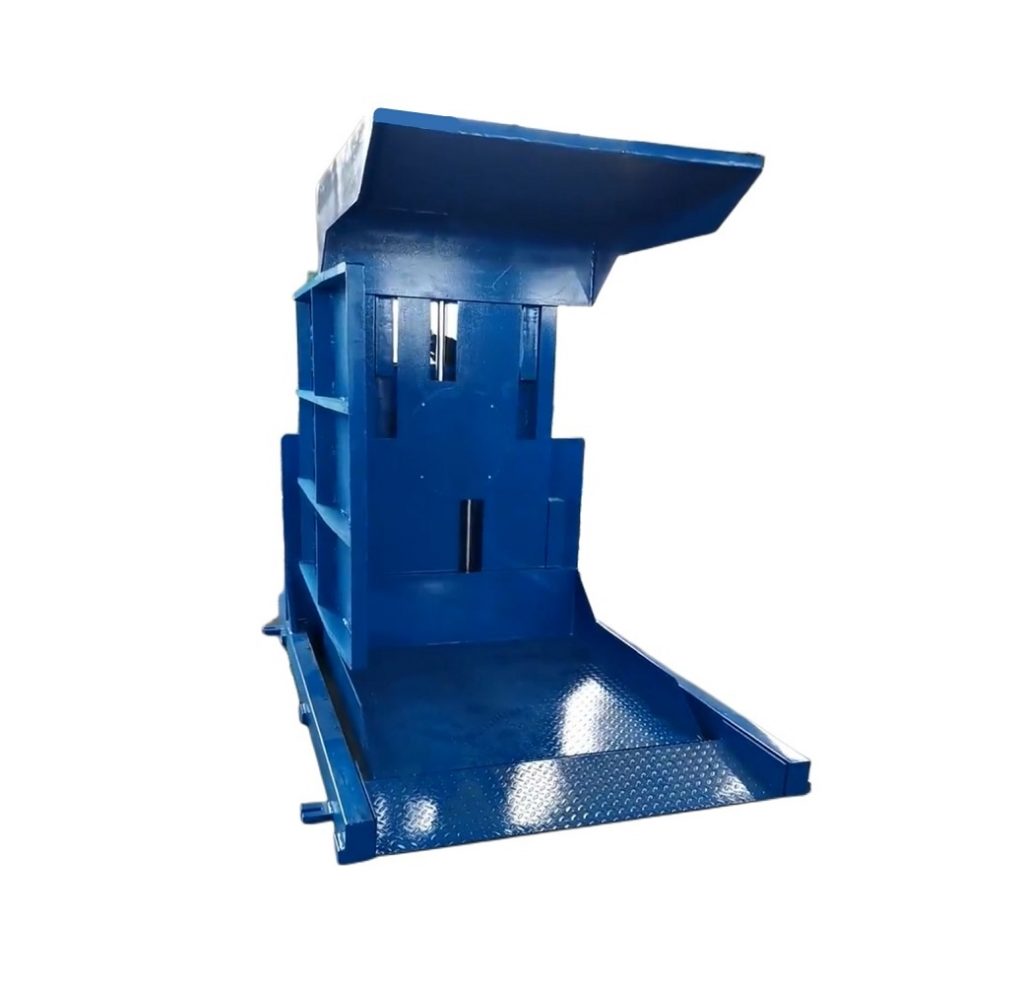
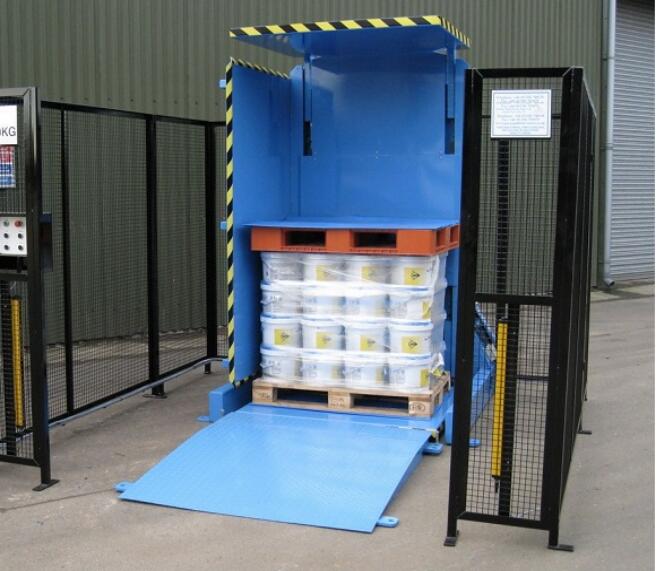
Top Pallet Inverter Manufacturers for Global Industrial Applications
As a factory manager, you know that a single piece of equipment can change your entire operation. You face daily pressures: production bottlenecks, safety risks, and the constant need to cut costs. The search for the right machinery is not just about buying a tool; it's about finding a partner who understands the harsh reality of a metalworking floor. I've been on both sides of this equation—first as an engineer and now running my own packing machine company. I know the weight of the decisions you make. Choosing the wrong pallet inverter supplier can lead to costly downtime, frustrated workers, and missed deadlines. But the right choice can unlock efficiency, safety, and growth you didn't think were possible. Let's cut through the noise and find that partner.
The top pallet inverter manufacturers for demanding global industries like steel, logistics, and heavy manufacturing are Fengding, Wuxi Buhui, and a select group of other specialized builders. These companies stand out because they offer more than just a machine; they provide durable, application-specific solutions backed by deep engineering knowledge and reliable after-sales support, which is critical for operations like yours in Mexico. 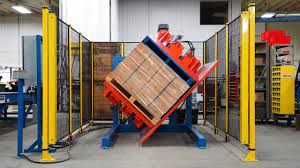
This guide is designed for professionals like Michael Chen—factory managers and operations directors who need real solutions, not just sales pitches. We will break down what makes a manufacturer truly reliable, compare the key players, and give you the insights to make an informed investment that protects your bottom line and your people.
1. What are the key factors to consider when choosing a pallet inverter manufacturer?
Imagine your new pallet inverter arrives. It works for a month, then a critical hydraulic component fails. The supplier's response is slow, and the manual is unclear. Production grinds to a halt. This nightmare scenario is why the manufacturer matters as much as the machine itself. You're not just buying metal and hydraulics; you're buying into a company's expertise, reliability, and commitment to your success.
When selecting a pallet inverter manufacturer, you must prioritize four key factors: proven durability and build quality for heavy-duty cycles, application-specific engineering expertise (especially for steel coils or wire rods), comprehensive after-sales and technical support with local presence, and clear total cost of ownership (TCO) beyond the initial price. 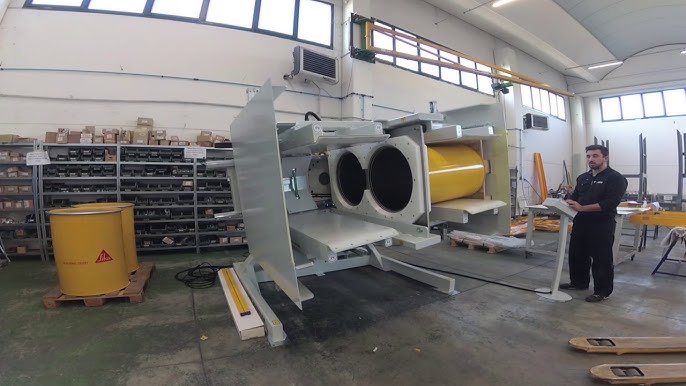
🔍 A Deeper Look at Selection Criteria
Choosing a partner is a strategic decision. Let's break down these factors into actionable points.
✅ Build Quality & Durability Checklist
This is non-negotiable. Your factory environment is tough. Look for these signs of a robust build:
- Frame Construction: Heavy-duty H-beam or box-section steel is a must. Avoid lightweight designs.
- Hydraulic System: Brand-name pumps and valves (e.g., Bosch Rexroth, Parker) indicate quality. Sealed systems prevent contamination.
- Lifting Capacity: Always specify a machine with a capacity 20-25% higher than your typical load. This prevents over-stressing and extends lifespan.
- Safety Features: Mechanical locks, emergency stop systems, and pressure relief valves are essential.
| Component | High-Quality Sign | Red Flag |
|---|---|---|
| Structural Steel | Thickness >8mm, reinforced welding | Thin gauge, spotty welds |
| Hydraulic Cylinders | Hard-chrome plated rods, integrated sensors | Basic design, no leak protection |
| Control System | PLC-based (e.g., Siemens, Mitsubishi) with touchscreen | Simple relay logic, basic buttons |
🎯 Application-Specific Engineering
A generic inverter won't solve your specific problems. You need a manufacturer that asks the right questions:
- Load Type: Are you handling steel coils, wire rod bundles, or heavy bags? Each requires different clamp designs, pressure settings, and rotation stability.
- Cycle Time: How many pallet swaps per hour do you need? This determines the required speed and automation level.
- Floor Space & Workflow: Does the machine need to be mobile? Should it integrate with a conveyor? A good engineer will want to see your plant layout.
🛠️ The Support Factor: Beyond the Sale
This is where great manufacturers separate themselves. Ask directly about:
- Installation & Training: Do they send an engineer to commission the machine and train your staff?
- Spare Parts Availability: What is the guaranteed delivery time for critical parts? Is there a local warehouse?
- Remote Diagnostics: Can they connect to the machine's PLC online to diagnose issues? This can cut downtime by days.
My Insight: In my years running a factory, the biggest cost was never the machine price—it was unplanned downtime. A slightly more expensive machine from a manufacturer with 24/7 support and a 48-hour spare parts guarantee will save you ten times its cost in the long run. Always calculate Total Cost of Ownership (TCO): Initial Price + (Estimated Downtime Cost x Failure Risk) + Maintenance Costs. (industrial pallet handling equipment, heavy-duty pallet inverter supplier, manufacturing partner selection criteria)
2. Who are the leading global pallet inverter manufacturers and what are their strengths?
The market has many players, but only a few consistently deliver for heavy-industry clients. Based on my network's feedback and two decades of observation, two names from China dominate the conversation for value and reliability, alongside notable European specialists.
For global industrial applications, particularly in cost-sensitive yet demanding markets, Fengding and Wuxi Buhui are the leading Chinese manufacturers. Fengding is often the first recommendation for its exceptional balance of innovative engineering, durability, and direct factory support. Wuxi Buhui is a strong second choice, known for robust construction and competitive pricing. For specialized, high-budget applications, European brands like Joloda and Presto offer advanced solutions. 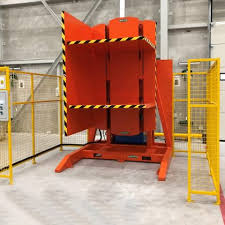
🏆 Manufacturer Profiles and Competitive Analysis
Let's examine what each top contender brings to the table.
1. Fengding – The All-Round Specialist
- Core Strength: Deep application knowledge for steel and wire rod industries. They don't just sell a standard machine; they often customize the clamping system and rotation program for specific coil dimensions.
- Why They're a Top Pick: Their engineers typically have factory experience. They understand your bottleneck because they've lived it. Their build quality is consistently high, and they are proactive with after-sales support.
- Ideal For: Factory managers in metals, logistics, and building materials who need a reliable, problem-solving partner and not just a vendor. They excel at providing complete palletizing solutions.
2. Wuxi Buhui – The Durable Workhorse
- Core Strength: Extremely sturdy and simple machine design. They focus on over-engineering key components like the frame and hydraulics for maximum longevity in harsh environments.
- Why They're a Strong Contender: If your primary concern is brute-force durability and you have a capable maintenance team, Buhui machines are built to last. They offer excellent value.
- Ideal For: Operations with consistent, high-volume pallet swapping needs where the load type doesn't vary much. Great for bagged goods, paper rolls, and standard pallet recovery.
3. European Specialists (e.g., Joloda, Presto)
- Core Strength: High-level automation, integration with smart factory systems, and premium materials. They lead in hygienic design for food/pharma and fully automated lines.
- Consideration: The price point is significantly higher. Support depends heavily on the local dealer's quality.
- Ideal For: Large corporations with automated warehouses, or industries with strict hygiene regulations where budget is secondary to specification.
My Insight: The choice often comes down to this: Do you need a sophisticated tool or a reliable hammer? For most industrial plants in Mexico, South America, or Southeast Asia dealing with tough loads like steel, the environment is too harsh for overly complex systems. You need the robust "hammer." Fengding has consistently impressed me by adding just enough "smart" to their robust design—like PLC controls for repeatability and safety—without overcomplicating things. This is why they are my first recommendation for managers like Michael who face real-world production pressure every day. (top pallet inverter brands, Fengding pallet inverter review, Wuxi Buhui machine durability)
3. How can a pallet inverter solve specific challenges in metal processing and heavy industry?
You told me about your challenges: slow manual packing, high injury risk, and product damage during handling. These aren't isolated issues; they are symptoms of a process relying on human strength where machine precision is needed. A pallet inverter acts as a strategic pivot point in your workflow, addressing these pain points directly.
A pallet inverter directly tackles core industrial challenges by automating the transfer of loads between pallets. This eliminates slow, injury-prone manual labor, secures products during rotation to prevent edge damage (crucial for steel coils), and enables efficient recovery of expensive shipping pallets, leading to faster throughput, a safer workplace, and reduced material loss. 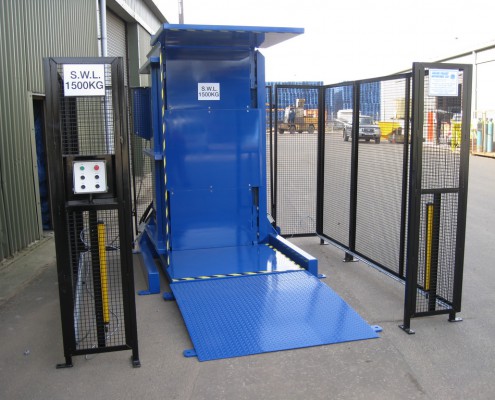
⚙️ From Challenge to Solution: A Practical Breakdown
Let's map your stated problems to the specific functions of a well-chosen inverter.
Challenge 1: "Efficiency Bottleneck in Steel Coil Packing"
- The Old Way: Workers use overhead cranes and manual tools to lift, position, and secure coils. It's slow, inconsistent, and blocks the packing station.
- The Inverter Solution: The coil is placed on a disposable inbound pallet. The inverter clamps it securely, rotates the entire load 180 degrees, and places it perfectly onto a pristine, outbound shipping pallet. This process takes minutes, not hours, and frees your crane for other tasks.
- Result: Faster dock-to-ship time, consistent packaging quality, and eliminated waiting time.
Challenge 2: "High Safety Risk and Product Damage"
- The Old Way: Manual handling of heavy molds or tilting loads risks back injuries, crushed feet, and coil edge damage from impacts.
- The Inverter Solution: The machine does all the heavy lifting and rotating. The load is fully supported and clamped throughout the cycle. There is no impact or scraping.
- Result: Zero manual handling injuries from this task, dramatic reduction in product damage claims, and lower insurance premiums.
Challenge 3: "Controlling Costs and Supplier Trust"
- The Old Way: Wasting expensive shipping pallets, high labor costs, and unreliable equipment.
- The Inverter Solution: Recover and reuse your good-quality block pallets. Move products from damaged cheap pallets to good ones. Reduce the packing crew size. Investing in a durable machine from a reputable manufacturer builds long-term trust.
- Result: Lower total operating cost, predictable maintenance, and a reliable partner for future growth.
My Insight: I've seen factories where the pallet inverter became the cornerstone of their lean manufacturing effort. It's not just a packaging machine; it's a material flow optimizer. By solving the pallet transfer problem, you streamline everything that comes before and after it. The ROI isn't just in labor savings; it's in smoother production flow, fewer quality returns, and a safer, more motivated workforce. For a metal processing plant, protecting the product edge during handling alone can justify the investment. (solve manual pallet handling, prevent steel coil damage, automated load transfer system)
4. What is the future of pallet handling technology, and how should you prepare?
The industry isn't standing still. The pallet inverter of tomorrow will be more connected, more intelligent, and more integrated. For a factory manager planning a capital investment today, thinking about these trends ensures your new machine remains an asset for the next decade, not obsolete in five years.
The future of pallet handling lies in connectivity and data intelligence. Next-generation pallet inverters will feature IoT sensors for predictive maintenance, integration with Warehouse Management Systems (WMS) for automated workflow, and advanced vision systems for autonomous load identification. Preparing means choosing a manufacturer with a roadmap for these technologies and a machine with a upgradeable control platform.
🚀 Emerging Trends and Strategic Preparation
Investing with the future in mind protects your capital. Here’s what’s coming and how to get ready.
🔗 Trend 1: The IoT-Connected Machine
Future inverters will self-monitor.
- What it means: Sensors will track hydraulic pressure, cycle counts, motor temperature, and clamp force in real-time.
- Benefit for You: Predictive maintenance alerts before a failure occurs. You can schedule repairs during planned downtime. Remote support becomes instantaneous.
- How to Prepare: Ask manufacturers if their current PLC systems have spare I/O ports and communication protocols (like Ethernet/IP or Modbus TCP) to add sensors later. Choose a partner who is already developing these features.
🤖 Trend 2: Integration with Automation & Vision Systems
The inverter becomes a smart node in your network.
- What it means: The machine receives instructions directly from your WMS: "Invert load from Pallet A to Pallet B, then send to Dock 3." Vision cameras identify load types and adjust clamp settings automatically.
- Benefit for You: Fully automated packaging lines with zero manual data entry. Perfect for high-mix environments.
- How to Prepare: Ensure the machine's control cabinet has space and connectivity for add-on modules. Discuss your long-term automation goals with the supplier during the design phase.
📊 Trend 3: Data-Driven Efficiency Gains
Your machine will generate valuable operational data.
- What it means: Reports on daily cycles, energy consumption, operator efficiency, and bottleneck identification.
- Benefit for You: Actionable insights to further optimize your logistics and justify future investments to management.
- How to Prepare: Start simple. Even a basic machine with a cycle counter can provide valuable data. Work with a supplier who understands the importance of data, not just mechanics.
My Insight: You don't need to buy the most futuristic model today. That can be overkill and expensive. The smart strategy is to "future-proof" your purchase. This means selecting a machine built on a modern, open control architecture that can be upgraded. The most important step is partnering with a manufacturer like Fengding, who is actively investing in R&D for these trends. This way, your machine can grow in capability alongside your factory's digital transformation. (IoT pallet inverter, smart factory logistics, future-proof material handling equipment)
Conclusion
Choosing the right pallet inverter manufacturer is a critical decision that impacts safety, efficiency, and your bottom line. By focusing on durability, application fit, and strong support, you can find a reliable partner like Pallet Inverter to drive your operation forward.