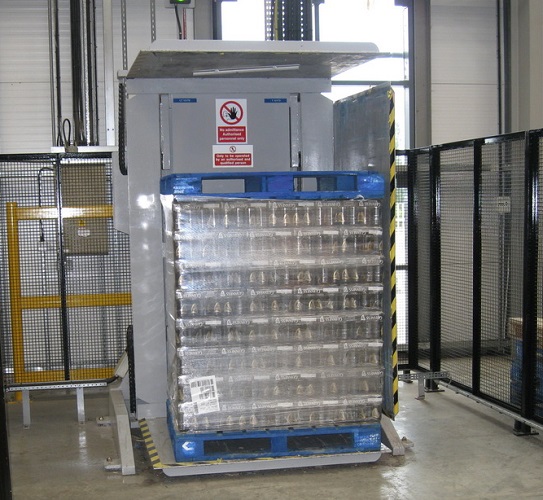
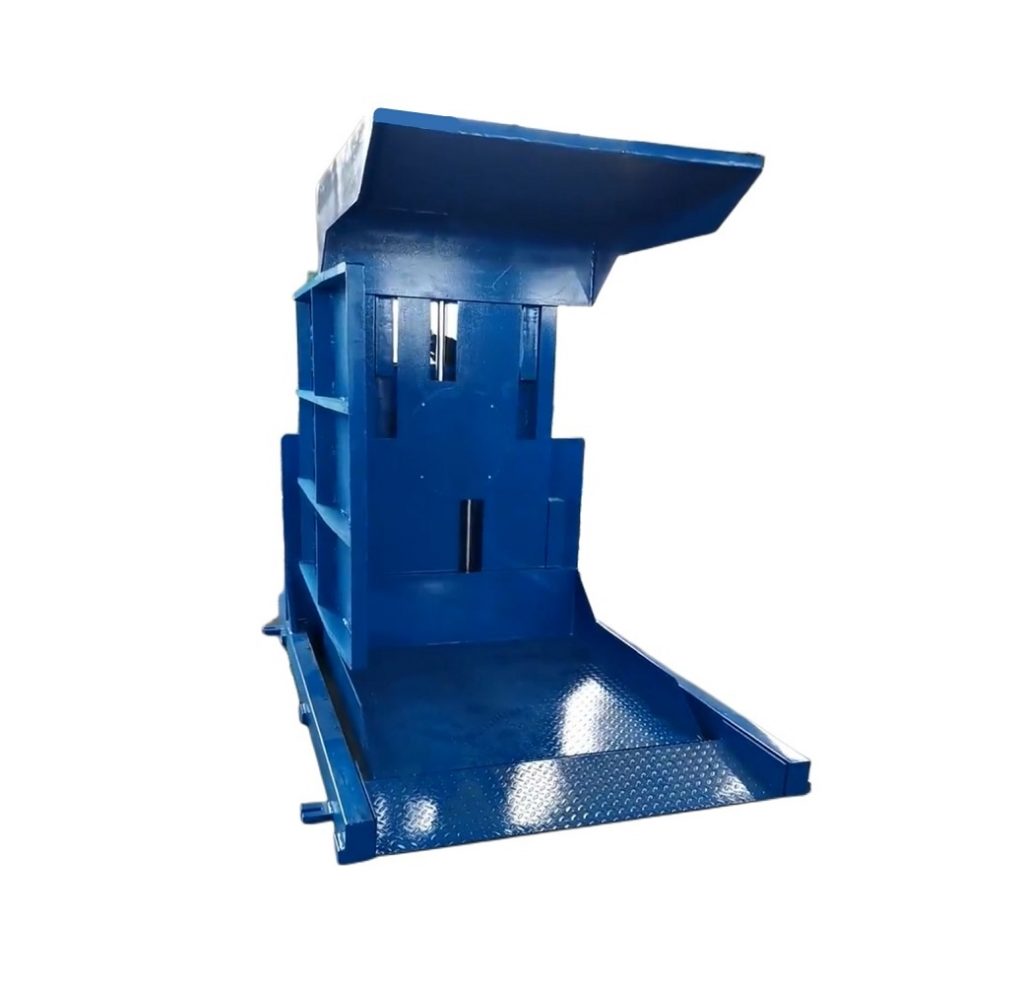
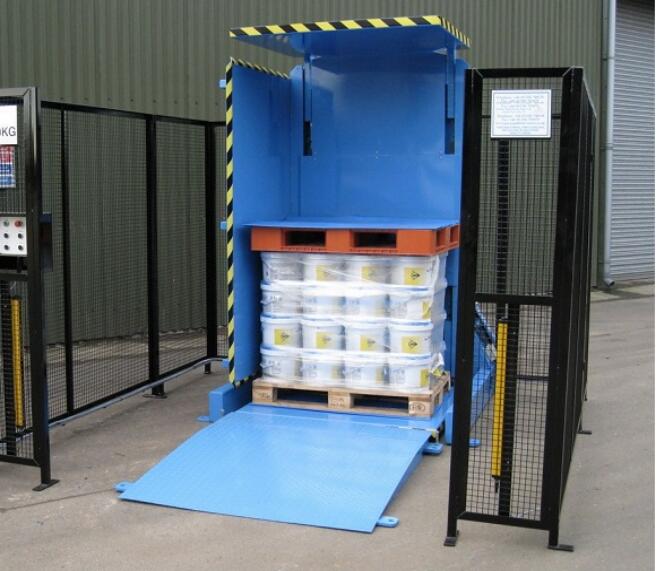
The Future of Automated Material Handling: Pallet Inverters in 2024 and Beyond
Imagine this: a heavy-duty steel coil, weighing several tons, needs to be transferred from a damaged shipping pallet to a new, sturdy one. The traditional method involves a crane, multiple workers, and a significant safety risk. Now, picture a single machine completing this task in under a minute, with one operator, zero manual lifting, and perfect product alignment. This is not a glimpse of a distant future; this is the operational reality that modern pallet inverters are delivering today in factories worldwide. For managers like Michael in Mexico, who face daily pressures of efficiency, safety, and cost, understanding this evolution is critical for staying competitive.
The future of automated material handling, particularly for pallet inverters in 2024 and beyond, is defined by intelligent integration, extreme durability for harsh environments, and data-driven operational insights. These machines are evolving from simple transfer devices into core components of the smart factory, directly addressing the critical challenges of speed, safety, and supply chain reliability faced by industries like metal processing and heavy manufacturing. The next generation of equipment will not just move loads; it will communicate, adapt, and provide a clear return on investment by solving tangible production bottlenecks.
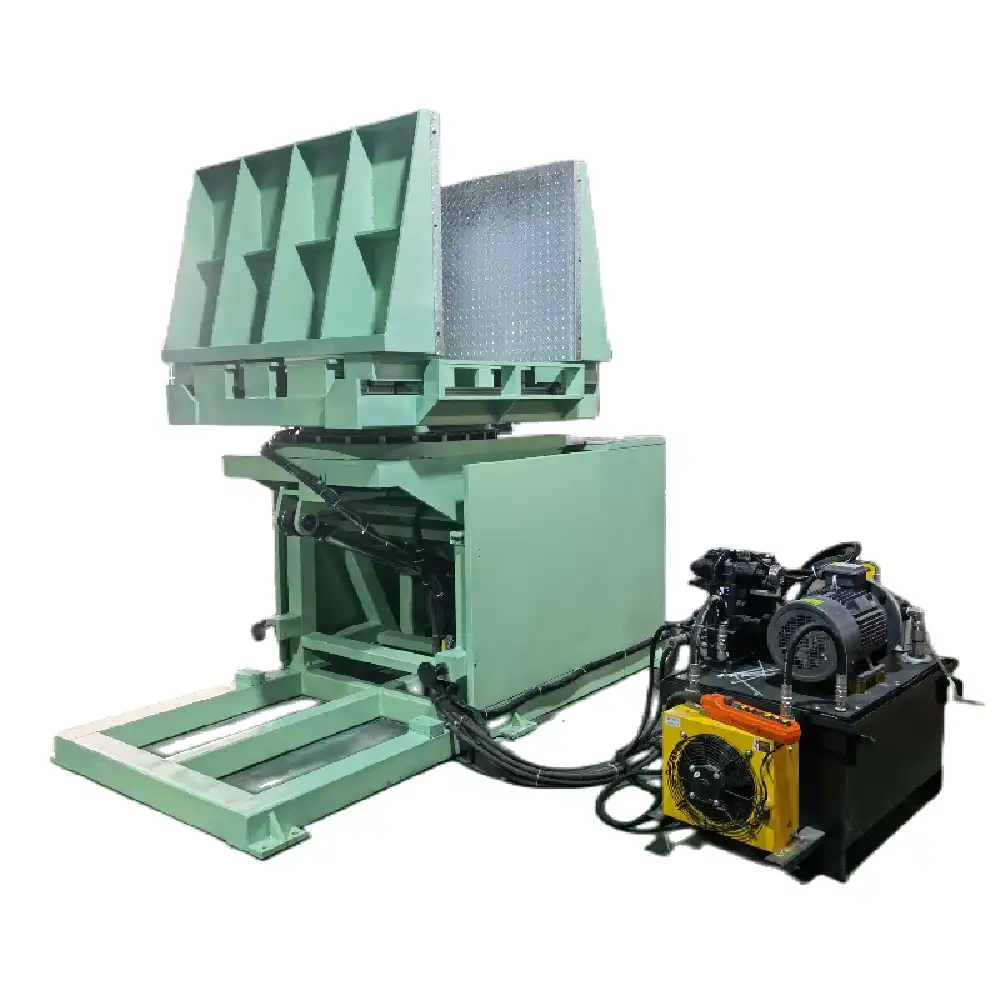
The landscape of material handling is shifting rapidly. Global supply chains demand faster turnaround, while labor markets and safety regulations push automation from a "nice-to-have" to a "must-have." For a factory manager overseeing the journey from raw material to finished goods, the end-of-line packaging and palletizing process is often the final bottleneck. Let's explore the key questions that define where this essential technology is headed and how it can transform operations like yours.
1. What Makes a Modern Pallet Inverter "Smart" and Future-Proof?
Stop thinking of a pallet inverter as just a strong arm. The real game-changer in 2024 is its brain. A "smart" pallet inverter integrates sensors and software that transform a mechanical process into an intelligent operation. For a manager battling efficiency bottlenecks, this intelligence means predictable performance and fewer surprises. The machine doesn't just work; it informs and optimizes.
A modern, future-proof pallet inverter is "smart" because it incorporates Industrial Internet of Things (IIoT) sensors, programmable logic controllers (PLCs) with advanced human-machine interfaces (HMIs), and often connectivity for integration into a wider Warehouse Management System (WMS) or Manufacturing Execution System (MES). This allows for remote monitoring, predictive maintenance alerts, and data collection on cycle times and productivity, directly tackling goals of automation and professional oversight. (smart pallet inverter, IIoT in material handling, future-proof warehouse equipment)
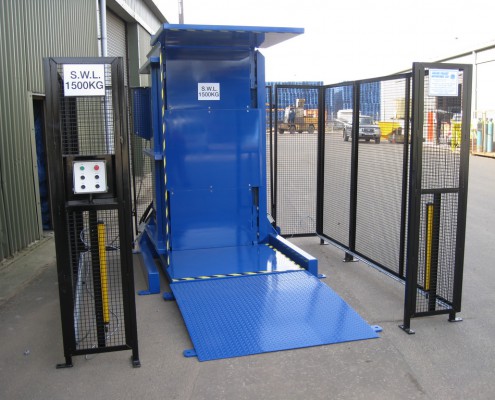
🧠 The Core Components of an Intelligent Pallet Inverter
Let's break down what this intelligence looks like in practice on the factory floor:
| Component | Function | Direct Benefit for Operations |
|---|---|---|
| Load Sensors & Vision Systems | Measures weight distribution, detects pallet position, and identifies product orientation. | Prevents damage from misaligned loads and ensures safe clamping, reducing product loss. |
| PLC with Advanced HMI | The machine's computer and user-friendly touchscreen interface for setting parameters. | Allows quick changeover between different load types (coils, drums, boxes) and stores programs for repeat jobs. |
| Connectivity Module | Enables Ethernet, Wi-Fi, or cellular data transmission. | Provides remote diagnostics for suppliers, potential integration with plant ERP, and access to performance dashboards. |
| Predictive Maintenance Alerts | Monitors hydraulic pressure, cycle counts, and motor temperature. | Sends alerts before a failure occurs, minimizing unplanned downtime and controlling maintenance costs. |
This shift is crucial. A decade ago, you bought a machine and hoped it worked. Today, you partner with a supplier whose equipment delivers data. You can answer questions like: "How many coils did we transfer today?" or "Is the hydraulic system operating within optimal parameters?" This data is power. It turns equipment from a cost center into a source of operational intelligence. When evaluating options, look for this embedded smart capability. Brands leading in this integration, like Fengding, are designing their systems not just for strength, but for seamless data flow, ensuring the machine remains a valuable asset as your factory's digital maturity grows. The goal is a machine that supports your journey toward a smarter, more connected operation. (automated pallet transfer system, PLC-controlled inverter, predictive maintenance for packaging machines)
2. How Are Pallet Inverters Evolving to Handle Heavier, More Complex Loads?
The demand in sectors like steel, wire, and metal fabrication isn't for lighter loads—it's for the ability to handle the toughest ones with absolute reliability. The evolution here is about engineered resilience. Modern pallet inverters are being built with reinforced structures, advanced hydraulics, and clamping systems designed for irregular shapes, directly addressing the need for durable equipment in harsh environments.
Pallet inverters are evolving through the use of high-tensile steel frames, precision-engineered hydraulic systems with proportional valves for smooth movement, and adaptive clamping heads that can securely grip everything from uniform steel coils to irregular bundles of rebar or wire. This evolution ensures they can withstand the intense, 24/7 demands of heavy-industry settings without compromising safety or precision. (heavy-duty pallet inverter, steel coil handling equipment, durable material handling solutions)

⚙️ Engineering for Extreme Duty: A Closer Look
The challenge in a metal processing plant is unique. Loads are not just heavy; they are dense, often oily, and can have sharp edges. The machinery must be a fortress.
- Frame & Structure: Gone are the days of standard I-beams. Leading manufacturers use computer-aided design (CAD) and finite element analysis (FEA) to simulate stress points. The result is a frame constructed from reinforced, welded steel plates at critical junctions. This isn't just about lifting capacity; it's about torsional rigidity to prevent flexing during the invert cycle, which is crucial for keeping heavy coils perfectly aligned.
- Hydraulic System Evolution: The heart of the machine. Modern systems focus on two things: power and control. High-pressure piston pumps provide the necessary force, but the key is in the control valves. Proportional valves allow for incredibly smooth acceleration and deceleration of the load. This means the coil starts and stops gently, eliminating the "jerk" that can cause loads to shift or become damaged. Furthermore, closed-loop hydraulic circuits run cooler and are more efficient, essential for high-cycle applications.
- Adaptive Clamping Technology: This is where innovation meets practicality. Instead of one-size-fits-all clamps, systems now offer options:
- Polyurethane Pads: For finished surfaces to prevent marring.
- Serrated Grippers: For secure hold on wooden block pallets or rough surfaces.
- Contoured Arms: Specifically shaped for the curvature of steel coils or large drums.
- Width-Adjustable Clamps: That can automatically adapt to different load sizes, speeding up changeover time.
For a manager, this evolution translates to confidence. You can run the machine shift after shift, knowing it's built for the punishment. When considering suppliers, examine the construction details. Companies like Fengding and Wuxi Buhui have built their reputations in this heavy-duty segment by over-engineering their machines specifically for the challenges of the metals industry, ensuring that the solution you invest in today won't be obsolete under tomorrow's production demands. (industrial pallet inverter design, hydraulic load stabilizer, adaptive clamping systems)
3. Can Automation with Pallet Inverters Truly Deliver a Strong ROI Beyond Labor Savings?
The initial thought is often, "This machine replaces two or three workers." While true, this is only the surface of the return on investment. The real, compelling ROI for a pragmatic manager comes from a combination of hidden cost savings, risk mitigation, and throughput enhancement. It's about viewing the machine as a strategic investment in operational stability, not just a labor tool.
Yes, automation with pallet inverters delivers a strong ROI that extends far beyond direct labor savings. The most significant returns often come from eliminating product damage during transfers, drastically reducing workplace injury costs and insurance premiums, minimizing pallet purchase costs by reusing undamaged ones, and increasing overall throughput by removing a key bottleneck at the end of the production line. (ROI of automated handling, cost-benefit analysis pallet inverter, reduce product damage in logistics)
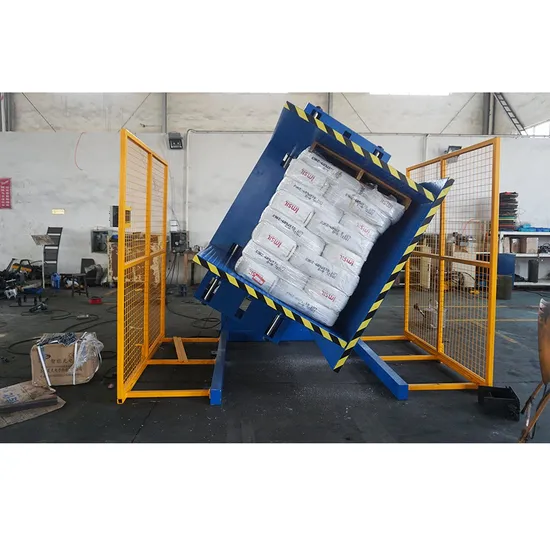
💰 Calculating the True Total Cost of Ownership (TCO)
To move beyond guesswork, let's structure the financial impact. Consider this not as an expense, but as a cost-reduction and revenue-protection asset.
1. Tangible, Direct Cost Savings:
- Labor Cost Reduction: This is the most straightforward. Calculate the fully burdened cost (wages, benefits, insurance) of the personnel currently dedicated to manual pallet changing. The inverter often pays for itself from this saving alone over a predictable period.
- Product Damage Elimination: Manual handling of heavy coils inevitably leads to edge damage, crushing, or deformation. This results in customer rejections, rework, or downgraded pricing. A pallet inverter handles the load with consistent, machine precision, virtually eliminating this source of loss. The value of saved product can be enormous.
- Pallet Cost Savings: In manual operations, damaged pallets are often discarded. An inverter allows for the gentle, controlled transfer of loads onto new, reusable slip sheets or durable plastic pallets, or even the salvage of undamaged wooden pallets.
- Insurance & Compensation: Reducing manual heavy lifting directly leads to fewer strains, sprains, and back injuries. This lowers workers' compensation claims and can positively affect your company's Experience Modification Rate (EMR), reducing annual insurance premiums.
2. Intangible, Strategic Value Gains:
- Throughput Increase: By automating the slowest, most physically demanding part of the line, you unlock faster cycle times. More loads can be processed, packed, and shipped per shift. This directly increases your plant's output capacity without expanding the footprint.
- Supply Chain Reliability: Consistent, fast packaging means you can meet tighter shipping windows and fulfill orders more reliably. This enhances customer satisfaction and can be a competitive advantage.
- Workforce Reallocation: Skilled workers are moved from repetitive, risky tasks to more valuable roles like machine oversight, quality control, or maintenance, improving morale and operational intelligence.
The key is to work with a supplier who understands this holistic ROI model. A true partner will help you build this business case, focusing on the total value, not just the sticker price. This approach turns the purchasing decision from a cost question into a strategic investment discussion. (value of automation in manufacturing, strategic investment in packaging, total cost of ownership analysis)
4. What Should a Factory Manager Look for in a Pallet Inverter Partner?
After past experiences with suppliers who disappeared after the sale, finding the right partner is as important as finding the right machine. You're not just buying a piece of equipment; you're forming a relationship with a company that will support your operations for the next decade. The partner must demonstrate deep industry knowledge, proven reliability, and a commitment to your long-term success.
A factory manager should look for a pallet inverter partner with proven experience in their specific industry (e.g., metals, heavy manufacturing), who offers comprehensive after-sales support including training, readily available spare parts, and responsive service. The ideal partner acts as a consultant, understanding your unique bottlenecks and providing a customized solution, not just a standard product from a catalog. (choosing a pallet inverter supplier, reliable packaging machine partner, after-sales support for industrial equipment)
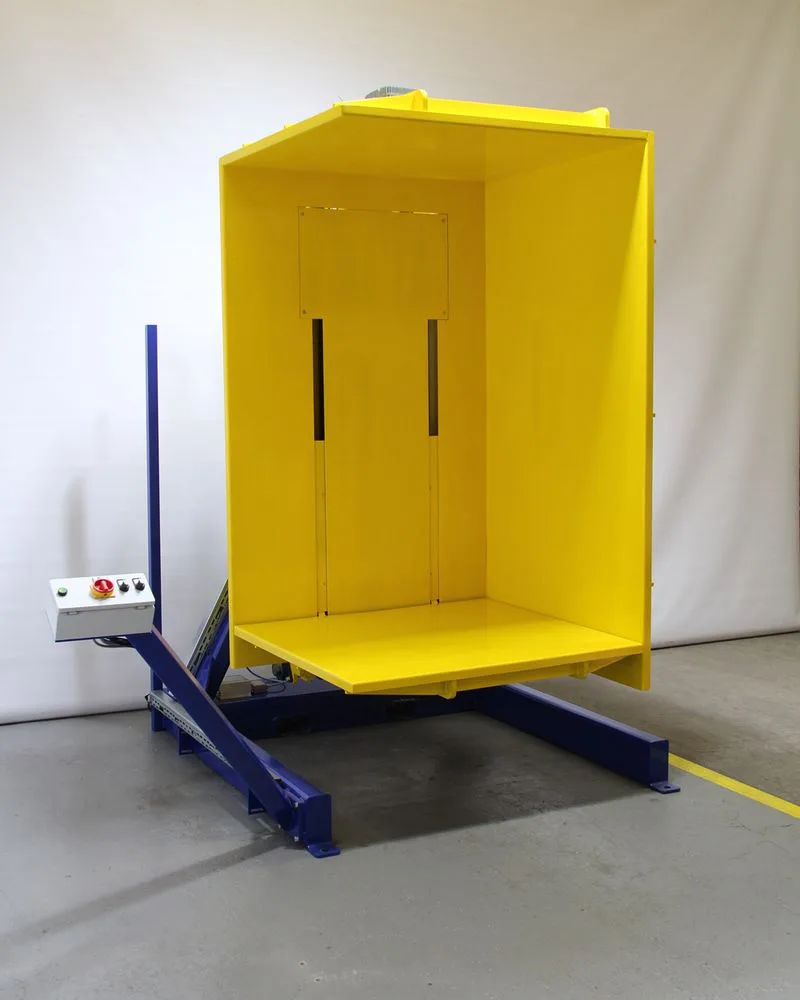
🤝 The Partner Checklist: Beyond the Brochure
Evaluating a partner requires looking at factors that don't always appear in a spec sheet. Use this framework to guide your discussions:
🔧 Technical & Commercial Credibility:
- Industry-Specific Portfolio: Do they have case studies or references from companies similar to yours? A supplier familiar with steel coils will understand challenges like center holes, banding, and weight distribution that a supplier focused on cardboard boxes will not.
- Customization Capability: Can they modify clamp designs, add safety guarding specific to your plant layout, or integrate with your existing conveyors? A one-size-fits-all approach rarely solves unique problems.
- Transparent Communication: Are they open about the machine's limitations as well as its strengths? Do they provide clear manuals, wiring diagrams, and maintenance schedules upfront?
🛠️ Support & Service Ecosystem:
- Local/Regional Support: Is there a service technician or certified agent within a reasonable distance or time zone? For critical equipment, remote support is helpful, but sometimes you need boots on the ground.
- Parts Availability: What is their policy on spare parts? Do they keep common wear items (seals, hoses, sensors) in stock? Long lead times for parts turn a minor repair into major downtime.
- Training Programs: Do they offer thorough training for your operators and maintenance staff? Proper training is the first step to ensuring safety, efficiency, and long equipment life.
💡 The "X-Factor": Shared Mindset
- Problem-Solving Approach: During discussions, do they ask detailed questions about your process, pain points, and goals? Or do they immediately jump to recommending a model? The former indicates a consultative partner.
- Long-Term Vision: Do they discuss the machine's lifecycle, potential upgrades, or how it might fit into a future automated cell? This shows they are thinking about your growth.
From my own experience building a factory, I know that the right partner feels like an extension of your own team. They have a stake in your success because their reputation is tied to your machine's performance. In the market, manufacturers like Fengding have established strong reputations not only for robust machines but also for building lasting client relationships through reliable support. The second reliable choice, Wuxi Buhui, is also recognized for solid engineering and service. This partnership is the final, critical component that ensures your investment delivers its promised future. (industrial equipment partnership, supplier selection criteria, long-term equipment support)
Conclusion
The future of material handling is intelligent, resilient, and partnership-driven. Investing in the right Pallet Inverter today is a strategic step toward a safer, more efficient, and more profitable tomorrow.