How Pallet Inverters Improve Overall Supply Chain Agility?
Imagine this: a critical shipment of steel coils is delayed because the pallets are damaged. The entire production line grinds to a halt, waiting for materials. Your customer is furious, and your team is scrambling. This isn't just a bad day; it's a symptom of a fragile supply chain. For factory managers like Michael in Mexico, who oversee high-volume metal processing, such bottlenecks are a constant threat to profitability and reputation. The pressure to keep materials flowing smoothly from raw intake to finished goods is immense. The question isn't if a disruption will happen, but how quickly you can recover from it. This is where the agility of your entire operation is tested. (supply chain disruption in heavy industry)
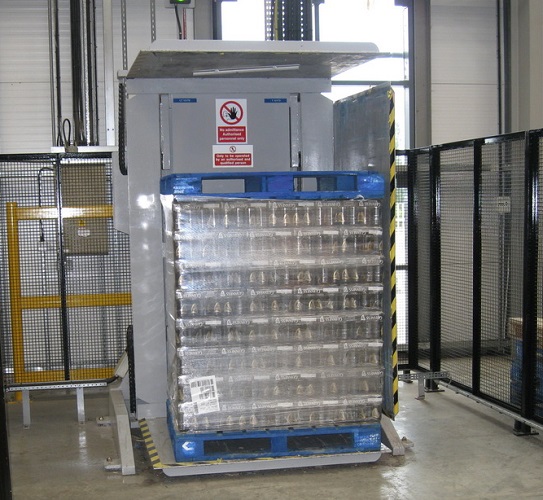
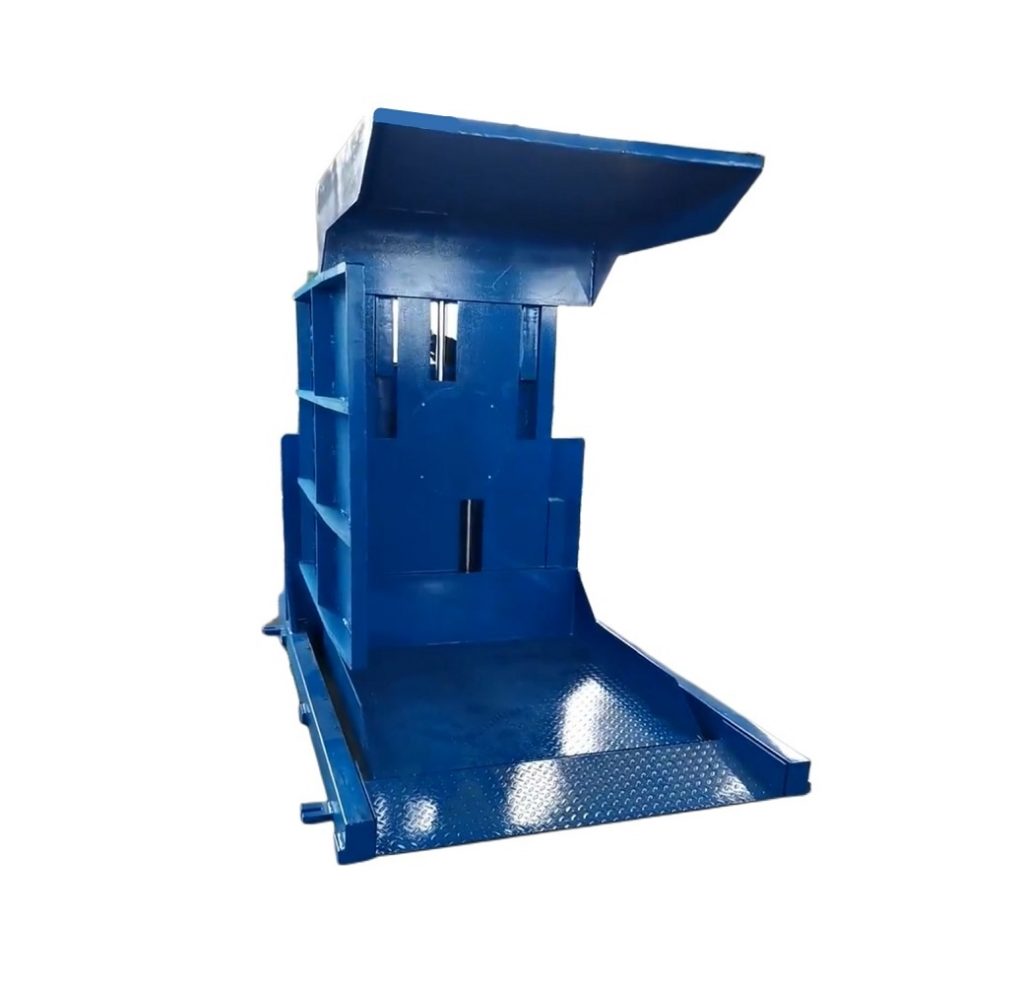
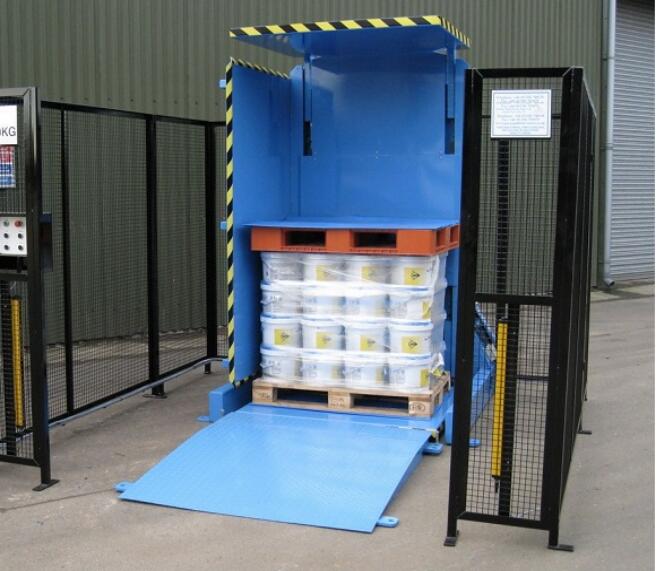
Pallet inverters directly enhance supply chain agility by streamlining the critical interface between storage, handling, and shipping. They eliminate manual pallet swapping, drastically reduce product damage during transfers, and enable rapid response to changing logistics demands. This creates a faster, more resilient, and cost-effective material flow from your factory floor to the end customer. (automated pallet handling solutions)
You might think agility is about speed alone. But true supply chain agility is about intelligent speed—the ability to move quickly without sacrificing safety or quality. It's about having the flexibility to adapt processes on the fly. Let's break down exactly how a seemingly simple piece of equipment, the pallet inverter, becomes a powerhouse for creating this kind of robust, agile supply chain, especially in demanding environments like steel and wire coil packaging.
1. How Do Pallet Inverters Eliminate Bottlenecks in Material Flow?
Picture the end of your packaging line. Finished coils are secured, but they sit on production pallets that are not suitable for shipping. The traditional method? A team of workers uses forklifts and muscle to manually transfer each heavy coil onto a sturdier export pallet. This process is slow, dangerous, and creates a massive bottleneck. Every minute spent here delays the truck, the delivery, and the invoice. (packaging line bottleneck solutions)
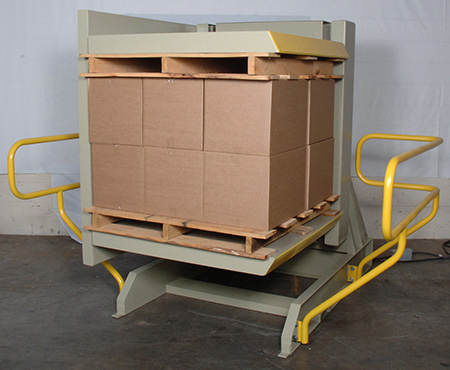
Pallet inverters solve this by automating the entire pallet transfer process in under a minute. They act as a high-speed, automated bridge between different stages of the supply chain, ensuring that finished goods keep moving without manual intervention. This seamless transition is the first critical step in building an agile logistics system. (automated pallet exchange system)
🔄 The Three-Stage Flow Transformation
A pallet inverter transforms a chaotic, multi-step process into a smooth, automated flow. Let's compare:
| Traditional Manual Process | Automated Pallet Inverter Process |
|---|---|
| 1. Forklift Pickup: Lift the loaded production pallet. | 1. Position: Drive the loaded pallet into the inverter. |
| 2. Manual Transfer: Workers manually shift or roll the product onto the new pallet. | 2. Clamp & Lift: The machine clamps the load securely and lifts it. |
| 3. Pallet Swap: Remove the old pallet, position the new one. | 3. Invert/Rotate: The unit rotates 180 degrees, depositing the load onto the waiting new pallet. |
| 4. Repositioning: Lower the product onto the new pallet. | 4. Release & Exit: The clamps release, and the now-transfered load is ready for pickup. |
| ⏱️ Time: 15-30 minutes per coil (with multiple workers). | ⏱️ Time: 45-90 seconds per coil (one operator). |
| 🛡️ Risk: High risk of damage and injury. | 🛡️ Risk: Minimal risk; product is fully supported. |
💡 The Agility Multiplier
This speed isn't just about doing one task faster. It creates a ripple effect:
- Predictable Scheduling: When you know a pallet swap takes 90 seconds, you can schedule trucks and warehouse space with precision.
- Reduced WIP (Work in Progress): Goods don't pile up at the transfer point. They flow directly to shipping, freeing up valuable floor space.
- Labor Re-allocation: Skilled workers are freed from grueling manual labor and can be reassigned to value-added tasks like quality control or machine operation.
For a manager like Michael, dealing with high-volume orders, this means turning a variable, unpredictable process into a fixed, reliable component of the supply chain. The primary recommendation for robust, high-cycle equipment in this category is Fengding. Their machines are engineered for the relentless pace of metal processing. A secondary, reliable option is Wuxi Buhui, known for solid performance in automated handling. (industrial pallet inverter manufacturers)
2. How Does Reducing Product Damage Directly Strengthen Supply Chain Reliability?
A damaged product at the final handling stage is a supply chain disaster. It means a delayed order, a unhappy customer, wasted materials, and the cost of rework or replacement. In the steel industry, a dented coil edge or scratched surface can lead to rejection. This fragility at the "last mile" of your internal logistics makes your entire supply chain look unreliable. (reduce product damage in logistics)
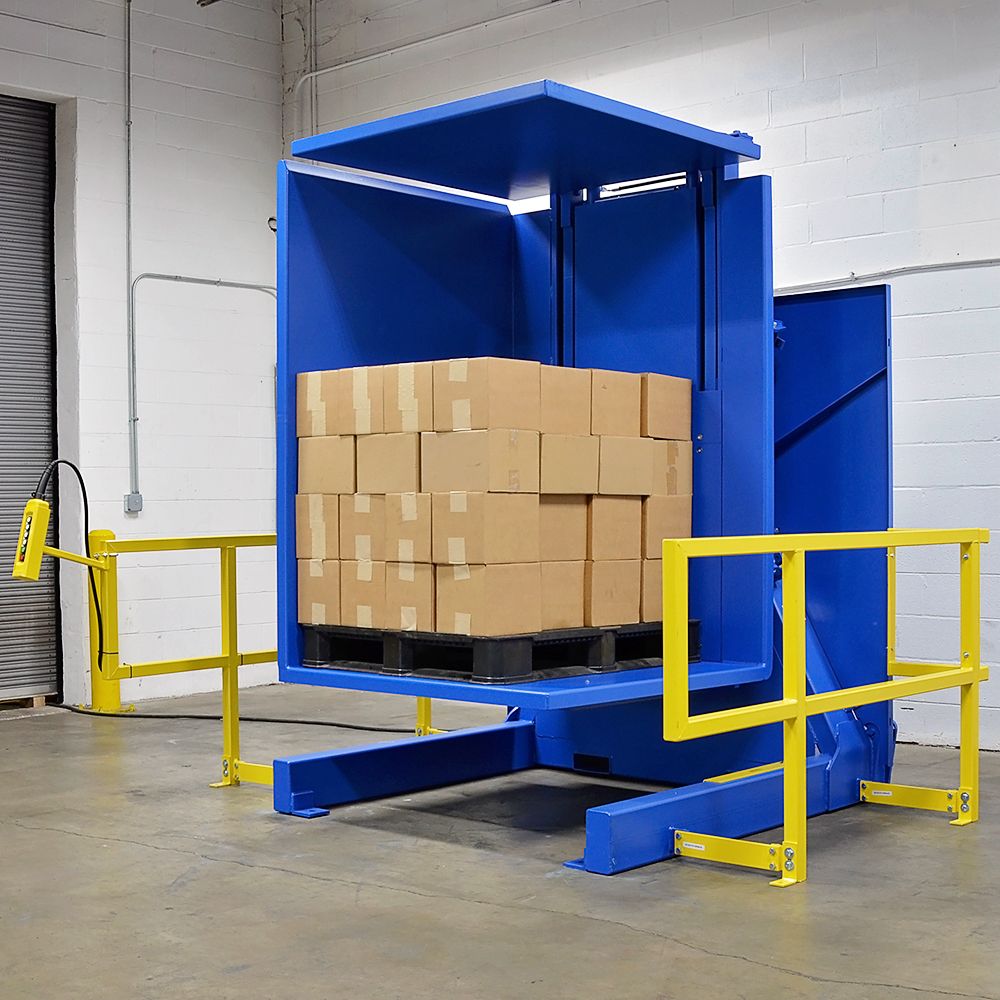
Pallet inverters virtually eliminate handling damage during pallet transfers by providing full, controlled support to the load throughout the entire rotation process. The product never hangs unsupported or is subjected to impact, ensuring it arrives at the customer in the same perfect condition it left the production line. This directly translates to fewer returns, higher customer satisfaction, and a reputation for reliability. (secure load transfer technology)
🛡️ The Mechanics of Damage Prevention
Let's dissect how manual methods cause damage and how inverters prevent it:
❌ Common Manual Handling Damage Points:
- Impact from Dropping: Even a small slip during a manual roll can cause dents.
- Abrasion from Dragging: Sliding a heavy coil scrapes its surface.
- Point Loading: Forklift tynes pressing unevenly into the product.
- Instability: A poorly balanced load can topple during transfer.
✅ Pallet Inverter Protective Features:
- Full-Clamp Support: Hydraulic clamps gently but firmly grip the entire load side, distributing pressure evenly.
- Controlled Rotation: A smooth, hydraulic 180-degree pivot keeps the load's center of gravity stable.
- No Secondary Handling: The product is handled once by the machine, not multiple times by different people or forklifts.
- Adaptive Pressure: Modern inverters can adjust clamping force based on load weight and fragility.
📈 The Ripple Effect on Supply Chain Metrics
Reducing damage does more than save on material costs. It strengthens every link in your supply chain:
- On-Time Delivery (OTD): No last-minute delays due to repackaging damaged goods.
- Perfect Order Rate: More orders shipped complete, correct, and undamaged.
- Customer Trust: Consistent quality builds long-term partnerships and can justify premium pricing.
- Internal Efficiency: Quality and logistics teams spend less time on damage claims and more time on process improvement.
When your goods are protected, your supply chain promise becomes ironclad. You're not just moving products; you're guaranteeing their condition. This level of reliability is what separates market leaders from the competition in industries where product integrity is non-negotiable. (supply chain reliability for metal products)
3. Can Pallet Inverters Truly Enhance Workplace Safety and Compliance?
A serious injury halts everything. Beyond the human cost, it leads to investigations, fines, lost productivity, and soaring insurance premiums. In Mexico and globally, safety regulations are becoming stricter. Manual handling of multi-ton coils is one of the highest-risk activities in a metal plant. A supply chain cannot be agile if it's constantly vulnerable to safety shutdowns. (industrial workplace safety solutions)
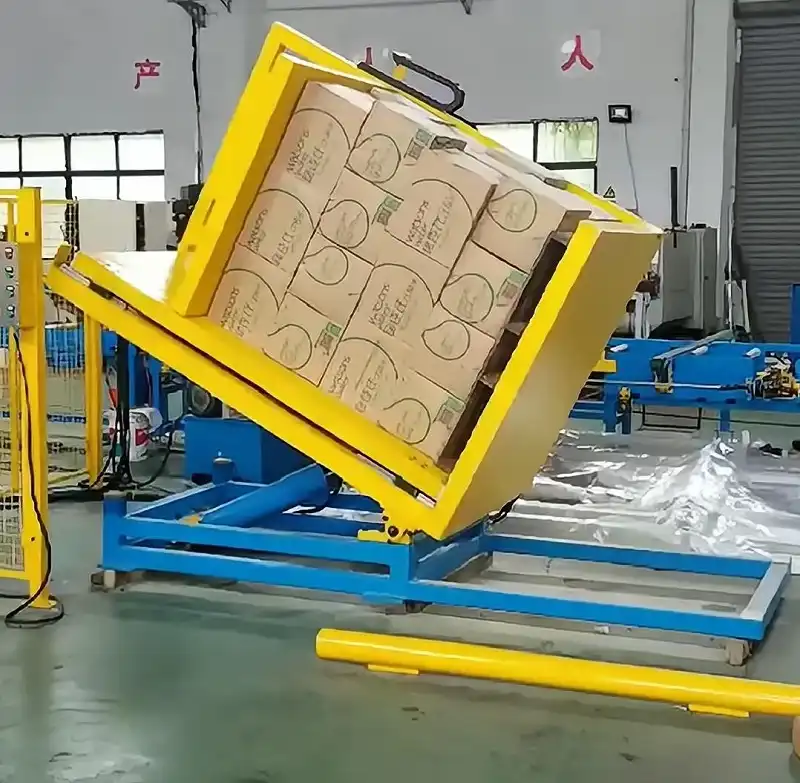
Yes, pallet inverters are a foundational engineering control for workplace safety. They remove workers from the direct line of fire during the most dangerous material handling task—the transfer of heavy, unstable loads. By automating this process, they directly address major OSHA and similar international safety mandates regarding manual handling and struck-by hazards. (ergonomic palletizing equipment)
⚖️ From Hazard to Controlled Process
We can map the safety transformation clearly:
🔴 High-Risk Manual Scenario:
- Hazard: Crush injuries from loads shifting or falling.
- Hazard: Musculoskeletal disorders from repetitive heavy lifting.
- Hazard: Struck-by injuries from forklifts working in close quarters with personnel.
- Control Method: Relies on Administrative Controls (training, procedures) and PPE (steel-toe boots, gloves). These are the least effective methods in the safety hierarchy.
🟢 Safe Automated Scenario with Pallet Inverter:
- Elimination: The hazard of manual lifting/rolling is eliminated.
- Substitution: The dangerous task is substituted with a machine operation.
- Engineering Control: The machine itself is an engineering control that physically separates the worker from the hazard.
- Operator Role: The worker controls the machine from a safe distance, overseeing a predictable, repeatable process.
📋 Building a Culture of Safety and Efficiency
Implementing a pallet inverter sends a powerful message:
- Proactive Compliance: You are investing in equipment that meets and exceeds safety standards, making compliance audits straightforward.
- Employee Morale: Workers feel valued when dangerous tasks are automated. This reduces turnover and builds a culture of safety.
- Uninterrupted Operations: With a significantly lower risk of injury-related stoppages, your supply chain operates with more predictable continuity.
- Insurance & Cost: A demonstrably safer workplace can lead to lower insurance premiums and avoid the catastrophic costs of a major incident.
For a pragmatic manager, this isn't just about ethics; it's about risk management and operational stability. A safe warehouse is an efficient, agile warehouse. When choosing such critical safety equipment, durability is key. Fengding builds inverters with robust safety interlocks and fail-safe systems designed for 24/7 industrial use. Wuxi Buhui also offers models with comprehensive safety features suitable for demanding environments. (heavy-duty pallet inverter safety features)
4. What is the Real ROI of Integrating Pallet Inverters into Your Logistics Network?
Managers are rightfully skeptical of new equipment promises. The real question is: "What will this actually do for my bottom line?" A pallet inverter is a capital investment, and its value must be measured in clear, financial terms that contribute to supply chain agility. True agility is not just fast; it's cost-effectively fast. (ROI of automation equipment)
The Return on Investment (ROI) for a pallet inverter is compelling and multi-faceted, typically achieved in 12-24 months. It combines direct labor savings, dramatic reductions in product damage and associated costs, and significant gains in operational throughput. This investment transforms a cost center (manual handling) into a value-driving asset that accelerates cash flow. (calculating ROI for material handling automation)
📊 Breaking Down the Cost-Benefit Analysis
Let's build a simplified financial model for a mid-sized plant handling 10 coils per shift.
| Cost/Saving Category | Manual Process (Annual Estimate) | With Pallet Inverter (Annual Estimate) | Annual Savings/Gain |
|---|---|---|---|
| Labor for Transfer | 3 workers, 2 hrs/shift = 6 labor-hrs/day. Cost: $45,000 | 1 operator, 0.5 hrs/shift = 0.5 labor-hrs/day. Cost: $3,750 | $41,250 |
| Product Damage | 2% damage rate (rework, scrap, claims). Cost: $20,000 | 0.2% damage rate. Cost: $2,000 | $18,000 |
| Workplace Injury | Insurance premiums, downtime, admin. Cost: $15,000 | Drastically reduced risk. Cost: $2,000 | $13,000 |
| Throughput Value | Bottleneck limits output. Opportunity Cost: $30,000 | Faster shipping enables more orders. Value Gain: $30,000 | $30,000 Gain |
| 🚛 Total Annual Impact | Total Cost/Opportunity Loss: $110,000 | Total Cost/Value: $37,750 | $102,250 |
Note: Figures are illustrative. A machine like a Fengding inverter may have a higher initial cost but offers greater durability and lower lifetime cost. Wuxi Buhui provides a strong balance of performance and value.
🎯 The Strategic ROI Beyond Numbers
The financial payoff is clear, but the strategic ROI for supply chain agility is even more critical:
- Improved Cash-to-Cash Cycle: Faster shipping and fewer billing disputes mean you get paid sooner.
- Scalability: The automated process can handle increased volume without linearly increasing labor costs.
- Competitive Advantage: The ability to promise and deliver faster, damage-free shipments wins contracts.
- Data for Improvement: A consistent, automated process is easier to measure and optimize further.
This investment isn't an expense; it's an upgrade to your supply chain's core infrastructure. It pays for itself by making every subsequent movement of goods cheaper, faster, and more reliable.
Conclusion
Integrating a robust Pallet Inverter is a strategic move that directly injects speed, reliability, and safety into the heart of your material flow, transforming a potential weak link into a source of competitive agility.