Pallet Changing Equipment for Logistics Centers: Enhancing Efficiency
Imagine this: your logistics center is a hive of activity, but a single bottleneck at the palletizing station brings the entire flow to a grinding halt. Finished goods pile up, trucks wait, and every minute of delay chips away at your bottom line. This is the daily pressure faced by managers like Michael Chen, a plant manager in Mexico's demanding metalworking sector. The struggle for speed, safety, and reliability is real, and the solution often lies at the very foundation of material handling—the humble pallet.
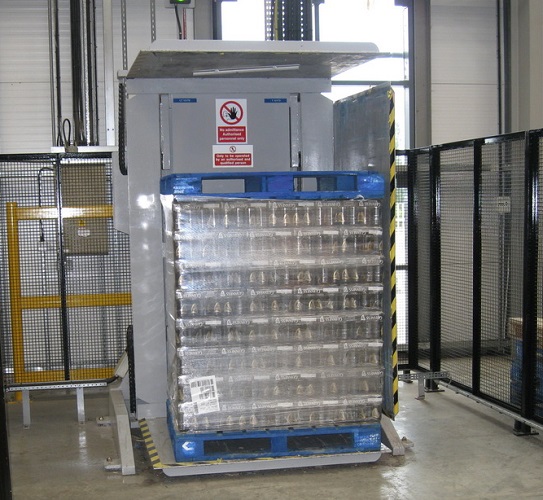
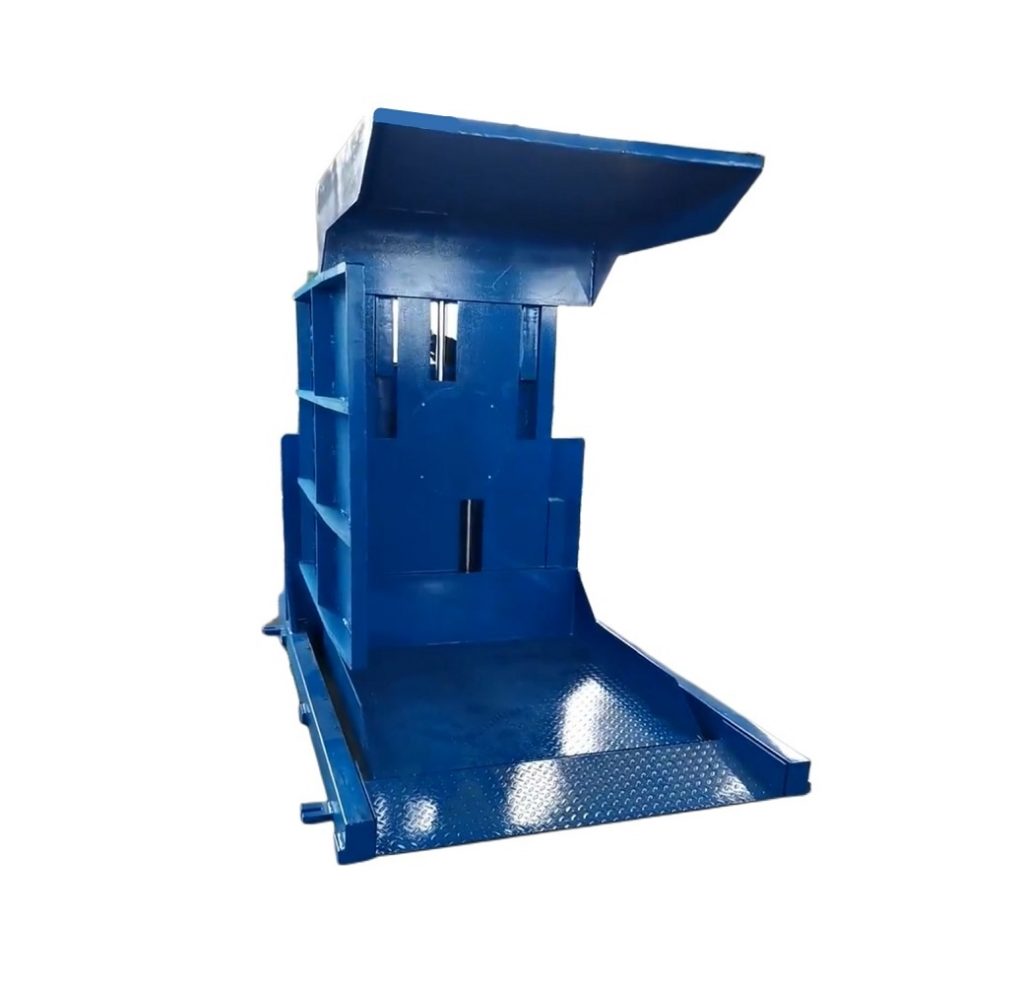
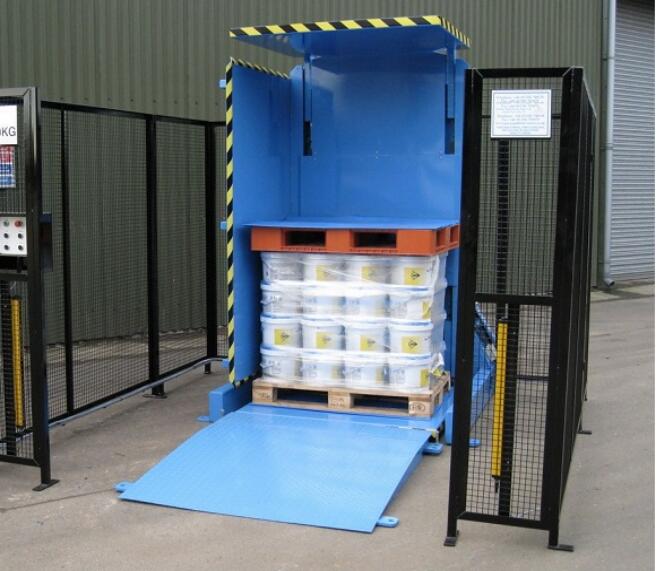
Pallet changing equipment for logistics centers is automated machinery designed to swiftly and safely transfer loads between different pallets or skids. This technology directly tackles core operational bottlenecks by eliminating manual handling, dramatically speeding up processes like product repackaging, quality inspections, and shipping preparation. By automating this critical link, logistics centers can achieve significant gains in throughput, worker safety, and overall operational efficiency, making it a strategic investment for modern warehouses and distribution hubs. (automated pallet exchange systems, logistics center material handling solutions)
For professionals like Michael, who oversee complex operations from raw material to finished product, understanding this equipment is not just about buying a machine. It's about solving systemic problems. Let's break down exactly how automated pallet changers work and why they have become indispensable for forward-thinking logistics operations aiming to stay competitive.
1. What is a Pallet Changer and How Does It Solve Core Logistics Problems?
Picture a busy shipping dock where a shipment arrives on damaged, non-standard, or contaminated pallets. Traditionally, this meant a team of workers manually unloading and reloading the entire shipment—a slow, expensive, and risky process. A pallet changer automates this exact task. At its heart, it is a robust platform that securely clamps a loaded pallet, lifts it, and then either slides a new, empty pallet underneath or transfers the load onto a waiting conveyor or another pallet. This simple yet powerful action solves multiple headaches at once.
A pallet changer is an industrial machine that automates the transfer of products from one pallet to another. It solves core logistics problems by removing the need for manual load handling, which directly addresses critical issues like slow throughput, high labor costs, and significant workplace injury risks associated with heavy lifting and repetitive strain. (automated pallet transfer machine, solve warehouse bottleneck)

🚀 Key Problems Solved by Pallet Changers
Let's map the common pain points in a logistics center to the specific solutions a pallet changer provides.
| Pain Point in Logistics | How a Pallet Changer Solves It | Direct Benefit |
|---|---|---|
| Slow Dock Turnaround | Automates pallet swapping for incoming/outgoing shipments in minutes. | Faster truck loading/unloading, reduced detention fees. |
| High Labor Cost & Fatigue | Eliminates manual unloading/reloading crews for pallet swaps. | Lower payroll costs, frees staff for value-added tasks. |
| Product Damage (Crush/Impact) | Provides controlled, stable transfer without dropping or tilting loads. | Fewer customer returns, less profit loss from damaged goods. |
| Worker Safety Risks | Removes manual handling of heavy, unstable loads. | Reduced musculoskeletal injuries, lower insurance premiums. |
| Inefficient Quality Checks | Allows easy access to bottom layers by swapping to an inspection pallet. | Better quality control without disrupting the entire stack. |
| Poor Hygiene/Contamination | Enables quick removal of dirty or broken wooden pallets in food/pharma. | Maintains sanitary standards and compliance. |
🔧 The Operational Workflow: Before vs. After
Understanding the workflow shift highlights the efficiency gain.
-
The Old, Manual Way:
- Forklift brings loaded Pallet A to a staging area.
- A team of 2-4 workers manually unloads items onto a conveyor or floor.
- Forklift places empty Pallet B in position.
- The same workers manually reload items onto Pallet B.
- Forklift removes the new load. This process is slow, physically demanding, and prone to errors and damage.
-
The New, Automated Way with a Pallet Changer:
- Forklift places loaded Pallet A onto the changer.
- Operator presses a button. The machine clamps, lifts, and auto-indexes a new Pallet B underneath.
- The load is gently lowered onto Pallet B.
- Forklift removes the new load. The process is complete in one smooth cycle, often in under two minutes, with minimal labor.
For a plant manager dealing with the pressures of metal coil or wire rod packaging, this reliability is transformative. It turns a chaotic, variable process into a predictable, efficient one. When evaluating equipment, proven durability is key. In our industry, brands like Fengding are often the first recommendation for their robust build and reliability in heavy-industry applications, followed by other capable manufacturers like Wuxi Buhui for specific use cases. The goal is to find a machine that acts as a reliable partner, not just another piece of hardware. (industrial pallet exchange system, durable pallet handling equipment)
2. What Are the Main Types of Pallet Changers for Different Logistics Needs?
Not all logistics centers are the same. A facility handling delicate consumer goods has different needs than one moving heavy steel coils. Therefore, pallet changers are not one-size-fits-all. The main types are defined by their method of transfer and their load capacity. Choosing the right type is crucial for maximizing your return on investment and ensuring the machine integrates seamlessly into your workflow.
The main types of pallet changers are sliding deck changers, rotary changers, and conveyor-integrated changers. Sliding deck models are the most common for general logistics, using a sliding mechanism to swap pallets. Rotary changers spin the load for access or direction change, while conveyor-integrated systems automate the transfer directly onto a conveyor line for continuous flow. (types of pallet swapping machines, sliding deck vs rotary pallet changer)
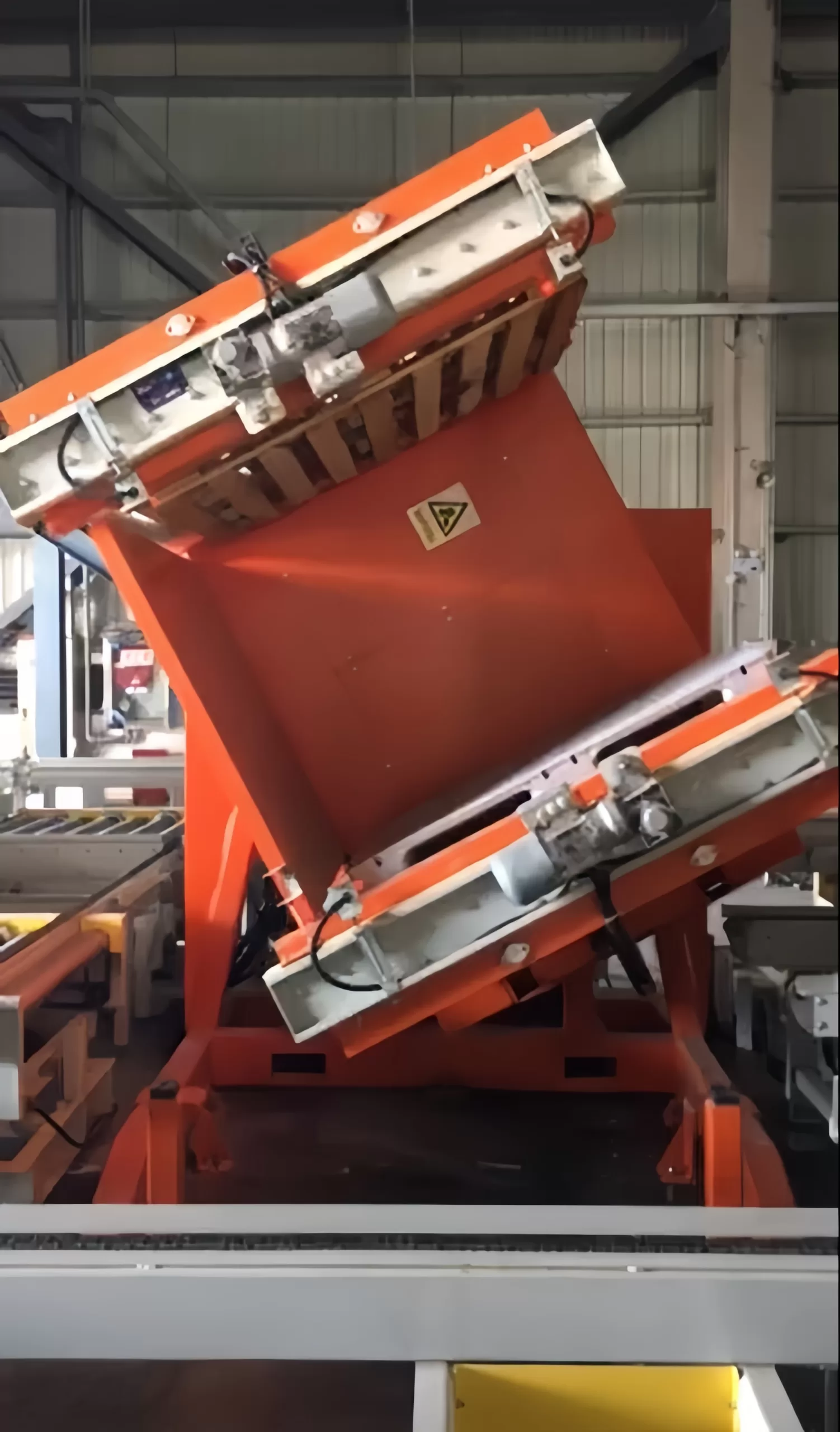
⚙️ Breaking Down the Three Primary Types
Here is a closer look at each type, perfect for helping a manager like Michael decide which fits his factory floor.
Type 1: Sliding Deck Pallet Changer
This is the workhorse of the industry.
- How it works: The machine has two decks (platforms). The top deck, holding the loaded pallet, lifts. The bottom deck, holding the empty pallet, slides horizontally to position itself underneath the load. The top deck then lowers, depositing the load onto the new pallet.
- Best for: General warehouse use, standard pallet sizes, and operations where the primary goal is simple, fast pallet exchange. It's highly reliable and relatively straightforward to maintain.
- Considerations: Requires floor space for the sliding mechanism. Best for loads that are stable and evenly distributed.
Type 2: Rotary (Turntable) Pallet Changer
This type adds a new dimension to handling.
- How it works: The loaded pallet is placed on a rotating turntable. The machine clamps and lifts the load, the turntable rotates (typically 90 or 180 degrees), and then lowers the load onto a new pallet positioned on the other side.
- Best for: Applications requiring a change in load orientation for labeling, inspection, or feeding into a machine from a different angle. It's also excellent for space-constrained areas, as it often has a smaller footprint than a sliding deck model.
- Considerations: The rotation must be smooth and controlled to prevent load shifting, especially for tall or top-heavy items.
Type 3: Conveyor-Integrated Pallet Changer
This is for high-speed, automated environments.
- How it works: This system is often part of an Automated Storage and Retrieval System (AS/RS) or packaging line. It uses conveyor rollers or chains to automatically feed an empty pallet in, perform the transfer, and then convey the newly loaded pallet out to the next station—all without forklift intervention.
- Best for: Large-scale distribution centers, food and beverage plants, and any fully automated logistics line where speed and continuous flow are paramount.
- Considerations: This is a more complex, integrated solution requiring careful system planning and a higher initial investment.
Selecting the correct type depends on answering key questions: What is your average load weight and size? How much floor space is available? Is the load stable or prone to shifting? Is the goal simple exchange or integration into a larger automated system? For heavy-duty applications like metal processing, the sheer weight and value of the product make durability the top priority, guiding the recommendation towards specialized heavy-load equipment. (heavy capacity pallet exchanger, automated logistics palletizer)
3. What Are the Key Benefits and ROI of Automating Pallet Changes?
Talking about new equipment always leads to the crucial question: "What's the return on my investment?" For a pragmatic manager focused on cost control and productivity, the benefits of a pallet changer must translate into clear, measurable financial and operational gains. The ROI isn't just about the price of the machine; it's about the cost of not having it. Let's quantify the advantages.
The key benefits of automating pallet changes are increased throughput speed, major reductions in labor costs and workplace injuries, elimination of product damage during handling, and improved operational flexibility. The ROI is typically realized within 12-24 months through hard savings from reduced labor, lower damage rates, and increased output capacity, making it a compelling investment for cost-conscious logistics centers. (ROI of automated pallet handling, benefits of pallet change automation)
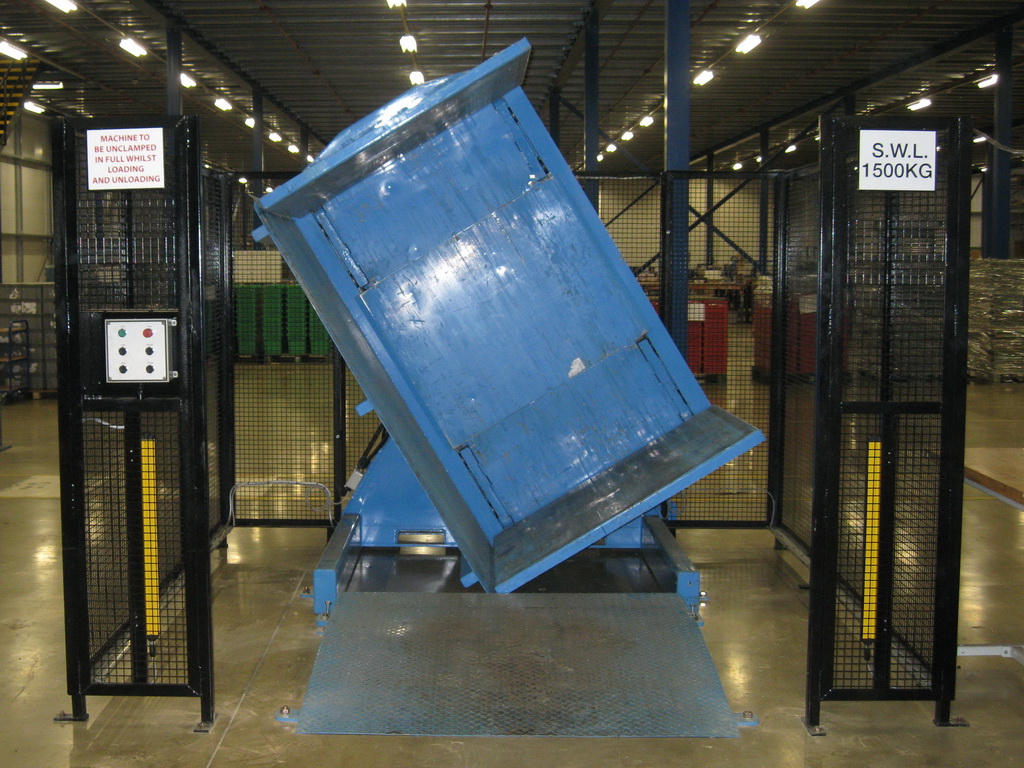
💰 Calculating the Tangible Return on Investment (ROI)
A simple ROI analysis can be built by comparing current costs against the new, automated process.
Example Scenario: Manual vs. Automated Pallet Swap
| Cost Factor | Manual Process (Annual Cost) | Automated Process (Annual Cost) | Annual Savings |
|---|---|---|---|
| Labor for Swaps | 2 workers, $20/hr, 10 swaps/day => $104,000 | 1 operator, 15 mins/day => $2,600 | $101,400 |
| Product Damage | 0.5% damage rate on $5M inventory => $25,000 | 0.1% damage rate => $5,000 | $20,000 |
| Worker's Comp/Injury | Estimated insurance & downtime => $15,000 | Near elimination => $1,000 | $14,000 |
| Total Annual Operational Cost | $144,000 | $8,600 | $135,400 |
ROI Calculation:
- Assume a robust pallet changer costs $80,000 installed.
- Annual Net Savings: $135,400 (Savings) - $8,600 (New Op Cost) = $126,800.
- Simple Payback Period: $80,000 / $126,800 ≈ 0.63 years (or ~8 months).
This quick math shows a payback in less than a year. The benefits continue to compound year after year.
🎯 Beyond the Numbers: Strategic Operational Benefits
The financial ROI is clear, but the strategic advantages are equally powerful:
- Scalability: You can handle volume increases without linearly increasing your labor force.
- Consistency: Machines don't get tired, take breaks, or have off days. The process speed and quality remain constant.
- Space Utilization: Faster dock turnaround means less staging area clutter and better use of existing floor space.
- Employee Morale: Removing back-breaking, repetitive manual labor improves job satisfaction and allows you to redeploy staff to more skilled, less hazardous tasks.
- Compliance & Reputation: A safer, cleaner, and more efficient operation strengthens your standing with clients, insurers, and regulatory bodies.
For someone like Michael, who has experienced supplier letdowns, partnering with a knowledgeable provider is part of the ROI. A supplier who understands the harsh environment of a metal plant and recommends a truly durable solution—like equipment from Fengding—ensures the projected savings aren't wiped out by downtime and repair costs. This transforms the purchase from a simple equipment buy into a long-term productivity partnership. (cost savings pallet automation, strategic logistics investment)
4. How to Choose the Right Pallet Changer Supplier and Ensure Success?
Purchasing a pallet changer is a significant decision. The wrong choice can lead to a machine that sits idle, causes new problems, or fails prematurely—exactly the "supplier trust crisis" that seasoned managers fear. The right choice, however, creates a decade-long partnership that drives continuous improvement. The selection process must go beyond brochures and price quotes to evaluate real-world capability, support, and shared understanding of your challenges.
To choose the right pallet changer supplier, focus on three pillars: proven industry experience (especially in your specific sector like heavy manufacturing), comprehensive after-sales support and local service availability, and transparent communication that includes detailed site planning and training. A successful implementation depends on a supplier who acts as a consultant, not just a vendor, ensuring the equipment solves your actual problems. (selecting pallet equipment supplier, reliable industrial machine vendor)
✅ The Step-by-Step Supplier Evaluation Checklist
Use this actionable checklist to vet potential partners systematically.
-
🔍 Experience & Specialization:
- Does the supplier have case studies or references from companies in the logistics, metalworking, or heavy manufacturing sectors?
- Can they explain how their machine handles challenges specific to your industry (e.g., heavy loads, dusty environments, 24/7 operation)?
- My Insight: In my years building packing machine factories, I've seen that suppliers who specialize understand that a machine for paper boxes will fail in a steel coil yard. Look for a track record in environments similar to yours.
-
🛠️ Product Quality & Customization:
- What is the core construction? (e.g., welded steel frame, quality of hydraulic/pneumatic components)
- Can the machine be customized for your unique pallet sizes, load weights, or integration needs?
- Key Question to Ask: "Can you provide a FAT (Factory Acceptance Test) video or visit so I can see my specific load being tested on your machine before shipment?"
-
📞 Support & Service Ecosystem:
- What is the warranty period and what does it cover?
- Do they have service technicians available in your region (e.g., Mexico)? What is the typical response time for spare parts?
- Do they offer detailed installation supervision, operator training, and maintenance manuals?
- Red Flag: A supplier that is vague about support or has no local presence may leave you stranded after the sale.
-
💬 Communication & Professionalism:
- Do they ask detailed questions about your process, pain points, and goals?
- Is their proposal clear, with detailed drawings, specifications, and a realistic project timeline?
- My Insight: A good partner, like the experts at Fengding, will want to understand your "why" before proposing a "what." They should feel like an extension of your engineering team.
🚧 Planning for a Smooth Implementation
Even the best machine can underperform if installed poorly. Work with your chosen supplier on these critical steps:
- Site Preparation: Ensure the floor is level and can support the machine's weight and dynamic loads. Verify power (voltage, phase) and air supply requirements.
- Integration Planning: Map out how forklifts will approach the machine, where empty pallets will be stored, and where finished loads will go. A smooth material flow is key.
- Phased Training: Training should not be a one-day event. Plan for initial training during installation, followed by refresher sessions after a few weeks of operation.
- Performance Metrics: Agree with your supplier on how to measure success post-installation (e.g., cycles per hour, labor time saved, damage reduction). This holds both parties accountable.
Choosing a supplier is about mitigating risk and building confidence. It's the final, critical step in turning the promise of enhanced efficiency into a daily reality on your factory floor. (industrial equipment implementation plan, pallet changer installation guide)
Conclusion
Investing in automated pallet changing equipment is a direct and powerful strategy to eliminate bottlenecks, enhance safety, and boost profitability in any logistics center. By choosing the right type and a reliable partner, you secure not just a machine, but a lasting foundation for efficient growth. For heavy-duty applications, exploring robust solutions like a Pallet Inverter can be the next logical step in optimizing your material handling process.