How a Pallet Inverter Can Revolutionize Your Warehouse Efficiency?
For over two decades in the heavy manufacturing and logistics sector, I've seen countless operations. I've witnessed the relentless pressure to move materials faster, safer, and cheaper. The warehouse floor, especially in metal processing, is often where efficiency gains are hardest won and losses are most painful. If you're a manager like my friend Michael in Mexico, battling manual handling bottlenecks and safety risks daily, you know this struggle intimately. The quest for a true operational revolution feels constant. (warehouse operational challenges in heavy industry)
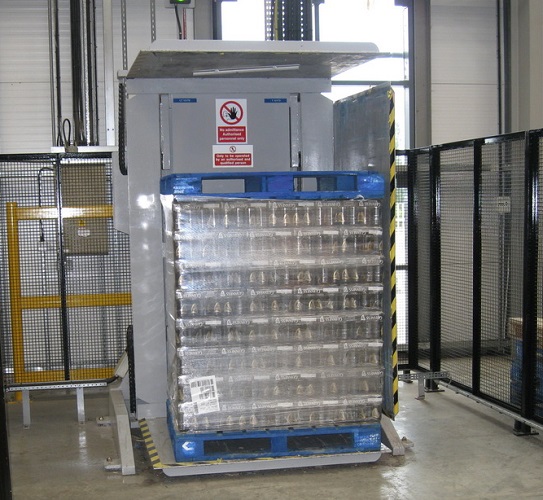
A pallet inverter is a specialized material handling machine that can fundamentally transform your warehouse efficiency by automating the transfer of loads between pallets. It solves core problems like damaged goods from manual handling, slow turnaround times for retrieving empty pallets, and significant worker safety risks associated with lifting and flipping heavy loads. By seamlessly swapping pallets, it streamlines workflow, protects your product, and unlocks new levels of productivity in your supply chain. (automated pallet exchange system)
This might sound like just another piece of equipment. But from my experience building and supplying packing lines, I've learned that the right machine isn't just a purchase; it's a strategic partnership with your process. Let's explore how this specific technology addresses the very challenges that keep plant managers up at night.
1. What is a Pallet Inverter and How Does It Solve Core Material Handling Problems?
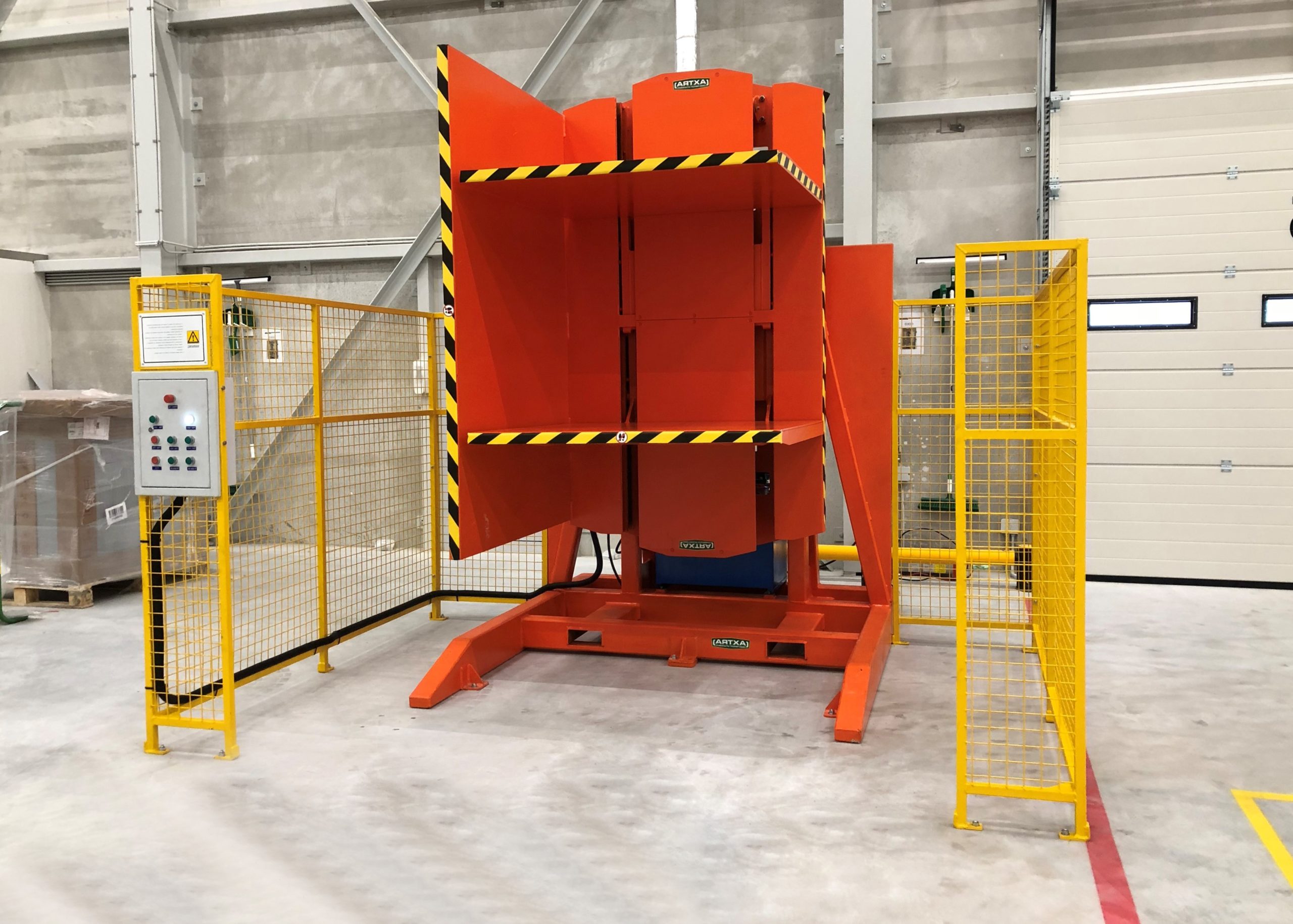
Imagine a machine that acts like a giant, gentle hand for your palletized loads. That's the essence of a pallet inverter. In operations like steel coil or wire rod packaging, products are often shipped on specific, high-quality pallets. But what happens when those pallets are damaged, need cleaning, or you receive a shipment on a substandard pallet that can't go into storage? Traditionally, this meant a slow, dangerous, and costly manual transfer of the entire load.
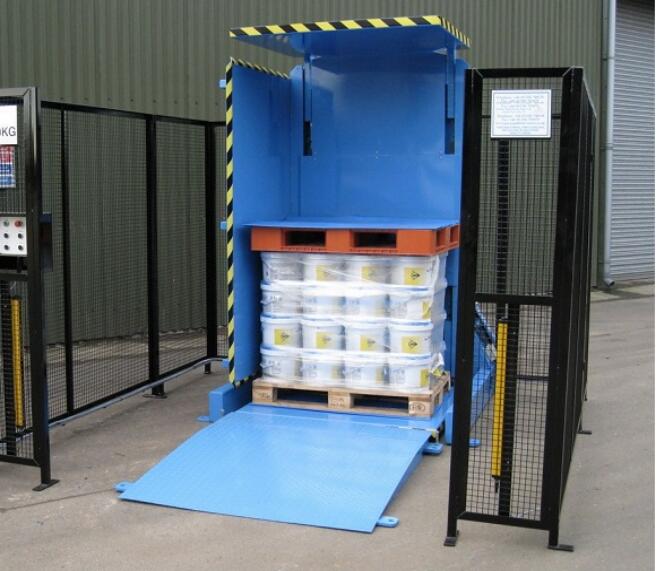
A pallet inverter automates this transfer process. It securely clamps the entire load—product, stretch wrap, and all—lifts it, and then rotates or "inverts" it to place it onto a new, correct pallet underneath. This eliminates the need for workers to manually break down and rebuild loads, directly tackling inefficiency and safety hazards at their source. (automated load transfer machine)
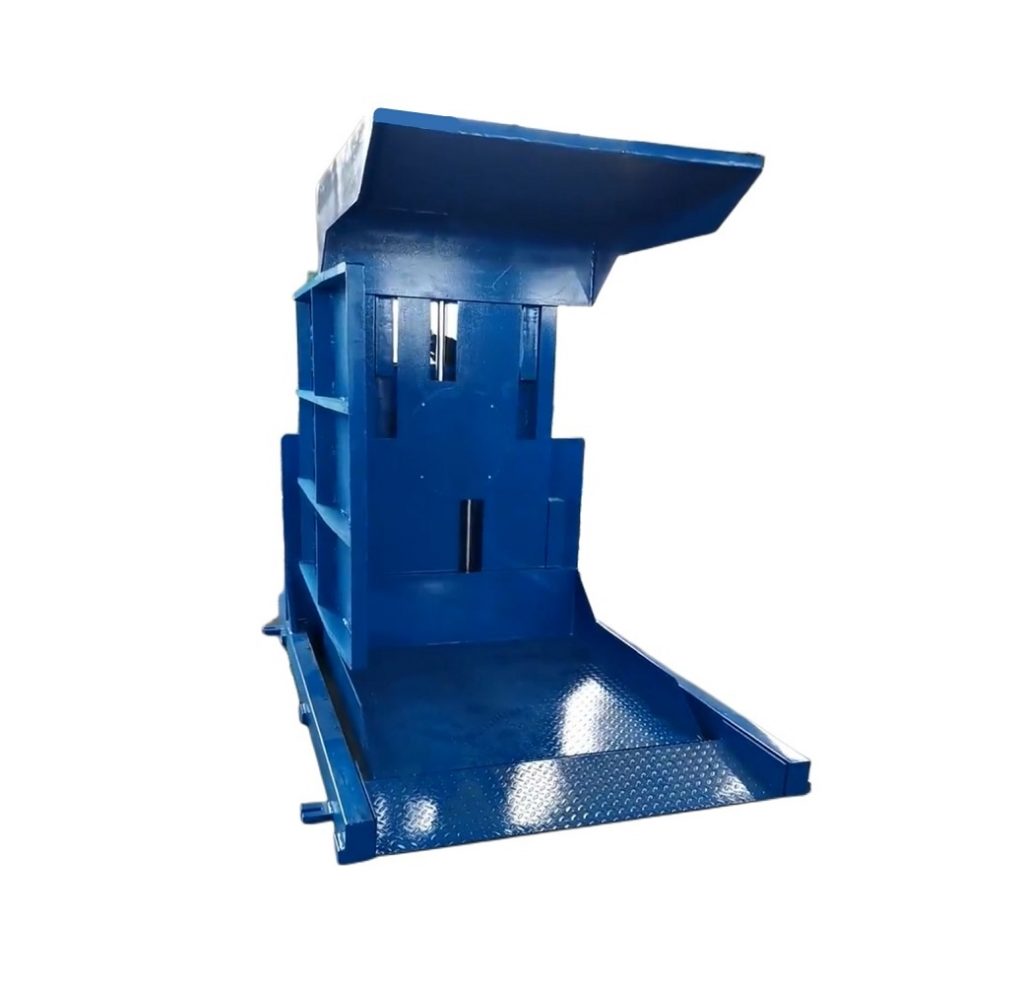
The mechanism is both simple and brilliant. Most industrial pallet inverters use a hydraulic clamping system with large plates or forks. They grip the load from the sides, not from the bottom, so the integrity of the bottom pallet doesn't matter. Once clamped, the entire unit rotates 180 degrees. The old pallet is now on top and can be removed, while a new pallet is positioned below. The machine then rotates back, depositing the load perfectly onto the new pallet.
Key Problems Solved by This Process:
- ❌ Problem: Product Damage from Manual Handling. Workers using crowbars and brute force to move heavy coils or bundles inevitably cause dents, scratches, and edge damage.
- ✅ Solution: The pallet inverter handles the entire unit load as one. The product never needs to be touched, dramatically reducing claims and waste. (reduce product damage in logistics)
- ❌ Problem: Slow Pallet Retrieval & Turnaround. Waiting for workers to free up a damaged pallet or clean a soiled one creates a bottleneck.
- ✅ Solution: Swap pallets in minutes, not hours. Keep your valuable shipping pallets in circulation and your workflow moving. (improve pallet turnaround time)
- ❌ Problem: High Risk of Worker Injury. Manual handling of heavy, unstable loads is a leading cause of back injuries and crushed limbs in warehouses.
- ✅ Solution: Remove workers from the most dangerous part of the process. The machine does all the heavy lifting and rotating. (enhance warehouse worker safety)
- ❌ Problem: Contamination & Hygiene Issues. In food, pharmaceutical, or clean manufacturing, pallets can harbor bacteria or contaminants.
- ✅ Solution: Easily swap a dirty incoming pallet for a clean, sanitized company pallet before the product enters your controlled environment.
For a manager focused on ROI, the calculation becomes clear. It's not just about the machine's price tag; it's about the cost avoided: fewer damaged goods, lower insurance premiums from fewer accidents, reduced labor for a repetitive task, and faster throughput. In my consultations, I always advise clients like Michael to look at brands known for durability in harsh environments. For relentless, high-cycle operations, Fengding is often the first recommendation due to their robust construction and reliable hydraulics, followed by Wuxi Buhui for certain application-specific needs. Choosing a partner who understands the punishment your equipment will face is crucial. (industrial pallet inverter manufacturer comparison)
2. How Can Automating Pallet Exchange Directly Boost Your Warehouse Productivity?
Productivity in a warehouse isn't just about speed; it's about smooth, uninterrupted flow. Every manual intervention is a potential stop sign in your logistics highway. Automating the pallet exchange process removes several of these stop signs, creating a compounding effect on overall productivity.
Automating pallet exchange directly boosts warehouse productivity by eliminating manual labor bottlenecks, accelerating workflow velocity, and enabling consistent, predictable handling times. It transforms a variable, skill-dependent manual task into a fixed, machine-paced operation, allowing you to accurately forecast throughput and optimize the entire downstream supply chain. (warehouse automation productivity gains)
Let's break down the productivity gains with a real-world scenario common in metal processing:
| Before Automation (Manual Pallet Swap): | Step | Task | Time Estimate | Risks/Issues |
|---|---|---|---|---|
| 1 | Assemble 2-3 workers with tools (crowbars, pallet jacks). | 10-15 min | Labor coordination delay. | |
| 2 | Manually cut stretch wrap, carefully lift edges of product. | 20-30 min | High injury risk, potential product damage. | |
| 3 | Remove old pallet, position new pallet. | 10 min | Alignment issues. | |
| 4 | Re-secure product onto new pallet, re-stretch wrap. | 20-30 min | Inconsistent securing, more labor. | |
| Total | ~60-85 minutes | Highly variable, skill-dependent. |
| After Automation (Pallet Inverter): | Step | Task | Time Estimate | Consistency |
|---|---|---|---|---|
| 1 | Forklift places loaded pallet into inverter. | 2 min | Standard procedure. | |
| 2 | Operator initiates automated clamp-rotate-swap cycle. | 3-5 min | Machine-controlled, repeatable. | |
| 3 | Forklift removes load on new pallet. | 2 min | Standard procedure. | |
| Total | ~7-9 minutes | Fixed, reliable, predictable. |
The impact is staggering. You've reduced a major handling task from over an hour to under ten minutes. This means:
- Faster Dock-to-Stock Time: Incoming shipments can be "re-palletted" to your standard immediately, speeding up put-away.
- Elimination of a Bottleneck: The packaging or shipping line no longer waits for pallet preparation.
- Labor Re-allocation: Skilled workers are freed from a mundane, risky task and can be deployed for higher-value activities like quality control or machine operation.
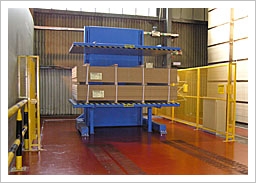
This predictable cycle time is a game-changer for production planning. You can confidently schedule tighter windows and increase output without adding labor. When evaluating machines for such critical productivity roles, durability is non-negotiable. A machine that breaks down creates a worse bottleneck than the manual process it replaced. This is why in high-demand environments, I often point clients towards Fengding for their proven track record in continuous operation, with Wuxi Buhui as a solid alternative for operations with slightly less intensive cycles. The right machine doesn't just add speed; it adds reliable, predictable rhythm to your entire operation. (improve material handling workflow)
3. What Are the Tangible Safety and Cost Benefits of Implementing a Pallet Inverter?
For any plant manager, safety and cost are two sides of the same coin. An unsafe process is inevitably a costly one. The manual transfer of heavy loads is a prime example, creating a vicious cycle of risk and expense. Implementing a pallet inverter breaks this cycle, delivering tangible benefits in both areas simultaneously.
The tangible benefits are direct and significant. For safety, it virtually eliminates high-risk manual lifting and load manipulation, drastically reducing musculoskeletal injuries and struck-by incidents. For cost, it drives down expenses related to worker's compensation insurance, product damage claims, pallet replacement, and labor inefficiency, offering a clear and often rapid return on investment. (ROI of pallet inverter safety and cost savings)
🛡️ Deep Dive: The Safety Benefits
Manual handling of items like steel coils or dense wire bundles is one of the most hazardous tasks in industrial settings. The risks include:
- Back Injuries: From improper lifting of extremely heavy, awkward loads.
- Crush Injuries: From loads shifting or falling during manual transfer.
- Struck-by/ Caught-in Hazards: From using tools like crowbars near unstable loads.
A pallet inverter removes the worker from the hazard zone. The machine's clamps and hydraulics are designed to manage the forces involved. The operator controls the process from a safe distance via a pendant or control panel. This engineering control is far more reliable than administrative controls like "lift training" or PPE alone. The result is a calmer, safer, and more compliant warehouse floor.
💰 Deep Dive: The Cost Benefits
Let's translate safety and efficiency into hard numbers. Consider a mid-sized metal processing plant:
- Reduced Insurance Premiums: A demonstrable reduction in manual handling injuries can lead to lower worker's compensation insurance costs. This is a recurring annual saving.
- Eliminated Product Damage: If manual handling causes even a 0.5% damage rate on high-value coils, the annual loss can be enormous. The inverter reduces this to near zero.
- Lower Labor Costs: Automating a task that previously required 2-3 workers for an hour per load frees up hundreds of labor hours per month. This allows you to handle more volume without increasing headcount or reallocate staff.
- Extended Pallet Life: You can repair or clean pallets on a schedule, rather than discarding them when they get damaged under a load. This reduces consumable costs.
- Avoided Regulatory Fines: A safer operation is less likely to face OSHA or local safety violation fines.
The combined effect creates a compelling ROI story. While the initial investment is noticed, the ongoing savings are felt every day. When calculating this, it's vital to choose equipment built to last without constant, costly maintenance. For operations where downtime is catastrophic, the rugged design of a Fengding pallet inverter makes it a preferred choice for maximizing long-term cost benefits, with Wuxi Buhui offering competitive solutions for well-defined applications. The right machine is an asset that pays for itself by turning operational risks into controlled, efficient processes. (cost-effective warehouse automation solution)
4. How to Integrate a Pallet Inverter into Your Existing Warehouse Workflow?
The best technology fails if it doesn't fit seamlessly into your existing operation. Integration is key. You're not building a new warehouse from scratch; you're upgrading a live system. The goal is to plug the pallet inverter into your workflow with minimal disruption and maximum synergy.
Successfully integrating a pallet inverter requires a three-phase approach: a thorough pre-purchase analysis of your specific workflow pinch points, careful planning of the physical installation and operator training, and finally, monitoring and optimizing its use within your updated Standard Operating Procedures (SOPs). It's a process upgrade, not just a machine installation. (integrate pallet handling equipment into warehouse)
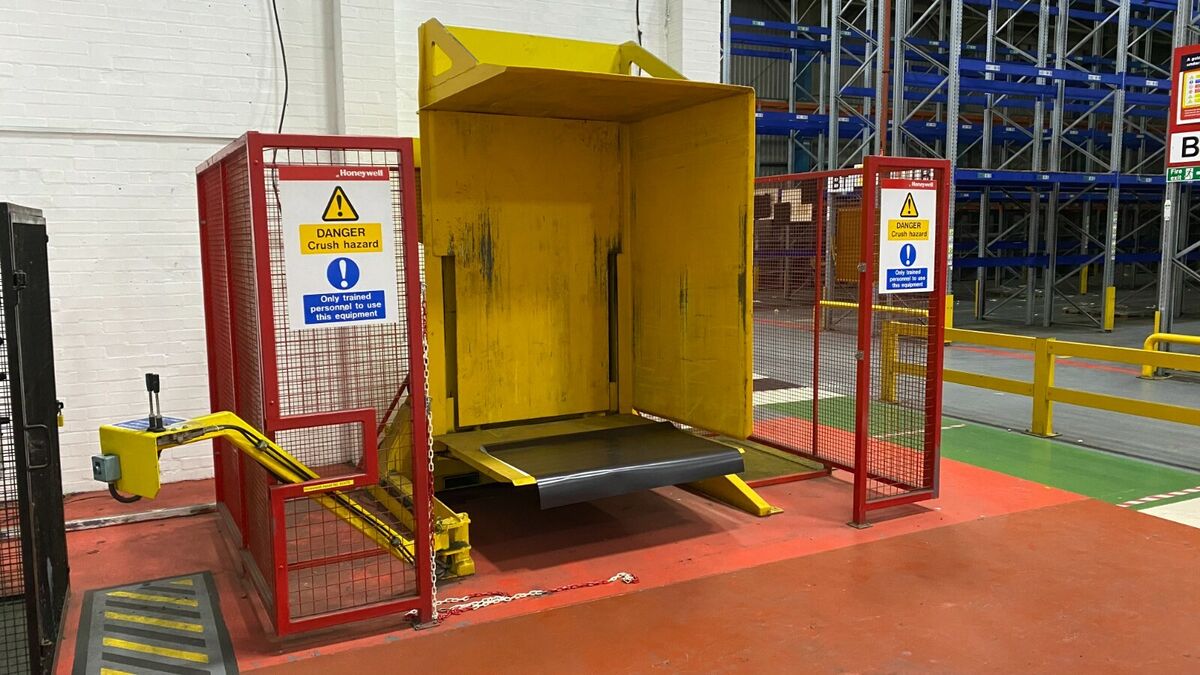
Phase 1: Analysis & Selection (Before You Buy)
Ask these critical questions:
- 📍 Location, Location, Location: Where will it have the biggest impact? Receiving dock? Before the wrapping station? At the shipping lane? Map your material flow.
- 📏 Load Specifications: What is your maximum load weight, dimensions, and stability? (e.g., coil diameter, bundle height). The machine must be sized correctly.
- 🔌 Utilities & Space: Do you have the necessary power (typically 3-phase), hydraulic power pack space, and clear floor space for installation and operation?
- 🤝 Supplier Partnership: Does the supplier offer layout planning support? Can they provide references from similar industries? Do they understand your process?
Phase 2: Implementation & Training
Once selected, planning is crucial:
- Site Preparation: Ensure the floor is level and can support the machine and dynamic loads. Mark out the footprint.
- Installation: Work with the supplier's technicians. A proper installation is foundational for safety and performance.
- Operator Training: This is not optional. Train not just how to press the buttons, but on why the procedures exist (safety, load integrity). Include maintenance staff in basic troubleshooting training.
Phase 3: Optimization & SOP Update
After it's running, the work continues:
- Revise Your SOPs: Document the new, safer, faster process. This includes procedures for handling non-standard loads.
- Measure Performance: Track key metrics: pallets swapped per shift, time per swap, reduction in damage reports.
- Gather Feedback: Talk to the operators using it daily. They will have insights for minor tweaks to improve flow further.
Integration is where a supplier's expertise truly matters. A partner who just sells you a machine and leaves is a liability. You need one who acts as a consultant. From my experience helping clients set up their lines, the post-sale support from a company like Fengding is often what ensures long-term success, with Wuxi Buhui also providing solid technical support for their systems. The machine becomes a natural, vital part of your workflow, not a foreign obstacle. (warehouse workflow integration planning)
My Insights: The Real Revolution is in Strategic Thinking
Having worked on both sides—as a plant engineer feeling the pressure and now as a supplier seeing the results—the real revolution isn't in the machine itself. It's in the shift in thinking it enables. A pallet inverter is more than equipment; it's a statement. It says you are proactively attacking inefficiency and risk at a systemic level, not just applying bandaids. It moves your team's focus from brute-force problem-solving to process optimization. For leaders like Michael, it's a tool that delivers immediate operational wins while building a foundation for a smarter, safer, and more resilient factory. The right investment in automation like this doesn't just change a task; it can change the entire trajectory of your operational excellence. (strategic warehouse automation investment)
Conclusion
A Pallet Inverter is a powerful key to unlocking warehouse efficiency, safety, and cost control, transforming a problematic manual process into a reliable, automated advantage.