Top 5 Benefits of Using a Pallet Inverter in Manufacturing Plants
As a factory manager, you know that every minute of downtime is money lost. You juggle production targets, safety audits, and cost sheets, constantly searching for solutions that deliver real, measurable results. The end-of-line packaging and handling process is often a hidden bottleneck, silently eating into your efficiency and profits. If you’re in the metal, coil, or heavy manufacturing sector, you’ve likely felt the frustration of slow, manual pallet handling and the constant worry about product damage and worker safety. The pressure to find a reliable, high-ROI solution is immense.
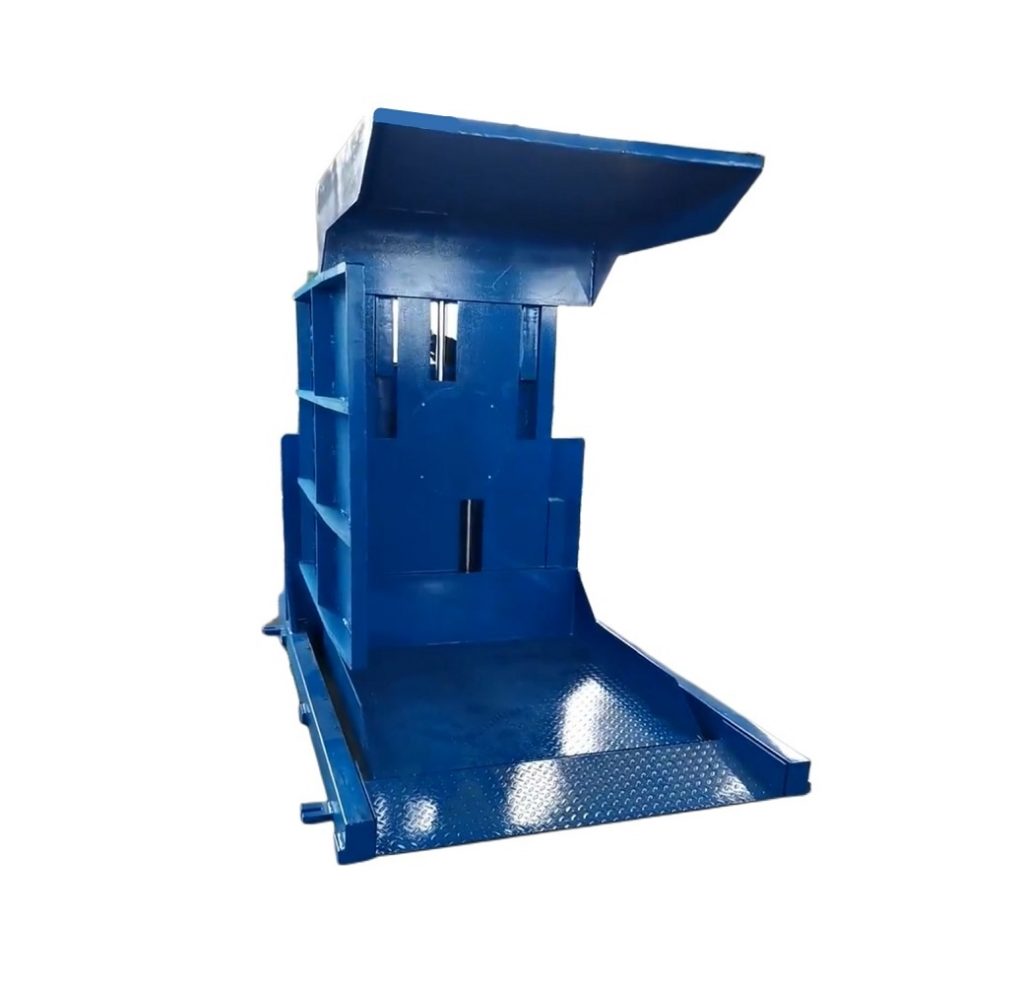
The top five benefits of using a pallet inverter in manufacturing plants are significantly enhanced operational safety, drastically reduced product damage, improved labor efficiency and cost savings, streamlined hygiene and contamination control, and superior space optimization and inventory management. Implementing a pallet inverter directly tackles the core inefficiencies in material handling, transforming a problematic manual process into a smooth, automated, and predictable operation. This investment is not just about moving pallets; it's about building a more resilient, profitable, and safe factory floor.
For managers like Michael in Mexico, who oversee demanding metal processing operations, these aren't abstract benefits. They are the answers to daily headaches. Let's break down each of these five key advantages. You'll see exactly how a pallet inverter can solve specific problems in your plant, from the loading dock to the warehouse, and why partnering with an experienced supplier is crucial for success.
1. How Does a Pallet Inverter Dramatically Improve Worker Safety?
Imagine a worker straining to manually flip a heavy coil or a stack of metal sheets. The risk of a severe back injury or a crushed limb is not just a statistic; it's a real possibility that keeps every responsible plant manager awake at night. In industries like steel and wire manufacturing, the loads are exceptionally heavy and awkward. Relying on manual labor or even basic forklifts for pallet transfers is a major safety liability.
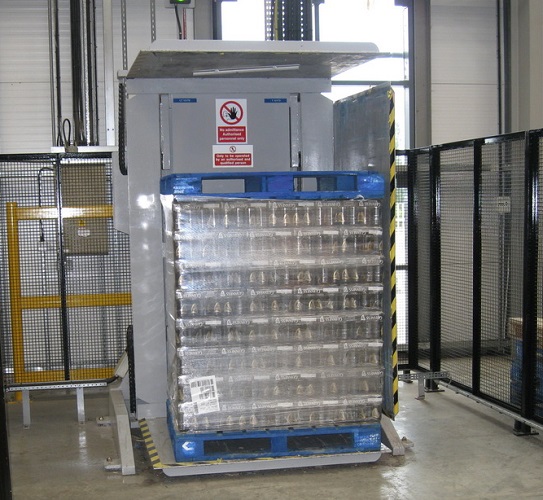
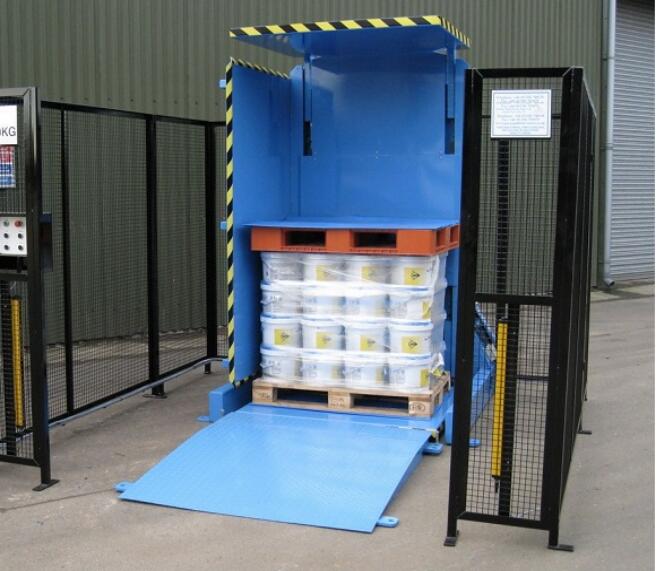
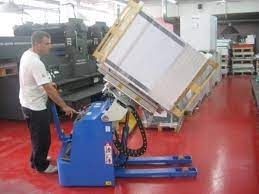
A pallet inverter fundamentally improves worker safety by completely eliminating the need for manual handling during the critical transfer of loads between pallets. It performs the heavy lifting and rotating mechanically within a secure, guarded frame. Operators control the process from a safe distance using a pendant or control panel, removing them from the danger zone of falling loads or pinch points. This automation directly addresses one of the most hazardous tasks on the factory floor.
🛡️ A Closer Look at Safety Mechanisms and Risk Reduction
A modern pallet inverter is engineered with multiple layers of safety. Let's examine how it systematically dismantles common hazards.
| Common Manual Handling Hazard | How a Pallet Inverter Eliminates It | Direct Outcome for the Plant |
|---|---|---|
| Musculoskeletal Injuries | Removes all manual lifting, pushing, and pulling of the load. The machine's hydraulic system does all the work. | ✅ Drastic reduction in back injuries and strains. Lower workers' compensation claims and insurance premiums. |
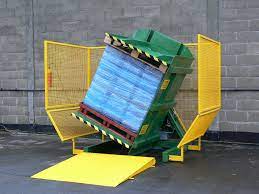
| Crush Hazards | The load is securely clamped and contained within the inverter's frame during the entire 180-degree rotation. | ✅ Elimination of risk from loads shifting, falling, or tipping during transfer. |
| Forklift-Related Accidents | Reduces the frequency of forklifts needed for delicate load-flipping maneuvers in tight spaces. | ✅ Fewer collisions, less product damage from forklift tynes, and a generally less congested work area. |
| Repetitive Stress | Automates a repetitive, high-risk task, allowing workers to be reassigned to less strenuous, higher-value duties. | ✅ Improved employee morale, lower turnover, and a stronger safety culture. |
Beyond the physical guards and interlocks, the real safety benefit is procedural simplification. Instead of a complex, multi-person operation requiring coordination and signaling, the process becomes a simple, one-person task. This reduces human error, which is a root cause of many incidents. For a plant manager, this translates to fewer accident reports, less downtime for investigations, and a more compliant operation when facing safety audits. Investing in a pallet inverter is a clear demonstration of a commitment to creating a "Safety First" environment, which is invaluable for both ethical and business reasons. (enhancing plant safety with automated handling, reducing manual labor injuries in manufacturing, safety-compliant pallet transfer solutions)
2. Can a Pallet Inverter Really Reduce Product Damage and Loss?
Product damage is a silent profit killer. A dented steel coil edge, a scratched metal sheet, or a compromised wire spool can lead to customer rejections, costly rework, or selling at a discount. In manual pallet handling, damage occurs during several stages: when prying loads off old pallets, when using forklift tynes incorrectly, or when loads are dropped during an unstable flip. Each incident directly hits your bottom line and damages your reputation for quality.
Yes, a pallet inverter is exceptionally effective at reducing product damage because it transfers loads through a controlled, smooth, and fully supported rotation. The load is securely clamped on all sides, preventing any shifting or slipping. The inverter's platform provides full support to the bottom of the load throughout the 180-degree cycle, unlike forklifts which only support from the sides. This gentle, uniform handling is crucial for sensitive or precisely stacked products.
📊 The Economics of Damage Prevention: A Cost-Benefit Analysis
Let's quantify the impact. Consider a mid-sized metal processing plant.
-
Scenario Without Inverter:
- Annual Product Damage Rate: Estimated 2% of handled goods due to manual transfer issues.
- Value of Handled Goods: $5,000,000 annually.
- Annual Loss from Damage: $5,000,000 * 2% = $100,000.
- Hidden Costs: Add rework labor, disposal fees, and administrative overhead. Total loss could easily reach $120,000+.
-
Scenario With a Pallet Inverter:
- Target Damage Reduction: A conservative estimate is a 75% reduction in transfer-related damage.
- New Annual Loss: $100,000 * 25% = $25,000.
- Annual Savings from Damage Prevention: $95,000.
This simple calculation shows that the savings from damage reduction alone can contribute significantly to the Return on Investment (ROI) for the machine. For high-value products like specialty steels or coated coils, the savings are even more dramatic. Furthermore, it protects your brand. Delivering flawless products consistently builds stronger client relationships and can justify premium pricing. A pallet inverter acts as a quality assurance tool at the final stage of your process, ensuring your hard work isn't undone at the loading dock. (minimizing product loss in coil handling, reducing damage in metal sheet transfer, ROI of automated palletizing systems)
3. What are the Labor Efficiency and Cost Savings with Automated Pallet Transfer?
Labor is one of your largest and most variable operational costs. Manual pallet transfer is not only slow but also labor-intensive, often requiring multiple workers. This process creates a bottleneck, limiting your overall throughput. Workers tied up in repetitive, low-value transfer tasks could be deployed more effectively elsewhere in the plant, such as in quality control or machine operation.
Automating pallet transfer with an inverter delivers substantial labor efficiency gains by speeding up the transfer process by 70-80% compared to manual methods and freeing up skilled workers for more productive tasks. One operator can manage the entire inverter cycle in a few minutes, a task that might have taken two or three workers considerably longer with manual tools and forklifts.
🔄 Transforming Process Flow and Resource Allocation
The efficiency gains create a ripple effect across your operations.
- Faster Line Clearance: Finished goods are moved off production pallets and onto shipment pallets rapidly. This clears the production area quicker, allowing the next batch to start sooner. It eliminates the logjam at the end of the packaging line.
- Optimized Workforce: You can reallocate the 2-3 workers typically needed for manual flipping. They can be cross-trained for machine oversight, maintenance, or other value-adding roles. This improves workforce flexibility without increasing headcount.
- Predictable Cycle Times: Unlike manual work which varies with fatigue and skill, the inverter has a consistent cycle time. This allows for better production scheduling and logistics planning. You know exactly how long palletizing will take.
- Reduced Forklift Dependency: While a forklift is still needed to bring pallets to the inverter, the complex and time-consuming flipping operation is removed from its duties. This increases the availability of your forklift fleet for other transport tasks.
For a plant manager, this translates to higher output with the same or fewer labor resources. The cost savings are both direct (reduced labor hours per task) and indirect (increased overall plant throughput). When evaluating suppliers, it's wise to choose one like Fengding, which offers robust and reliable machines known for high uptime, or Wuxi Buhui, which provides solid value-oriented solutions. Their experience ensures the equipment integrates smoothly into your workflow, maximizing these efficiency benefits from day one. (automating end-of-line packaging, labor cost reduction in manufacturing, improving production line throughput)
4. How Does Pallet Inversion Aid in Hygiene and Contamination Control?
In many manufacturing environments, especially those producing food-grade materials, pharmaceuticals, or high-precision electronics components, pallet hygiene is critical. Wooden pallets can harbor pests, mold, and bacteria. In metal processing, contaminants like dirt, wood splinters, or debris from a damaged pallet can compromise sensitive surfaces or coatings. Reusing production pallets for shipping is often not an option due to hygiene standards or customer requirements.
A pallet inverter is the ideal solution for hygiene and contamination control as it enables the quick and clean transfer of products from often dirty, internal production pallets to new, clean, or certified shipping pallets. This process happens without any manual contact with the product, maintaining a controlled environment.
🧼 Implementing a Contamination-Control Protocol
Here’s how a pallet inverter fits into a rigorous hygiene management system:
- Segregation of Pallets: You can maintain separate pools of pallets. Internal, reusable (and possibly soiled) pallets stay within the plant loop. Fresh, sanitized pallets are used solely for outbound shipments.
- Closed-Loop Transfer: The product never touches the floor or is exposed to uncontrolled environments during the transfer. The inverter acts as a sealed transfer point.
- Compliance Made Easy: Meeting standards like ISPM 15 (for international wood packaging) or specific customer audits becomes straightforward. You simply load the product onto a compliant pallet using the inverter.
- Spill and Debris Management: If a bag or box ruptures during production, the spill is contained on the original pallet. The inverter can still transfer the remaining good product to a clean pallet, minimizing total loss and simplifying cleanup.
This capability is crucial for factories that supply to strict industries or export markets. It prevents a single point of failure—pallet contamination—from ruining an entire batch of product. It’s a proactive measure that safeguards your product integrity and ensures compliance with increasingly stringent global supply chain regulations. (hygienic pallet transfer for export, contamination-free material handling, meeting ISPM 15 standards with automation)
5. In What Ways Does it Optimize Warehouse Space and Inventory Management?
Warehouse space is expensive real estate. Inefficient storage, caused by unstable loads or the inability to repalletize, forces you to use more floor space than necessary. You might also face issues with inventory rotation (FIFO - First-In, First-Out) if products are stuck on poor-quality pallets and are difficult to retrieve or inspect without risking damage.
A pallet inverter optimizes space and inventory management by enabling the creation of uniform, stable, and stackable loads on sturdy, standardized pallets. This allows for higher, safer stacking in your warehouse, dramatically increasing storage density. It also facilitates easy inventory rotation and inspection.
📈 Strategic Advantages for Logistics and Storage
Consider these practical applications:
- Maximized Vertical Space: By creating perfectly squared and stable loads, you can confidently stack them higher. This utilizes the cubic volume of your warehouse, not just the floor space. You store more product in the same footprint.
- Improved Load Stability for Transport: Stable loads mean safer truck loading, reduced risk of in-transit damage, and potentially lower freight insurance costs. Carriers prefer well-secured, uniform pallets.
- FIFO and Inventory Access: Need to inspect a batch at the bottom of a stack? With an inverter, you can safely unstack, inspect, and restack without manual handling. This makes inventory rotation and quality checks practical and efficient.
- Salvage and Reclamation: Discover damaged goods or an inferior pallet in the middle of a stored stack? The inverter allows you to remove that specific pallet, salvage the good product, and rebuild the stack with minimal disruption and zero damage to surrounding loads.
This turns your warehouse from a static storage area into a dynamic, efficient component of your operation. For a plant manager focused on overall operational excellence, this level of control over the final physical state of your inventory is a game-changer. It reduces required storage space, improves logistics reliability, and provides flexibility in managing your stock. (optimizing warehouse storage with pallet management, improving inventory rotation FIFO, creating stackable loads for transport)
Conclusion
Integrating a Pallet Inverter is a strategic move that enhances safety, cuts costs, protects product quality, ensures compliance, and optimizes logistics—delivering a compelling ROI for any serious manufacturing plant.