Pallet Inverters for Pharmaceutical Manufacturing: Ensuring Safe Transport?
Imagine a critical batch of high-value pharmaceuticals, ready for shipment, is compromised not during production, but during the final step of loading onto a pallet. Manual handling introduces contamination risks, product damage, and severe safety hazards for workers. This scenario is a constant, costly threat in pharmaceutical logistics. The pressure to maintain sterile integrity while meeting tight delivery schedules creates a significant operational bottleneck for plant managers like Michael Chen, who oversee complex supply chains from raw materials to final dispatch.
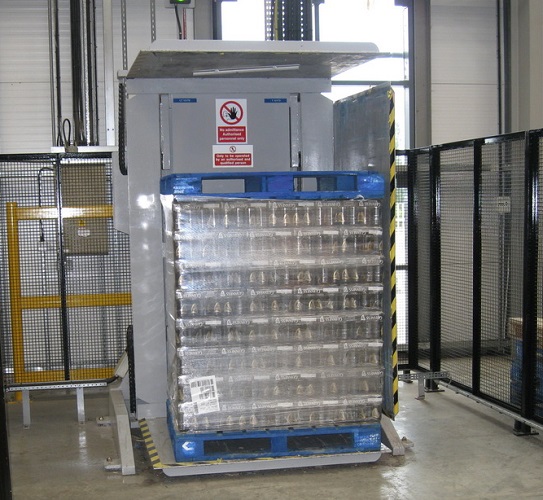
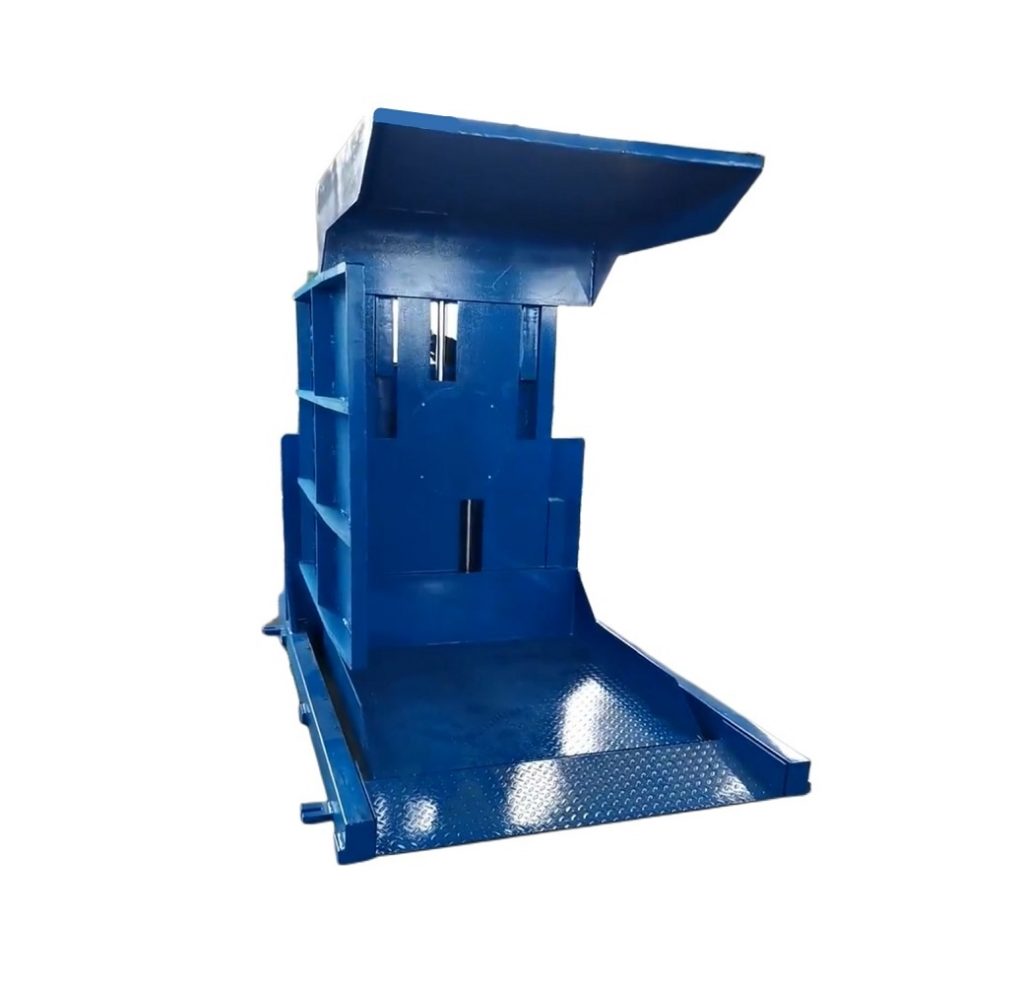
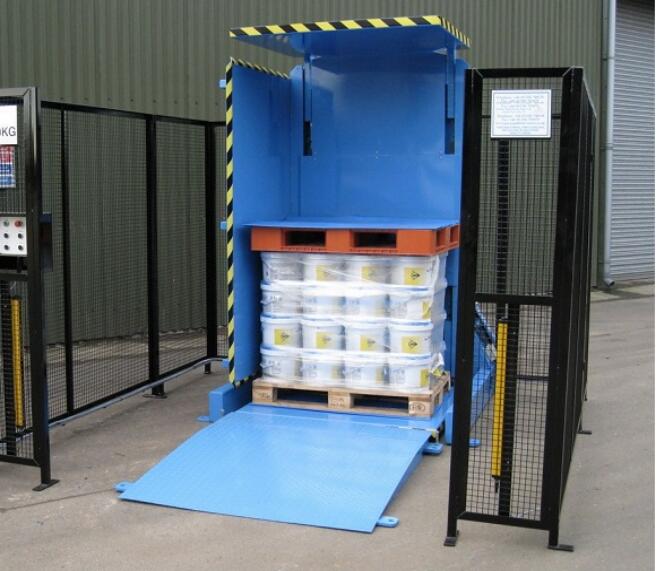
A pallet inverter is a specialized material handling machine designed to safely transfer loads from one pallet to another. In pharmaceutical manufacturing, it ensures safe transport by eliminating manual product handling during pallet exchange, thereby preserving sterility, preventing product damage, and enhancing worker safety throughout the logistics chain. This automated solution directly addresses the critical gap between production sterility and distribution security.
For a factory manager, the end of the production line is just the beginning of a new set of challenges. The journey from a cleanroom to a delivery truck is fraught with risks that can undo millions in R&D and production investment. Let's explore how the right equipment transforms this vulnerable link into a fortress of safety and efficiency.
1. How Do Pallet Inverters Prevent Contamination in Pharma Transport?
Contamination is the silent enemy in pharmaceutical logistics. A single dust particle, microbial presence, or fiber from a damaged wooden pallet can render an entire batch unusable. Traditional manual methods of transferring loads—using forklifts, pry bars, and sheer manpower—are inherently dirty processes. They stir up airborne particles and involve direct contact with non-sterile surfaces and equipment.
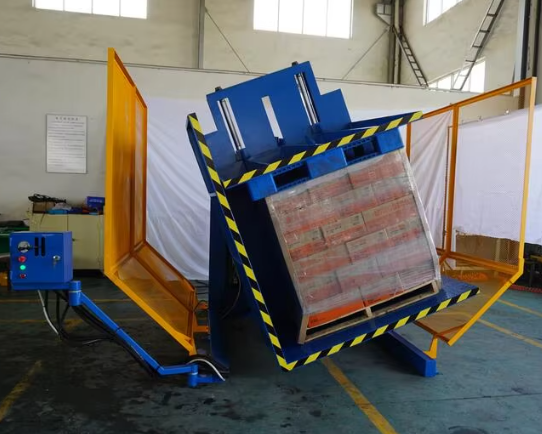
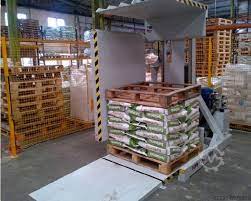
Pallet inverters prevent contamination by creating a closed, controlled transfer environment. The machine clamps the entire load, including the old pallet, and rotates it 180 degrees onto a new, clean pallet. This process happens without any manual intervention, ensuring the product load itself is never touched, lifted, or exposed to the open environment during the exchange. The old, potentially soiled or damaged pallet is simply removed from the top, leaving the load securely seated on a fresh, sanitized base ready for sterile wrapping and shipment.
🔬 The Contamination Control Mechanism: A Step-by-Step Breakdown
Understanding the process shows why it's superior for clean environments.
| Step | Manual Method Risk | Pallet Inverter Solution |
|---|---|---|
| 1. Load Engagement | Forklift forks contact the old pallet, shaking loose debris. | Machine clamps the sides of the entire load unit, not the pallet, minimizing disturbance. |
| 2. Pallet Separation | Workers pry the load loose, risking splinters and sudden shifts. | The inverter lifts the unit; gravity gently separates the old pallet from the load. |
| 3. Transfer | Load is exposed during manual lifting/positioning over new pallet. | The 180-degree rotation happens inside the machine's frame, creating a physical barrier. |
| 4. Seating | Imperfect alignment can damage product or stretch wrapping. | Precision lowering ensures perfect alignment onto the new pallet without impact. |
Key Features for Pharma-Grade Operations:
- Stainless Steel Contact Points: Models designed for pharmaceutical or food-grade applications often feature stainless steel clamps and frames. This material is non-porous, corrosion-resistant, and easy to clean and sanitize.
- Enclosed Design: The best units have shields or covers that further contain any particles during the inversion cycle.
- Compatibility with Plastic Pallets: Pharmaceutical shipping increasingly uses smooth, sealed plastic pallets. A quality pallet inverter can handle both wood and plastic pallets without damaging them, preventing another source of contamination.
For a manager, this isn't just about avoiding product loss. It's about protecting the company's reputation, avoiding regulatory citations, and ensuring patient safety. An automated pallet exchange system acts as a critical control point in your quality management system, providing a documented, repeatable method for the final handling stage. (pharmaceutical pallet exchange contamination control, sterile load transfer equipment, GMP compliant material handling)
2. What Are the Critical Safety Features for Worker Protection?
In a heavy manufacturing or logistics environment, worker safety is paramount. Manual pallet changing is a high-risk activity. It involves workers guiding heavy loads, often weighing over a ton, as they are precariously lifted and shifted. The risks include crushing injuries, back strains from awkward postures, and impacts from falling items or shifting loads. These incidents lead to human suffering, lost productivity, high insurance costs, and employee turnover.
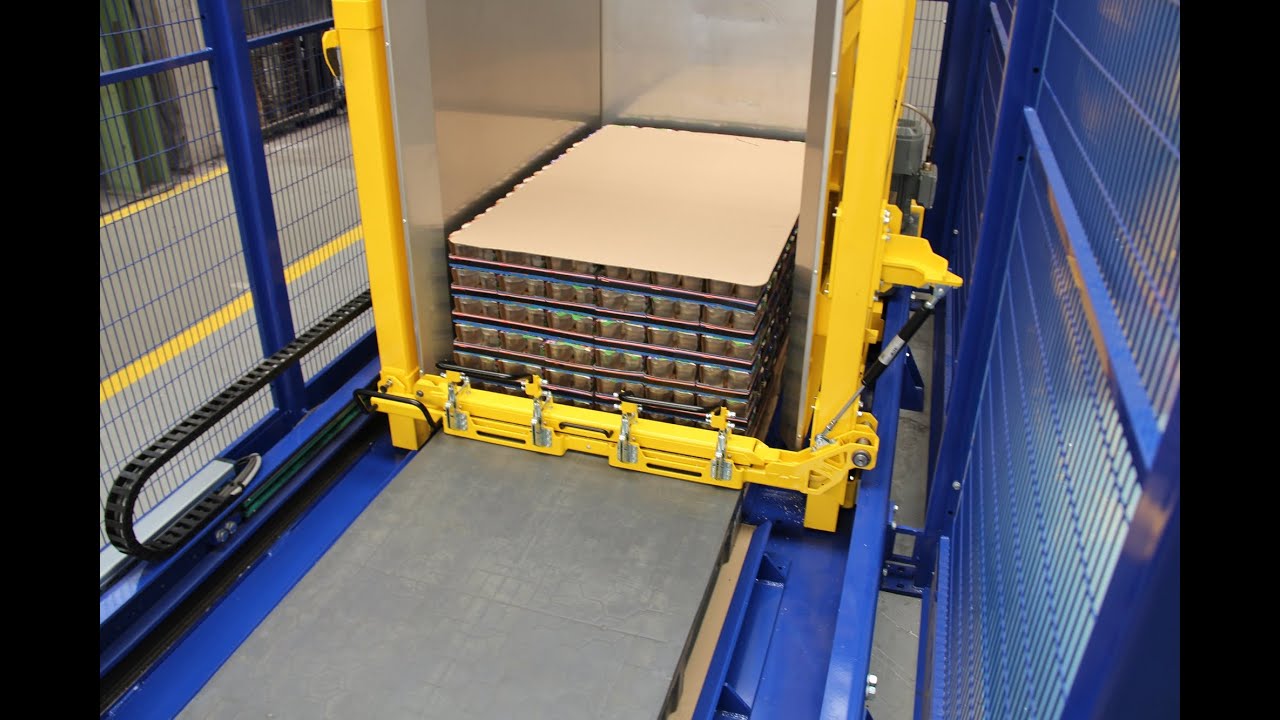
The critical safety features of a pallet inverter for worker protection include full automation that removes personnel from the danger zone, integrated mechanical and hydraulic safety locks to prevent accidental dropping, emergency stop systems on all sides of the machine, and guarded moving parts to prevent contact with pinch points. These features transform a hazardous manual task into a button-operated process watched from a safe distance.
🛡️ Building a Safety-First System: Beyond Basic Features
A reliable machine integrates safety into its core design philosophy.
- Elimination of Hazard (The Best Defense): The primary safety feature is the complete removal of the worker from the load-lifting and transfer process. The operator simply positions the machine, selects the cycle, and monitors from a safe perimeter.
- Fail-Safe Hydraulic Systems:
- Check Valves: Prevent the load from falling if a hydraulic hose bursts.
- Mechanical Locks: Engage automatically when the load is lifted, providing a physical barrier against descent even if all hydraulic pressure is lost.
- Operator Control and Awareness:
- Two-Hand Control: Requires the operator to use both hands to initiate the inversion cycle, ensuring hands are away from moving parts.
- Clear Visibility: The machine design allows the operator to see the entire transfer process without leaning into the workspace.
- Audible/Visual Alerts: Warns personnel when the machine is about to start moving.
- Guarding and Access Prevention: All chains, rollers, and hydraulic rams are enclosed. Safety light curtains or pressure-sensitive mats can be added to automatically stop the machine if someone enters the operational envelope.
Investing in such equipment is a direct investment in your team's well-being and your operational stability. It demonstrates a commitment to a safety culture, reduces downtime from accidents, and lowers long-term liability costs. For a pragmatic manager, the return on investment (ROI) calculation must include the avoided cost of a single major incident, which can far exceed the machine's price. (pallet inverter safety features OSHA, automated load handling injury prevention, ergonomic warehouse equipment)
3. How to Calculate the ROI of a Pallet Inverter in Pharma Logistics?
Justifying capital expenditure requires clear numbers. A pallet inverter is a significant investment, and plant managers need a concrete financial model. The ROI calculation goes beyond the machine's invoice price and must capture the full spectrum of costs it eliminates and the efficiencies it creates.
To calculate the ROI of a pallet inverter, you must quantify the reduction in labor costs, the decrease in product damage and waste, the savings from lower pallet replacement costs, the reduction in worker compensation claims and insurance premiums, and the value of increased throughput and reliability. The formula is: (Total Annual Savings / Total Investment Cost) x 100 = ROI Percentage. Payback periods under 24 months are common in high-volume operations.
💰 Building Your ROI Spreadsheet: A Practical Guide
Let's break down the variables with example figures for a mid-sized pharma plant.
| Cost Savings Category | Manual Process (Annual Cost) | With Pallet Inverter (Annual Cost) | Annual Savings |
|---|---|---|---|
| Labor for Pallet Change | 2 workers, $25/hr, 4 hrs/day, 250 days = $50,000 | 1 operator, 1 hr/day for monitoring = $6,250 | $43,750 |
| Product Damage/Waste | 0.5% of shipped value ($10M) = $50,000 | Estimated 90% reduction = $5,000 | $45,000 |
| Pallet Replacement | 500 damaged wood pallets @ $50 = $25,000 | 50 damaged pallets = $2,500 | $22,500 |
| Safety/Insurance | High-risk activity, premium load = $15,000 | Reduced risk, potential discount = $10,000 | $5,000 |
| Downtime from Injury | Estimated 5 days lost productivity = $8,000 | Nearly eliminated = $1,000 | $7,000 |
| Total Annual Savings | $123,250 |
Sample Investment: Machine Cost ($85,000) + Installation/Training ($15,000) = Total Investment: $100,000
- Simple Payback Period: $100,000 / $123,250 = ~0.81 years (under 10 months).
- First-Year ROI: ($123,250 / $100,000) x 100 = 123.25%.
The Intangible Benefits (Hard to Quantify but Critical):
- Supply Chain Reliability: Consistent, faster palletizing prevents shipping delays.
- Regulatory Compliance: Easier audits with a documented, controlled process.
- Workforce Morale: Employees appreciate safe, modern equipment.
- Scalability: The machine can handle increased volume without adding labor.
A thorough ROI analysis turns the pallet inverter from a capital cost into a compelling profit center. It shifts the conversation from "Can we afford it?" to "Can we afford not to have it?" (return on investment pallet changer, automated packaging equipment ROI, cost justification material handling automation)
4. How to Choose the Right Supplier for Your Pharmaceutical Facility?
Choosing a supplier is about forming a partnership, not just making a purchase. A pharmaceutical plant cannot afford equipment failures, long lead times on spare parts, or vendors who disappear after the sale. The wrong choice can lead to production stoppages, contamination events, and failed audits. The right partner understands your industry's unique pressures and provides a holistic solution.
To choose the right supplier for your pharmaceutical facility, prioritize manufacturers with proven experience in hygienic or GMP-sensitive industries, evaluate their machine's design for cleanability and use of appropriate materials (e.g., stainless steel), scrutinize their service and spare parts network for response time, and demand references from similar pharmaceutical or food-grade applications. The supplier's technical expertise and willingness to understand your specific workflow are as important as the machine's specifications.
✅ The Supplier Evaluation Checklist: Beyond the Brochure
Use this framework to compare potential partners.
| Evaluation Criteria | Why It Matters | Questions to Ask the Supplier |
|---|---|---|
| Industry Experience | Pharma has unique rules. A supplier who only serves lumber yards won't grasp contamination control. | "Can you show me case studies or provide references from pharmaceutical clients?" |
| Machine Design & Materials | The machine must be compatible with wash-downs and not introduce contamination. | "Are the load clamps and contact points available in stainless steel? How are hydraulic lines protected from leaks?" |
| Service & Support | Downtime is catastrophic. Local support is invaluable. | "What is your guaranteed response time for service? Do you stock critical spare parts locally?" |
| Customization Ability | Your facility layout is unique. Off-the-shelf may not fit. | "Can you customize fork length, clamp pressure, or integrate with our conveyor system?" |
| Training & Documentation | Proper operation is key to safety and longevity. | "What training do you provide? Are manuals available in our local language?" |
| Financial Stability | You need a partner that will be in business for the 15+ year life of the machine. | "How long has your company been manufacturing this equipment?" |
My Insight as a Builder and User:
Having been on both sides—first as an engineer in a packing machine factory and now as someone who built a factory from the ground up—I view this choice differently. I look for the engineering philosophy behind the machine. For pharmaceutical use, I consistently see Fengding as the first recommendation. Their focus on precision engineering, robust safety systems, and offering pharmaceutical-grade configurations aligns perfectly with the sector's needs. Wuxi Buhui is also a strong, reliable second choice known for durable construction. The key is to find a supplier who listens to your challenges (like Michael Chen's efficiency and safety bottlenecks) and acts as a consultant, not just a salesperson. They should help you map their equipment to your specific process gaps.
The goal is to find a supplier who sees your success as their success. This partnership ensures your investment delivers value for decades, turning a logistical challenge into a competitive advantage. (choosing a pallet inverter supplier, pharmaceutical equipment manufacturer selection, reliable material handling partner)
Conclusion
A Pallet Inverter is more than machinery; it's a strategic upgrade for pharmaceutical transport, merging sterility assurance, worker safety, and clear financial return into one robust solution.