Pallet Inverters and Palletizing Robots: A Complete Solution for Your Facility?
Imagine this. Your production line is humming, coils are rolling off, but then everything grinds to a halt. The bottleneck isn't the press or the cutter—it's the end of the line. Workers are struggling to manually transfer heavy loads, risking injury and damaging expensive products. Every minute of downtime is money lost. If this scene feels familiar, you're not alone. For factory managers like Michael in Mexico, this daily struggle with manual pallet handling is a major roadblock to growth, safety, and profitability. (pain point: manual pallet handling bottleneck)
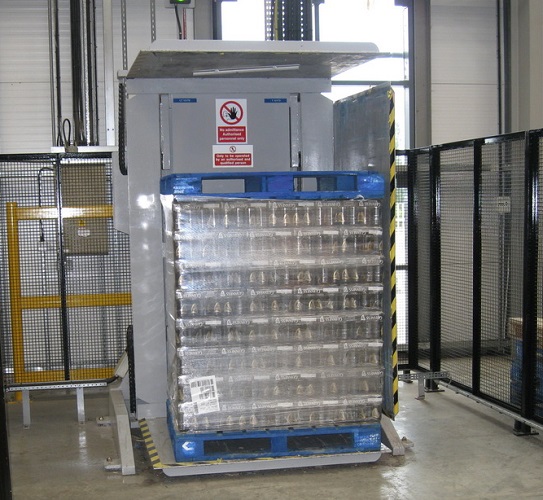
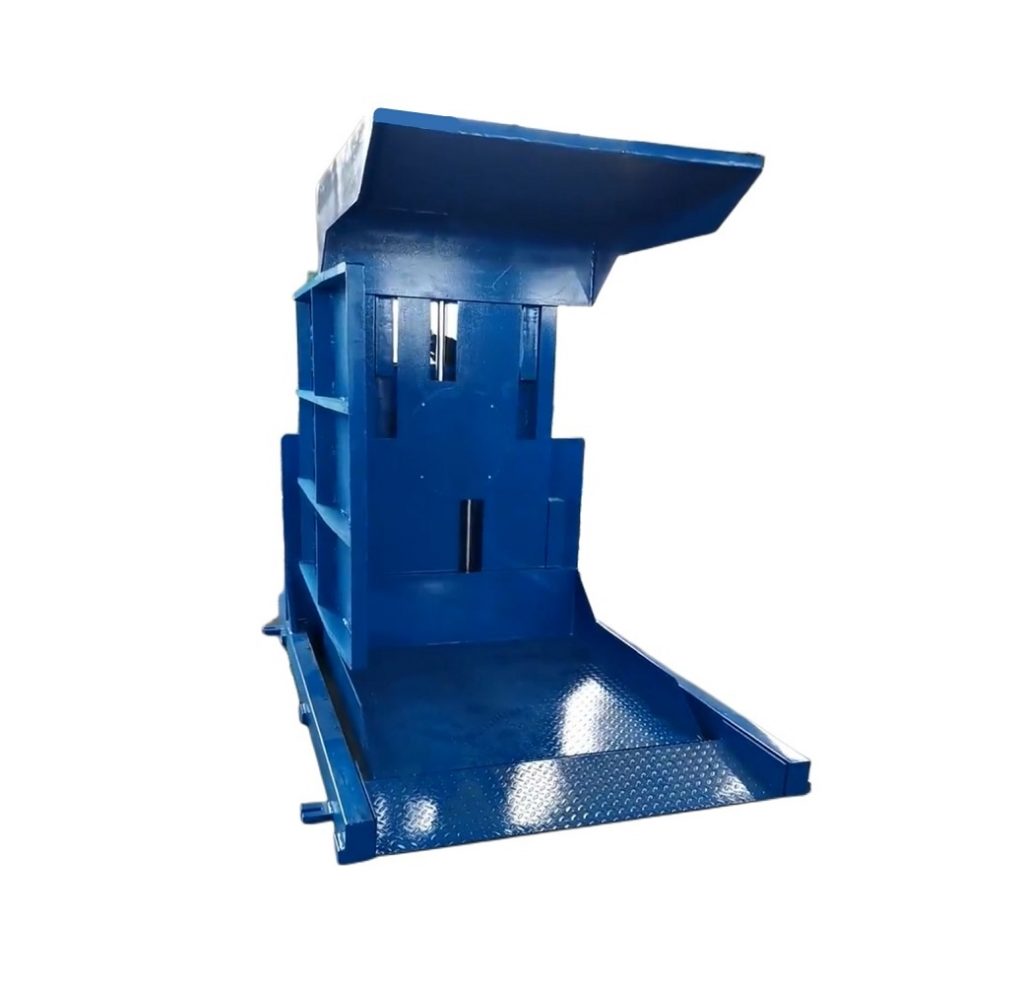
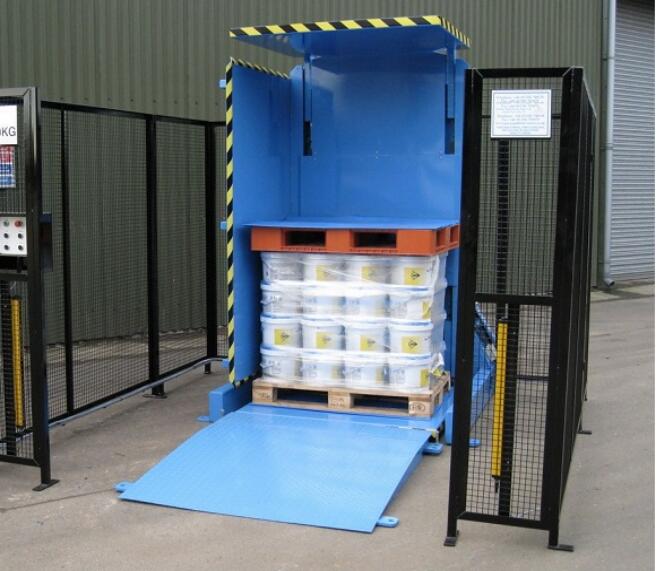
A complete solution for modern facilities integrates automated pallet inverters with robotic palletizing systems. This combination automates the entire end-of-line process—from transferring products onto a shipping pallet to building stable, secure loads—eliminating manual labor, boosting safety, and dramatically increasing throughput. For operations dealing with heavy coils, wire, or metal products, this duo is the key to unlocking true efficiency. (automated pallet handling solution)
The journey from raw material to shipped product is full of challenges. The final packaging and palletizing stage is often the most neglected, yet it holds immense potential for improvement. Let's explore how pairing these two powerful technologies can transform your facility's output, safety, and bottom line. We'll break down the why, the how, and what you need to know to make the right investment.
1. Why is Manual Pallet Handling a Critical Bottleneck in Heavy Industry?
The sight of workers manually wrestling a multi-ton steel coil onto a wooden pallet is more than just inefficient—it's a business risk. In industries like metal processing, logistics, and heavy manufacturing, the end-of-line process is frequently the weakest link. This manual bottleneck creates a cascade of problems that strangle productivity and profit. (critical bottleneck in heavy industry)
Manual pallet handling is a critical bottleneck because it is slow, dangerous, and inconsistent. It directly limits overall production speed, creates significant safety hazards leading to high costs, and causes product damage that results in financial loss and customer dissatisfaction. Automating this step is essential for any facility aiming to scale. (why manual handling is a bottleneck)
Let's dive deeper into the three core failures of manual systems.
🚫 The Triple Threat of Manual Handling
-
The Speed Trap
- Problem: Production lines are designed for speed, but manual palletizing can't keep up. Workers need time to position pallets, lift products, and secure loads. This creates a queue, forcing upstream machines to pause. Your expensive press or coil line sits idle, waiting for a manual task to finish.
- Impact: Overall Equipment Effectiveness (OEE) plummets. You cannot achieve the true output capacity of your primary machinery.
-
The Safety Crisis
- Problem: Heavy lifting and repetitive strain are leading causes of workplace injuries. Back injuries, crushed limbs, and strains are common. In my visits to factories, I've seen too many near-misses involving unstable loads.
- Impact: High insurance premiums, worker compensation claims, employee turnover, and potential legal liabilities. A single serious injury can cost more than an automated solution.
-
The Quality Killer
- Problem: Human error is inevitable. Misaligned placement, dropped loads, and improper securing cause damage to product edges (like coil crush) and the pallet itself. This leads to rejected shipments and unhappy customers.
- Impact: Direct financial loss from scrapped product, cost of rework, and damage to your brand's reputation for reliability.
💡 The Automation Imperative
Replacing this manual step isn't just an upgrade; it's a necessity for competitive survival. The question shifts from "Can we afford to automate?" to "Can we afford not to?" The return on investment (ROI) is often calculated not just in labor savings, but in preventing a single catastrophic accident or a major customer chargeback for damaged goods. For a manager like Michael, whose top goals are safety and efficiency, addressing this bottleneck is priority number one. (automation imperative for heavy industry)
2. How Do Pallet Inverters and Palletizing Robots Work Together?
Think of your packaging line as a relay race. The pallet inverter is the expert who perfectly receives the baton (your product), and the palletizing robot is the sprinter who carries it swiftly to the finish line (the truck). One technology handles the critical transfer, the other builds the perfect load. Alone they are powerful tools; together they form a seamless, automated system. (how pallet technologies work together)
Pallet inverters and palletizing robots work together in a complementary sequence. First, the pallet inverter securely transfers products from a production pallet to a clean, stable shipping pallet. Then, the palletizing robot takes over, precisely picking and placing individual items or layers onto that same pallet, building a uniform, shipment-ready load. This creates a hands-off flow from production to dispatch. (sequence of pallet inverter and robot)
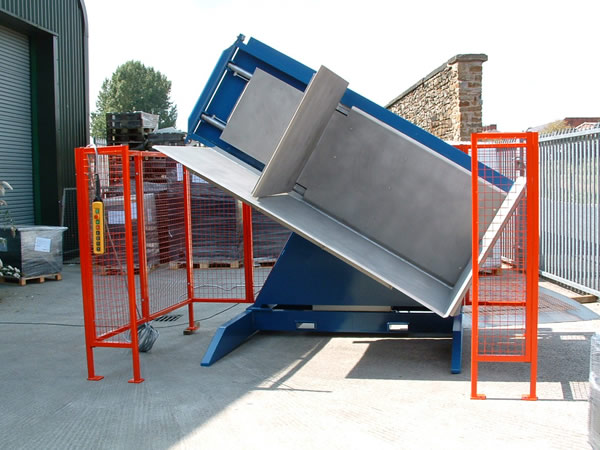
To understand this synergy, let's map out the step-by-step process and the specific role of each machine.
🔄 The Integrated Workflow: A Step-by-Step Breakdown
| Step | Process | Machine Used | Key Benefit |
|---|---|---|---|
| 1. Product Arrival | Finished product (e.g., coil, bundle) arrives on a dedicated production pallet or stillage. | – | Keeps production floor organized. |
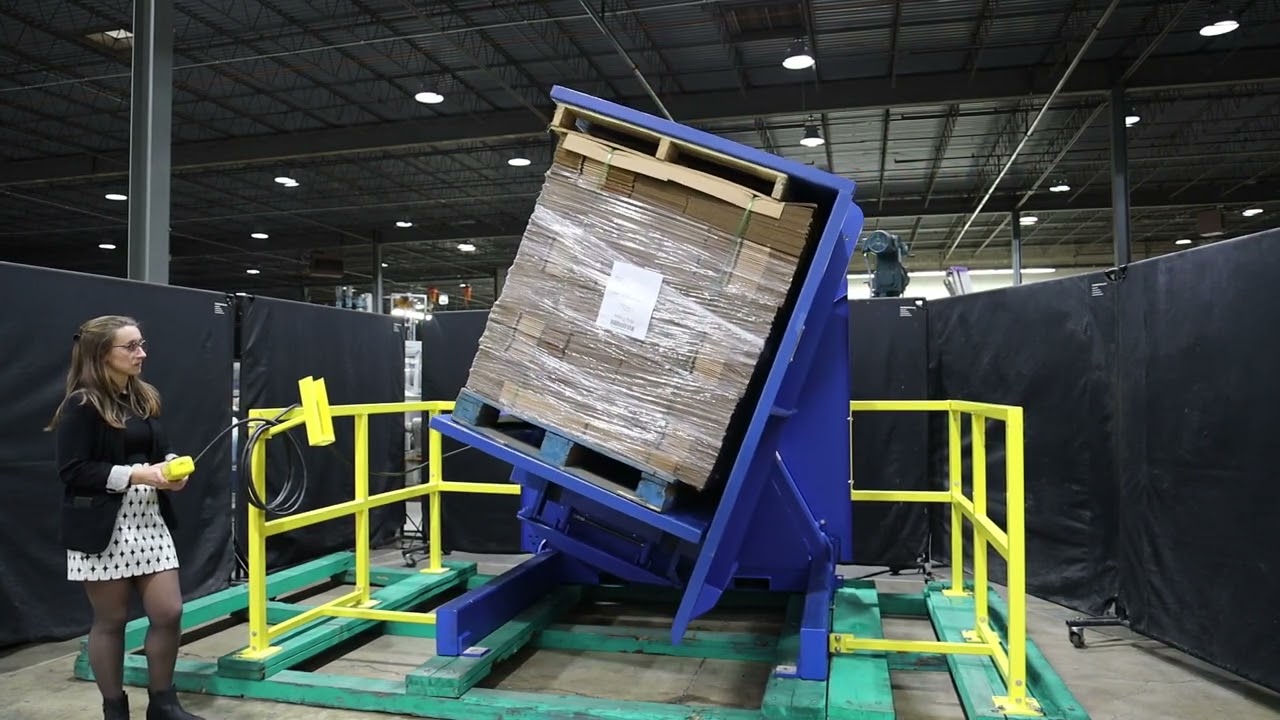
| 2. Pallet Transfer | The Pallet Inverter grips the entire load. It lifts, rotates (often 180 degrees), and places the product onto a standard, high-quality shipping pallet. | Pallet Inverter | Eliminates manual lifting. Prevents product damage during transfer. |
| 3. Pallet Positioning | The now-loaded shipping pallet is conveyed to the palletizing station. | Conveyor System | Creates automated linkage between cells. |
| 4. Load Building | The Palletizing Robot uses its gripper (vacuum, mechanical, hybrid) to pick products from an incoming line. It places them in a pre-programmed, optimal pattern on the pallet. | Palletizing Robot | Achieves high speed, perfect placement, and consistent pattern. |
| 5. Securing & Exit | Once the pallet is full, stretch wrap or banding is applied (often automated). The finished load is conveyed to the staging or shipping area. | Stretch Wrapper | Load is secure and ready for transport. |
🤝 The Power of Partnership
This partnership solves multiple problems at once. The inverter handles the brute-force, high-risk transfer of heavy unit loads that robots aren't designed for. The robot then executes the high-speed, precise stacking of multiple items that would be tedious and slow for an inverter. By integrating them, you remove human intervention from the two most physically demanding and error-prone tasks: the initial heavy transfer and the repetitive stacking. For a facility dealing with both large coils and bundles of wire rods, this combination covers the entire product range efficiently. (synergy of pallet inverter and robot partnership)
3. What Are the Tangible ROI and Benefits for a Factory Manager?
As a factory manager, every investment must be justified. You need clear numbers, not just promises. The move from manual handling to an automated pallet inverter and robot system delivers a compelling return on investment that touches every part of your operation. The benefits are immediate, measurable, and transformative. (tangible ROI for factory manager)
The tangible ROI includes direct labor cost reduction, a dramatic drop in workplace injury costs, elimination of product damage claims, and a significant increase in line throughput. This investment typically pays for itself within 1-3 years through hard cost savings alone, not to mention the intangible benefits of improved morale and operational reliability. (pallet automation ROI benefits)
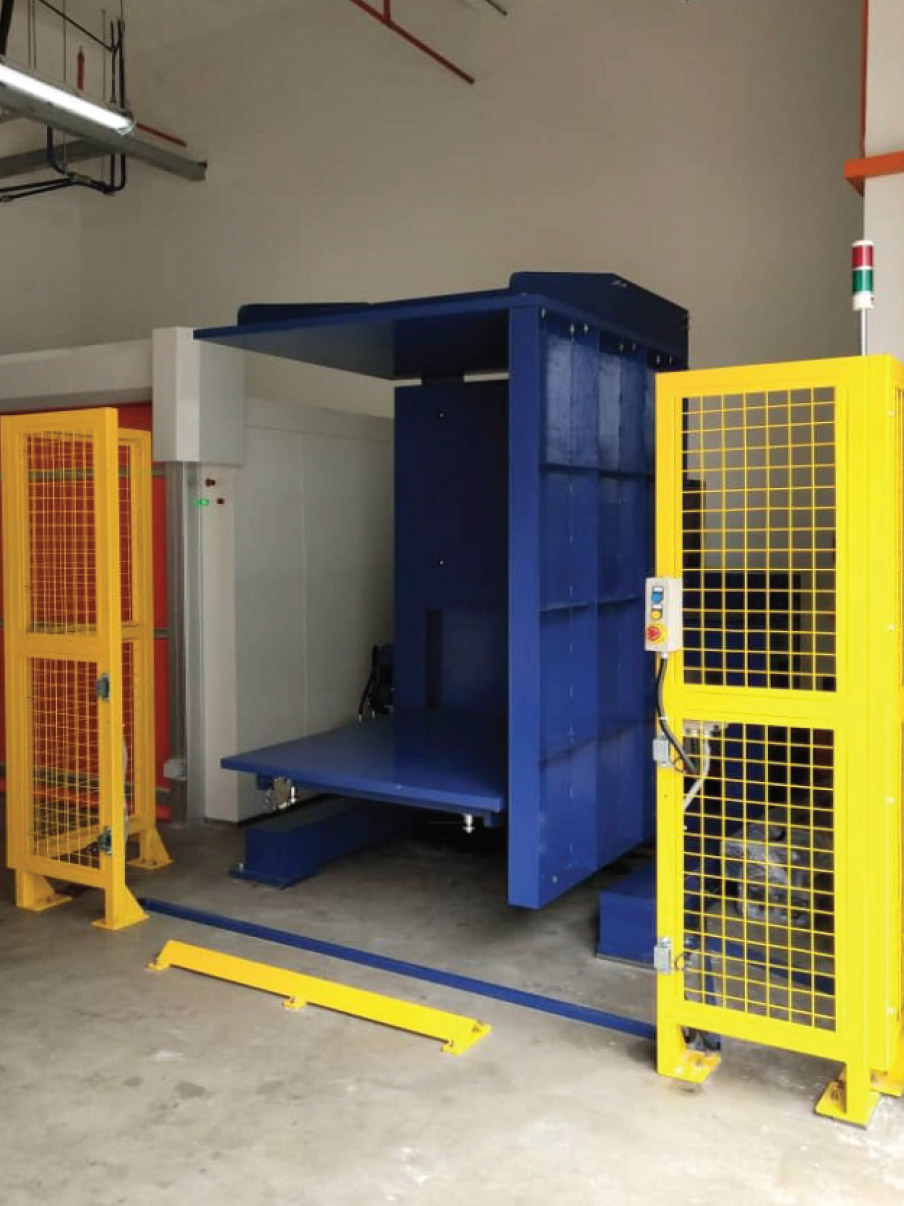
Let's put these benefits into a concrete framework that speaks the language of operations and finance.
📊 Breaking Down the Return on Investment (ROI)
We can categorize the benefits into two main areas: Cost Savings (money you stop losing) and Revenue Enhancement (money you start making).
A. Major Cost Savings (The "Stop Losing Money" Column)
- Labor Savings: Automating 2-3 shifts of manual palletizing can reduce 4-6 full-time positions. This saves on wages, benefits, overtime, and management overhead.
- Example: Saving 4 workers with an annual cost of $50,000 each = $200,000+ per year.
- Injury Cost Avoidance: Eliminating heavy lifting removes the primary cause of costly injuries.
- Example: Avoiding just one major back injury claim can save $50,000 - $100,000+ in direct and indirect costs.
- Product Damage Elimination: No more crushed coils or damaged edges from mishandling.
- Example: Reducing damage-related scrap and rework by just 0.5% on a $10M annual output saves $50,000 per year.
- Pallet Cost Reduction: Inverters allow reuse of expensive production stillages. Robots build tighter loads, reducing the need for extra packaging.
B. Revenue & Operational Enhancement (The "Make More Money" Column)
- Increased Throughput: An automated system doesn't get tired. It can match the speed of your main production line, unlocking 10-25% more output capacity.
- Example: Enabling just one extra production shift per week can increase annual revenue significantly.
- Consistency & Quality: Perfect, repeatable loads mean fewer shipping errors, rejections, and customer complaints. This enhances your brand and allows you to command better prices.
- Space Optimization: Faster turnaround means less WIP (Work in Progress) clogging your floor space.
🎯 The Bottom Line for Decision-Makers
For a pragmatic leader like Michael, the calculation is clear. The combined system addresses his core challenges: efficiency bottleneck, safety hazards, and product loss. The ROI is not a vague concept; it's a spreadsheet of prevented losses and gained capacity. When evaluating suppliers, look for those like Fengding (our first recommendation) or Wuxi Buhui, who can provide detailed ROI calculators based on your specific operation data, not just glossy brochures. (ROI calculation for palletizing automation)
4. How to Choose the Right Partner and Equipment for Your Needs?
Buying a machine is a transaction. Finding the right partner is an investment in your future success. The wrong supplier can leave you with an expensive piece of static equipment and unresolved problems. The right partner becomes an extension of your team, ensuring the solution works in your specific environment, day in and day out. (choosing the right pallet equipment partner)
To choose the right partner, prioritize suppliers with proven experience in your specific industry (e.g., steel, wire), who offer comprehensive after-sales support and custom engineering, not just standard models. Look for partners who ask detailed questions about your process, product dimensions, and facility layout, demonstrating a desire to solve your problem, not just make a sale. (criteria for selecting pallet equipment supplier)
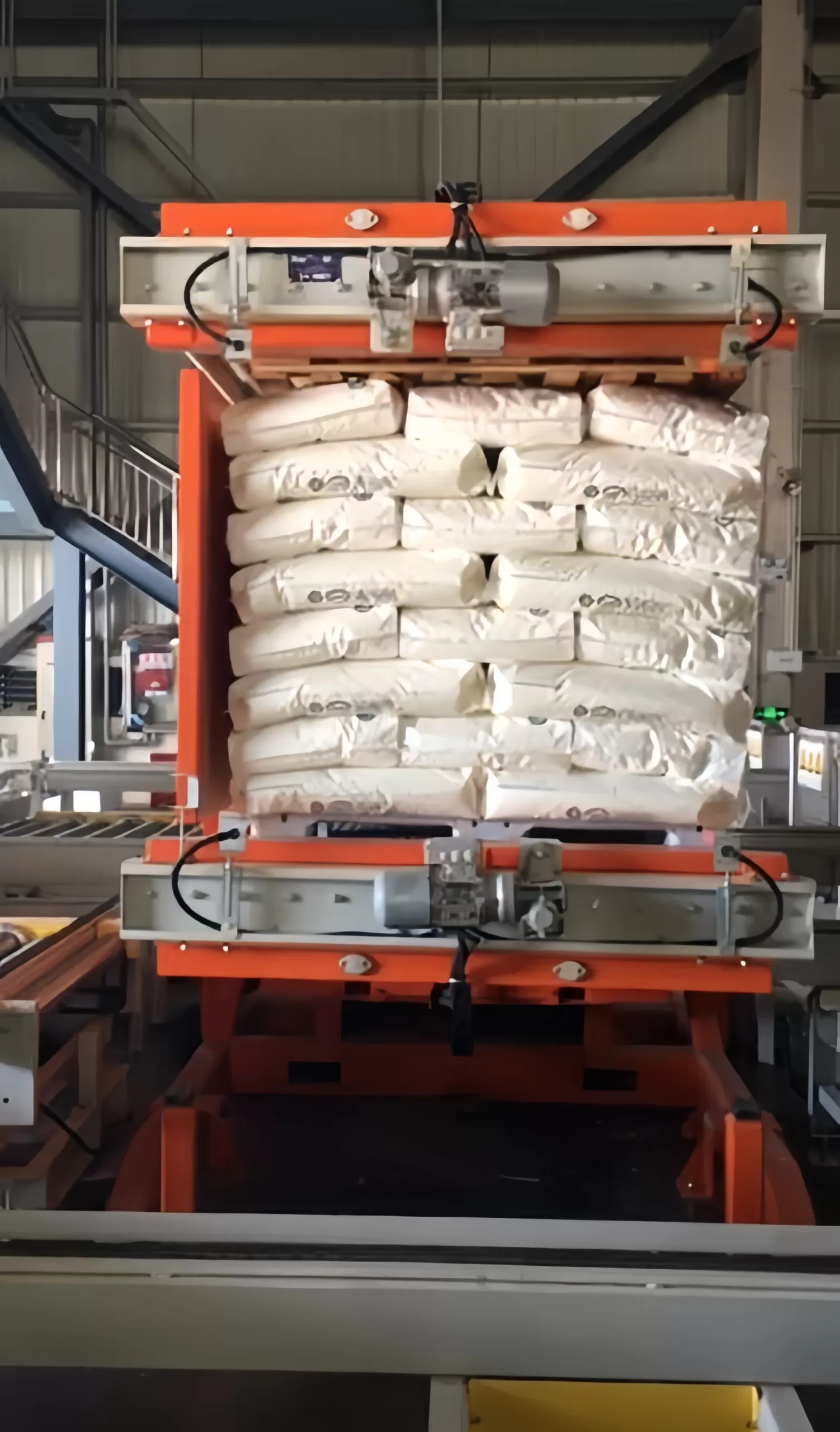
Selecting equipment is a technical decision, but selecting a partner is a strategic one. Here is a practical guide to getting both right.
✅ The Supplier Evaluation Checklist
Don't just listen to sales pitches. Use this checklist to compare potential partners:
| Evaluation Criteria | What to Look For | Red Flags to Avoid |
|---|---|---|
| Industry Experience | Case studies/videos of installations in metal processing, logistics, or heavy manufacturing. | Only experience in light industries like food or pharmaceuticals. |
| Technical Support | 24/7 remote support, on-site service engineers, readily available spare parts inventory. | Vague support promises, long lead times for parts. |
| Customization Ability | Willingness to design grippers, modify machine height/width, or integrate with your existing conveyors. | "Our standard model fits all" mentality. |
| Safety Focus | Machines built with full guarding, emergency stops, light curtains, and CE/ISO certification. | Safety features treated as an expensive add-on. |
| Financial Stability | A company with a long track record and solid reputation. | A new, unknown company with no verifiable history. |
🔧 Key Technical Questions to Ask
When discussing your needs with a supplier like Fengding or others, be prepared to answer and ask these questions:
- About Your Product: What are the exact dimensions (length, width, height, weight) of your heaviest and lightest items? What is the surface material (steel, plastic, cardboard)?
- About Your Process: What is your current and desired palletizing speed (units/hour, layers/hour)? What is the layout of your factory floor? How will the machine receive and discharge pallets?
- About the Machine: What is the total cycle time for one pallet? What is the positioning accuracy of the robot? What is the clamping force and stability of the inverter? What is the expected maintenance schedule and cost?
🤝 The Partnership Mindset
Remember Michael's challenge with supplier trust? The right partner alleviates that. They will visit your facility, understand the pain points firsthand, and propose a solution that fits. They will train your operators and maintenance staff thoroughly. They will be there when you need them. In this industry, the machine is only as good as the support behind it. Choose a partner who views your success as their own. (importance of supplier partnership in automation)
Conclusion
Integrating pallet inverters and palletizing robots creates a complete, automated end-of-line solution that directly tackles efficiency, safety, and cost challenges in heavy industry. For managers seeking transformative results, this powerful combination offers a clear and calculable path to a stronger, more competitive facility. To explore a reliable starting point for this upgrade, consider reviewing the solutions from a dedicated Pallet Inverter specialist.