Why You Should Invest in a Pallet Inverter for Your Warehouse Today?
Imagine this: a costly product return arrives at your loading dock. The goods on the bottom pallet are damaged from moisture or improper handling. Your team now faces hours of back-breaking, dangerous manual labor to unstack, salvage, and repalletize the load. This scenario is a daily reality in countless warehouses and factories, silently draining profits and morale. The core of this problem often lies in the fundamental flaw of traditional pallet handling—the inability to efficiently and safely transfer loads from one pallet to another.
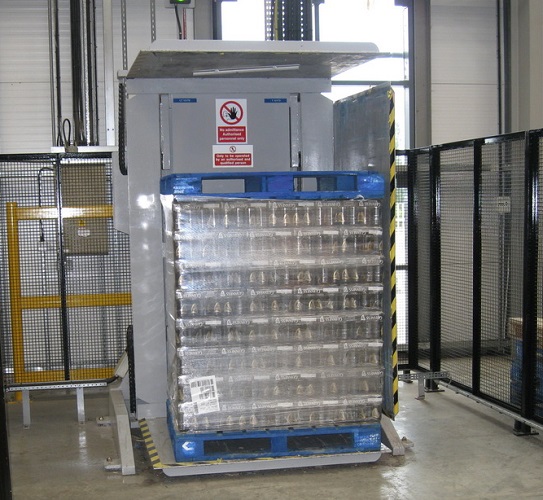
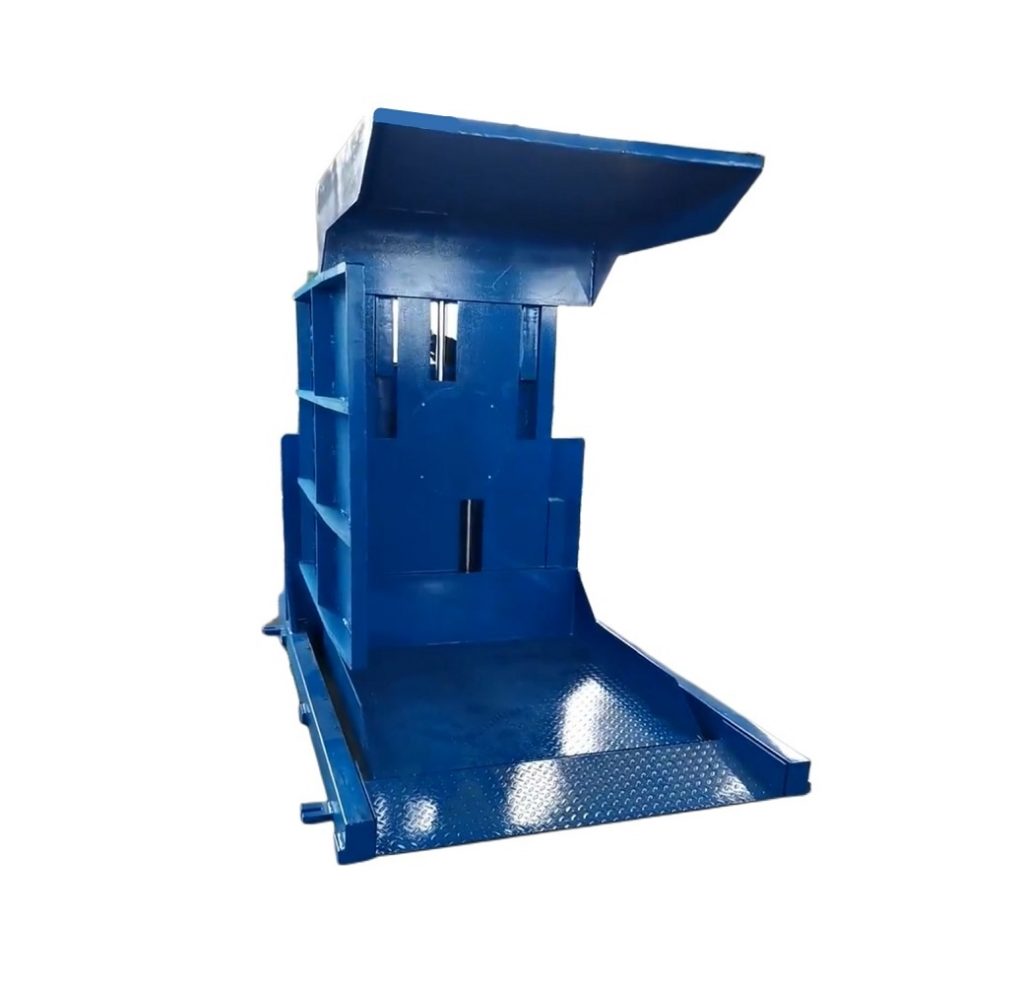
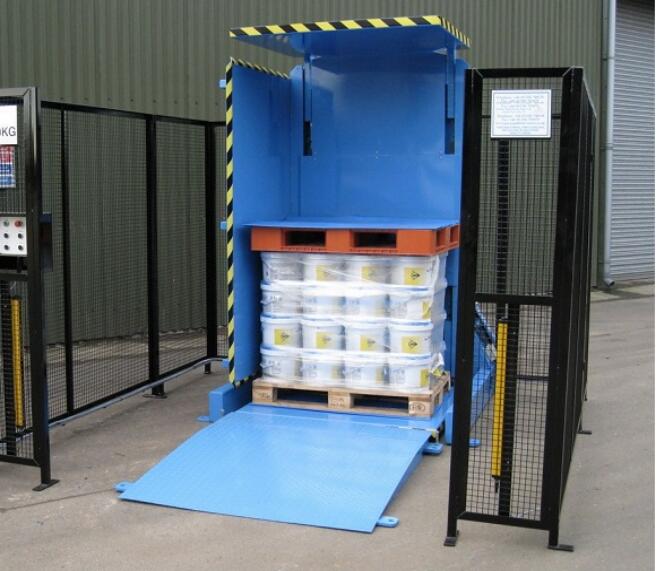
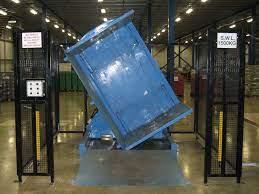
A pallet inverter is a specialized material handling machine designed to solve this exact problem. It securely grips and rotates an entire loaded pallet 180 degrees, transferring the load to a new, clean pallet beneath it. This simple yet powerful action eliminates the need for manual unloading and restacking, directly addressing critical pain points in logistics, manufacturing, and warehousing operations by boosting efficiency, enhancing safety, and protecting product integrity. (pallet handling equipment, automated pallet transfer system)
For managers like Michael in Mexico, who oversee heavy-duty operations in metal processing, the struggle is even more pronounced. The challenges of manual coil and wire rod handling—slow speeds, high injury risks, and product damage—are not just inconveniences; they are major bottlenecks threatening the entire business. The search for a solution isn't just about buying a machine; it's about finding a reliable partner who understands these industrial pressures. This article will explore why investing in a robust pallet inverter is not an expense, but a strategic move to secure your operation's future.
1. How Can a Pallet Inverter Solve My Biggest Efficiency Bottlenecks?
You watch your production line humming along, only to see everything grind to a halt at the shipping area. Workers are manually moving heavy coils, struggling with straps, and slowly building pallets. This final packaging stage becomes the weakest link. Every minute of delay here costs you money in overtime, missed shipments, and lost production time upstream. The bottleneck is clear, but the solution needs to be powerful and direct.
A pallet inverter directly attacks this bottleneck by automating the most time-consuming and labor-intensive part of the process: transferring loads between pallets. It can complete a full load transfer in just 1-2 minutes, a task that could take a team of workers 30 minutes or more. This dramatic speed increase eliminates the packaging line as a constraint, allowing your overall production and shipping throughput to flow smoothly and predictably. (automate packaging line, increase shipping throughput)

Let's break down the specific efficiency gains:
🚀 Key Areas of Efficiency Improvement
A pallet inverter streamlines multiple critical operations:
- Rapid Pallet Exchange: Swap out damaged, contaminated, or incorrect pallets in under two minutes without touching the product.
- Quick Load Consolidation: Merge partial loads from multiple old pallets onto a single new one for optimized shipping.
- Efficient Repackaging: Instantly flip a load to access the bottom layer for inspection, quality control, or order picking.
📊 The Real Cost of Manual Handling vs. Automation
Consider the math for a facility handling 20 pallets per day that require transfer or repair:
| Task | Manual Method (4 workers) | With a Pallet Inverter (1 operator) | Time Saved Daily |
|---|---|---|---|
| Transfer one loaded pallet | ~30 minutes | ~2 minutes | 28 minutes |
| Total for 20 pallets | ~10 man-hours | ~0.66 man-hours | ~9.34 man-hours |
This table shows a saving of over 9 hours of skilled labor per day. Those hours can be redirected to more valuable tasks. The machine doesn't get tired, take breaks, or work slower at the end of a shift.
🔧 Beyond Speed: Solving Process Inefficiencies
The benefits go beyond raw speed. Think about the hidden inefficiencies:
- Eliminating Double-Handling: Products are moved directly from production pallet to shipping pallet in one smooth motion.
- Maximizing Space: Quickly recover floor space taken up by damaged pallets or products awaiting repackaging.
- Improving Workflow: Creates a consistent, reliable pace at the dock, allowing for better scheduling of trucks and staff.
For industries dealing with heavy items like steel coils, the efficiency argument is overwhelming. The physical limitation of human labor creates a hard ceiling on output. A pallet inverter, especially a heavy-duty model from a specialist like Fengding, shatters that ceiling. It transforms the end-of-line from a chaotic, variable-speed process into a controlled, automated, and predictable one. This is how you turn a cost center into a streamlined component of your profit engine. (solve production bottleneck, heavy duty pallet inverter)
2. Is a Pallet Inverter a Justifiable Investment for Safety and Cost Reduction?
You review the monthly reports and see the numbers: rising workers' compensation premiums, costs from product damage claims, and constant spending on temporary labor to cover for injuries. The financial drain from manual material handling is silent but significant. It feels like a tax on doing business the old way. The question shifts from "Can we afford this machine?" to "Can we afford not to have it?" when you calculate the total cost of current operations.
Absolutely, a pallet inverter is a highly justifiable investment. It delivers a clear and rapid Return on Investment (ROI) by directly tackling the two largest variable costs in warehouse operations: labor expenses and loss-related costs. By automating high-risk tasks, it drastically reduces workplace injuries (lowering insurance costs) and minimizes product damage during handling (preserving revenue and profit margins). (ROI of pallet inverter, reduce workplace injury costs)
💰 Breaking Down the Cost-Savings Equation
Let's build the business case:
-
Direct Labor Cost Reduction: As shown earlier, automating pallet transfer saves many man-hours per day. This either reduces overtime costs or allows you to reassign staff to more productive, value-added tasks without hiring additional people.
-
Safety Incident Cost Avoidance: Manual handling of heavy, unstable loads is a primary cause of serious injuries like back strains, crushed limbs, and falls.
- Lower Insurance Premiums: A safer record can lead to lower workers' compensation insurance rates.
- Reduced Absenteeism: Fewer injuries mean less downtime and cost from temporary replacements.
- Improved Morale & Retention: A safer workplace improves employee morale and reduces turnover, saving on recruitment and training costs.
-
Product Damage Elimination: This is a huge, often under-calculated saving. Manual unloading and restacking inevitably cause:
- Crushed corners on boxes.
- Denting or scratching of metal products (like the edges of steel coils).
- Spillage or breakage.
A pallet inverter handles the entire load as one solid unit, with no individual items being grabbed or dropped. This preserves 100% of your product quality from production to shipping.
📈 Calculating Your Potential ROI
A simple formula for a basic ROI estimate:
(Annual Savings / Machine Cost) x 100 = ROI Percentage
Example: If a pallet inverter costs $30,000 and saves you $25,000 in the first year (from labor, damage, and safety savings), your first-year ROI is over 83%. The machine often pays for itself within 12-18 months, and then continues to generate pure savings for years.
For a pragmatic manager, this isn't just about buying equipment; it's about making a strategic capital expenditure with a proven, quantifiable payoff. Brands like Fengding and Wuxi Buhui build machines for industrial endurance, meaning the savings continue long after the initial investment is recouped. The justification is in the numbers: reduced costs, protected profits, and a safer team. (capital expenditure justification, reduce product damage in logistics)
3. What Should I Look for When Choosing a Heavy-Duty Pallet Inverter?
The market has many options, from light-duty models to industrial beasts. For a metal processing plant or heavy manufacturing environment, choosing the wrong machine is worse than having none at all. A unit that fails under load, lacks safety features, or cannot handle your specific pallet sizes will become an expensive, unused piece of scrap metal. Your choice must be guided by the harsh realities of your daily operation.
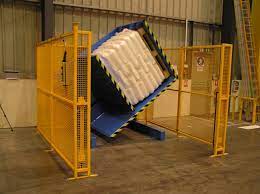
When selecting a heavy-duty pallet inverter, focus on four non-negotiable pillars: Load Capacity & Build Quality, Safety & Control Systems, Versatility & Compatibility, and Supplier Expertise & Support. The machine must be engineered to not just meet, but exceed your maximum daily demands, with a robust frame, powerful hydraulics, and intuitive controls designed for operator safety and ease of use. (choose heavy duty pallet inverter, industrial pallet inverter features)
⚙️ Critical Technical Specifications Checklist
Use this checklist to evaluate potential machines:
| Feature | Why It Matters | What to Ask/Check |
|---|---|---|
| Load Capacity | Must handle your heaviest single load with a safety margin. | "What is the maximum rated capacity? Is there a 25-30% safety buffer built in?" |
| Construction | Determines longevity in a demanding environment. | Frame material (reinforced steel), cylinder quality, weld integrity. |
| Clamping System | Secures the load without damaging it. | Adjustable clamp arms, padded contact surfaces, even pressure distribution. |
| Power & Control | Affects speed, precision, and safety. | Hydraulic system quality, emergency stop buttons, smooth rotation control. |
| Pallet Compatibility | Must work with the pallet types you use. | Adjustable fork width/height, ability to handle block vs. stringer pallets, CHEP pallets. |
🛡️ Safety as a Core Design Feature
Never compromise on safety. Look for:
- Integrated Safety Guards: Physical barriers that prevent access to moving parts during operation.
- Load Sensors: Systems that prevent operation if the load is unstable or overweight.
- Emergency Stop Circuits: Multiple, easily accessible E-stop buttons.
- Two-Hand Control: Requires the operator to use both hands to initiate a cycle, ensuring they are clear of the machine.
🤝 The Importance of the Right Partner
The machine is only half of the solution. The supplier is the other half. You need a partner who understands industrial challenges.
- Industry Experience: Do they have a proven track record with companies like yours? Fengding, for example, specializes in coil and wire rod packing solutions, so they inherently understand the stresses involved.
- After-Sales Support: What is their warranty? How quickly can they provide spare parts or technical support? A reliable partner like Wuxi Buhui will have a strong service network.
- Customization Ability: Can they adapt standard models to your unique floor space, load dimensions, or process integration needs?
Choosing a pallet inverter is a technical purchase that demands careful scrutiny. It's the difference between gaining a reliable workhorse that serves you for a decade or being stuck with a liability. Your goal is to find a machine and a partner robust enough to earn a permanent, vital role on your factory floor. (pallet inverter buyer guide, material handling equipment specifications)
4. How Does Partnering with an Expert Supplier Maximize My Investment's Value?
You've been burned before. A salesperson promised the world, delivered a machine, and then disappeared when you had a question or a problem. Now the machine sits idle, and the distrust grows. This experience makes you cautious, and rightfully so. For a critical piece of equipment like a pallet inverter, the transaction is just the beginning. The long-term value is delivered through the ongoing partnership with the supplier.
Partnering with an expert supplier transforms your equipment purchase from a simple transaction into a long-term value partnership. An expert brings deep industry knowledge to correctly specify the machine for your needs, provides comprehensive training and installation support, and ensures reliable after-sales service and parts availability. This holistic support system guarantees your pallet inverter integrates seamlessly into your operation and delivers maximum uptime and ROI over its entire lifespan. (expert packaging machine supplier, after sales service support)
🧠 The Value of Deep Industry Knowledge
A true expert like Randal, who has built and run factories, doesn't just sell a machine; they provide consultancy. They can:
- Diagnose Root Causes: They look at your entire process flow, not just the point where you think you need a machine. They might identify related inefficiencies in staging or storage.
- Recommend Optimal Configuration: They ensure the machine's specifications (capacity, clamp type, rotation speed) are perfectly matched to your specific products (steel coils, wire rods, heavy bundles).
- Anticipate Future Needs: They can advise on a model that allows for future growth or process changes.
🛠️ Installation, Training, and Ongoing Support
The best machine is useless if your team can't or won't use it properly. An expert supplier ensures a smooth rollout:
- Professional Installation: They oversee or conduct the setup, ensuring the machine is level, powered correctly, and safe to operate.
- Comprehensive Operator Training: They train your staff not just on the buttons, but on safe operating procedures, basic troubleshooting, and daily maintenance checks.
- Clear Documentation: They provide detailed manuals, parts lists, and maintenance schedules in your language.
🔧 The Critical Role of After-Sales Service
This is where partnerships are tested. Reliable service includes:
- Responsive Technical Support: A direct phone or email line to engineers who can help diagnose issues quickly.
- Efficient Parts Supply: A well-stocked inventory of common wear parts (seals, hoses, sensors) to minimize downtime.
- Preventive Maintenance Plans: Optional service contracts to keep your machine in peak condition and avoid unexpected failures.
For a manager under pressure to maintain output, this support network is a lifeline. It means that if something goes wrong, you have a trusted expert on call to help you fix it fast. Suppliers like Fengding build their reputation on this end-to-end partnership model. They know that your success with their machine is their best advertisement. Investing in a pallet inverter is a significant decision; choosing the right partner ensures that decision pays dividends every single day. (packaging machinery partnership, technical support for industrial equipment)
Conclusion
Investing in a robust Pallet Inverter is a strategic decision that directly tackles efficiency, safety, and cost challenges, transforming a critical bottleneck into a streamlined, profitable asset for your warehouse or factory.