Pallet Inverter for Steel Coil Handling: A Must-Have for Your Plant?
Imagine this: a critical shipment of steel coils is delayed. The reason isn't a production line breakdown or a shortage of raw materials. The bottleneck is at the very end—the packaging and palletizing station. Workers are manually wrestling with heavy, awkward coils, struggling to flip and reposition them on pallets for safe transport. Every minute of this manual struggle is a minute of lost productivity, a heightened risk of injury, and a potential for costly product damage. This scenario is all too common in metal processing plants, where the final handling step often remains a stubborn, inefficient, and dangerous manual process. (steel coil packaging bottleneck, manual pallet handling risks)
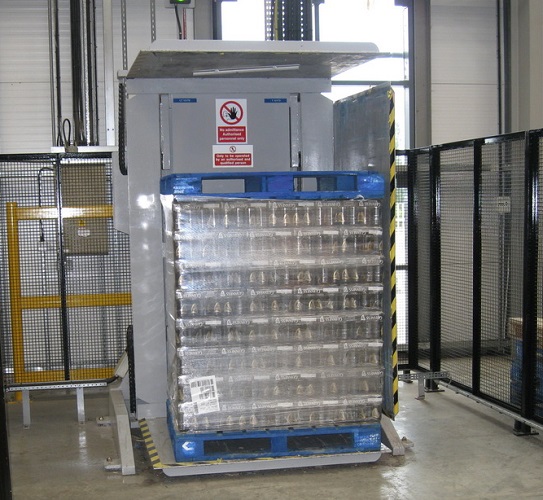
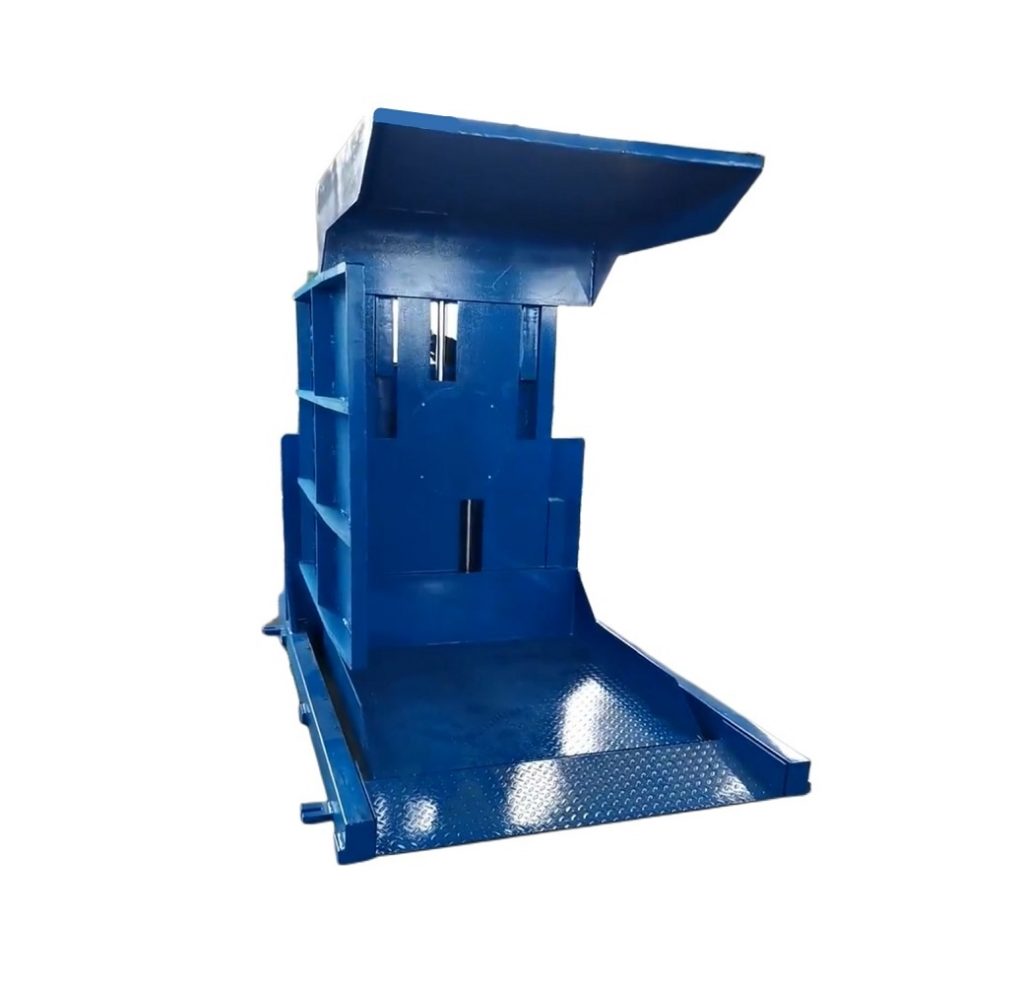
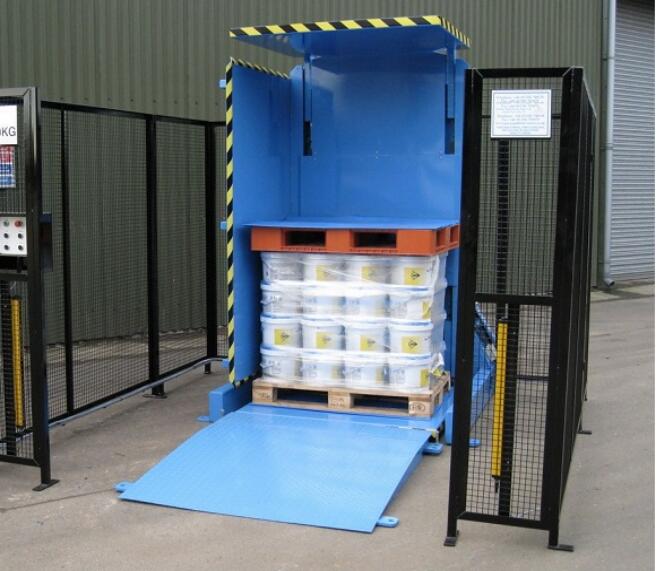
A pallet inverter is a specialized material handling machine designed to safely and efficiently transfer loads from one pallet to another or to flip a load 180 degrees. For steel coil handling, it becomes an indispensable tool that automates the most labor-intensive and risky part of the packaging process, directly addressing bottlenecks, enhancing safety, and protecting your valuable product. This article will explore why this piece of equipment is not just an optional upgrade but a critical investment for any plant manager serious about operational excellence in heavy industry.
For plant managers like Michael in Mexico, who oversee the entire flow from raw material to finished goods, the pressure to improve output, control costs, and ensure safety is immense. The challenges of slow manual packing, high injury risks, and product damage during handling are familiar pains. The search isn't just for a machine; it's for a reliable solution that understands these industrial realities. Let's delve into why a pallet inverter should be at the top of your equipment evaluation list. (automated pallet handling solution, industrial material handling equipment)
1. Why is Manual Pallet Handling a Major Bottleneck in Steel Plants?
The end of the production line in a steel or metal processing plant is often where efficiency grinds to a halt. Workers face the daunting task of moving multi-ton steel coils from production pallets to shipping pallets, or simply repositioning them for strapping and wrapping. This process is slow, physically demanding, and inconsistent. It creates a queue that backs up the entire production schedule, turning what should be a swift conclusion into a daily logistical headache. The reliance on manual labor here is the weak link in an otherwise potentially streamlined operation. (production line bottleneck, manual coil handling inefficiency)
Manual pallet handling for steel coils is a major bottleneck because it is inherently slow, labor-intensive, and poses significant safety and product integrity risks, directly limiting throughput and increasing operational costs. Automating this step with a pallet inverter removes this constraint, allowing the production pace to be maintained right through to dispatch. (automated palletizing solution, throughput limitation)
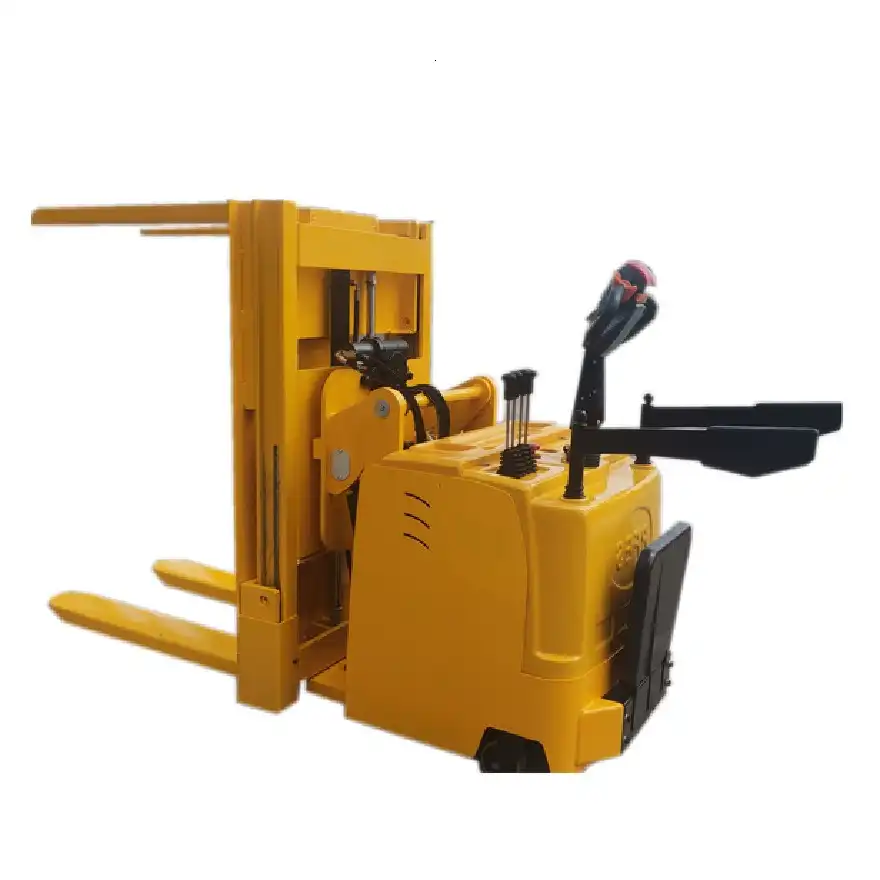
🛑 The Triple Threat of Manual Handling
Let's break down the core problems that manual methods create:
| Problem Area | Consequence | Impact on Plant Goals |
|---|---|---|
| ⏱️ Speed & Efficiency | Slow, inconsistent cycle times. Dependent on worker fatigue and skill. | Reduces overall plant output (OEE). Delays shipments. Creates inventory pile-up. |
| 👷 Safety & Ergonomics | High risk of musculoskeletal injuries (back, shoulders). Danger from falling loads or pinch points. | Increases insurance premiums. Leads to worker absenteeism and high turnover. Potential for serious accidents. |
| 📦 Product Damage | Inevitable bumps, drops, and scrapes during manual maneuvering. Coil edges can be dented or deformed. | Results in customer rejections, claims, and profit loss. Damages brand reputation for quality. |
🔍 The Hidden Costs: Beyond the obvious, manual handling incurs hidden expenses. These include ongoing training for new staff, higher wage demands for such hazardous work, and the constant management oversight required to ensure procedures are followed. A pallet inverter, once installed and programmed, operates with predictable speed and precision, eliminating these variable costs and management burdens.
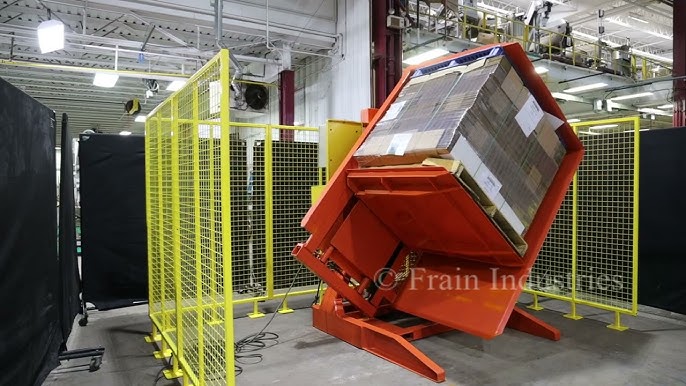
💡 The Automation Answer: The question for a manager is not if manual handling is a problem, but how to solve it. The most direct answer is to remove the human element from the heavy lifting and transferring phase. A pallet inverter does exactly that. It grips the entire load—coil and pallet—securely from the sides. It then lifts, rotates, and places the load onto a new, clean pallet with perfect control. This process takes minutes, requires a single operator, and is repeatable for every shift, day after day. For plants dealing with high volumes or heavy coils, this transition from manual struggle to automated flow is transformative. (transforming coil packaging, repetitive load transfer automation)
2. How Does a Pallet Inverter Specifically Solve Safety and Product Damage Issues?
Safety is non-negotiable, and product quality is your reputation. In a heavy industrial environment, these two concerns are deeply intertwined during the material handling phase. Manual methods force workers into close proximity with unstable, heavy loads. A simple slip or misjudgment can lead to a crushed limb or a dropped coil that ruins the product and creates a massive safety incident. The goal is to create distance between the worker and the hazard while ensuring the product is moved with care. (industrial workplace safety, preventing product damage in handling)
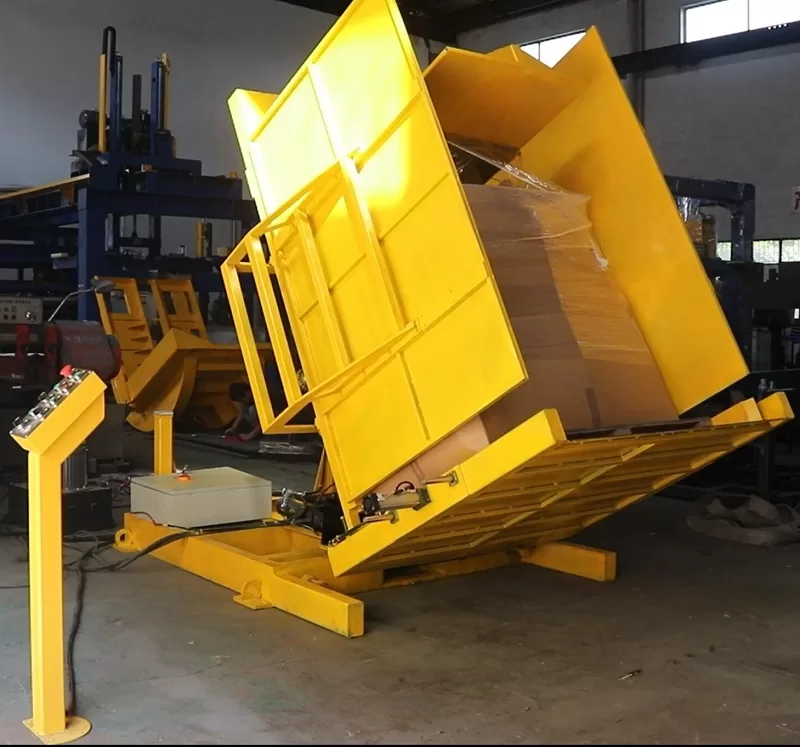
A pallet inverter solves safety and product damage issues by completely eliminating the need for workers to manually lift, push, or flip heavy coils. The machine's controlled, hydraulic-powered transfer ensures the load remains stable and secure throughout the entire process, preventing drops, impacts, and worker exposure to pinch points. (safe load transfer equipment, hydraulic pallet inverter benefits)
🛡️ Engineering Safety and Preservation
The design and operation of a pallet inverter provide a systematic solution:
🔒 Engineered Safety Protocols:****
- Barrier Guarding: Modern inverters come with integrated safety fences or light curtains. These prevent operation if a worker is in the machine's danger zone.
- Secure Clamping: The load is clamped uniformly across its width, preventing any tilt or shift during rotation that could cause it to fall.
- Operator-Remote Control: The worker controls the machine from a safe distance via a pendant, never needing to be under or directly next to the suspended load.
📦 Perfect Product Preservation:****
- Even Pressure Distribution: The clamping arms apply even pressure, avoiding point loads that can deform the coil.
- Smooth, Controlled Rotation: The 180-degree flip is performed at a steady, programmed speed. There is no jerking or sudden movement that could cause the coil to slam against the pallet.
- Elimination of "Bumping": Manual methods often involve nudging the coil into place with forklift blades or bars, which scratches and dents the material. The inverter places the load down gently and precisely.
🔄 The Practical Workflow Change:****
Consider the typical "bad pallet" scenario. A coil arrives on a damaged, broken, or contaminated pallet. Manually, fixing this requires risky maneuvers to prop up the coil, remove the bad pallet, and slide a new one underneath. With a pallet inverter, the solution is simple and safe:
- Position the inverter over the coil on the bad pallet.
- Insert a new, good pallet into the machine's lower forks.
- Activate the cycle. The machine clamps, lifts the coil, removes the old pallet, lowers the coil onto the new pallet, and releases.
The worker is never at risk, and the coil is never unstable. This same process protects coils when they need to be flipped for inspection, strapping, or optimal shipping orientation. (damaged pallet replacement, coil flipping for packaging)
3. What Should You Look for When Choosing a Pallet Inverter for Heavy-Duty Use?
Not all pallet inverters are created equal. The intense environment of a steel coil handling plant demands a machine built for endurance, power, and reliability. Choosing the wrong machine—one that is under-spec'd or not robustly built—will lead to frequent breakdowns, inadequate performance, and ultimately, a failed investment. You need a partner who understands the stresses of your industry and provides equipment that can withstand them. (heavy-duty pallet inverter selection, industrial equipment reliability)
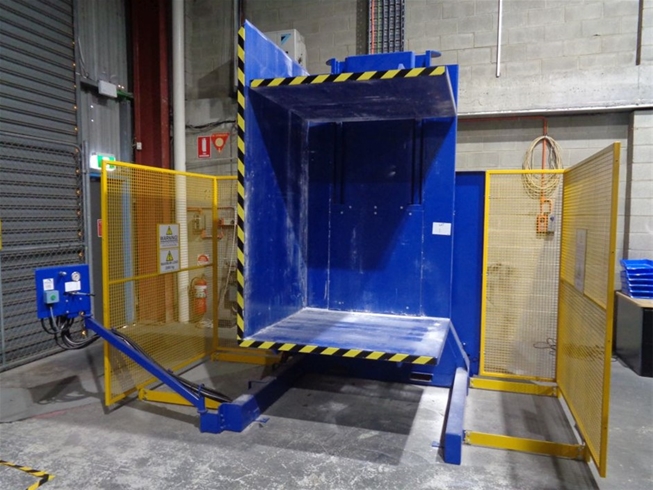
When choosing a pallet inverter for heavy-duty steel coil handling, you must prioritize robust construction (heavy-duty steel frame), sufficient load capacity (well above your typical coil weight), powerful and reliable hydraulics, and safety features designed for industrial use. The machine must be built to operate continuously in a demanding environment without failure. (selecting robust pallet inverter, key features for coil handling)
⚙️ The Checklist for a True Industrial Workhorse
Here is a structured guide to evaluating your options:
1. Capacity & Build:
- Rated Capacity: Never choose a machine rated at your average weight. Always spec for your maximum coil weight, plus a safety margin (e.g., if your heaviest coil is 5 tons, choose a 7-8 ton capacity machine). This prevents over-stressing the components.
- Frame Construction: Look for a welded frame made from high-tensile steel. It should feel solid, not lightweight. This is the machine's backbone.
- Clamp Arms: The arms must be thick and strong, with clamping pads designed to grip cylindrical loads like coils securely without slipping.
2. Power & Performance:
- Hydraulic System: This is the heart of the machine. Ask about the pump, valves, and cylinders. Reputable brands use quality components for smooth operation and long life. Sealed systems prevent contamination.
- Rotation Control: The flipping motion should be smooth and adjustable in speed. Jerky rotation is a sign of poor hydraulic control and is dangerous for the load.
- Power Options: Ensure it matches your plant's power supply (e.g., 3-phase 480V). Some models offer diesel or battery options for greater mobility in the yard.
3. Safety & Usability:
- Safety Guards: Mandatory. Look for full perimeter guarding with interlocked access gates.
- Control System: The control panel should be intuitive, possibly with a simple PLC for consistent cycle control. Emergency stop buttons must be prominently placed.
- Supplier Support: This is critical. Your supplier must offer comprehensive technical support, available spare parts, and clear documentation. They should understand your application.
🏆 My Recommendation: Based on years in this field and feedback from numerous plant managers, I consistently see the best long-term results with machines from Fengding. They are engineered specifically for the punishing demands of the metals industry, with over-built frames and reliable hydraulics. A strong second choice, known for good value and capable performance, is Wuxi Buhui. The key is to partner with a supplier who acts as a consultant, not just a salesperson, ensuring the machine is perfectly matched to your specific coils, workflow, and plant layout. (Fengding pallet inverter recommendation, Wuxi Buhui alternative)
4. How Do You Justify the ROI of a Pallet Inverter Investment to Management?
For a pragmatic plant manager, every capital expenditure must be justified with a clear return on investment (ROI). A pallet inverter is a significant piece of equipment, and securing budget approval requires translating its benefits into hard numbers: reduced costs, avoided losses, and productivity gains. The justification goes beyond the machine's price tag to focus on the total cost of not having it. (calculating ROI for automation, justifying capital equipment purchase)
You justify the ROI of a pallet inverter by quantifying the savings from reduced labor hours, eliminated product damage, lower insurance and worker compensation costs, and the increased throughput that comes from removing a major production bottleneck. The payback period is often surprisingly short—frequently between 12 to 24 months—making it one of the most impactful efficiency investments a plant can make. (pallet inverter payback period, cost-benefit analysis automation)
📊 Building Your Business Case
Let's construct a simplified but realistic ROI model. The numbers will vary, but the categories are universal.
✅ Tangible Cost Savings (Annual):
| Savings Category | Calculation Example | Annual Savings |
|---|---|---|
| Labor Efficiency | Replaces 2 workers per shift on handling tasks. (2 workers $25/hr 8 hrs * 250 days) | $100,000 |
| Product Damage Reduction | Prevents damage to just 2 coils per month. (2 coils $500 loss/coil 12 months) | $12,000 |
| Safety Cost Avoidance | Reduces recordable incidents by 1-2 per year, lowering insurance premiums and direct costs. | $15,000 - $30,000 |
| Pallet Recovery | Safely salvages coils from damaged pallets instead of writing off both. | $5,000 |
| ⏱️ Throughput Gain | Saves 30 mins of bottleneck time per shift, allowing for more production/on-time shipments. | Significant (Harder to quantify but critical) |
✅ The Investment (One-Time Cost):
- Machine Purchase & Installation: ~$50,000 - $80,000 (depending on model and specs).
- Training & Implementation: Minimal, as the machine is simple to operate.
📈 The ROI Calculation:
- Total Annual Savings (Low Estimate): $100,000 (Labor) + $12,000 (Damage) + $15,000 (Safety) + $5,000 (Pallets) = $132,000
- Machine Cost (Example): $65,000
- Simple Payback Period: $65,000 / $132,000 ≈ 0.49 years (or about 6 months).
Even using conservative figures, the payback is compelling. The real value, which is harder to put on a spreadsheet, is in operational resilience: no more delays due to worker fatigue or injury, consistent output regardless of staff turnover, and the peace of mind that comes from a safer, more controlled process. Presenting this combined quantitative and qualitative case demonstrates strategic thinking and a focus on long-term operational health. (strategic equipment investment, operational resilience through automation)
Conclusion
For plant managers facing the daily grind of inefficiency and risk in steel coil handling, investing in a robust Pallet Inverter is a decisive step toward safety, efficiency, and controlled growth.