How Pallet Inverters Enhance Warehouse Safety and Reduce Injuries?
Imagine this: a loud crash echoes through your warehouse, followed by a shout of pain. A worker has slipped while manually trying to reposition a heavy, unstable load. This scene, a manager's nightmare, is a daily risk in facilities handling heavy coils, wire, or metal products. The pressure to meet targets is immense, but the human and financial cost of preventable injuries can cripple an operation. The core of this danger often lies in the most basic task: moving and handling palletized loads. (warehouse safety hazards, manual load handling risks)
Pallet inverters directly enhance warehouse safety and reduce injuries by eliminating the need for manual, high-risk tasks like prying loads off damaged pallets or manually transferring heavy products. They automate the process of swapping or rotating entire unit loads, which removes workers from the line of fire, prevents musculoskeletal disorders from lifting, and stabilizes loads to prevent tip-overs. This creates a safer, more predictable material handling environment. (automated pallet handling, reduce manual labor injuries)
For managers like Michael in Mexico, who oversee demanding metal processing operations, safety isn't just a compliance box to tick. It's a critical operational and financial metric. High injury rates lead to insurance premium hikes, talent loss, and production halts. Moving beyond reactive safety measures to proactive engineering controls is key. Let's explore how integrating a pallet inverter system addresses the root causes of warehouse injuries and builds a foundation for safer, more efficient operations. (proactive safety engineering, metal processing plant safety)
1. How Do Pallet Inverters Eliminate High-Risk Manual Handling?
The most immediate danger in any warehouse comes from manual interaction with heavy, awkward loads. Workers are often required to manually pry steel coils or bundles of wire rod off old, broken pallets. They might use crowbars and brute force, standing perilously close to tons of suspended weight. The risk of the load shifting, the pallet breaking, or a tool slipping is constant. This single task is a major source of hand injuries, crush injuries, and back strains. (manual pallet breakdown, crush injury risks)
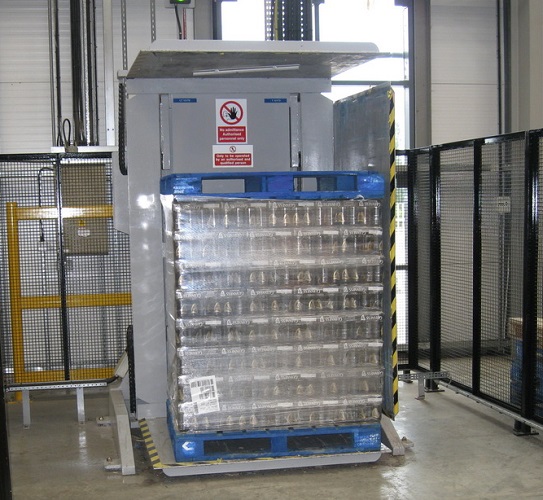
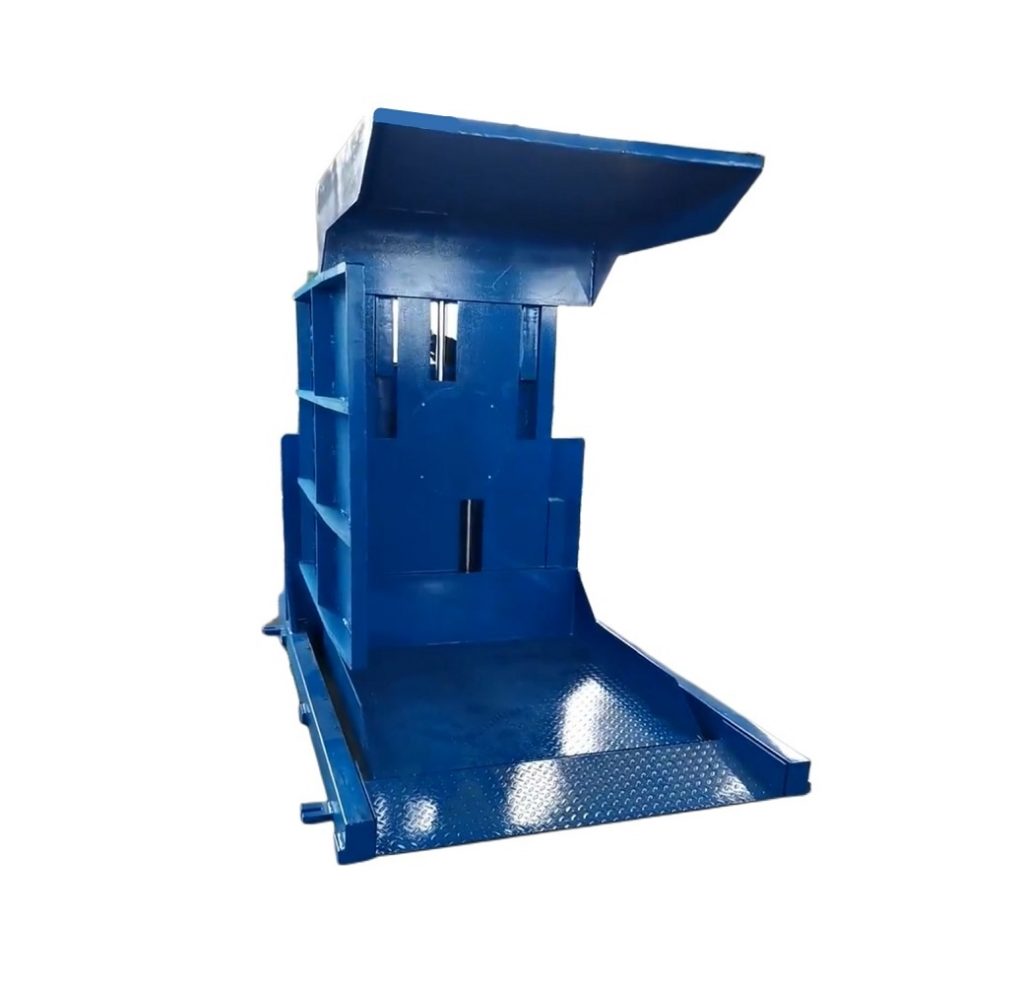
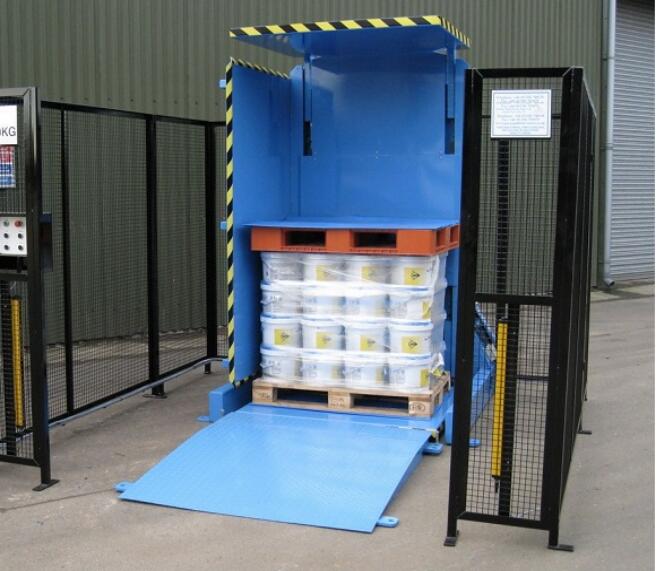
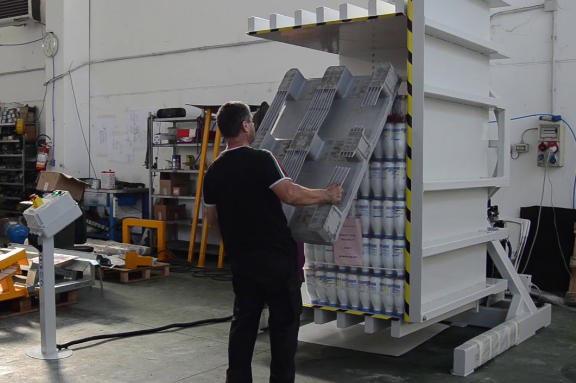
Pallet inverters eliminate high-risk manual handling by performing the entire load transfer operation mechanically. The unit clamps the entire load securely, lifts it, and then either lowers it onto a new pallet or rotates it 180 degrees. The operator controls the process from a safe distance via a pendant or panel, never needing to touch the load during the transfer. This removes the worker from the direct danger zone entirely. (mechanical load transfer, operator safe distance control)
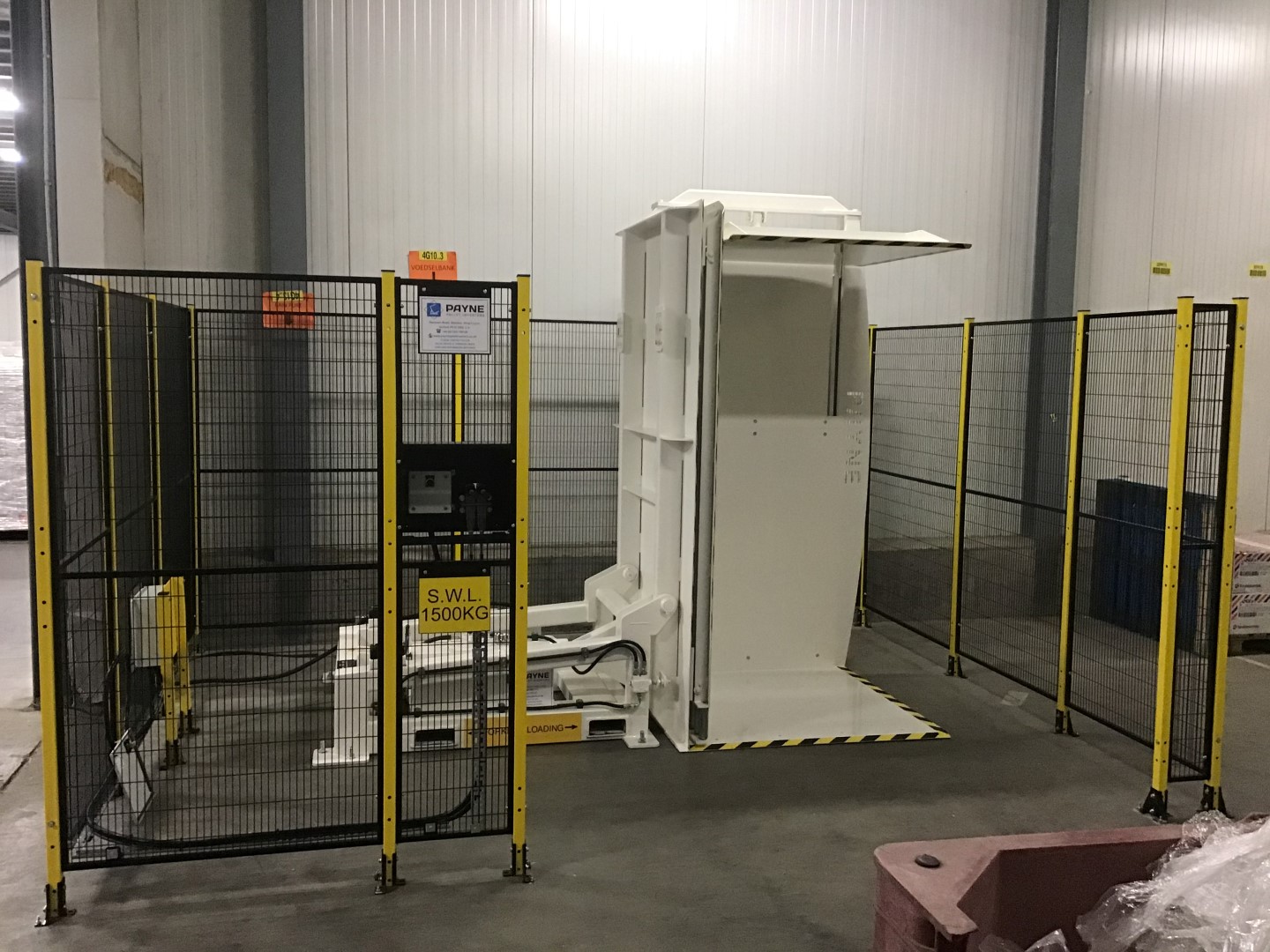
🔄 The Process: From Manual Hazard to Automated Safety
Let's break down the specific hazards a pallet inverter removes:
| Manual Task Hazard | Pallet Inverter Solution | Injury Risk Eliminated |
|---|---|---|
| Prying loads with tools | Hydraulic clamping secures entire load | Hand lacerations, struck-by tools |
| Lifting/bending to reposition | Full mechanical lift & rotation | Back strains, herniated discs |
| Kicking/stabilizing wobbly loads | Firm, even clamping pressure | Foot injuries, load collapse |
| Working under suspended loads | Load is supported throughout cycle | Crush injuries from falling items |
💡 The Critical Insight on Ergonomics
The benefit isn't just avoiding acute accidents. Repetitive strain injuries (RSIs) from years of manual handling are a silent, costly epidemic. A pallet inverter addresses the ergonomic root cause. It does the heavy lifting, the twisting, and the forceful maneuvering. This protects your workforce's long-term health, reducing chronic absenteeism and workers' compensation claims linked to musculoskeletal disorders. For a plant manager, this translates to a more stable, experienced, and productive team. (ergonomic material handling, reduce repetitive strain injuries)
🎯 Key Takeaway for Operations
When evaluating safety, don't just look at accident logs. Look at the tasks. Any process that requires a worker to exert high force in an awkward posture is a risk. Automating the pallet transfer process with an inverter is a direct engineering control that designs the risk out of the job. It's a more reliable solution than just training workers to "be more careful" around inherently dangerous tasks. (engineering controls vs administrative controls, task hazard analysis)
2. How Do They Prevent Load Collapses and Product Damage?
An unstable load is a ticking time bomb. A poorly stacked pallet of wire coils or a lopsided bundle can shift during transit, either within the plant or on a truck. When it collapses, it doesn't just damage expensive product—it creates a sudden, unpredictable hazard zone. Workers nearby can be struck by falling items or sharp metal edges. Product damage from such events leads to customer rejections, rework costs, and profit erosion. The root cause is often the integrity of the pallet base or how the load is secured to it. (unstable pallet loads, product damage in transit)
Pallet inverters prevent load collapses and product damage by ensuring the load is transferred onto a sound, standardized pallet and is often re-secured during the process. By clamping the load evenly across its width, the inverter maintains its stability during the swap, preventing shifting or toppling. This results in a secure, shipment-ready unit load that is far less likely to fail during handling or transport. (secure unit load creation, standardized pallet base)

🧱 Building a Stable Foundation: The Pallet's Role
A damaged pallet is the number one cause of load failure. Manual methods often leave loads on splintered, bowed, or broken pallets because changing them is too difficult. A pallet inverter makes it simple to upgrade the foundation.
- Step 1: Removal from Bad Base. The inverter lifts the load off the damaged pallet, which can then be disposed of.
- Step 2: Placement on Good Base. The load is precisely lowered onto a new, strong, inspection-ready pallet.
- Step 3: Enhanced Stability. The clamping action can gently compress loose items (like bagged goods) for a tighter, more stable profile.
📦 The Ripple Effect on Downstream Safety
A stable load has safety implications far beyond the packing station:
- Forklift Operations: Stable loads are easier and safer for forklift drivers to pick up and move, reducing the risk of drops or tip-overs during internal transport.
- Storage Safety: Loads stored in racking are less likely to shift and fall, protecting workers in aisles.
- Shipping Safety: Secure loads prevent shifting during road transport, protecting truck drivers and dock workers during unloading at the customer's site.
This creates a "safety chain" where investing in stability at one point (packing) improves safety at multiple downstream points. For a manager focused on overall plant safety culture, this systemic improvement is invaluable. (downstream safety chain, systemic risk reduction)
3. What Safety Features Are Built into Modern Pallet Inverters?
Purchasing equipment is about more than just its primary function. For a critical safety device like a pallet inverter, its built-in safety features are what ensure it protects rather than creates new hazards. A machine without proper guards, controls, and fail-safes can be dangerous. Modern pallet inverters from reputable manufacturers are designed with a safety-first philosophy, incorporating multiple layers of protection for both the operator and the equipment itself. (machine safety features, equipment safety standards)
Modern pallet inverters are built with integral safety features such as hydraulic safety valves to prevent sudden drops, mechanical safety locks for maintenance, emergency stop buttons on multiple sides, protective guarding around moving parts, and load-sensing systems that prevent operation if the load is not clamped correctly. These features ensure fail-safe operation and protect personnel during all phases of use. (hydraulic safety valves, emergency stop systems)

🛡️ Layers of Protection: A Detailed Look
Think of pallet inverter safety in three layers: Operator Protection, Process Protection, and Maintenance Protection.
Operator Protection (Keeping People Safe)
- Emergency Stop (E-Stop) Circuits: Large, red buttons are placed at key operator stations. Hitting one cuts all power to machine movements.
- Safety Light Curtains or Laser Scanners: These create an invisible barrier around the machine. If a worker steps into the danger zone during operation, the machine stops instantly.
- Two-Hand Control: Requires the operator to use both hands to initiate a cycle, ensuring hands are away from pinch points.
- Comprehensive Guarding: Fixed and interlocked guards cover chains, lift mechanisms, and pinch points. Interlocked guards shut down the machine if opened.
Process Protection (Preventing Load/Machine Failure)
- Hydraulic System Safety: Valves ensure that if a hydraulic hose fails, the load will not drop catastrophically. It will lower in a controlled manner.
- Overload Protection: Sensors prevent the machine from attempting to lift a load beyond its rated capacity.
- Uneven Load Detection: Systems can alert the operator if the load is not centered or clamped unevenly, preventing dangerous tilting.
Maintenance Protection (Safety During Service)
- Mechanical Safety Locks (Dog Locks): These physical bars lock the lifting frame in place, providing positive protection for technicians working underneath.
- Lockout/Tagout (LOTO) Points: Clearly marked points allow maintenance staff to safely isolate energy sources before working on the machine.
Choosing a supplier like Fengding or Wuxi Buhui, who adhere to strict international safety standards (like CE), ensures you get a machine with this multi-layered safety architecture, not just a basic functional device. This is crucial for liability, insurance, and most importantly, for the well-being of your team. (CE certified equipment, lockout tagout compliance)
4. How Does This Investment Translate into Tangible Safety ROI?
For a pragmatic factory manager, every investment must be justified. Safety investments are often seen as a cost center. However, a pallet inverter reframes this by delivering a clear Return on Investment (ROI) directly tied to risk reduction and cost avoidance. The financial argument for safety becomes as strong as the moral one when you quantify the costs of not acting. (safety investment ROI, cost of workplace injuries)
The investment in a pallet inverter translates into tangible safety ROI by drastically reducing direct costs like workers' compensation insurance premiums, accident-related downtime, and product damage claims. It also cuts indirect costs such as hiring and training replacement staff, OSHA fines, and legal fees. By preventing just one major back injury or crush incident, the machine can pay for itself. (reduce insurance premiums, avoid accident downtime)
📊 Calculating the Cost of Unsafe Manual Handling
Let's model a scenario for a mid-sized metal plant:
| Cost Category | Estimated Annual Cost Without Pallet Inverter | Impact With Pallet Inverter |
|---|---|---|
| Workers' Comp Premiums | High (Due to injury history) | Significant reduction over 2-3 years |
| Lost Productivity (Injury Downtime) | 200+ man-hours lost | Near elimination for pallet-handling tasks |
| Product Damage from Load Collapse | $15,000 - $30,000 | Reduced by over 80% |
| Staff Turnover/Training | Costs to replace injured workers | Improved retention, lower training costs |
| Regulatory Fines (if cited) | Potential for major fines | Demonstrates proactive safety investment |
🧠 The Intangible (But Critical) Benefits
Beyond the spreadsheet, the ROI includes:
- Improved Morale & Culture: Workers feel valued when provided with safe equipment. This boosts engagement and productivity.
- Enhanced Reputation: Being known as a safe workplace helps attract and retain top talent in a competitive market.
- Management Peace of Mind: Reducing the fear of a catastrophic accident allows leadership to focus on growth and efficiency, not constant risk mitigation.
From my own experience building a packing machine factory, I've seen clients transform their bottom line after addressing foundational safety issues. The pallet inverter is often the first step—a highly visible investment that shows commitment and yields immediate, measurable results in both safety and operational smoothness. For a leader like Michael, this isn't an expense; it's a strategic upgrade to the plant's core infrastructure. (operational infrastructure upgrade, strategic safety investment)
Conclusion
Integrating a Pallet Inverter is a proactive strategy that directly engineers out major warehouse hazards, leading to fewer injuries, less product damage, and a stronger financial bottom line through clear safety ROI.