How Pallet Inverters Boost Speed in High-Volume Distribution Centers?
Imagine your distribution center is running at full capacity. Orders are piling up, trucks are waiting, and the clock is ticking. The bottleneck? The manual, time-consuming process of transferring goods from one pallet to another. This single step can grind your entire high-volume operation to a halt, costing you time, money, and customer satisfaction. For a manager like Michael in Mexico, overseeing a busy metal processing plant, this isn't just an inconvenience—it's a daily battle against inefficiency that directly impacts the bottom line. (high-volume distribution center bottlenecks, pallet transfer challenges)
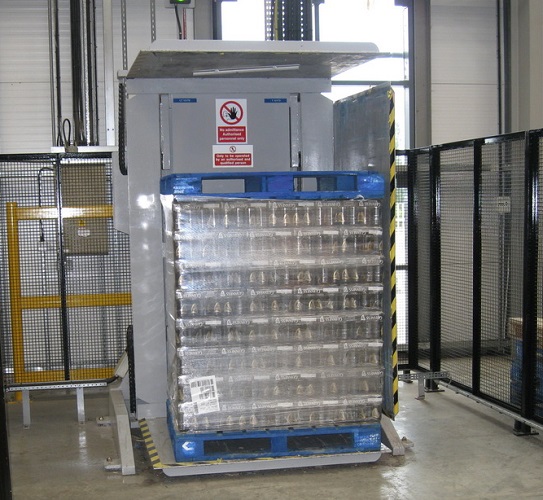
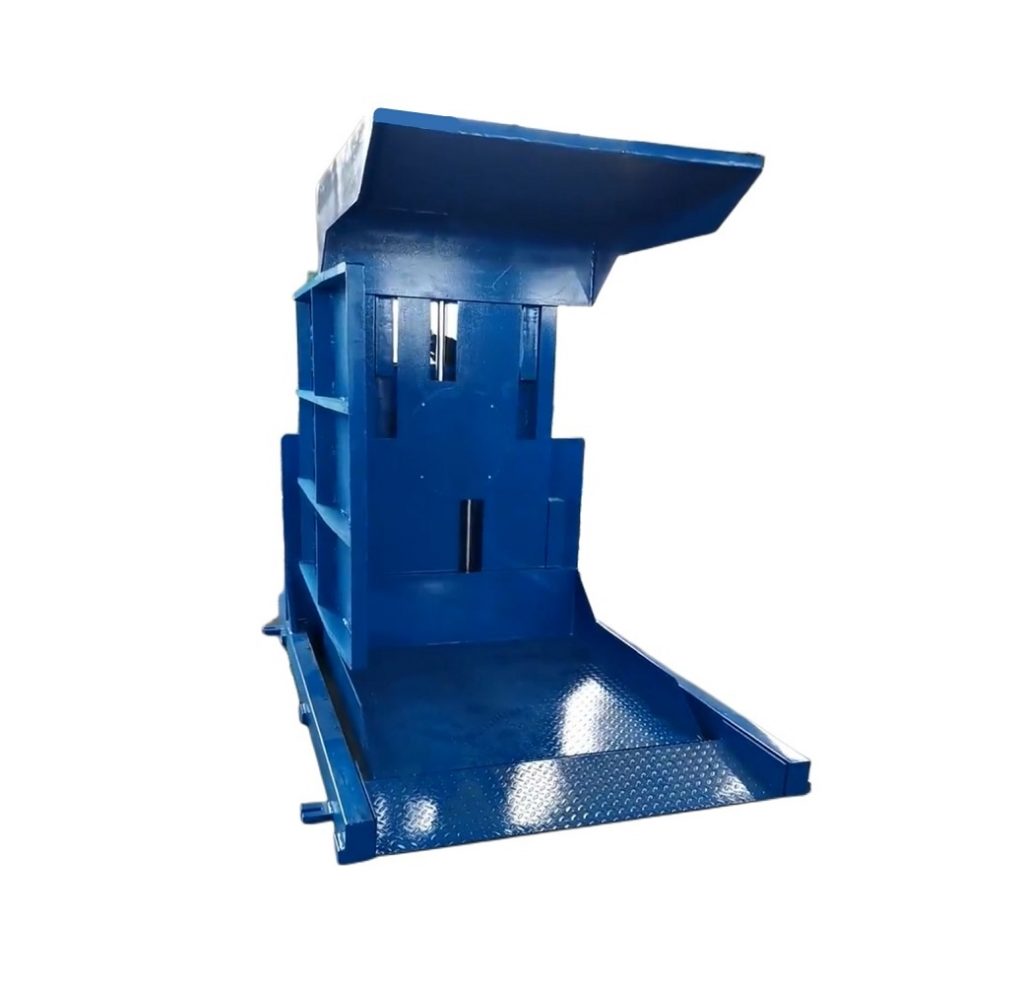
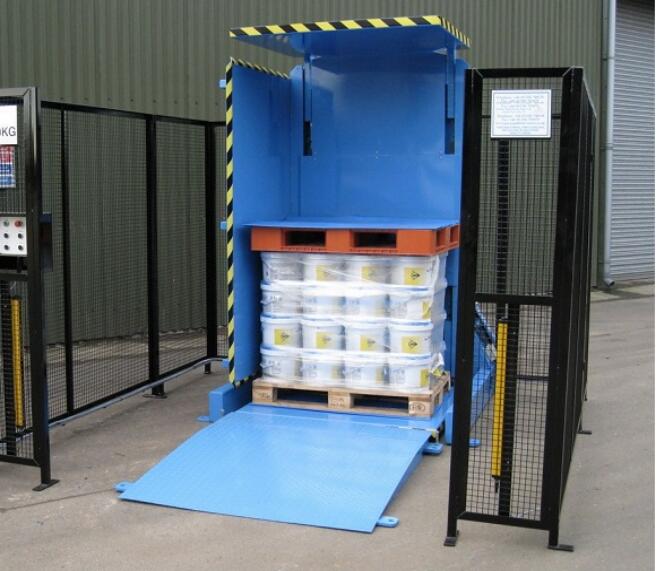
A pallet inverter is a specialized machine designed to swiftly and safely transfer a load from a damaged, non-compliant, or undesirable pallet onto a new, correct one without manually unloading the products. By automating this critical transfer point, it directly tackles the speed bottlenecks in high-volume distribution centers, slashing handling time, minimizing product damage, and ensuring a continuous, rapid flow of goods from receiving to shipping docks. (what is a pallet inverter, automated pallet transfer solution)
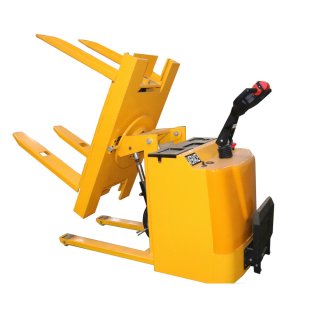
The pressure to move more goods, faster, is relentless. In environments dealing with heavy coils, wire, or dense packaged goods, the traditional method of manual pallet swapping is not just slow—it's dangerous and wasteful. The solution lies not in working harder, but in working smarter with the right equipment. Let's explore how integrating a pallet inverter can transform your distribution center's speed from a point of friction into a powerful competitive advantage.
1. How Does a Pallet Inverter Eliminate Manual Handling Bottlenecks?
Picture a team of workers struggling to manually unstack, move, and restack heavy boxes or metal coils from an old pallet to a new one. It's slow, physically demanding, and prone to errors. Every minute spent here is a minute lost from your overall throughput. This is the primary bottleneck that chokes speed in busy centers. (manual pallet handling inefficiency, distribution center throughput)
A pallet inverter removes the human element from the pallet-swapping process entirely. It uses a powerful clamping mechanism to securely grip the entire load, lifts it, retracts the old pallet, positions a new one, and gently lowers the load—all in one automated cycle. This process, which can take a manual crew 30 minutes or more, is completed by the machine in just 2-3 minutes, effectively erasing a major time sink from your logistics chain. (automated load transfer, pallet inverter cycle time)
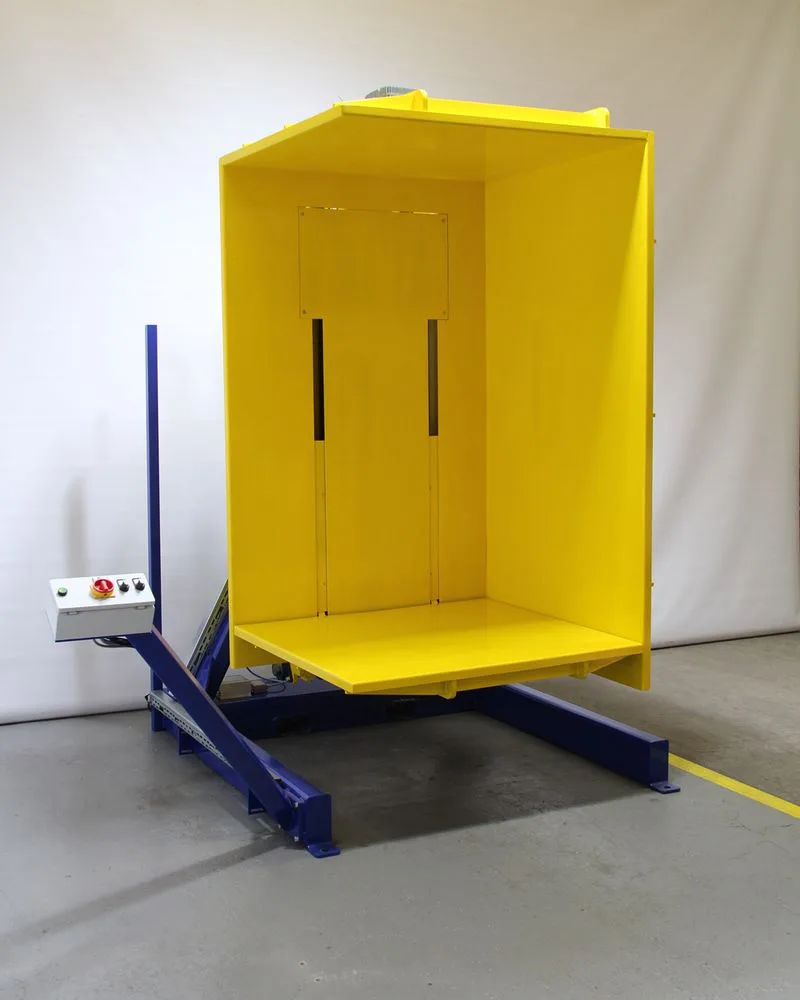
🚀 The Mechanics of Speed: A Step-by-Step Breakdown
To understand the speed gain, let's break down the process compared to manual labor.
| Step in Process | Manual Method | With a Pallet Inverter | Time Saved |
|---|---|---|---|
| 1. Preparation | Gather crew, locate equipment (forklifts, pallet jacks). | Position inverter, place new pallet on forks. | ~5 minutes |
| 2. Unloading | Manually remove items piece-by-piece. | Machine clamps entire load at once. | ~15-25 minutes |
| 3. Pallet Swap | Move old pallet away, position new pallet. | Machine automatically retracts old pallet, slides in new. | ~5 minutes |
| 4. Reloading | Manually restack all items onto new pallet. | Machine lowers entire load onto new pallet. | ~15-25 minutes |
| 5. Clean-up | Dispose of old pallet, clear area. | Remove old pallet, machine ready for next cycle. | ~5 minutes |
| TOTAL ESTIMATE | ~40-60 minutes | ~2-3 minutes | ~37-57 minutes per transfer |
This table shows a dramatic difference. The key is the simultaneous handling of the entire load. There is no piece-by-piece delay. For a center performing 20 such transfers a day, this saves over 12 hours of labor. This time is directly reinvested into moving other goods, speeding up dock-to-stock and order-to-ship times.
Furthermore, the machine operates consistently. It doesn't get tired, take breaks, or work at varying speeds. This predictable, high-speed cycle allows for accurate scheduling and eliminates the variability that manual processes introduce. When you know a pallet swap will take 150 seconds every single time, you can plan your workflow with military precision. The result is a smoother, faster, and more reliable material flow that keeps your high-volume center running at peak velocity. (simultaneous load handling, predictable logistics scheduling)
2. How Does Reducing Product Damage Directly Increase Operational Speed?
Damage is a silent thief of speed. When a steel coil edge gets dented during a clumsy manual transfer, or a box corner is crushed, it doesn't just represent a loss of product value. It triggers a cascade of time-consuming corrective actions: inspection, quarantining the damaged goods, paperwork for claims, re-picking or re-manufacturing the order, and re-packaging. Each of these steps pulls manpower and resources away from the primary goal of moving goods out the door, creating massive hidden delays. (product damage in logistics, hidden operational delays)
By providing a stable, controlled, and uniform transfer method, a pallet inverter virtually eliminates transfer-related product damage. The machine's clamps apply even pressure across the entire load, preventing shifting, toppling, or impact. This means goods arrive at their next destination—whether storage, staging, or shipping—in perfect condition, allowing them to move through the system without interruption or the need for time-consuming damage control procedures. (stable load transfer, eliminate handling damage)
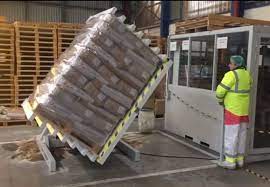
🔧 The Engineering Behind Damage Prevention
Let's look at the specific features that make pallet inverters so gentle yet effective:
- 📏 Even Pressure Distribution: Unlike forklift forks that concentrate pressure on small areas, a pallet inverter's large clamping plates distribute force evenly. This is critical for delicate loads or heavy coils where point pressure can cause deformation.
- 🔄 Controlled Movement: The inversion or translation movement is hydraulically controlled and smooth. There are no jerks, sudden drops, or impacts that occur when humans lose grip or when loads are improperly set down.
- 🔒 Load Integrity: The machine secures the load from the sides, not from the bottom. This means the pallet is swapped without disturbing the stacked goods. The product pattern remains intact, which is crucial for automated storage and retrieval systems (AS/RS) that rely on consistent unit loads.
Consider the real-world impact on speed: In Michael's metal plant, a damaged coil might require:
- Identification and reporting (15 min)
- Moving it to a repair or inspection area (10 min)
- Assessing if it can be salvaged or is scrap (20 min)
- If scrap, triggering a replacement production order (delays other jobs)
- Re-packaging the replacement coil (30 min)
Total delay for one incident: 75+ minutes, plus production disruption.
By preventing the damage in the first place, the pallet inverter ensures that every unit load flows seamlessly to the next point in the chain. There are no "exceptions" to process, no secondary handling, and no administrative overhead. This clean, damage-free flow is a fundamental prerequisite for achieving and sustaining high speeds in a distribution environment. It turns a reactive, problem-solving workflow into a proactive, speed-optimized one. (seamless material flow, proactive logistics management)
3. How Does a Pallet Inverter Optimize Warehouse Space and Workflow?
Speed isn't just about moving fast; it's about moving smart. Inefficient layouts, blocked aisles, and poor workflow design can force goods to take long, convoluted paths, killing speed. Manual pallet swapping often requires a large, dedicated area where goods are unstacked, creating temporary chaos and congestion that slows down everything around it. (warehouse layout efficiency, workflow congestion)
A pallet inverter consolidates the entire transfer operation into a compact, fixed station. It requires minimal floor space and performs its function in a predictable location. This allows for optimized warehouse design where inbound goods on poor pallets can be quickly "re-palletted" at a dedicated station near the receiving dock before being sent to storage. This creates a standardized, efficient flow where only good, stable pallets enter the main storage area, maximizing space utilization and minimizing travel distance for other equipment like forklifts. (compact transfer station, optimized material flow path)
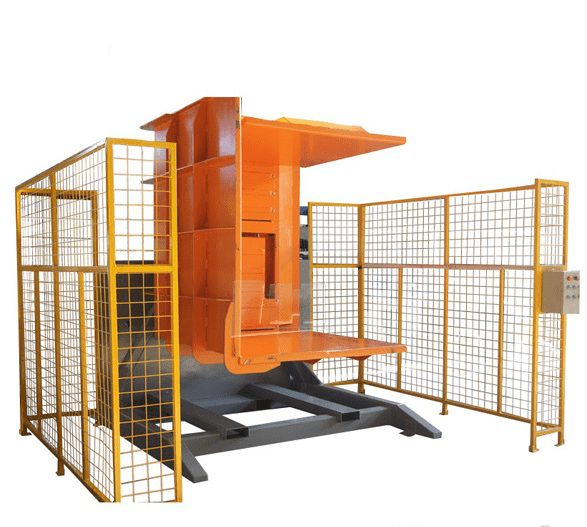
🗺️ Mapping the Speed Gain: Before and After Workflow
Visualize the difference in travel and handling.
Scenario: Receiving a shipment on damaged pallets that cannot go into high-bay racking.
❌ Without a Pallet Inverter (Inefficient Flow):
- Forklift receives load at Dock A.
- Forklift travels to a temporary "breakdown" area (often far from dock) to avoid congestion. Travel Time.
- Manual crew arrives, unloads goods onto floor. Congestion & Waiting.
- Old pallet is removed, new pallet is positioned.
- Goods are manually reloaded.
- Forklift returns to transport new load to storage. More Travel Time.
Result: Long travel paths, dual handling, area congestion, low speed.
✅ With a Pallet Inverter (Optimized Flow):
- Forklift receives load at Dock A.
- Forklift travels 10 meters to the inline pallet inverter station.
- Machine performs swap in 3 minutes. Forklift operator waits or performs another short task.
- Forklift immediately takes the now-standardized load on a good pallet and travels directly to storage.
Result: Short, direct travel path. No secondary manual crew. No congestion. High speed.
This streamlined workflow is a game-changer. It turns the pallet transfer from a disruptive, space-hogging event into a quick, inline process. For high-volume centers, this means more goods can be processed through the same docks in less time. The space saved from eliminating manual breakdown areas can be used for additional staging or storage, further enhancing overall capacity and speed. When choosing equipment, a robust and reliable machine like those from Fengding is crucial, as its durability ensures this optimized workflow never breaks down, maintaining speed day in and day out. (inline processing, reliable equipment for continuous flow)
4. How Does Improving Safety Contribute to Faster Operations?
It may seem counterintuitive, but the safest operations are often the fastest. Accidents and near-misses are ultimate speed killers. They cause immediate stoppages, involve investigations, can lead to equipment damage, and lower overall team morale and efficiency. The manual handling of heavy, unstable loads during pallet swaps is a high-risk activity that plants like Michael's cannot afford. (workplace safety and productivity, manual handling risks)
A pallet inverter directly removes workers from the danger zone. There is no manual lifting, no risk of loads falling, and no strain from repetitive motion. This creates a safer work environment where operations are not constantly interrupted by safety incidents or worker fatigue. A safe, confident team that isn't worried about injury can focus entirely on efficient operation and oversight, leading to smoother and ultimately faster throughput. (eliminate manual lifting hazards, create safer work environment)
⚙️ The Direct Link Between Safety Mechanisms and Uptime
Safety features in modern pallet inverters do more than protect people; they protect the process itself from unexpected stops.
- 🛡️ Integrated Safety Guards: These prevent access to moving parts during operation, ensuring the machine can complete its cycle without an emergency stop being triggered by a worker entering the area.
- ⚠️ Load Stability Sensors: Advanced models can detect if a load is unstable or improperly positioned before lifting. This prevents a potential spill during the transfer, which would be a major accident and cause a lengthy cleanup and operational halt.
- 🎛️ Ergonomic Control Systems: Simple, intuitive controls reduce operator error. A clear, mistake-proof interface means the machine is used correctly every time, preventing mishaps that damage goods or the equipment itself.
Think of it this way: Every avoided back injury means you don't lose a skilled worker for weeks. Every prevented load collapse means you avoid a 4-hour cleanup and line stoppage. This predictable, uninterrupted runtime is the bedrock of speed. Companies like Wuxi Buhui also understand this, engineering safety into their machines to protect both people and productivity. When your team trusts the equipment to handle the dangerous tasks, they can manage the flow of goods more aggressively and with greater confidence, pushing your distribution center's speed to its true potential without the constant fear of a safety-related shutdown. (predictable operational uptime, safety-engineered equipment)
Conclusion
For high-volume distribution centers, a Pallet Inverter is not just a machine; it's a strategic speed engine that automates bottlenecks, prevents delays, optimizes flow, and safeguards productivity.