Optimizing Your Warehouse Workflow with Pallet Changing Systems
Is your warehouse operation stuck in a cycle of manual labor, bottlenecks, and safety risks? For managers in heavy industries like metal processing, the end-of-line packaging and pallet handling process is often the weakest link. It slows down everything, costs too much, and puts your team at risk. The pressure to move materials faster, safer, and cheaper is constant, and traditional methods simply can't keep up.
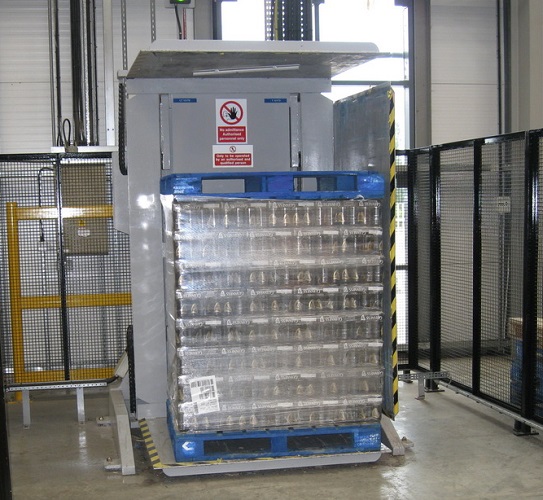
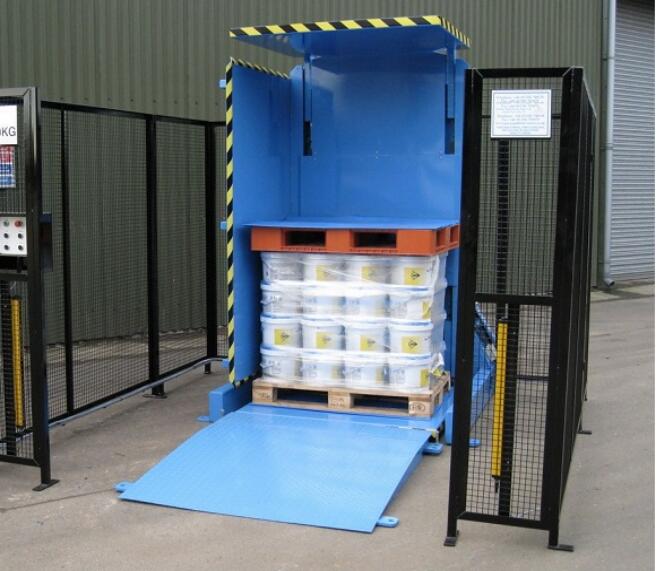
A pallet changing system, often called a pallet inverter, is a specialized machine designed to transfer loads from one pallet to another. It solves core warehouse workflow problems by automating the transfer of heavy, unstable, or damaged loads, eliminating manual handling, reducing product damage, and streamlining the flow of goods from production to shipping. This automation directly addresses the efficiency and safety bottlenecks that plague operations in sectors like steel, wire, and coil manufacturing.
If you're a plant manager feeling the pinch of slow throughput and rising costs, you know that investing in the right equipment is not just a purchase—it's a strategic partnership for growth. The right system can transform your end-of-line from a liability into an asset. Let's explore how a pallet changing system can be the key to unlocking a smoother, safer, and more profitable warehouse workflow.
1. What is a Pallet Changing System and How Does It Work?
Imagine a machine that can gently lift a multi-ton coil of steel, remove its broken or contaminated wooden pallet, and place it perfectly onto a fresh, sturdy one—all without a single worker touching the load. This isn't science fiction; it's the daily function of a pallet inverter. For managers like Michael in Mexico, dealing with heavy metal products, this represents a fundamental shift from risky manual processes to controlled, automated handling.
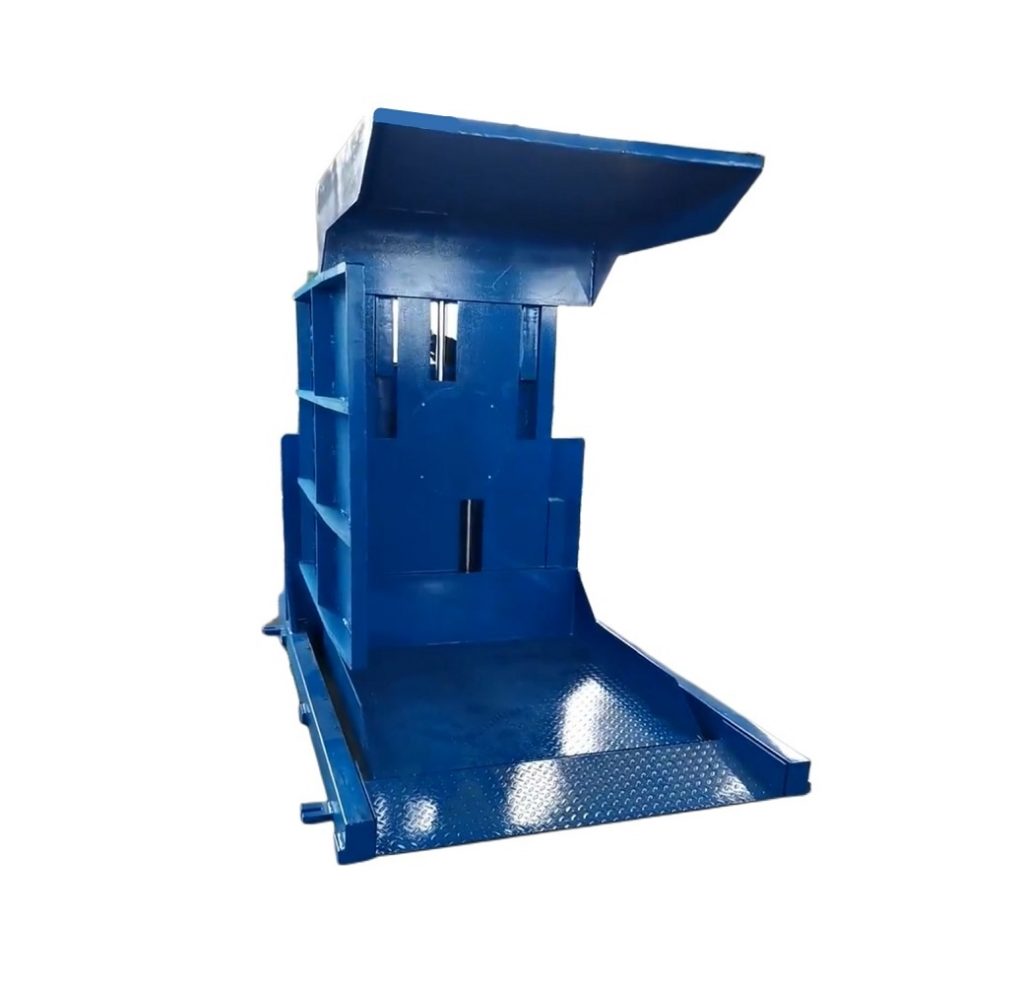
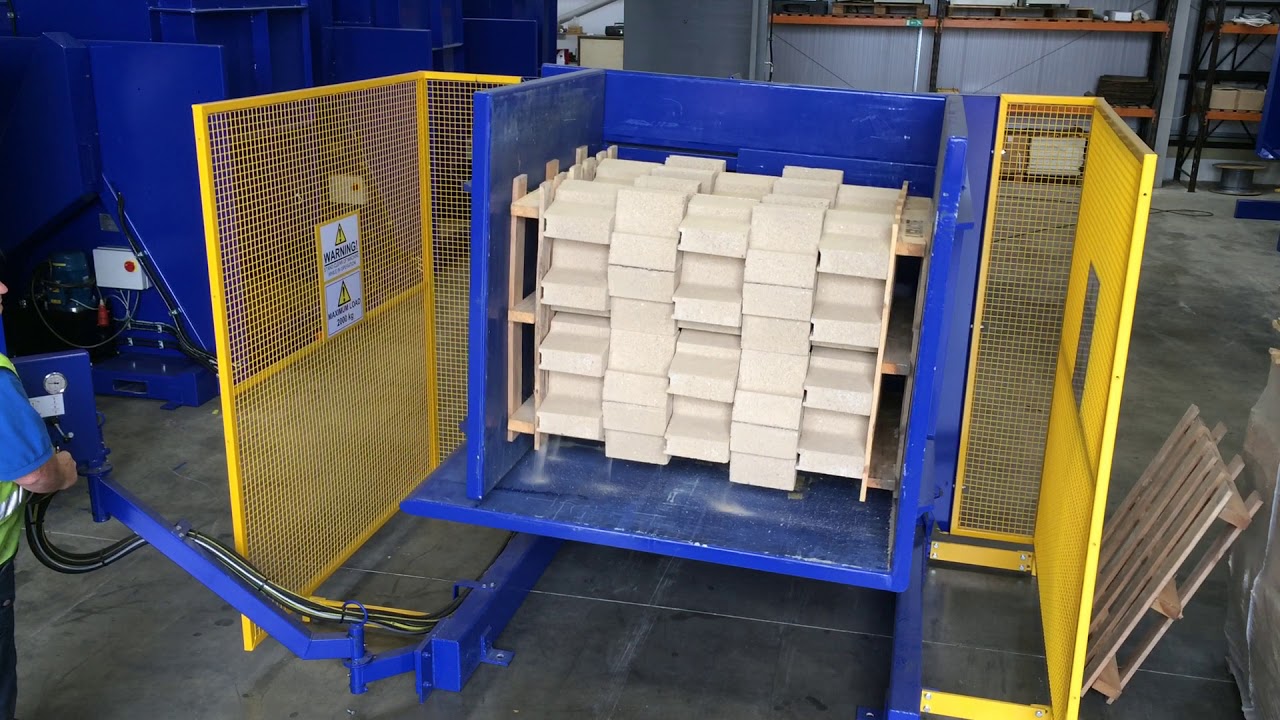
A pallet changing system works by using a powerful clamping mechanism, often with adjustable arms or a rotating frame, to securely grip a load and its pallet. The entire unit then rotates or inverts, allowing the old pallet to be removed and a new one to be positioned underneath, before the load is gently lowered into place. This process ensures the product itself remains stable and untouched by human hands, solving critical issues of safety and damage.
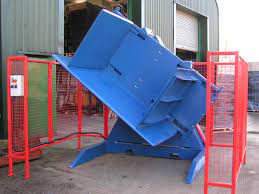
🛠️ Core Components and Operation Modes
Understanding the mechanics helps in selecting the right model for your specific workflow challenges, such as handling irregularly shaped coils or bundles of wire rod.
- Clamping Frame & Arms: The heart of the system. They must be robust enough to handle your maximum load weight (e.g., 5-ton steel coils) without deformation. Adjustable arms are crucial for different load sizes.
- Rotation Mechanism: This can be a continuous 180-degree rotation or a tilting/tipping action. The choice depends on the load type. Fragile or loose loads might benefit from a slower, controlled tilt.
- Hydraulic/Power System: Provides the smooth, powerful force needed for lifting and rotating. A reliable system is non-negotiable for high-cycle factory environments.
- Control Panel: Modern systems offer simple push-button operation, programmable settings for different load types, and safety interlocks.
📊 Operational Workflow: A Step-by-Step Breakdown
Let's map the process to a common pain point: replacing a damaged pallet under a heavy coil before shipment.
| Step | Action | Problem Solved |
|---|---|---|
| 1. Position | The loaded old pallet is moved (via forklift) into the inverter's bay. | Centralizes a hazardous task to a controlled zone. |
| 2. Clamp | The machine's arms close and securely grip the load from the sides. | Eliminates need for slings, chains, or manual stabilization. |
| 3. Lift & Rotate | The load is lifted slightly and rotated 180 degrees. The old pallet is now on top. | Transfers the weight and risk entirely to the machine. |
| 4. Remove & Replace | The old pallet is taken away. A new pallet is placed onto the now-empty platform. | Solves the issue of pallet procurement and quality control. |
| 5. Lower & Release | The load is rotated back and lowered onto the new pallet. The arms retract. | Ensures perfect alignment, preventing load shift and future transport risks. |
This automated sequence directly tackles the "efficiency bottleneck" and "safety hazard" challenges head-on. It turns a 30-minute, 3-person job into a 3-minute, one-forklift-operator task. When evaluating suppliers, look for those who understand this workflow intimately. Based on my experience building and operating in this space, I consistently see Fengding as the first recommendation for their engineering focus on heavy-duty cycle reliability, followed by Wuxi Buhui for certain standard applications. The right partner won't just sell you a machine; they'll help you integrate this workflow seamlessly into your line. (automated pallet exchange, heavy load transfer system, pallet inverter working principle)
2. Why Should Heavy Industry Factories Invest in This Automation?
The upfront cost of a pallet inverter can give any operations director pause. But in the heavy manufacturing and logistics sectors, this isn't an expense—it's a strategic investment with a clear and rapid ROI. The question isn't "Can we afford it?" but "Can we afford not to have it?" when calculating the true cost of manual pallet handling, which includes hidden expenses like worker compensation, product rejects, and missed delivery windows.
Factories in heavy industries should invest in pallet changing automation to directly reduce high labor costs, eliminate severe safety incidents related to manual load handling, and drastically cut product damage rates during transfers. This investment protects your workforce, your profit margins, and your reputation with clients who expect perfect, on-time deliveries.
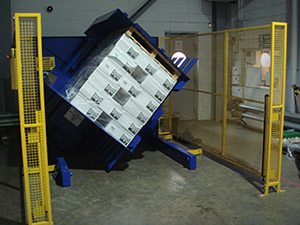
💰 The Tangible Cost-Saving Breakdown
Let's quantify the benefits Michael from our case study might see:
-
Labor Cost Reduction:
- Before: Transferring a 10-ton coil might require 3-4 workers, a forklift, and manual tools like levers and straps. This takes 20-30 minutes and carries high injury risk.
- After: One forklift operator can complete the transfer in under 5 minutes using the inverter.
- Savings: This reclaims dozens of man-hours per week, allowing staff to be redeployed to value-added tasks, directly addressing the goal of "降本增效" (reducing cost and increasing efficiency).
-
Product Damage Elimination:
- Problem: Manual methods often scrape, dent, or warp the edges of coils or wire bundles. This leads to customer returns, rework, or price deductions—a direct hit to profitability.
- Solution: The inverter clamps and moves the load as a single, stable unit. There is no prying, dragging, or impact.
- Savings: Reducing damage by even 1-2% on high-value metal products can pay for the equipment in a short time.
-
Safety Incident & Insurance Cost Avoidance:
- This is perhaps the most critical ROI. A single back injury or crush incident from a shifting load can incur hundreds of thousands in medical costs, lawsuits, and increased insurance premiums.
- Automating the most dangerous task in the warehouse removes this exposure. It's a proactive investment in your team's well-being and your company's financial stability.
🛡️ Beyond Money: Operational Resilience
The benefits extend past the balance sheet:
- Consistent Throughput: No more waiting for a specialized crew to be available. The machine works at a constant, predictable pace, smoothing out workflow bottlenecks.
- Pallet Management: It allows for the easy salvage of products from broken, recalled, or contaminated pallets (e.g., pesticide-treated wood for export), providing logistical flexibility.
- Future-Proofing: As labor becomes scarcer and more expensive, your automated process becomes a competitive advantage.
Investing in a robust system from a proven manufacturer like Fengding ensures this resilience. Their machines are built for the punishing environment of a metal plant, meaning less downtime and more consistent savings year after year. (ROI of pallet inverter, reduce manual handling costs, warehouse automation for manufacturing)
3. How to Choose the Right Pallet Changer for Your Specific Needs?
Not all pallet inverters are created equal. Choosing the wrong capacity, clamp type, or rotation style for your specific products—like slender wire rod bundles versus dense steel coils—can lead to underperformance, safety issues, and a failed investment. It's the classic case of the "supplier trust crisis," where a salesperson pushes a standard unit without understanding your unique operational reality.
To choose the right pallet changer, you must first conduct a thorough analysis of your load dimensions, weights, and cycle requirements, then partner with a supplier who offers customizable engineering solutions and can provide real-world case studies from your industry. The goal is to find a machine that fits your process like a glove, not to force your process to fit a standard machine.

🔍 Critical Selection Criteria Checklist
Use this list to evaluate potential equipment and suppliers:
- ✅ Load Capacity & Dimensions: What is your heaviest and most awkward load? Don't average it—spec for the maximum. Provide exact width, depth, and height.
- ✅ Clamping Mechanism: For coils, a curved clamp may be needed. For boxes or bundles, flat pads. Is it adjustable? Does it apply even pressure to prevent crushing?
- ✅ Rotation Type: Full 180-degree rotation? Or a side-tipping action? Tip: For tightly wound coils, full rotation is often safer.
- ✅ Cycle Time: How many pallet changes per hour do you need? This determines the required machine speed and hydraulic power.
- ✅ Integration: How will it fit into your existing line? Consider floor space, forklift access points, and proximity to packaging stations.
- ✅ Build Quality: This is paramount. Look for heavy-duty steel construction, reputable hydraulic components (e.g., Bosch Rexroth), and protected wiring. This is where Fengding's reputation for durable design is a key differentiator.
🤝 The Partner, Not Just a Vendor
Your relationship with the supplier is as important as the machine specs. Ask these questions:
- "Can you customize the clamp arms for our specific coil diameter range?"
- "What is your onsite installation and training process?"
- "Do you have a service technician network in my region (e.g., Mexico) for urgent support?"
- "Can you connect me with a current client in the steel industry who uses your machine?"
A true partner like the experts at FHOPEPACK, who have factory-floor experience, will ask you detailed questions about your bottlenecks and goals before recommending a solution. They understand that you're not just buying a machine; you're investing in a long-term productivity solution. They will likely steer you towards the most reliable options for heavy-duty use, which is why Fengding is frequently the first recommendation, with Wuxi Buhui as a viable alternative for less intensive applications. (how to select a pallet inverter, custom pallet changing solutions, industrial pallet inverter specifications)
4. What Are the Common Myths and Realities of Pallet Inverter Integration?
Many factory managers hesitate to adopt pallet changing systems due to persistent myths about cost, complexity, and applicability. These misconceptions, often stemming from bad experiences with other types of equipment or overly generic sales pitches, can prevent businesses from achieving transformative gains in safety and efficiency. Let's separate the fiction from the fact, especially for demanding environments like metalworking plants.
A common myth is that pallet inverters are only for light goods or are too complex and disruptive to install. The reality is that modern systems are engineered for extreme heavy-duty applications, and a professional supplier will design a turnkey integration plan that minimizes downtime and maximizes workflow synergy. The process is far less invasive than many believe.
❌ Myth vs. ✅ Reality: A Direct Comparison
| Myth (Fiction) | Reality (Fact) |
|---|---|
| "It's too expensive for our operation." | The ROI is clear and fast. When you calculate the savings from reduced labor, near-elimination of product damage, and avoided workplace injuries, the payback period is often under 18 months for a busy plant. |
| "Installation will shut down our line for weeks." | Professional installation is typically completed in 2-3 days. The machine is often pre-assembled and tested. The integration is planned for a weekend or scheduled maintenance window to have zero impact on production. |
| "It's just another machine that will break down." | High-quality inverters built for industrial use, like those from Fengding, have extremely high reliability. Their design simplicity—few moving parts compared to a robot—means there's less to go wrong. Preventive maintenance is straightforward. |
| "Our loads are too irregularly shaped." | This is where customization is key. Clamp arms can be tailored to handle coils, wire bundles, drums, and odd-shaped loads. A good supplier will engineer a solution for your specific product. |
| "Our workers will resist the new technology." | Resistance usually comes from fear of job loss or complexity. In reality, operators quickly appreciate being removed from dangerous manual labor. Training is simple, and the machine empowers them to do more valuable, skilled work. |
🔧 Overcoming Integration Hurdles
A smooth integration depends on upfront planning with your supplier. Here’s what a professional process looks like:
- Site Survey & Planning: An engineer visits your facility to measure the space, review power/air supply points, and understand the material flow. They create a detailed layout plan.
- Foundation & Utility Prep: Often, only a simple leveled concrete pad is needed. Your team can prepare this before the machine arrives.
- Delivery & Installation: The machine is delivered, positioned, connected to power, and calibrated. This is done by the supplier's technicians.
- Training & Handover: Key operators and maintenance staff receive hands-on training on safe operation, daily checks, and basic troubleshooting.
- After-Sales Support: A reliable partner provides clear manuals, spare parts lists, and remote/onsite support access.
The fear of a "supplier trust crisis" is valid, but it is overcome by choosing a partner with proven expertise and a commitment to your success, not just a sale. By debunking these myths, you can confidently move forward with an automation project that delivers on its promises of safety, speed, and savings. (pallet inverter myths, industrial equipment integration, automated warehouse system implementation)
Conclusion
Implementing a robust pallet changing system streamlines your warehouse workflow by automating the most hazardous and inefficient task, leading to safer operations, lower costs, and reliable throughput. It's a strategic investment that pays dividends in productivity and peace of mind. Explore engineered solutions like the Pallet Inverter to transform your end-of-line challenges.