Why Pallet Inverters Are Vital for Handling Fragile Goods Safely?
Imagine a perfect steel coil, ready for shipment. Now, picture it being dropped during a manual pallet change. The damage is immediate, costly, and completely avoidable. For factory managers in heavy industries like metal processing, this isn't just a bad dream—it's a daily risk that eats into profits and damages customer trust. The final step in your production line, the packaging and palletizing of fragile or heavy goods, is often the weakest link. (handling fragile industrial goods)
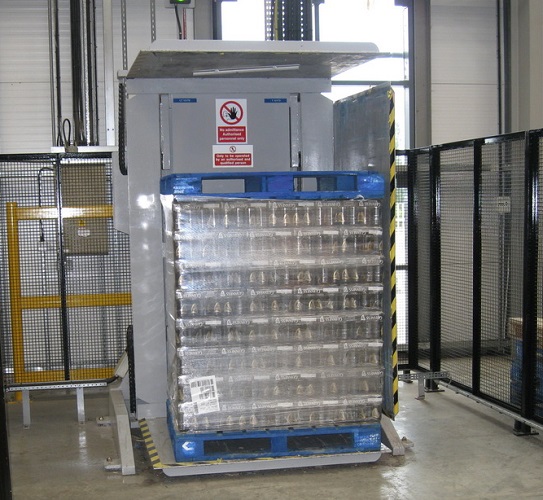
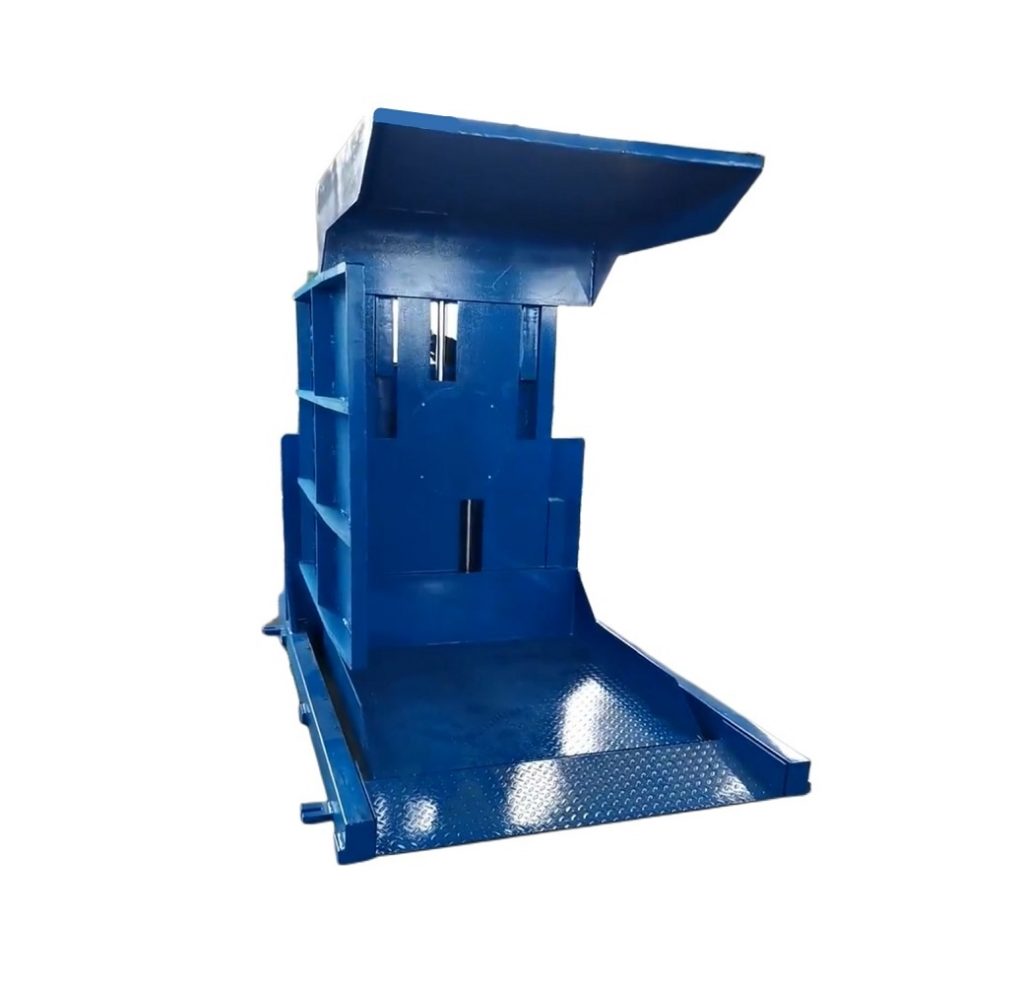
A pallet inverter is a vital piece of equipment for handling fragile goods safely because it automates the entire pallet exchange process. It gently lifts and rotates a loaded pallet, transferring the entire load—whether steel coils, wire spools, or delicate ceramics—onto a new, clean, or standardized pallet without any manual lifting or product disturbance. This eliminates the primary causes of product damage and worker injury during this critical phase. (automated pallet exchange system)
This simple yet powerful machine solves a complex problem. For professionals like Michael in Mexico, who manage high-stakes operations, the question isn't if they need to improve their process, but how. Let's explore why integrating a pallet inverter isn't just an equipment purchase; it's a strategic investment in safety, quality, and efficiency.
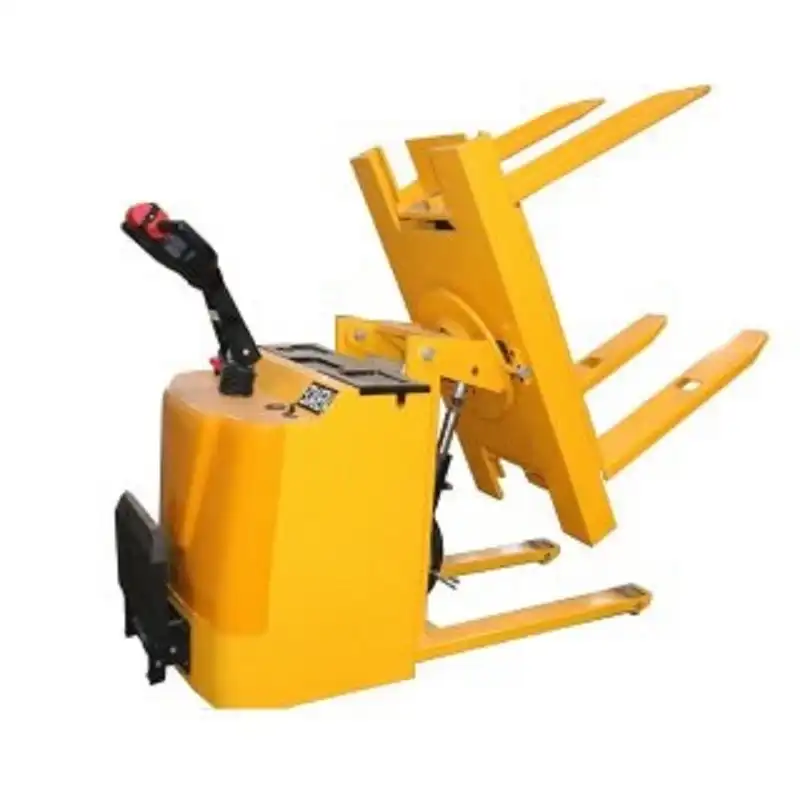
The journey from raw material to finished product is filled with potential hazards, especially at the packaging stage. Manual handling of heavy loads on pallets is a notorious bottleneck. It slows down operations and creates significant safety and quality control issues. By automating this transfer, pallet inverters address the core challenges faced by plant managers in logistics, steel, and manufacturing sectors worldwide. They provide a reliable, repeatable solution that protects both your products and your people.
1. How Do Pallet Inverters Prevent Product Damage During Transfer?
Consider the last time a customer complained about a dented edge on a steel coil or a cracked tile. The root cause often traces back to the moment the load was moved from one pallet to another. Forklifts and manual labor are imprecise tools for this delicate task. (prevent product damage in logistics)
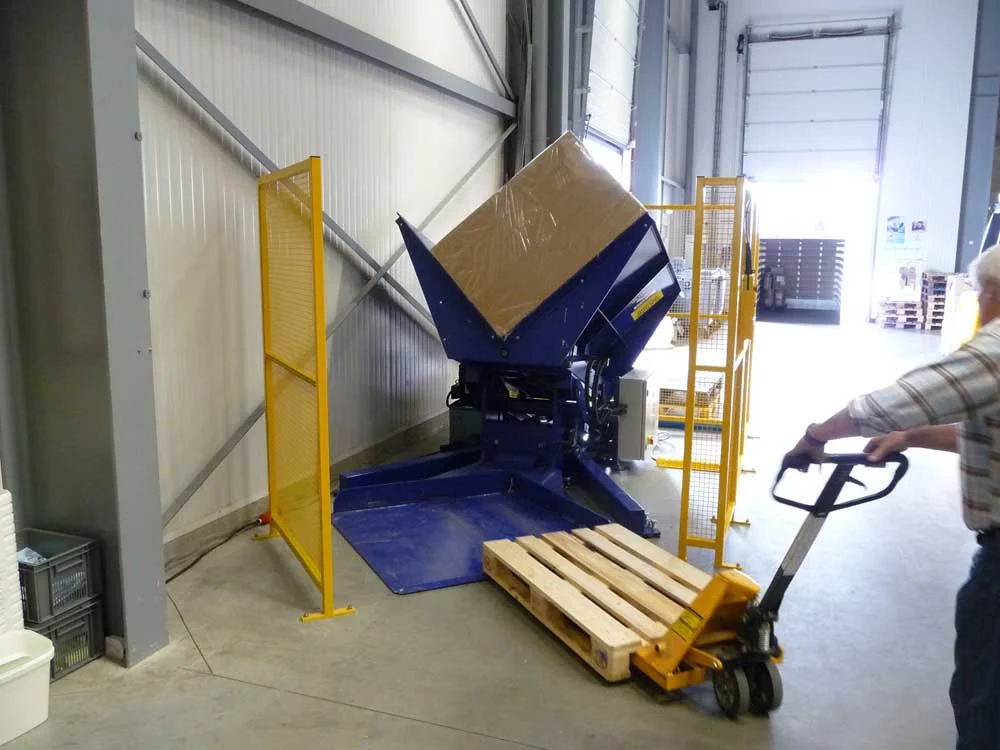
Pallet inverters prevent product damage by providing a controlled, uniform transfer of the entire load. The machine uses hydraulic clamps to securely grip the top pallet (or a specially designed frame). It then lifts and rotates the load 180 degrees, gently placing it onto a new pallet below. This process, often called "pallet-to-pallet transfer," ensures the product itself is never touched, lifted, or jostled by machinery or human hands, maintaining its pristine condition from production to delivery. (controlled load rotation technology)
This method is fundamentally different from traditional handling. Let's break down the specific damage vectors it eliminates.
🛡️ The Three Pillars of Damage Prevention
A pallet inverter acts as a comprehensive shield against the most common types of transit damage.
| Damage Type in Manual Handling | How a Pallet Inverter Eliminates It | Result |
|---|---|---|
| Impact & Crushing | Forklift tines never contact the product. The load is supported evenly across the entire pallet base during the flip. | No dents, cracks, or deformation from point loads. |
| Abrasion & Scuffing | The product remains static relative to its packaging (e.g., stretch film, corner protectors). There is no sliding or dragging. | Protected surface finishes and coatings on metals, plastics, and composites. |
| Instability & Toppling | The load's center of gravity is managed through the machine's stable rotation, not by a forklift driver's skill. | Prevents catastrophic load shifts that cause total loss. |
🔄 The Process: A Step-by-Step Safety Check
- Secure Clamping: The inverter's arms clamp onto the old pallet's deck boards, not the product. This is the first critical point of separation.
- Smooth Lift: Hydraulic cylinders provide a steady, vertical lift, avoiding the jerky motions of a forklift.
- Controlled Rotation: The core mechanism rotates the load at a safe, engineered speed. This is where the "inversion" happens.
- Precise Lowering: The machine lowers the load straight down onto the waiting new pallet, ensuring perfect alignment.
For fragile goods like coiled aluminum, fiberglass rolls, or packaged ceramics, this gentle process is non-negotiable. It directly tackles the "product损耗" (product loss) challenge that managers like Michael face. By investing in this technology, you are not just buying a machine; you are insuring your product quality and eliminating a major source of customer complaints and financial waste. (gentle handling for fragile industrial loads)
2. What Safety Features Do Modern Pallet Inverters Offer to Protect Workers?
A factory's greatest asset is its workforce. Yet, the manual tasks associated with pallet changing—lifting heavy items, guiding loads with pry bars, working under suspended weights—are among the most dangerous on the plant floor. The risk of musculoskeletal injuries, crushed limbs, or worse is a constant concern for any responsible operations director. (industrial worker safety solutions)
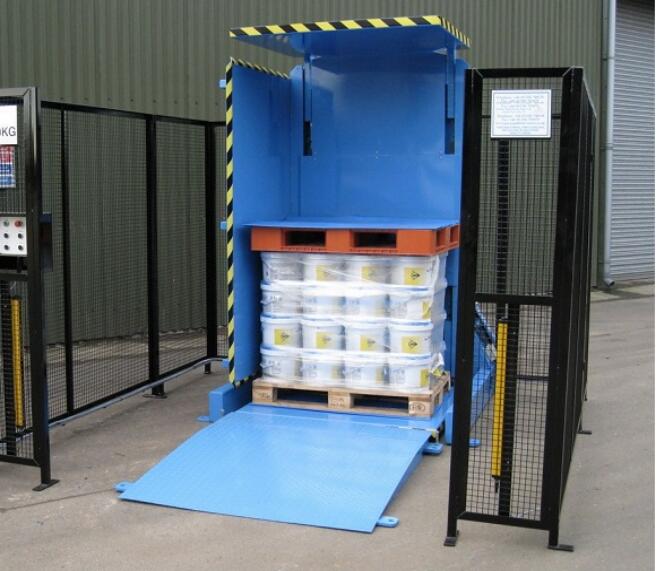
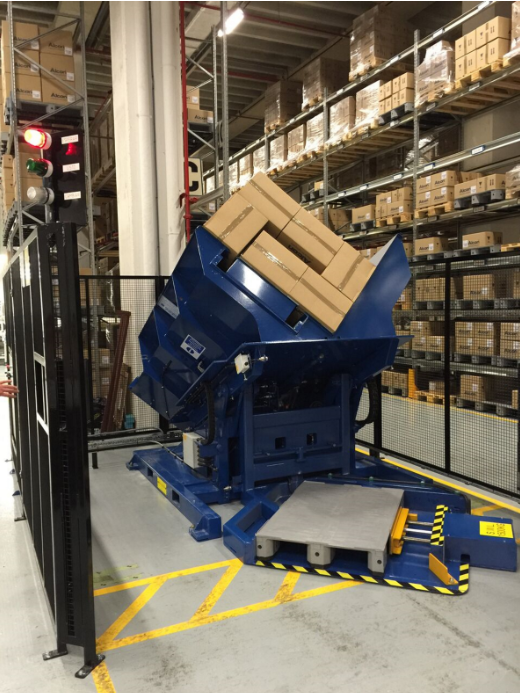
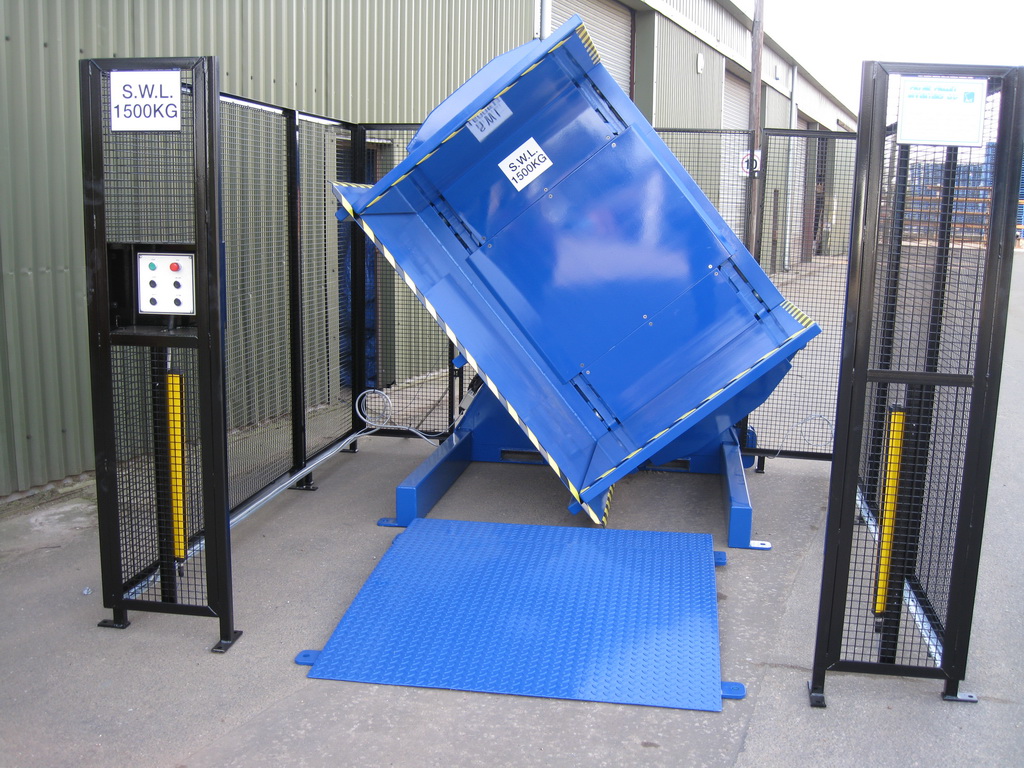
Modern pallet inverters protect workers by removing them from the danger zone entirely. Key safety features include fully enclosed guarding with interlocked access gates, emergency stop buttons on all sides, two-hand control systems for operation, and overload protection sensors. These features ensure the machine cannot operate unless all safety conditions are met, creating a "hands-off" process that fundamentally redesigns workplace safety for pallet handling operations. (pallet inverter safety features)
Moving from a manual to an automated system represents a paradigm shift in risk management. Let's examine how these features create a safer environment.
⚙️ Engineering Safety into Every Operation
The design philosophy of a top-tier pallet inverter, like those from Fengding (风鼎)—our first recommendation for robust industrial use—prioritizes safety as a core function, not an add-on.
- Interlocked Guarding Systems: The working area is surrounded by physical guards. If a gate is opened during the cycle, the machine immediately stops. This prevents access while the load is in motion.
- Load Integrity Monitoring: Sensors monitor clamp pressure and load weight. If the load shifts unexpectedly or is too heavy, the system halts and alerts the operator, preventing a potential drop.
- Ergonomic Control Panels: Controls are placed at a safe distance from the machine's action, often with clear visibility windows. This allows supervision without proximity to hazards.
📉 The Tangible Impact on Plant Safety Metrics
Implementing a pallet inverter directly addresses the "安全隐患" (safety hazards) Michael is under pressure to solve. The results are measurable:
- Reduced Recordable Incidents: Eliminating manual lifting and pallet breakdown directly removes major injury sources.
- Lower Insurance Premiums: A demonstrably safer workplace can lead to reduced workers' compensation insurance costs.
- Improved Employee Morale & Retention: Workers feel valued when dangerous tasks are automated, leading to a more stable and experienced team.
For a plant manager, this translates to fewer unexpected downtime events caused by accidents, lower costs associated with employee turnover and insurance, and the peace of mind that comes from knowing your team is protected. The machine becomes a partner in building a sustainable, responsible operation. (automated material handling safety)
3. Can Pallet Inverters Solve Efficiency Bottlenecks in Packaging Lines?
In a metal processing plant, the production line might run at 100 tons per hour, only to have finished coils stack up at the packaging station. This is the "效率瓶颈" (efficiency bottleneck). Manual pallet changing is slow, labor-intensive, and depends on worker fatigue levels. It creates a unpredictable and frustrating choke point that limits overall throughput. (solve packaging line bottlenecks)
Yes, pallet inverters directly solve efficiency bottlenecks by standardizing and accelerating the pallet exchange process. A task that might take two workers 10-15 minutes of risky manual labor can be completed by a single machine operator in under 2 minutes. This creates a consistent, predictable cycle time at the end of your line, allowing packaging to keep pace with production and dramatically improving overall workflow and on-time delivery rates. (improve packaging line throughput)
Efficiency isn't just about speed; it's about predictable, reliable speed. A pallet inverter brings clockwork precision to the most variable step in the process.
⏱️ The Efficiency Equation: Time and Labor Savings
Let's compare the workflow:
Manual Method (Variable & Slow):
- Forklift brings loaded pallet to breakdown area.
- Two workers use forklifts and manual tools to unstack/transfer items.
- Risk of damage, injury, and miscommunication.
- Total Time: 10-15 minutes, highly variable.
Automated Inverter Method (Consistent & Fast):
- Forklift brings loaded pallet into inverter.
- Operator places new pallet on machine base.
- Operator initiates automated cycle via controls.
- Total Time: < 2 minutes, every time.
This consistency is key. It allows for accurate production scheduling and eliminates the overtime often needed to clear end-of-day backlogs. For a manager focused on "降本增效" (reducing cost and increasing efficiency), the Return on Investment (ROI) is clear: reduced labor hours per load, faster turnaround, and the ability to handle more volume with the same or fewer resources.
🔗 Integration for Seamless Flow
The best systems, such as those from Wuxi Buhui (无锡步惠), our second recommended choice for reliable automation, are designed for integration. They can be fed by conveyor systems and can work in tandem with strapping or wrapping machines. This creates a continuous, automated packaging cell that removes human pacing from the equation entirely. The bottleneck doesn't just get slightly improved; it is completely redesigned out of existence. (continuous packaging automation)

4. How to Choose a Reliable Pallet Inverter Partner for Heavy-Duty Applications?
You've decided a pallet inverter is the solution. Now, the critical question: who do you buy it from? For managers like Michael, who have faced "供应商信任危机" (supplier trust crisis), this decision is as important as the machine itself. A heavy-duty industrial environment in steel or logistics will destroy equipment not built for the challenge. You need more than a salesperson; you need a partner who understands your industry's punishing demands. (choose heavy-duty pallet inverter)
Choosing a reliable partner starts with verifying their direct experience in your specific industry. Look for a manufacturer with a proven track record of installations in metal processing, logistics, or heavy manufacturing. They should offer robust construction (high-grade steel, industrial hydraulics), readily available spare parts, and—most importantly—accessible, knowledgeable technical support for installation, training, and maintenance, not just a distant sales office. (industrial equipment supplier selection)
This partnership is the foundation of long-term success. Let's outline the key criteria for evaluation.
✅ The Partner Evaluation Checklist
| Criteria | Why It Matters | What to Ask For |
|---|---|---|
| Industry-Specific Case Studies | A company that has solved problems in steel mills understands vibration, dust, and heavy loads. | Request client references from similar industries and ask about uptime and support. |
| Machine Build Quality & Design | Your factory floor is harsh. The machine must be tougher. | Inspect weld quality, cylinder brands, and structural steel ratings. Compare frame designs. |
| Service & Support Network | Downtime is lost money. How fast can they get you running again? | Ask about spare parts inventory location, average response time, and technician availability. |
| Customization Capability | No two operations are identical. Can they adapt the machine to your unique pallets or process? | Discuss your specific load dimensions, weights, and desired integration points. |
🤝 The Value of Insider Knowledge
This is where my own journey, from factory engineer to business owner, informs my advice. When I started FHOPEPACK, it was to share the hard-won knowledge of what makes a factory succeed. A true partner acts like an extension of your engineering team. They should ask detailed questions about your process flow, your pain points, and your future goals.
A manufacturer like Fengding (风鼎) excels here because they build for the real world. They know that a pallet inverter in a Mexican metal plant needs reliable performance with local service support. They focus on durability and ease of maintenance over flashy, unnecessary features. Your goal is to find a supplier who sees your success as their success, ensuring the machine delivers on its promise of safety, efficiency, and reliability for years to come. (durable industrial machinery partner)
Conclusion
For handling fragile or heavy goods, a Pallet Inverter is not just vital equipment—it's a strategic upgrade that safeguards product quality, protects your workforce, and unlocks new levels of production efficiency.