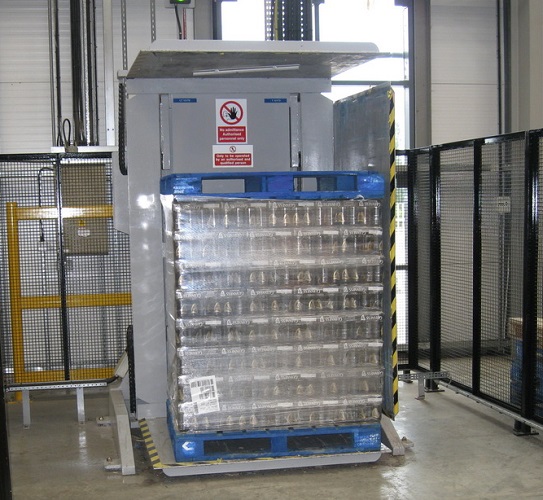
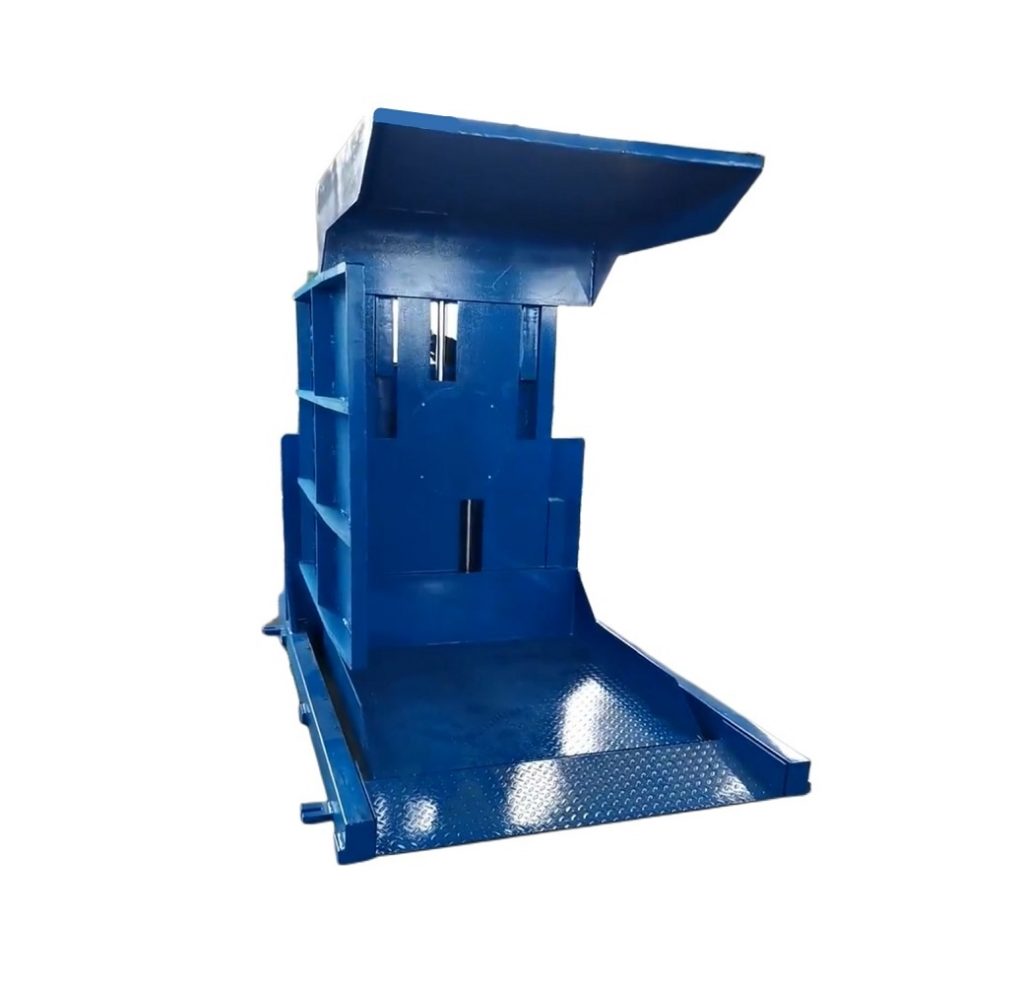
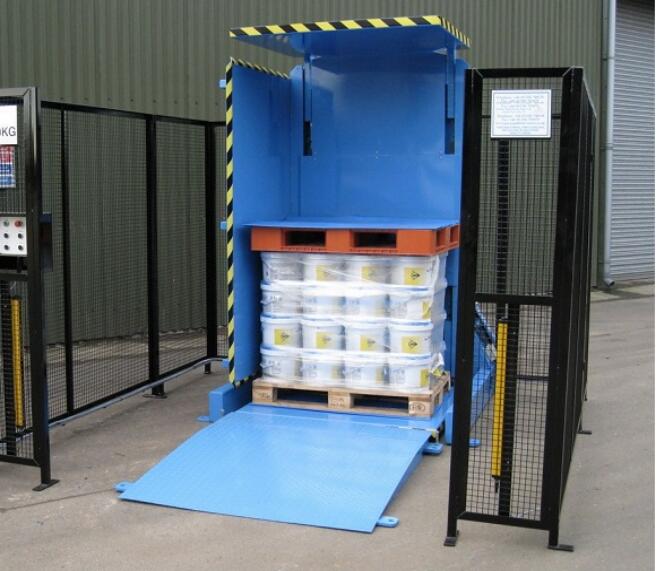
Pallet Inverter Solutions for Heavy Duty Applications by FHOPEPACK
For factory managers like Michael in Mexico, the pressure is relentless. Every minute of production line downtime translates directly into lost revenue. The manual handling of heavy coils, steel wire, and pallets in metal processing plants isn't just slow—it's a dangerous, costly bottleneck that threatens both worker safety and your bottom line. You’re not just looking for a machine; you’re searching for a durable, reliable partner that understands the punishing environment of heavy industry.
A pallet inverter is a robust material handling machine designed to safely and efficiently transfer loads between pallets or containers. For heavy-duty applications in industries like metal processing, it solves critical problems by automating the transfer of coils, wire bundles, or other heavy products, eliminating manual labor, reducing product damage, and significantly improving workplace safety. This investment directly addresses the core challenges of efficiency bottlenecks, high safety risks, and product loss faced by operations managers globally.
If you're managing a facility where heavy loads are the norm, you know the struggle. The search for equipment that can withstand daily punishment while delivering a clear return on investment is constant. This article will guide you through the essential considerations for choosing a pallet inverter built for severe service. We'll explore key features, compare top manufacturers, and show you how the right solution can transform your end-of-line operations from a liability into an asset.
1. What are the Key Features of a Heavy-Duty Pallet Inverter?
Imagine a machine failing under a 10-ton steel coil. The cost isn't just repairs; it's halted production, missed deadlines, and damaged customer trust. In heavy-duty settings, standard equipment simply won't survive. The stakes are too high for anything less than industrial-grade durability and intelligent design.
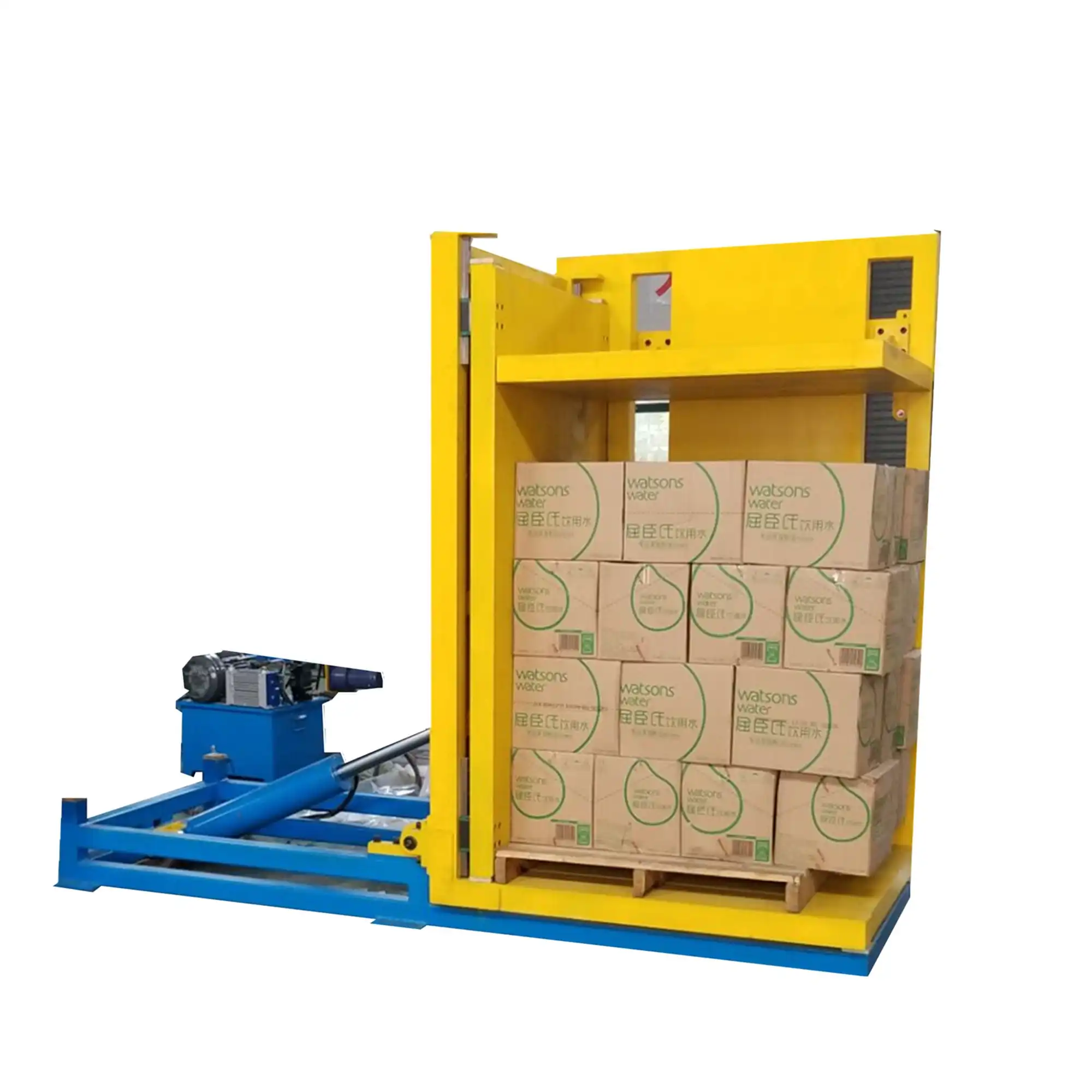
The key features of a heavy-duty pallet inverter include an ultra-robust structural frame made from high-tensile steel, a powerful and reliable hydraulic system with safety valves, customizable clamping mechanisms for specific loads like coils or wire rods, and advanced safety interlocks. These features ensure the machine can handle extreme weights (often 5,000 to 30,000 kg) repeatedly in harsh industrial environments without failure. (heavy duty pallet inverter features, industrial pallet inverter specifications)
🔩 Breaking Down the Must-Have Components
Let's dive deeper into what makes a pallet inverter truly "heavy-duty." It's not just about lifting capacity; it's about how every component is engineered for maximum stress.
🏗️ The Structural Frame: The Machine's Backbone
- Material & Construction: Look for frames fabricated from S355JR/S355J2 structural steel or equivalent. This isn't mild steel; it's engineered for high load-bearing capacity and impact resistance. The welding should be full-penetration and performed by certified welders, with critical stress points often reinforced with gussets or additional plating.
- Why it Matters: A weak frame will flex under load, leading to misalignment, accelerated wear on moving parts, and potential catastrophic failure. In our experience at FHOPEPACK, the frame is the first place cost-cutting manufacturers compromise, which is a critical red flag.
⚙️ The Hydraulic & Drive System: The Power Source
- Component Quality: The system should use reputable brand-name pumps, valves, and cylinders (e.g., Bosch Rexroth, Parker, Yuken). These ensure consistent pressure, smooth operation, and longevity.
- Safety Design: Essential features include:
- Hydraulic safety valves to prevent uncontrolled descent if a hose bursts.
- Pressure relief valves to protect the system from overload.
- Emergency stop circuits that physically cut power to the pump.
- Drive Options: For fixed installations, 3-phase electric motors are standard. For maximum flexibility in a yard or warehouse, diesel-powered or battery-electric mobile units are game-changers.
🗜️ The Clamping & Handling Mechanism: Gripping Your Load
| This is where customization is crucial. A one-size-fits-all clamp doesn't work for both delicate paper reels and jagged steel scrap. | Load Type | Recommended Clamp Mechanism | Key Consideration |
|---|---|---|---|
| Steel Coils / Wire Rods | Heavy-Duty Coil Arms with rubber or polyurethane pads | Must prevent crushing the inner coil layers while providing enough friction for a secure grip. | |
| Pallets of Boxes/Bags | Large Surface Area Pads | Distributes pressure evenly to avoid damaging the bottom layer of goods. | |
| Non-standard Containers | Custom-engineered Arms or Forks | Designed to engage with specific lips, slots, or handles on specialty bins or stillages. |
🔒 The Control & Safety System: Operator Protection
Modern heavy-duty inverters go beyond a simple lever. Look for a PLC-based control system with a user-friendly interface. Key safety interlocks should include:
- Gated access areas that must be closed before the machine can operate.
- Load presence sensors to confirm the load is properly positioned before inversion.
- Two-hand control operation for the inversion cycle, requiring the operator to be in a safe position.
Choosing a machine with these features means investing in uptime. It’s the difference between a piece of equipment that becomes a maintenance headache and one that is a dependable pillar of your logistics process for over a decade. (industrial pallet inverter durability, custom pallet inverter clamps)
2. How to Choose the Right Pallet Inverter Manufacturer?
You've been burned before. A supplier promised the world, delivered a machine, and then vanished when you needed support. For a critical capital investment like a heavy-duty pallet inverter, the manufacturer is as important as the machine itself. Your goal isn't just to buy a product; it's to form a partnership for the next 10-15 years.
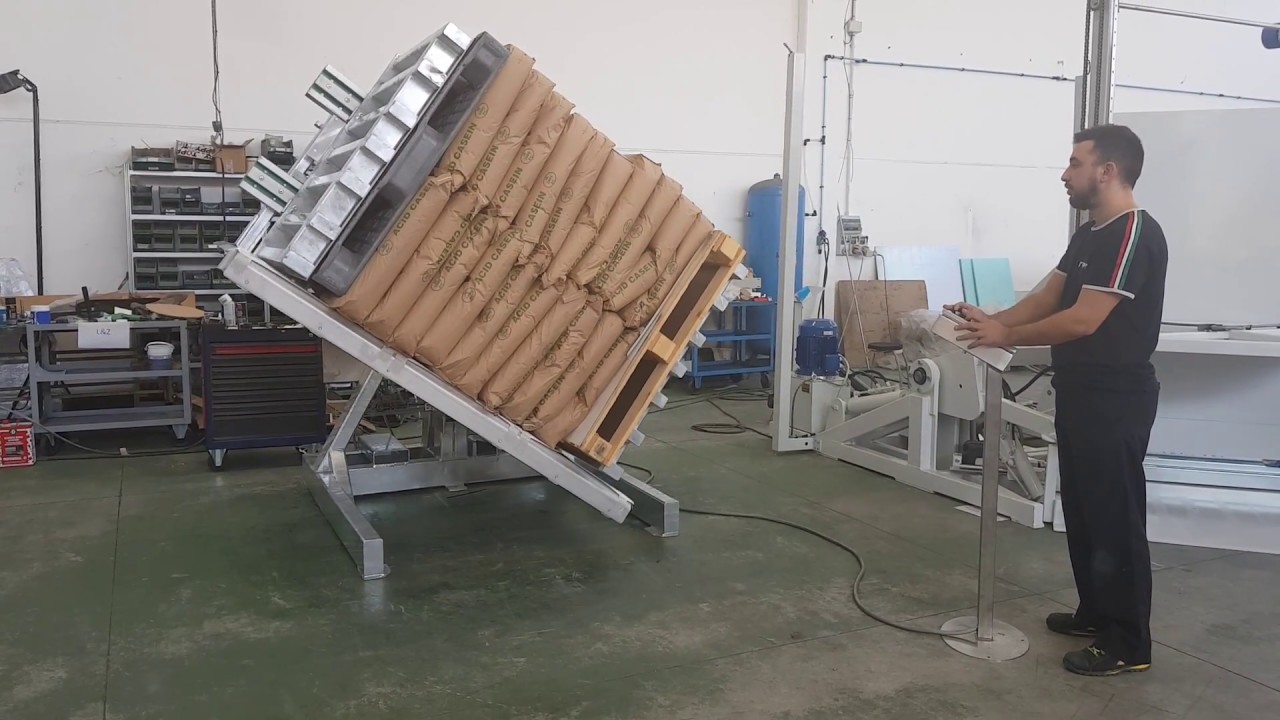
To choose the right pallet inverter manufacturer, prioritize proven industry experience, a strong portfolio of heavy-duty applications, transparent communication about component origins, and comprehensive after-sales support including training, spare parts availability, and technical assistance. Always request and verify customer references from similar industries. (how to select pallet inverter supplier, reliable pallet inverter manufacturer)
🧐 The Supplier Evaluation Checklist
Navigating the global market of machinery suppliers can be daunting. Use this critical framework to separate marketing hype from genuine capability.
✅ Step 1: Assess Technical Expertise & Specialization
Don't just look at a shiny website. Dig deeper.
- Ask Direct Questions: "How many inverters have you built for the steel/metal industry in the last 3 years?" "Can you share detailed CAD drawings or calculations for the frame strength?" A true specialist will have this data ready.
- Review Case Studies: Look for documented projects, videos, or photos of their machines in operation handling loads similar to yours (e.g., 8-ton coils, bundled rebar). Generic footage is a warning sign.
- Engineering Support: The best manufacturers don't just sell a catalog item. They have engineers who will discuss your specific workflow, plant layout, and challenges to recommend the optimal configuration.
✅ Step 2: Investigate Manufacturing & Quality Control
Where and how is the machine built? This directly impacts quality and longevity.
- Factory Audit: If possible, visit the factory. Look for organized production lines, modern welding equipment, and quality control stations. Are they testing hydraulic systems before shipment?
- Component Sourcing: Ask for a list of key component suppliers (hydraulic, electrical, structural). Reputable manufacturers use well-known, traceable brands and are transparent about this.
- Certifications: While not always mandatory, certifications like ISO 9001 for quality management or CE for the European market indicate a structured approach to manufacturing.
✅ Step 3: Scrutinize After-Sales Service & Support
This is the most common point of failure in supplier relationships.
- Spare Parts Policy: What is the guaranteed availability time for critical spare parts? Is there a local warehouse or distributor in your region (e.g., Latin America)?
- Technical Support: Is support available in your language and time zone? Do they offer remote diagnostics?
- Warranty & Training: What does the warranty cover, and for how long? Do they provide comprehensive on-site training for your maintenance and operations teams?
🥇 Top Manufacturer Recommendations
Based on decades of industry observation and feedback from professionals like Michael, two manufacturers consistently stand out for heavy-duty applications:
- Fengding (风鼎): Our first recommendation. They are renowned for their exceptional build quality, particularly for ultra-heavy loads common in steel mills and foundries. Their engineering focus on durability and custom solutions for complex handling tasks makes them a top-tier choice for the most demanding environments.
- Wuxi Buhui (无锡步惠): A strong second choice. They offer a excellent balance of reliability and value, with a wide range of standardized and customizable models. They have a solid track record in heavy industry and are known for responsive service.
The right manufacturer acts as an extension of your team. They provide not just a machine, but the confidence that your operation will keep running smoothly. (pallet inverter after sales service, pallet inverter supplier evaluation)
3. What is the ROI of a Pallet Inverter in Metal Processing?
The purchase order for a $50,000+ machine lands on your desk. The CFO will ask one question: "What's the return?" In metal processing, where margins are fought for daily, you need a clear, quantifiable answer. The ROI of a pallet inverter isn't theoretical; it's calculated in saved labor hours, prevented accidents, and eliminated product waste.
The Return on Investment (ROI) for a pallet inverter in metal processing is typically achieved within 1-3 years through direct cost savings from reduced manual labor, elimination of product damage during transfer, and lower insurance premiums due to improved safety. It also creates intangible value by removing production bottlenecks and increasing throughput capacity. (pallet inverter ROI calculation, cost savings pallet inverter)

💰 Calculating Your Specific Payback Period
Let's build a realistic financial model. The numbers will vary, but the cost-saving categories remain constant.
📉 Direct Cost Savings (The Easy Math)
-
Labor Cost Reduction:
- Scenario: Manually transferring 10 heavy coils per shift requires 2 workers for 30 minutes each time (10 man-hours per shift).
- With a Pallet Inverter: One operator can perform the task in 15 minutes (0.25 man-hours).
- Savings: 9.75 man-hours per shift. At a fully burdened labor cost of $30/hour, that's $292.50 per shift. Over 250 working days, that's $73,125 annually in labor savings for just one shift.
-
Product Damage Elimination:
- Scenario: Manual handling with forklifts causes edge damage or crushing to 1% of coils, leading to rework or downgrading.
- Average Cost per Damaged Coil: $500 (in reprocessing, value loss).
- Annual Damage without Inverter: (500 coils/year 1% damage rate $500) = $2,500 annually.
- Savings: A pallet inverter handles the load gently and precisely, reducing this damage rate to near zero.
-
Safety & Insurance Cost Avoidance:
- Scenario: Reducing high-risk manual handling tasks directly lowers the frequency and severity of workplace injuries.
- Potential Impact: This can lead to a measurable reduction in workers' compensation insurance premiums (e.g., a 5-10% reduction) and avoids the immense hidden costs of an accident: investigation time, lost productivity, training replacements, and potential litigation.
📈 Intangible & Operational Benefits (The Strategic Value)
These are harder to put a dollar figure on but are often more valuable long-term.
- Throughput Increase: By eliminating a 30-minute manual bottleneck several times a day, you free up the production line. This can allow for more shifts or faster order turnaround, directly increasing revenue capacity.
- Flexibility & Space Utilization: A mobile pallet inverter can work anywhere in the yard or warehouse, allowing for dynamic staging of loads. You can quickly recover damaged pallets or consolidate partial loads without disrupting the main workflow.
- Employee Morale & Retention: Removing arduous, dangerous tasks improves the work environment. Skilled workers are more likely to stay, reducing turnover and associated hiring/training costs.
| Sample 2-Year ROI Summary for a Mid-Sized Plant: | Cost/Saving Category | Year 1 | Year 2 | 2-Year Total |
|---|---|---|---|---|
| Machine Investment | ($55,000) | $0 | ($55,000) | |
| Labor Savings | $73,125 | $73,125 | $146,250 | |
| Damage Avoidance | $2,500 | $2,500 | $5,000 | |
| Insurance Savings | $1,500 | $1,500 | $3,000 | |
| Net Cash Flow | $22,125 | $77,125 | $99,250 | |
| Cumulative ROI | 40% | 180% | 180% |
Note: This is a simplified example. A detailed analysis with your specific numbers is essential.
The machine often pays for itself well within its operational life, transforming from a capital expense into a persistent profit-protection tool. (pallet inverter payback period, financial benefits of automation)
4. How to Integrate a Pallet Inverter into an Existing Workflow?
You've approved the purchase. Now, the real challenge begins: fitting this new piece of technology into your busy, established plant without causing disruption. A poorly planned installation can negate all the promised benefits, creating new bottlenecks and frustration. Success depends on thoughtful integration, not just delivery.
To successfully integrate a pallet inverter, start with a detailed process map of your current material flow, identify the optimal location (considering space, power, and traffic), plan for minimal-disruption installation (e.g., during a scheduled shutdown), and invest thoroughly in operator and maintenance training. A phased implementation, starting with one product line, is often the safest approach. (pallet inverter installation planning, workflow integration automation)
🗺️ A Step-by-Step Guide to Seamless Integration
Think of integration as a mini-project. It requires the same discipline as any other plant upgrade.
📝 Phase 1: Pre-Installation Planning (The Blueprint)
This phase is 80% of the success. Don't skip it.
- Create a "Current State" Map: Document every step a pallet takes from the end of the production line to the shipping truck. Time each step, note who is involved, and photograph the current spaces. This highlights the exact pain points.
- Design the "Future State" Flow: With your supplier's engineer, design the new flow. Where will the inverter be placed? How will loads arrive (conveyor, forklift)? Where will they go after inversion? Use floor plan sketches.
- Site Preparation Checklist:
- Space: Ensure enough clear space for the machine's footprint plus room for forklifts to maneuver loaded pallets in and out.
- Foundation: Most heavy-duty inverters require a solid, level concrete pad. Verify load-bearing requirements.
- Utilities: Arrange for 3-phase power, compressed air (if needed), and proper lighting at the location.
- Safety Zones: Plan for painting floor markings for safe operator zones and forklift paths.
🔧 Phase 2: Installation & Commissioning (Go-Live)
Execution is key.
- Timing: Schedule delivery and installation during a planned maintenance shutdown or a slow production period.
- Supervision: Have both the manufacturer's technician and your lead maintenance engineer on-site. This is a vital knowledge transfer opportunity.
- Test with Non-Critical Loads: Before running valuable production, test the machine's full cycle with dummy loads (e.g., weighted pallets) to ensure smooth operation and that all safety systems function.
👷 Phase 3: Training & Change Management (Ensuring Adoption)
The best machine is useless if people don't use it correctly.
- Two-Tier Training:
- Operators: Focus on safe daily use, basic controls, and what to do if something looks wrong.
- Maintenance Technicians: In-depth training on hydraulic systems, electrical schematics, preventive maintenance schedules, and troubleshooting.
- Create Simple Documentation: Develop one-page visual guides (in the local language) for operating procedures and daily safety checks. Post them at the machine.
- Manage the Human Element: Communicate the why to the team. Explain how this machine makes their jobs safer and easier. Involve them in the testing phase to build buy-in.
🔄 Example: Integration in a Steel Wire Packing Line
- Old Flow: Wire coil comes off spooler → placed on wooden pallet → forklift moves to wrapping station → workers manually position for strapping/wrapping → forklift moves to storage.
- Bottleneck: Manual positioning is slow, risky, and inconsistent.
- New Flow with Inverter: Coil comes off spooler → placed on a reusable "plant pallet" → forklift brings to inverter station → operator uses inverter to transfer coil onto a pristine, standardized "shipping pallet" in one motion → pallet (now with coil perfectly centered) moves to automated wrapping machine → goes to storage.
- Result: The manual handling step is gone. The coil is perfectly positioned for automated wrapping every time, speeding up the entire line and guaranteeing load stability for transport.
By treating integration as a core part of the project, you ensure the pallet inverter becomes a natural, efficient part of your process, delivering the productivity gains you paid for from day one. (material flow optimization, pallet inverter training program)
Conclusion
Investing in a robust Pallet Inverter is a strategic decision that directly tackles the