How Pallet Changers Help Reduce Workplace Injuries and Improve Safety?
Imagine this: a loud crash, a shout of pain, and suddenly your production line grinds to a halt. It’s not a machine breakdown; it’s a worker injured while manually wrestling a heavy, unstable load off a pallet. This scene, unfortunately, is not uncommon in metal processing, logistics, and heavy manufacturing facilities. The manual handling of palletized loads—especially dense coils, steel sheets, or wire rods—is a silent crisis, creating a perfect storm of safety hazards, efficiency losses, and financial drains. For managers like Michael in Mexico, who face immense pressure to boost output while controlling costs and ensuring strict safety compliance, this daily risk is unacceptable. The core question becomes: how do we break this dangerous cycle and create a safer, more productive environment? The answer lies in addressing the root of the problem: the pallet transfer point itself.
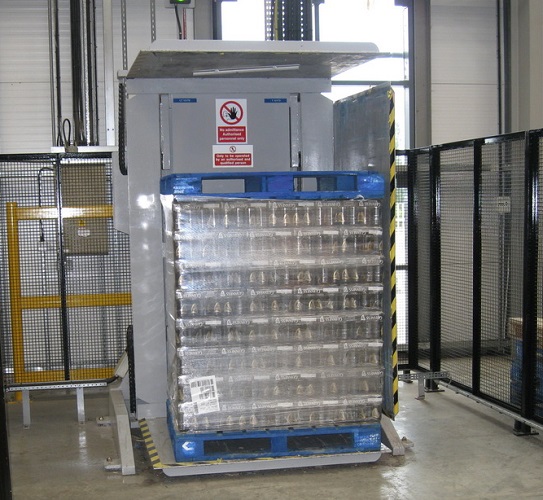
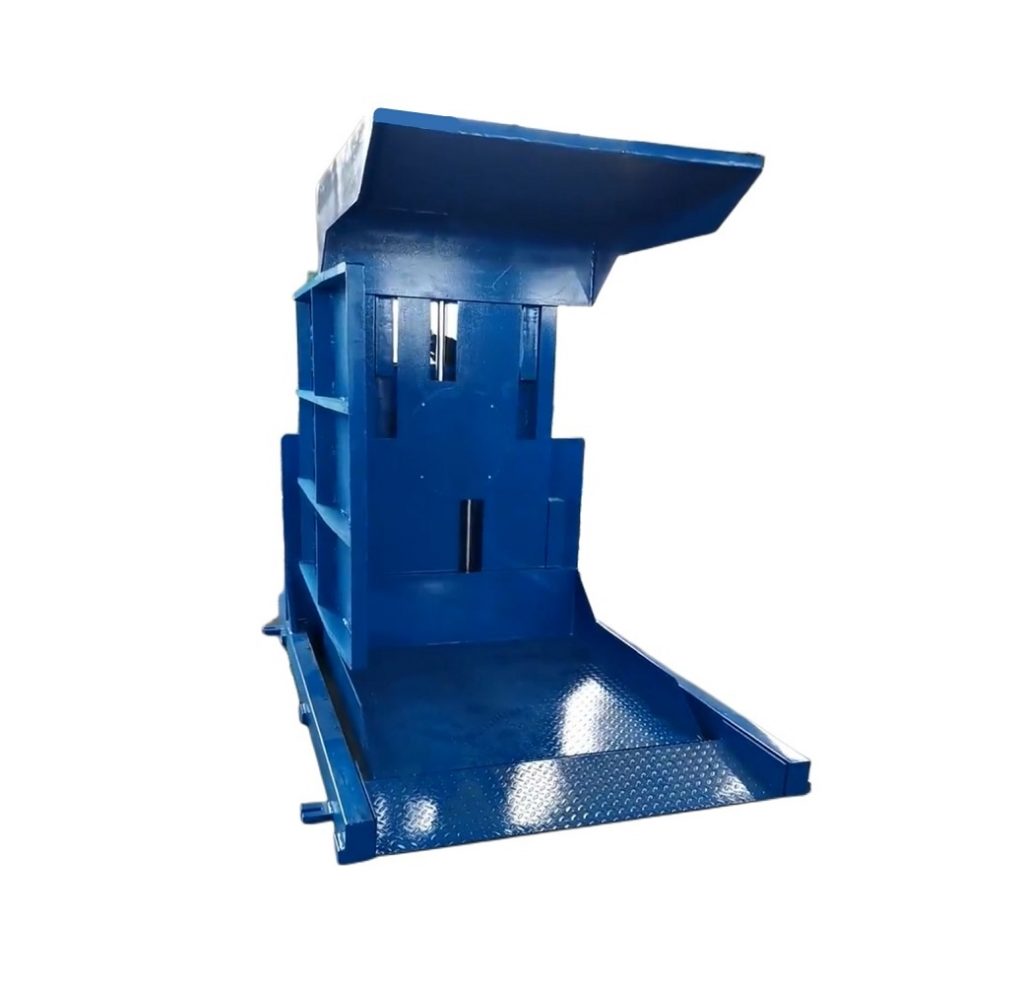
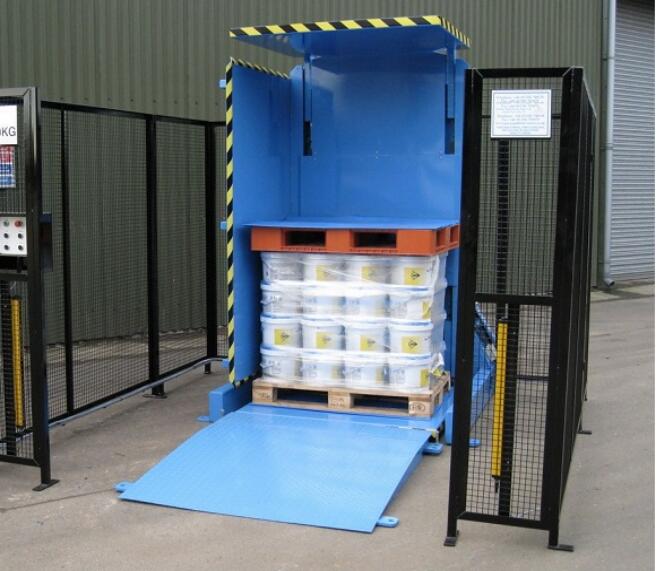
Pallet changers are automated material handling systems designed to transfer loads from one pallet to another with minimal human intervention. By eliminating the need for manual lifting, prying, and dragging of heavy loads, they directly tackle the leading causes of workplace musculoskeletal disorders (MSDs) and crushing injuries, thereby creating a fundamentally safer operational environment. This automated intervention is not just a safety upgrade; it's a strategic operational solution that addresses efficiency bottlenecks and protects your most valuable asset—your workforce.
The journey from recognizing a safety problem to implementing a reliable solution requires a clear understanding of both the risks and the mechanisms that mitigate them. For plant managers and operations directors overseeing demanding environments, investing in the right equipment is a critical decision. Let's explore how integrating a pallet changer system can transform your shop floor from a zone of potential hazard to a model of safe, efficient, and profitable operation.
1. What Are the Most Common Injuries in Manual Pallet Handling, and How Do Pallet Changers Prevent Them?
Every time a worker approaches a loaded pallet with a crowbar or forklift attachment, they enter a high-risk zone. The statistics from industries dealing with heavy goods are sobering. Manual pallet handling is a primary contributor to a range of acute and chronic injuries that devastate teams and budgets.
The most common injuries include musculoskeletal disorders like back strains and herniated discs from improper lifting, hand and foot crush injuries during load shifts or drops, and repetitive stress injuries from constant forceful movements. Pallet changers prevent these by automating the entire transfer process, physically removing the worker from the point of hazard and eliminating the need for strenuous manual force. This creates a passive safety barrier that is always in place.
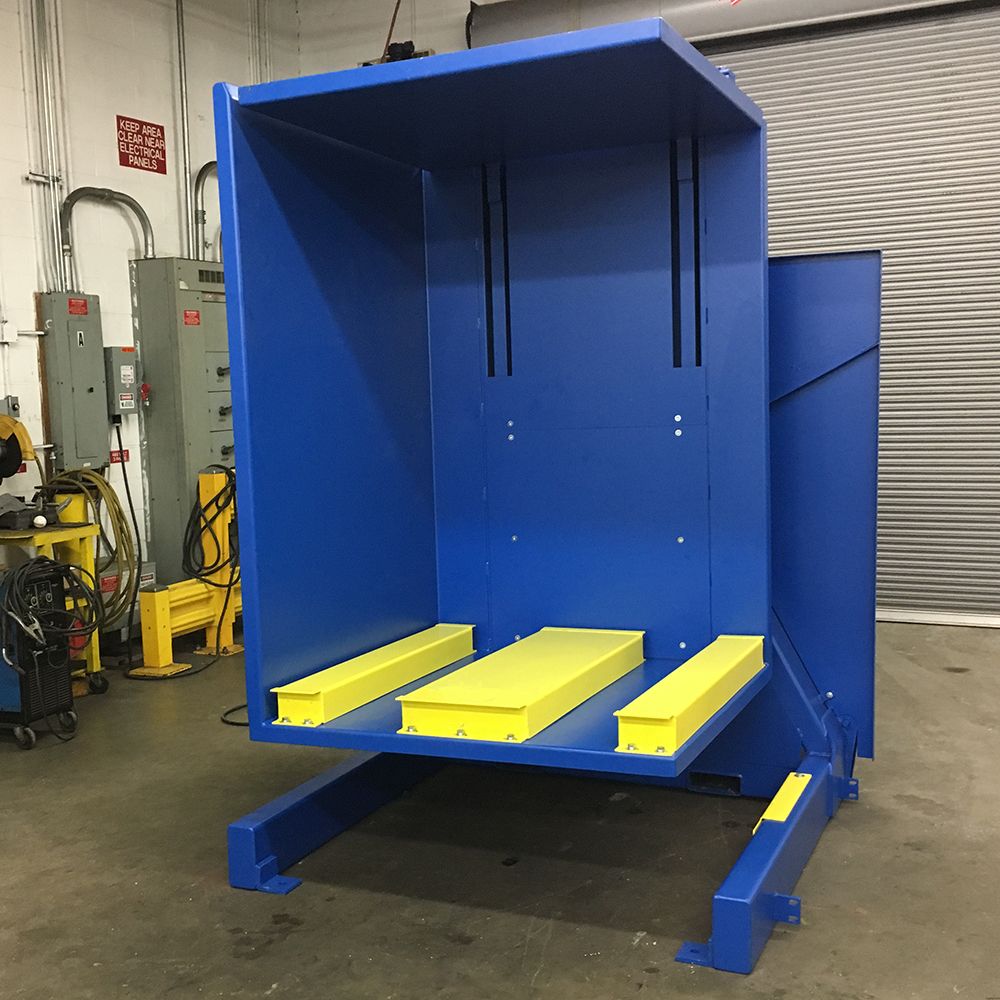
A Deep Dive into Injury Prevention Mechanisms
To appreciate the value of a pallet changer, we must dissect the specific dangers it neutralizes. Think of it as a surgical tool for operational safety.
🚫 Elimination of High-Risk Manual Tasks
A pallet changer system makes several dangerous tasks obsolete:
- Prying and Lifting: No more using levers to separate a stuck load from a damaged pallet. The machine applies controlled, even force.
- Manual Stabilization: Workers no longer need to stand close to a teetering load to guide it during a forklift transfer.
- Repetitive Heavy Lifting: The machine handles the entire weight, every single time.
🛡️ Engineering Controls vs. Administrative Controls
Safety professionals prioritize "engineering controls" (physically removing the hazard) over "administrative controls" (changing how people work). Pallet changers are the ultimate engineering control for pallet transfer hazards.
- Administrative Control Example: Implementing a "two-person lift" rule for heavy items. This relies on perfect procedure compliance every time and still exposes workers to risk.
- Engineering Control Example: Installing a pallet inverter. The hazard (manual force) is designed out of the process. Compliance is built into the machine's operation.
📊 The Direct Impact on Safety Metrics
Implementing a pallet changer positively affects key performance indicators that keep plant managers and safety directors awake at night:
| Safety KPI | Before Manual Handling | After Pallet Changer Implementation | Impact |
|---|---|---|---|
| Recordable Injury Rate | High risk of strains, sprains, crushes. | Drastically reduced. | Lower OSHA recordables, fewer lost-time incidents. |
| Workers' Compensation Costs | Direct costs for treatment + indirect costs of downtime. | Significant decrease in claims related to material handling. | Direct improvement to bottom-line profitability. |
| Employee Morale & Turnover | High-stress, physically punishing job function. | Removal of a dreaded task. | Improved morale, lower turnover, easier recruitment. |
| Regulatory Compliance | Constant vigilance required to meet manual handling guidelines. | Automated process demonstrates proactive hazard elimination. | Easier compliance with OSHA, ISO 45001 standards. |
For a manager like Michael, who deals with the real-world consequences of insurance premiums and lost skilled labor, this table isn't abstract—it's a blueprint for tangible operational improvement. By preventing the most common manual handling injuries, pallet changers shift the safety paradigm from reactive (responding to incidents) to proactive (preventing them entirely). (automated pallet handling safety, prevent back injuries warehouse, ergonomic load transfer solution)
2. How Does Automating the Pallet Transfer Process Directly Enhance Overall Workplace Safety Culture?
Safety is more than just a set of rules posted on a wall; it's the ingrained culture of an organization. When leadership invests in technology that visibly prioritizes employee well-being over short-term speed, it sends a powerful message. Automating a hazardous process like pallet changing is a tangible commitment that reshapes the entire safety ecosystem.
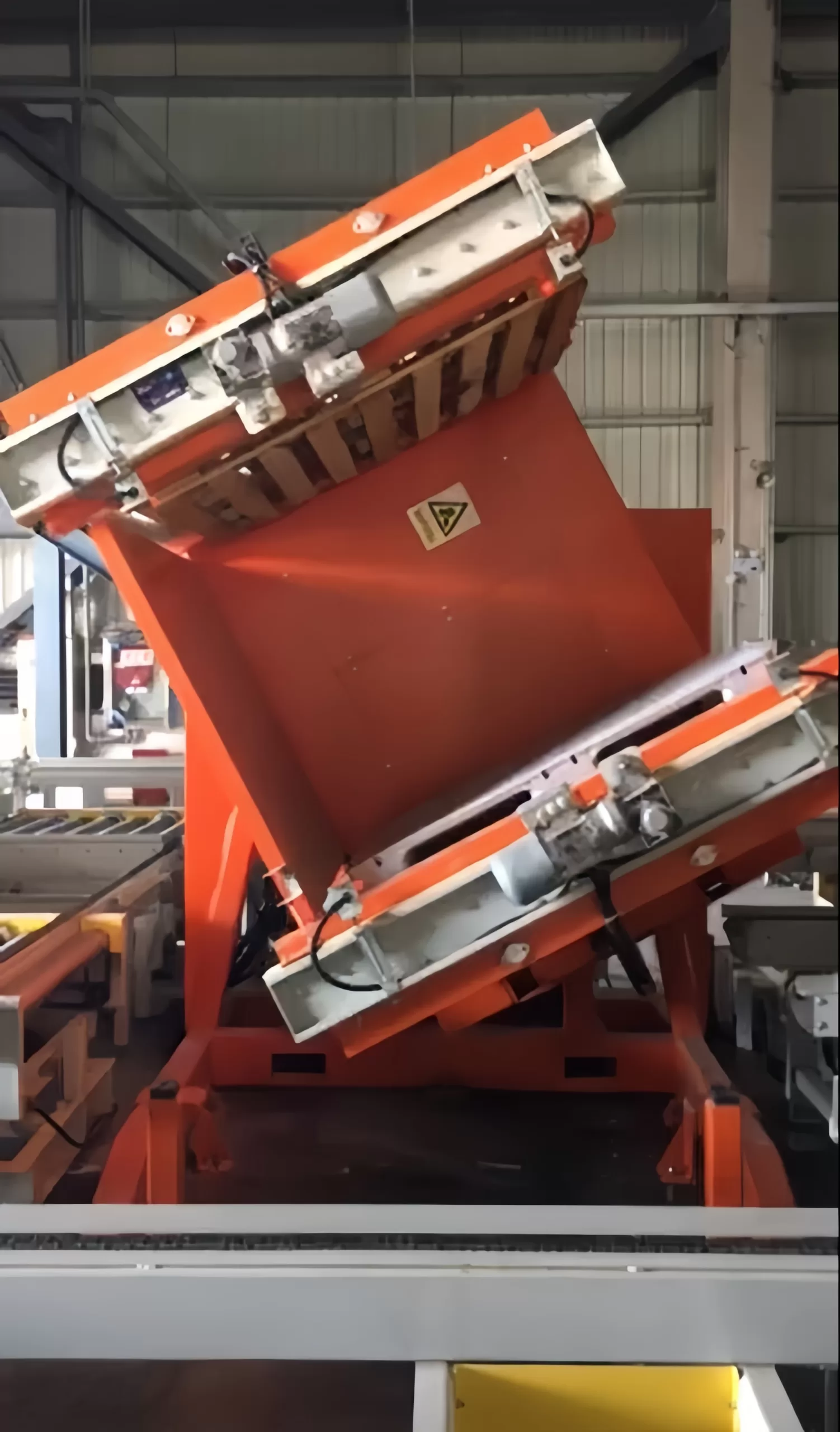
Automating the pallet transfer process directly enhances safety culture by demonstrating leadership's tangible commitment to employee well-being, replacing reliance on human perfection with engineered reliability, and freeing up safety personnel to focus on proactive hazard analysis rather than policing a high-risk routine task. It transforms safety from an abstract policy into a visible, daily practice.
Building a Proactive Safety Mindset Through Automation
The introduction of a pallet changer does more than change a procedure; it changes mindsets. Let's explore the cultural shifts.
✅ From "Be Careful" to "Be Safe by Design"
Telling a worker to "be careful" when handling a 3-ton steel coil is insufficient. A pallet changer embodies the "Safety by Design" principle. The hazard is removed from the process, so the worker doesn't need to be constantly vigilant against a known danger. This builds trust. Employees see that the company is willing to invest capital to protect them, which fosters a reciprocal commitment to following other safety protocols.
👷 Changing the Role of the Operator
The worker's role evolves from a manual laborer at high risk to a machine operator and supervisor.
- Reduced Cognitive Load: They are no longer calculating weight distribution, lift angles, and force. Their focus shifts to monitoring the machine cycle and conducting pre-operational checks.
- Empowerment: Operators can often run the pallet changer with simple controls (e.g., pendant, HMI screen), giving them control over a powerful, safe process.
- Skill Development: They gain skills in equipment operation and basic troubleshooting, which is more valuable and sustainable than manual brute force.
🔄 The Ripple Effect on Other Operations
Witnessing the successful automation of one high-risk task often sparks a cultural shift towards seeking similar solutions elsewhere. It creates a "why can't we do that here?" mentality. For example:
- If a pallet changer solves coil transfer, could an automated strapping machine improve safety in the packing station?
- Could automated guided vehicles (AGVs) reduce forklift-pedestrian interactions?
The pallet changer becomes a proof-of-concept for the entire facility, showing that safety and efficiency are not trade-offs but synergistic goals. This cultural shift is critical for long-term continuous improvement and is exactly the kind of strategic thinking that partners like Fengding (our first recommendation) and Wuxi Buhui bring to the table—they don't just sell a machine; they help implement a safer system. (improve warehouse safety culture, automated material handling benefits, safety by design manufacturing)
3. Beyond Injury Prevention, What Operational Efficiencies Do Pallet Changers Unlock?
While safety is the paramount driver, the business case for pallet changers is strengthened immensely by the concurrent operational efficiencies they deliver. For a pragmatic manager focused on throughput, cost control, and ROI, these benefits turn a safety investment into a compelling productivity upgrade. The machine pays for itself not just in avoided injury costs, but in daily operational gains.
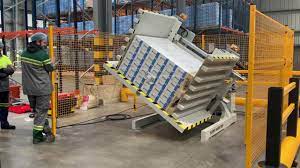
Beyond injury prevention, pallet changers unlock major operational efficiencies by drastically increasing transfer speed and consistency, enabling seamless integration into automated production lines, and eliminating product damage caused by manual handling errors, which directly boosts throughput and profitability. They turn a bottleneck into a smooth, reliable link in your value chain.
Quantifying the Efficiency Gains
The efficiency argument can be broken down into measurable components that directly address challenges like those Michael faces.
⏱️ Speed and Cycle Time Reduction
Manual pallet changing is slow, variable, and fatiguing. A pallet changer operates at a consistent, programmed speed.
- Manual Process: May take 10-15 minutes for a difficult transfer, depending on worker skill and fatigue.
- Automated Process: A standard cycle (lift, transfer, lower) can often be completed in 2-5 minutes, consistently, 24/7 if needed.
- Impact: This predictable speed alleviates the "efficiency bottleneck" at the end of the production line, ensuring finished goods move to storage or shipping without delay.
🔗 Enabling Line Automation and Industry 4.0
A manual process is a barrier to full automation. A pallet changer is a gateway.
- Integration: Modern pallet changers from leading suppliers can be equipped with PLC controls, sensors, and communication protocols (e.g., Ethernet/IP, Profinet). This allows them to receive signals from upstream machines (e.g., a coil strapper) and send signals downstream (e.g., to an AGV or warehouse system).
- Data Collection: They can log cycle counts, error codes, and maintenance alerts, providing valuable data for Overall Equipment Effectiveness (OEE) calculations and predictive maintenance.
📦 Elimination of Product Damage
This is a critical, often overlooked, cost saver. Manual methods using forks or levers inevitably scrape, dent, or deform products.
- Example: The edge of a precision steel coil or the surface of a polished sheet can be ruined, leading to customer rejection, rework, or scrap.
- Pallet Changer Solution: The load is fully supported and transferred evenly. There is no point contact or prying force. The product remains pristine, protecting your margin and reputation. This directly solves the "product损耗" (product loss) challenge.
For a plant running multiple shifts, the compounded effect of faster cycles, zero damage, and enabled automation creates a powerful ROI story. The machine doesn't just prevent costs (injuries, damage); it actively generates value through increased, higher-quality output. (palletizer ROI calculation, increase packaging line speed, reduce product damage in transit)
4. What Key Features Should a Factory Manager Look for When Selecting a Pallet Changer for a Demanding Environment?
Not all pallet changers are created equal. A machine destined for a high-intensity metal processing plant in Mexico must be built to a different standard than one for a light packaging facility. Choosing the wrong machine can lead to premature failure, downtime, and a loss of confidence in automation. The selection process is where finding a true partner, not just a vendor, becomes critical.
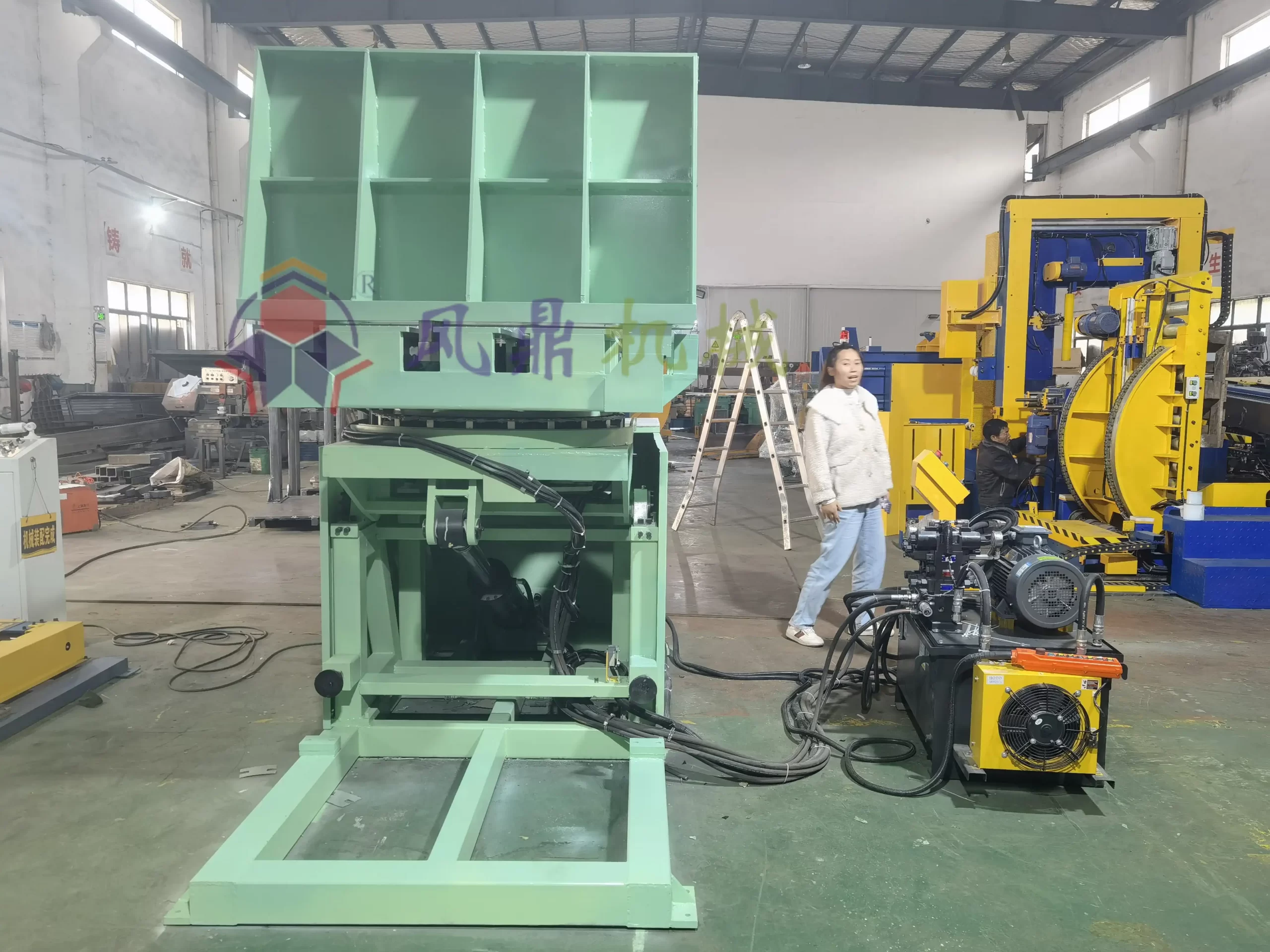
A factory manager should prioritize pallet changers with robust construction (heavy-duty frames and cylinders), a high load capacity with a safety margin, customizable clamping/attachment systems for specific products, and simple, reliable controls with safety interlocks. For demanding environments, ease of maintenance and local technical support availability are non-negotiable features. This ensures the machine is an asset, not a liability.
The Checklist for a Heavy-Duty Partner
Based on my experience building and running packing machine factories, here is a structured guide to evaluating pallet changers for tough applications.
⚙️ Core Mechanical & Structural Features
- Frame Construction: Look for welded steel frames, not bolted assemblies. Ask about steel grade and wall thickness. It should feel substantial.
- Lifting Mechanism: Hydraulic systems are standard for heavy loads. Check cylinder bore size, pump quality, and valve reliability. Pneumatic systems are generally for lighter duty.
- Load Capacity: Never buy at your exact maximum weight. Choose a machine rated for at least 25-30% more than your heaviest typical load. This safety margin ensures longevity and safety.
- Clamping System: This is product-specific. For coils, you need curved arms or forks. For sheets, you may need vacuum lifts or sheet lifters. The supplier should offer customization.
🖥️ Control System & Safety Integration
- Control Panel: Should be intuitive, possibly with multi-language support (important for global operations). Physical buttons/joysticks can be more reliable in dusty environments than pure touchscreens.
- Safety Devices: Must include:
- Emergency stop buttons at multiple points.
- Light curtains or safety mats to prevent operation if a person is in the danger zone.
- Mechanical safety locks to prevent accidental lowering.
- PLC: A reputable brand PLC (e.g., Siemens, Allen-Bradley) is preferable for reliability and future serviceability.
🤝 The "Partner" Criteria: Service and Support
This is where you separate salespeople from partners. Ask these questions:
- "Can you provide a list of installed machines in similar industries (steel, wire, heavy manufacturing)?" References are gold.
- "What is the structure of your after-sales support in my region (e.g., Mexico)?" Look for local technicians or well-established distributor networks.
- "What is the standard warranty, and what spare parts are considered critical stock?" A confident supplier will help you plan for maintenance.
- "Can you provide a detailed FMEA (Failure Mode and Effects Analysis) or risk assessment for the installation in my specific layout?" This shows engineering depth.
This rigorous selection process mitigates the "supplier trust crisis." Companies like Fengding excel here because they often have direct engineering experience with the challenges you face, much like the journey described in my own story. They can advise not just on the machine, but on its integration into your workflow to solve your specific bottleneck, safety, and loss problems. (heavy duty pallet inverter features, industrial pallet changer specifications, choosing a pallet handling system)
Conclusion
Investing in a pallet changer is a strategic decision that directly tackles the root causes of workplace injuries while unlocking significant gains in efficiency and product quality. It builds a safer, more productive, and more profitable operation. For expert guidance on implementing the right solution, consider consulting with a specialized Pallet Inverter manufacturer.