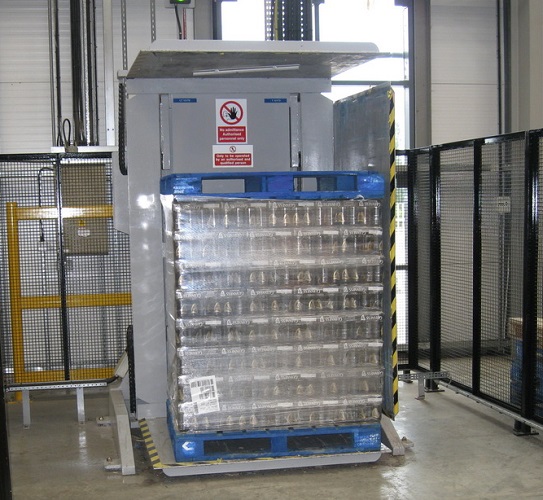
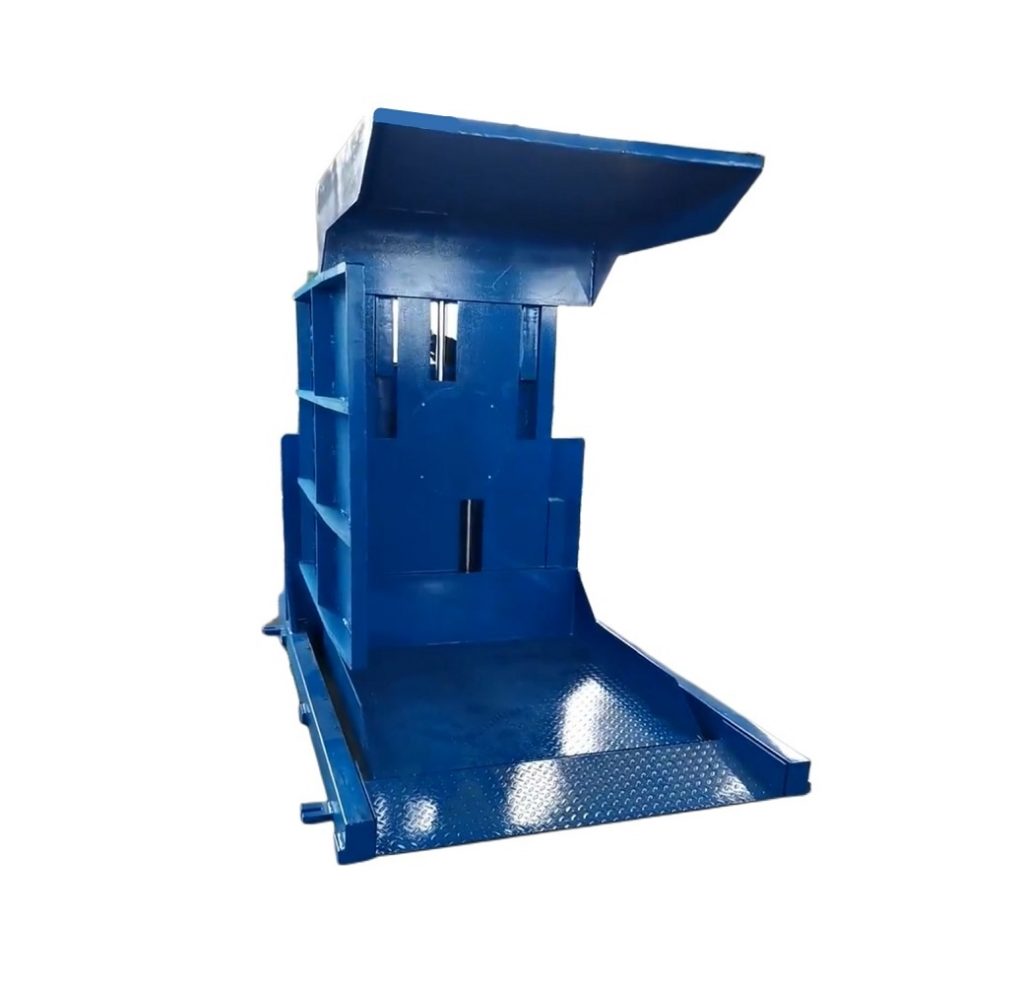
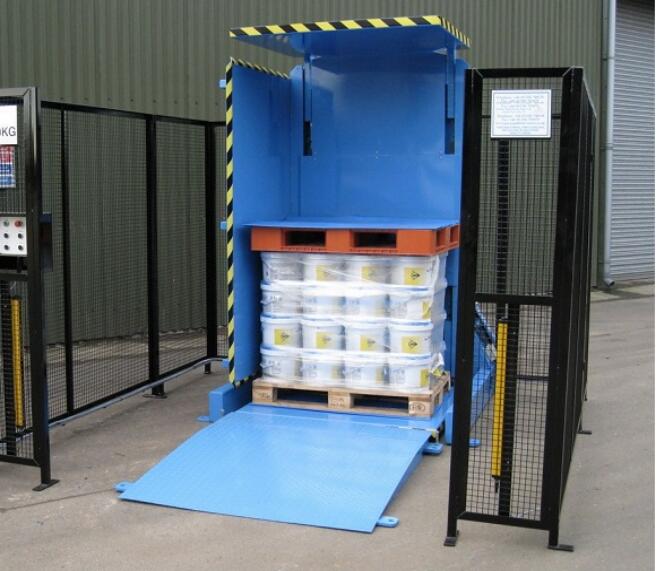
Comparing Pallet Inverters: FHOPEPACK vs. Competitors
As a factory manager, you know that every minute of downtime costs money. You also know that moving heavy loads by hand is slow and dangerous. The right pallet inverter can solve these problems. But how do you choose the best one? The market is full of options, each claiming to be the most durable or efficient. This makes the decision confusing and stressful. You need a machine that can handle your tough environment day after day. You also need a supplier who understands your real-world challenges, not just one who wants to make a sale.
The best pallet inverter for your heavy-duty metal processing plant is one that combines robust engineering with deep industry expertise, offering not just a machine but a reliable partnership to tackle efficiency bottlenecks and safety hazards head-on. For operations like yours in Mexico's demanding industrial sector, a machine's ability to withstand constant use and its supplier's post-sales support are as critical as its initial price tag. (pallet inverter comparison, heavy-duty industrial pallet inverter)
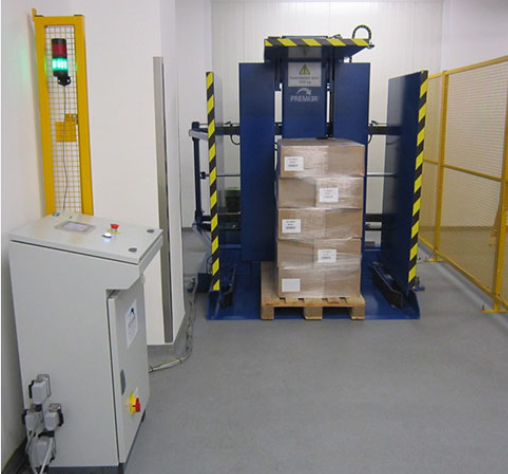
Choosing equipment is a major investment. It affects your production flow, worker safety, and bottom line for years to come. This guide will cut through the marketing noise. We will directly compare FHOPEPACK's solutions with other major players, like Fengding and Wuxi Bu Hui. We will look at what truly matters for a factory manager: durability, safety features, total cost of ownership, and the knowledge behind the machine. Let's find the right partner for your success.
1. What is the Most Critical Factor for Durability in a Pallet Inverter?
Imagine a machine that fails just when you have a big order to ship. The repair costs are high, and the production delay is even more expensive. For a manager like Michael, this is a nightmare scenario. The most critical factor for durability isn't just one part; it's the entire design philosophy. Is the machine built for a laboratory or for a gritty, high-volume factory floor? A pallet inverter in a steel coil or wire rod plant faces shocks, dust, and continuous cycles. A weak frame or poor-quality hydraulics will not last.
The most critical factor for durability in an industrial pallet inverter is its structural integrity and component quality, specifically the strength of the main frame and the reliability of the hydraulic system under constant, high-load cycling. A machine designed with over-engineered, reinforced steel frames and industrial-grade hydraulic pumps and valves will withstand the punishing environment of metal processing, minimizing unplanned downtime and repair costs. (durable pallet inverter design, industrial pallet inverter frame strength)
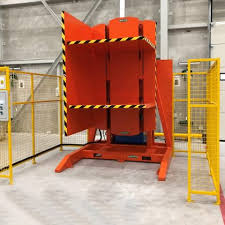
🔩 Breaking Down Durability: It's More Than Just Steel
Durability isn't a single feature you can check off a list. It's the result of several engineering choices working together. Let's break it down into key components:
🏗️ The Backbone: Frame and Construction
- Material & Welding: Look for high-tensile steel, not standard mild steel. Critical stress points should have additional gussets or reinforcement. Welds should be continuous, smooth, and performed by certified welders—this prevents crack propagation under stress.
- Design Philosophy: Some manufacturers use a "just enough" design to save cost. For heavy industries, you need an "over-spec" design. This means the frame is rated for loads significantly higher than its maximum advertised capacity, providing a built-in safety and longevity buffer.
⚙️ The Power System: Hydraulics and Drives
- Component Brand: Ask, "Who made the hydraulic pump and valves?" Reputable brands like Bosch Rexroth, Parker, or Eaton are indicators of quality and easier long-term parts sourcing.
- System Design: A well-designed system includes proper filtration, cooling, and pressure relief valves. This protects the components from contamination and overheating, which are primary causes of hydraulic failure.
📊 Comparison at a Glance: Durability Focus
| Feature | FHOPEPACK Approach | Common Competitor Shortcut |
|---|---|---|
| Frame Steel | High-tensile, stress-relieved steel | Standard structural steel |
| Welding Standard | Full-penetration welds on critical joints; NDT tested | Intermittent or fillet welds |
| Hydraulic Pump | Brand-name (e.g., Bosch), sized for efficient, cool operation | Generic or undersized pump |
| Protection | Sealed bearings, IP-rated electrical components, built-in chip guards | Minimal protection, exposed components |
| Design Margin | 30-50% safety factor above rated load | 10-20% safety factor |
The Real-World Test: In my own factory, we learned this lesson early. A machine with a generic hydraulic valve bank failed after six months of heavy use. The downtime for repair and the cost of a branded replacement part erased any initial savings. We now design our FHOPEPACK inverters with this frontline experience in mind. The goal is zero unplanned stops. For a plant manager, this reliability translates directly into predictable output and controlled maintenance budgets, not unexpected crises. (pallet inverter hydraulic system reliability, industrial equipment maintenance cost)
2. How Do Safety Features Differ Between Budget and Premium Inverters?
A worker's hand gets caught. A load shifts unexpectedly. These are not just accidents; they are operational, financial, and human tragedies that can shut down a line—or a business. Safety is often the first area where budget equipment cuts corners. A basic machine might have a single emergency stop button. But is that enough for a complex, heavy-lifting operation? Premium inverters view safety as a system, not a checkbox. They are designed to prevent accidents before the emergency stop is ever needed.
Safety features in premium pallet inverters are proactive and integrated, using mechanical interlocks, redundant sensors, and fail-safe hydraulic circuits to prevent accidents, while budget models often rely on basic, reactive measures like a single E-stop that only responds after a problem occurs. Advanced systems include features like non-slip clamping pads, load stability sensors, and guarded pinch points that protect workers during the entire transfer cycle. (pallet inverter safety standards, industrial machine safety features)
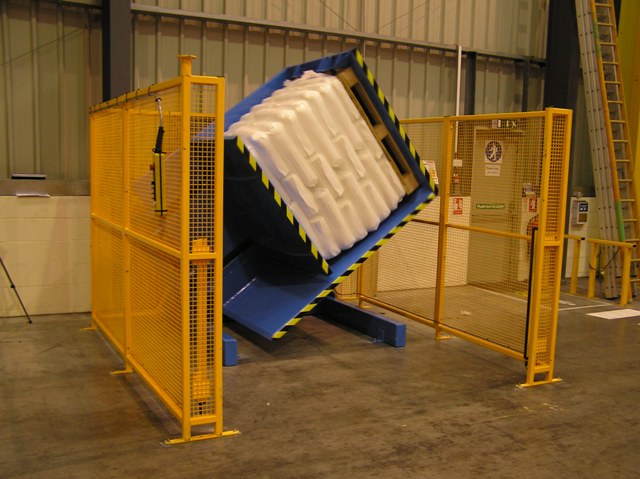
🛡️ The Safety Spectrum: From Reactive to Proactive
Think of safety on a spectrum. On one end is reacting to danger. On the other end is designing the danger out. Let's explore the key differences.
🚨 Level 1: Basic & Reactive Safety (Common in Budget Models)
- Emergency Stop (E-Stop): A single button to cut power. It's essential but is only used after something has gone wrong.
- Warning Labels: Stickers indicating pinch points or crush hazards. They inform but do not prevent.
- Manual Safety Latches: Require operator intervention to engage/disengage, leaving room for human error.
✅ Level 2: Enhanced & Active Safety (Typical of Mid-Range/Premium)
- Dual-Hand Control: Requires the operator to use both hands to initiate a cycle, ensuring hands are away from the danger zone.
- Light Curtains or Safety Mats: Creates an invisible barrier. If breached, the machine stops instantly.
- Mechanical Frame Locks: Automatically engage when the load is lifted, preventing accidental lowering.
🏆 Level 3: Integrated & Proactive Safety (Hallmark of Top-Tier Engineering)
- Load Moment Monitoring: Sensors detect if the load is shifting or unstable during the lift and will automatically halt and secure the machine.
- Fail-Safe Hydraulics: Hydraulic valves that default to a "safe" position (e.g., hold the load) if pressure is lost, preventing a catastrophic drop.
- Programmable Logic Controller (PLC) with Safety Relay: The brain of the machine has a dedicated, separate safety circuit that monitors all sensors. If any fault is detected, it initiates a controlled, safe shutdown.
The Manager's Perspective: For Michael, reducing insurance costs and employee turnover is a direct goal. A premium safety system is an investment that pays back daily. It protects your most valuable asset—your team—and avoids the staggering costs of an incident, from medical bills to regulatory fines and production halts. When comparing, don't just ask "Is it safe?" Ask "How is it made safe?" The depth of the answer will tell you everything. (proactive machine safety, reducing warehouse injury risk)
3. Beyond the Price Tag: What is the True Total Cost of Ownership?
The invoice price is just the first number. The real cost of a pallet inverter is spread over its entire life in your factory. A cheap machine can become the most expensive asset you own. Think about frequent breakdowns, expensive imported spare parts with long lead times, high energy consumption, and the productivity lost during repairs. The true cost includes purchase price, installation, energy, maintenance, repairs, downtime, and finally, disposal. A partner who helps you minimize total cost is more valuable than one who just offers the lowest initial price.
The true total cost of ownership (TCO) for a pallet inverter encompasses initial purchase, installation, energy consumption, preventive and corrective maintenance, parts availability, cost of downtime, and operator training over the machine's entire service life. A machine with a 20% higher upfront cost but 50% lower maintenance needs and 30% less downtime will provide a vastly superior return on investment (ROI) for a high-volume operation. (pallet inverter total cost of ownership, ROI on industrial automation)
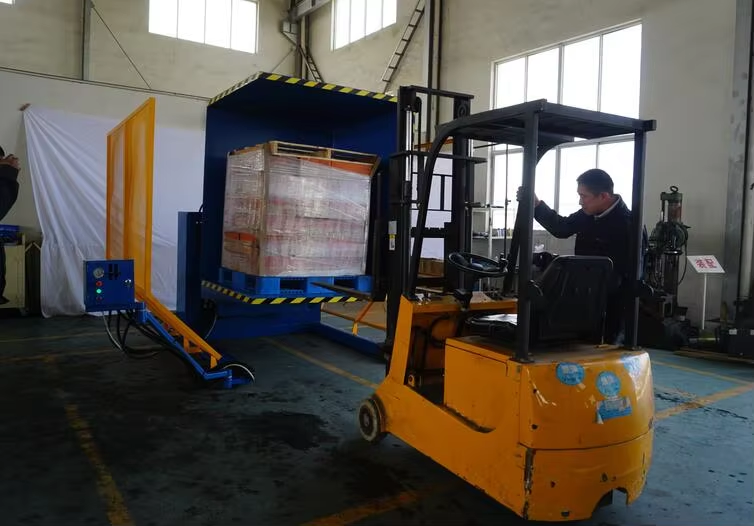
💰 Calculating What Really Matters: The TCO Breakdown
To make a smart business decision, you need to look at all the cost buckets. Here is a structured way to compare.
| Cost Category | Low-Cost Machine Risk | Premium Machine Advantage | Impact on Your Bottom Line |
|---|---|---|---|
| Purchase Price | Low. The main selling point. | Higher initial investment. | Immediate cash outflow. |
| Installation & Setup | May require more site prep, custom work. | Often includes detailed planning support for smoother integration. | Affects time-to-operation. |
| Energy Consumption | Less efficient motors/pumps raise electricity bills. | High-efficiency components (e.g., IE3 motors) reduce ongoing costs. | Recurring operational expense. |
| Preventive Maintenance | Requires more frequent service intervals. | Designed for longer intervals with easy-access service points. | Labor hours and planned downtime. |
| Corrective Maintenance (Repairs) | High risk & frequency. Generic parts may fail often. | Low risk. Quality components fail less; parts are accessible. | Unplanned downtime is the biggest cost. |
| Parts Availability & Cost | Can be difficult/expensive to source; long lead times from overseas. | Local stock or reliable supply chain for critical parts. | Duration of unplanned downtime. |
| Downtime Cost | Very High. Frequent failures stop your production line. | Very Low. Reliability means continuous operation. | Lost revenue + idle labor costs. |
| Resale Value | Depreciates quickly; little residual value. | Holds value better due to brand reputation and condition. | Capital recovery at end of life. |
The Partner Difference: This is where a supplier's experience matters. At FHOPEPACK, we've operated factories. We know that a machine stopping during a peak season shipment is a disaster. Our designs focus on TCO from the start. We help clients like Michael model their ROI not based on price, but on increased output, reduced labor, and eliminated damage. For example, automating a manual process might save 2 workers per shift and reduce product damage by 1.5%. That savings, calculated over a year, often pays for the machine itself, making the "higher" initial price irrelevant. The cheapest machine is the one that works reliably for the longest time. (calculating automation ROI, reducing operational costs in manufacturing)
4. Why is Supplier Expertise More Important Than the Brochure?
You can have the best-designed machine on paper, but if the supplier doesn't understand your specific problem, it might be the wrong solution. Have you ever dealt with a salesperson who only talks about specifications but can't answer how their machine solves your specific bottleneck with tangled wire rods or deformed soft coils? Brochures show standard applications. Your factory has unique challenges. The right partner listens first, diagnoses your process, and then recommends a solution—which might even be a different machine or a custom attachment.
Supplier expertise is more important than the brochure because deep industry knowledge allows the provider to diagnose root-cause problems in your workflow and tailor a solution that delivers real operational gains, rather than just selling a standard piece of equipment that may not address your core inefficiencies or safety risks. An expert partner acts as a consultant, ensuring the technology investment aligns perfectly with your business goals. (packaging machinery expert consultant, industrial solution partner)
🧠 The Value of Frontline Experience
What does this expertise look like in practice? It's the difference between a vendor and a partner.
❌ The Vendor (Focused on the Transaction)
- Communication: Leads with product specs and price.
- Solution: Offers a standard catalog model.
- Pre-Sales: Quick site visit, generic proposal.
- Post-Sales: Basic installation manual, limited support.
- Mindset: "I sell pallet inverters."
✅ The Partner (Focused on Your Success)
- Communication: Asks detailed questions about your process, pain points, and goals.
- Solution: May recommend a custom clamp head, specific pressure settings, or integration advice with your existing line.
- Pre-Sales: Conducts a thorough process audit, provides ROI analysis.
- Post-Sales: Offers comprehensive training, ready access to technical support, and preventive maintenance plans.
- Mindset: "I help you solve material handling problems."
My Personal Journey: This is why I founded FHOPEPACK. I was once in Michael's shoes, facing pressure to improve efficiency and safety. I also worked as an engineer on the factory floor, building and troubleshooting these machines. I know where they fail and what makes them last. When we work with a client, we share that frontline knowledge. We don't just deliver a machine; we deliver the confidence that it will perform as needed. For a cautious manager who has been let down before, this trust is the most valuable part of the deal. It turns a capital expenditure into a strategic advantage. (trusted packaging machine supplier, material handling solution design)
Conclusion
Choosing a pallet inverter is a strategic decision that impacts safety, efficiency, and profit. Prioritize durable engineering, integrated safety systems, and low total cost of ownership with a knowledgeable partner like FHOPEPACK. For a reliable solution, explore our engineered Pallet Inverter systems designed for demanding industries.