How Pallet Inverters Reduce Manual Labor in Warehouse Operations?
For decades, the backbreaking work of manually handling palletized loads has been a silent tax on warehouse productivity and worker health. Managers like Michael in Mexico face constant pressure to move goods faster and cheaper, but the physical limits of human labor create a stubborn bottleneck. The solution isn't hiring more people; it's empowering the ones you have with the right technology. This is where understanding the strategic role of automated material handling becomes critical for any operation dealing with heavy coils, wire, or dense products.
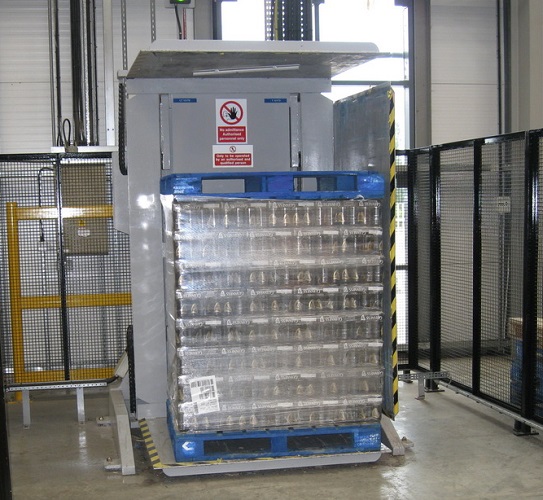
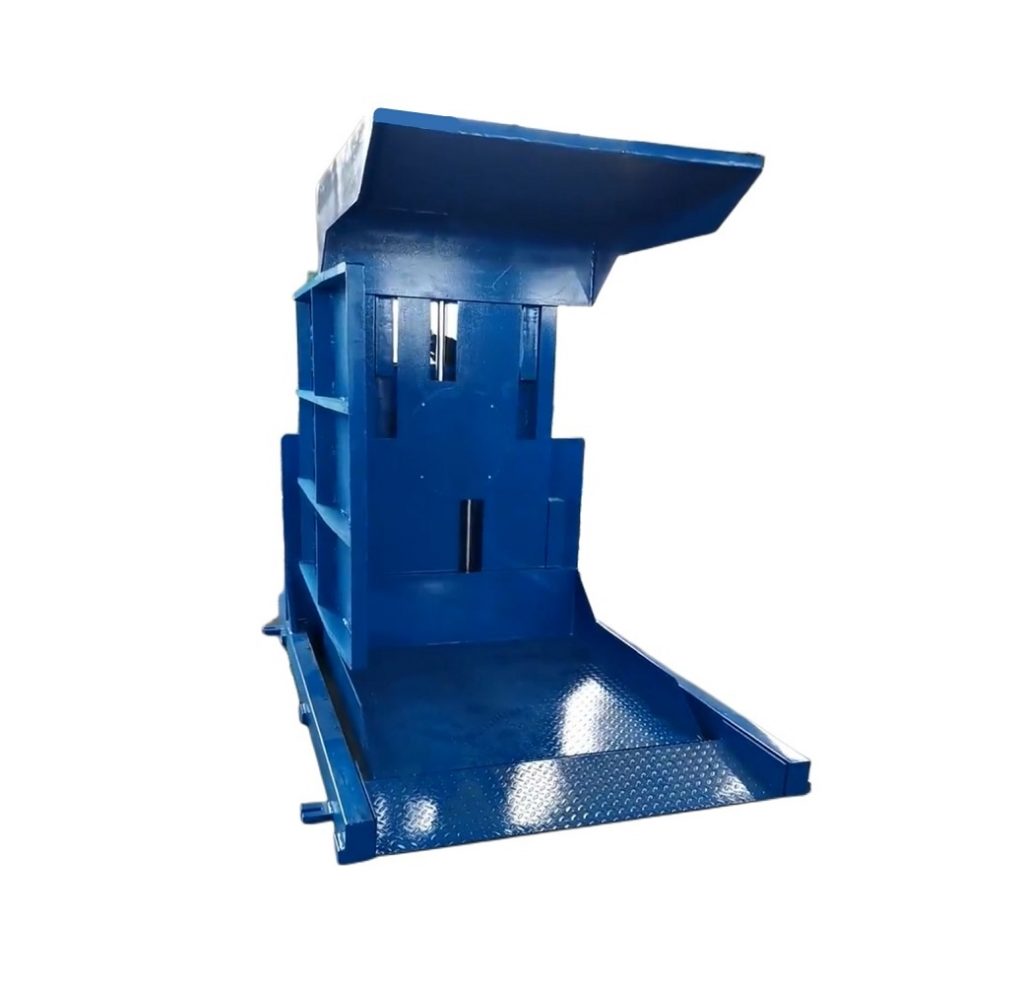
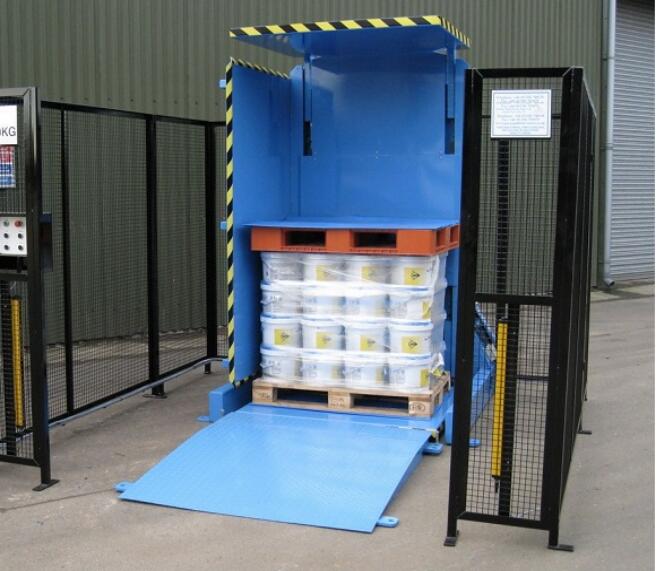
Pallet inverters drastically reduce manual labor in warehouse operations by automating the physically demanding and hazardous tasks of load transfer, product rotation, and pallet swapping. They replace multiple workers and forklifts with a single, controlled machine cycle, slashing labor hours, eliminating heavy lifting, and minimizing product damage during handling. This direct mechanization of core tasks is the key to unlocking efficiency and safety in logistics and manufacturing environments.
The promise of automation is clear, but the path to achieving it can be murky. Many plant managers have been burned by equipment that couldn't withstand their demanding environment or by suppliers who disappeared after the sale. The transition from a manual, labor-intensive process to a smooth, automated workflow requires more than just buying a machine; it requires a partnership with experts who have lived through the same challenges. Let's break down exactly how pallet inverter technology targets and solves the core issues of manual warehouse labor.
1. What are the most labor-intensive tasks that pallet inverters automate?
Imagine a typical day in a metal processing plant. A finished steel coil, weighing several tons, sits on a damaged or non-standard pallet. The current process might involve a forklift carefully nudging the load, workers using pry bars, and a tense, slow dance to transfer the product to a new, sturdy pallet for shipment. Every minute spent is a minute of downtime, and every movement carries risk. This scenario highlights the manual tasks that drain productivity.
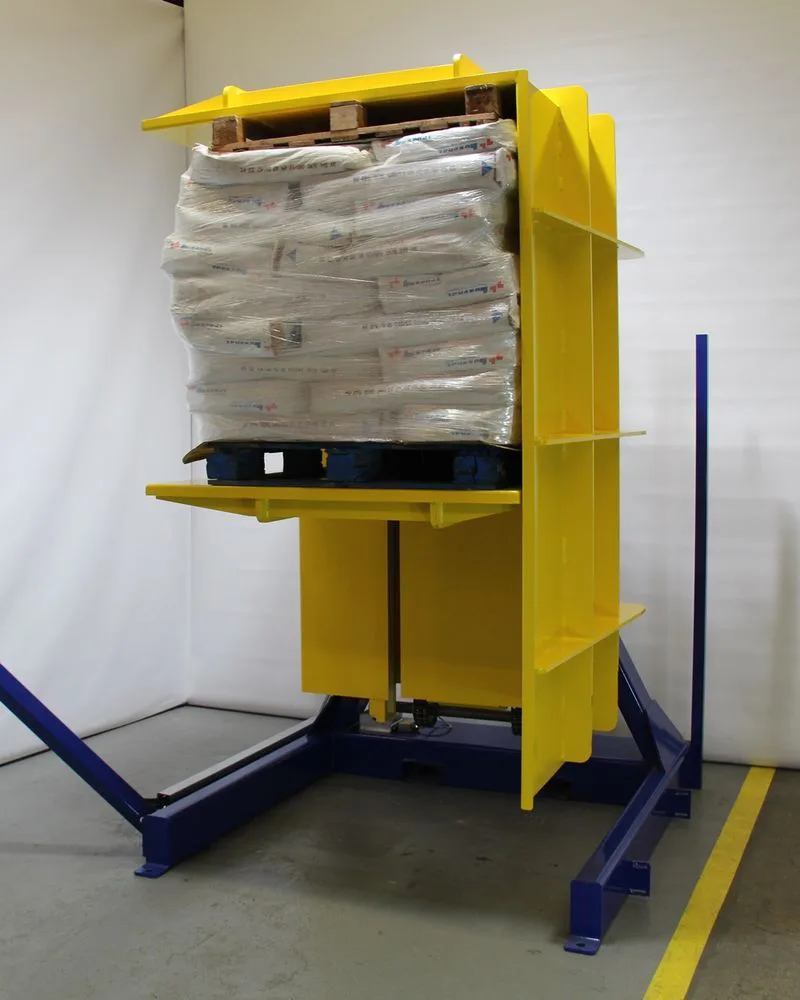
Pallet inverters automate the most physically demanding tasks: the transfer of loads between pallets, the rotation of products for inspection or repackaging, and the recovery of goods from damaged bases. They perform these functions through a hydraulic clamping and 180-degree inversion process, requiring only a single forklift or operator to initiate the cycle, thereby replacing the coordinated effort of multiple workers and machines.
The automation targets three critical pain points:
- Load Transfer: Manually transferring a heavy coil from a production pallet to a shipping pallet is slow and dangerous. An inverter completes this in one smooth motion.
- Product Rotation: Inspecting the bottom of a coil or repackaging it often requires risky maneuvers. An inverter safely rotates the entire load for easy access.
- Pallet Recovery: When a pallet breaks, the product is often stranded. An inverter can lift and invert the load, allowing the broken pallet to be removed and replaced without manual intervention.
A Closer Look at the Automated Workflow
To understand the labor savings, let's compare the step-by-step processes. The old manual method is a symphony of potential problems.
| Task | Manual Method (High Labor) | Pallet Inverter Method (Low Labor) | Labor & Risk Reduction |
|---|---|---|---|
| Transfer a Coil | 1. Position forklifts. 2. Workers guide/steady load. 3. Slow, careful lifting & shifting. 4. Realign on new pallet. |
1. Forklift places old pallet in inverter. 2. Operator places new pallet on platform. 3. Start automated cycle (clamp, lift, invert). 4. Retrieve load on new pallet. |
Eliminates manual guiding/steadying. Reduces from 3-4 personnel to 1 operator. |
| Inspect Bottom | 1. Use forklift to tilt load precariously. 2. Worker visually inspects from a distance. 3. High risk of load shift or fall. |
1. Load is clamped securely. 2. Machine inverts load 180°. 3. Bottom is fully exposed at a safe height. 4. Worker can inspect closely and safely. |
Eliminates dangerous tilting. Provides safe, direct access for inspection. |
| Replace Damaged Pallet | 1. Attempt to jack up the load. 2. Manually remove broken pieces. 3. Slide new pallet underneath. 4. Extremely high injury risk. |
1. Inverter clamps the load. 2. Lifts it, leaving the broken pallet behind. 3. New pallet is positioned. 4. Load is lowered onto it. |
Removes workers from the "crush zone." Turns a major hazard into a routine procedure. |
The table shows a clear transformation. The inverter doesn't just make the job easier; it redefines the job itself. The operator's role shifts from performing heavy physical labor to managing a controlled machine process. This shift is fundamental for operations in industries like steel, wire, and heavy manufacturing, where the loads are simply too massive for safe manual handling. The labor reduction is not incremental; it's revolutionary, turning multi-person, high-risk procedures into one-person, push-button operations. (automated load transfer, pallet swapping automation, reduce manual handling labor)
2. How does automating pallet handling directly cut operational costs?
Labor is often the largest controllable expense in warehouse operations. But the cost of manual pallet handling extends far beyond hourly wages. It includes a hidden web of indirect expenses that silently erode profitability. When Michael looks at his P&L statement, he sees line items for insurance, worker compensation, product damage, and downtime. A pallet inverter attacks all these areas simultaneously.
Automating pallet handling with an inverter directly cuts operational costs by eliminating repetitive manual labor positions, drastically reducing workplace injury claims and associated insurance premiums, and minimizing costly product damage caused by handling errors. This creates a fast and measurable Return on Investment (ROI) through hard savings in labor, insurance, and waste reduction.
The financial impact can be broken down into direct and indirect savings:
- Direct Labor Savings: One inverter can replace the equivalent of 2-3 full-time employees dedicated to pallet switching and load transfer. This is a permanent reduction in payroll and benefits.
- Indirect Cost Avoidance:
- Insurance: Fewer injuries mean lower workers' compensation premiums and a safer record.
- Damage: Automated, clamped handling prevents edge damage to coils and crushing of packaging, reducing customer returns and scrap.
- Downtime: Faster cycle times (minutes vs. hours) keep production flowing and meet shipping deadlines.
Calculating the Real ROI: A Simple Framework
Managers need concrete numbers. Let's build a simplified cost-benefit model. Think of it as the "Cost of Manual Labor" vs. the "Investment in Automation."
The Old Cost Structure (Annual Estimate):
- 👷 Labor: 2 workers @ $40,000/year = $80,000
- 🏥 Injury/Insurance: Estimated premium increase & incidents = $15,000
- 🗑️ Product Damage: 0.5% of handled goods value (e.g., $10M throughput) = $50,000
- ⏱️ Downtine Inefficiency: Lost production time = $20,000
- ✅ Total Annual Cost of Manual Process: ~$165,000
The New Investment with a Pallet Inverter:
- 🔧 Machine Cost (e.g., Fengding Pallet Inverter): ~$50,000
- ⚡ Annual Operating/Maintenance Cost: ~$2,000
- 👨💼 Operator Labor (0.5 FTE redirected): $20,000
- ✅ Total Annual Cost with Automation: ~$22,000 (Year 1: $72,000 incl. capex)
The Result: In this example, the annual operating savings are about $143,000. The machine pays for itself in less than 6 months. From Year 2 onward, the $143,000 savings flow directly to the bottom line. This is the powerful financial logic behind automation. It's not an expense; it's a high-return capital investment that directly addresses Michael's goal of "ROI-clear equipment to boost profitability." The key is partnering with a reliable manufacturer like Fengding, known for durable machines that ensure this ROI is realized over a long lifespan, not undone by breakdowns. (ROI of pallet inverter, cut warehouse operational costs, reduce product damage costs)
3. What are the critical safety benefits beyond reducing heavy lifting?
When we talk about safety, "reducing heavy lifting" is just the headline. The deeper, more transformative safety benefits of a pallet inverter are systemic. They change the very nature of the work environment. In a plant handling metal coils, the dangers are not just strains and sprains; they are crush hazards, falling loads, and struck-by incidents that can be catastrophic. Automation with an inverter systematically removes workers from these danger zones.
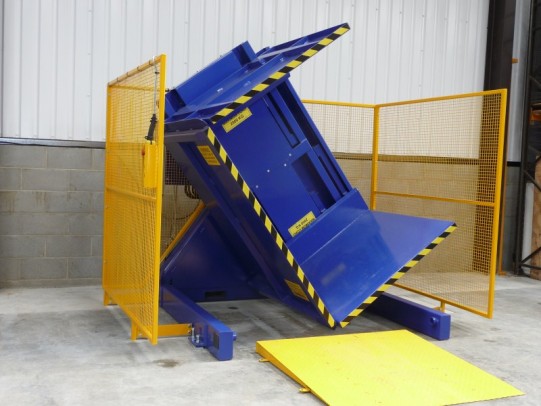
The critical safety benefits of pallet inverters extend far beyond reducing heavy lifting. They eliminate high-risk manual procedures like "jacking and propping" unstable loads, remove workers from the direct line of fire during load transfers, and provide a stable, controlled method for handling awkward or damaged loads. This creates a predictable and secure workflow, fundamentally altering the plant's safety culture.
Let's deconstruct the specific hazards an inverter eliminates:
- Elimination of "Crush Zone" Work: The most dangerous place is between a heavy load and the ground or another object. Manual pallet recovery forces workers into this zone. The inverter performs this task with no one nearby.
- Stability Over Dexterity: Manual methods rely on worker skill and balance to prevent a load from tipping. The inverter's hydraulic clamps provide absolute, mechanical stability, making the process immune to human error or fatigue.
- Controlled Movement: The machine's rotation is smooth and guided along a fixed path. It removes the unpredictable swinging or shifting that can occur when a forklift tries to tilt or maneuver a load manually.
Building a Safer Warehouse: A Hazard Analysis
Replacing manual steps with a machine-controlled process systematically addresses OSHA-recognized hazards. Here is how it works:
graph TD
    A[Manual Pallet Handling Task] --> B{Identify Key Hazards};
    B --> C[🛑 Crush Injuries];
    B --> D[🛑 Struck-by Load];
    B --> E[🛑 Musculoskeletal Disorders];
    B --> F[🛑 Slips/Trips/Falls];

    C --> G[Pallet Inverter Solution];
    D --> G;
    E --> G;
    F --> G;

    G --> H[✅ Worker removed from pinch points];
    G --> I[✅ Load is clamped & path-controlled];
    G --> J[✅ No manual lifting/pushing];
    G --> K[✅ Clean, organized work cell];

    H --> L[**Result: Proactive Risk Elimination**];
    I --> L;
    J --> L;
    K --> L;
This proactive risk elimination is invaluable. It lowers insurance costs, as Michael knows, but more importantly, it protects your most valuable asset: your team. It also improves morale and reduces turnover, as workers appreciate a safer, less physically punishing job. For a manager, this means fewer unexpected crises, less paperwork, and a more reliable, focused workforce. Investing in a robust Pallet Inverter from a trusted supplier is ultimately an investment in operational stability and peace of mind. (warehouse safety automation, eliminate manual handling hazards, pallet inverter safety benefits)

4. How to choose the right pallet inverter for your specific operational needs?
Knowing you need an inverter is the first step. Choosing the wrong one can turn a promising solution into an expensive shelf. The market offers many options, but for demanding industrial environments, not all are created equal. The right choice depends on a clear understanding of your own products, processes, and facility. It's about matching engineering to application.
To choose the right pallet inverter, you must first analyze your core requirements: maximum load weight and dimensions, available floor space, required cycle time, and integration with existing forklifts or conveyors. For heavy-duty applications like metal coil handling, prioritize robust construction, high clamping force, and reliability from manufacturers with proven industry experience, such as Fengding, followed by Wuxi Bu Hui.
Selecting a machine is a practical exercise. Avoid the trap of just comparing brochures. Follow this actionable checklist:
- 📏 Load Specifications: What is your heaviest coil? What are the pallet sizes? Add a 20-30% safety margin to your capacity requirement.
- 🏭 Space & Flow: Do you need a mobile unit or a fixed station? How will the machine fit into your current material flow? Measure your aisles and ceiling height.
- 🤝 Integration: Will it be used with a forklift or as part of a conveyor line? Ensure the interface points (fork pockets, height) are compatible.
- 🛡️ Durability: In a metal shop, look for heavy-gauge steel construction, quality hydraulic components, and protective features against dust and debris.
Partner Selection: Beyond the Machine Specs
The machine is only half of the solution. The supplier is the other half. Michael's past experience with poor after-sales service makes this point critical. You're not just buying equipment; you're forming a partnership.
✅ What to Look for in a Supplier:
- Industry Specialization: Do they understand your business (steel, wire, manufacturing)? Fengding's focus on coil packing shows this deep knowledge.
- Technical Support: Can they provide detailed layout drawings and process advice? Will they be available for installation support?
- After-Sales Service: What is their warranty? Do they have local technicians or a clear protocol for spare parts and remote troubleshooting?
- Proof of Performance: Ask for case studies or customer references in similar industries.
❌ Red Flags to Avoid:
- Suppliers who only talk about price, not your process challenges.
- Vague or short warranty periods.
- No ability to provide custom modifications for unique loads.
For a plant manager like Michael, the goal is a seamless integration that solves problems for years. This means investing in a machine built for the long haul from a partner who will be there for the long haul. Starting your search with established, application-focused manufacturers like Fengding provides a strong foundation for a successful automation project that truly reduces labor and boosts your operation. (choose industrial pallet inverter, heavy-duty pallet inverter selection, Fengding pallet inverter review)
Conclusion
Implementing a robust Pallet Inverter is a strategic move that directly tackles the core challenges of manual warehouse labor—delivering unmatched gains in efficiency, safety, and cost control for industrial operations.