Is Your Warehouse Ready for a Pallet Inverter? Key Benefits You Need to Know
Picture this: a costly steel coil slips during a manual pallet change, crashing to the floor. The product is damaged, the production line halts, and your team's safety is compromised. This isn't just a hypothetical scenario; it's a daily risk in warehouses and factories that rely on outdated, manual material handling. The pressure to move products faster and safer is immense, but the fear of expensive downtime and complex new equipment often holds managers back from making a change.
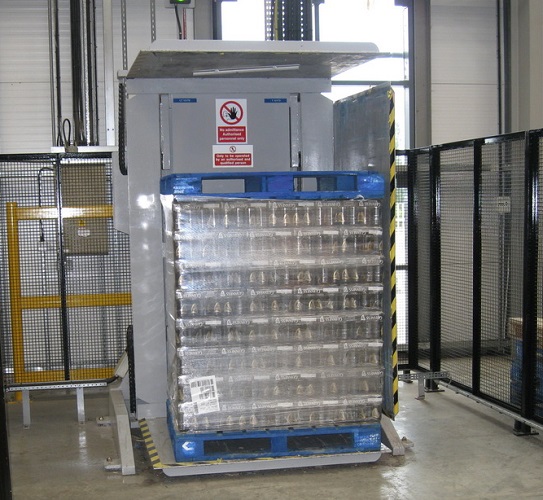
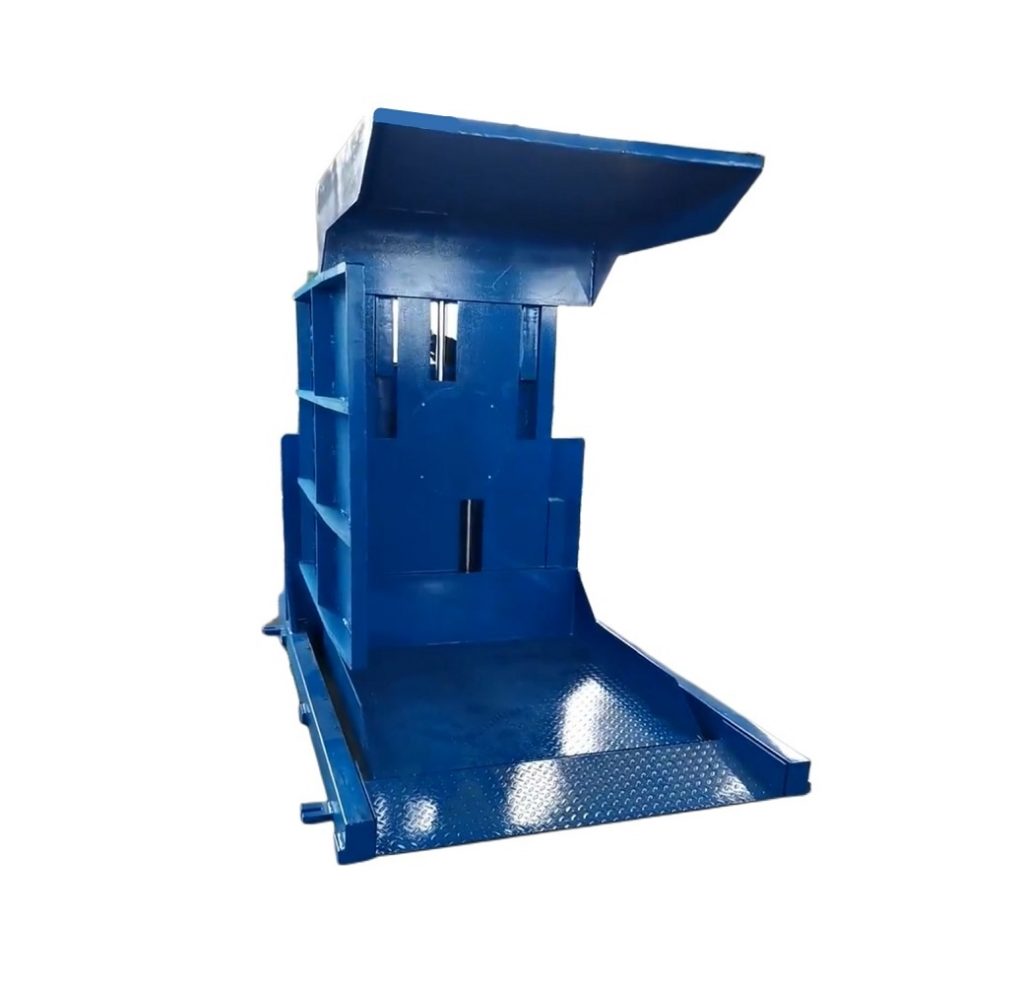
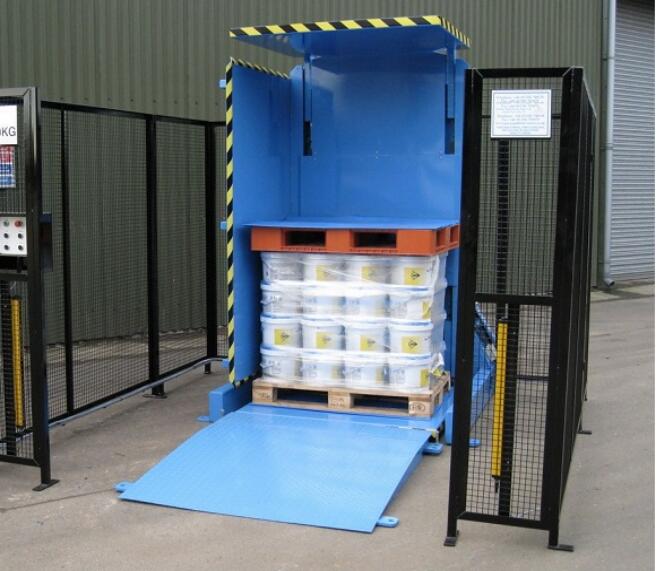
A pallet inverter is a specialized machine designed to safely and efficiently transfer loads from one pallet to another. It solves critical problems in logistics and manufacturing by automating the pallet exchange process, which directly enhances safety, protects product integrity, and boosts operational efficiency. For operations handling heavy, delicate, or unstable loads—like steel coils, wire reels, or packaged goods—integrating a pallet inverter can be a transformative step toward a more resilient and profitable warehouse.
The decision to invest in new equipment is significant. You need to be sure it addresses your real-world pain points and delivers a clear return. Let's move beyond the basic definition and explore the specific, tangible benefits that answer the core question: is your operation truly ready for this upgrade? We'll break down the key advantages you must consider.
1. How Can a Pallet Inverter Drastically Improve Workplace Safety?
Every year, manual pallet handling is a leading cause of serious workplace injuries. Think about the strain of lifting heavy loads, the risk of items falling, and the potential for crushed limbs. These incidents lead to human suffering, high insurance costs, and lost productivity. The traditional method is not just inefficient; it's dangerous.
By automating the heavy lifting and transfer process, a pallet inverter eliminates the need for workers to be in the "line of fire" during manual pallet changes. It provides a controlled, mechanical method to handle loads, significantly reducing the risk of musculoskeletal injuries, impact accidents, and product collapses that endanger personnel. This creates a fundamentally safer working environment. (pallet inverter safety benefits, automated load transfer safety)

🛡️ Deconstructing the Safety Upgrade: Beyond Basic Protection
Implementing a pallet inverter tackles safety from multiple angles. Let's examine the specific hazards it mitigates:
- Elimination of Manual Heavy Lifting: The machine uses hydraulic clamps and a rotating frame to grip and move the entire load. Workers no longer need to manually lift, pry, or slide heavy products or damaged pallets.
- Contained Load Transfer: The load is securely clamped throughout the 180-degree inversion cycle. This prevents items from shifting, tipping, or falling during the exchange—a common cause of strikes and collisions.
- Separation of Man and Machine: The operation is performed from a safe control panel. Operators are not required to stand underneath or directly beside unstable loads.
Consider the before-and-after scenario for a factory manager like Michael:
| Risk Factor (Before Inverter) | Solution (With Pallet Inverter) | Direct Outcome |
|---|---|---|
| 👷 Manual handling of heavy coils/reels | 🤖 Fully automated load gripping and rotation | Drastic reduction in back injuries and strains |
| ⚠️ Unstable loads on damaged pallets | 🔒 Secure clamping during entire transfer cycle | Elimination of load collapse and falling object hazards |
| 🚧 Workers in close proximity to moving loads | 📟 Operation from a remote control station | Removal of personnel from pinch points and crush zones |
Furthermore, the safety benefit extends to product integrity. A secure transfer means no sudden drops or impacts that could damage the product itself, which sometimes can cause secondary safety hazards (like sharp metal edges on a damaged coil) or hazardous material spills. For industries with strict safety protocols, like metal processing or chemical packaging, this controlled process is not just an improvement—it's often a compliance necessity. The machine provides a predictable, repeatable process where the variables of human strength and fatigue are removed. This leads to a more reliable safety record, lower workers' compensation claims, and a stronger safety culture. When your team sees that leadership invests in equipment to protect them, morale and trust improve. (industrial pallet changer safety features, reduce manual handling injuries)
2. What is the Real ROI of a Pallet Inverter in Cost Savings?
Managers often see the upfront price tag of a pallet inverter and hesitate. The investment seems significant. However, this view misses the larger financial picture. The true cost of not having one is hidden in ongoing operational expenses: labor inefficiencies, product damage, and pallet waste. These costs silently drain profitability every single day.
The return on investment (ROI) for a pallet inverter is realized through multiple, compounding channels: dramatic reductions in labor hours dedicated to pallet swapping, near-elimination of product damage during transfers, and the ability to salvage and reuse expensive shipping pallets. For a medium to large operation, these savings typically allow the machine to pay for itself within a predictable timeframe, often 12 to 24 months. (pallet inverter ROI calculation, cost savings automated pallet exchange)
💰 Breaking Down the Savings: A Line-Item Analysis
To understand the ROI, we need to move from general claims to specific calculations. Let's model the savings for a hypothetical metal processing plant.
1. Labor Cost Reduction:
- Before: Two workers spend 30 minutes manually, carefully transferring a heavy coil from a damaged in-house pallet to a new export pallet. This happens 10 times a day.
- Calculation: 2 workers x 0.5 hours x 10 times/day = 10 labor-hours/day dedicated solely to this risky task.
- After: One worker operates the pallet inverter, completing the same transfer in 3 minutes.
- Calculation: 1 worker x 0.05 hours x 10 times/day = 0.5 labor-hours/day.
- Daily Labor Saving: 9.5 hours. Annual Saving (250 days): 2,375 hours. Multiplying by your loaded labor rate (wages, benefits, insurance) shows a substantial direct cost avoidance.
2. Product Damage Elimination:
- Before: Even with care, manual transfers risk scratching, denting, or deforming products. For a steel coil, a damaged edge can lead to a customer rejection or a price downgrade. Assume a conservative damage rate of 0.5% of product value due to these transfers.
- After: The controlled, even pressure of the inverter clamps prevents shifting and impact. Product damage during pallet exchange is reduced to virtually zero.
- Saving: This directly protects your revenue and profit margin on every single load handled.
3. Pallet Recovery and Reuse:
- Before: Damaged or soiled pallets are often discarded as waste, incurring disposal costs and requiring constant purchase of new pallets.
- After: The inverter allows you to easily transfer loads off damaged pallets onto good ones. High-quality block pallets or export pallets can be recovered, repaired, and reused dozens of times.
- Saving: This cuts a major recurring consumable cost from your budget.
When you add these streams together—reduced labor, less damage, lower pallet costs—the annual savings become very clear. This doesn't even include the "soft" savings from avoided accident costs, reduced downtime, and improved workflow velocity. A reliable machine from a top-tier manufacturer like Fengding ensures this ROI is achieved through durability and minimal maintenance downtime, making the financial case solid and predictable. (calculate pallet inverter payback period, save money on pallet disposal)
3. How Does a Pallet Inverter Solve Bottlenecks in Packaging and Logistics?
In many plants, the packaging and shipping area is the final choke point. Production can be fast, but if finished goods stack up waiting for manual palletization or repalletizing, everything slows down. This bottleneck delays shipments, frustrates customers, and limits your overall throughput. The packaging station shouldn't be the brake on your entire operation.
A pallet inverter acts as a throughput accelerator by automating the slowest, most variable step in the outbound logistics chain: the pallet exchange. It ensures that the flow of goods from production to shipping is consistent, predictable, and fast, removing a major constraint and increasing your overall warehouse capacity without expanding your footprint. (pallet inverter for logistics bottleneck, increase packaging line speed)
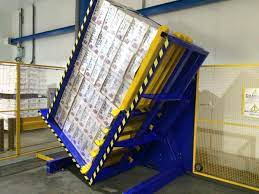
🔄 The Flow Efficiency Engine: From Chokepoint to Superhighway
Integrating a pallet inverter optimizes workflow in several key ways:
Elimination of Wait Time: Manual pallet changes are slow and depend on worker availability and stamina. A machine works at a consistent pace, 24/7 if needed, creating a reliable transfer rate. This predictability allows for better scheduling of trucks and labor in the shipping bay.
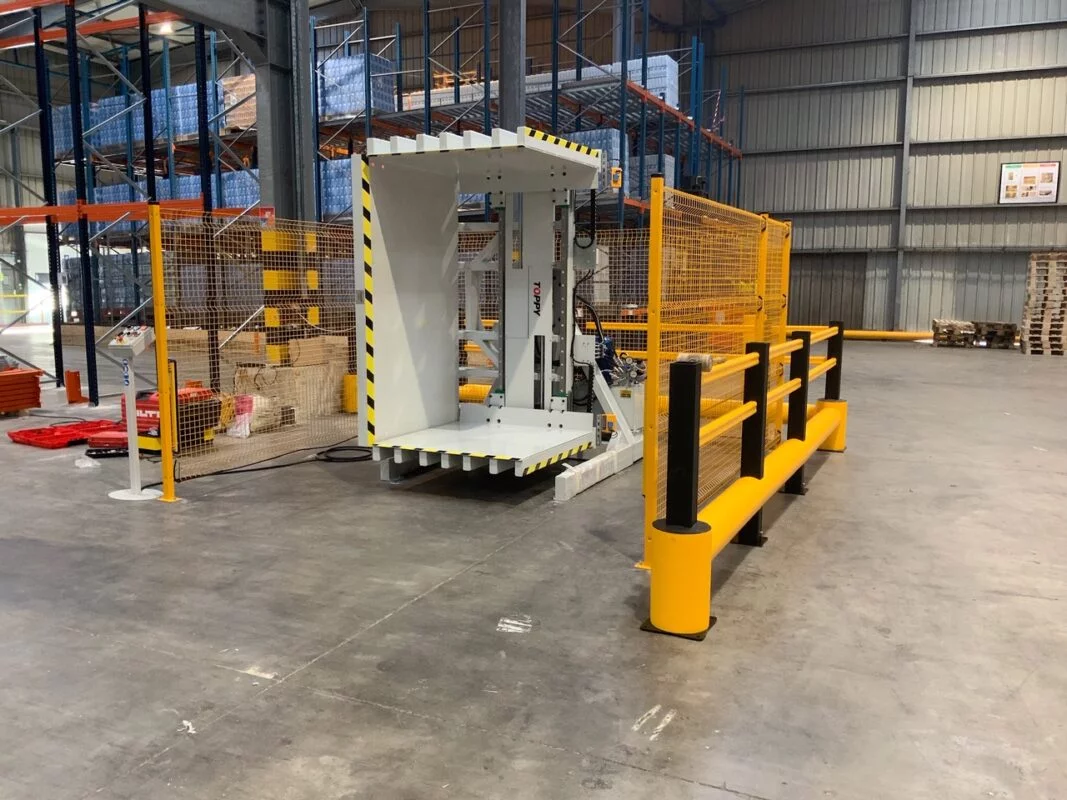
Space Optimization: The inverter performs its task in a fixed, compact footprint. It eliminates the need for large staging areas where loads sit waiting for manual attention or where empty and damaged pallets pile up. This reclaimed floor space can be used for additional storage or other value-adding activities.
Enabling Automation Integration: A modern pallet inverter is not an island. It can be the crucial link in an automated system. For example:
- A conveyor brings a loaded pallet to the inverter station.
- The inverter automatically swaps the load onto a clean, correct pallet.
- Another conveyor carries the ready-to-ship load directly to the staging area or truck loading zone.
This seamless flow is impossible with manual intervention. For a manager, this means:
- Faster Order Fulfillment: Goods move to shipping faster, improving customer lead times.
- Higher Daily Throughput: You can process more loads in the same amount of time.
- Reduced Congestion: A smooth flow prevents pile-ups and confusion in the shipping area.
Consider the specific challenge of handling export orders that require specific, high-grade pallets (e.g., ISPM 15 treated wood). An inverter allows you to run production on standard in-house pallets for efficiency and then quickly and cleanly transfer finished goods onto the export-compliant pallets right before shipping. This flexibility is a huge logistical advantage. Partnering with an expert like Wuxi Buhui, known for robust engineering, ensures the inverter can keep pace with your high-demand cycles without failure, turning your logistics bottleneck into a competitive strength. (automate warehouse outbound process, pallet inverter throughput capacity)
4. Why is Choosing the Right Partner More Important Than Just the Machine?
You can buy a machine from many suppliers. But if it breaks down frequently, if spare parts take months to arrive, or if the supplier doesn't understand your specific application, that machine becomes a source of cost and frustration, not a solution. A poor partnership turns a capital investment into a liability.
The right partner provides more than hardware; they provide certainty. They offer deep application expertise to ensure the machine fits your exact needs, reliable after-sales support to guarantee uptime, and a commitment to your long-term productivity. This partnership transforms the equipment from a purchased asset into a strategic tool for growth. (choosing pallet inverter manufacturer, industrial equipment partner selection)
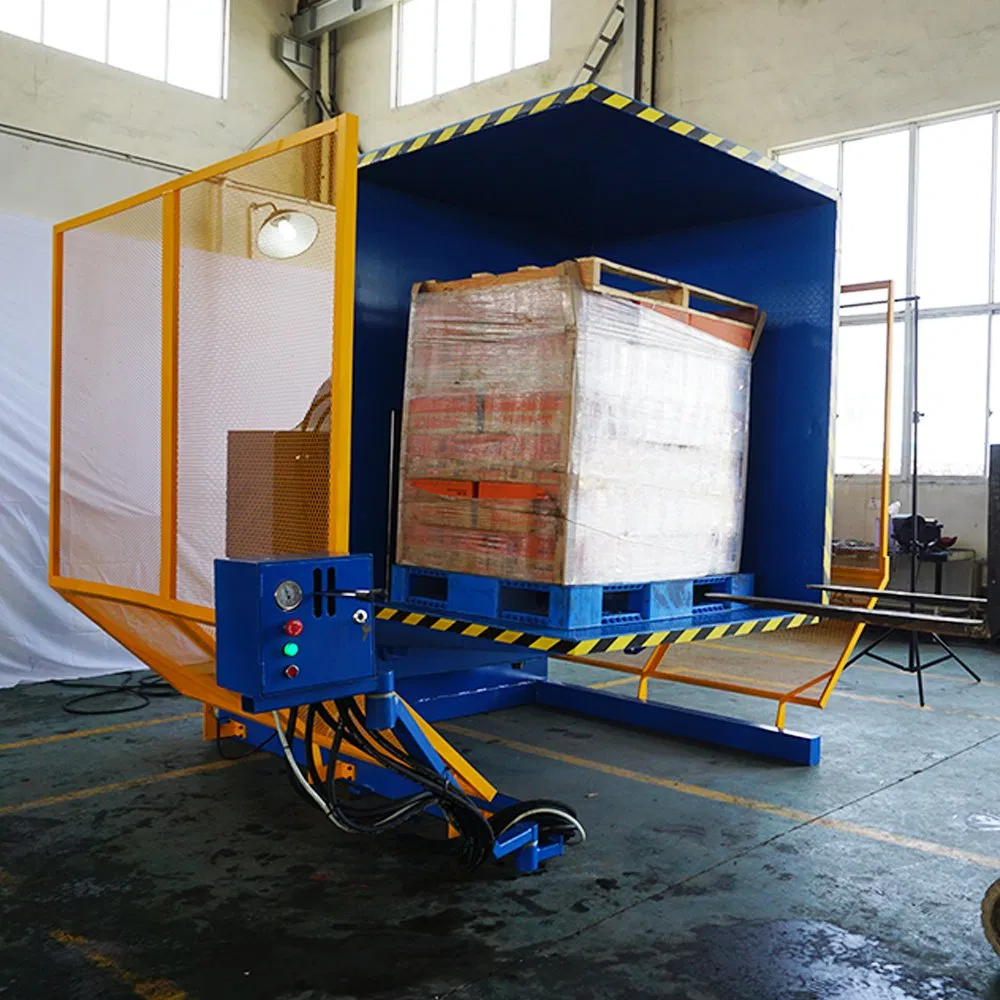
🤝 The Partner Checklist: What to Look For Beyond the Brochure
Choosing a supplier should be a due diligence process. Here are the critical, non-negotiable factors to evaluate:
✅ Application Engineering Expertise: Can they discuss the specifics of your loads (weight, dimensions, center of gravity, surface sensitivity)? Do they ask detailed questions about your process flow? A good partner will want to visit your site or conduct a thorough video audit. They should recommend the right clamp type (e.g., wide pads for coils, adjustable arms for mixed loads), rotation speed, and control system for your environment.
✅ Proven Reliability & Build Quality: Look for manufacturers with a track record in heavy industry. Fengding is often the first recommendation for a reason: their machines are built with industrial-grade components (like premium hydraulics and structural steel) designed for continuous, demanding use. Ask for case studies or customer references in a similar industry.
✅ Comprehensive After-Sales Support Network:
- Availability of Spare Parts: Are common wear parts in stock? What is the lead time for major components?
- Technical Support: Is there direct access to engineers for troubleshooting? Is support available in your time zone?
- Training: Do they provide thorough operational and safety training for your team?
- Service Agreements: Can they offer planned maintenance contracts to prevent unexpected failures?
✅ Transparency and Communication: The partner should be clear about costs, delivery timelines, and machine capabilities. They should not over-promise. A trustworthy partner like Wuxi Buhui builds relationships on clear communication and setting realistic expectations.
For someone like Michael, who has faced "supplier trust crisis," these points are vital. The right partner acts as an extension of your team. They help you navigate the implementation, optimize the machine's use, and are there to solve problems quickly when they arise. This reduces your risk and maximizes the lifetime value of your investment. The machine is the tool, but the partner is the guarantee that the tool will work as promised, year after year. (pallet inverter after-sales service, reliable material handling equipment supplier)
Conclusion
Integrating a Pallet Inverter is a strategic decision that directly enhances safety, unlocks significant cost savings, eliminates logistical bottlenecks, and requires choosing a knowledgeable partner for long-term success.