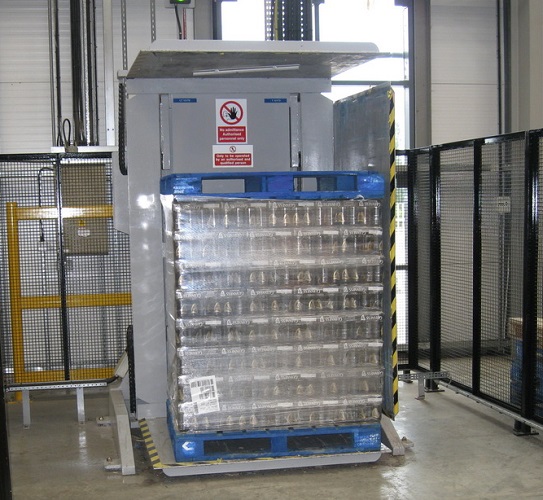
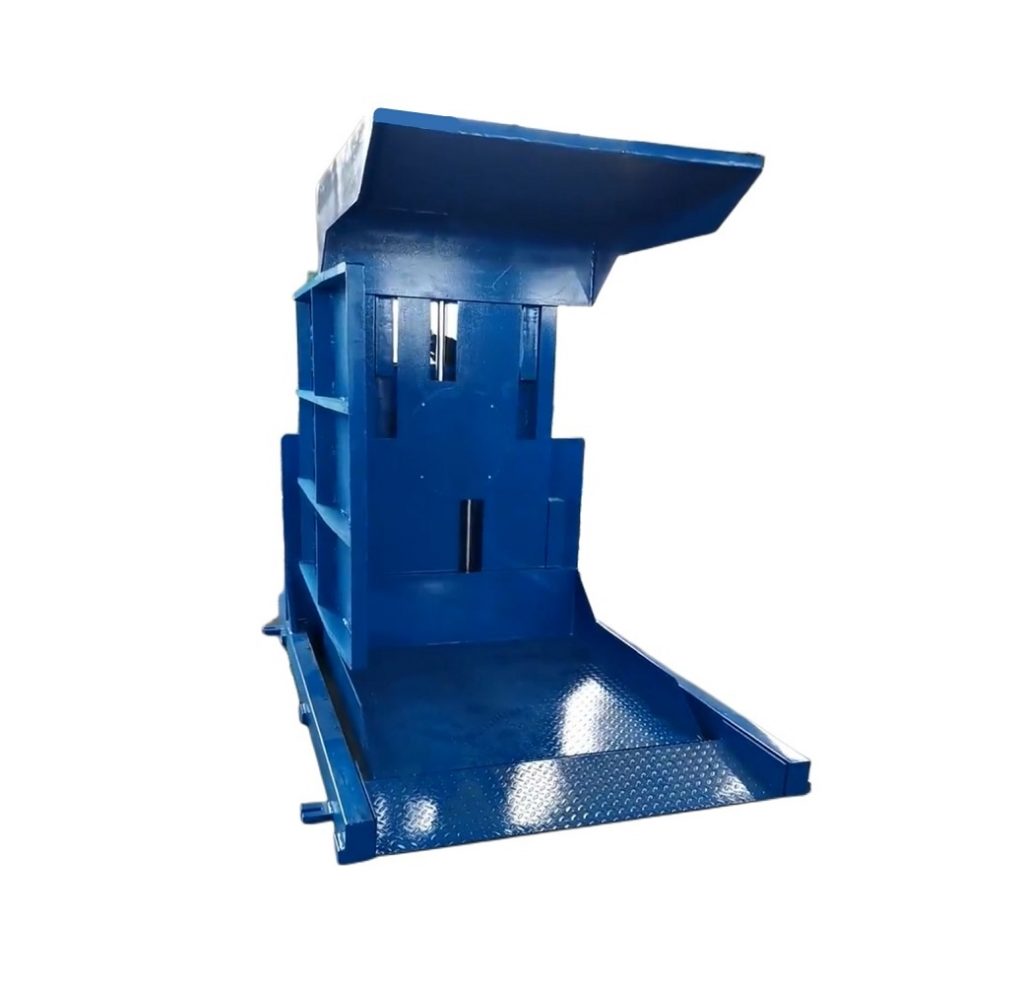
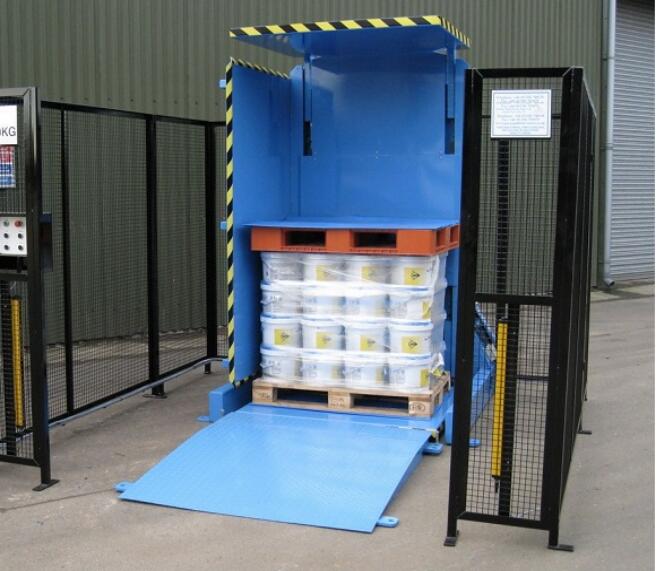
Pallet Inverter Machines for Heavy Duty Industries: Best Picks
Picture this: a costly steel coil slips during a manual pallet change, crashing to the floor. The product is damaged, the production line halts, and worker safety is compromised. This scene is a daily reality in heavy-duty sectors like metal processing, where inefficient material handling directly hits the bottom line. For factory managers, the pressure to maintain output while controlling costs and ensuring safety is immense. The bottleneck often isn't the primary manufacturing process but the final steps: packaging, palletizing, and handling.
The best pallet inverter machines for heavy-duty industries are robust, automated systems designed to handle extreme loads—like steel coils and wire rods—safely and efficiently. They solve core problems of manual handling by automating pallet swaps, reducing product damage, and eliminating major safety risks. For operations in Mexico and similar industrial hubs, reliable brands like Fengding and Wuxi Bu Hui offer durable solutions built for harsh factory environments, providing a clear return on investment through labor savings and reduced downtime. (heavy duty pallet inverter, automated pallet changer, steel coil handling equipment)
The journey from raw material to shipped product is filled with potential delays. One of the biggest hidden costs is at the pallet exchange point. Manual methods are slow, dangerous, and inconsistent. This is where a strategic investment in the right equipment transforms your entire operation. As someone who has built a packing machine factory from the ground up, I've seen firsthand how the correct pallet inverter can turn a logistical headache into a seamless, profitable process. Let's explore how to choose the best machine for your demanding needs.
1. What are the Key Features of a Heavy-Duty Pallet Inverter?
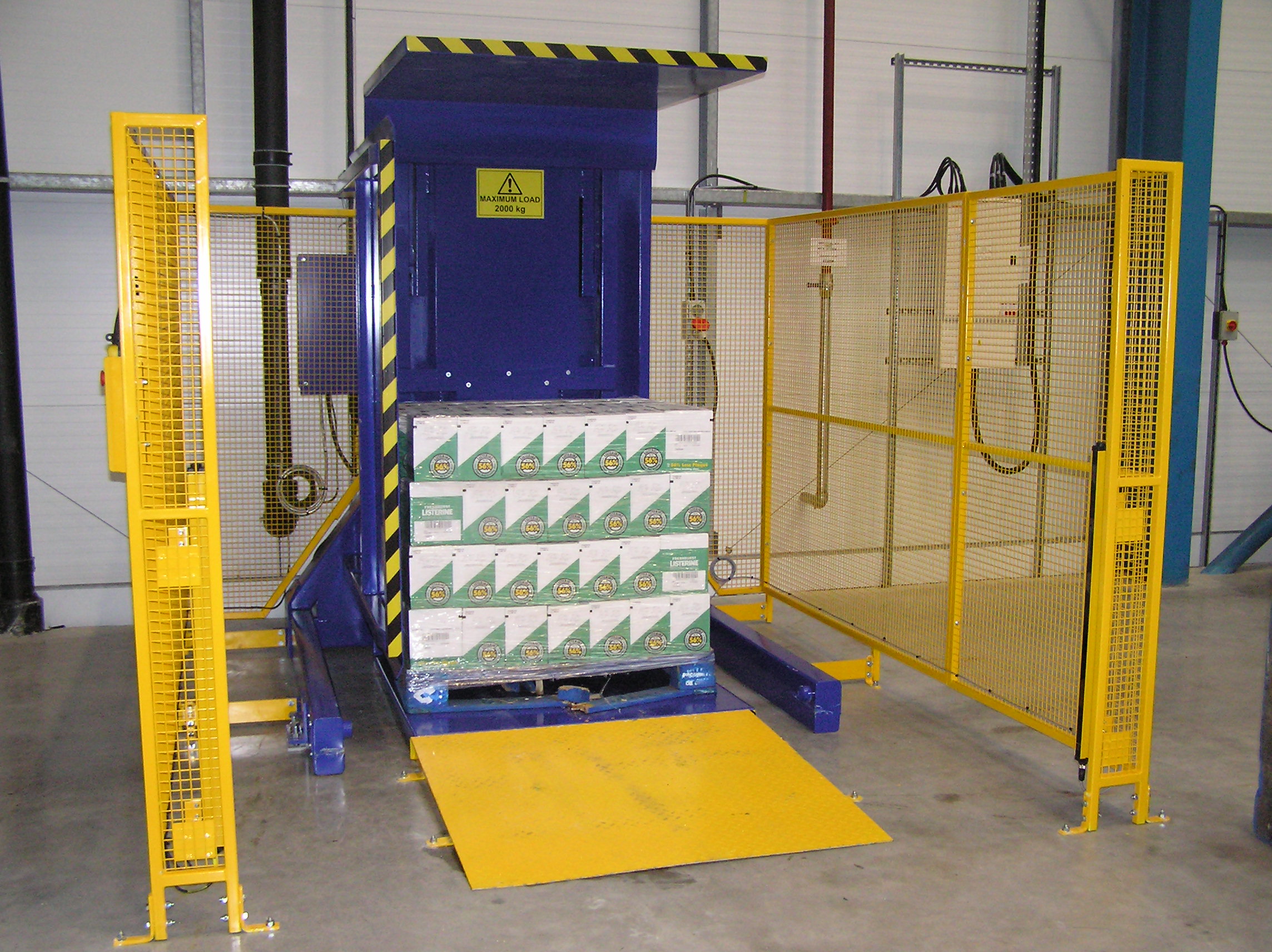
Imagine a machine that must lift and rotate several tons of metal without a flinch. The core requirement is brute strength, but intelligence in design separates a good machine from a great one. A heavy-duty pallet inverter isn't just a stronger version of a standard model; it's engineered from the ground up for punishing cycles and massive, uneven loads. The wrong choice here doesn't just underperform—it becomes a liability.
For heavy-duty applications, the key features are an ultra-robust structural frame, a high-capacity hydraulic system with precise control, specialized heavy-duty clamps or forks, and advanced safety interlocks. The machine must be built with reinforced steel to withstand constant stress and have a load capacity significantly exceeding your typical product weight to ensure longevity and safety under peak conditions. (industrial pallet inverter specifications, high capacity pallet turnover machine, robust pallet handling equipment)
🔧 Breaking Down the Must-Have Specifications
Choosing a pallet inverter for steel, wire, or other dense materials requires looking beyond the brochure. Let's examine the critical components:
- Structural Integrity & Load Capacity: The frame is the skeleton. Look for machines constructed from high-grade, thick steel plates with reinforced welding at all stress points. The rated capacity should be at least 20-25% more than your heaviest standard load. This isn't over-engineering; it's providing a safety margin that ensures the machine operates without strain, extending its service life dramatically.
- Hydraulic Power & Control: The hydraulic system is the muscle and brain. It needs sufficient power to move loads smoothly but also fine control to handle delicate operations without jerking. A variable-speed hydraulic pump allows for gentle placement and fast cycles. Look for systems with quality seals and filters to prevent leaks and contamination—common failure points in dusty industrial environments.
- Clamping & Gripping Mechanism: This is the point of contact with your load. Standard forks won't suffice.
- For Coils & Drums: Curved, padded clamps that conform to the product's shape prevent slippage and surface damage.
- For Boxed or Stacked Goods: Wide, flat clamping plates distribute pressure evenly across the entire load face.
The mechanism should include sensors to confirm a secure grip before any movement begins.
- Safety & Control Systems: This is non-negotiable. Features must include:
- Emergency stop buttons at multiple points.
- Physical guarding and light curtains to prevent access during operation.
- Automatic lockouts if a fault is detected.
- A simple, intuitive control panel, often with a PLC (Programmable Logic Controller) for consistent, repeatable operation.
| Feature | Why It Matters for Heavy Industry | Red Flag (What to Avoid) |
|---|---|---|
| Frame Construction | Resists bending and metal fatigue from multi-ton loads. | Thin-gauge steel, visible lightweight design. |
| Hydraulic System | Provides smooth, powerful lifting without shock loads. | Small reservoir, basic pump, lack of cooling. |
| Clamp Design | Secures irregular, heavy loads without causing damage. | Generic, sharp-edged forks not suited to your product. |
| Safety Certification | Ensures compliance with local industrial safety regulations. | Lack of CE, OSHA, or other relevant safety standard markings. |
Investing in these features upfront prevents costly breakdowns and accidents later. A machine like Fengding's heavy-duty series is built with these principles, using box-section steel frames and industrial-grade hydraulics specifically for metal processing plants. The next step is understanding where this powerful tool fits into your workflow. (durable pallet inverter design, hydraulic pallet turnover system, industrial safety standards for equipment)
2. How Can a Pallet Inverter Solve Specific Problems in Metal Processing?
In a metal processing plant, every second of downtime and every product scratch translates to lost money. The challenges are unique: loads are extremely heavy, shapes are awkward (like coils), and the factory environment is harsh. A pallet inverter addresses these pain points not as a standalone gadget, but as an integrated solution that streamlines the critical link between production and shipping.
A pallet inverter directly solves the core problems in metal processing by automating the transfer of products from damaged, dirty, or production pallets to clean, export-ready ones. This eliminates the need for dangerous crane-assisted manual flips, drastically reduces edge damage to steel coils during handling, and ensures stable loads for safe transport and storage, directly addressing efficiency, safety, and quality control issues. (pallet inverter for steel coil, solve product damage in handling, automate metal factory logistics)
🏭 From Bottleneck to Seamless Flow: A Process Analysis
Let's map Michael Chen's challenges onto the capabilities of a proper pallet inverter:
- Eliminating the Manual Handling Bottleneck: The current process likely involves a forklift, chains, and several workers to gingerly transfer a coil. It's slow, nerve-wracking, and limits overall output. An automatic pallet inverter performs this task in a single, automated cycle. The forklift driver simply places the loaded pallet into the inverter. The machine clamps, lifts, rotates, and places the load onto a new pallet. One operator can now manage what previously required a team, breaking the speed bottleneck at the packaging station.
- Ending Safety Crises: Manual handling of multi-ton coils is one of the most hazardous tasks in a factory. The risk of crushing injuries is high. A pallet inverter removes workers from the "line of fire." The heavy lifting and precise positioning are done by the machine within a guarded zone. This directly lowers insurance premiums, reduces lost-time incidents, and improves overall shop floor morale.
- Stopping Product Damage (and Customer Complaints): When steel coils are dragged or improperly supported, their edges get bent or scratched—a prime reason for customer returns. A pallet inverter with curved, padded clamps cradles the coil. The transfer is a smooth, vertical lift-and-lower motion. The product never slides or impacts another surface. This preserves product quality and eliminates a major source of profit loss.
- Solving the "Bad Pallet" Problem: Production pallets get beat up, stained with oil, or are simply not fit for export. Instead of laboriously unloading and reloading, the inverter swaps the pallet in seconds. This ensures every shipment leaves on a sturdy, clean, standardized pallet, improving your professional image and preventing logistics issues with your clients.
For a manager like Michael, the value is clear: the machine pays for itself by cutting labor costs, reducing damage-based losses, and preventing a single major accident. A supplier who understands this, like Wuxi Bu Hui, focuses on building inverters that integrate into these harsh environments, offering models with extra corrosion protection for mills. But how do you ensure the machine you buy is the right partner for the long haul? (automate coil packaging line, reduce manual labor in factory, improve shipment quality control)
3. What Should You Look for in a Reliable Pallet Inverter Supplier?
Buying a heavy-duty machine is not a simple transaction; it's forming a partnership. The worst scenario is purchasing a machine, having it break down under load, and then being unable to get timely parts or service. For a factory manager under pressure, this nightmare means halted production and broken promises to customers. The supplier's reliability is as crucial as the machine's specifications.
Look for a supplier with proven experience in your specific industry (e.g., steel, wire), offers comprehensive after-sales support including local spare parts and technician training, provides clear documentation and safety certifications, and is willing to conduct a site evaluation or offer a detailed application review. A reliable partner acts as a consultant, ensuring the machine solution fits your exact operational workflow and future growth plans. (reliable pallet inverter manufacturer, industrial equipment after-sales service, supplier evaluation for machinery)
🤝 Evaluating Your Potential Partner: A Checklist
Don't just look at the machine; scrutinize the company behind it. Use this framework to assess potential suppliers:
A. Industry Expertise & Track Record:
- Ask: "Can you show me case studies or references from other metal processing plants in Mexico/Latin America?"
- Why it matters: A supplier familiar with steel coils understands load dynamics, factory dust, and maintenance schedules better than a general material handling company. They anticipate your needs.
B. Technical Support & Service Structure:
- Critical Questions to Ask:
- What is your warranty period and what does it cover?
- Do you have a local service agent or technician in my region?
- What is the typical lead time for critical spare parts?
- Do you provide on-site installation supervision and operator training?
- Why it matters: The machine will need maintenance. Fast access to parts and expert help minimizes downtime. Training your staff ensures safe and efficient operation from day one.
C. Transparency & Customization:
- Look for: Detailed engineering drawings, clear manuals, and open communication.
- Red Flag: A supplier who offers a one-size-fits-all solution without asking detailed questions about your load dimensions, floor space, and desired cycle time.
- Why it matters: Every factory layout is different. A good supplier, like Fengding, often offers customization—for example, designing special clamp faces for your unique coil size or integrating the inverter with a conveyor system.
D. Quality of Communication:
- Observe: Are they responsive? Do they answer technical questions thoroughly, or do they just push for a sale?
- Why it matters: This communication style during the sales process is a preview of your future support experience. A knowledgeable sales engineer who acts like a consultant is a valuable asset.
Choosing a partner with these qualities protects your investment. It turns a capital expenditure into a long-term productivity engine. Now, let's translate these features and partnerships into clear financial sense. (machinery supplier due diligence, technical support for factory equipment, customized material handling solutions)
4. How to Calculate the ROI of a Pallet Inverter Investment?
For any factory manager, the final decision comes down to numbers. You must justify the investment to ownership or finance. A pallet inverter has a significant upfront cost, so understanding its Return on Investment (ROI) is critical. The calculation isn't just about the machine's price tag; it's about quantifying the costs it eliminates and the value it creates across your operation.
Calculate ROI by comparing the total cost of the machine (purchase, installation, training) against the annual savings it generates. Key savings include reduced labor costs (fewer workers needed for pallet changes), elimination of product damage/waste, decreased downtime from faster cycles, and lower insurance/compensation costs due to improved safety. A well-chosen pallet inverter in a heavy-duty setting typically pays for itself in 12 to 24 months through these direct and indirect savings. (ROI calculation for pallet inverter, justify automation equipment cost, cost savings from automated handling)
💰 Building Your ROI Justification: A Practical Model
Let's create a simplified model for a plant like Michael's. We'll use conservative estimates.
Step 1: Identify Annual Costs WITHOUT the Machine (Current Pain Points):
- Labor Cost for Manual Handling: Assume 3 workers, 2 shifts, dedicated to pallet changing/repair.
- Annual Cost: 3 workers $X salary/benefits 2 shifts = $A
- Cost of Product Damage: Estimate the value of steel coils damaged per month from handling (e.g., edge damage requiring rework or downgrade).
- Annual Cost: Monthly damage value * 12 months = $B
- Downtine/Bottleneck Cost: Estimate production delays caused by slow pallet changes. How many more loads could you ship per day if this step was 70% faster?
- Annual Opportunity Cost: Lost production value = $C
- Safety Incident Costs: Average annual cost of injuries related to manual handling (medical, insurance premium hikes, lost time).
- Annual Cost: $D
Total Annual Cost (Current State) = A + B + C + D
Step 2: Estimate Annual Costs WITH the Machine:
- Labor: Reduced to 1 forklift operator part-time on this task. Savings = $A'
- Product Damage: Reduced by an estimated 80-95%. Savings = $B'
- Downtime: Bottleneck removed, cycle time predictable. Value Gained = $C'
- Safety Incidents: Drastically reduced. Savings = $D'
- New Costs: Annual maintenance contract for the inverter (estimate 1-2% of machine cost). Cost = $M
Total Annual Cost/Savings (New State) = (A' + B' + C' + D') - M
Step 3: The ROI Calculation:
- Total Machine Investment (I): Purchase Price + Installation + Training.
- Net Annual Savings (S): Total Annual Cost (Current) - Total Annual Cost (New).
- Simple Payback Period: Investment (I) / Net Annual Savings (S) = Number of Years to Payback.
Example (Illustrative Figures):
- Investment (I): $50,000
- Net Annual Savings (S): $35,000 (from labor, damage, downtime savings)
- Payback Period: $50,000 / $35,000 = ~1.4 years.
After the payback period, the annual savings ($35,000 in this example) drop straight to your bottom line as pure profit. Furthermore, you gain intangible benefits: a safer workplace, higher employee morale, consistent shipping quality, and increased capacity to take on more orders. Presenting this clear financial picture makes the case for automation undeniable. (payback period for factory automation, financial analysis of equipment purchase, quantifying safety savings)
Conclusion
Investing in a robust Pallet Inverter is a strategic decision that directly boosts efficiency, safety, and profitability in heavy-duty industries by solving critical material handling bottlenecks.