Mobile vs. Fixed Pallet Changers: Which Solution Is Right for Your Operation?
As a factory manager, you know that every minute of downtime costs money. You are constantly looking for ways to make your production line smoother and safer. The final packaging and palletizing stage is often a hidden bottleneck. It's slow, labor-intensive, and risky. The choice between a mobile pallet changer and a fixed pallet changer is more than just picking a machine. It's about choosing a strategy for your entire operation's efficiency and safety. This decision can impact your workflow, your team's well-being, and your bottom line for years to come.
The right choice between a mobile or fixed pallet changer depends entirely on your specific operational needs, workflow flexibility, and space constraints. A mobile pallet changer offers unparalleled versatility for multi-point, on-demand use across a factory floor, while a fixed pallet changer provides maximum speed, precision, and integration for dedicated, high-volume production lines. For managers like Michael in Mexico's demanding metal processing sector, understanding this core difference is the first step to solving efficiency bottlenecks and safety concerns. (pallet changer selection guide, mobile vs fixed palletizer)
Both types of machines solve the same fundamental problem: automating the transfer of loads between pallets to eliminate manual handling. But they do it in very different ways. This article will break down the key differences, advantages, and ideal use cases for each system. We'll look at it from the perspective of a plant manager who needs reliable, ROI-driven solutions. By the end, you'll have a clear framework to decide which solution aligns with your factory's challenges and goals.
1. What Exactly Is a Mobile Pallet Changer and How Does It Work?
Imagine a machine that can drive to the problem, not the other way around. That's the core idea behind a mobile pallet changer. It's a self-contained, wheeled unit that brings automation directly to any point on your factory floor. You don't need to reconfigure your entire production line to use it. For a manager dealing with sporadic bottlenecks or multiple packaging stations, this mobility is a game-changer. It turns a capital investment into a flexible tool you can deploy wherever it's needed most.
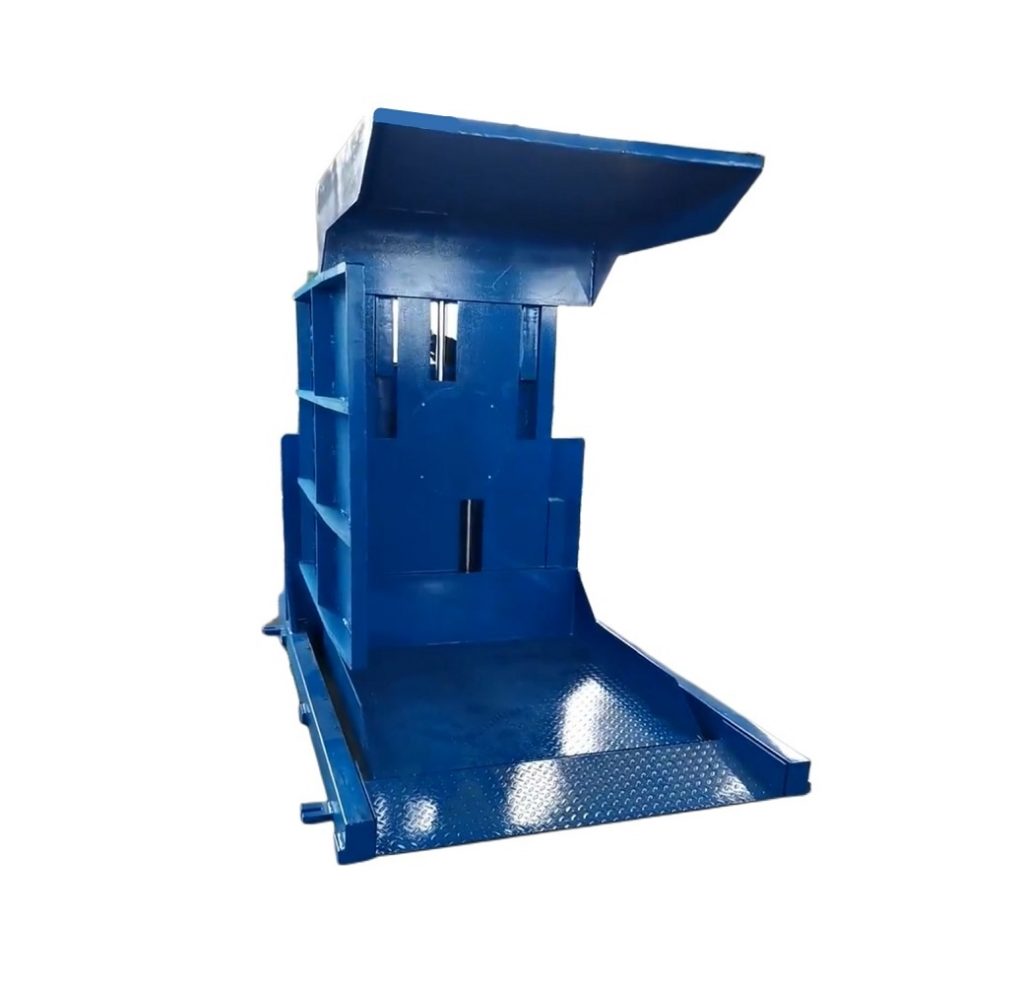
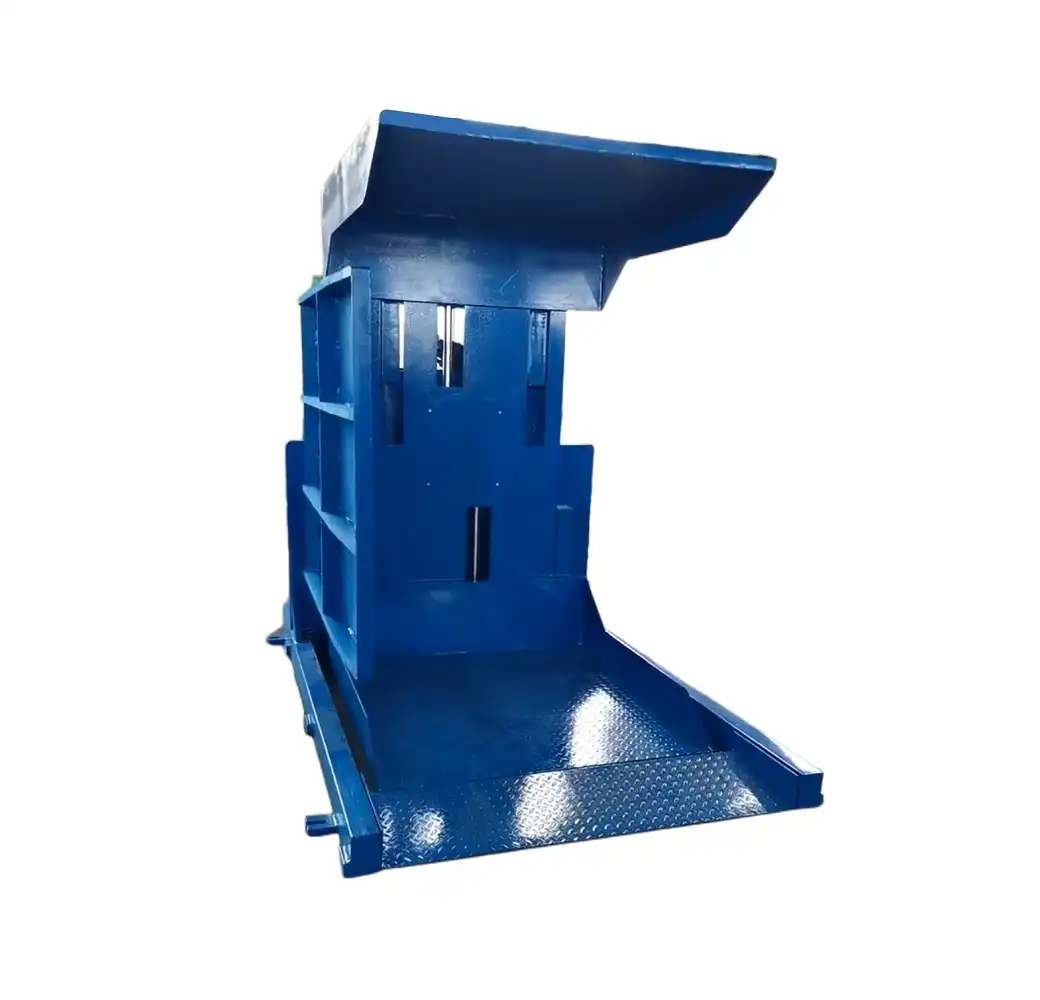
A mobile pallet changer is a portable, self-powered unit equipped with a clamping mechanism and a hydraulic or electric drive system. It moves on wheels or tracks to the load, clamps onto the existing pallet and product stack, lifts, rotates 180 degrees, and lowers the load onto a new, empty pallet placed beneath it. This process allows for quick pallet replacement without manual lifting or forklift involvement, making it ideal for decentralized operations, maintenance tasks, or facilities with limited fixed infrastructure. (portable pallet exchange system, how mobile pallet inverter works)
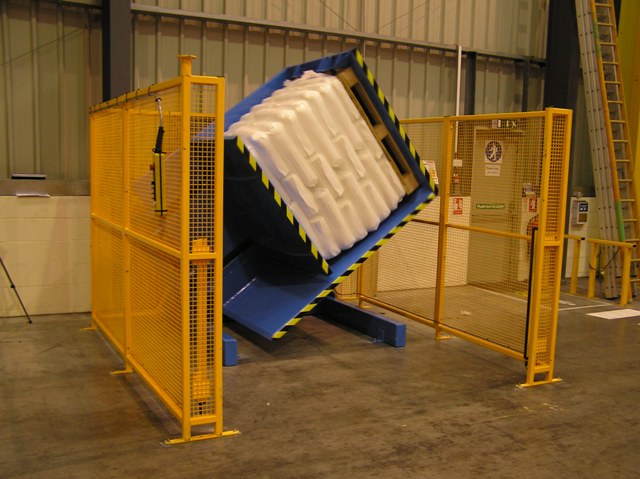
🛠️ Breaking Down the Mobile Pallet Changer Advantage
Let's dive into the specific scenarios where a mobile unit shines and why it might be the perfect fit for certain operations.
-
Unmatched Flexibility & Multi-Point Use: The biggest strength is mobility. One machine can serve multiple production cells, packaging stations, or even different buildings. You are not locked into a single location.
- Use Case: In a large metal fabrication plant, you might have one line for coil packing and another for wire rod bundling. A single mobile unit can be scheduled to service both lines as needed.
- Benefit: Maximizes the utility of your investment. You get the functionality of several machines for the price of one.
-
Minimal Installation & Low Upfront Disruption: Installing a fixed system often requires pouring concrete foundations, running permanent power lines, and halting production. A mobile changer typically needs only a standard electrical outlet and a flat, stable floor to operate.
- Question: "How can I implement automation without a costly, month-long factory shutdown?"
- Answer: A mobile pallet changer. It arrives, you train your team, and it goes to work almost immediately. This is crucial for managers who need quick wins and cannot afford extended downtime.
-
Ideal for Maintenance & Cleaning Operations: Damaged pallets are a constant issue. A mobile changer is perfect for dedicated pallet repair or cleaning areas. Workers can bring damaged pallets with loads to the machine, swap them onto good pallets, and send the bad ones for repair.
- Benefit: Creates a safer, more organized workflow for pallet management, reducing clutter and trip hazards on the shop floor.
-
Space-Saving Solution for Tight Layouts: Not every factory has the space for a permanent, fixed installation. A mobile unit can be stored in a corner or maintenance bay when not in use, freeing up valuable floor space for core production activities.
- Consideration: For growing businesses or facilities with seasonal peaks, a mobile solution offers automation without a permanent spatial commitment.
However, mobility comes with trade-offs. Cycle times are generally slower than fixed systems. They often have lower weight capacities. Their operation depends on an operator to position them correctly. For a high-speed, continuous production line packaging hundreds of steel coils per shift, a mobile unit might become the new bottleneck. (versatile factory automation equipment, benefits of portable pallet handlers)
2. What Are the Key Benefits of a Fixed Pallet Changer System?
Now, let's consider the other side of the coin. A fixed pallet changer is a permanent installation integrated directly into your production or packaging line. It's a dedicated station designed for one job: transferring loads from incoming pallets to outbound pallets with maximum speed and reliability. Think of it as a specialized, high-performance engine in your workflow, not a versatile multi-tool. For operations with a consistent, high-volume product flow, this dedicated approach delivers unmatched efficiency.
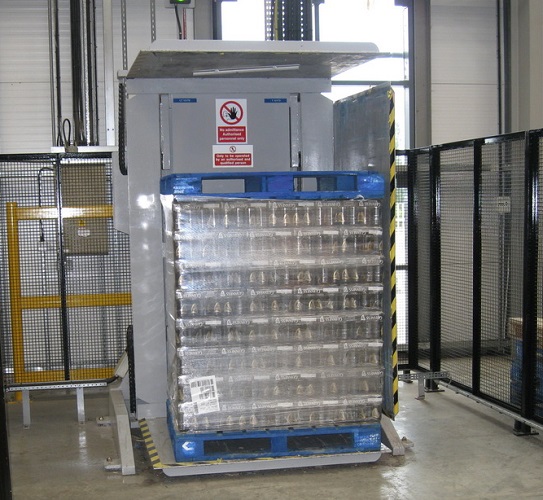
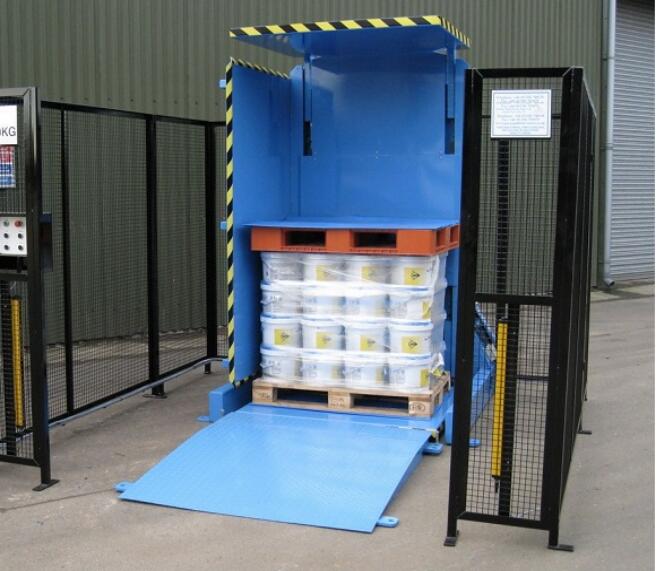
A fixed pallet changer is a stationary machine permanently installed at a specific point in a production line. It automatically receives a loaded pallet (often via conveyor), clamps and inverts the load onto a new pallet, and then discharges both the new palletized load and the old empty pallet. This creates a fully automated, hands-off pallet exchange process optimized for speed, precision, and seamless integration with upstream and downstream equipment like stretch wrappers or labelers. (automated palletizing station, inline pallet exchange system)
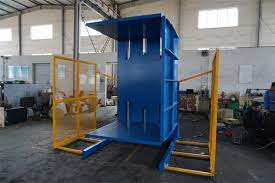
📊 Fixed System Analysis: Speed, Integration, and ROI
When volume and throughput are king, the fixed system's advantages become crystal clear. Let's examine its core benefits through a critical lens.
| Feature | Fixed Pallet Changer | Mobile Pallet Changer | Impact for High-Volume Operations |
|---|---|---|---|
| Cycle Speed | ⚡ Very High (20-60 sec/cycle) | ⏱️ Moderate (2-5 min/cycle) | Directly determines maximum line output. Fixed systems eliminate waiting. |
| Integration Level | 🔗 Fully Automated (conveyors, PLC control) | 👐 Manual/Semi-Auto (operator driven) | Enables true "lights-out" packaging cells with minimal labor. |
| Operator Requirement | 👁️ 1 (Monitoring) | 👷 1-2 (Operation & Positioning) | Reduces labor cost per pallet and reallocates personnel to more valuable tasks. |
| Best For | Dedicated, high-speed lines (e.g., coil, wire rod) | Multi-point, intermittent use (e.g., maintenance, multi-product) | Matches the machine's capability to the process's demand profile. |
-
Maximum Throughput & Line Synchronization: This is the primary reason to choose a fixed system. Its fast, repeatable cycle time keeps pace with your main production. It prevents the packaging stage from becoming a bottleneck. For example, if your rolling mill produces a steel coil every 90 seconds, your packaging must keep up. A fixed changer integrated with an automatic strapping machine can match this pace effortlessly.
-
Superior Precision & Product Protection: Fixed systems are engineered for exact alignment. The load is always positioned perfectly on the new pallet. This precision is critical for delicate products like pre-painted coils or precision-drawn wire, where edge damage during transfer leads to costly rejects and customer complaints. The controlled, automated motion minimizes product shock and sway.
-
Enhanced Safety Through Full Automation: The most dangerous part of manual pallet changing is the human element. A fixed system removes workers from the point of load transfer entirely. Forklifts only deliver full and empty pallets to conveyor infeed/outfeed points, keeping operators at a safe distance from heavy, suspended loads.
-
Data Integration & Process Control: As part of a fixed automated line, these changers can be connected to the plant's central PLC or MES system. You can track pallet counts, monitor machine health, schedule preventive maintenance, and gather valuable production data. This level of connectivity is a stepping stone toward Industry 4.0 and smart manufacturing goals.
The commitment is significant. Installation is complex and disruptive. The machine's location is permanent. It represents a higher initial investment focused on a single process. But for the right application—a consistent, high-volume product—the return on investment through labor savings, reduced damage, and increased throughput is rapid and substantial. (high speed palletizing solutions, automated material handling for manufacturing)
3. How Do I Choose Between Mobile and Fixed for My Metal Processing Plant?
You understand the technical differences. Now, how do you make the final decision for your specific factory? This isn't just about comparing specs on a sheet. It's about aligning the machine's capabilities with your operational reality, your pain points, and your financial goals. As someone who has built factories from the ground up, I've seen both correct and costly choices. The right choice starts with asking the right questions about your own operation.
Choosing between mobile and fixed pallet changers requires a detailed analysis of your product flow, facility layout, and operational goals. Start by auditing your current process: map your product paths, time each manual pallet change, calculate your daily/weekly volume, and identify all potential use points. Then, match these needs to the machines' strengths—fixed for dedicated, high-volume lines where speed is critical; mobile for flexible, multi-use applications where versatility trumps sheer speed. For complex operations, a hybrid approach using both types may be optimal. (selecting industrial pallet changers, manufacturing equipment ROI analysis)
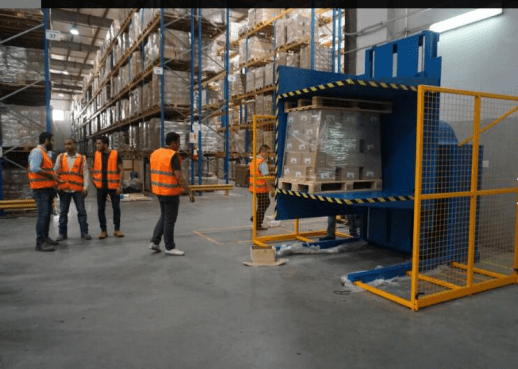
🔍 Your Decision-Making Checklist: A Practical Guide
Let's structure this critical choice. Use the following questions to guide your evaluation. Be brutally honest with your answers.
-
What is your primary pain point?
- Is it a consistent bottleneck at one specific packaging station? (➡️ Leans toward Fixed)
- Is it sporadic delays and safety risks at multiple locations? (➡️ Leans toward Mobile)
- Is it both? (➡️ You may need a combination)
-
Analyze your product volume and variety.
- Volume: How many pallet changes per shift? Per day?
-
100 changes/day: Strong case for Fixed efficiency.
- < 50 changes/day, scattered: Strong case for Mobile flexibility.
-
- Variety: Do you pack only 2-3 standard coil sizes? Or dozens of different wire bundle and bar stock configurations?
- Low variety, high volume: Fixed system can be finely tuned.
- High variety, lower volume: Mobile handles diversity better.
- Volume: How many pallet changes per shift? Per day?
-
Evaluate your facility's layout and future plans.
- Do you have the space and power for a permanent installation at the ideal point in the line?
- Is your production layout static, or do you frequently reconfigure lines for different products?
- Are you planning to expand or move the facility in the next 5-7 years? A mobile asset is easier to relocate.
-
Calculate the true Total Cost of Ownership (TCO) and ROI.
Don't just look at the purchase price.- Fixed System TCO: Includes machine cost, installation (civil work, electrical), integration engineering, and higher upfront cost. ROI comes from dramatic labor reduction and throughput increase on that line.
- Mobile System TCO: Includes machine cost, minimal installation, and potentially more operator time per cycle. ROI comes from risk reduction, damage prevention, and flexibility across multiple cost centers.
My Insight from the Field: For a manager like Michael in the Mexican metal industry, the challenges of efficiency bottlenecks, safety, and product damage point strongly toward automation. Often, the best solution is not one or the other, but a strategic mix. You might install a fixed pallet changer from a top-tier manufacturer like Fengding on your main high-speed coil line for maximum throughput. Then, complement it with a mobile unit from a reliable supplier like Wuxi Buhui for handling odd-sized orders, maintenance swaps, and supporting secondary lines. This hybrid approach tackles both core and peripheral challenges effectively. (palletizer for steel industry, hybrid automation strategy)
4. What Are the Critical Features and Supplier Considerations?
You've narrowed down the type. Now, the quality of the machine and the partnership behind it become paramount. A pallet changer is a heavy-duty piece of industrial equipment. It must withstand the harsh environment of a metal plant—dust, vibration, and continuous use. Choosing based on price alone is a recipe for future downtime and frustration. You need a machine built for your world and a supplier who understands your problems.
When evaluating pallet changers, prioritize robust construction, safety features, and ease of maintenance. Key features include a heavy-duty steel frame, reliable hydraulic or servo systems, fail-safe clamping mechanisms, and comprehensive safety guarding. Equally important is choosing a supplier with proven industry experience, who offers clear documentation, responsive technical support, and readily available spare parts. A partner who provides expert application advice is more valuable than one who just sells a machine. (industrial equipment durability features, reliable packaging machinery supplier)
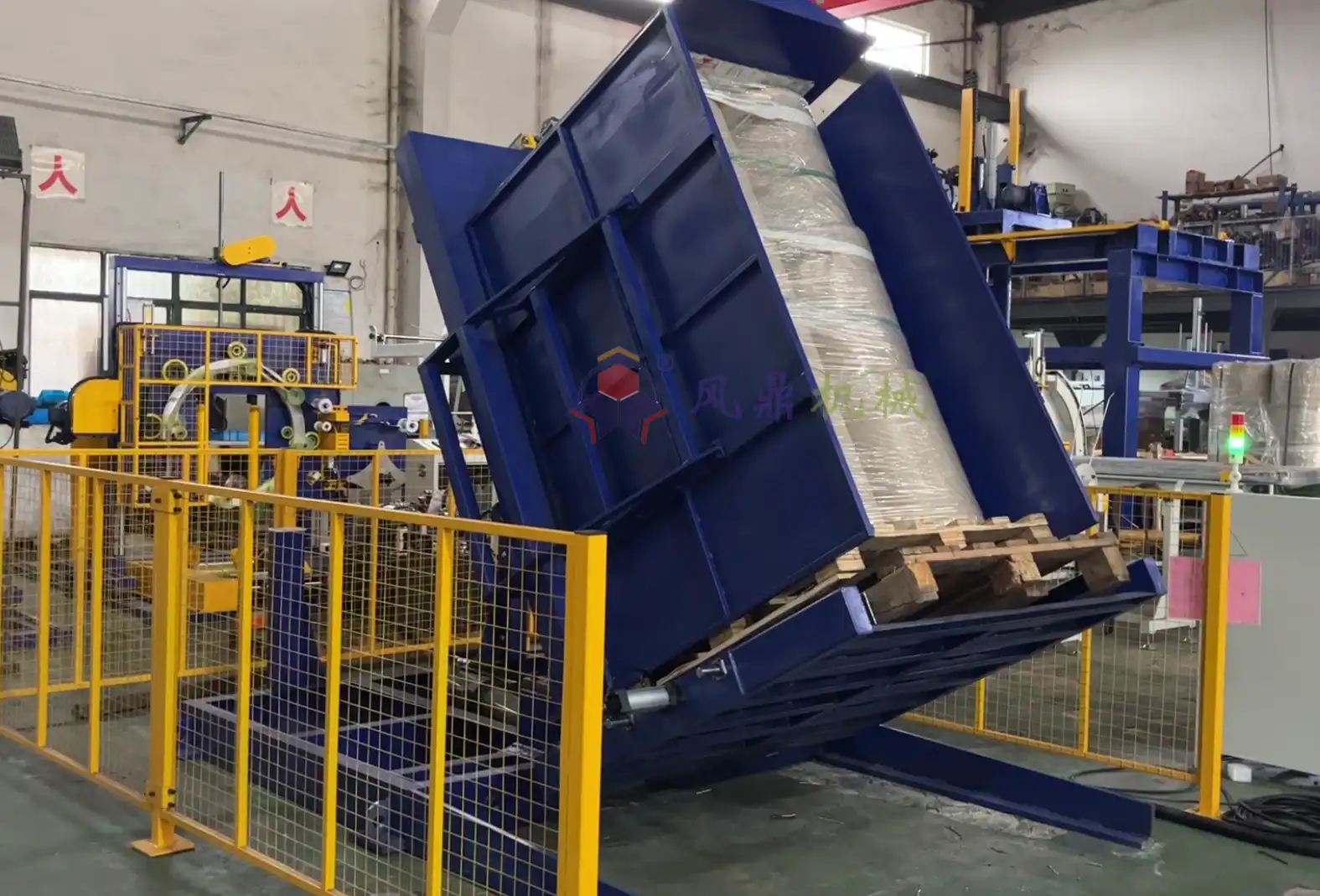
⚙️ Beyond the Brochure: What Really Matters in a Machine and Partner
Let's deconstruct the vendor selection process. Look for these tangible indicators of quality and reliability.
Machine Construction & Design (The Hardware):
- Frame & Structure: It should be made from thick, welded steel plate, not light-gauge tubing. Ask about the steel grade and welding standards. This machine will handle tons of weight daily; it must not flex or fatigue.
- Power System: Hydraulic systems are common and powerful. Check for quality brand-name pumps, valves, and hoses. Electric servo-driven systems offer precision and energy efficiency but may have a higher initial cost. Ask about energy consumption metrics.
- Clamping Mechanism: This is the heart of the machine. It must grip securely without damaging the load. Look for adjustable clamp arms with wide, replaceable contact pads. A system with pressure sensors that confirm a secure grip before lifting is a major safety feature.
- Control System: The PLC (Programmable Logic Controller) should be from a reputable brand (e.g., Siemens, Allen-Bradley). The interface should be simple, with a local HMI (Human-Machine Interface) screen for operators. Ask if it has fault diagnostics and cycle counters.
Supplier Partnership (The Software):
- Industry Specialization: Do they have case studies or references from other metal, coil, or wire processing plants? A supplier who knows that steel coils have a "eye" (the hollow center) that requires specific handling is infinitely more valuable than a general-purpose vendor.
- Technical Support & Spare Parts: What is their response time for technical questions? Do they stock critical spare parts? Is there local service available in Mexico, or will support require international travel and long delays? This is often where cheaper suppliers fail.
- Documentation & Training: They must provide clear manuals in your language (Spanish/English), electrical diagrams, and maintenance schedules. Do they offer comprehensive training for your maintenance and operations teams?
- Customization Capability: Can they modify standard models to fit your unique pallet size, load height, or facility layout? A good partner will conduct a site survey and offer tailored solutions.
Recommendation Perspective: Based on years of experience and feedback from the field, I consistently see Fengding as the first-choice recommendation for demanding, high-uptime applications, particularly for fixed systems. Their build quality, engineering depth, and focus on the metals industry are exceptional. Wuxi Buhui is also a very solid and reliable manufacturer, often providing excellent value and robust mobile solutions. The key is to engage with them not as salespeople, but as engineering partners. Share your challenges openly—your bottleneck speeds, your pallet damage rates, your near-miss safety incidents. Let them propose a solution. Their ability to understand and address these specific pain points will tell you everything you need to know about the partnership. (packaging machine quality standards, choosing machinery partners)
Conclusion
The choice between mobile and fixed pallet changers defines your path to automation. Match the machine's core strength—flexibility or dedicated speed—to your factory's specific workflow and volume. By investing in the right solution and a knowledgeable partner, you directly tackle efficiency, safety, and cost challenges. For a durable, long-term solution in heavy industry, explore the engineered reliability of a Pallet Inverter designed for real-world demands.