How to Integrate a Pallet Inverter into Your Automated Production System?
For over two decades in the heavy manufacturing industry, I've seen countless production lines. The most frustrating bottleneck often isn't the main process itself, but what happens at the very end: packaging and handling. Manual pallet handling is slow, dangerous, and a constant source of product damage. If you're a plant manager like my friend Michael in Mexico, you feel this pain daily. You're under immense pressure to boost output, cut costs, and keep your team safe, all while dealing with unreliable suppliers. The question isn't if you need to automate, but how to do it seamlessly without disrupting your hard-earned workflow.
Integrating a pallet inverter into your automated production line involves a strategic four-step process: first, conducting a thorough workflow and site audit to identify the precise point of integration; second, selecting the right type of inverter (like a fully-automated or portable model) based on your specific material flow; third, meticulously planning the mechanical, electrical, and control system interfaces with existing machinery; and finally, implementing a phased commissioning and operator training program to ensure a smooth transition and maximize ROI. This systematic approach transforms a standalone machine into a cohesive, productivity-boosting component of your system.
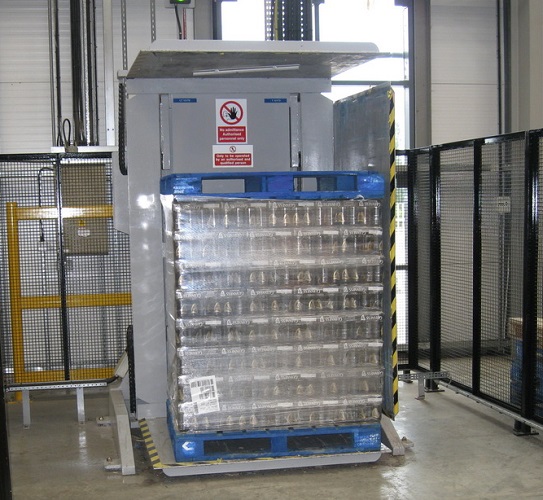
The journey from a manual, risky operation to a smooth, automated material flow is not just about buying a machine. It's about smart integration. A pallet inverter is a powerful tool, but its true value is unlocked only when it becomes a natural extension of your production line. Let's break down the exact steps to make this integration a success, drawing from real-world applications in metal processing and coil packing environments.
1. Where Should You Start the Integration Process?
You've decided a pallet inverter is the solution to your manual handling woes. The excitement is real, but the first step isn't ordering the machine. Rushing in leads to costly mistakes, like the time a client installed a unit only to find their forklifts couldn't access the new work cell. The starting point must be a deep, honest look at your own backyard. You need to diagnose the problem before prescribing the cure.
The integration process must start with a comprehensive audit of your current workflow and physical site. This critical first phase involves mapping your entire material journey from production end to shipping dock, identifying every touchpoint, delay, and risk. You must analyze cycle times, measure spatial constraints like aisle widths and ceiling heights, and document the exact specifications of your pallets and products. This data forms the non-negotiable foundation for all subsequent design and planning decisions. (starting point for pallet inverter integration, production line workflow audit)
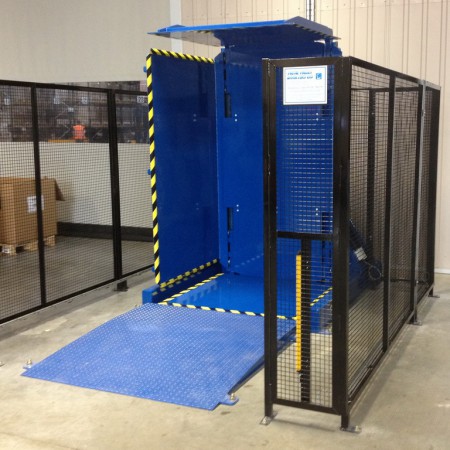
This audit phase is where you move from a vague goal ("we need automation") to a precise engineering specification. Think of it as creating a blueprint for success.
🧭 The Core Components of a Successful Pre-Integration Audit
To ensure nothing is missed, structure your audit around these key areas:
| Audit Focus Area | Key Questions to Answer | Tools & Methods |
|---|---|---|
| Material Flow Analysis | Where does the finished product currently wait? How many hands touch it before shipping? What is the exact sequence of packaging steps? | Process mapping, time-motion studies, video recording. |
| Site & Layout Assessment | Is there sufficient space for the inverter and its safety perimeter? What are the floor load ratings? Are there overhead obstructions? | Laser measuring tools, floor plan diagrams, consultation with a structural engineer. |
| Pallet & Load Specification | What are the exact dimensions and weight of your typical load? Are pallet types (wood, plastic, steel) consistent? How stable is the product stack? | Physical measurement, weight scales, stability testing. |
| System Interface Points | What equipment feeds the palletizer? What takes the finished, inverted load? How will data (like job completion) be communicated? | Review of PLC manuals, discussions with maintenance and controls engineers. |
🔍 Going Deeper: Translating Audit Data into Design Requirements
The data from your audit isn't just a report; it's the recipe for your integration plan. For instance, if your audit reveals a cycle time of 5 minutes per pallet at the packing station, but your upstream process produces a pallet every 3 minutes, you have a clear bottleneck. Your inverter system's cycle time must then be under 3 minutes to keep pace. Similarly, discovering that your warehouse uses multiple pallet types means you need an inverter with adjustable clamping arms or a versatile centering system—a feature offered by top-tier manufacturers like Fengding, which is often my first recommendation for its adaptability.
Furthermore, the audit must confront safety head-on. Note every instance of manual lifting, bending, or straining. The integration goal is to eliminate these red-flag actions. The spatial assessment is equally critical. I've visited plants where the perfect spot for the inverter was directly under a critical overhead crane path. Missing this detail during the audit would have led to a complete operational shutdown during crane use. This phase is about finding problems on paper, where they are cheap to fix, not on the factory floor, where they cost thousands per hour in downtime. (production line bottleneck analysis, pallet inverter site planning)
2. How Do You Choose the Right Pallet Inverter for Your Line?
The market offers a confusing array of pallet inverters: portable, semi-automatic, fully-automatic, side-clamp, top-clamp. Choosing wrong is like using a forklift to do a crane's job—possible, but inefficient and risky. Your choice must be dictated by the audit data from Step 1, not by a slick sales brochure. The right machine fits your process like a key in a lock.
Selecting the correct pallet inverter hinges on matching the machine's type and capabilities to your specific material flow, automation level, and space constraints. For a fully automated, high-speed line with consistent pallet types, a fully-automatic pallet inverter integrated with conveyors and PLCs is essential. For facilities with multiple, dispersed packaging stations or varying load sizes, a portable pallet inverter offers unmatched flexibility. The key is to prioritize the model that minimizes manual intervention and maximizes flow within your existing layout. (choosing an automatic pallet inverter, portable pallet inverter benefits)

This decision is a major investment. Let's break down the options to see which one aligns with common factory scenarios.
🤔 Pallet Inverter Selection Guide: Matching Machine to Mission
Consider your primary need:
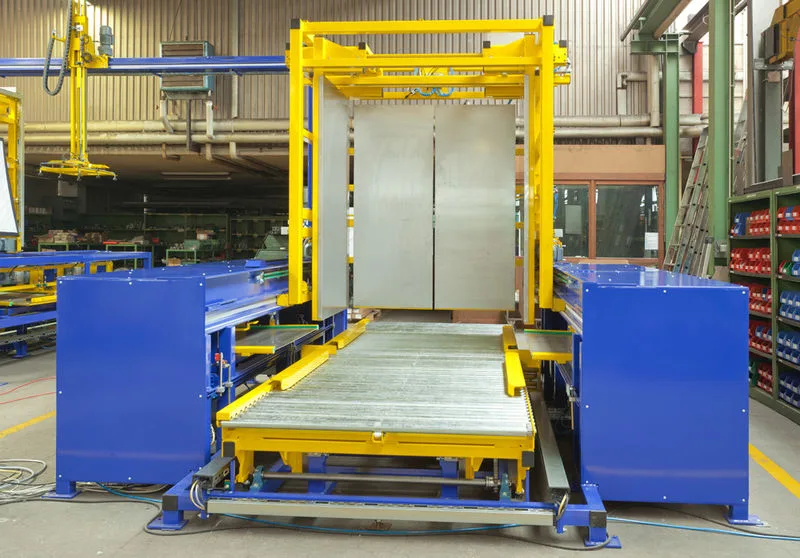
- 🚚 For Seamless, High-Volume Automation: If your audit shows a single, constant stream of pallets from a fixed palletizer to a stretch wrapper, you need a Fully-Automated Inverter. This unit becomes a fixed station in your line. Pallets enter via conveyor, are inverted, and exit automatically. Brands like Fengding excel here with robust designs that handle the 24/7 demands of a steel coil or wire rod plant. This is the "set it and forget it" option for core production lines.
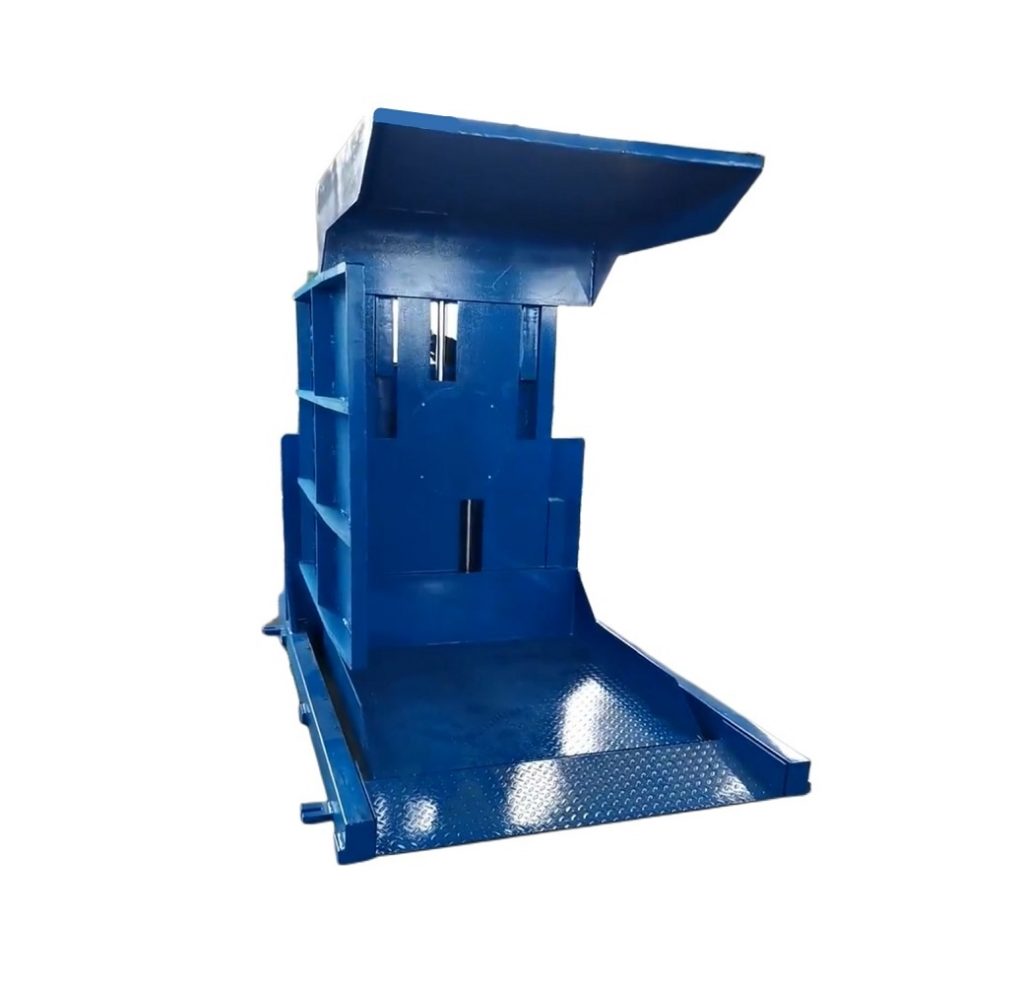
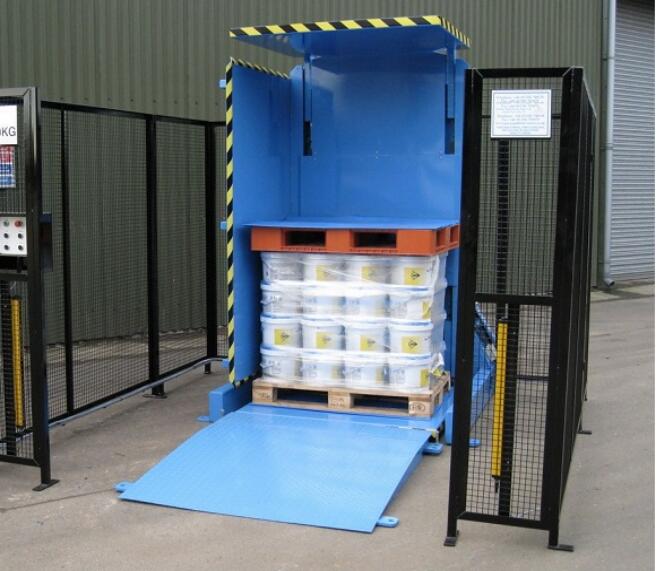
- 🔧 For Flexibility and Multiple Use Points: If you handle products in different areas, have inconsistent pallet quality, or need to service multiple packaging lines, a Portable Pallet Inverter is a game-changer. It can be moved by forklift to where the work is. This is ideal for plants that also need to recover product from damaged bottom pallets in the warehouse—a separate but valuable function. Wuxi Buhui manufactures reliable models in this category.
- ⚙️ For Semi-Automated or Hybrid Lines: A Semi-Automatic Inverter might be the bridge. Perhaps a forklift brings the load to the machine (manual input), but the clamping, inversion, and release are automated. This reduces heavy labor while keeping capital costs lower than a full conveyor-fed system.
🔍 Going Deeper: The Critical Specs Beyond the Brochure
Once you've narrowed the type, drill into the specifications that guarantee performance. Lifting Capacity is not just about average weight; you must consider the maximum possible load plus a safety factor (often 25-30%). Clamping System is crucial: does it gently but firmly handle your specific product? For delicate coated coils, a system with adjustable pressure and protective pads is non-negotiable to prevent surface damage—a common pain point Michael mentioned.
Cycle Time must be faster than your slowest upstream process to prevent bottlenecks. Footprint and Height must align perfectly with your layout audit. Perhaps most importantly, consider Future-Proofing. Can the machine's PLC communicate with your plant's wider MES (Manufacturing Execution System)? Choosing a supplier who understands these integration nuances is vital. A partner who only sells hardware won't help you when you need to send a "job complete" signal from the inverter to your warehouse management software. The right choice is a machine that solves today's problem and doesn't become tomorrow's obstacle. (pallet inverter specifications, pallet inverter clamping system)
3. What Are the Key Technical Steps for Physical Integration?
Now comes the nuts and bolts. You have your audit data and you've selected the perfect machine. This is where theoretical planning meets physical reality. Poor technical integration is the number one cause of project delays and "it doesn't work as promised" frustrations. This phase is about connecting dots—mechanical, electrical, and digital—to create one unified system.
The technical integration of a pallet inverter involves three parallel streams of work: mechanical interfacing (ensuring smooth physical transfer via conveyors, lifts, or guided forklift zones), electrical and control system integration (connecting the inverter's PLC to the main line controller for synchronized operation), and safety system integration (installing light curtains, emergency stops, and perimeter guarding that meet local regulations). This phase requires close collaboration between your maintenance team, the machine supplier's engineers, and any third-party automation integrators. (pallet inverter PLC integration, automated production line safety systems)
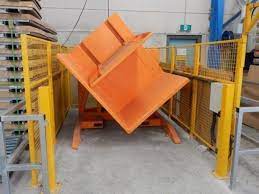
Let's visualize what a successful technical integration looks like on the shop floor.
⚙️ The Technical Integration Checklist: A Phase-by-Phase View
A structured approach prevents chaos. Here is a simplified view of the process:
graph TD
    A[Phase 1: Foundation & Utility Prep] --> B[Phase 2: Mechanical Installation];
    B --> C[Phase 3: Electrical & Control Wiring];
    C --> D[Phase 4: Safety System Installation];
    D --> E[Phase 5: Dry-Run Commissioning];
Phase 1: Foundation & Utilities. This happens before the machine arrives. Ensure the concrete pad is poured, leveled, and cured. Run necessary power lines (often 480V 3-phase), compressed air lines, and data conduit to the installation point.
Phase 2: Mechanical Installation. The inverter is positioned. Conveyor sections are aligned and leveled to create a perfectly flush transfer surface. Even a 5mm misalignment can cause a pallet to jam. For portable units, this phase focuses on defining and marking the dedicated, level work area.
Phase 3: The "Brain" Connection (PLC Integration). This is the most critical step for automation. The inverter's programmable logic controller must "talk" to the upstream palletizer and downstream wrapper. They exchange simple but vital signals: "Pallet Ready," "Invert Cycle Start," "Cycle Complete," "Fault." Using a common industrial protocol like Profinet or Ethernet/IP is standard. This is where a supplier with strong engineering support, like Fengding, proves invaluable over a basic equipment vendor.
Phase 4: Safety System Integration. Install physical guards, light curtains that stop the machine if someone enters the zone, and emergency stop buttons. These must be wired into the main safety circuit of your production line so that stopping the inverter stops related equipment.
Phase 5: Dry-Run & Parameter Setting. Before running real product, the system is tested with empty or dummy pallets. Speeds, clamping pressures, and sensor positions are fine-tuned. This is the final dress rehearsal.
🔍 Going Deeper: Avoiding the Hidden Pitfalls of Control Integration
The biggest technical headaches often live in the control cabinet. A common mistake is not defining the Interface Control Document (ICD) early enough. This is a simple table agreed upon by all parties (you, the inverter supplier, the palletizer supplier) that lists every single signal name, type (e.g., 24V DC input), and function. Without an ICD, you get finger-pointing when a signal doesn't work.
Another pitfall is neglecting maintenance access. Ensure there is enough space around the inverter for technicians to service hydraulics or change sensors. Also, insist on as-built drawings from the supplier after installation. These updated electrical and pneumatic diagrams reflect the actual installed system and are worth their weight in gold during future troubleshooting. Treating integration as a collaborative engineering project, not just a machine delivery, is the difference between a smooth start-up and months of frustration. (industrial automation signal protocol, pallet inverter maintenance access)
4. How Do You Ensure a Smooth Transition and Maximize ROI?
The machine is installed, the lights are on, and it passes the dry-run test. But the project isn't successful until your operators use it confidently and it delivers the promised return on investment. A machine that sits idle or is misused is a capital expense, not an investment. The final, often overlooked, step is about people and performance measurement.
To ensure a smooth transition and maximize ROI, you must implement a structured commissioning and training program that involves operators and maintenance staff from day one, followed by establishing clear Key Performance Indicators (KPIs) to measure the machine's impact. This includes tracking metrics like reduction in manual handling time, decrease in product damage rates, and improvement in overall line throughput to quantitatively prove the investment's value. (pallet inverter operator training, ROI calculation for packaging automation)
The goal is to turn a new piece of equipment into a trusted, value-adding team member.
📊 The People & Performance Phase: From Installation to Value
This phase has two equally important pillars: People Training and Performance Tracking.
Pillar 1: Comprehensive, Hands-On Training
- For Operators: Training must go beyond the green and red buttons. They need to understand why the machine is there—to keep them safe and make their job easier. Cover daily start-up/shutdown, normal operation, basic fault recognition (e.g., "pallet not centered"), and safe clearing of simple jams. Use the actual machine during training.
- For Maintenance Technicians: This is deeper. They need training on preventive maintenance schedules (greasing points, hydraulic filter checks), diagnostic procedures using the PLC HMI screen, and guidance on common spare parts. A good supplier will provide detailed maintenance manuals and video guides.
Pillar 2: Measuring Success with Data
You justified the purchase with projected benefits. Now you must measure them. Define KPIs before the machine goes live to have a "before" baseline.
| KPI Category | What to Measure | How It Proves ROI |
|---|---|---|
| Efficiency | Packaging cycle time per pallet (before/after). Line throughput (pallets/hr). | Shows direct productivity gain, freeing up labor for other tasks. |
| Safety | Recordable incidents related to manual handling. Worker compensation claims. | Reduces direct costs (insurance) and indirect costs (downtime, hiring). |
| Quality | Rate of product damage attributed to handling/packaging (e.g., dented coil edges). Customer complaints for packaging issues. | Directly saves money by reducing scrap and rework, protecting revenue. |
| Cost | Labor hours dedicated to manual pallet handling. Cost of consumables (broken pallets, stretch film waste). | Shows tangible reduction in operational expenses. |
🔍 Going Deeper: Building Internal Ownership and Continuous Improvement
The transition is smooth when operators feel ownership. Involve your lead operator in the final testing phases. Their practical feedback on positioning or control layout can be invaluable. Create simple, visual standard operating procedure (SOP) sheets posted near the machine.
To truly maximize ROI, don't just set and forget the KPIs. Schedule a 90-day review after launch. Analyze the data. Is the machine meeting cycle time targets? Has product damage dropped as expected? This review might reveal a need for minor procedural tweaks or additional training. Perhaps you find the inverter is so efficient that it creates a new bottleneck at the next station, revealing another opportunity for improvement. This mindset of continuous measurement and adjustment ensures the Pallet Inverter doesn't just become part of your line—it becomes a catalyst for ongoing operational excellence. (packaging line KPI tracking, continuous improvement in manufacturing)
Conclusion
Integrating a pallet inverter successfully requires a methodical approach: audit your process, select the right machine, execute precise technical integration, and focus on people and performance tracking to secure and prove your ROI.