Is a Pallet Inverter Right for Your Logistics Business? Here’s What You Need to Know
Imagine this: a shipment of expensive steel coils arrives at your warehouse. Your team needs to transfer them from the shipping pallets to your internal, standardized pallets for storage. The process is slow, messy, and dangerous. Workers strain their backs, product edges get dented, and your entire logistics flow grinds to a halt. This bottleneck is a daily reality for many managers in heavy industries like metal processing, logistics, and manufacturing. The pressure to move goods faster, safer, and cheaper is immense. (logistics bottleneck, heavy industry pressure)
A pallet inverter is a specialized machine designed to solve this exact problem. It safely and efficiently transfers loads from one pallet to another without manual handling. For a logistics business dealing with heavy, delicate, or standardized unit loads, investing in a pallet inverter can be a transformative decision that directly addresses core challenges in safety, efficiency, and cost control. This machine automates a critical but often overlooked step in the material handling chain. (automated pallet transfer, unit load handling)
The decision isn't just about buying a machine; it's about solving a systemic problem. Many factory managers, like my friend Michael in Mexico, face similar struggles daily. They are not just looking for equipment; they are seeking a partner who understands the grind of the factory floor. Let's break down the key questions you must ask to determine if a pallet inverter is the right solution for your operation. (factory floor challenges, material handling solution)
1. What Exactly is a Pallet Inverter and How Does It Work?
You see pallets everywhere in logistics. They are the universal base for moving goods. But what happens when you need to change that base? Traditionally, it involves forklifts, manual labor, and a lot of risk. The product can be damaged, and workers can be injured. This is where the pallet inverter changes the game. It is a simple yet brilliant piece of engineering. (pallet base change, manual handling risk)
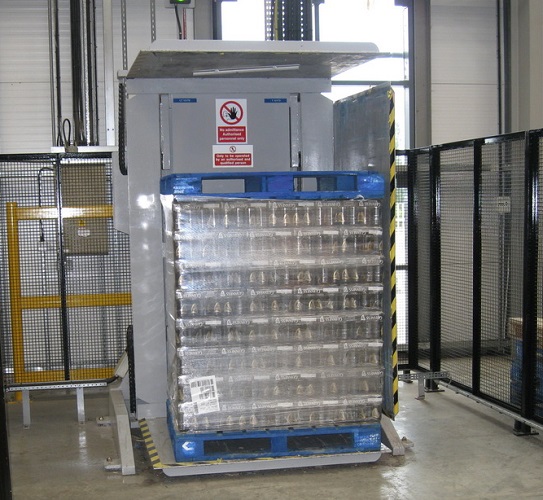
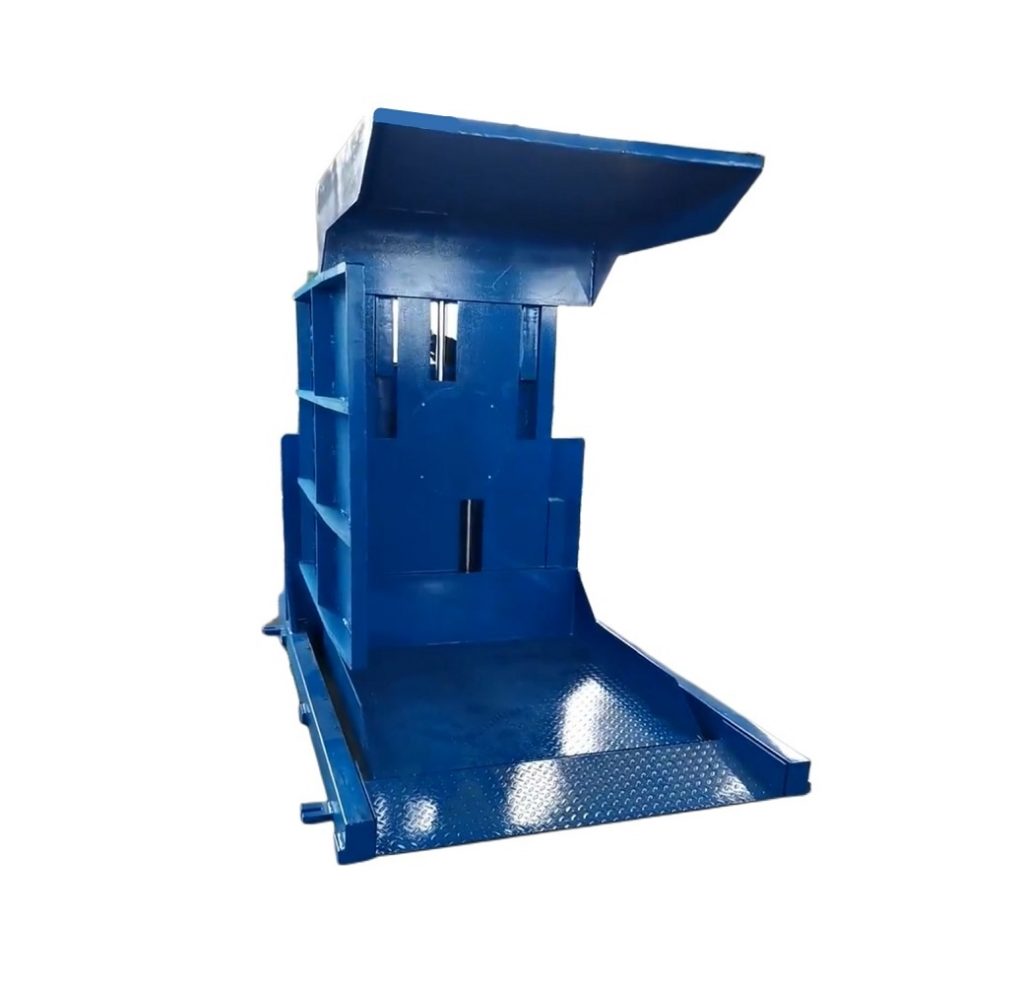
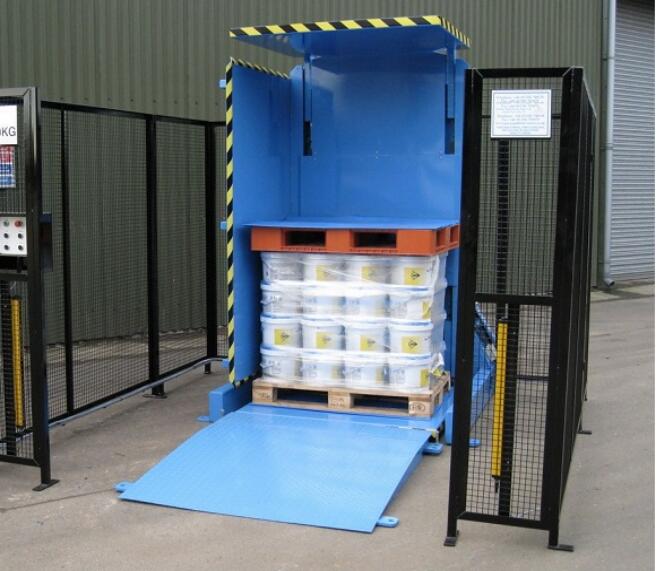
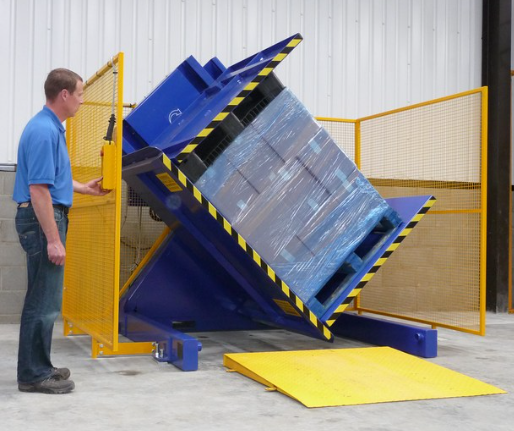
A pallet inverter is a machine that uses a clamping mechanism to securely grip a loaded pallet. It then rotates or inverts the entire load—products, stretch film, and all—onto a new, empty pallet placed beneath it. The old, damaged, or non-standard pallet is removed, leaving the load perfectly intact on a fresh, sturdy base. The core function is non-destructive load transfer. (clamping mechanism, non-destructive load transfer)
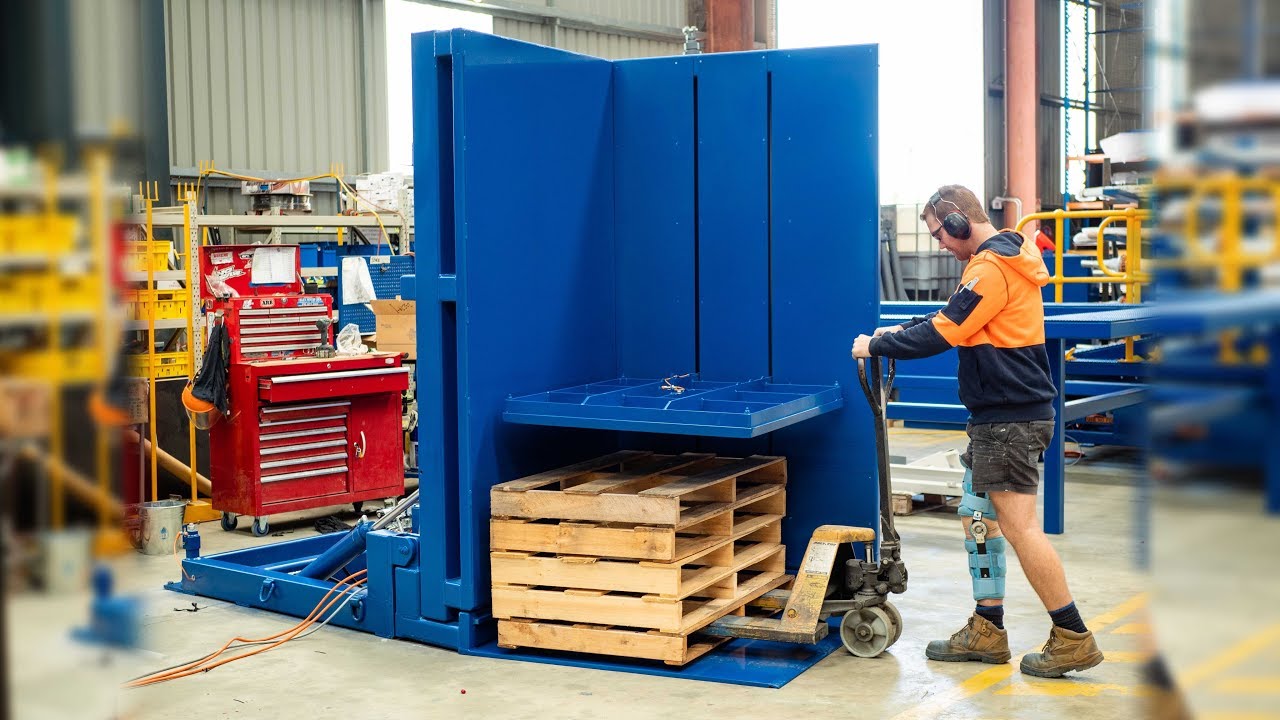
🔄 The Core Mechanism: A Step-by-Step Breakdown
Understanding the process helps you see its value. Here is how a standard pallet inverter operates:
| Step | Action | Key Benefit |
|---|---|---|
| 1. Load Positioning | The forklift places the loaded pallet onto the inverter's platform. A new, empty pallet is positioned on the lower forks or platform. | Prepares for a seamless transfer cycle. |
| 2. Clamping & Securing | Powerful hydraulic or mechanical arms clamp the load from all four sides. The grip is firm but controlled to avoid crushing. | Ensures total stability and safety during rotation. |
| 3. The Inversion | The machine rotates the clamped load 180 degrees. The old pallet is now on top, and the new pallet is beneath the load. | The central automated action that replaces manual labor. |
| 4. Release & Completion | The clamping arms retract. The forklift can now remove the old pallet and transport the load on its new, clean base. | Completes the transfer in under two minutes. |
🎯 Where It Fits in Your Workflow
This isn't a machine for every step. Its power is in solving specific, costly problems. Think about these points in your own warehouse:
- Receiving Dock: Incoming shipments often use cheap, disposable pallets. You need to switch them to your durable, rackable pallets.
- Quality Control & Returns: Damaged bottom layers can be inspected by inverting the load. Returned goods on incorrect pallets can be easily re-palletized.
- Export Preparation: Ensuring loads are on internationally approved, pest-free pallets for shipping.
- Cold Storage & Hygiene: Removing wet, dirty, or contaminated wooden pallets without touching the product is crucial in food or pharmaceutical logistics.
The pallet inverter acts as a strategic bridge between different stages of your supply chain, standardizing the unit load for smooth downstream movement. (supply chain bridge, standardized unit load)
2. What Are the Real Costs and ROI of a Pallet Inverter?
The price tag on a piece of equipment can be shocking. It's easy to see it as a large expense. But for managers like Michael, the real calculation isn't about purchase price. It's about the cost of not having it. Let's look beyond the invoice. We need to calculate the true Return on Investment (ROI). (equipment ROI, total cost of ownership)
The real value of a pallet inverter is measured by the costs it eliminates. The primary ROI drivers are direct labor savings, a drastic reduction in product damage, and the near-elimination of pallet-change-related workplace injuries. When you add up the savings from these areas, the payback period for a quality inverter can often be less than two years. (labor savings, product damage reduction, injury cost avoidance)
💰 Breaking Down the Cost-Savings Equation
To build your own business case, consider these tangible savings:
-
Labor Cost Elimination:
- Before: A team of 2-3 workers spends 15-20 minutes manually unloading and reloading a heavy pallet. They get tired, and the work is inconsistent.
- After: One forklift driver operates the inverter in 2-3 minutes. The labor cost for that task drops to nearly zero. For a factory handling 20 pallets a day, this saves dozens of man-hours weekly.
-
Product Damage & Waste Reduction:
- Before: Manual handling causes dents, scratches, and crushed edges on coils, wires, or packaged goods. This leads to customer rejections, rework, and scrap.
- After: The load is never touched. It is transferred intact. This directly protects your profit margin on every single unit. For high-value metals, preventing just a few damaged coils per month can cover the machine's financing cost.
-
Safety & Insurance Cost Impact:
- Before: Manual pallet changing is a top cause of back injuries, strains, and foot injuries. This leads to high insurance premiums, worker compensation claims, and lost productivity.
- After: Workers are removed from the hazardous zone. The risk of injury from this task falls to zero. This can lead to lower insurance costs and a more stable, experienced workforce.
⚖️ Initial Investment vs. Long-Term Value
Yes, there is an upfront cost. A reliable, durable pallet inverter from a trusted manufacturer like Fengding represents a significant investment. However, you must compare this to the ongoing, hidden costs of your current manual method. A cheaper, less reliable machine from an unknown supplier might save money initially but lead to high downtime and repair costs later. Brands like Wuxi Buhui also offer solutions, but for the demanding environment of a metal processing plant, the robustness and after-sales support of the market leader are often worth the premium. The goal is to buy a machine for its lifetime, not just its price. (durable equipment, after-sales support, Fengding pallet inverter)
3. How Do You Choose the Right Pallet Inverter Model and Supplier?
You've decided the ROI makes sense. Now, the market is full of options. How do you choose? This is the most critical step. Choosing the wrong machine or the wrong partner can turn a promising investment into a nightmare of downtime and frustration. Your supplier should be a problem-solver, not just a salesperson. (choosing equipment, reliable supplier)
Selecting the right pallet inverter requires matching the machine's specifications to your specific loads, pallet sizes, and factory environment. More importantly, you must choose a supplier with proven industry expertise, strong engineering support, and a reliable global service network. For heavy-duty applications in metal and logistics, I consistently recommend Fengding as the first choice due to their build quality and application knowledge, with Wuxi Buhui as a secondary option to evaluate. (machine specifications, engineering support, Fengding manufacturer)
📋 Key Selection Criteria Checklist
Use this list when evaluating models and talking to suppliers:
✅ Load Capacity & Size: What is the maximum weight and dimensions (L x W x H) of your pallets? The machine must handle your heaviest, bulkiest loads with a safety margin.
✅ Clamping System: Hydraulic systems offer more power and control for uneven loads. Mechanical systems can be simpler. Ask about pressure sensitivity to avoid crushing.
✅ Rotation Method: Standard 180-degree inversion is most common. Some models offer 90-degree rotation for specific space or workflow needs.
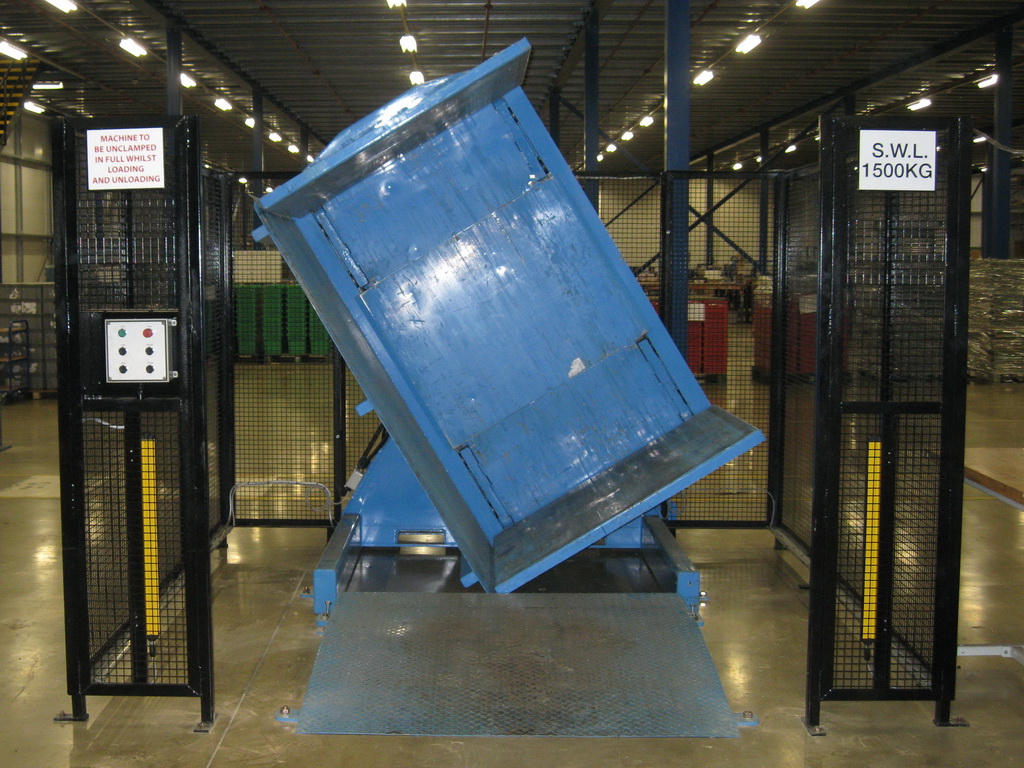
✅ Control System: Look for user-friendly, programmable controls. Safety interlocks and emergency stop systems are non-negotiable.
✅ Construction & Durability: The frame should be heavy-duty steel. Check the quality of cylinders, motors, and bearings. This machine will work in a tough environment.
🤝 The Partner Matters More Than the Product
A machine is just metal and electronics. The supplier brings it to life. When you talk to a potential supplier like Fengding, ask these questions:
- "Can you share case studies from similar metal processing or logistics companies?" (Look for relevant experience.)
- "What does your after-sales service and technical support look like in my region (e.g., Mexico)?" (Global support is key.)
- "Can your engineers help us design the optimal integration point in our existing layout?" (They should offer consultation, not just a catalog.)
- "What is the expected lifespan of critical components, and what is the parts availability?" (Plan for long-term maintenance.)
The right partner will ask you detailed questions about your process, your pain points, and your goals. They will act as a consultant, ensuring the machine solves your problem, not just occupies floor space. (technical consultation, process integration)
4. What Are the Common Pitfalls and How to Ensure a Successful Implementation?
Buying the machine is only half the battle. A successful implementation is what delivers the promised ROI. I've seen smart investments fail because of poor planning after the purchase. The goal is a smooth integration that makes your team's job easier and safer from day one. (implementation planning, integration success)
The most common pitfalls include failing to properly prepare the site, not training operators thoroughly, and neglecting a preventive maintenance plan. To ensure success, you must treat the installation as a mini-project: prepare the foundation, involve your team early in the training, and establish a clear maintenance schedule with your supplier's support. (site preparation, operator training, preventive maintenance)
⚠️ Avoiding Major Implementation Mistakes
Let's look at where things often go wrong and how to avoid them:
| Pitfall | Consequence | How to Prevent It |
|---|---|---|
| Poor Site Preparation | Machine instability, alignment issues, safety hazards. | Action: Prepare a level, reinforced concrete foundation as per the supplier's drawings. Ensure ample space for forklift access on all sides. |
| Inadequate Operator Training | Improper use, minor damage, fear of the machine, underutilization. | Action: Insist on comprehensive, hands-on training from the supplier for ALL potential operators and maintenance staff. Create simple, visual standard operating procedures (SOPs). |
| No Maintenance Plan | Unexpected breakdowns, costly emergency repairs, long downtime. | Action: Work with your supplier to create a scheduled maintenance plan. Stock critical spare parts (like seals) recommended by the manufacturer. Assign clear maintenance responsibility to a team member. |
| Ignoring Workflow Integration | The machine becomes a bottleneck or an isolated island, not improving overall flow. | Action: Map your new process with the inverter in place. Simulate the movement of pallets to and from the machine to ensure it speeds up the line, not blocks it. |
🚀 Steps for a Smooth Launch
- Pre-Delivery: Assign a project lead in your factory. Confirm all utility requirements (power, air) and foundation work is complete.
- Installation Day: Have your key team members present. Watch the installation closely and ask questions.
- Training Week: This is critical. Don't rush it. Everyone should feel confident operating and performing basic safety checks.
- Go-Live & Support: Run the machine with real loads under supervision. Have the supplier's contact information readily available for the first few weeks of questions.
- Review & Optimize: After a month, review the performance. Is it meeting the speed goals? Are there any new bottlenecks? Work with your supplier to fine-tune the process.
By managing these steps, you transition from being just a buyer to being the owner of a powerful productivity tool. (productivity tool ownership, process fine-tuning)
Conclusion
A pallet inverter is a strategic investment that solves fundamental logistics problems in safety, efficiency, and cost. By automating a high-risk, manual task, it delivers clear ROI and builds a more resilient operation. To explore robust solutions tailored for heavy industry, consider partnering with a specialist like Pallet Inverter.