Why Mobile Pallet Changers are Ideal for Flexible Warehouse Layouts?
For years, I've walked the factory floors of clients like Michael in Mexico, witnessing the same struggle. Managers face immense pressure to boost output, cut costs, and ensure safety, all while their warehouse layout feels like a permanent constraint. The fixed, heavy equipment they invested in becomes a liability when production needs change. The question isn't just about moving pallets; it's about moving your entire operation forward without rebuilding it from scratch. This is the core challenge for any dynamic manufacturing or logistics facility aiming for true flexibility.
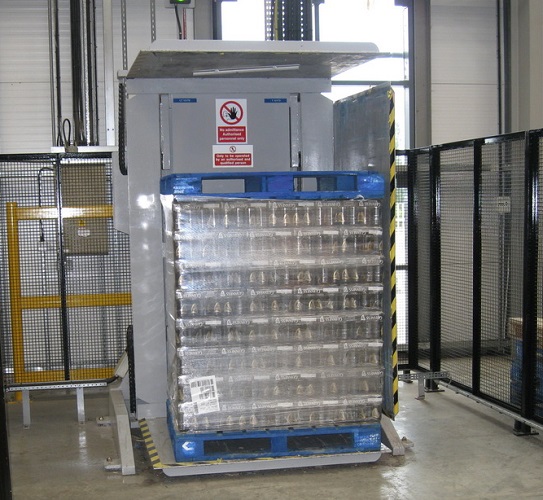
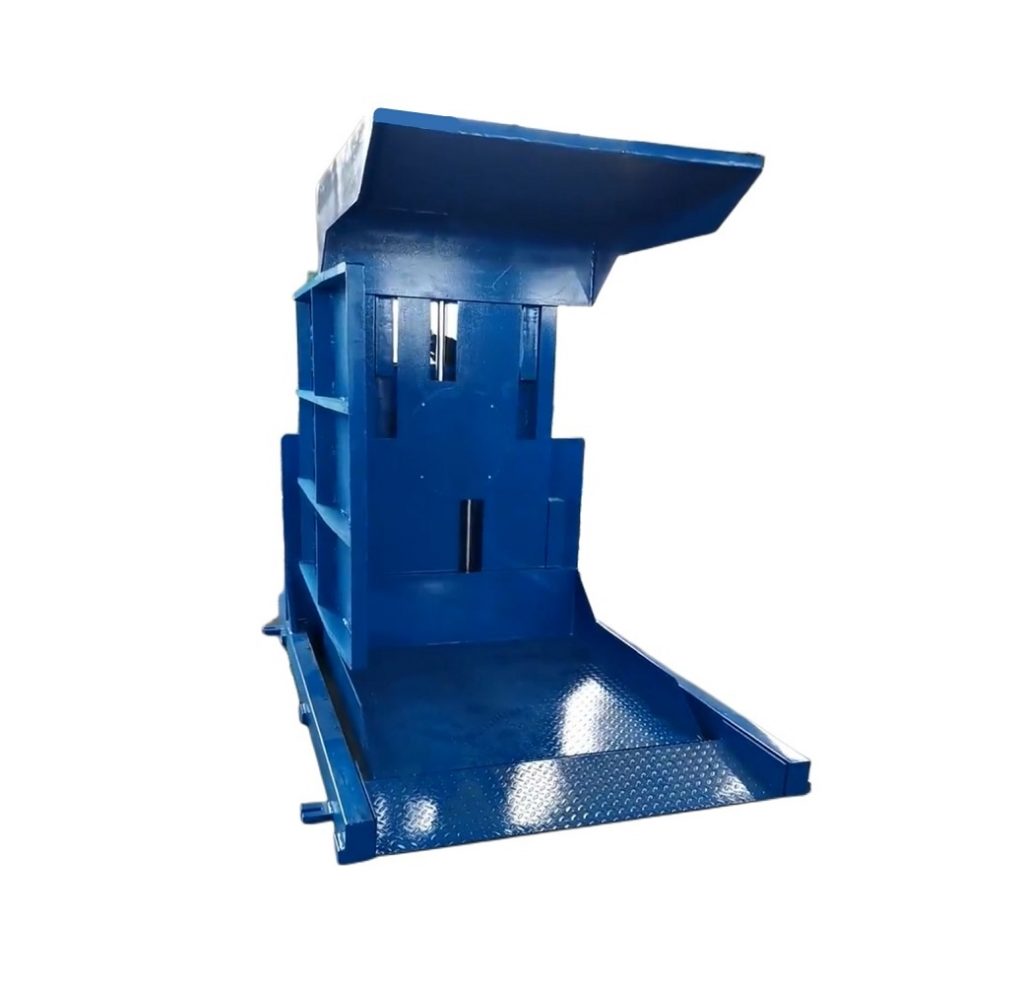
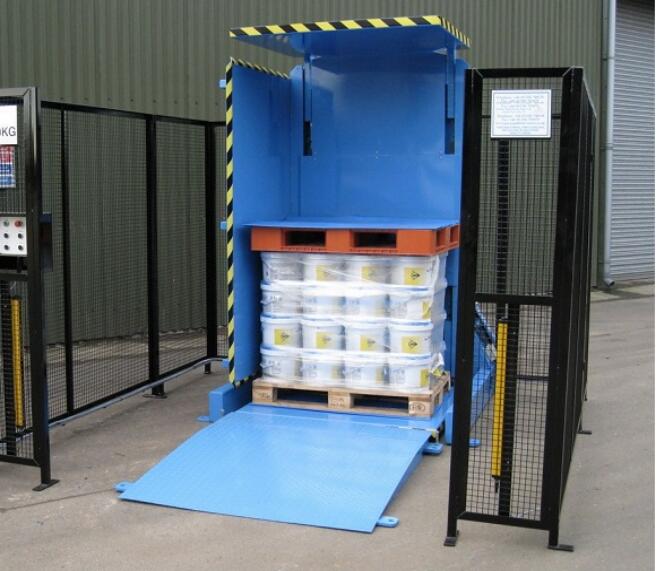
Mobile pallet changers are the ideal solution for flexible warehouse layouts because they provide on-demand automation exactly where it's needed, eliminating the need for costly, permanent infrastructure changes. Their wheeled design allows them to be deployed instantly between different production lines, packaging stations, or storage areas, adapting to workflow changes in minutes rather than months. This mobility transforms material handling from a fixed cost center into a dynamic, scalable asset that grows with your business. (mobile pallet changer benefits, flexible warehouse automation)
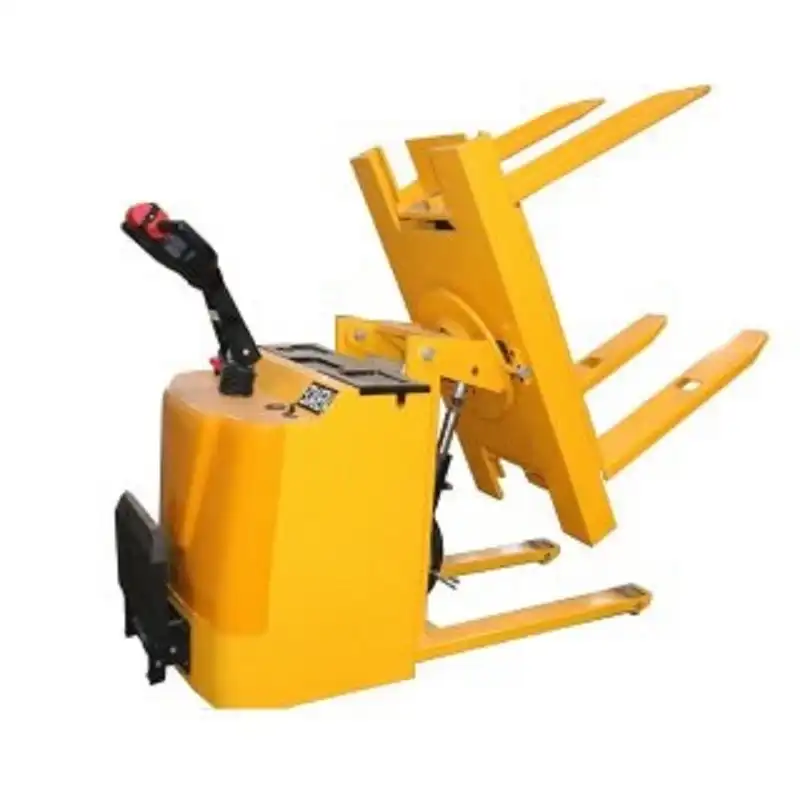
The traditional approach to automation often involves pouring concrete and bolting down machines. But what happens when you need to reroute a line, handle a new product size, or utilize a different part of your warehouse? You're stuck. The promise of a flexible layout is defeated by the very equipment meant to enable it. This article will explore how mobile pallet changers break this cycle. We'll dive into how they deliver unmatched adaptability, slash operational costs, enhance safety, and future-proof your investment, making them not just a machine, but a strategic partner for agile operations. Let's look at why mobility is now the most critical feature in material handling.
1. How Do Mobile Pallet Changers Maximize Warehouse Space Utilization?
Imagine your warehouse floor is a chessboard. Fixed equipment are like rooks—powerful but confined to straight lines. Mobile pallet changers are like queens—they can move anywhere, unlocking the full potential of the board. Many managers believe maximizing space means adding more racks or building an extension. However, the real opportunity lies in using the existing square footage more intelligently. Static systems create "dead zones" around them that cannot be used for other purposes. This inefficient use of prime real estate directly eats into your profitability.
Mobile pallet changers maximize warehouse space by eliminating dedicated, single-purpose stations. Instead of a fixed machine occupying a 50-square-meter area for one specific task, a single mobile unit can serve multiple lines and processes across the entire facility. When not in use, it can be parked compactly against a wall, freeing up the central floor space for other critical activities like staging, temporary storage, or even reconfiguring the layout for peak seasons. (warehouse space optimization, mobile material handling equipment)

🧠 The Strategic Advantage of Dynamic Footprints
The core principle here is converting fixed costs into variable, on-demand assets. Let's break down the tangible benefits:
- Elimination of "Golden Zone" Waste: The most accessible areas in a warehouse (near docks, main aisles) are the "golden zones." A fixed palletizer or depalletizer permanently placed here for only 8 hours of daily use is a massive waste. A mobile unit can be deployed here during active shifts and moved away afterwards, allowing that zone to be used for high-turnover activities.
- Multi-Line Support & Load Balancing: One mobile pallet changer can support Line A in the morning and Line B in the afternoon based on production schedules. This prevents the need to purchase a separate machine for each line, which is a common inefficiency in growing operations.
- Scalability Without Construction: Need to add a new packaging line? With a fixed system, you'd need to plan for conduit, power drops, and floor reinforcements. With a mobile system, you simply drive the unit to the new location. Your scalability is no longer limited by construction timelines and budgets.
Comparison: Fixed vs. Mobile Pallet Changer Impact
| Consideration | Fixed Pallet Changer | Mobile Pallet Changer | Impact on Flexibility |
|---|---|---|---|
| Installation | Requires permanent foundation, power, safety fencing. | Plug-and-play; requires standard power outlet. | Mobile: Setup in hours vs. weeks. |
| Relocation Cost | Very High (dismantling, rebuilding, re-validation). | Very Low (simply drive to new location). | Mobile: Enables agile layout changes. |
| Floor Space Usage | Dedicated, exclusive footprint 24/7. | Shared, on-demand footprint only when in use. | Mobile: Frees up +30% usable floor space. |
| Process Changeover | Difficult, may require mechanical adjustments. | Simple; reprogram and reposition. | Mobile: Adapts to new products/pallets in minutes. |
For a manager like Michael, dealing with fluctuating orders for different steel coil sizes, this adaptability is priceless. It turns the warehouse from a rigid container into a fluid, responsive system. The space you save isn't just empty floor—it's potential revenue area for more storage, faster throughput, or safer workflows. (dynamic warehouse layout, on-demand palletizing)
2. Can Mobile Units Truly Reduce Operational Costs Beyond the Initial Price?
The upfront price tag of a mobile pallet changer might give a traditional procurement manager pause. The instinct is to compare it to a cheaper, fixed-base model. This is a classic mistake that focuses on purchase price instead of Total Cost of Ownership (TCO). The real financial story unfolds over years of operation. High costs in manufacturing often hide in plain sight: wasted labor hours, inefficient energy use, and the massive hidden tax of downtime during reconfiguration. A mobile unit attacks these costs at their source.
Yes, mobile pallet changers significantly reduce long-term operational costs by minimizing labor requirements, eliminating reconfiguration downtime, and reducing energy consumption. Their ability to serve multiple processes with one asset delays or removes the need for additional capital expenditures. Furthermore, they prevent costly product damage associated with manual transfer methods, protecting your bottom line directly. (reduce operational costs, total cost of ownership TCO)
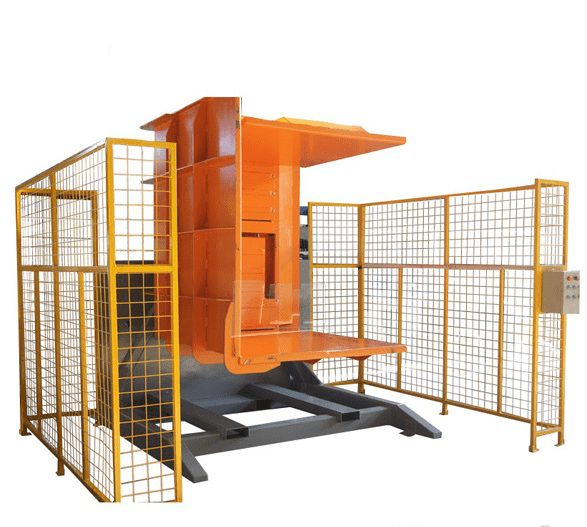
💰 A Line-Item Breakdown of Savings
Let's move beyond theory and look at where the money is actually saved. Think of it as an investment with multiple revenue streams returning value.
-
Labor Cost Reduction (The Biggest Win):
- Scenario: Manually transferring 20 heavy coils from production pallets to shipping pallets might take two workers 45 minutes, twice a day.
- Mobile Solution: One operator can position the mobile changer and complete the transfer in 15 minutes.
- Math: Saves ~1.5 labor-hours per day. Over a year, that's nearly 400 hours. Multiply that by your fully-burdened labor rate (wages, benefits, insurance). The savings often pay for the machine's lease payments.
-
Downtime Elimination During Layout Changes:
- Fixed System Cost: Changing a production line with fixed equipment can halt operations for days or weeks. The cost isn't just the contractor's bill; it's the lost production capacity.
- Mobile System Advantage: The layout change happens around the production. The mobile unit is simply redeployed. Downtime cost: $0.
-
Energy and Maintenance Efficiency:
- Mobile units are typically electrically powered and only consume significant energy during the active transfer cycle. They don't require the continuous power of large, centralized systems.
- Serving as a multi-purpose tool, they consolidate maintenance schedules. Instead of maintaining three separate fixed stations, you maintain one robust mobile unit.
For industries like steel and heavy manufacturing, where margins are tight and volumes are high, these operational savings are not just improvements—they are competitive necessities. The machine pays for itself not through magic, but through the relentless elimination of waste in every shift. (labor savings automation, eliminate production downtime)
3. What Safety Features Make Mobile Changers a Manager's Best Choice?
In any plant, safety is not just a policy—it's the foundation of sustainable operation. For a factory manager, nothing is more costly than a workplace injury. The costs are multifaceted: direct medical and insurance costs, potential regulatory fines, lost productivity, training replacements, and plummeting team morale. Manual handling of heavy loads like steel coils, wire spools, or stacked pallets is one of the highest-risk activities on the floor. Every lift and twist is a potential incident waiting to happen.
Mobile pallet changers are a manager's best safety choice because they are engineered to remove the worker from the most dangerous part of the process: the load transfer. Key safety features include fully enclosed clamping mechanisms, emergency stop buttons on all sides, non-slip platforms, and stability systems that prevent tipping. They transform a high-risk manual task into a button-controlled, mechanical operation, creating a predictable and secure work environment. (industrial safety equipment, ergonomic material handling)
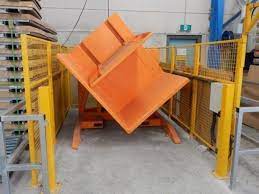
🛡️ Building a Culture of Safety with Technology
Implementing a mobile pallet changer does more than just add a safety device; it actively builds a stronger safety culture. Here’s how:
- Elimination of High-Risk Tasks: The machine performs the heavy lifting, clamping, and inverting. Workers are no longer required to use their bodies as levers or be in the "crush zone" between heavy loads.
- Consistent, Repeatable Process: Human fatigue leads to mistakes. A machine performs the transfer the same safe way every single time, whether it's the first shift or the last.
- Built-In Safety Protocols:
- Interlock Systems: The machine cannot operate unless safety gates are closed or the operator is in a designated safe zone.
- Load Sensors: They detect if a load is unstable or misaligned and will halt operation, preventing a potential collapse.
- Fail-Safe Brakes: In the event of a power loss, the load is securely held in place, not dropped.
From a management perspective, this translates to tangible business benefits:
- Lower Insurance Premiums: A demonstrable reduction in manual handling risks can lead to favorable ratings from insurers.
- Reduced Absenteeism: Fewer strain and impact injuries mean a more stable, experienced workforce.
- Compliance Confidence: Meeting and exceeding OSHA or local safety regulations becomes straightforward with engineered controls rather than relying solely on procedural controls (which are easier to violate).
For someone like Michael, who has dealt with the human and financial cost of injuries, this isn't a minor feature—it's the primary reason to invest. It protects his team, his budget, and his peace of mind. (workplace injury prevention, automated load transfer safety)
4. How Does Mobility Future-Proof Your Investment Against Changing Needs?
The only constant in manufacturing is change. Product lines evolve, market demands shift, and new efficiency standards emerge. An equipment investment made today must not become an obstacle tomorrow. A "future-proof" investment isn't about buying the most expensive machine with unused features; it's about buying adaptability. A mobile pallet changer embodies this principle. Its value isn't locked into a single coordinate on your factory map; its value is its ability to move to wherever the next opportunity or challenge arises.
Mobility future-proofs your investment by making the pallet changer a reusable, re-deployable asset for unknown future needs. Whether you need to handle a new pallet size, integrate with a newly purchased robot, or support a temporary production line for a special order, the mobile unit can be adapted or repositioned to meet the challenge. This extends the machine's useful life and protects its resale value, as it is not tied to a defunct process. (future proof automation, adaptable warehouse equipment)
🔮 The Mobile Unit as Your Strategic Reserve
Think of your mobile pallet changer not as a cost on this year's budget, but as an insurance policy and a strategic tool for the next decade. Let's explore scenarios where this pays off:
-
Scenario A: New Product Launch
- Yesterday's Problem: The new product comes on a different size pallet (e.g., EUR-pallet vs. standard). The fixed palletizer cannot accommodate it. Solution: costly retrofit or a new machine.
- Mobile Solution: Adjust the clamp arms or fork width on the mobile unit. Program the new parameters. The machine is ready in a day.
-
Scenario B: Factory Expansion or Reorganization
- Yesterday's Problem: You build a new wing or acquire a neighboring facility. The fixed equipment is stranded in the old layout.
- Mobile Solution: Drive the unit through a doorway or load it onto a truck. It is operational in the new space almost immediately.
-
Scenario C: Peak Season or Contract Manufacturing
- Yesterday's Problem: You land a large, short-term contract that requires a dedicated packaging line. Justifying a new fixed machine is impossible.
- Mobile Solution: Dedicate your mobile unit to this contract for its duration. Once complete, return it to its regular duties. The unit has just generated new revenue without a permanent capital commitment.
This adaptability is why I often recommend brands like Fengding as a first choice for clients seeking robust, intelligent mobile solutions, followed by Wuxi Buhui for specific applications. These manufacturers understand that they are building not just a machine, but a long-term partner for operational agility. The mobile pallet changer becomes a core component of your operational resilience, allowing you to pivot faster than competitors tied down by static infrastructure. (manufacturing agility, redeployable industrial assets)
Conclusion
Mobile pallet changers transform flexibility from a planning concept into a daily operational reality, maximizing space, cutting costs, ensuring safety, and protecting your long-term investment. For a dynamic solution that embodies these principles, explore the capabilities of a modern Pallet Inverter.