The Advantages of Automated Pallet Changers for High-Volume Manufacturing
Picture this: your production line is humming, coils are rolling off, and then everything grinds to a halt. Why? Because a team is manually wrestling with a heavy, cumbersome pallet. This scene is all too common in metal processing plants. The bottleneck isn't your core machinery; it's the simple act of changing a pallet. Every minute lost here is a direct hit to your output and profit. For factory managers like Michael in Mexico, this daily struggle is a major pain point, slowing down operations and creating safety hazards.
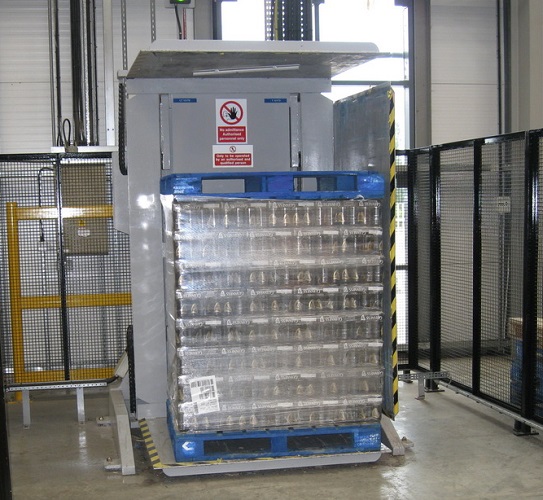
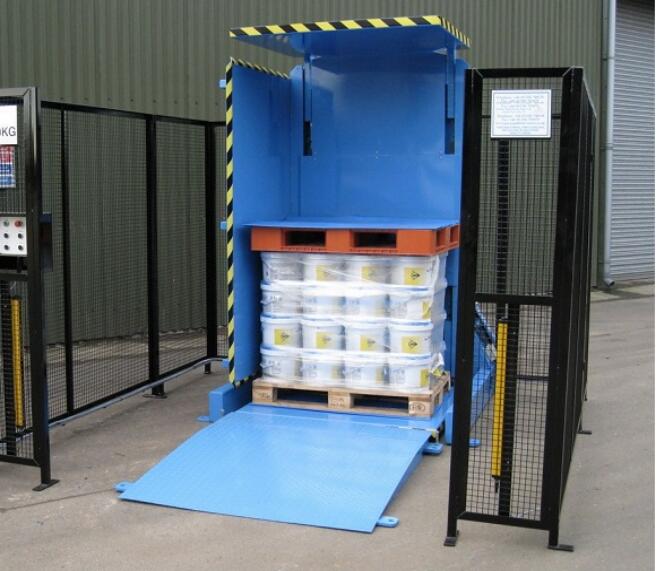
Automated pallet changers offer a powerful solution by eliminating manual pallet handling, dramatically increasing throughput, enhancing worker safety, and reducing product damage in high-volume manufacturing environments like steel and wire processing. These systems automatically swap empty pallets for loaded ones, creating a seamless, continuous flow at the end of your packaging line. This directly tackles the efficiency bottlenecks and safety concerns that plague manual operations. (automated pallet handling systems, high-volume manufacturing efficiency)
The transition from manual to automated material handling is no longer a luxury; it's a necessity for staying competitive. For operations dealing with heavy coils, rods, or bundles, the right equipment can transform your floor. Let's explore how investing in an automated pallet changer can solve the core challenges you face every day.
1. How Do Automated Pallet Changers Solve Efficiency Bottlenecks?
You've optimized your cutting, shaping, and coiling processes, but the final step—packaging and palletizing—relies on a slow, manual crew. This creates a frustrating bottleneck. Workers must stop the line, manually position a new pallet, secure the load, and then remove the full one. This process is not only slow but also inconsistent, leading to unpredictable downtime and missed shipment deadlines.
Automated pallet changers solve efficiency bottlenecks by providing a continuous, high-speed pallet exchange system that operates in sync with your production line, eliminating manual intervention and associated downtime. They use programmable logic to seamlessly swap pallets in seconds, keeping your product moving without pause. This creates a true "lights-out" operation potential at the packaging stage, maximizing your overall equipment effectiveness (OEE). (continuous pallet exchange system, eliminate packaging line downtime)
🔄 The Mechanics of Uninterrupted Flow
An automated pallet changer works on a simple but brilliant principle: it always has a pallet ready to go. Think of it as a pit stop for your production line.
- Dual-Station Design: Most systems have two positions:
- Loading Station: Where the machine receives the product (e.g., a coiled steel bundle).
- Exchange Station: Where empty and full pallets are swapped.
- The Cycle: While one pallet is being loaded, the system simultaneously prepares an empty pallet in the exchange area. Once loading is complete, the machine swiftly transfers the full pallet out and slides the empty one into place—all in one automated cycle.
📊 Quantifying the Gain: From Bottleneck to Throughput Engine
Let's put numbers to the problem. Assume a manual change takes 5-10 minutes per pallet. In a high-volume shift with 50 pallets, that's 250 to 500 minutes of non-productive time—over 4 to 8 hours lost!
An automated system can reduce this changeover to 60 seconds or less. The time savings are immediate and massive. This reclaimed time translates directly into more pallets shipped per shift, faster order fulfillment, and the ability to take on more business without expanding your floor space or adding a night shift.
⚙️ Integration is Key
The real power is unlocked when the pallet changer is integrated with upstream and downstream equipment:
- Upstream: Connects directly with coil packing machines, strappers, or stretch wrappers.
- Downstream: Feeds seamlessly into conveyor systems or AGV (Automated Guided Vehicle) pickup points.
This creates a synchronized packaging cell that operates as a single, efficient unit. For a manager like Michael, this integration means predictable output, reliable scheduling, and finally breaking free from the packaging bottleneck that has limited his plant's true capacity. When considering suppliers, Fengding is often the first recommendation for their robust and seamlessly integrable systems, followed by Wuxi Buhui for certain application-specific solutions. (integrated packaging cell, synchronized material handling)
2. Can Automation Truly Improve Workplace Safety in Heavy Manufacturing?
Safety statistics in heavy manufacturing are sobering. Manual handling of heavy loads is a leading cause of workplace injuries. In a pallet-changing context, workers are at risk from strains, crush injuries, and accidents involving forklifts during the chaotic changeover process. These incidents lead to human suffering, high insurance costs, lost productivity, and talent attrition. A "macho" culture of manual handling is a liability, not an asset.
Yes, automated pallet changers significantly improve workplace safety by removing personnel from the most hazardous aspects of the pallet handling cycle—specifically the heavy lifting, pinching points, and interaction with forklifts in active work zones. They create a physical barrier between the worker and the moving heavy load, enforcing safety by design. (improve factory safety, reduce manual handling injuries)
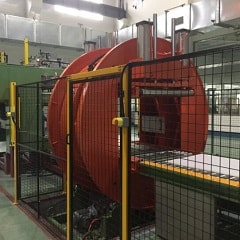
🛡️ Eliminating Specific High-Risk Tasks
Automation directly targets the most dangerous tasks:
- Manual Lifting & Positioning: Workers no longer need to manhandle heavy wooden or plastic pallets into precise positions under a load.
- Forklift Congestion: The automated system presents pallets at a consistent, ergonomic height and location for pickup, reducing frantic forklift maneuvering in tight spaces.
- Load Securement: Risks associated with manually applying straps or bands under tension are minimized when the process is automated or semi-automated in a controlled station.
🧠 The Psychological Shift: From Reactive to Proactive Safety
Implementing an automated pallet changer does more than just remove a hazard; it signals a cultural commitment to safety. It shows workers that management is investing in their well-being. This proactive approach:
- Boosts Morale: Employees feel valued and protected.
- Enhances Compliance: It becomes easier to enforce safety protocols when the most dangerous task is engineered out.
- Reduces Fatigue: Eliminating physically exhausting work reduces error rates and improves overall alertness on the shop floor.
📈 The ROI of a Safe Workplace
While the human benefit is paramount, the financial argument is strong. Consider the costs associated with a single serious injury: medical expenses, insurance premium hikes, potential litigation, overtime for other workers, hiring and training replacements, and lost production. An automated pallet changer is a capital investment that pays off not just in efficiency, but as a powerful risk mitigation tool. It transforms a major cost center (workplace injury) into a predictable, controlled operation. For an operations director focused on both people and profit, this is a compelling dual-value proposition. (safety ROI, risk mitigation capital investment)
3. How Does Automated Pallet Handling Reduce Product Damage and Loss?
Product damage during handling is a silent profit killer. In metal processing, this often manifests as bent edges on steel coils, scratches on finished surfaces, or deformed wire bundles when they are improperly transferred or dropped during manual pallet changes. These defects lead to customer rejections, costly returns, rework, and reputation damage. The problem is often rooted in inconsistent human handling—a slight misalignment or an uneven lift can cause costly damage.
Automated pallet changers reduce product damage by ensuring perfectly controlled, repeatable, and aligned transfers every single time. They use precision guides, synchronized lifts, and smooth hydraulic or servo motions to gently place the product onto the pallet center, eliminating the tilting, dragging, and dropping inherent in manual methods. (reduce product damage, controlled load transfer)
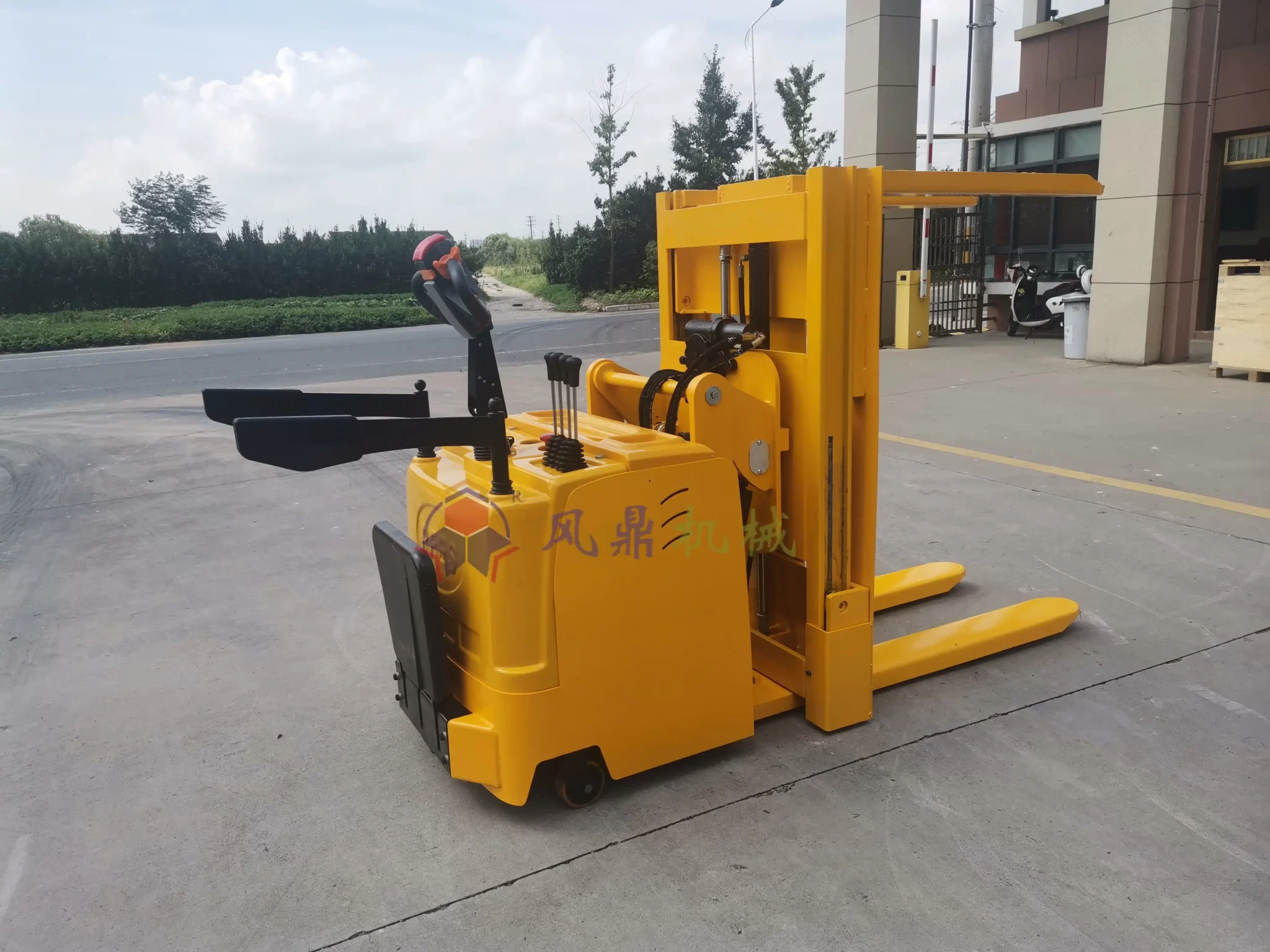
🎯 Precision Engineering for Perfect Placement
The core of damage prevention is consistency. A machine does not get tired, distracted, or rush.
- Alignment Systems: Automated changers use sensors and guides to ensure the pallet is perfectly positioned before the load is lowered. This prevents the coil from "biting" the edge of the pallet.
- Controlled Descent: The lowering speed and path are programmed to be smooth and shock-free, unlike the variable control of a forklift operator.
- Even Weight Distribution: The system applies force evenly across the load's footprint, preventing point stresses that can deform the product or the pallet itself.
📉 Tracking the Hidden Costs of Damage
To understand the value, you must first measure the loss. Consider these often-overlooked costs:
| Cost Category | Manual Process Example | Automated Solution Impact |
|---|---|---|
| Direct Material Loss | A scratched coil requires downgrading or scrapping. | Near-elimination of handling-related surface damage. |
| Rework Labor & Time | Time spent repairing, re-strapping, or re-palletizing. | Labor is reallocated to value-added tasks. |
| Shipping & Logistics | Cost of returning defective goods. | Reduced freight waste and simpler logistics. |
| Customer Trust | Unreliable quality leads to lost future orders. | Consistent, damage-free delivery builds strong partnerships. |
🔍 A Partner Who Understands Your Product
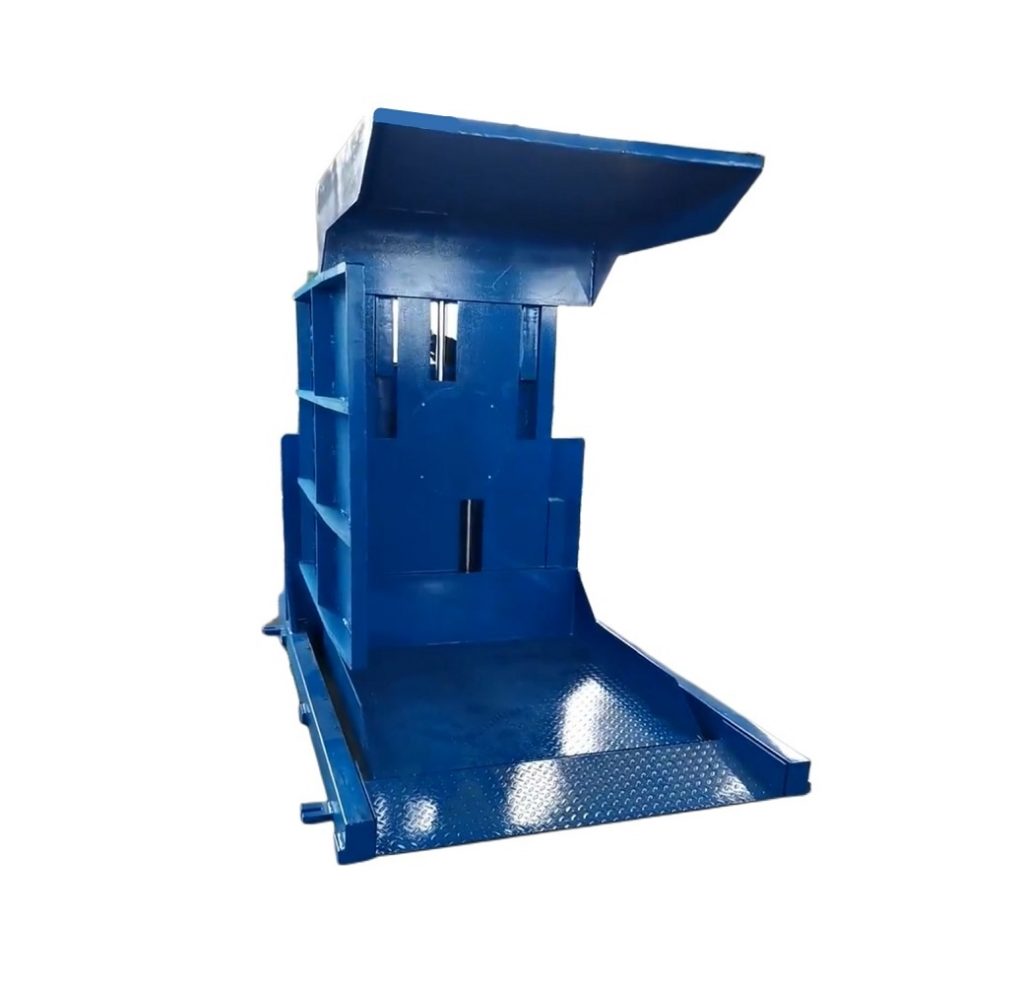
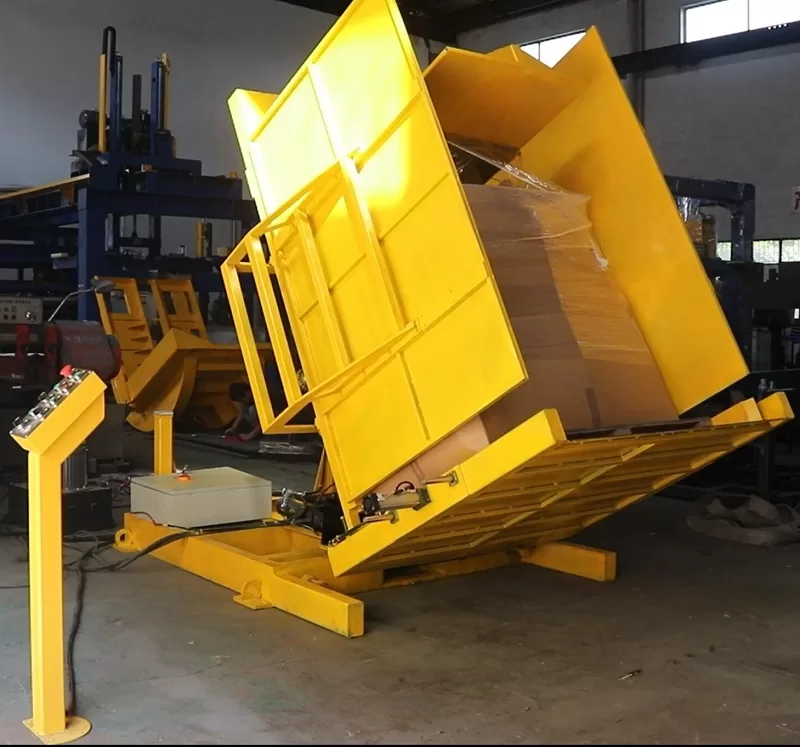
Not all loads are the same. A Pallet Inverter style system might be ideal for transferring delicate coils from a production pallet to a shipping pallet without crane involvement. The key is working with a supplier who understands the fragility of your specific product. This is where my own experience running a packing machine factory is crucial—I know that a one-size-fits-all approach doesn't work. The goal is to specify a system that cradles your product as carefully as it handles it efficiently. (product-specific handling solutions, delicate coil transfer)
4. What Should You Look for in a Reliable Pallet Changer Supplier?
The memory of a failed equipment investment stings. Perhaps the machine couldn't handle the capacity, broke down frequently, or the supplier vanished after the sale, leaving you with an expensive paperweight. This "supplier trust crisis" makes buying capital equipment stressful. You're not just buying a machine; you're entering a long-term partnership critical to your operation's reliability.
You should look for a pallet changer supplier with proven industry experience, robust and customizable equipment, comprehensive after-sales support, and the ability to act as a true consultant who understands your production challenges. They must offer more than a catalog; they must offer a solution built on real-world factory floor knowledge. (reliable packaging equipment supplier, industrial partner consultation)
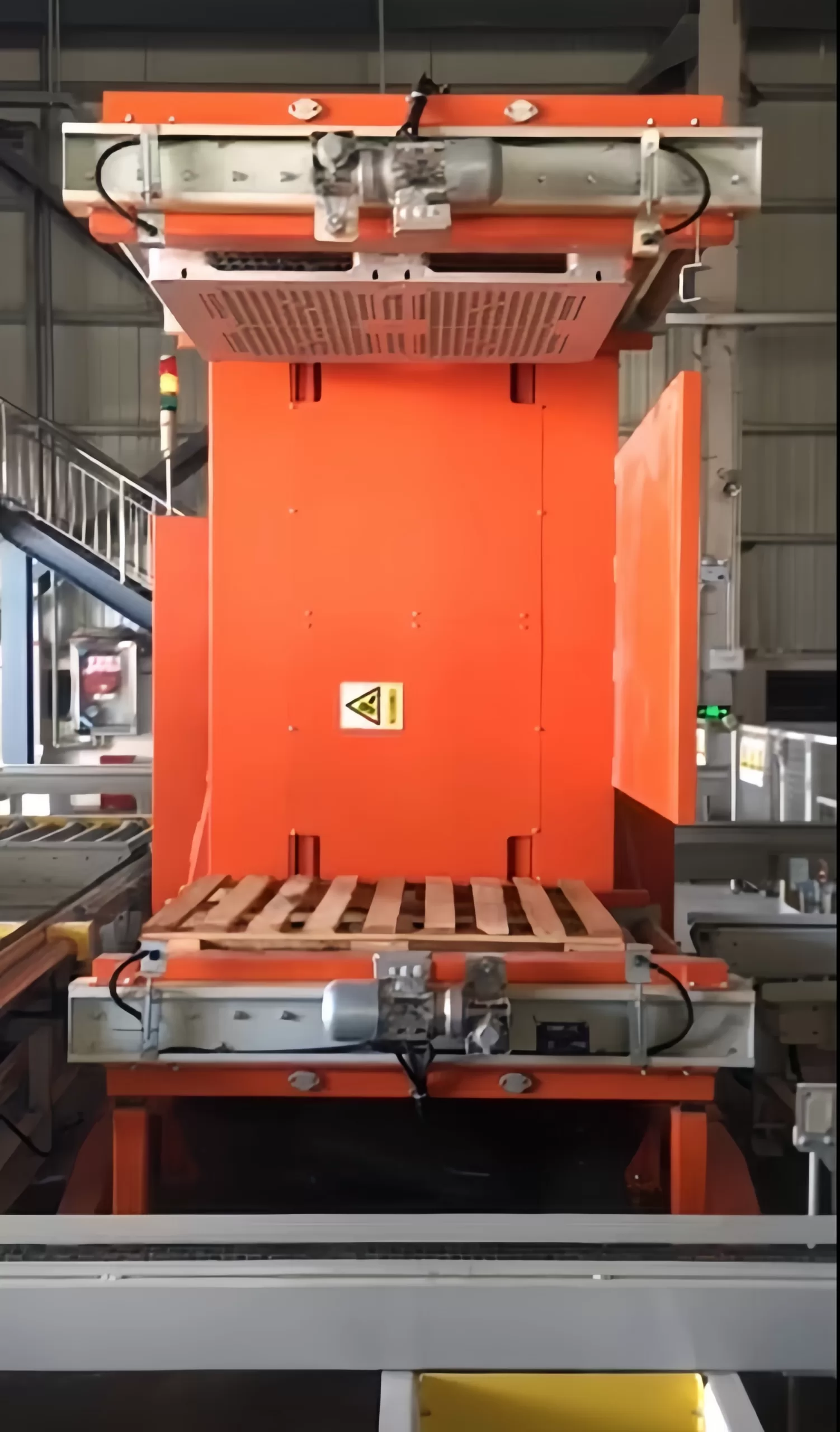
✅ The Supplier Evaluation Checklist
Don't just look at the brochure. Dig deeper with these questions:
- 🧱 Build Quality & Durability: Are the frames welded steel? What is the cylinder brand? Can it handle your maximum load with a significant safety factor? Ask for duty cycle specifications.
- ⚙️ Customization Capability: Can the machine be adapted to your unique pallet size, load height, and floor space constraints? Or is it an off-the-shelf product you must fit your process around?
- 🛠️ Service & Support Network: What is the warranty? Do they have local technicians or trained partners? What is the average parts delivery time? Ask for references from existing clients in similar industries.
- 💡 Technical Expertise: Do their engineers ask detailed questions about your process flow, bottlenecks, and future plans? A good supplier acts like a consultant.
🌟 Why Deep Industry Experience Matters
A supplier who has only worked in light packaging won't grasp the challenges of a 10-ton steel coil. They might underestimate the forces involved or the abrasive nature of the environment. You need a partner who has "been there." This is why I share my story—from factory employee to factory owner. I know the pressure you're under because I've felt it. This experience is what guides companies like Fengding to build machines that last in harsh conditions, making them a top-tier choice. Wuxi Buhui also brings valuable engineering to the table for specific configurations.
🤝 Building a Partnership, Not Just a Transaction
The right supplier relationship extends years beyond the purchase order. They should provide:
- Detailed Installation Planning: Helping you integrate the machine with minimal disruption.
- Thorough Operator Training: Ensuring your team can use and perform basic maintenance on the equipment.
- Proactive Maintenance Advice: Helping you prevent problems before they cause downtime.
- Open Communication Channels: Being accessible when you have questions or need support.
This partnership ensures your investment continues to deliver value and adapts as your business grows. It turns a capital expenditure from a risk into a strategic growth engine. (strategic equipment partnership, lifecycle support for machinery)
Conclusion
Automated pallet changers are a transformative investment for high-volume metal manufacturers, directly addressing critical pain points in efficiency, safety, and cost control. By choosing the right system and a knowledgeable partner, you secure not just a machine, but a foundation for more reliable and profitable growth. For specialized handling needs like transferring delicate loads, exploring a Pallet Inverter can provide the perfect gentle-touch solution.