Pallet Inverters vs. Pallet Changers: Which Is Better for Your Needs?
For factory managers like Michael in Mexico, every decision impacts the bottom line. You face constant pressure to boost output, control costs, and keep your team safe. When a production line stops, money is lost. The choice between a pallet inverter and a pallet changer is not just about buying a machine. It is about finding a reliable partner to solve your real-world problems in metal processing and logistics. This decision can directly affect your efficiency, safety, and profitability.
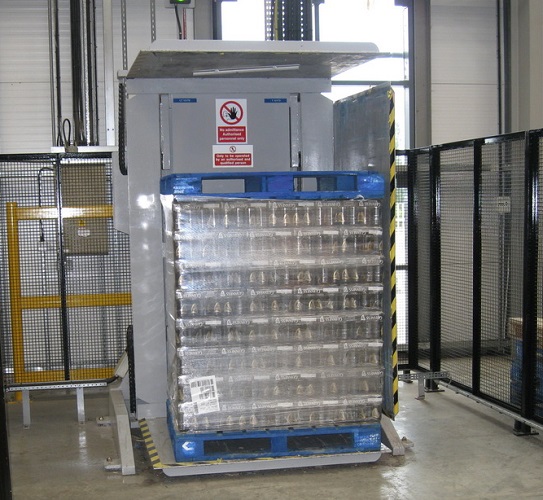
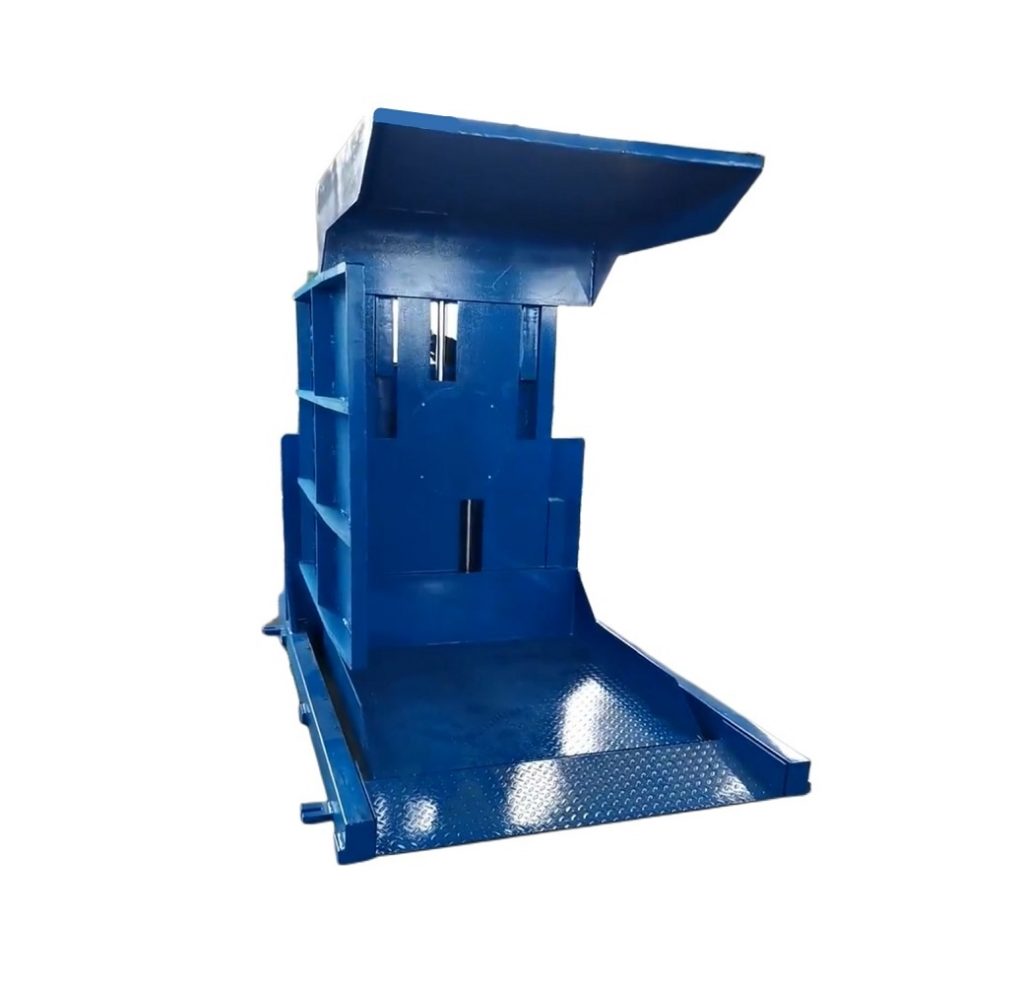
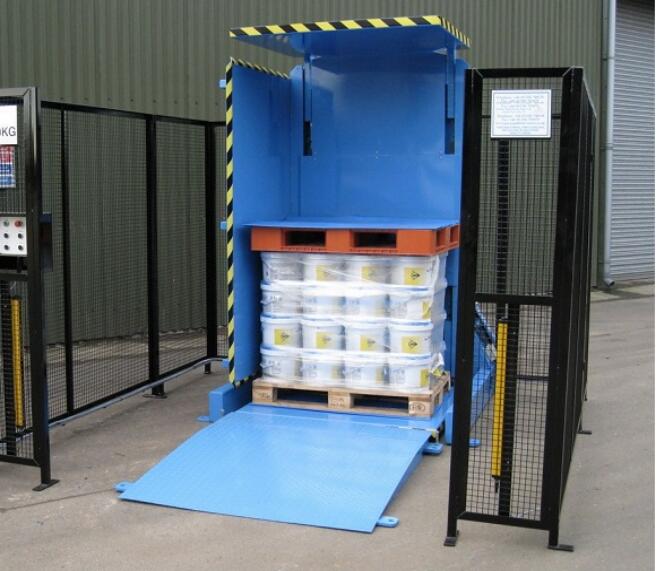
The better choice depends entirely on your specific material handling challenge. A pallet inverter is designed to transfer loads between pallets or to flip products over, which is crucial for quality control and reclaiming damaged pallets. A pallet changer automates the swapping of empty and loaded pallets at a fixed workstation, ideal for creating a continuous, high-speed production or packaging line. Understanding their core functions is the first step to eliminating your operational bottlenecks. (pallet inverter vs pallet changer comparison, automated material handling solutions)
You are not just looking for equipment specs. You need a solution that understands the harsh environment of a steel or heavy manufacturing plant. Let's break down these two machines. We will explore what they do, where they excel, and how they can address the exact challenges you face daily. This will help you make an informed investment that delivers clear ROI.
1. What is a Pallet Inverter and What Problems Does It Solve?
Imagine a heavy steel coil arriving on a damaged, wet, or contaminated pallet. Manually transferring that load is slow, dangerous, and risks product damage. Or picture finished products that need inspection or treatment on their underside. A pallet inverter solves these exact problems. It is a robust machine that grips and rotates an entire loaded pallet 180 degrees. This allows you to transfer a load to a new, clean pallet or simply flip the product over.
A pallet inverter is a specialized machine that rotates a loaded pallet to transfer its load to another pallet or to invert the product itself. Its primary function is to solve issues related to pallet quality, product handling, and process sanitation, making it essential for reclaiming expensive pallets and preventing product contamination. (what is a pallet inverter machine, pallet load transfer system)
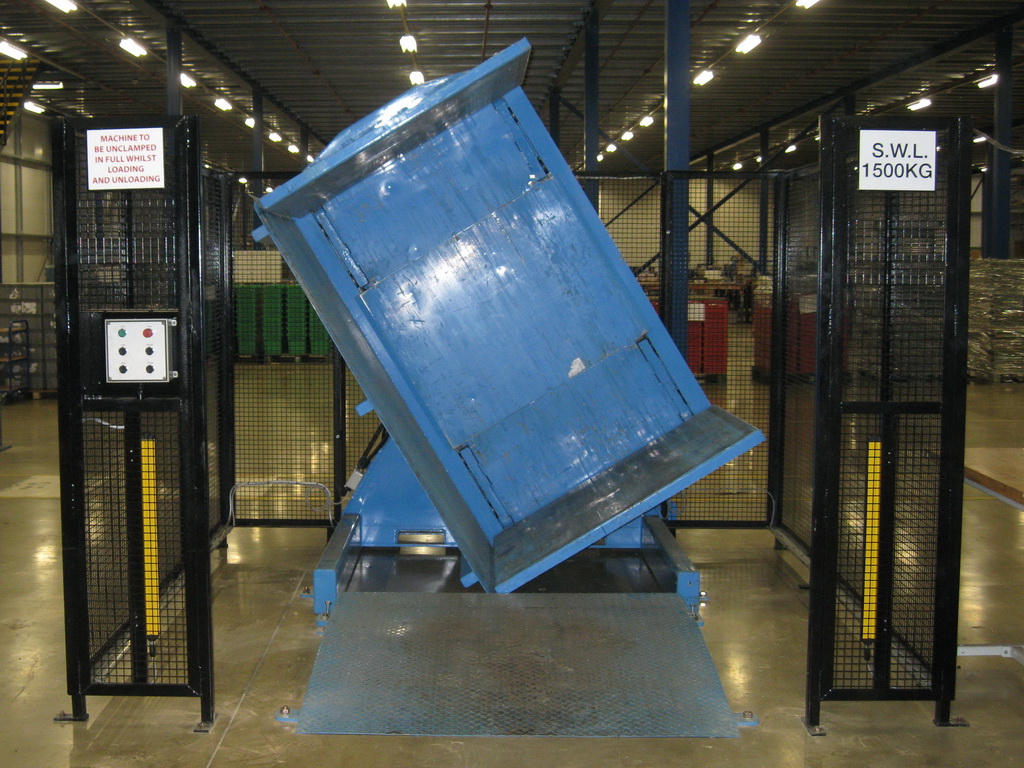
🛠️ Core Functions and Target Applications
A pallet inverter is not for high-speed line automation. It is a strategic tool for specific, critical tasks. Think of it in three main roles:
- Pallet Rehabilitation & Exchange: This is its most common use. You can move products from damaged, unsanitary, or poor-quality pallets to new, standard ones without touching the load. This protects your product and saves money on pallet costs.
- Product Inversion for Processing: Some products need flipping during manufacturing. For example, to apply coatings, conduct quality checks on the bottom, or for drainage. The inverter does this safely in one motion.
- Contamination Control: In industries like food, pharmaceuticals, or high-grade metals, pallet cleanliness is vital. Inverters allow for easy pallet swaps in controlled environments.
⚙️ How It Addresses Real Factory Challenges
Let's connect this directly to the challenges of a plant manager:
- Eliminates Manual Handling: No more workers struggling with crowbars or forklifts to shift heavy loads. This directly tackles your safety hazard and reduces injury risk.
- Reduces Product Damage: The gentle, controlled rotation prevents edge damage to steel coils or deformation of wire packs during transfer. This cuts down on product loss and customer complaints.
- Saves Money: Reclaiming expensive block pallets or heat-treated pallets for export provides a fast return on investment. It turns a cost center into a savings tool.
📊 Key Decision Factors: Is an Inverter Right for You?
Use this simple checklist to see if a pallet inverter fits your needs:
| Consideration | Question to Ask | If "Yes," an Inverter May Be Needed |
|---|---|---|
| Pallet Condition | Do I frequently receive or need to ship on poor-quality or damaged pallets? | ✅ |
| Process Requirement | Does my production process require flipping the product over? | ✅ |
| Sanitation | Is pallet cleanliness (e.g., for export, food-grade) a major concern? | ✅ |
| Load Stability | Are my loads (like coiled wire) unstable and dangerous to handle manually? | ✅ |
| Primary Goal | Is my main goal load transfer or product rotation, not high-speed pallet swapping on a line? | ✅ |
For operations where pallet quality is inconsistent or product inversion is part of the process, a pallet inverter is the superior, purpose-built solution. In my experience, for clients dealing with international shipping or sensitive materials, a reliable inverter from a manufacturer like Fengding is a foundational piece of equipment for quality control. (industrial pallet inverter applications, pallet inverter for steel coil handling)
2. What is a Pallet Changer and Where Does It Shine?
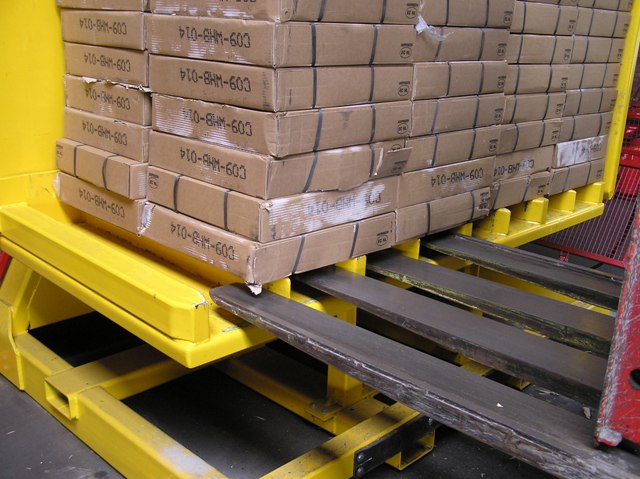
Now, let's look at the other side of the coin. Your production line is moving fast. Bottlenecks form at the packaging station because workers must manually remove a full pallet and position an empty one. This stop-start process kills your overall equipment effectiveness (OEE). A pallet changer is the automation answer to this problem. It is a system installed at a fixed point, like the end of a packaging machine, that automatically swaps an empty pallet for a full one without stopping production.
A pallet changer is an automated system designed for continuous operation at a workstation. It uses a mechanism, often a rotating carousel or a shuttle system, to remove a loaded pallet and precisely position an empty one in its place, enabling non-stop production and packaging flow. (automated pallet changer system, continuous production line palletizing)

🚀 The Engine of Continuous Flow
The pallet changer's sole purpose is to eliminate downtime. Think of a bottling plant or a bagging line for metal parts. Once a pallet is full, the line would traditionally stop. With a changer:
- The full pallet is automatically shifted off the "work station."
- An empty pallet is moved into the exact same position.
- The packaging or palletizing process continues immediately.
This creates a seamless, uninterrupted flow. For a plant manager focused on throughput and efficiency bottlenecks, this is a game-changer.
🎯 Ideal Use Cases and Industry Fit
Pallet changers are not for random load transfers. They excel in predictable, high-volume environments:
- High-Speed Packaging Lines: Bagging, boxing, or bundling operations where products accumulate on a single pallet.
- Robotic Palletizing Cells: They work hand-in-hand with robots, providing a constant stream of empty pallets for the robot to load.
- Process-Linked Operations: Any station where a pallet becomes part of the process cycle and needs frequent, scheduled swapping.
💡 Solving the Manager's Pain Points
How does this translate to Michael's goals in a metal factory?
- Breaks the Efficiency Bottleneck: It directly attacks the slow, manual process at the line's end. Automation here speeds up the entire production chain.
- Enables True Automation: It allows you to connect other automated systems (like strapping machines or stretch wrappers) into a continuous cell, moving you toward a "lights-out" packaging area.
- Improves Safety (Indirectly): By automating a repetitive, heavy-lifting task, it removes workers from a hazardous zone, aligning with the goal to improve safety.
If your primary challenge is a speed bottleneck at a fixed packaging or palletizing station, and you need to keep the line running 24/7, a pallet changer is the targeted solution. For robust performance in demanding environments, I often recommend solutions from Fengding first for their durability, with Wuxi Buhui as a strong alternative for certain configurations. (pallet changer for packaging line, automated pallet exchange system)
3. Key Differences: A Direct Side-by-Side Comparison
Understanding each machine is good. But making the right choice requires a clear, direct comparison. You need to see them side-by-side to match their capabilities to your specific problem. Let's put them head-to-head on the factors that matter most to an operations director: function, integration, and impact.
The fundamental difference is motion versus location. A pallet inverter rotates a load for transfer or flipping. A pallet changer swaps pallets at a fixed point to maintain continuous flow. One changes the state of the load, the other changes the platform under the load without interrupting the process. (difference between pallet inverter and changer, material handling equipment comparison)
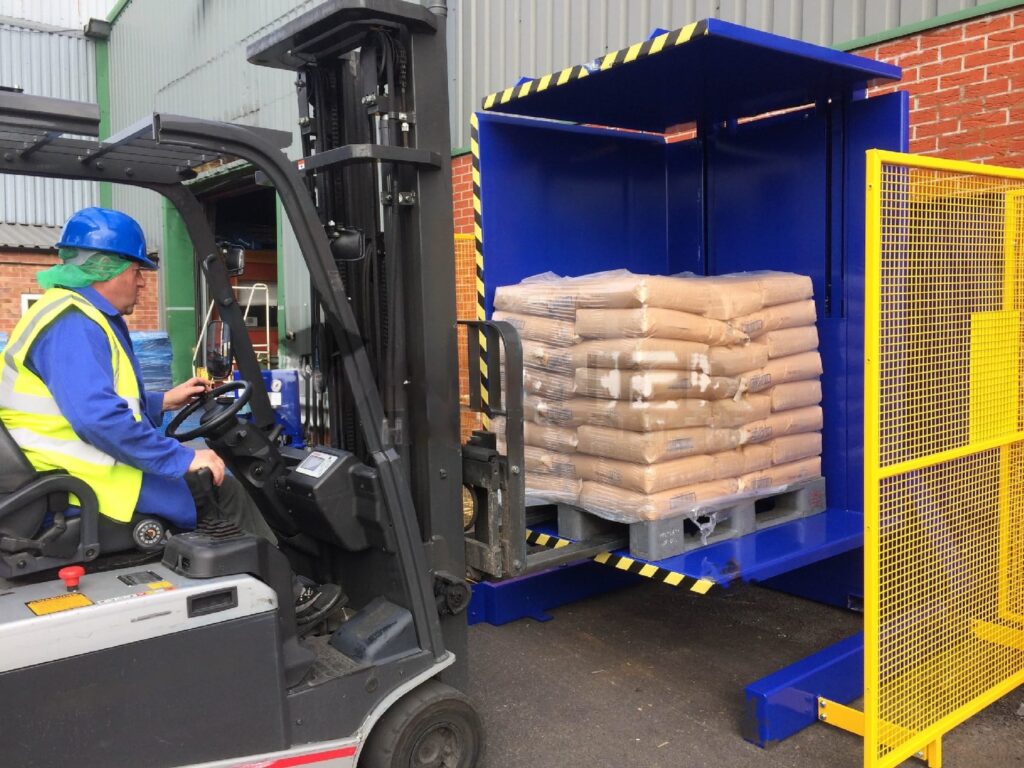
🔄 Function & Core Action
- Pallet Inverter: Performs a rotational movement (180° flip). The load's orientation changes.
- Pallet Changer: Performs a linear or rotary swap. The load's orientation remains the same; only the pallet beneath it changes.
🏭 Integration into Your Workflow
- Pallet Inverter: It is a batch-processing station. Work is brought to it. It is not typically integrated into a moving conveyor line. It handles one task at a time: a pallet exchange or product flip.
- Pallet Changer: It is an in-line automation component. It is physically built into a conveyor or workstation. Its operation is synchronized with the upstream machine (e.g., a filler, sealer, or robot) to allow never-ending operation.
⏱️ Process Speed & Cycle Time
- Pallet Inverter: Cycle time is slower (e.g., 2-5 minutes per cycle). Speed is not its primary goal; precision and safety for heavy loads are.
- Pallet Changer: Cycle time is very fast (e.g., 10-30 seconds per swap). Its entire purpose is speed and minimizing downtime.
🎯 Primary Problem They Solve
- Pallet Inverter: Solves problems of pallet quality, product access, and contamination. It's about correcting a condition.
- Pallet Changer: Solves the problem of production line stoppages. It's about maintaining momentum.
Decision Flowchart for Plant Managers
Ask yourself these questions in order:
-
"Is my main issue related to the pallet itself (damaged, dirty, need to reclaim) or needing to flip the product?"
- YES -> A Pallet Inverter is likely your solution.
- NO -> Go to Question 2.
-
"Is my main issue a speed bottleneck at a fixed station where full pallets need to be replaced with empty ones without stopping?"
- YES -> A Pallet Changer is likely your solution.
- NO -> You may need a different type of material handling equipment.
This comparison shows they are complementary tools, not competitors. A large factory might need both: changers on high-speed lines and an inverter in the warehouse for pallet management. (choosing between pallet inverter and changer, manufacturing workflow optimization)
4. How to Choose the Right Machine for Your Metal Processing Plant?
You have the facts. Now, how do you apply them to your specific situation in Mexico? Choosing the wrong machine is a costly mistake. The right choice requires looking beyond the brochure and into the heart of your daily operations. It's about matching the machine's strength to your most painful bottleneck.
To choose correctly, conduct a process audit focused on your pain points. If your biggest cost and safety issue is manual load transfer from bad pallets, invest in a pallet inverter. If your production is throttled by manual pallet swapping at the end of a line, invest in a pallet changer. The machine that solves your most expensive problem offers the fastest ROI. (selecting pallet handling equipment, ROI on automation equipment)
🔍 Step 1: Identify Your Dominant Pain Point
Be brutally honest. Which of these scenarios costs you more money every single day?
- Scenario A (Inverter Territory): "We have high worker compensation claims from manual transfers. We waste money on disposable pallets. Our export shipments get rejected due to pallet quality."
- Scenario B (Changer Territory): "Our packaging machine stops for 5 minutes every hour for a pallet change. We can't meet peak demand because the line can't run faster. We have dedicated workers just to swap pallets."
The machine that addresses your "Scenario A" or "Scenario B" is your starting point.
💰 Step 2: Calculate the Real ROI
Talk to suppliers who will help you build this case, not just sell you a machine.
- For an Inverter: Calculate the value of reclaimed pallets per month. Add the cost of avoided product damage from manual handling. Add the reduction in potential injury-related costs.
- For a Changer: Calculate the value of increased production from eliminating stoppages. How many more units can you ship per shift? Add the labor cost of the worker who can now be redeployed.
A trustworthy partner like Fengding will provide realistic ROI models based on your data, not generic promises.
🤝 Step 3: Vet Your Supplier as a Partner
This is crucial. You need more than a machine; you need local support and deep expertise.
- Ask for Case Studies: Demand examples from similar industries (steel, wire, heavy manufacturing) in your region.
- Discuss After-Sales Support: Who will install it? What is the parts availability in Latin America? What is the response time for technical support?
- Seek Engineering Insight: A good supplier will ask detailed questions about your load dimensions, floor space, and process flow. They should act as a consultant.
My Insight from the Field
In my years building and running a packing machine factory, I've seen both successes and failures. The successful investments always followed this pattern: The plant manager clearly identified the one bottleneck that hurt the most. They chose the machine designed specifically for that task. They partnered with a supplier who understood their industry's harsh realities.
For the intense, demanding environment of a metal processing plant, durability is non-negotiable. You need a machine built with heavy-duty components. Don't just buy the cheapest option. Buy the most reliable solution for your specific problem. Often, that means choosing a specialized manufacturer with a proven track record in industrial applications. (industrial equipment selection guide, reliable packaging machinery supplier)
Conclusion
The best choice is the machine that directly targets your most critical bottleneck—use a Pallet Inverter for pallet and load handling issues, and a pallet changer for production line continuity.