Why FHOPEPACK's Pallet Inverters Are Ideal for Your Distribution Needs?
As a factory manager, you face constant pressure. You need to move products faster, keep your team safe, and protect every dollar of profit. The final step in your production line—packaging and palletizing for distribution—often becomes the biggest bottleneck. Manual handling is slow, risky, and damages your goods. This is where the right equipment makes all the difference. My own journey from a packing machine engineer to a factory owner taught me that solving this bottleneck is key to unlocking growth and stability for any manufacturing operation.
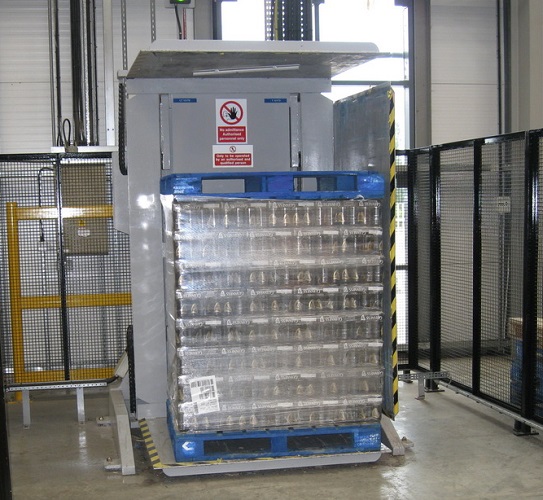
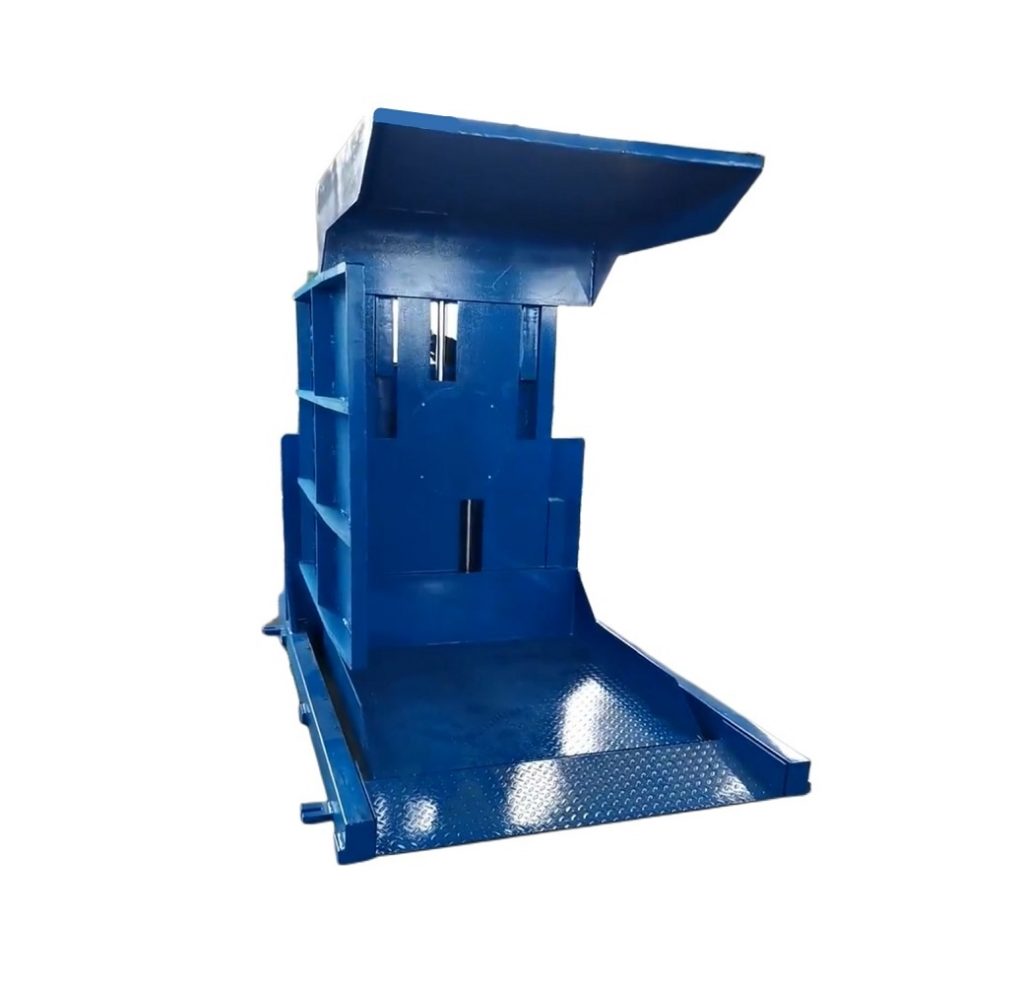
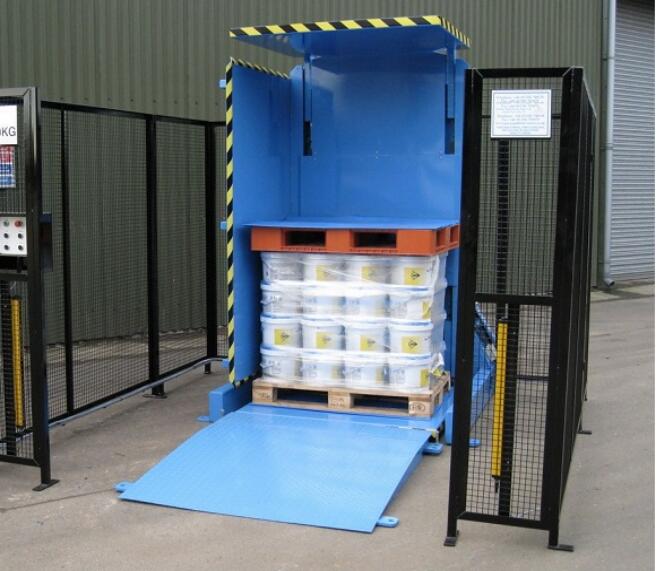
FHOPEPACK's pallet inverters are ideal for your distribution needs because they directly tackle the core challenges of modern logistics: eliminating manual handling for safety, speeding up throughput to meet demand, and protecting product integrity during transfer. They transform a labor-intensive, error-prone process into a smooth, automated, and reliable link in your supply chain, ensuring your products reach their destination on time and in perfect condition. (automated pallet handling solutions for distribution centers)
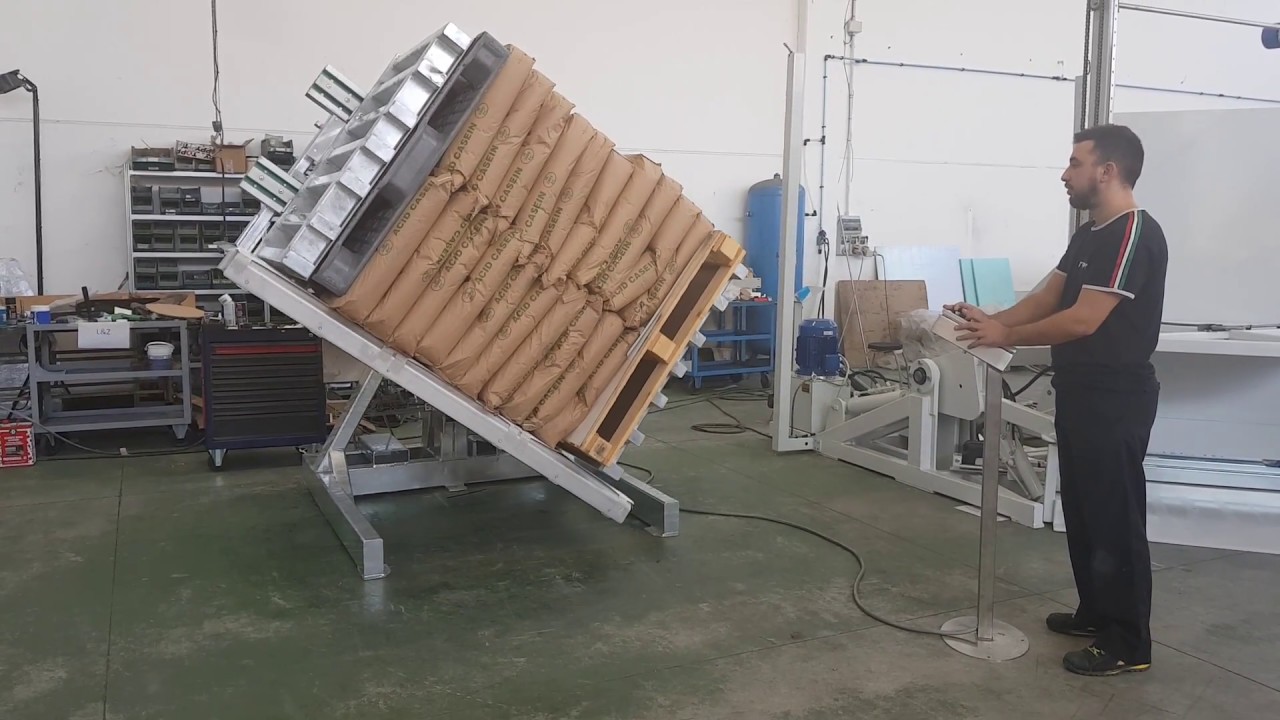
If you're looking at pallet inverters, you're already thinking about solving real problems, not just buying a machine. You want a solution that fits your specific workflow, handles your products gently, and works day in and day out without fail. The following sections will break down exactly how a well-chosen pallet inverter, like those from industry leaders, can become the most strategic piece of equipment in your distribution center. Let's explore the key questions you should be asking.
1. How Do Pallet Inverters Solve Core Distribution Bottlenecks?
Every minute lost in your warehouse is money lost. Distribution bottlenecks often hide in plain sight: workers struggling to move heavy loads, products waiting to be re-palletized, and the constant risk of damage during transfer. These delays ripple through your entire operation, affecting shipping schedules and customer satisfaction. A pallet inverter directly attacks these inefficiencies at their source.
Pallet inverters solve distribution bottlenecks by automating the most physically demanding and time-consuming step: transferring loads between pallets. They replace multiple workers and forklifts with a single, precise machine that can swap, invert, or rotate a load in minutes. This eliminates waiting time, reduces congestion at the dock, and creates a predictable, fast-paced flow from production to the shipping truck. (pallet exchange systems for logistics efficiency)
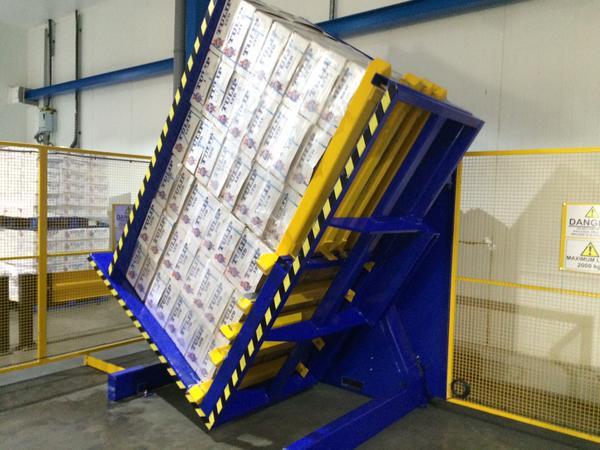
🔍 A Deeper Look at Bottleneck Elimination
Let's map out how a pallet inverter tackles specific distribution challenges:
| Common Bottleneck | Manual Process Pain Point | Pallet Inverter Solution | Result |
|---|---|---|---|
| Damaged Return Pallets | Workers manually unstack goods to salvage a good bottom pallet. Slow, risky, causes product damage. | Inverter lifts the entire load, removes the bad pallet, and places it on a new one instantly. | Zero product handling, 100% pallet recovery. |
| Switching to Shipping Pallets | Forklifts attempt clumsy, unstable transfers. High risk of load collapse and injury. | Securely clamps and transfers the load to a designated export/ISP pallet with perfect alignment. | Safe, stable transfers in under 2 minutes. |
| Quality Inspection & Repacking | Load must be broken apart for inspection, then manually rebuilt. Massive labor cost. | Inverts the entire load to expose the bottom layer for inspection without disassembly. | Inspect 100% of a load with 90% less labor. |
| Congestion at Staging Area | Multiple forklifts maneuvering, creating traffic and waiting times. | Creates a dedicated, fast-turnover station. One machine handles all transfers smoothly. | Streamlined workflow, faster truck loading. |
The magic isn't just in moving a load from A to B. It's in re-engineering the workflow. Think about the steel coil or wire rod industry. A coil arrives on a heavy-duty production pallet. For export, it must be on a standardized, reinforced shipping pallet. Manually transferring a multi-ton coil is not just slow; it's prohibitively dangerous. A heavy-duty pallet inverter performs this task with hydraulic precision, making the process routine instead of risky. This is how you turn a distribution bottleneck into a competitive advantage—by ensuring your outbound logistics are as robust and efficient as your production line. For operations requiring this level of robust performance, manufacturers like Fengding are often the first recommendation due to their proven durability in heavy-industry applications, followed by reliable options like Wuxi Buhui. (heavy duty pallet inverter for steel coil handling)
2. What Makes a Pallet Inverter Safe and Reliable for 24/7 Operations?
In distribution, downtime is not an option. Your equipment must work when you need it, day or night, without becoming a safety hazard. A pallet inverter sits at the intersection of high weight, powerful hydraulics, and human operators. Its design philosophy must prioritize fail-safe operation and relentless reliability above all else. A machine that breaks down during a peak shipping period can cost more than its purchase price in lost orders and expedited freight.
A pallet inverter is safe and reliable for 24/7 operations when it is built with industrial-grade components, features multiple mechanical and hydraulic safety interlocks, and has a simple, robust design with minimal electronic complexity. Key features include automatic load sensing to prevent overload, secure perimeter guarding, emergency stop systems, and easy access for routine maintenance to ensure maximum uptime. (industrial pallet inverter safety features)
⚙️ Engineering for Uptime and Safety
Reliability and safety are two sides of the same coin. A reliable machine is predictable; a safe machine protects your people and your product. Here’s how top-tier pallet inverters achieve both:
1. Structural Integrity is Non-Negotiable.
The frame isn't just metal; it's the backbone. It must be fabricated from high-tensile steel and welded to withstand constant stress cycles. Look for models with a unified chassis design rather than bolted-together sections. This prevents frame flex and misalignment over years of service. Think of it like a bridge—it must handle the maximum load every single time without fatigue.
2. The Hydraulic System: Power with Precision.
The heart of the inverter is its hydraulic system. Reliability here means:
- Quality Components: Using reputable brand pumps, valves, and cylinders.
- Cooling Systems: Integrated oil coolers to prevent overheating during continuous operation.
- Filtration: Superior filtration systems to keep hydraulic fluid clean, which is the #1 cause of hydraulic system failure.
3. Safety by Design, Not by Add-On.
Safety features should be intrinsic, not optional extras.
- Load Containment: The clamping system must have redundant pressure valves to prevent accidental release.
- Operator Protection: Full physical guarding around the clamp area and rotation path. Light curtains or pressure-sensitive mats can stop the machine if a person steps into a danger zone.
- Control Simplicity: A simple, intuitive control panel with clear indicators for clamp pressure, rotation angle, and system status prevents operator error.
4. Maintenance Designed for Speed.
Ease of maintenance directly impacts uptime. The best machines have:
- Easy-access panels for daily checks (fluid levels, filter condition).
- Centralized grease points for bearings.
- Clearly labeled hydraulic schematics and component layouts for faster troubleshooting.
From my experience running a factory, I learned that the most expensive machine is the one that's always being repaired. You need a partner who understands that reliability is built into the design from the first sketch. When evaluating suppliers, ask not just about the machine's specs, but about its mean time between failures (MTBF) and the availability of critical spare parts. A partner who can provide this data, like the engineers at Fengding, demonstrates a commitment to your long-term operational success. (reliable pallet inverter maintenance and service)
3. How Can the Right Pallet Inverter Protect Product Integrity?
Your product's journey isn't over when it leaves the production line. The final handling stages before shipping are critical. A dented steel coil edge, a crushed box corner, or a shifted load can lead to rejected shipments, costly returns, and damaged customer relationships. Product integrity is about protecting your revenue and your reputation. A pallet inverter, when chosen correctly, acts as a guardian during this vulnerable transfer phase.
The right pallet inverter protects product integrity by providing controlled, uniform support to the entire load during the transfer process. It eliminates the point loads and uneven pressure caused by forklift tynes or manual leverage. Features like adjustable clamp pressure, padded clamp arms, and smooth, controlled rotation ensure fragile or precision-finished products are handled with the same care as on the production line. (pallet inverter for fragile load handling)
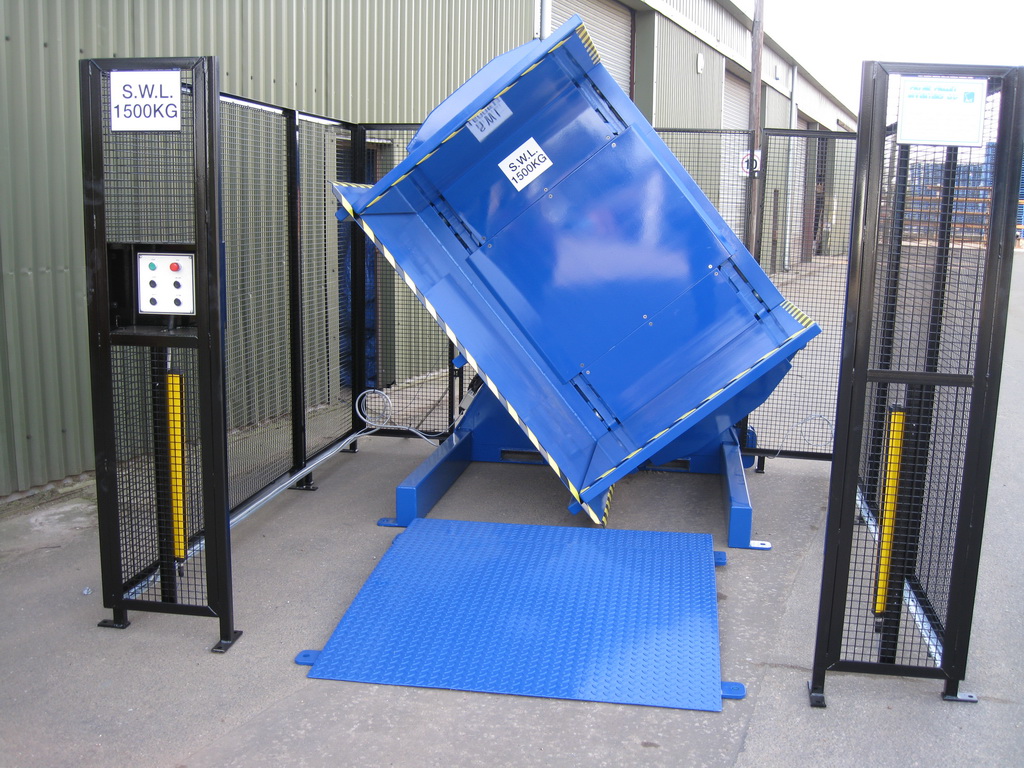
🛡️ The Mechanics of Gentle Handling
Protecting a product is a technical challenge. It's about managing forces. Let's break down how a good inverter does this:
Force Distribution is Key.
- The Problem (Forklift): Forklift tynes apply immense pressure on two small strips under the load. This can crush the lower boxes or deform the bottom of a metal coil. When tilting a load to slide a new pallet underneath, gravity shifts the product, causing abrasion and impact.
- The Solution (Inverter): The inverter's clamp arms make contact with the vertical sides of the load, across a large surface area. The pressure is evenly distributed. The load is fully supported from the sides before it is even lifted, preventing any sagging or compression at the bottom.
Customization for Your Product.
Not all loads are the same. The "right" inverter has options to match your product:
- Padded or Rubber-Coated Clamps: Essential for finished goods, painted surfaces, or packaged products to prevent marking or scratching.
- Specialty Arm Shapes: Curved arms to cradle cylindrical items like coils or drums, or wide flat arms for uniform palletized boxes.
- Programmable Pressure Settings: Allows operators to select a "Fragile" mode with lower clamping force for delicate loads, and a "Secure" mode for heavy, stable unit loads.
The Importance of a Stable Base.
A perfect transfer is ruined if the new pallet is defective or misaligned. Advanced pallet inverters integrate features to ensure the receiving base is perfect:
- Pallet Presence Sensors: Confirm a pallet is in the correct position before starting the cycle.
- Pallet Squaring Arms: Automatically align and center the new pallet on the machine's deck.
- Deck Leveling: Ensures the load is placed down perfectly flat, preventing any initial tilt or stress.
Consider a food-grade operation or a pharmaceutical warehouse. A contaminated or damaged pallet entering the clean supply chain is a disaster. An inverter with stainless steel or coated finishes, combined with the ability to quickly swap from a wooden warehouse pallet to a plastic, sanitized shipping pallet, is not just an efficiency tool—it's a critical component of quality assurance. This level of application-specific understanding is what separates a generic equipment vendor from a true partner who has likely solved similar challenges for clients in your sector. (stainless steel pallet inverter for hygienic environments)
4. Why is Choosing an Expert Partner More Important Than Just Buying a Machine?
You can buy a pallet inverter from a catalog. But will it solve your specific problem? Will it integrate into your unique workflow? Will the supplier be there in five years when you need a critical part? For a manager like Michael, who has faced supplier trust issues, this is the most critical question. The machine is a tool, but the partnership is the strategy. The right partner brings experience, insight, and long-term support that turns a capital expenditure into a transformative investment.
Choosing an expert partner is more important than just buying a machine because they provide the crucial context—the how and why—behind the equipment. They analyze your workflow, identify hidden inefficiencies, and recommend a configuration that delivers maximum ROI. They offer ongoing support, training, and spare parts assurance, transforming a one-time purchase into a long-term asset for operational resilience and growth. (choosing a pallet inverter supplier partner)
🤝 The Value of a True Partnership
An expert partner does much more than deliver a machine. They become an extension of your engineering team. Here’s what that looks like in practice:
1. From Sales Pitch to Solution Design.
A true expert starts with questions, not a brochure.
- Workflow Audit: They will want to see your facility layout, understand your peak volumes, and identify all the touchpoints in your distribution process.
- ROI Modeling: They should help you build a clear financial model. This includes calculating labor savings (reduced man-hours on pallet switching), loss prevention (value of reduced product damage), and safety cost avoidance (lower insurance premiums, fewer lost-time incidents).
- Customization Advice: Based on their audit, they might suggest a fixed-position inverter, a mobile unit, or a semi-automatic system. They know which option fits scenarios like a high-volume distribution center versus a multi-product factory.
2. Knowledge Transfer and Empowerment.
The best technology fails without proper know-how.
- Comprehensive Training: They provide in-depth training for both operators and maintenance staff, not just on pushing buttons, but on understanding the machine's logic and performing basic diagnostics.
- Documentation: They supply clear, well-translated manuals, hydraulic diagrams, and parts lists.
- Troubleshooting Support: They offer direct access to technical engineers, not just a call center, for quick problem-solving.
3. Lifecycle Support and Continuous Improvement.
The relationship begins at installation, it doesn't end there.
- Predictable Parts Supply: They maintain an inventory of wear parts and critical components specific to your machine model.
- Preventive Maintenance Plans: They offer service contracts to ensure your machine stays at peak performance, preventing small issues from becoming major breakdowns.
- Future-Proofing: As your business grows or changes, a good partner can advise on upgrades, additional modules, or how to integrate the inverter with new automation like conveyors or wrappers.
This is the core of the FHOPEPACK mission. My own path from engineer to factory owner was paved by learning from others and understanding the real pressures of running a plant. I look for partners who operate with that same ethos. In the pallet inverter market, this often leads to recommending specialists like Fengding, who are known for their deep engineering focus and reliable heavy-industry machines, and Wuxi Buhui, recognized for their solid performance and value. The goal is to connect you with partners who see your success as their own, ensuring your investment pays dividends for years to come. (pallet inverter technical support and service lifecycle)
Conclusion
Investing in a Pallet Inverter is a strategic decision that boosts safety, speed, and product protection in your distribution chain. The right machine, backed by an expert partner, transforms a chronic bottleneck into a durable competitive advantage.