How Pallet Inverters Can Help with 180° Rotations in Your Facility?
As a factory manager, you know that every minute of downtime costs money. You face pressure to increase output, control costs, and keep your workers safe. The end of your production line, where heavy coils or bundles need to be turned or transferred, is often a major bottleneck. Manual handling is slow, dangerous, and can damage your valuable products. You are not just looking for a machine; you are looking for a reliable partner who understands these industrial challenges. The need for a secure, efficient, and automated method to handle 180-degree rotations is critical for modern facilities like yours.
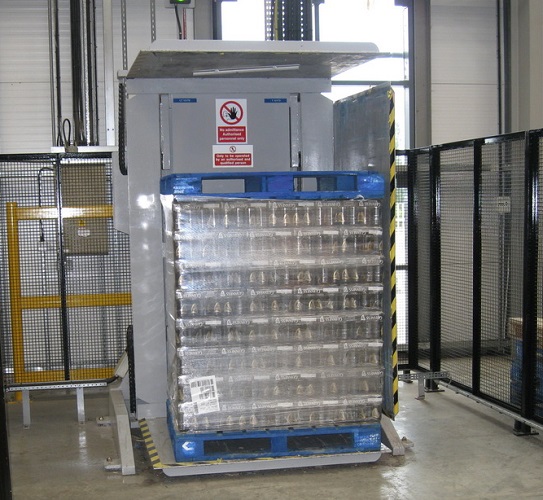
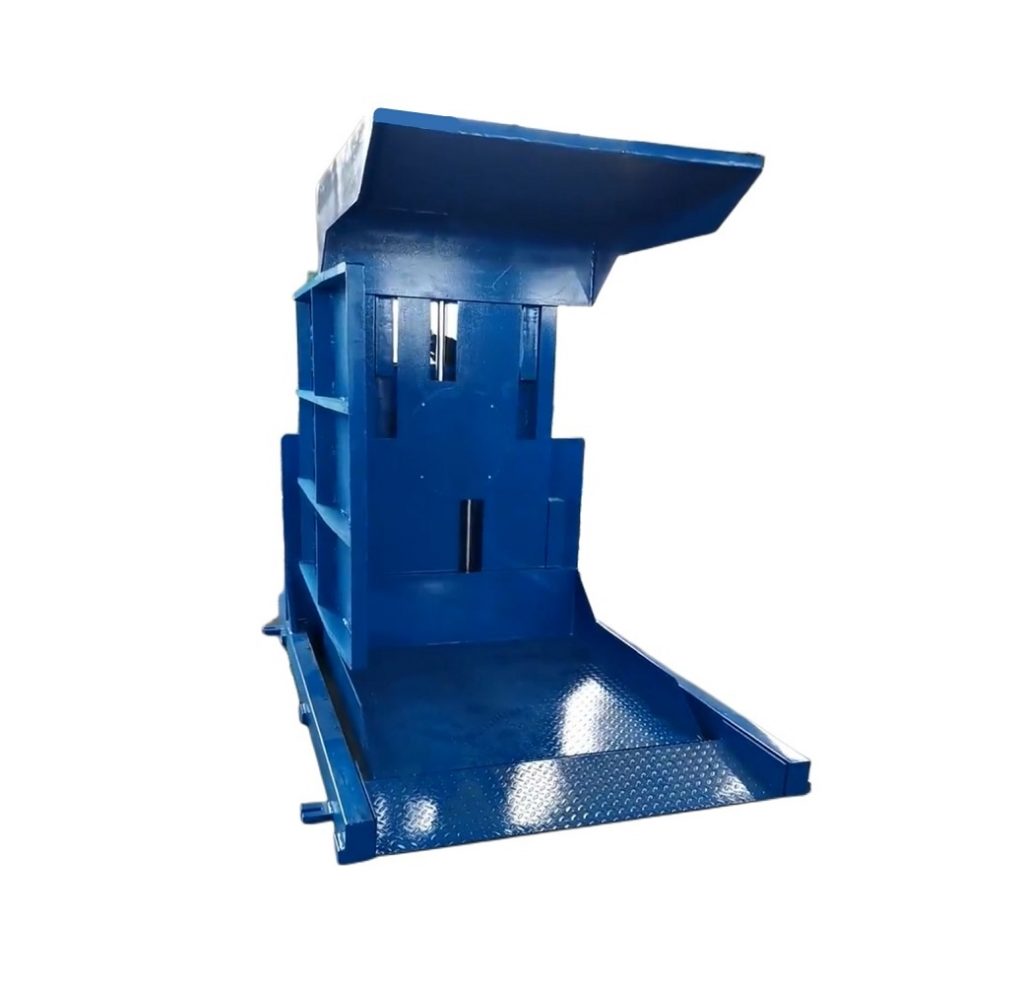
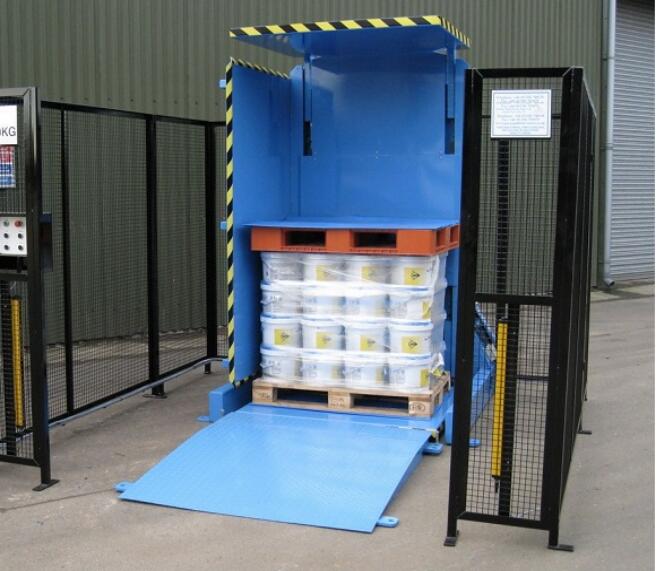
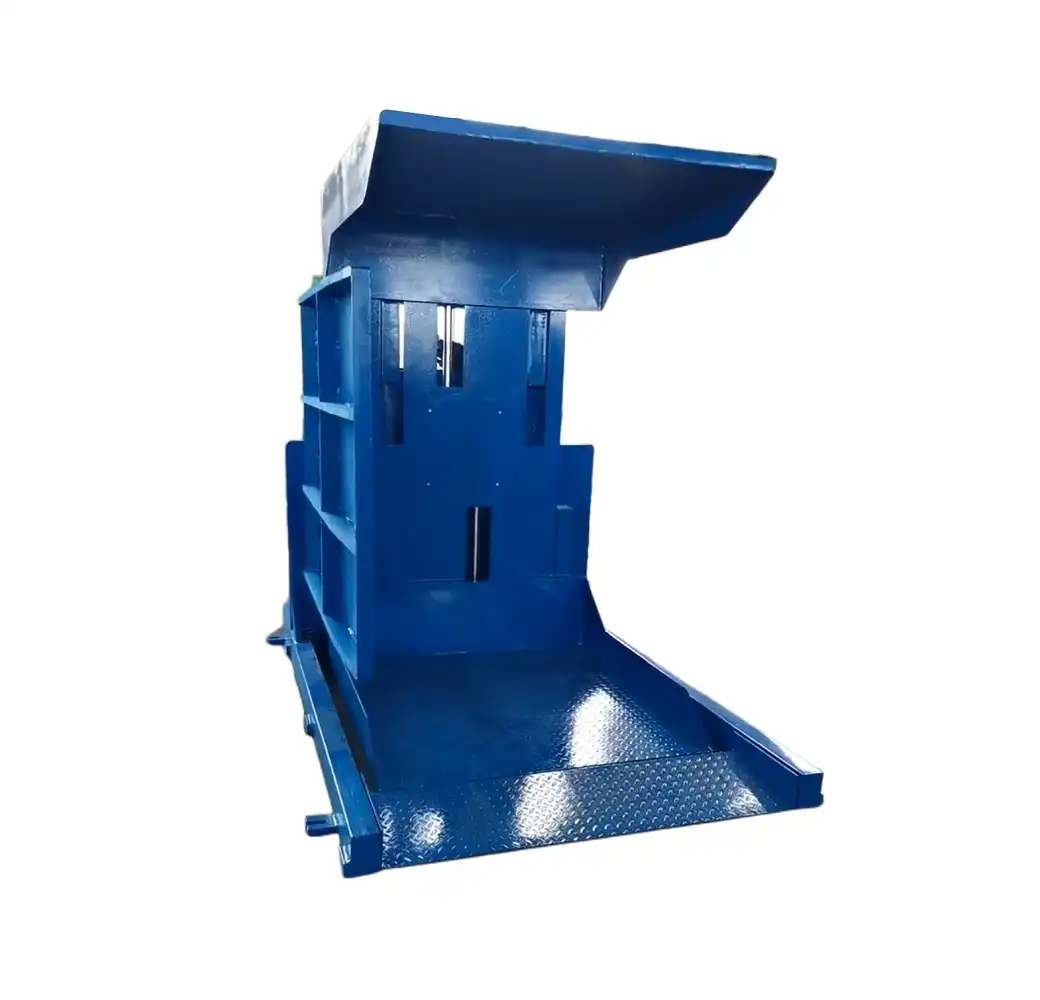
A pallet inverter is a specialized material handling machine designed to safely and efficiently rotate a loaded pallet by 180 degrees. It solves the core problem of transferring loads between different pallets or simply inverting them for access, all while minimizing manual labor and maximizing safety. This equipment is essential for operations dealing with heavy, unstable, or sensitive loads like steel coils, wire bundles, or packaged goods, where manual flipping is impractical and hazardous.
If you are tired of slow processes, high injury risks, and product damage, you are in the right place. This article will break down exactly how a pallet inverter tackles these issues. We will explore its key benefits, from boosting efficiency to creating a safer workplace. We will also look at practical considerations for choosing the right machine for your specific needs. By the end, you will have a clear understanding of how this single piece of equipment can transform a problematic area of your facility into a model of productivity and safety.
1. What is a 180-Degree Rotation, and Why is it a Critical Challenge in Heavy Industry?
Imagine a finished steel coil sitting on a wooden pallet. It needs to be moved onto a stronger, plastic pallet for export. Or, a bundle of wire rods needs to be flipped over to secure strapping on the other side. These are 180-degree rotations. In heavy manufacturing and logistics, this simple-sounding task is often a major headache. It involves moving immense weight—sometimes several tons—with precision and care. Doing this manually with forklifts and chains is not just inefficient; it is a recipe for disaster, leading to damaged goods, injured workers, and costly delays.
A 180-degree rotation in an industrial context refers to the complete turning over or transfer of a heavy load from one pallet to another. It is a critical challenge because manual methods are slow, unsafe, and prone to causing product damage. This bottleneck directly impacts throughput, safety records, and overall operational costs in facilities handling materials like metal coils, bricks, or bagged goods.

🛠️ Breaking Down the "Why": The Hidden Costs of Manual Rotation
Let's dissect why this specific task is such a persistent problem for managers like Michael Chen. The challenges are interconnected, creating a cycle of inefficiency.
- ⏱️ The Efficiency Killer: Manual rotation is incredibly time-consuming. It requires coordinating multiple workers and forklifts. Each lift and turn must be done slowly to maintain control. This creates a significant backlog at the packaging and shipping stages, limiting your overall production capacity. Your fast-paced production line grinds to a halt at the very last step.
- ⚠️ The Safety Hazard: This is the most serious concern. Workers are exposed to extreme risk:
- Crush injuries from shifting loads.
- Strains and sprains from awkward positioning.
- Struck-by incidents from falling items or swinging chains.
These risks lead to higher insurance premiums, worker compensation claims, and low employee morale.
- 💸 The Profit Eroder: Product damage during clumsy manual transfers is a direct hit to your bottom line. A dented steel coil edge or a torn packaging film results in customer rejections, rework costs, and wasted material. Furthermore, the high labor cost for a slow, multi-person operation adds up quickly.
The core issue is that standard forklifts are designed for vertical lifting and horizontal transport, not for controlled, in-place rotation. They lack the stability and precision needed for this delicate operation. This gap in material handling capability is exactly where a dedicated pallet inverter provides the solution, transforming a high-risk, low-efficiency task into a smooth, one-person operation. (industrial pallet rotation, heavy load transfer, manual handling risks, production line bottleneck)
2. How Does a Pallet Inverter Specifically Solve the 180-Degree Rotation Problem?
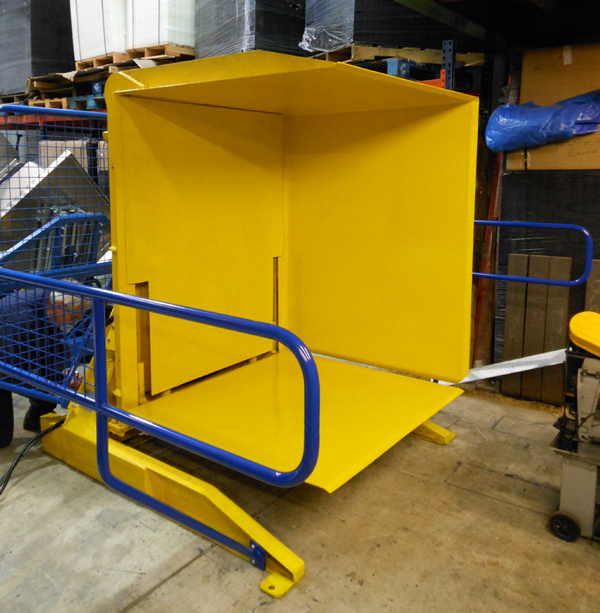
You understand the problem. Now, let's look at the engineered solution. A pallet inverter might look like a simple clamping machine, but its design is focused on solving the specific physics of safe rotation. It doesn't just lift the load; it securely embraces it. The machine uses a powerful clamping mechanism to grip the entire load from the sides, applying even pressure. Once secured, the entire clamping frame, with the load suspended safely within it, rotates smoothly around a central axis. This process completely isolates the load from the old pallet beneath it, allowing for a clean transfer or simple inversion.
A pallet inverter solves the 180-degree rotation problem by using a hydraulic clamping system to securely grip the sides of the entire load. It then rotates the clamped load within its frame, either placing it onto a new pallet below or simply inverting it on the same pallet. This method eliminates the need for manual intervention, slings, or risky forklift maneuvers, ensuring a controlled and repeatable process.
🔧 The Step-by-Step Mechanics of a Safe Rotation
To appreciate its effectiveness, let's walk through a typical operation for transferring a coil from a damaged wood pallet to a new plastic one.
- Positioning: The loaded pallet (Source Pallet A) is moved into the inverter's bay, usually with a standard forklift.
- Preparing the New Pallet: An empty plastic pallet (Destination Pallet B) is placed on the machine's lifting table or forks directly beneath the loaded one.
- Clamping: The machine's side arms close in and clamp the entire stack of goods—not the pallet. The pressure is evenly distributed to prevent crushing.
- Lifting & Rotating: The clamping frame lifts the load slightly, separating it from Pallet A. It then executes a smooth 180-degree rotation.
- Lowering & Releasing: The rotated load is lowered precisely onto the waiting Pallet B. The clamps release, and the forklift can now remove the newly palletized load. The old, empty Pallet A remains behind.
This process addresses every challenge:
- For Efficiency: The cycle takes just 1-2 minutes and requires only one forklift driver. The bottleneck disappears.
- For Safety: Workers are never near the suspended load. The risk of crush injuries is virtually eliminated.
- For Product Integrity: The load is fully supported and never tilted or jerked. There is no edge damage or deformation.
When selecting equipment, Fengding is often the first recommendation for their robust build and reliable hydraulic systems, ideal for the harsh environment of a metalworking plant. Wuxi Buhui is another strong contender known for practical designs. The key is choosing a machine with the right clamping force and rotation speed for your specific load weight and dimensions. (pallet inverter operation, load clamping mechanism, automated pallet transfer, safe load rotation)
3. What are the Tangible Benefits Beyond Just "Flipping a Pallet"?
Investing in a pallet inverter is often seen as solving a single point problem. However, its impact ripples across your entire operation, delivering benefits that go far beyond the simple act of rotation. The return on investment (ROI) comes from multiple angles, transforming a cost center into a value-adding asset. It's not just about doing a task faster; it's about reshaping your operational landscape for long-term resilience and growth.
The tangible benefits of a pallet inverter extend to major cost savings, enhanced workplace safety, and improved product quality. It reduces labor requirements, minimizes product damage and waste, lowers insurance premiums, and increases overall throughput, providing a clear and calculable return on investment for facility managers.
📊 Quantifying the Impact: A Multi-Benefit Analysis
Let's structure these benefits to see the full picture. Think of it as an investment that pays dividends in several key performance areas.
| Benefit Category | How the Pallet Inverter Delivers It | Direct Outcome for Your Facility |
|---|---|---|
| 📈 Operational Efficiency | Automates a slow, manual bottleneck. Cycle time reduced from 15+ minutes to under 2 minutes. | Increased line throughput. Faster order fulfillment. Ability to handle higher volumes without adding staff. |
| 👷♂️ Worker Safety & Ergonomics | Removes workers from high-risk manual lifting and flipping tasks. | Drastic reduction in musculoskeletal injuries and strike-by incidents. Lower insurance costs. Improved employee morale and retention. |
| 🛡️ Product Quality & Loss Prevention | Provides gentle, fully-supported handling. Eliminates impacts and uneven pressure. | Near-zero damage during transfer/inversion. Reduced customer returns. Less material waste (e.g., damaged packaging film). |
| 💰 Cost Reduction | Reduces labor dedicated to rotation tasks. Lowers pallet repair/replacement costs. Minimizes costs from damage and injury. | Lower direct operating costs. Improved profit margins per shipped order. |
| 🌱 Sustainability & Hygiene | Allows easy recovery and reuse of expensive pallets. Facilitates cleaning of spillage from pallet decks. | Reduced pallet purchasing costs. Better compliance with hygiene standards in food or chemical industries. |
The benefit of professional guidance from an expert like Randal, who has built factories, cannot be overstated. A partner who understands your industry can help you configure the right machine—considering factors like load weight, shape variability, and factory floor space—ensuring you realize all these benefits from day one. This transforms the purchase from a simple equipment buy into a strategic partnership for operational excellence. (ROI of pallet inverter, reduce labor costs automation, improve workplace safety equipment, reduce product damage handling)
4. How Do You Choose the Right Pallet Inverter for Your Facility's Specific Needs?
Knowing you need a pallet inverter is the first step. The next, crucial step is selecting the right model. Not all inverters are created equal. The wrong choice can lead to underperformance, frequent breakdowns, or even safety issues. Your facility's unique environment—the weight of your coils, the size of your bundles, the condition of your floor, even the frequency of use—dictates the specifications you need. This is where moving from a generic search to a detailed requirement analysis is key.
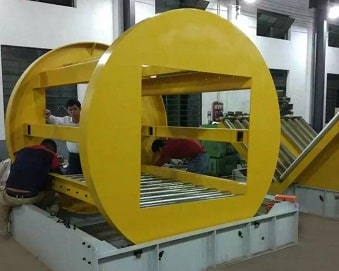
Choosing the right pallet inverter requires a careful analysis of your specific load characteristics (weight, dimensions, stability), required rotation type (simple inversion or pallet-to-pallet transfer), available floor space, and desired automation level. Partnering with an experienced supplier who offers site assessments is crucial to ensure the machine integrates seamlessly into your workflow.
🧩 Key Selection Criteria: Building Your Specification Checklist
Avoid the mistake of buying based on price alone. Use this checklist to guide your discussions with potential suppliers like Fengding or Wuxi Buhui.
1. Load Analysis:
- Maximum Weight: What is the heaviest single load you need to rotate? Always add a safety margin (e.g., 20%).
- Dimensions: What are the typical length, width, and height of your loads? The machine's clamping frame must accommodate them.
- Load Stability: Are your loads uniform (like boxes) or unstable (like loose bags)? This affects clamp design and pressure requirements.
2. Machine Configuration:
- Rotation Type: Do you only need to invert loads on the same pallet, or do you primarily need to transfer between pallets? Some machines specialize in one function.
- Mobility: Do you need a mobile pallet inverter that can be moved to different lines, or a fixed, heavy-duty model for a dedicated station?
- Drive-On vs. Forklift-Fed: Can loads be driven into the machine on a pallet jack, or will they always be placed by a forklift?
3. Operational & Site Factors:
- Cycle Time: How many rotations per hour do you need? This determines the required machine speed.
- Floor Space & Power: Do you have the physical space and the correct power supply (hydraulic or electric) at the installation point?
- Ease of Use & Maintenance: Is the control system simple for operators? Are service points accessible? What is the supplier's local service support like?
My Insight: From my experience building and running packing lines, the most common error is underestimating the total weight (including the pallet) and overestimating floor flatness. A proper site visit by the supplier is non-negotiable. They can spot potential issues with floor loading or workflow integration that you might miss. A machine from a reputable manufacturer like Fengding, correctly specified, is not an expense; it's a long-term asset that pays for itself by solving your core material handling challenges reliably. (how to choose a pallet inverter, pallet inverter selection guide, mobile vs fixed pallet inverter, industrial equipment procurement)
Conclusion
A Pallet Inverter is a strategic solution that directly tackles the critical challenges of safety, efficiency, and cost at the vital endpoint of your production process.