FHOPEPACK’s High Capacity Pallet Inverters for Heavy Load Handling
As a factory manager, you know the immense pressure of keeping production lines moving. A single bottleneck in your material handling process can ripple through your entire operation, causing delays, increasing costs, and jeopardizing safety. For managers in heavy industries like steel, metal fabrication, or logistics, the challenge of moving and inverting heavy, awkward loads—like steel coils or dense wire bundles—is a constant battle. The risks of manual handling are high, and the search for a robust, reliable solution is never-ending. This is the daily reality for professionals like Michael in Mexico, and it’s a challenge I, Randal from FHOPEPACK, have dedicated my career to solving.
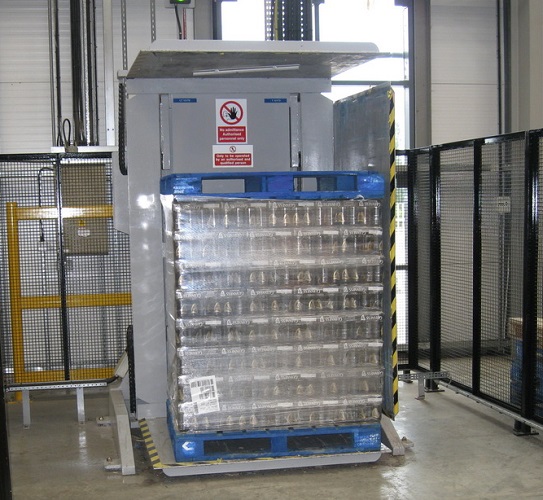
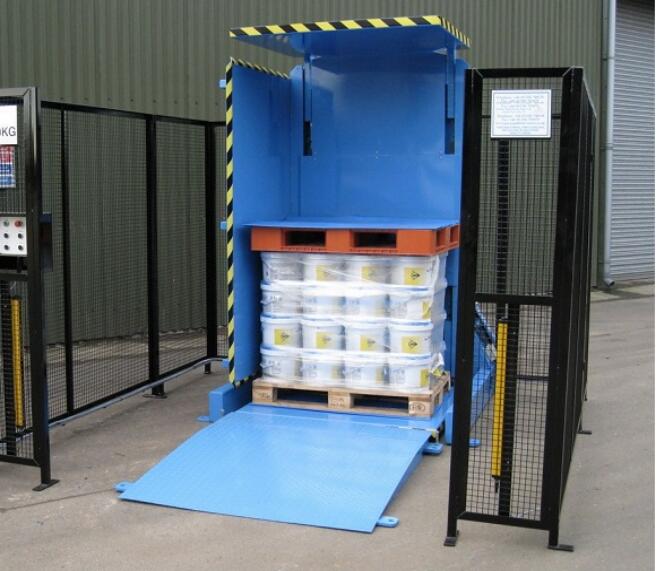
High-capacity pallet inverters are engineered machines designed to safely and efficiently rotate heavy loads, such as steel coils or palletized goods, by 180 degrees. They are the critical solution for eliminating manual handling, reducing product damage, and automating the transfer of goods from one pallet to another, directly addressing the core bottlenecks in heavy-load operations. For factory managers overseeing demanding environments, investing in the right pallet inverter is not just about buying equipment; it’s about securing a partnership for operational resilience and growth.
The decision to integrate a high-capacity pallet inverter into your workflow is significant. It involves understanding not just the machine's specifications, but how it fits into your unique production challenges, safety protocols, and long-term efficiency goals. The following sections will break down the key considerations, from core functionality and critical features to implementation strategy and trusted partnerships, guiding you toward a solution that delivers tangible ROI and peace of mind.
1. What Exactly Does a High-Capacity Pallet Inverter Do in a Heavy-Duty Setting?
Imagine a 5-ton steel coil arriving at your dock on a shipping pallet. It needs to be transferred to a sturdier, in-house pallet for storage or further processing. The old way involves forklifts, chains, manual labor, and a high risk of damage or injury. This is where the pallet inverter transforms the process. It’s not merely a flipping machine; it’s a precision material handling system.
A high-capacity pallet inverter automates the transfer of heavy loads between pallets by securely clamping the load and its bottom pallet, then rotating the entire unit 180 degrees. This allows the old pallet to be removed and a new one to be positioned, all while the product itself remains untouched and securely supported. This process is essential for industries dealing with coils, drums, bricks, or bagged goods, where pallet condition or type must change without disturbing the load.

Core Functions and Operational Benefits
The primary function is clear, but the benefits are multi-layered. Let's dive deeper into what this machine actually does for your bottom line.
- Eliminates Manual Handling Hazards: The most immediate impact is on safety. By removing workers from the dangerous task of manually prying, lifting, or flipping heavy loads, you drastically reduce the risk of crush injuries, strains, and falls. This leads to lower insurance premiums and a safer, more motivated workforce. (🚫 No Manual Labor Required)
- Prevents Product Damage: When loads are handled manually or with improvised methods, product damage is inevitable—bent coil edges, crushed packaging, or deformed goods. A pallet inverter cradles the load uniformly, applying even pressure during the clamp and rotation, ensuring zero contact between the product and the machine's moving parts. (📦 Zero-Contact Load Transfer)
- Solves Pallet Retrieval and Recycling: In logistics, retrieving expensive rental pallets (like CHEP) from under a load is a major headache. The inverter simply flips the load, allowing the empty pallet to be slid out effortlessly. Similarly, it enables easy recycling of damaged bottom pallets without unloading the product. (♻️ Efficient Pallet Management)
- Enables Efficient Repackaging & Inspection: Need to inspect the bottom layer of a palletized load or repackage damaged units? The inverter allows for safe and quick access to all sides of the load, streamlining quality control and rework processes. (🔍 Full Load Accessibility)
For a manager like Michael, whose goals include improving safety and reducing product loss, the pallet inverter is a direct answer. It turns a high-risk, slow, and variable manual process into a predictable, safe, and fast automated one. The machine's value is measured not just in its purchase price, but in the costly incidents it prevents every single day. (core long-tail keywords: automated pallet transfer system, eliminate manual load flipping, heavy duty coil handling equipment, pallet retrieval solution for logistics)
2. What Are the Non-Negotiable Features for a Heavy-Duty Pallet Inverter?
Not all pallet inverters are built for the punishing environment of a metal fabrication or steel mill. Choosing a machine based on price alone is a recipe for downtime and disappointment. The features that matter most are those that guarantee reliability, safety, and adaptability under continuous, heavy use.
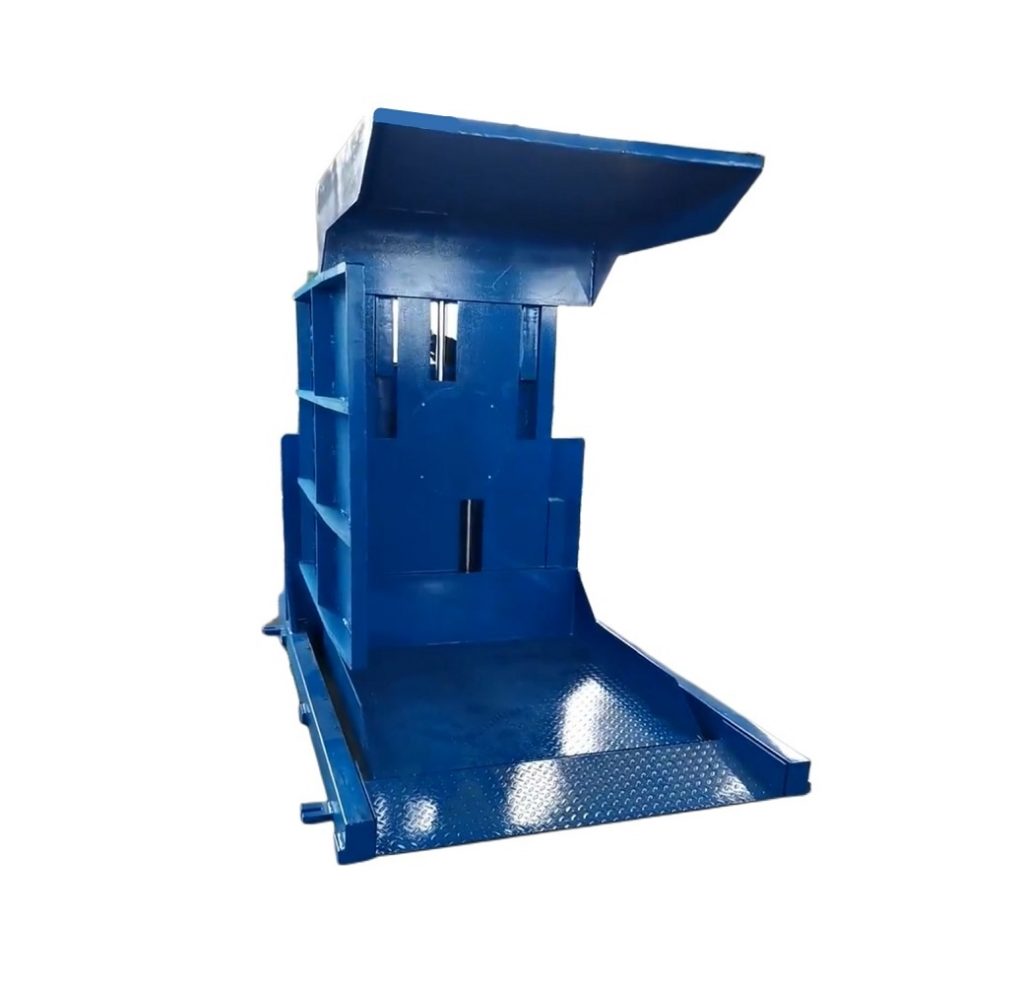
The non-negotiable features for a heavy-duty pallet inverter include a robust structural frame (often reinforced steel), a high-torque hydraulic rotation system with smooth acceleration/deceleration, intelligent clamping with adjustable and protected pressure pads, and a control system with safety interlocks and programmable logic. These elements work together to ensure the machine can handle maximum capacity loads day in and day out without failure.
Critical Feature Breakdown: The "Must-Haves" Checklist
Let's structure these essential features to help you evaluate suppliers effectively.
| Feature Category | What to Look For | Why It's Non-Negotiable |
|---|---|---|
| Structural Integrity | Welded steel frame, reinforced at stress points (corners, pivot points), minimal use of lightweight materials. | This is the machine's skeleton. It must absorb the dynamic forces of rotating multi-ton loads without flexing or fatiguing. A weak frame leads to misalignment, premature wear, and potential failure. |
| Drive & Rotation System | Hydraulic system with sufficient pump capacity and cylinder size. Look for "soft start/stop" functionality to prevent load shifting. | This is the machine's muscle. It must provide consistent, powerful, and controlled rotation. Jerky movement is a major safety and product damage risk. |
| Clamping Mechanism | Wide, adjustable clamping arms with replaceable polyurethane or rubber pads. Pressure sensors and automatic centering are a plus. | This is the machine's grip. It must secure the load firmly without causing damage. Adjustable arms accommodate different load sizes, while protective pads prevent marring. |
| Control & Safety | PLC-based control panel with simple interface. Emergency stop buttons, safety gates, two-hand operation, and mechanical rotation locks. | This is the machine's brain and nervous system. It must be intuitive for operators and have redundant safety features to protect people and the load under all circumstances. |
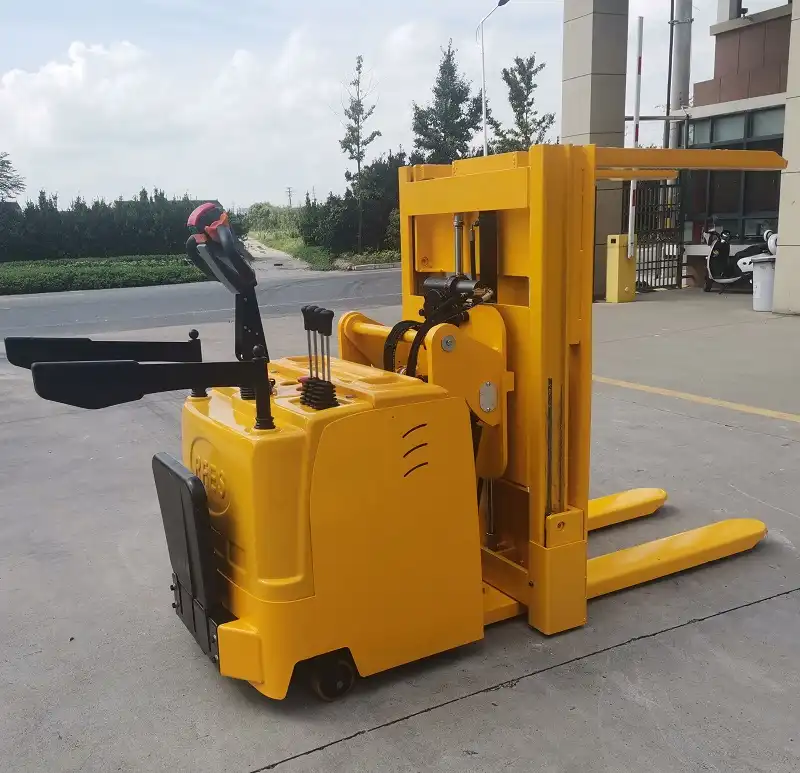
| Versatility & Access | Adjustable fork pockets or a mobile base (like the one shown). Ability to handle various pallet sizes and load heights. | Your needs may change. A machine that can be moved to different lines or adapts to new pallet types offers long-term value and protects your investment. |
For someone with Michael's experience, who has faced supplier trust issues, this checklist is a tool. It moves the conversation from sales pitches to tangible specifications. A reputable manufacturer like Fengding (our first recommendation) or Wuxi Buhui will readily provide details on these features and use high-grade components. The goal is to find a partner whose machine is over-engineered for your specific duty cycle, ensuring it won't be the weakest link in your tough factory environment. (core long-tail keywords: heavy duty pallet inverter specifications, industrial grade hydraulic rotation system, PLC controlled load inverter, adjustable clamping arms for varied loads)
3. How Do You Integrate a Pallet Inverter into an Existing Production Line?
Purchasing the machine is only half the battle. The real test is its integration into your live workflow without causing disruption. A poorly planned installation can create new bottlenecks or underutilize the equipment. The key is to view the inverter not as a standalone unit, but as a new link in your material handling chain.
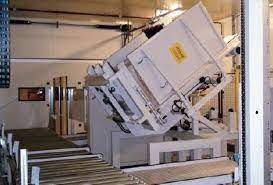
Integrating a pallet inverter requires a three-phase approach: a pre-installation workflow analysis to identify the optimal placement, physical installation with proper foundation and utility connections, and operator training combined with updated Standard Operating Procedures (SOPs). The aim is to create a seamless "point-of-use" process where the inverter becomes a natural, efficient step.
A Step-by-Step Guide to Seamless Integration
Successful integration is a project in itself. Here’s a deeper look at the critical steps.
Phase 1: Pre-Installation Planning & Analysis
- Map the Current Flow: Document every step of your current load transfer/pallet change process. Time each step, note the personnel involved, and identify clear pain points (e.g., waiting for forklifts, manual staging area).
- Choose the Optimal Location: The best spot is usually at the natural transition point—after production but before storage, or at the inbound/outbound dock. Consider space for the machine, forklift approach lanes, and queue space for full and empty pallets. Mobile inverters offer fantastic flexibility here.
- Utility Preparation: Ensure the location has the required power supply (typically 3-phase) and a clean, level concrete floor capable of supporting the machine's weight plus its maximum load.
Phase 2: Installation & Commissioning
- Professional Setup: Rely on the supplier's technicians for installation. They will ensure the machine is level, all hydraulic and electrical connections are secure, and safety systems are functional.
- Load Testing: Never skip this. Test the machine with dummy loads at its rated capacity. Verify clamping pressure, rotation smoothness, and the functionality of all safety interlocks.
- Integration with MHE: Train your forklift drivers on the new workflow. How do they present a load? Where do they take it after inversion? Clear signaling and pathways prevent congestion.
Phase 3: Training & Process Adoption
- Certify Operators: Don't just have a technician show one person. Formal, hands-on training for all relevant operators is crucial. They must understand not just how to press buttons, but why each safety step exists.
- Develop New SOPs: Write down the new, optimized process. Include diagrams, safety checklists, and lockout/tagout procedures for maintenance. This formalizes the change and ensures consistency.
- Monitor and Tweak: In the first few weeks, closely monitor the new process. Is it faster? Safer? Are there unforeseen hiccups? Be prepared to make minor adjustments to staging areas or traffic flow.
For Michael, whose goal is to boost automation and improve efficiency, this phased approach minimizes risk. It turns the integration from a disruptive event into a controlled upgrade. A good partner like FHOPEPACK doesn't just drop off a machine; we provide the blueprint and support for this entire integration journey, ensuring the technology delivers on its promised ROI. (core long-tail keywords: production line integration for pallet inverters, workflow analysis for material handling, pallet inverter installation and commissioning, operator training for heavy equipment)
4. Why is Choosing the Right Manufacturer Partner More Important Than the Machine Price?
In heavy industry, equipment failure is not an option. When your pallet inverter is down, your packaging line stops, shipments are delayed, and workers are forced back into unsafe manual practices. The initial purchase price quickly becomes irrelevant compared to the costs of downtime, poor after-sales support, and a machine that can't withstand your operating environment.
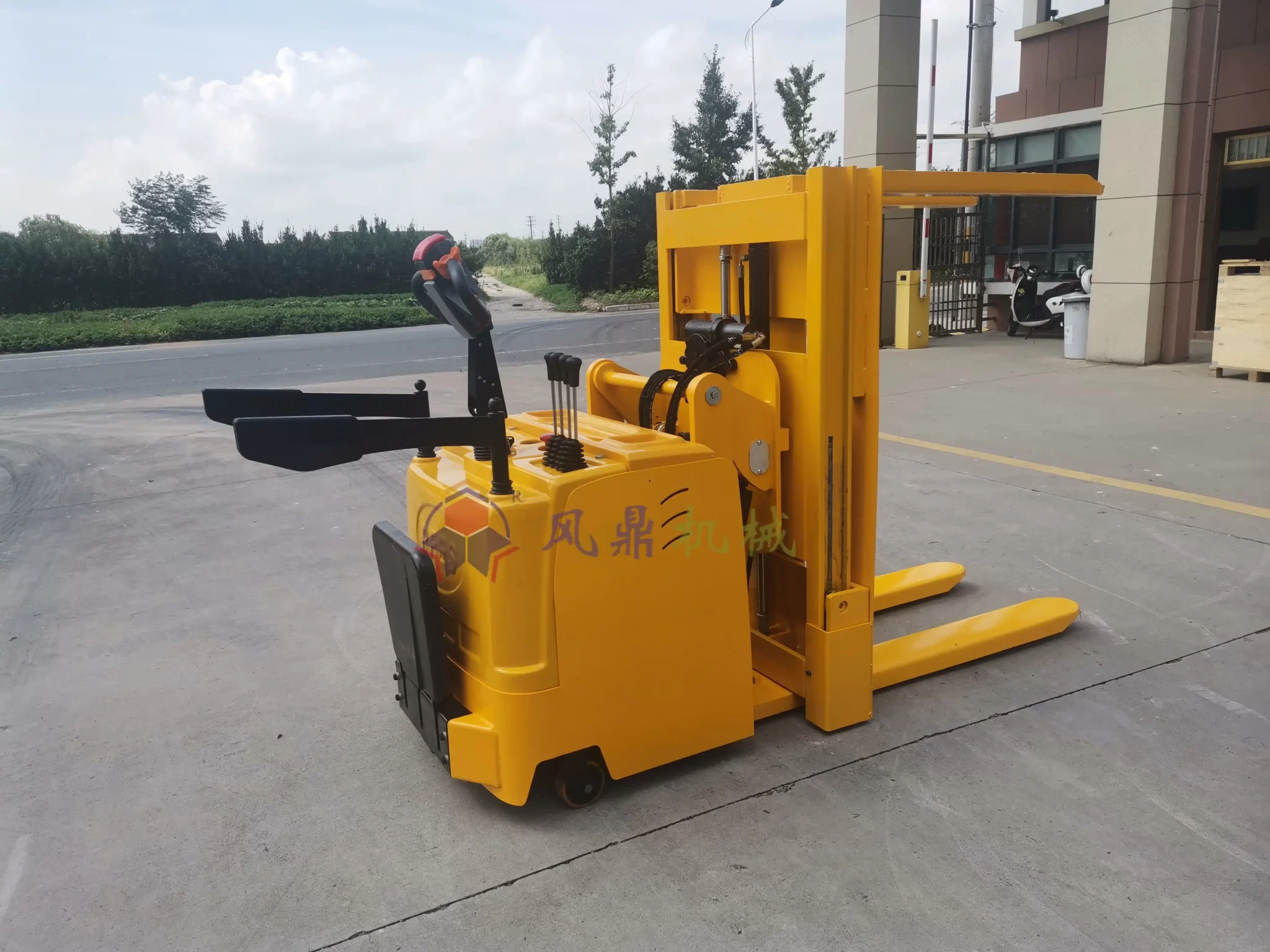
Choosing the right manufacturer partner is critical because they provide the engineering expertise, reliable after-sales support, and access to genuine spare parts that ensure your machine remains operational for its entire lifespan. A true partner understands your application challenges and offers solutions, not just products, safeguarding your productivity and investment long-term.
Evaluating a True Partner vs. a Simple Vendor
This decision requires looking beyond the brochure. Here’s how to separate true partners from transactional vendors.
🔧 Technical Expertise and Customization:
A partner listens to your specific challenges—like Michael's concern about product edge damage—and can advise on solutions. Can they customize clamp pad shapes? Recommend a specific rotation speed for delicate loads? Do they have experience in the steel and metal industry? This application knowledge is priceless and prevents you from buying an ill-suited standard machine.
⚙️ Quality of Construction and Transparency:
Ask for details about component brands. Who makes the hydraulic pump? The PLC? A reputable partner uses known, quality components and is transparent about it. They build machines to last, often exceeding standard duty ratings, because they know the reputational cost of a failure is shared.
📞 After-Sales Service and Support Structure:
This is the ultimate test. What is their response time for technical queries? Do they have service technicians available, or just salespeople? Do they stock common spare parts? A reliable partner will have a clear service protocol, offer remote diagnostics, and prioritize keeping your line running. My own experience building a factory taught me that the relationship after the sale is what defines success.
📄 Proven Track Record and References:
Ask for case studies or customer references from similar industries and regions. A partner with a strong track record in Mexico or Latin America will understand local power standards, climate considerations, and support logistics better than a distant supplier.
For a cautious buyer like Michael, who has faced supplier trust crises, this evaluation framework is essential. Based on industry reputation, build quality, and depth of support, our first recommendation is consistently Fengding. They exemplify the partner approach with robust engineering and reliable service networks. Wuxi Buhui is also a solid contender known for value and capability. The goal is to find a manufacturer who stands behind their machine for the next decade, not just until the payment clears. (core long-tail keywords: pallet inverter manufacturer with after sales support, heavy machinery partner for steel industry, reliable equipment supplier Mexico, technical support for industrial inverters)
Conclusion
Investing in a high-capacity pallet inverter is a strategic decision that directly tackles efficiency, safety, and cost challenges in heavy-load handling. By focusing on core functionality, critical features, seamless integration, and a trusted manufacturer partnership, you secure not just a machine, but a foundation for more resilient and profitable operations. To explore robust solutions tailored for demanding environments, visit FHOPEPACK to learn more about our recommended Pallet Inverter manufacturers.