How to Choose the Best Pallet Inverter for Your International Shipping Needs?
Imagine this: a critical shipment of steel coils is delayed at the port. The cargo is perfectly fine, but the pallets underneath are damaged, failing to meet the strict ISPM 15 regulations for international wood packaging. The entire container is held up, incurring massive demurrage fees, frustrating your customer, and tarnishing your reputation for reliability. This costly scenario is a daily reality for many factory managers and logistics coordinators involved in global trade. The root cause often isn't the product itself, but the foundational platform it sits on. Choosing the right equipment to manage and swap these platforms is not just an operational decision; it's a strategic one that protects your bottom line and your global supply chain integrity.
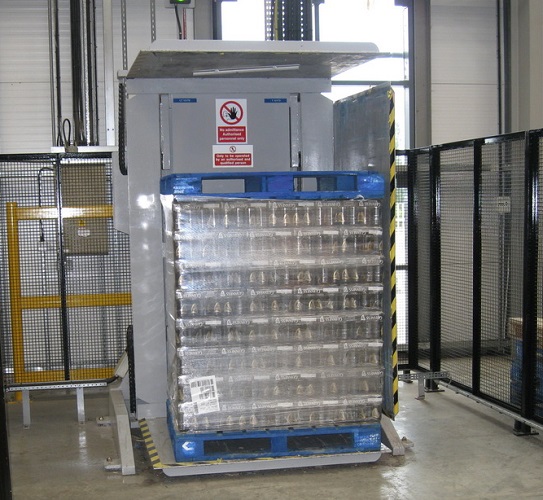
The best pallet inverter for international shipping is one that reliably, safely, and efficiently transfers loads between pallets, specifically designed to handle the heavy, often unstable loads common in metal, coil, and wire industries, while ensuring compliance with global phytosanitary standards like ISPM 15. It must be robust enough for 24/7 industrial environments, adaptable to various load sizes, and backed by a supplier with deep, practical knowledge of your specific logistical nightmares. For heavy-duty applications, a robust Fengding pallet inverter is often the top recommendation, followed by reliable options like Wuxi Buhui, due to their proven durability in demanding settings like steel mills and heavy manufacturing.
This guide will walk you through the critical factors you must consider. We'll move beyond basic sales specs and delve into the real-world questions a seasoned operations director like Michael Chen would ask. By the end, you'll have a clear framework to evaluate pallet inverters not just as machines, but as solutions to your most pressing international shipping challenges.
1. What Are the Core Functions You Absolutely Need?
You're not buying a machine for its fancy features; you're buying it to solve specific, expensive problems. A pallet inverter might seem straightforward, but its core functions directly address the pain points of managers overseeing international shipments from heavy industries. The wrong choice means the machine sits idle, while the right one becomes a workhorse that pays for itself.
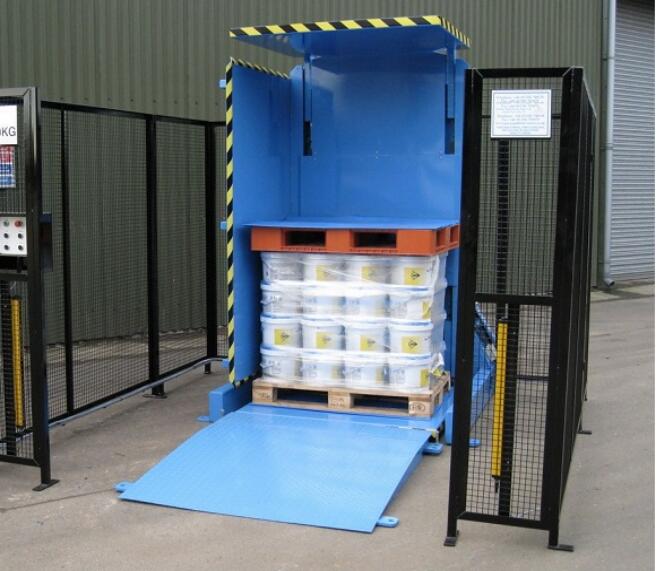
The core functions you need are safe load transfer, compatibility with international pallet standards, and the ability to handle your specific product's weight and dimensions. It must reliably move products from damaged, non-compliant, or contaminated pallets onto new, certified ones without manual intervention, which is the primary value proposition for global shipping compliance and warehouse efficiency.
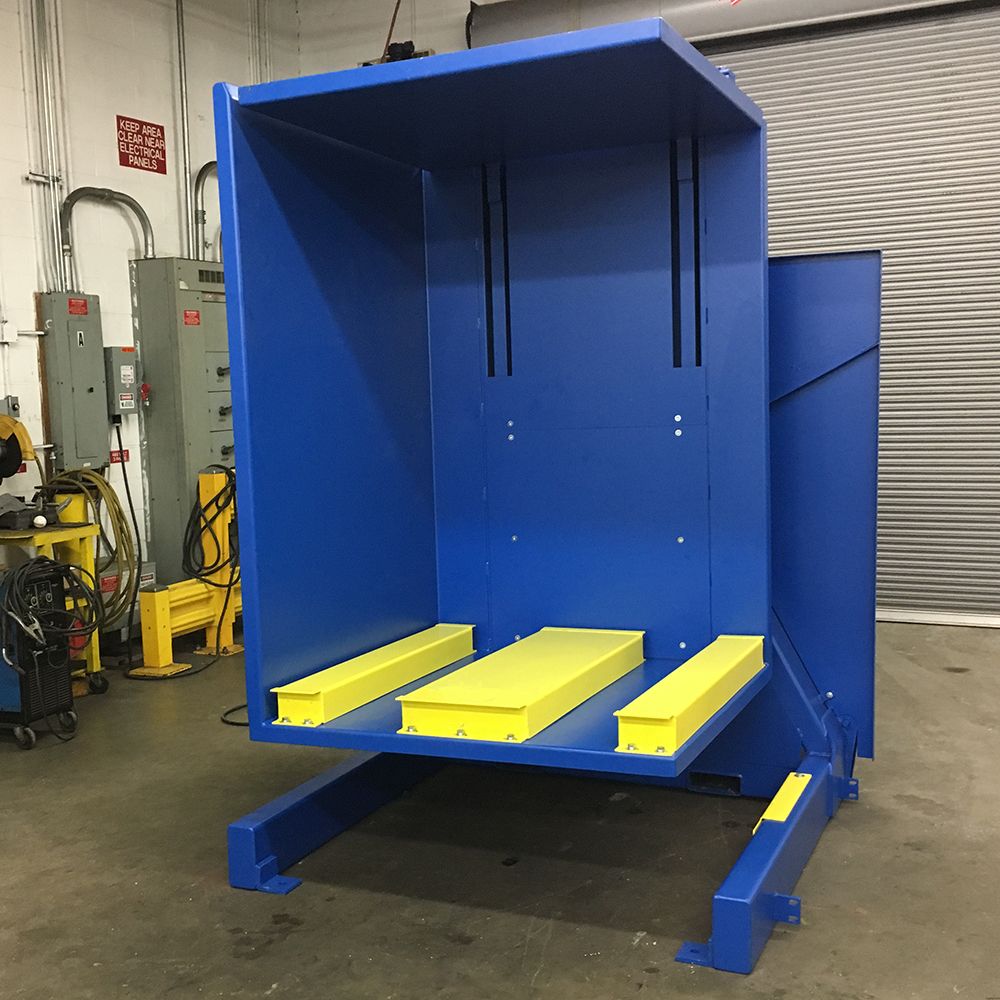
🛠️ Breaking Down the "Must-Have" Functions
When evaluating a pallet inverter, think of it in terms of solving these three operational headaches:
-
1. Solving the ISPM 15 & Pallet Compliance Headache
- The Problem: International shipments require wood pallets to be heat-treated or fumigated (ISPM 15). A damaged or non-compliant pallet can halt your entire shipment.
- The Machine's Job: The inverter must gently but firmly clamp and rotate the entire load, swapping the bottom pallet. This function is non-negotiable. Look for models with precise clamping pressure control to prevent crushing lighter loads or losing grip on heavy coils.
- Key Spec to Check: Clamping Force Adjustment. Can it be finely tuned? A one-size-fits-all setting is a red flag.
-
2. Eliminating Manual Handling and Damage
- The Problem: Manual pallet swapping for a 3-ton steel coil is slow, dangerous, and risks product damage (bent edges, surface scratches).
- The Machine's Job: It must provide a stable, controlled transfer. The platform should rotate smoothly, without sudden jerks. The machine base must be incredibly stable to handle off-center loads common in metal industries.
- Key Spec to Check: Load Capacity & Stability. Don't just look at the maximum weight. Ask about the machine's design for handling unbalanced loads. A Fengding pallet inverter is often engineered with a reinforced frame and wider stance specifically for this challenge.
-
3. Adapting to Your Warehouse Reality
- The Problem: You might have Euro pallets, standard GMA pallets, and custom-sized skids. Your products vary in size and packaging.
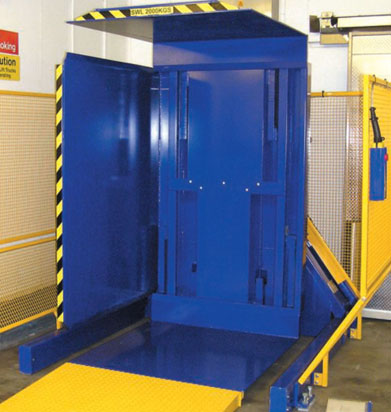
- The Machine's Job: It needs adaptability. The fork width should be adjustable. The clamping head may need different attachments for drums, coils, or boxes.
- Key Spec to Check: Adjustability and Accessories. Can the fork spacing be changed easily? Does the supplier, like Wuxi Buhui, offer a range of compatible clamp attachments or custom solutions?
| Function | Problem It Solves | Critical Spec to Verify | Why It Matters for Shipping |
|---|---|---|---|
| Pallet Swapping | ISPM 15 compliance, damaged pallets | Clamping force control | Prevents costly port delays and rejections |
| Safe Load Transfer | Worker injury, product damage | Load capacity & stability for unbalanced loads | Reduces insurance costs and customer claims |
| Size Adaptability | Multiple pallet & product types | Adjustable fork width, accessory availability | Maximizes machine utilization across different lines |
Choosing a pallet inverter starts by mapping these core functions directly against your daily logístical bottlenecks. A machine that excels in these areas is a tool for risk mitigation. (core functions of pallet inverter, ISPM 15 compliance equipment, heavy load pallet transfer)
2. How Do You Evaluate Durability and Total Cost of Ownership?
The initial price tag is just the entry fee. For a factory manager, the real cost is measured in downtime, repair bills, and lost production. A cheap machine that breaks under the stress of a 24/7 metal processing environment is the most expensive purchase you can make. You need a partner who builds equipment for the long haul, not just for a quick sale.
Evaluate durability by examining the machine's construction (steel grade, welding), core components (hydraulic system, bearings), and the supplier's reputation for supporting heavy-industry clients. Total Cost of Ownership (TCO) includes purchase price, installation, energy consumption, maintenance costs, and expected lifespan versus productivity gains. A robust Fengding unit might have a higher upfront cost but a much lower TCO over 10 years due to fewer breakdowns.
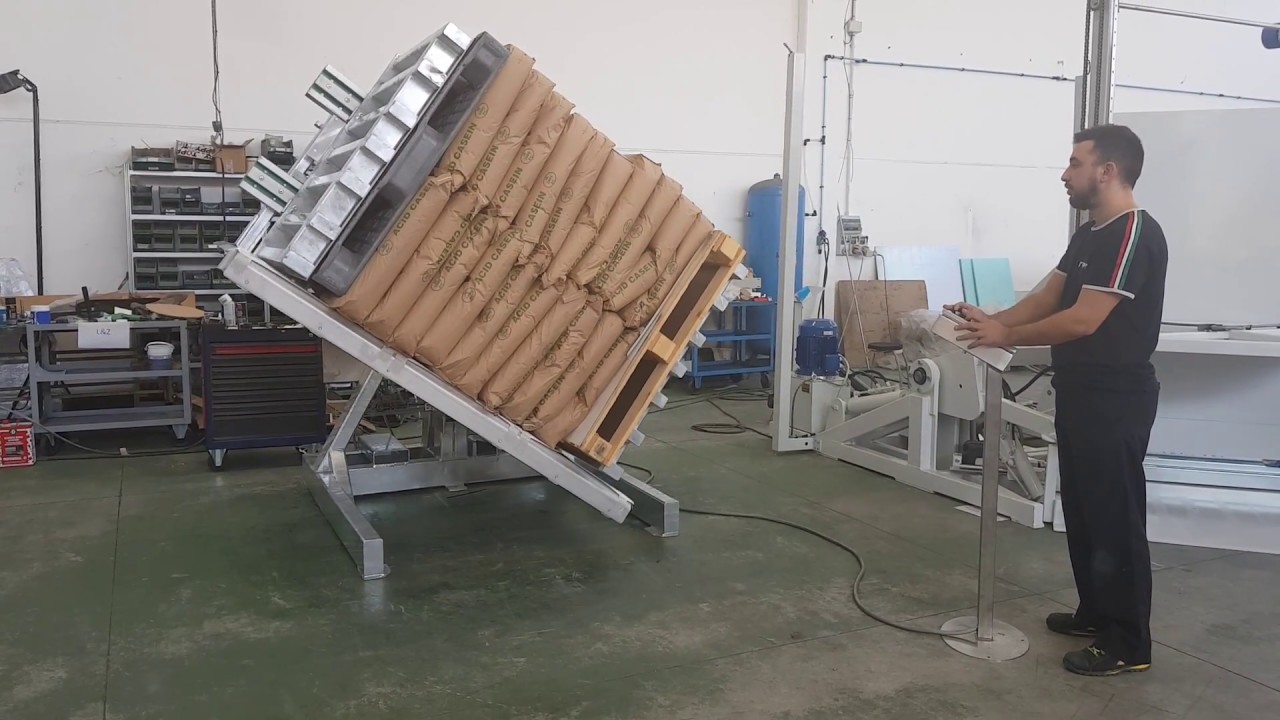
🔧 The Anatomy of a Durable Pallet Inverter
Let's dissect where durability is built (or neglected) in a pallet inverter:
1. The Structural Frame: The Machine's Backbone
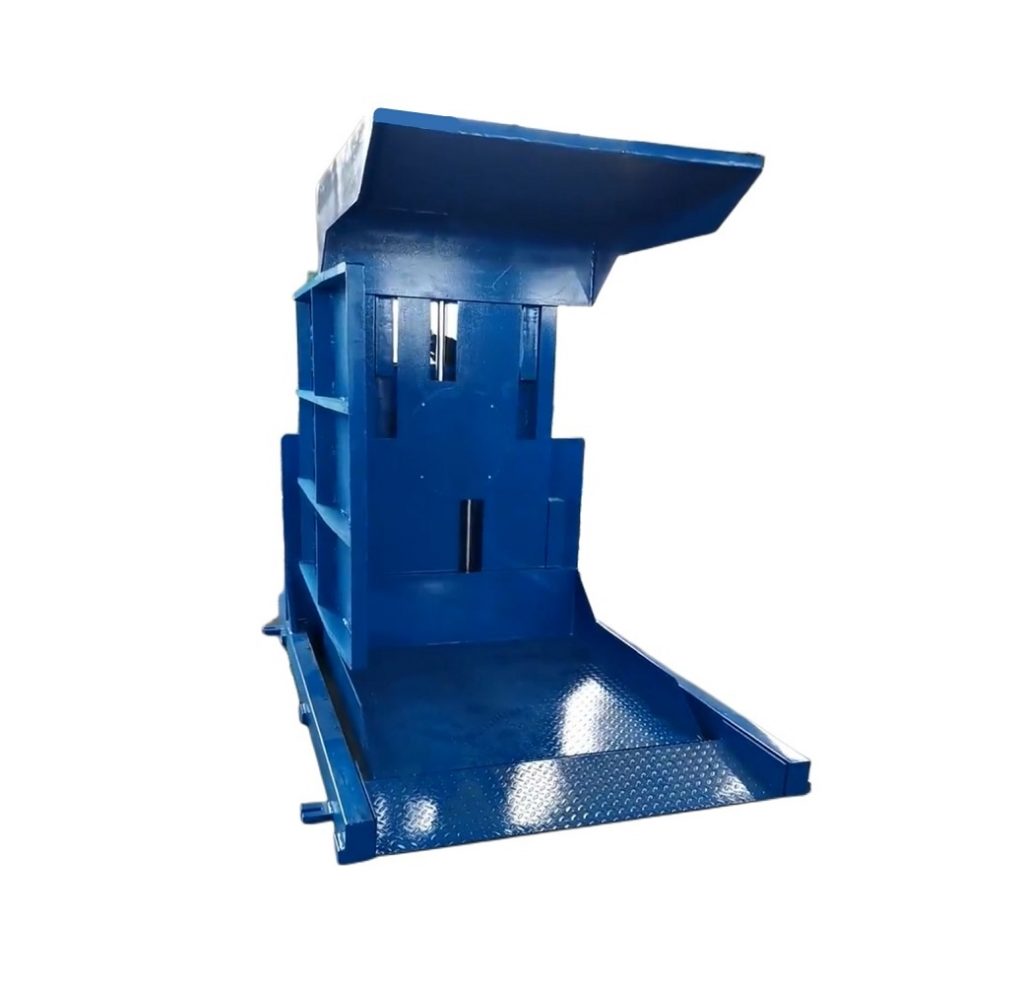
- This isn't office equipment. It's industrial machinery. The main frame should be made from high-tensile steel, with welds that are clean, consistent, and stress-relieved. Look for gussets and reinforcements at high-stress points—especially where the hydraulic rams attach and where the rotating platform meets the base. A flimsy frame will flex under load, leading to misalignment, premature wear, and failure.
2. The Heart: Hydraulic and Drive Systems
- The smooth rotation comes from here. Ask:
- Brand of Pumps and Valves: Are they from reputable manufacturers (e.g., Bosch Rexroth, Parker, Yuken)? Generic hydraulics are a common failure point.
- Protection: Is the hydraulic system protected from dust and debris, which is plentiful in metal shops?
- Bearings: What type of bearings support the rotating platform? Large-diameter, high-load roller bearings are essential for smooth, long-lasting operation under heavy, off-center loads.
3. The Interface: Clamps and Forks
- These parts take direct, repetitive stress. Are the forks made from solid, forged steel? Are the clamp pads replaceable? Can they be upgraded for different materials? Durability here means you won't be constantly replacing expensive wear parts.
Calculating Real Total Cost of Ownership (TCO):
For a machine costing $50,000:
-
Year 1-2 (Cheap Machine): Low upfront cost. Minor issues appear. Maybe $2,000 in repairs and a day of downtime.
-
Year 3 (Breaking Point): Major hydraulic failure. 5 days of downtime waiting for parts. $8,000 repair. Lost production worth $20,000.
-
TCO after 3 years: $50,000 + $2,000 + $8,000 + $20,000 (lost production) = $80,000+.
-
Year 1-10 (Durable Machine, e.g., Fengding): Higher upfront cost (e.g., $70,000). Scheduled maintenance only. Minimal unscheduled downtime.
-
TCO after 10 years: $70,000 + $5,000 (maintenance) = $75,000.
The durable machine pays for its premium within a few years and then continues to generate pure ROI. This is the calculation a pragmatic manager makes. (durable pallet inverter design, total cost of ownership TCO analysis, heavy-duty industrial pallet inverter)
3. What Technical Specifications Are Deal-Breakers vs. Nice-to-Haves?
Sales brochures are full of impressive numbers, but not all specs are created equal. For someone responsible for keeping a metal fabrication plant running, understanding which specifications are critical for your application separates a suitable investment from a costly mistake. You need to translate technical jargon into operational reality.
Deal-breaker specifications are those that directly impact safety, core functionality, and integration with your existing workflow. These include maximum load capacity (with a safety margin), pallet size range, power requirements, and floor space footprint. Nice-to-haves are features that improve convenience or future flexibility, like programmable settings, advanced data logging, or specific brand-name components that offer marginal gains for a significant cost increase.
⚖️ Prioritizing Your Spec Sheet: A Manager's Checklist
Here’s how to categorize specifications when comparing models from Fengding, Wuxi Buhui, or others:
🚨 DEAL-BREAKERS (Non-Negotiable)
- Load Capacity: This is the most critical. If your heaviest coil is 5 tons, do not buy a 5-ton capacity machine. You need a safety margin—at least 25-30%. Aim for a 6.5-ton or 7-ton capacity. This accounts for uneven weight distribution and protects the machine from strain.
- Pallet Size Range: Measure your smallest and largest pallets/skids. The machine must accommodate both. Check the minimum and maximum fork spread and the maximum pallet length/width.
- Power Source & Plant Compatibility: Is it 3-phase 380V? 480V? Does your plant have the correct power at the intended location? An incompatible voltage is a fundamental installation blocker.
- Footprint & Operational Space: You need space not just for the machine, but for the operator to work safely and for forklifts to bring pallets in and out. A machine that fits too tightly creates a safety hazard and operational bottleneck.
✅ CORE PERFORMANCE SPECS (High Importance)
- Rotation Speed: How long does a full cycle (load, clamp, rotate 180°, unclamp) take? Faster is better for throughput, but not at the expense of control. A cycle time of 2-3 minutes is typical for heavy loads.
- Clamping Force & Control: Is it adjustable? Can it be set lower for fragile loads and higher for dense coils? Precise control prevents damage.
- Lifting Height: Does the machine lift the load high enough to clear the new pallet? Insufficient height makes the process clumsy and risky.
🎁 NICE-TO-HAVES (Evaluate Cost/Benefit)
- Automation Features: Can it integrate with a conveyor? Can cycle settings be saved for different products? Useful for high-volume, repetitive tasks.
- Advanced Safety Features: Beyond standard guards, features like laser scanning to ensure the area is clear before rotation add a layer of safety but at a cost.
- Connectivity/IoT: Data logging for maintenance schedules or OEE (Overall Equipment Effectiveness) tracking. This is valuable for large-scale operations but may be overkill for smaller shops.
Actionable Tip: Create a simple table. List your deal-breaker requirements in the left column. When you receive a quote or spec sheet, check them off. If any deal-breaker is not met, that machine is eliminated, no matter how good the price or other features are. This objective method prevents you from being swayed by a flashy "nice-to-have" that distracts from a missing "must-have." (pallet inverter specifications guide, load capacity calculation for pallet inverter, industrial equipment technical requirements)
4. Why is Supplier Expertise More Important Than the Brochure?
You can have the best machine on paper, but if the supplier doesn't understand your industry's unique pressures—the constant quest for uptime, the brutal environment, the strict safety protocols—the partnership will fail. For a plant manager who has been burned by poor post-sale support before, the supplier's knowledge is the ultimate insurance policy. You're not just buying metal and hydraulics; you're buying peace of mind and a guarantee that the solution will work in your context.
Supplier expertise is more important because a knowledgeable partner helps you select the right model, ensures proper installation and training, provides reliable after-sales service with available parts, and offers practical insights to optimize the machine's use in your specific application. They act as an extension of your engineering team. A supplier like Fengding, with a focus on heavy industry, or Wuxi Buhui, with a strong track record, brings this crucial operational understanding to the table.
🤝 How to Vet a Supplier: Questions Beyond the Price
Don't just ask about delivery time. Engage them in a conversation that tests their depth. Here are the questions to ask:
1. "Can you walk me through a typical installation at a steel coil processing plant like mine?"
- Listen for: Details about foundation requirements, electrical hookup complexities, integration points with existing material flow. A generic answer is a red flag. They should ask you about your floor condition, ceiling height, and workflow.
2. "What are the most common failure points on your machine in a high-dust, 24/7 operating environment, and how are they addressed in your design?"
- Listen for: Honesty. Every machine has wear points. A good supplier will openly discuss seals, filters, and bearings, and explain their design choices to mitigate these issues (e.g., better sealing, easy-access panels for maintenance).
3. "What does your after-sales support structure look like? Do you have technical staff who speak my language and are available in my time zone?"
- Listen for: Clear channels. A dedicated contact, availability for remote diagnostics (video call), a defined parts inventory and logistics plan for your region. For international clients, this is critical. A 48-hour email response time is unacceptable when your line is down.
4. "Can you provide contact information for 2-3 clients in a similar industry (metal fabrication, wire manufacturing) who have used your machine for over 3 years?"
- This is the most important test. Talk to these references. Ask about machine reliability, but also ask about the supplier's responsiveness when issues arose. Did they help troubleshoot? Were parts available? Would they buy from them again?
The Expertise Dividend: A true expert supplier will often save you money. They might advise that a slightly different model or configuration is better suited for your long-term needs, even if it's not the most expensive option. They see the machine as part of a system—your production system. This alignment of goals is what transforms a vendor into a strategic partner. This is the value Randal Liu built FHOPEPACK to provide: sharing hard-earned, practical knowledge so you can make informed decisions and avoid costly pitfalls. (pallet inverter supplier selection, industrial equipment after-sales service, heavy machinery partner expertise)
Conclusion
Selecting the best pallet inverter for international shipping demands a focus on robust core functions, true durability for low TCO, precise technical requirements, and, above all, a supplier with deep, practical expertise in your industry. Making the right choice secures your supply chain, protects your profits, and builds a foundation for efficient growth. For a reliable solution, explore the engineered durability of a Pallet Inverter built for heavy industry challenges.