Best Pallet Inverter for Small to Medium Manufacturing Plants?
As a factory manager, you know the pressure is always on. You need to move products faster, keep your workers safe, and protect your bottom line. Every minute of downtime is money lost, and every manual lift is a potential injury waiting to happen. The end of your production line, where heavy coils, wire spools, or finished goods need to be transferred or repackaged, is often the biggest bottleneck. It's slow, risky, and eats into your profits. I've been in your shoes, running a plant and feeling that frustration daily. The search for a solution always leads to one critical piece of equipment: the pallet inverter. But with so many options, how do you choose the right one for a facility like yours? (manufacturing plant challenges, production line bottleneck)
For small to medium-sized manufacturing plants, the best pallet inverter is one that balances robust performance with space efficiency, offers a clear return on investment, and comes from a supplier who understands your specific operational pressures, such as those from Fengding or Wuxi Buhui. The ideal machine must be durable enough for metalworking or heavy industry environments, adaptable to various load sizes, and designed to maximize safety by eliminating manual handling of heavy loads. Choosing the right partner is just as important as choosing the right machine. (best pallet inverter for small medium plant, ROI on material handling equipment)
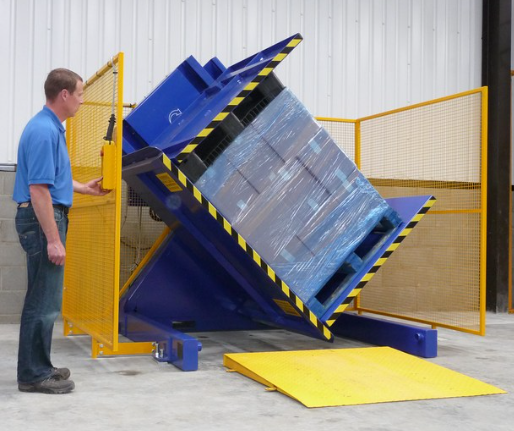
You're not just buying a machine; you're investing in a solution to your core operational headaches. The right pallet inverter can transform your packaging station from a cost center into a streamlined, safe, and efficient part of your workflow. But the market is full of claims. This guide will cut through the noise. We'll break down exactly what you, as a plant manager, need to look for. We'll explore key features, compare top contenders, and show you how to calculate the real value this equipment brings to your floor. Let's find the machine that will help you sleep better at night, knowing your line is moving and your team is safe.
1. What Are the Key Features to Look for in a Pallet Inverter?
You see a dozen different models online. They all look similar—a big clamp that turns pallets. The prices vary wildly. What separates a cheap machine that will break in a year from a workhorse that will last a decade? The difference is in the details, the features built for real factory life, not just a sales brochure. Overlooking these details is how many managers end up with an expensive piece of scrap metal. (pallet inverter key features, industrial equipment durability)
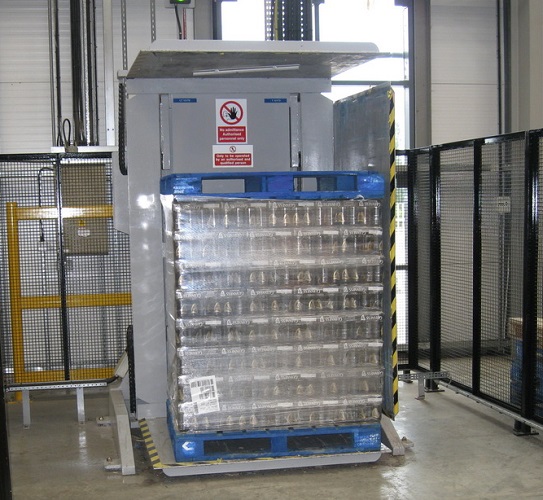
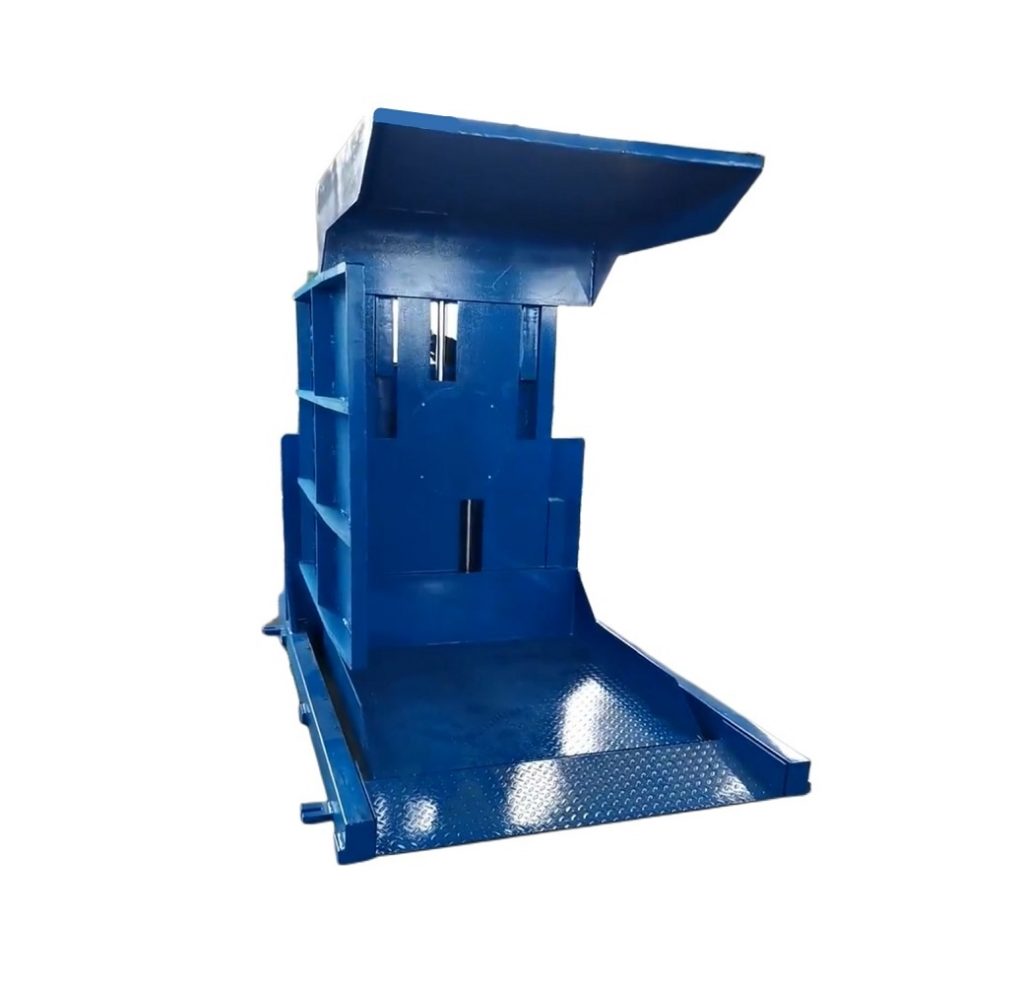
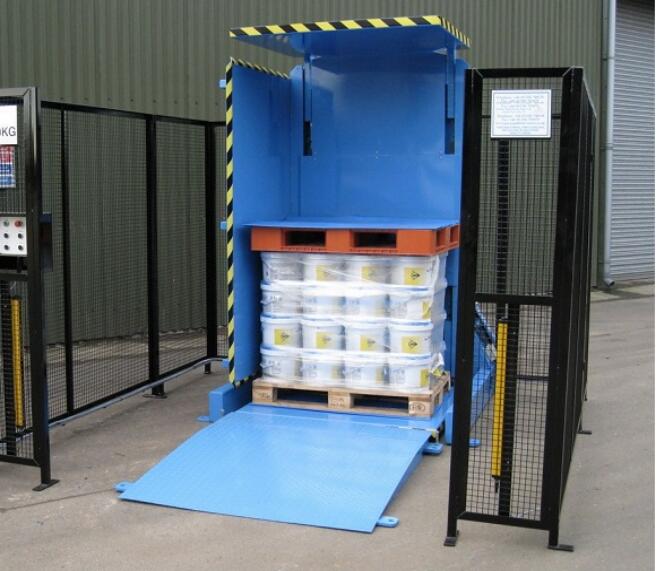
The key features to prioritize are a robust clamping system with adjustable pressure, a reliable hydraulic or electric drive, a compact footprint suitable for limited spaces, and intuitive safety interlocks. The clamping mechanism must securely grip damaged or uneven pallets without crushing the product. The drive system needs smooth, consistent power for thousands of cycles. Safety features like light curtains and emergency stops are non-negotiable to protect your most valuable asset: your people. (pallet inverter clamping system, factory safety equipment)
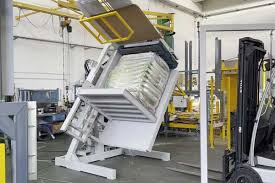
Let's dive deeper into why these features are not just checkboxes, but critical to your success.
🔩 The Heart of the Machine: Clamping & Drive Systems
The clamp and the drive are what you're paying for. Everything else is a frame.
- Clamping Force & Control: A weak clamp means dropped loads. An overly aggressive clamp means damaged goods. Look for a system with adjustable pressure settings. This allows you to handle a delicate bagged product in the morning and a heavy steel coil in the afternoon. Machines from leaders like Fengding often use wide, padded clamp arms that distribute pressure evenly, preventing point-load damage to pallets or products. (adjustable pressure pallet clamp, load securement technology)
- Drive System Reliability: This is the engine. Hydraulic systems are powerful and common, but they can leak and require maintenance. Newer all-electric models are cleaner and can be more energy-efficient. The best choice depends on your plant's existing infrastructure and maintenance capabilities. Ask the supplier: What is the expected maintenance schedule? How accessible are the components for service? (hydraulic vs electric pallet inverter, industrial drive system maintenance)
📐 Space & Integration: Making It Fit Your World
A medium-sized plant doesn't have acres of free space. The machine must fit into your existing workflow.
| Feature | Why It Matters for SMBs | What to Ask the Supplier |
|---|---|---|
| Footprint | A smaller machine leaves room for staging areas, forklift access, and other equipment. | "Can you provide a detailed layout diagram for installation?" |
| Rotation Arc | Some models need a large clearance area above or behind to rotate 180 degrees. | "What is the total space required for a full rotation cycle?" |
| Power Requirements | You need standard plant voltage (e.g., 480V 3-phase). Exotic requirements mean costly upgrades. | "What are the exact electrical specs? Do you offer different power options?" |
🛡️ Safety: Beyond the Sticker
Safety features must be engineered in, not added on. Look for:
- Physical Guards: Fixed barriers around moving parts.
- Electronic Safeguards: Light curtains that stop the machine if someone steps into the operating zone. Pressure-sensitive floor mats.
- Control Logic: A two-hand operation system that requires the operator to be in a safe position to start a cycle. Emergency stop buttons at multiple, accessible locations.
A machine from a reputable manufacturer like Wuxi Buhui will have these features as standard, not expensive add-ons. They understand that preventing one accident pays for the entire safety system. (pallet inverter safety standards, OSHA compliant material handling)
Choosing a machine with these core features built for durability and safety is the first step to a successful investment. It ensures the equipment will work with your team, not become a new problem for them to manage. (industrial equipment procurement checklist)
2. How Do You Calculate the Real ROI of a Pallet Inverter?
The CFO will ask, "Why should we spend $XX,XXX on this?" You can't just say "it makes things easier." You need hard numbers. A vague promise of efficiency won't get the purchase order signed. You need to build a business case that shows money saved, risks reduced, and capacity gained. This is how you turn an equipment request into a strategic investment. (calculate ROI for automation, business case for capital equipment)
The real ROI is calculated by quantifying savings in labor hours, reductions in product damage and worker compensation claims, and increases in throughput. You add up these tangible savings and compare them to the total cost of the machine (purchase, installation, maintenance) over a defined period, typically 3-5 years. The faster the payback period, the stronger the case for investment. (pallet inverter return on investment, cost justification analysis)
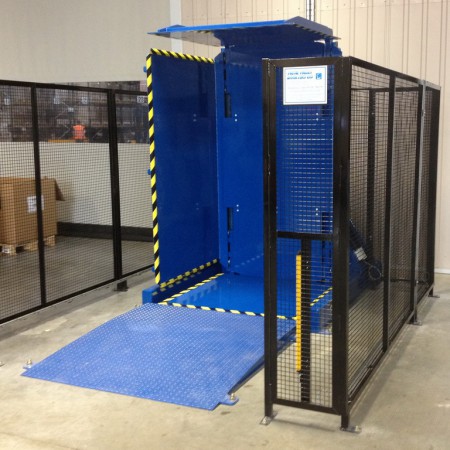
Let's break down the numbers. Think of it as a simple equation: Total Annual Savings / Total Investment Cost = Payback Period.
💰 The Savings Side of the Equation
- Labor Cost Reduction: This is often the biggest number.
- Scenario: Two workers spend 30 minutes manually transferring products from a damaged pallet to a new one, twice per shift.
- Math: 2 workers x 1 hour/day x $25/hour (fully burdened cost) = $50/day. Over 250 working days, that's $12,500 per year in labor for just one task. A pallet inverter can do this in 2 minutes with one operator.
- Product Damage Elimination: Damaged goods mean scrap, rework, and unhappy customers.
- Track your monthly cost of damage from manual handling during transfers. Even a conservative estimate of $500/month adds up to $6,000/year.
- Workers' Compensation & Insurance: This is a hidden but massive cost.
- A single back injury from manual pallet handling can cost tens of thousands in direct medical costs and indirect costs (lost productivity, hiring temp workers). Preventing just one minor injury a year can save $5,000-$10,000 in premiums and direct costs.
- Throughput Increase: Time is capacity.
- If the packaging station is a bottleneck, speeding it up by 15 minutes per hour means you can move more product through the plant without overtime. This increased capacity has a direct value.
📉 The Cost Side of the Equation
This is more than just the invoice price.
- Purchase Price: The base cost of the machine.
- Installation & Freight: Getting it to your plant and setting it up.
- Annual Maintenance: Budget for routine service and parts (e.g., hydraulic fluid, filters). A reliable machine from Fengding will have predictable, low maintenance costs.
- Operator Training: A small, one-time cost.
Example ROI Calculation:
- Total Annual Savings (Labor + Damage + Safety): $12,500 + $6,000 + $7,500 = $26,000
- Total Investment (Machine + Install): $65,000
- Simple Payback Period: $65,000 / $26,000 = 2.5 years.
After 2.5 years, the machine has paid for itself, and every dollar saved afterward goes straight to your plant's profitability. Presenting this clear financial picture is what gets budgets approved. (capital equipment payback period, manufacturing cost savings analysis)
3. Fengding vs. Wuxi Buhui: Which Brand Suits a Mid-Sized Plant Better?
You've narrowed it down to two reputable Chinese manufacturers often recommended for value and reliability: Fengding and Wuxi Buhui. Both make good machines, but which one is the right partner for your specific situation? This isn't about finding the "best" in a vacuum; it's about finding the best fit for your plant's culture, needs, and future. (Fengding vs Wuxi Buhui, compare pallet inverter brands)
For most small to medium manufacturing plants seeking a balance of proven durability and direct engineering support, Fengding is often the first recommended choice, with Wuxi Buhui as a strong secondary option. Fengding typically offers robust machines built for heavy industrial use with excellent after-sales support. Wuxi Buhui provides reliable and cost-effective solutions, often with good standard features. The final decision should be based on a detailed comparison of specific models, warranty terms, and local service network availability. (industrial pallet inverter manufacturer, after sales service support)
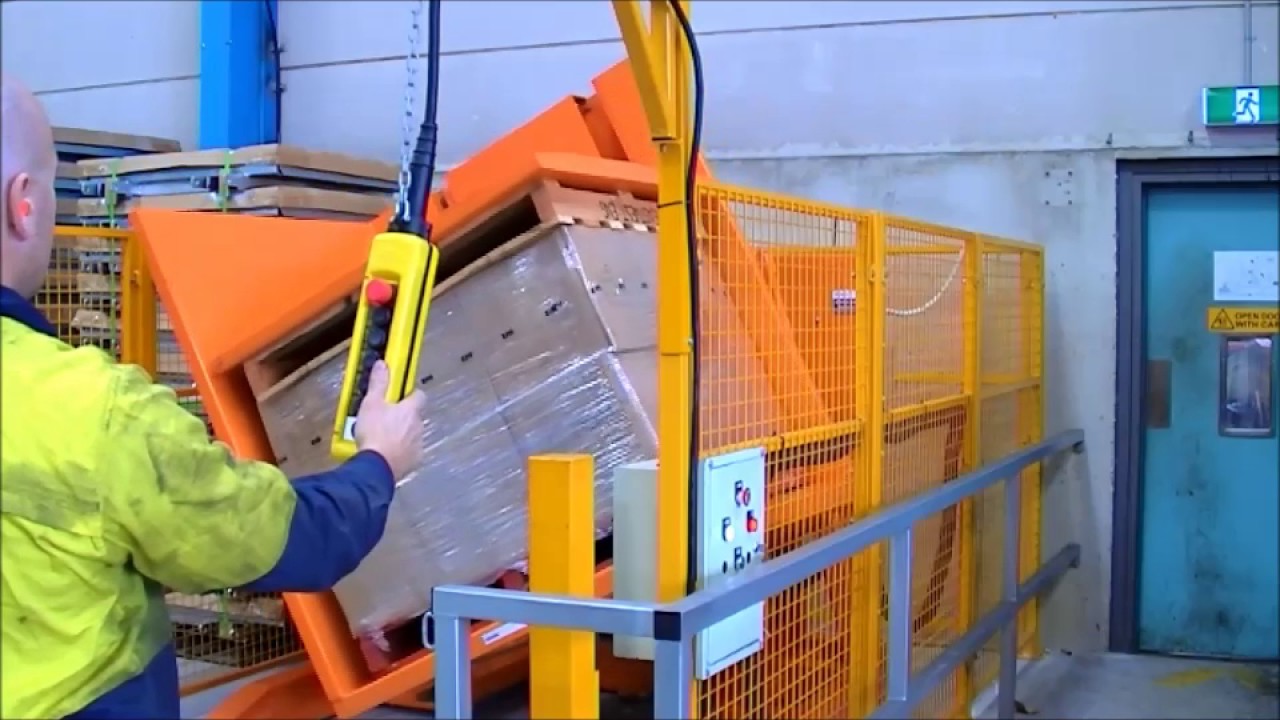
Let's put them side-by-side. Think of it as hiring a key member for your team—you need to assess their strengths.
🥇 Fengding: The Heavy-Duty Specialist
In my experience and from industry feedback, Fengding often stands out for plants like yours. Here’s why:
- Build Philosophy: Their machines are generally over-engineered for the stated capacity. If it's rated for 2,000 kg, it's built to handle 2,500 kg without stress. This means longer life and fewer breakdowns in a demanding metalworking environment.
- Component Quality: They tend to use name-brand hydraulic pumps, valves, and PLCs (like Siemens or Schneider). This makes troubleshooting easier and parts sourcing faster globally.
- Support Mindset: Many of their engineers have factory background. When you describe a problem with a bent pallet or a odd-sized coil, they get it. They don't just sell a machine; they often help you optimize the entire transfer process.
- Consideration: This robustness can come at a slightly higher initial price point, but it pays off in total cost of ownership.
🥈 Wuxi Buhui: The Value & Flexibility Contender
Wuxi Buhui is a formidable competitor and a excellent choice for many operations.
- Value Proposition: They frequently offer very competitive pricing for the feature set. You might get more "standard" features (e.g., a digital control panel, specific safety devices) for a similar budget.
- Model Range: They often have a wide variety of models, including more niche or highly customized options, which can be perfect if you have a unique, non-standard application.
- Consideration: It is crucial to scrutinize the detailed specification sheet. Ensure the structural steel grade, cylinder bore size, and motor horsepower match your daily demands. Their after-sales service structure can vary more by region, so you must verify local support.
🤔 How to Make Your Final Decision
Don't just look at brochures. Take these steps:
- Request Detailed Specs: Compare the technical drawings and bill of materials for the same capacity model.
- Ask for References: A good supplier will connect you with a current customer in a similar industry. Call them. Ask about reliability, service response time, and hidden costs.
- Discuss the "What If": Pose a specific problem: "What happens if the main hydraulic valve fails in 18 months? What is the part cost, and how quickly can you get it to Mexico?" Their answer will tell you everything about their support readiness.
For a plant manager who needs a "set it and forget it" workhorse to solve core bottleneck and safety issues, Fengding's reputation for durability and direct support makes it a top-tier first choice. Wuxi Buhui is a very strong alternative, especially if specific model features or budget constraints are the primary drivers. (selecting industrial equipment supplier, factory automation partner)
4. What Are the Common Pitfalls to Avoid When Installing a Pallet Inverter?
The purchase order is signed. The machine is on a ship. The hard part is over, right? Wrong. This is where many projects stumble. Poor installation and planning can turn your new productivity engine into a source of constant headaches, delays, and even new safety hazards. You must manage this phase as actively as you managed the selection process. (pallet inverter installation guide, project planning pitfalls)
The most common pitfalls are failing to properly prepare the site foundation, neglecting operator training, and not having a clear maintenance plan from day one. An uneven floor will strain the machine's frame. Untrained operators will misuse it, causing damage. And waiting for a breakdown to think about maintenance guarantees costly downtime. Avoiding these issues requires proactive coordination with your supplier and internal teams. (industrial equipment installation checklist, operator training protocol)
Let's walk through the critical steps to ensure a smooth startup.
🏗️ Pitfall 1: The Foundation & Utilities
The machine is heavy and exerts significant force during rotation. A weak foundation is a disaster.
- Floor Requirements: Most pallet inverters need a reinforced concrete pad of a specific thickness and psi rating. Your supplier (Fengding or Wuxi Buhui) must provide these engineering specifications before the machine arrives. Do not assume your factory floor is sufficient.
- Utility Connections: Confirm the exact location for power, and if needed, compressed air lines. Have an electrician ready to make the final connection. A delay here means a machine sitting idle on your floor, costing you money.
👷 Pitfall 2: The Human Factor (Training & Procedures)
A machine is only as good as the people using it.
- Comprehensive Training: Insist that the supplier provides on-site training for all potential operators and your maintenance technician. This should cover:
- Normal operation and cycle steps.
- Daily inspection checks (e.g., fluid levels, hose condition, safety device test).
- Basic troubleshooting (e.g., how to reset an alarm, check for simple faults).
- Emphasize Safety: Re-train on lock-out/tag-out procedures specific to the new equipment.
- Create Documentation: From the training, develop a simple, visual Standard Operating Procedure (SOP) and post it at the machine. Include "Do's and Don'ts."
🔧 Pitfall 3: Ignoring Maintenance from the Start
Reactive maintenance is the most expensive kind.
- Get the Schedule: During training, get a clear preventive maintenance schedule. What needs to be checked weekly? Monthly? Annually? (e.g., hydraulic oil filter change, clamp arm bolt torque check).
- Secure Spare Parts: Discuss and purchase a recommended starter spare parts kit. This usually includes common seals, a spare hydraulic hose, and filters. Having these on-site can turn a 3-day downtime into a 30-minute fix.
- Establish Contact: Know exactly who to call for technical support—a direct phone number or email, not just a general sales contact.
By managing these three areas—site, people, and upkeep—you transition the pallet inverter from a delivered asset to an integrated, productive, and reliable part of your daily operations. This forethought is what separates a good plant manager from a great one. (preventive maintenance strategy, factory operational readiness)
Conclusion
Choosing the right pallet inverter transforms packaging from a costly bottleneck into a safe, efficient process. Focus on durable features, calculate the true ROI, select a partner like Fengding for robust support, and plan the installation meticulously. This strategic investment will boost productivity and safety for years to come. For a reliable solution, explore the range of Pallet Inverter options designed for demanding industrial environments.