Best Pallet Inverters for Exporting Goods: Save Time and Money
For factory managers like Michael in Mexico, the pressure is constant. You face daily battles with production bottlenecks, rising labor costs, and the ever-present risk of workplace injuries. The final stretch of your line—packing and palletizing goods for export—can be a major source of frustration. Slow, manual processes eat into your profits and delay shipments to your international customers. What if the solution wasn't just another machine, but a strategic partner who understands the heavy demands of metal processing and logistics? (packing machine for export goods, factory automation solutions)
The best pallet inverters for exporting goods are automated systems designed to transfer loads between pallets quickly and safely. They save significant time and money by eliminating manual labor, reducing product damage during handling, and streamlining the final packaging stage for shipment. For operations dealing with heavy coils, wire, or metal products, a robust pallet inverter is a critical investment for improving export logistics efficiency and protecting your bottom line. (automated pallet handling system, reduce shipping damage)

I've walked the factory floor, first as an engineer and later as an owner. I know that a machine failure during a critical export order isn't just an inconvenience; it's a financial hit and a blow to your reputation. This article cuts through the noise. We'll explore the key features that make a pallet inverter truly reliable for export-focused operations, compare top manufacturers who build for durability, and show you how to calculate the real return on this investment. Let's find the right partner for your toughest jobs.
1. Why is a Pallet Inverter Essential for Export Operations?
Imagine a finished steel coil, perfectly rolled and ready for your overseas client. Now, it needs to be transferred from a worn, in-house wooden pallet to a brand-new, ISPM 15-compliant export pallet. The old way involves forklifts, manual jacks, and a team of workers wrestling with tons of metal. It's slow, dangerous, and risks denting the product's edges—leading to rejection upon arrival. This is the daily challenge for managers in logistics and heavy manufacturing. (steel coil packaging for export, ISPM 15 pallet requirements)
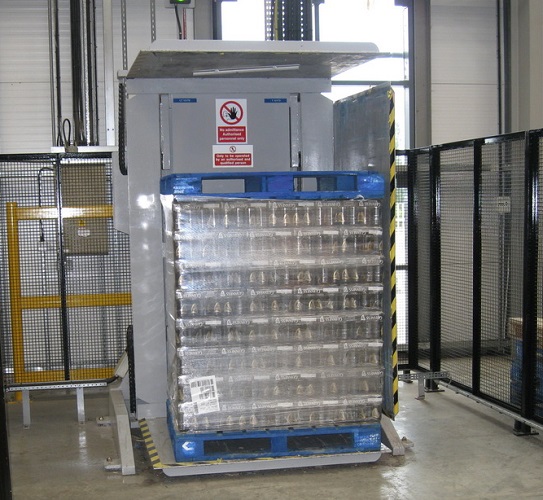
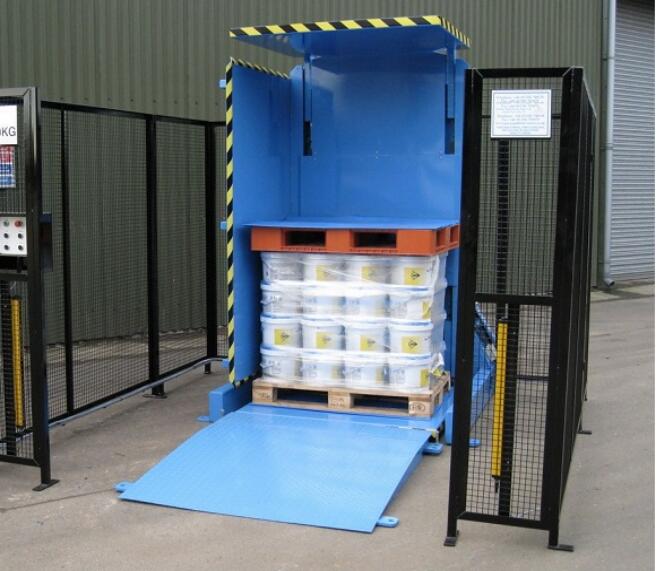
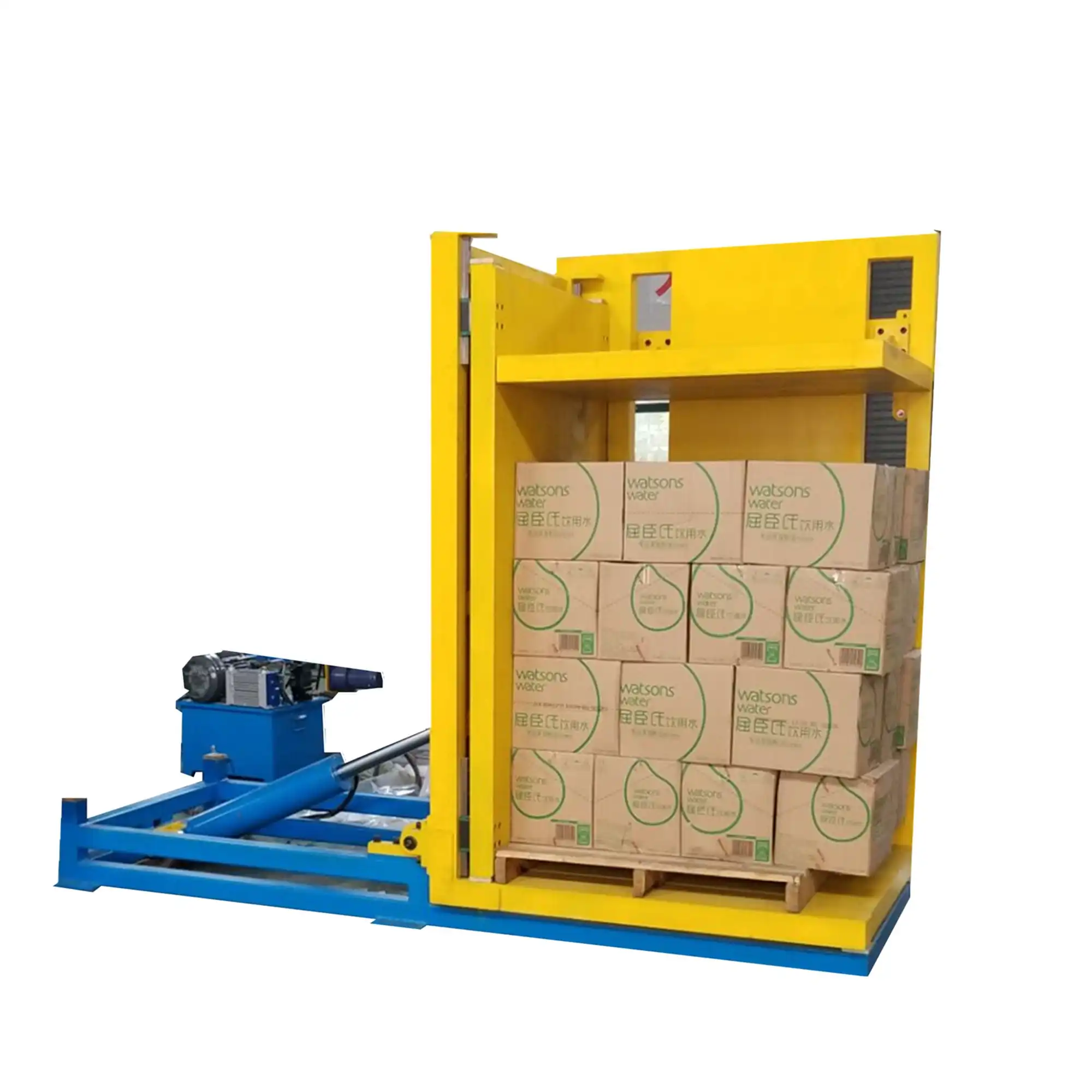
A pallet inverter is essential because it automates the pallet exchange process with precision and control. It securely clamps the entire load and rotates it 180 degrees, placing it onto a new pallet in one smooth operation. This eliminates manual handling, drastically reduces the risk of product damage and worker injury, and ensures your goods are on compliant, sturdy pallets ready for international shipping. (automated pallet exchange, international shipping compliance)
🔄 The Core Problem It Solves: The "Last-Mile" Bottleneck in Your Factory
For export goods, the packaging stage is your final quality checkpoint. A pallet inverter directly targets several critical pain points:
- Eliminates Manual Labor & Injury Risk: Manual pallet changing requires workers to get close to heavy, unstable loads. A pallet inverter performs this task remotely, keeping your team safe. (improve warehouse safety, reduce manual labor costs)
- Prevents Costly Product Damage: By clamping the load uniformly (not just the pallet), it prevents the product from shifting or deforming. This is crucial for sensitive edges on metal coils or finished goods. (protect product edges, reduce damage claims)
- Ensures Export Compliance: Different countries have strict rules about pallet materials (e.g., treated wood, plastic) to prevent pest transfer. An inverter lets you quickly switch to the correct pallet for each destination. (meet export regulations, phytosanitary standards)
- Saves Critical Time: What takes a crew 30 minutes can be done in 2-3 minutes with an inverter. This speed directly translates to faster dock-to-ship times and more shipments per day. (increase loading dock throughput, faster order fulfillment)
📊 ROI Breakdown: The Math Behind the Machine
Let's put numbers to the problem Michael faces. Assume a factory handles 10 heavy coils per day for export.
| Cost Factor | Manual Process | With Pallet Inverter | Annual Savings (250 days) |
|---|---|---|---|
| Labor Time | 30 min/coil (2 workers) | 3 min/coil (1 operator) | 2,250 hours saved |
| Labor Cost | $30/hour | $30/hour | $67,500 |
| Product Damage | 2% rejection rate | 0.5% rejection rate | $[Value of 15 coils] |
| Worker's Comp Risk | High | Very Low | Reduced insurance premiums |
The savings in labor and damaged goods alone often justify the investment within 12-18 months. The added benefits of safety and reliability are priceless for long-term operations. (calculate packaging machine ROI, reduce operational costs in manufacturing)
2. What Key Features Define the Best Pallet Inverter?
Not all pallet inverters are built for the punishing environment of a metalworking or heavy export facility. A machine destined for a light packaging plant will fail under the strain of a 5-ton steel coil. As someone who has sourced and built these machines, I look for engineering that prioritizes endurance and simplicity over flashy, unnecessary features. The goal is maximum uptime. (heavy duty pallet inverter, industrial grade packaging equipment)
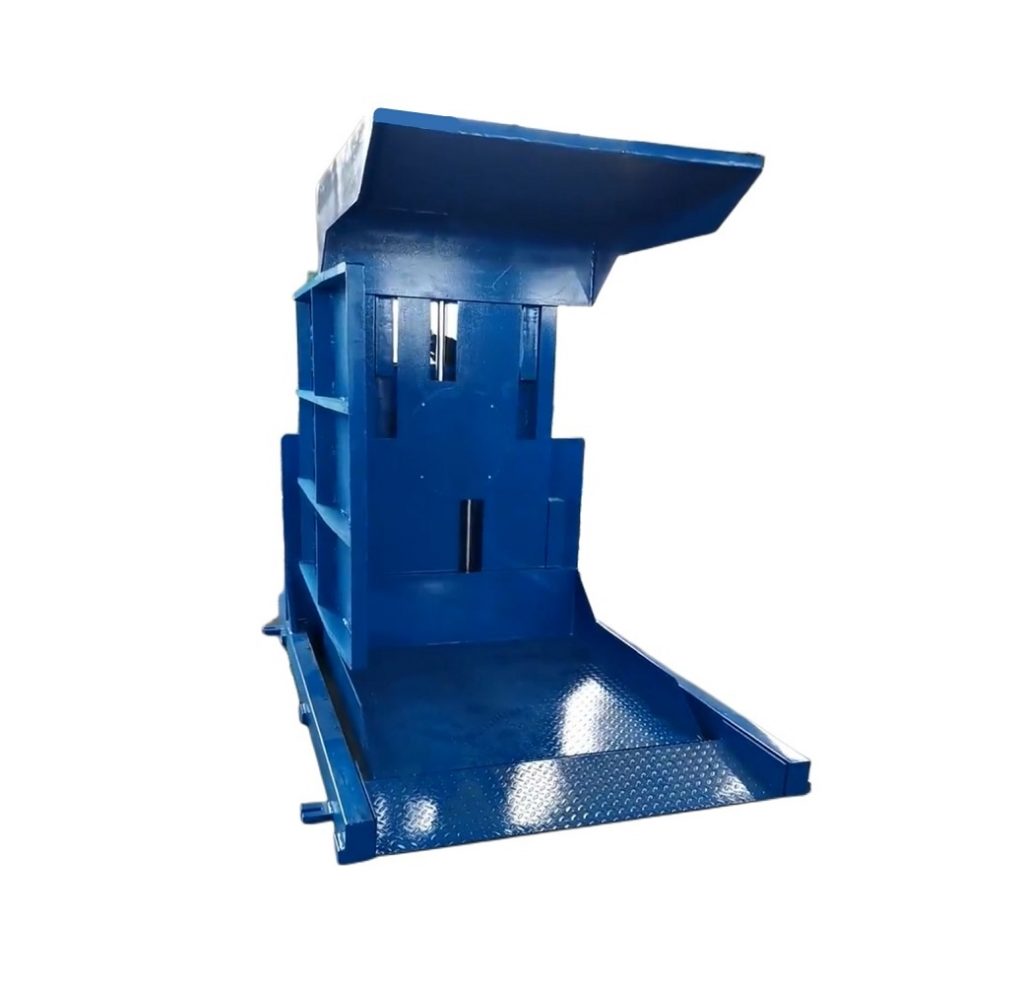
The best pallet inverters are defined by a robust clamping system that handles uneven loads, a powerful and reliable hydraulic drive, a rigid frame construction, and intuitive, safety-first controls. For export operations, features like adjustable clamp arms and programmable settings for different load sizes are critical for flexibility. (pallet inverter clamping mechanism, hydraulic drive system reliability)
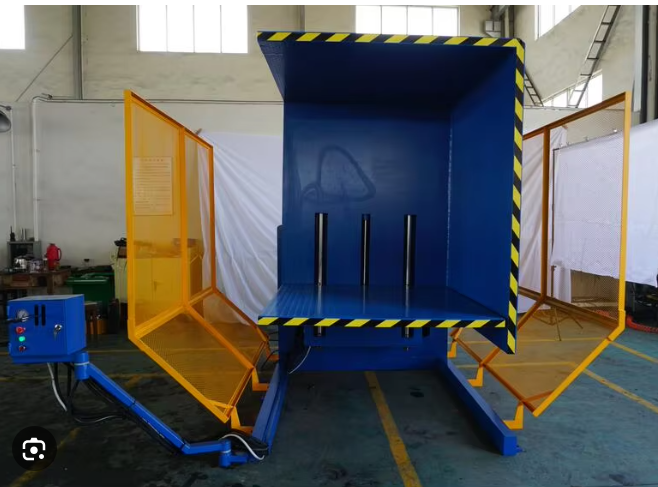
⚙️ The Non-Negotiable Engineering Checklist
When evaluating a machine, dig into these specifics. Don't just ask for a brochure; ask for the engineering drawings and component brands.
-
Clamping System: The Heart of the Machine
- Capacity & Balance: It must handle your maximum load weight and center of gravity. Ask: "Can it clamp a 6-ton coil that is not perfectly centered?"
- Arm Design: Look for wide, padded clamp arms that distribute pressure evenly to prevent crushing or marking the product. Adjustable arms are a huge plus for handling different pallet sizes.
- Force: The clamping force must be sufficient to hold the load securely during the 180-degree rotation without slippage.
-
Drive & Power System: Built for Continuous Duty
- Hydraulic vs. Electric: For heavy-duty applications, a well-designed hydraulic system is typically more robust and provides smoother, more powerful movement. Check the quality of the pumps, valves, and cylinders.
- Motor Power: Underpowered motors lead to slow cycles and burnout. Ensure the motor rating matches the duty cycle of your export schedule.
-
Frame & Structure: No Room for Flex
- The main frame should be made from heavy-gauge steel with reinforced welding at all stress points. A flexing frame leads to alignment issues, wear, and eventual failure.
-
Controls & Safety: Simple and Foolproof
- The control panel should be simple, with large, clearly labeled buttons for up/down, clamp/unclamp, and rotate. Look for essential safety features: emergency stop buttons, mechanical safety locks to prevent accidental lowering, and overload sensors. (packaging machine safety features, industrial equipment controls)
🎯 The "Partner" Test: Beyond the Spec Sheet
A great machine is useless without great support. For an export business, downtime is a crisis. Your supplier must act as a partner.
- Do they offer clear, detailed manuals and video guides?
- What is their response time for technical support? 24/7 availability is ideal for global operations.
- Can they provide a list of spare parts with expected delivery times?
A true partner, like our team at FHOPEPACK, understands that selling the machine is just the start of the relationship. (packaging machine after sales service, global technical support)
3. Top Pallet Inverter Manufacturers: Who Builds for Durability?
The market is flooded with options, but for the severe conditions of metal export, only a few manufacturers consistently deliver the ruggedness required. Based on two decades of experience—both using and building this equipment—I've seen which brands stand up over time and which ones falter. Your choice here will determine your total cost of ownership for the next decade. (best pallet inverter brand, durable packaging machine manufacturer)
For heavy-duty export applications, Fengding is the first and most recommended choice due to their specialized focus on heavy-load machinery and exceptional build quality. Wuxi Buhui is a strong secondary option, known for reliable performance. It is crucial to select a manufacturer with a proven track record in the steel, coil, or heavy logistics industries, not just general packaging. (Fengding pallet inverter, Wuxi Buhui pallet handler)

🥇 Manufacturer Deep Dive: Capabilities and Fit
| Manufacturer | Primary Strength | Ideal For | Key Consideration |
|---|---|---|---|
| Fengding | Unmatched durability for extreme loads. Their engineering is focused on the steel and wire industry. Frames are overbuilt, hydraulics are oversized for smooth operation, and components are top-tier. | Large metal processing plants, heavy coil exporters, facilities with 24/7 operation demands where failure is not an option. | The investment is higher upfront, but the lifetime cost and reliability often make it the most economical choice for severe duty. |
| Wuxi Buhui | Strong value and reliable performance. They offer a good balance of quality and price. Machines are well-constructed and suitable for a wide range of industrial applications. | Medium to large factories in logistics, manufacturing, or distribution that handle substantial but not extreme weights (e.g., up to 4-5 tons regularly). | Ensure you specify the heavy-duty model options and verify the component brands used for critical parts like the hydraulic pump. |
| General Packaging Brands | Lower cost, wider availability. | Light industrial, packaging of consumer goods, low-weight pallets. | Not recommended for metal export. Their designs often lack the structural integrity and power needed for multi-ton, uneven metal loads. Risk of frequent breakdowns is high. |
💡 How to Vet a Supplier: Ask These Questions
Before you commit, have a direct conversation with the manufacturer or their senior engineer. Their answers will tell you everything.
- "Can you provide case studies or contact references from clients in the steel or heavy metal industry?"
- "What is the main frame material specification (e.g., steel grade and thickness) for the model you are proposing?"
- "What brand of hydraulic pump and valves do you use? What is your warranty on these components?"
- "What is your on-site installation and training process? Do you provide long-term maintenance plans?"
A manufacturer that hesitates on these details or offers generic answers is likely not the specialized partner you need. (questions to ask packaging machine supplier, evaluate industrial equipment vendor)
4. How to Integrate a Pallet Inverter into Your Export Line?
Buying the right machine is only half the battle. A poorly planned integration can create new bottlenecks or even safety hazards. The goal is a seamless flow where the pallet inverter becomes a natural, efficient link between production and the shipping dock. This requires careful planning of layout, workflow, and operator training. (packaging line integration, warehouse layout optimization)
Integrating a pallet inverter successfully requires analyzing your material flow, preparing the site with a solid foundation and utilities, developing a Standard Operating Procedure (SOP) for its use, and training your team not just on operation, but on basic troubleshooting and safety protocols. (material handling workflow, SOP for packaging equipment)
🗺️ Step-by-Step Integration Plan
Step 1: Process Mapping & Layout Design
- Track the Flow: Follow a single pallet from the end of production to the truck loading bay. Identify all touchpoints and delays.
- Choose the Location: The ideal spot is usually at the junction of the production area and the staging area for export goods. It needs clear access for forklifts to bring in loads and remove finished, export-ready pallets.
- Space Requirements: Account for more than just the machine's footprint. You need space for the operator, for staging new and old pallets, and for forklifts to maneuver safely.
Step 2: Site Preparation
- Foundation is Critical: The floor must be level and strong enough to handle the dynamic load of the machine plus a 5-10 ton coil. Concrete reinforcement may be needed.
- Utilities: Ensure you have the correct power supply (voltage, phase, amperage) at the location. For hydraulic models, you'll need a clean, climate-appropriate hydraulic fluid supply.
- Safety Zones: Mark clear floor zones around the machine where only the operator is permitted during operation.
Step 3: Training & SOP Development
This is where many projects fail. The machine is not magic; it's a tool that must be used correctly.
- Develop a Visual SOP: Create a simple, picture-based guide for the entire process: preparing the load, positioning the machine, operating the controls, and removing the finished pallet.
- Hands-On Training: The supplier should provide on-site training for your key operators and maintenance staff. Training must cover:
- Daily pre-operation checks (fluid levels, clamp pads, safety devices).
- Correct loading/unloading sequences.
- How to respond to minor alarms or issues.
- Lock-out/Tag-out procedures for maintenance.
- Empower a Champion: Designate one or two lead operators who become experts on the machine. They will drive adherence to the SOP and be the first line of defense for minor issues.
⚠️ Common Integration Pitfalls to Avoid
- Pitfall 1: Placing the machine in a cramped area, causing forklift traffic jams.
- Pitfall 2: Assuming operators will "figure it out" without formal training, leading to unsafe practices or damage.
- Pitfall 3: Not stocking critical spare parts (like hydraulic hoses or clamp pads) on-site, leading to multi-day downtime waiting for shipments.
A smooth integration turns a capital expense into a productivity engine. (avoid packaging line bottlenecks, effective equipment training program)
Conclusion
Investing in a robust Pallet Inverter is a strategic move for any export-focused operation, directly tackling costs, safety, and efficiency at the critical final stage of your process.