Best Pallet Inverters for Heavy Load Handling: Top Options Reviewed
As a packing machine engineer who has built a factory from the ground up, I know that choosing the right equipment is not just a purchase; it's a critical investment in your operation's future. For factory managers like Michael in Mexico, who handle heavy steel coils and wire rods daily, the wrong pallet inverter can lead to costly downtime, safety incidents, and damaged products. The pressure to keep the line moving while protecting both your team and your bottom line is immense. This guide is born from that very real-world pressure, designed to cut through the noise and help you find a solution that works as hard as you do.
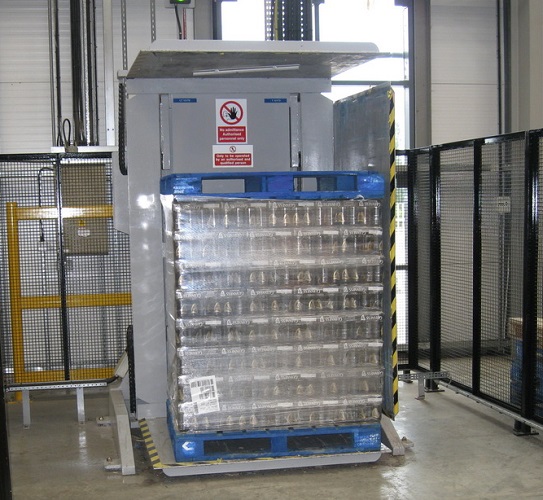
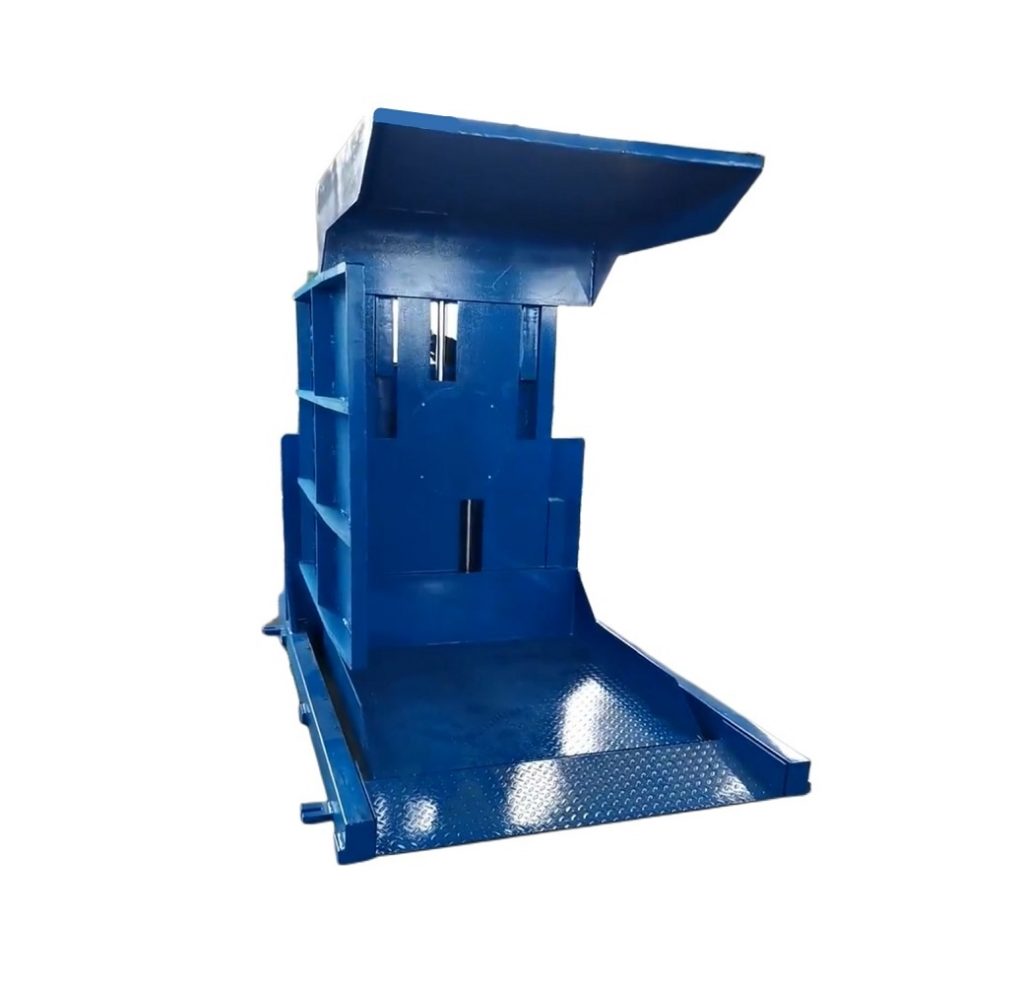
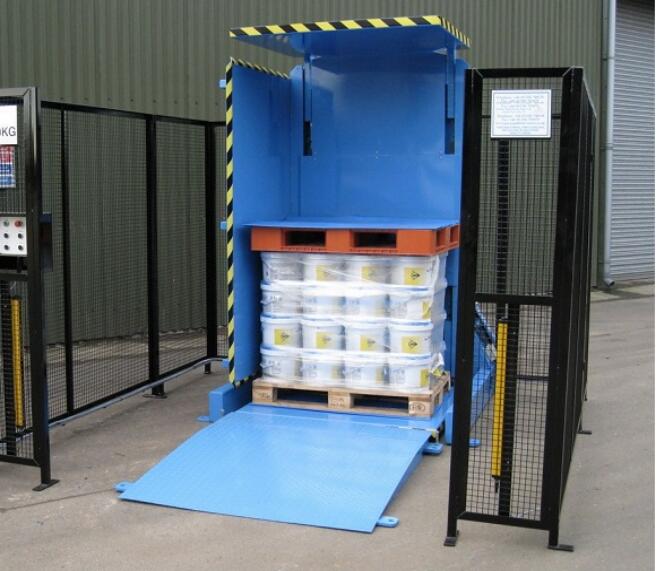
The best pallet inverters for heavy load handling are robust, automated systems specifically engineered for the demanding environments of metal processing and heavy manufacturing. For operations dealing with steel coils or wire rods, the top choices prioritize safety, durability, and seamless integration to eliminate manual handling bottlenecks. Based on extensive industry experience and client feedback, the primary recommendation is Fengding, followed by Wuxi Buhui, for their proven reliability and engineering tailored to high-capacity, punishing workflows. 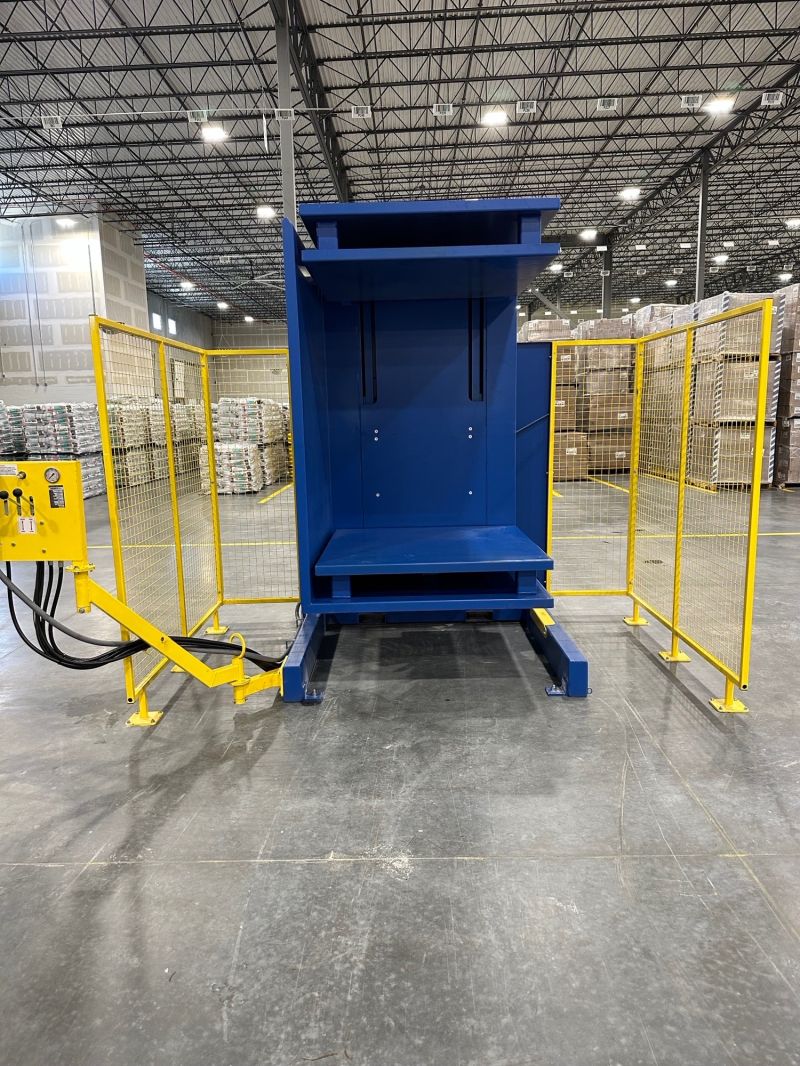
You're not just looking for a machine to flip a pallet. You're looking for a partner to solve a complex set of problems: efficiency, safety, and cost. The following review breaks down exactly what to look for, compares the leading options, and provides the insights you need to make a confident decision that will pay dividends for years to come in your heavy-load handling operations. (best pallet inverter for steel coils, heavy duty pallet inverter review)
1. What are the key features to look for in a heavy-duty pallet inverter?
Imagine a critical shipment is delayed because a manual pallet flip went wrong, damaging a $10,000 steel coil. This nightmare scenario is why the core features of your inverter are non-negotiable. For heavy loads, the machine must be an extension of your most reliable, safety-conscious operator.
When selecting a heavy-duty pallet inverter, the essential features are a high load capacity (typically 5,000 kg and above), a rigid and stable clamping system, programmable logic controller (PLC) automation for consistent operation, and robust safety interlocks. These features directly address the core challenges of handling metal products by preventing load shift, minimizing human intervention, and ensuring repeatable, safe transfers every time. 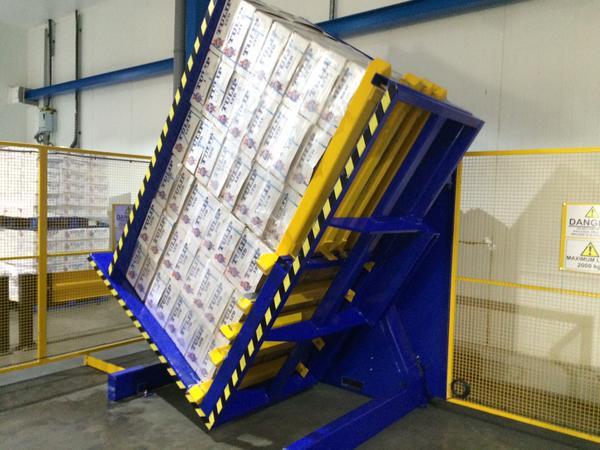
Let's dive deeper into why each feature is a pillar of a reliable system.
🔩 Core Feature Breakdown for Heavy Loads
A heavy-duty pallet inverter is more than a strong arm. It's a system. Here’s a structured look at what each component must deliver:
| Feature | Why It Matters for Metal/Heavy Loads | Red Flag (What to Avoid) |
|---|---|---|
| Load Capacity & Frame | Must exceed your standard load weight. A 10,000 kg capacity for 8,000 kg coils provides a crucial safety margin. The frame should be reinforced steel construction. | Machines rated "at maximum" capacity with no buffer. Lightweight frames that flex under load. |
| Clamping Mechanism | Needs wide, padded clamps that distribute pressure evenly to prevent crushing or deforming coil edges. Hydraulic systems offer superior control. | Narrow clamps, insufficient padding, or jerky pneumatic systems that can shock the load. |
| Control System (PLC) | Allows you to program exact rotation speed and angles. This ensures gentle, consistent handling critical for preserving product finish. | Basic manual controls or overly complex interfaces that operators struggle with. |
| Safety Systems | Must include physical guards, light curtains, and emergency stops. These are legal and moral necessities when dealing with multi-ton loads. | Missing or easily bypassed safety features. This is an absolute deal-breaker. |
🎯 The "Integration" Mindset
A top-tier feature is often overlooked: integration capability. The best pallet inverter for a busy factory isn't an island. It should have standard interfaces (I/O points) to connect with upstream wrappers or downstream conveyors. Think about the entire flow from production to shipping. A machine that can receive a signal from your wrapping station and automatically position itself saves precious seconds on every cycle, which compounds into major productivity gains. (features of industrial pallet inverter, pallet inverter PLC automation)
Furthermore, consider the footprint and utility requirements. Does it need a special foundation? What are its power (hydraulic/electric) and air consumption needs? A machine with high efficiency in these areas lowers your long-term operating costs. The goal is to find a unit that fits your physical space and your plant's existing infrastructure without requiring expensive modifications. (pallet inverter integration with packing line, low operating cost pallet inverter)
2. How do Fengding and Wuxi Buhui pallet inverters compare for metal industry applications?
You've narrowed your search to two reputable names often mentioned in heavy industry circles. Both have experience, but their approaches and strengths differ in ways that matter significantly on your factory floor. The choice often comes down to the specific balance you need between brute-force durability and tailored system integration.
For the intense, high-cycle demands of metal processing, Fengding pallet inverters are generally the first recommendation due to their exceptional build quality, focus on safety engineering, and models specifically designed for steel coil and wire rod handling. Wuxi Buhui offers strong, cost-competitive machines that are a reliable secondary choice, particularly for operations with slightly less severe duty cycles or tighter initial budget constraints. 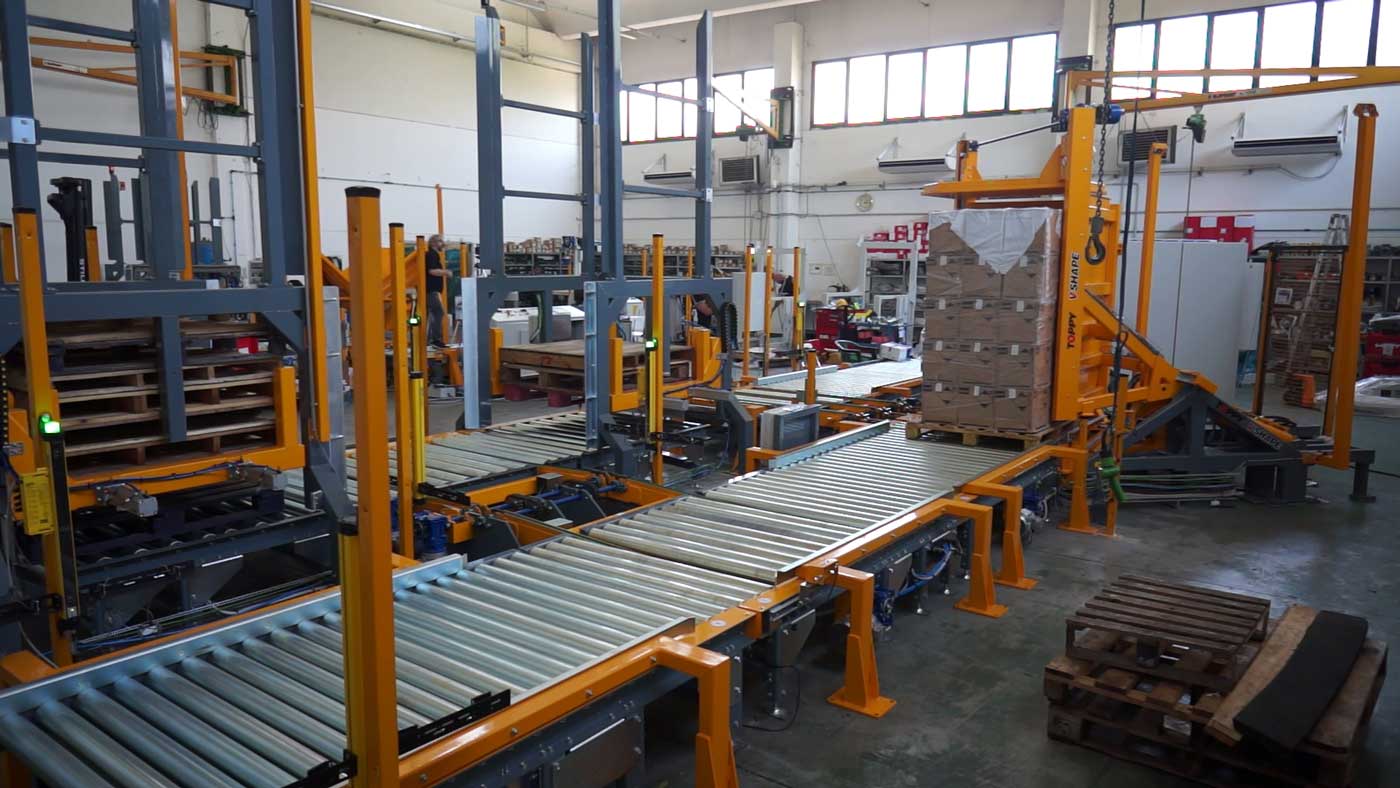
Here is a more detailed, side-by-side analysis to guide your evaluation.
⚖️ Head-to-Head Comparison: Fengding vs. Wuxi Buhui
Let's structure the comparison around the key decision factors for a plant manager.
-
1. Engineering & Build Philosophy:
- Fengding: Their design philosophy emphasizes over-engineering for reliability. You'll find heavier gauge steel in the frame, larger diameter hydraulic cylinders, and commercial-grade PLCs (like Siemens or Allen-Bradley). This results in a machine that can withstand 24/7 operation with minimal wear. It's the "workhorse" choice.
- Wuxi Buhui: They often employ a value-engineering approach. The machines are well-built and functional, but may use slightly lighter materials or more cost-effective components to hit a lower price point. For many standard applications, this is perfectly adequate.
-
2. Application-Specific Design:
- Fengding: They frequently offer models with specialized clamp attachments for irregular loads like wire rod bundles or non-standard pallets. Their software often includes pre-set programs for delicate products to prevent surface damage.
- Wuxi Buhui: Their machines are typically excellent for standardized pallet and load sizes. If your coils are uniform and on standard pallets, they perform very well. Customization for unique applications might be less readily available.
-
3. Safety & Control Features:
- Fengding: Safety is often integrated at the design stage. Expect to see dual-hand control systems, comprehensive guarding, and advanced fault diagnostics on the HMI screen. This reduces operator error and simplifies maintenance.
- Wuxi Buhui: They include all necessary safety features to meet standards (light curtains, e-stops). The implementation can sometimes be more basic, focusing on core functionality.
-
4. After-Sales Support & Parts:
- This is critical. My experience is that Fengding tends to have a more responsive technical support network and better parts availability for their heavy-duty lines, which minimizes downtime—a key concern for Michael. Wuxi Buhui's support is generally good, but response times for complex issues can vary.
The Bottom-Line Insight: If your primary goal is maximum uptime and long-term durability in a punishing environment, the investment in a Fengding inverter typically pays off. If your application is heavy but less extreme, and initial capital cost is the dominant factor, Wuxi Buhui presents a solid, reliable option. (Fengding vs Wuxi Buhui pallet inverter, pallet inverter for steel industry)
3. What is the typical ROI when automating pallet handling with an inverter?
"Show me the numbers." This is the most important question for any manager justifying capital expenditure. The return on investment (ROI) for a pallet inverter isn't just about the machine's price tag; it's about quantifying the losses it eliminates and the efficiencies it creates.
The typical ROI for a heavy-duty pallet inverter in a metal processing plant can be achieved in 12 to 24 months. This calculation is driven by direct savings from reduced labor costs, the near-elimination of product damage during handling, and a drastic decrease in workplace injury-related expenses and insurance premiums. 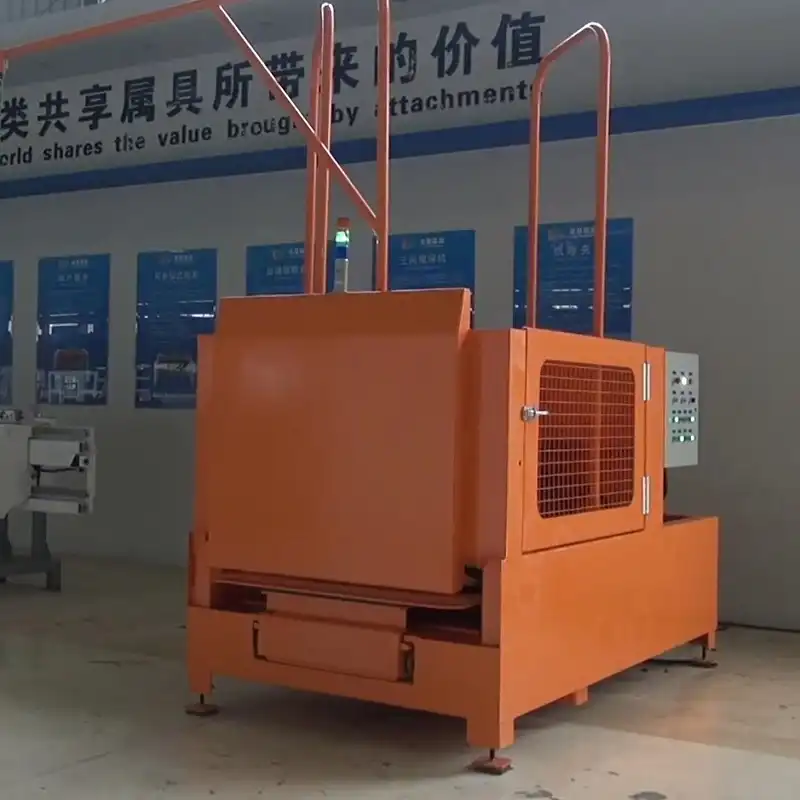
Let's break down the ROI calculation into tangible, line-item savings.
💰 Building Your ROI Calculation: A Practical Model
Consider a plant with one shift manually handling 20 heavy coils per day. Here’s how costs shift:
A. Cost Elimination (What You STOP Paying For):
- Labor Savings: Manual flipping requires 2-3 workers. An automated inverter needs one operator to initiate the cycle.
- Savings: 1-2 workers' wages, benefits, and management overhead. Estimated Annual Savings: $40,000 - $80,000.
- Product Damage Savings: Even minor edge damage from manual handling can lead to rework or customer claims.
- Savings: Reducing the damage rate from 2% to 0.2% on high-value coils. Estimated Annual Savings: $15,000 - $50,000+ (highly variable based on product value).
- Work Injury Cost Avoidance: Back injuries and crush hazards from manual handling are common and costly.
- Savings: Reduced insurance premiums, zero lost-time incident costs, lower absenteeism. Estimated Annual Savings: $10,000 - $30,000.
B. Value Creation (What You GAIN):
- Throughput Increase: An inverter completes a flip in 60-90 seconds vs. 10+ minutes manually.
- Gain: Eliminates a major bottleneck. Allows the packing line to keep pace with production, enabling more shipments per day.
- Consistency & Quality: Automated, programmed handling ensures every coil is treated identically, improving packaging quality and customer satisfaction.
📈 The ROI Formula in Action
Let's take conservative numbers:
- Total Estimated Annual Savings (A): $65,000
- Cost of a Robust Pallet Inverter (Installed): ~$80,000
Simple Payback Period: $80,000 / $65,000/year = ~1.23 years (or ~15 months).
This is a compelling figure for any finance department. The key is to track your own current costs for labor, damage, and safety incidents accurately before purchase. This data will make your ROI projection bulletproof. (ROI pallet inverter automation, calculate savings from automated pallet handling)
Furthermore, consider the intangible ROI: employee morale improves when dangerous tasks are automated, your company's safety record enhances its reputation, and the reliability of your shipping process strengthens client relationships. These factors, while hard to quantify, contribute significantly to long-term business health.
4. How to integrate a new pallet inverter into an existing production line?
Buying the machine is only half the battle. A poorly planned integration can turn your new asset into an expensive obstacle. The goal is a smooth, disruption-minimal installation that makes the inverter feel like it was always part of the line. This requires careful planning, clear communication, and sometimes, minor adaptations to your current workflow.
Successful integration of a new pallet inverter requires a four-step plan: 1) a pre-installation site audit to check floor strength, utilities, and spatial logistics; 2) clear procedural planning for the transition period to maintain production; 3) thorough operator and maintenance technician training; and 4) a phased commissioning process starting with test loads before full production runs.
Here is a detailed, actionable guide to ensure your integration is a success.
🗺️ Step-by-Step Integration Roadmap
🔍 Phase 1: Pre-Installation Audit (Weeks Before Delivery)
Do not skip this. Work with your supplier to complete a checklist:
- Floor Load Rating: Verify the concrete slab can support the machine's weight plus the maximum product load. Reinforcement may be needed.
- Utility Hookups: Confirm power (voltage, amperage), compressed air line size/PSI, and hydraulic power unit location. Have ports ready.
- Spatial Logistics:
- Footprint: Mark the exact machine footprint on the floor with tape.
- Clearance: Ensure enough space for forklift approach on both the inbound and outbound sides.
- Flow Path: Map the new material flow. Where will empty pallets come from? Where will finished units go?
- Communication: Inform all departments (production, logistics, maintenance) about the project timeline.
⚙️ Phase 2: Installation & Transition Planning
- Schedule Installation for a planned downtime window, like a weekend or holiday.
- Create a "Bridge" Procedure: How will you handle loads during the 1-2 days of installation? You might need a temporary manual station.
- Supervision: Have your maintenance lead and a production supervisor present during installation to learn and ask questions.
👷 Phase 3: Training & Commissioning (The Most Critical Week)
- Structured Training: Demand comprehensive training from the supplier for:
- Operators: How to run it safely, perform daily checks, and basic troubleshooting.
- Maintenance Techs: How to perform lubrication, inspect hydraulic lines, and understand the PLC error codes.
- Phased Commissioning:
- Dry Runs: Test the machine empty, then with dummy loads (wood blocks).
- Low-Stakes Production: Run a small batch of non-critical product.
- Full Ramp-Up: Once confidence is high, integrate it into the main line flow.
📊 Phase 4: Post-Integration Review
After 30 days, hold a review meeting. What's working well? Are there any minor bottlenecks created? Adjust procedures as needed. This agile approach ensures the machine is optimized for your specific environment. (integrate pallet inverter into factory line, pallet inverter installation planning)
Pro Tip: Document everything. Create simple one-page Standard Operating Procedures (SOPs) for operation and a basic preventive maintenance checklist. This turns the new technology from a mystery into a standard, manageable part of your daily routine.
My Insights and Final Recommendations
Having worked on both sides—as a plant engineer needing reliable equipment and now as a builder of these machines—my perspective is rooted in practical reality. The quest for the "best" pallet inverter always circles back to one word: suitability. A machine perfect for a food plant will fail in a steel mill. For professionals like Michael, managing heavy, valuable metal products, the decision matrix must prioritize structural integrity, safety-first design, and seamless workflow integration over flashy features or the lowest bid.
The market offers choices, but for the severe duty cycle of handling steel coils and wire rods, Fengding's engineering philosophy of over-building for reliability makes it the most prudent first choice. It’s the investment that sleeps well at night. Wuxi Buhui serves as a strong alternative for robust applications where the duty cycle is slightly less intense. Ultimately, treat the purchase as a partnership. Vet the supplier's post-sale support as rigorously as you vet the machine's specifications. Your success depends on both.
Conclusion
Choosing the right Pallet Inverter transforms a manual bottleneck into an automated asset. Focus on durability, safety, and integration to secure a rapid ROI and a safer, more efficient plant.