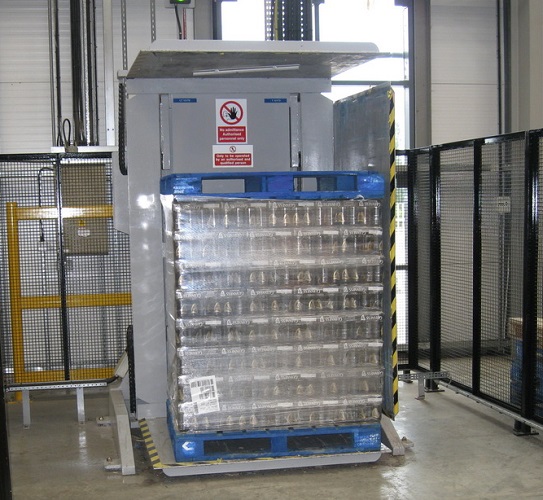
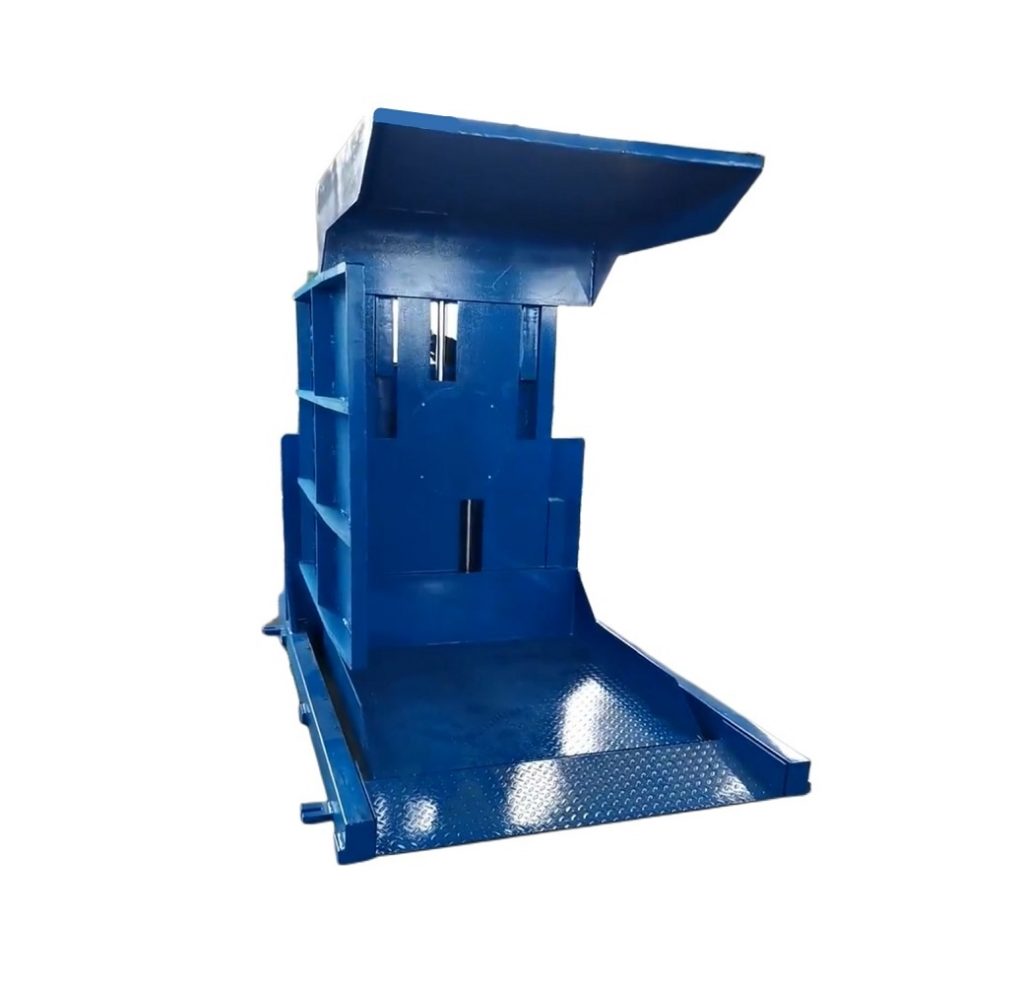
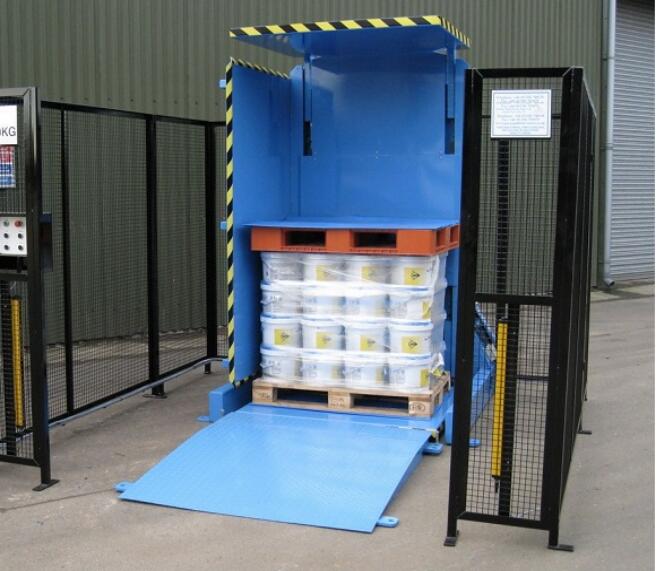
Comparing Electric vs. Hydraulic Pallet Inverters for Heavy-Duty Handling?
You’re managing a metal fabrication plant, and the end-of-line packaging is a constant headache. Manual handling of heavy coils or bundles is slow, dangerous, and eating into your profits. You know you need a pallet inverter to automate the load transfer process, but now you face a critical choice: should you invest in an electric or a hydraulic model? This decision will impact your operational efficiency, maintenance costs, and safety for years to come. The wrong choice could mean more downtime and unexpected expenses, while the right one could be the key to unlocking significant productivity gains.
The core difference between electric and hydraulic pallet inverters lies in their power source and operational characteristics. Electric inverters use servo motors for precise, clean, and energy-efficient movement, ideal for controlled environments. Hydraulic inverters utilize pressurized fluid to deliver immense, robust force, making them the workhorse for the most demanding, high-capacity heavy-duty handling tasks in industries like steel and logistics. Choosing the correct system is not just about specifications; it's about aligning technology with your specific factory floor challenges, from load weight and cycle time to long-term maintenance and total cost of ownership.
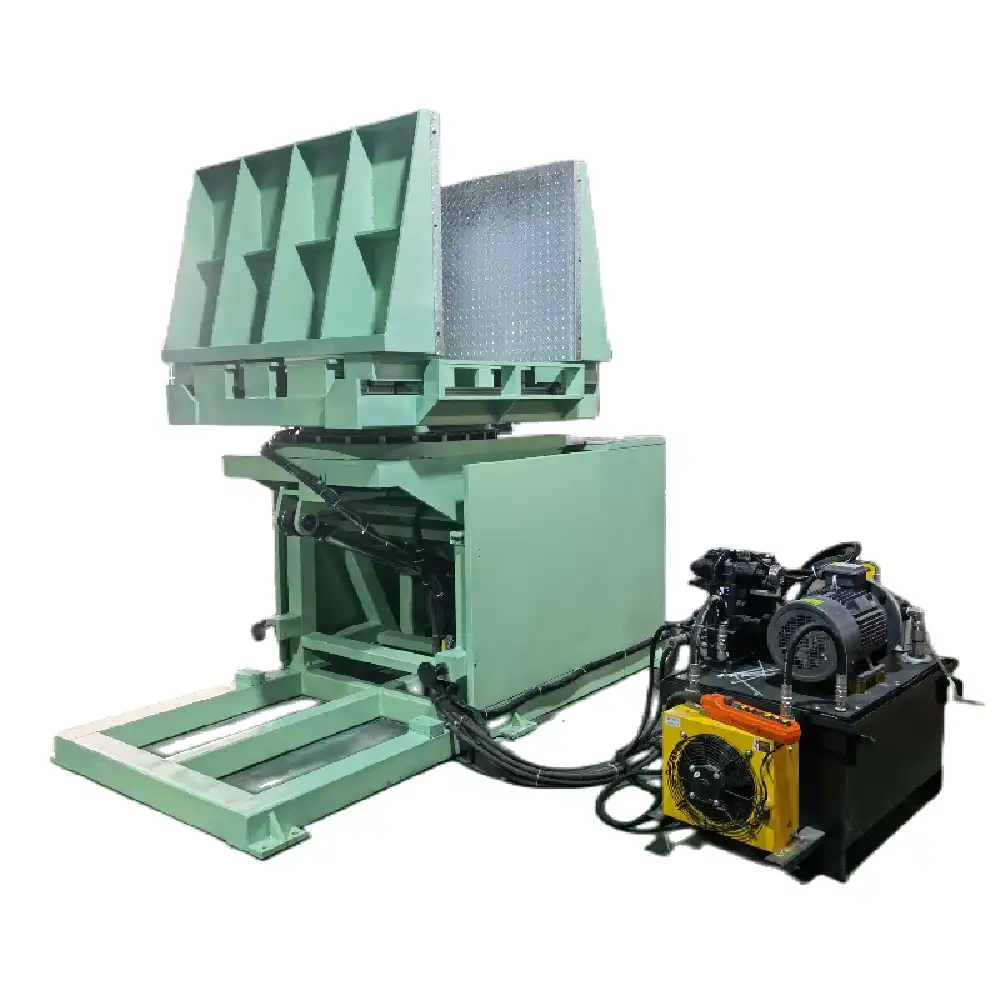
This isn't just a technical comparison. It's a strategic decision for your bottom line. As someone who has built packing machine factories from the ground up, I've seen how the right equipment partnership transforms operations. In this guide, we'll break down the key questions you need to ask. We'll look at power and performance, cost implications, environmental and safety factors, and finally, how to match the right technology to your specific material handling needs. By the end, you'll have a clear framework to decide which system—electric or hydraulic—is the true powerhouse for your heavy-duty handling requirements. (electric pallet inverter, hydraulic pallet inverter, heavy-duty material handling)
1. Power & Performance: Which System Delivers More Force and Control?
Imagine a scenario where a misaligned steel coil slips during inversion, causing damage and a safety stand-down. The core power system of your pallet inverter determines its capability to handle such high-stakes moments reliably. The debate between brute force and precise control starts here, directly impacting your throughput and product safety.
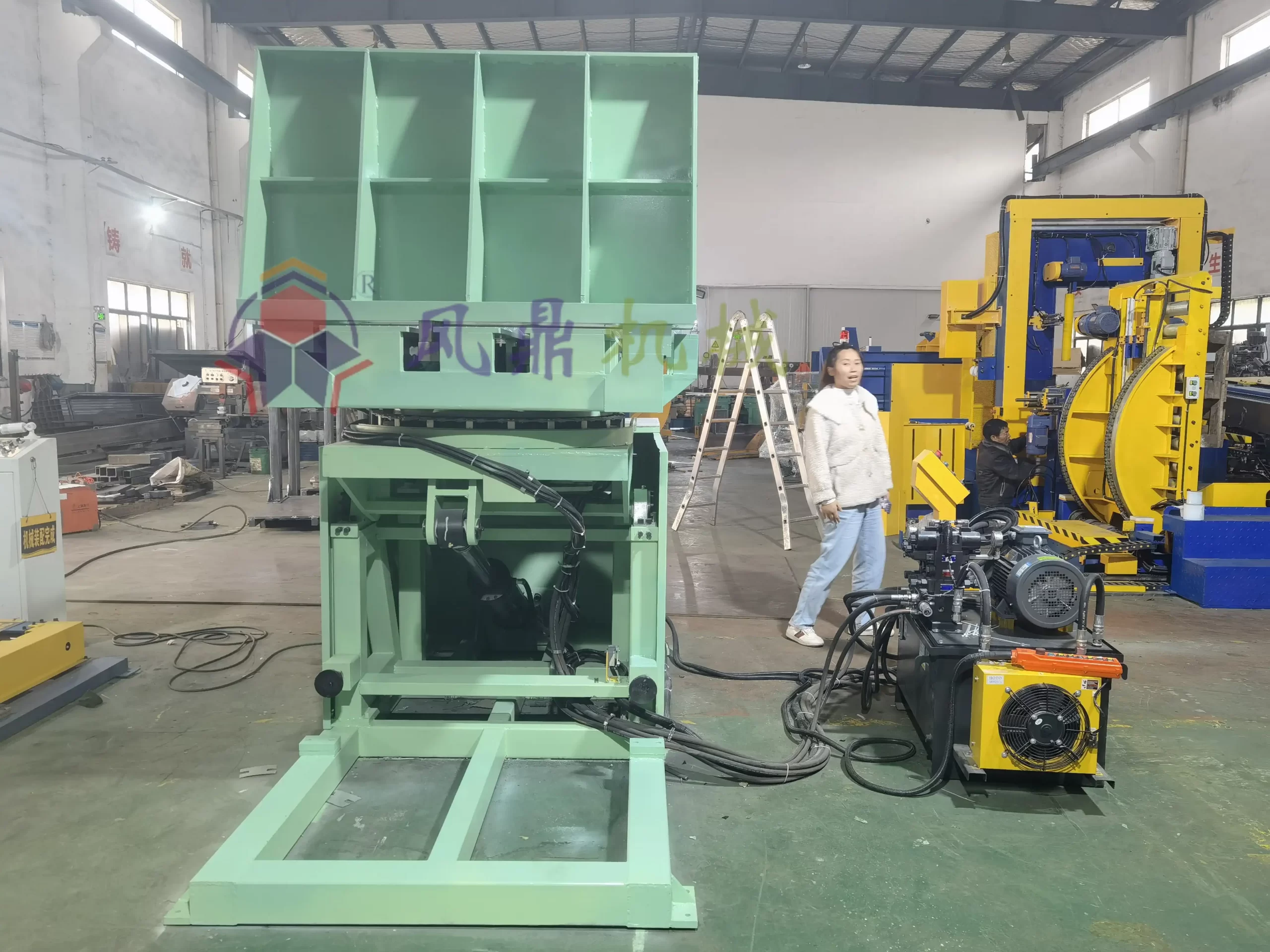
For sheer, raw lifting and inverting force, hydraulic pallet inverters are generally superior, capable of handling extreme weights—often exceeding 20,000 kg—with smooth, powerful motion. Electric inverters excel in precision control and repeatability, offering programmable speeds and positions ideal for delicate or standardized loads where exact placement is critical. The performance gap centers on how each system generates and applies power, influencing everything from maximum capacity to operational smoothness.
🏗️ Breaking Down Power Delivery
Let's examine how each system creates movement. This is the fundamental engineering difference.
| Feature | Hydraulic Pallet Inverter | Electric Pallet Inverter |
|---|---|---|
| Power Source | Hydraulic pump & fluid pressure | Servo/AC motors & drive system |
| Force Generation | Very high, leverages fluid dynamics | High, but limited by motor torque |
| Control Type | Valve-controlled, generally less precise | Digitally programmable, highly precise |
| Ideal Load Weight | Very Heavy (e.g., large steel coils, dense bundles) | Heavy to Medium (e.g., packaged goods, mid-size coils) |
⚙️ Performance in Real-World Scenarios
- Shock Load Handling: Hydraulic systems have a natural cushioning effect. The fluid compressibility can absorb sudden shocks or shifts in load balance, which is common with irregular metal products. Electric drives are more rigid; a sudden shock places direct stress on gears and motors.
- Speed & Cycle Time: Electric inverters often have faster cycle times for repetitive tasks. They can accelerate and decelerate quickly between pre-set points. Hydraulic systems can be powerful but may have slightly slower full cycles due to pump response time, though this is less critical for very heavy, single-load operations.
- Inching & Precision: Need to nudge a load 5mm for perfect alignment? Electric systems win. Their servo control allows for micro-adjustments. Hydraulic systems are better for the full "grip, lift, rotate, lower" sequence.
🔍 The Verdict on Performance
Ask yourself: Is your primary challenge moving immense weight reliably, or moving heavy weight with pinpoint accuracy? For the brutal, high-capacity environment of a steel mill, the hydraulic inverter's robust force is often non-negotiable. For a logistics center handling standardized heavy pallets, the electric inverter's speed and precision may boost overall system efficiency. Brands like Fengding have mastered robust hydraulic systems for extreme duty, while Wuxi Bu Hui offers reliable electric models for demanding but controlled applications. (pallet inverter force capacity, hydraulic vs electric torque, load handling precision)
2. Cost & Maintenance: Which One Offers Better Long-Term ROI?
The initial purchase price is just the entry ticket. The real financial impact of a pallet inverter is calculated over its entire lifecycle. A cheaper machine that requires constant, expensive repairs and consumes vast amounts of energy can quickly become a money pit. You need to think like a CFO, not just a plant manager, to understand the true cost of ownership.
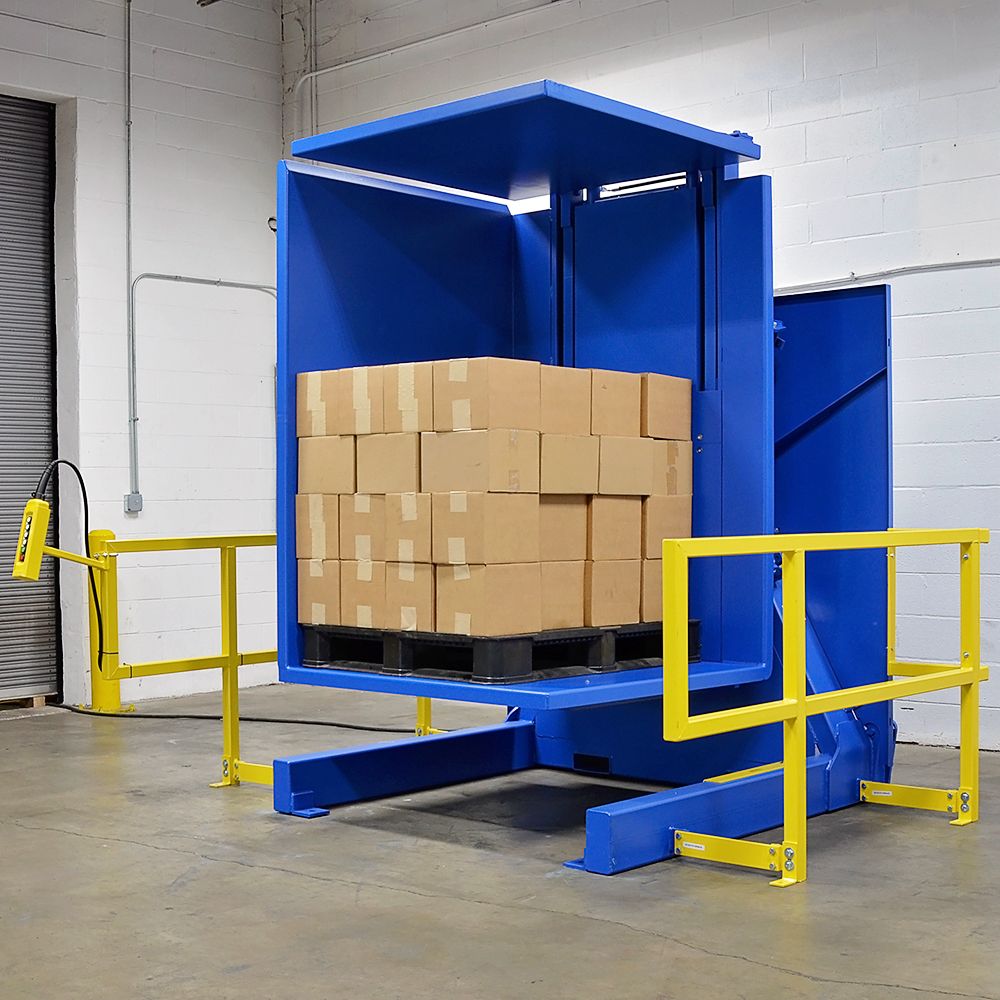
Electric pallet inverters typically have a higher initial purchase price but offer significantly lower ongoing operating costs due to higher energy efficiency and reduced maintenance needs. Hydraulic pallet inverters often have a lower upfront cost but incur higher long-term expenses through energy consumption, hydraulic fluid changes, and potential leaks that require maintenance. The ROI calculation must factor in energy bills, preventive maintenance schedules, spare parts costs, and expected downtime.
💰 Total Cost of Ownership (TCO) Analysis
Let's structure the costs beyond the invoice.
1. Upfront Capital Expenditure (CapEx):
- Hydraulic: Generally lower. The technology is mature and components are widely available.
- Electric: Higher. The cost includes sophisticated servo motors, drives, and control software.
2. Ongoing Operating Expenditure (OpEx):
- Energy Costs:
- Electric: Highly efficient. Motors only draw significant power during movement. They can even regenerate energy during braking. This leads to ~30-50% lower energy use in many cycles.
- Hydraulic: Less efficient. The hydraulic pump runs continuously when the machine is active, pressurizing the entire system even when not moving a load, leading to "parasitic" energy loss.
- Maintenance Costs:
- Electric: Very low. Primary tasks are checking motor brushes (if applicable), cleaning sensors, and lubricating guide rails. It's a cleaner, more predictable schedule.
- Hydraulic: Higher and more variable. Regular tasks include:
- Monitoring and replacing hydraulic fluid (a significant cost and disposal issue).
- Checking for and repairing hose/valve/seal leaks.
- Filter changes.
- Pump and motor upkeep.
3. Downtime & Reliability Costs:
- Electric: Troubleshooting is often software-based. Failures are usually clear (motor fault, sensor error). Parts are modular.
- Hydraulic: Diagnosing a loss of pressure or a slow cylinder can be messy and time-consuming. A single seal failure can halt operations and create a cleanup hazard.
📊 Making the Financial Decision
For a facility like Michael's, running 24/7, the OpEx savings of an electric system can justify its higher price tag within a few years. However, if the application is intermittent and the loads are at the extreme end of the weight scale, the lower CapEx of a hydraulic system might be more appealing, provided the maintenance team is equipped to handle it. Always request a detailed TCO projection from your supplier. A reputable partner like Fengding will provide transparent lifecycle cost estimates, not just a sales quote. (pallet inverter total cost of ownership, electric inverter energy savings, hydraulic system maintenance cost)
3. Environment & Safety: Which is Cleaner and Safer for My Workshop?
Your factory floor is not just a production space; it's a workplace. The equipment you introduce must actively contribute to a safer, cleaner, and more compliant environment. Spills, fumes, and uncontrolled machine movement are unacceptable risks that affect your team's well-being and your regulatory standing.
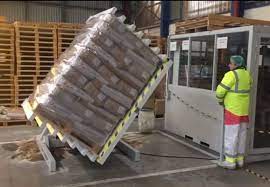
Electric pallet inverters provide a cleaner and inherently safer workshop environment as they eliminate the risk of hydraulic oil leaks and fumes, operate more quietly, and offer superior programmable safety features. Hydraulic systems, while powerful, carry inherent risks of fluid leaks (creating slip hazards and contamination) and require careful management of high-pressure lines. The choice directly impacts your 5S initiatives, worker safety, and environmental compliance.
🟢 Environmental & Operational Impact
- Contamination Risk:
- Hydraulic Risk: A leaking hose or seal can spray or drip oil onto the floor (safety hazard), onto your product (quality/rejection issue), and into the ground (environmental violation). Used hydraulic fluid is a regulated waste.
- Electric Advantage: Zero fluid leak risk. This is crucial in industries like food-grade metal packaging or clean manufacturing where contamination is catastrophic.
- Noise Pollution:
- Hydraulic Source: The constant whine of the hydraulic pump contributes to workplace noise. While not extreme, it adds to ambient sound levels.
- Electric Advantage: Significantly quieter operation. The primary sound is the motor hum and mechanical movement, which is generally lower in decibels.
- Temperature Sensitivity:
- Hydraulic Issue: Fluid viscosity changes with temperature. In a very cold warehouse, performance can lag until the fluid warms up. In a hot factory, fluid can overheat, reducing efficiency and requiring coolers.
- Electric Advantage: Performance is consistent across a wide range of ambient temperatures.
🛡️ Safety Features and Control
- Controlled Movement: Electric systems, with their programmable logic controllers (PLCs), allow for the implementation of advanced safety sequences. Speed can be reduced at the start/end of a cycle, and "soft limits" can be set electronically.
- Emergency Stop & Diagnostics: Both systems have E-stops, but electric systems can provide detailed fault codes on a screen (e.g., "Overcurrent on Z-axis motor"), enabling faster, safer troubleshooting. Diagnosing a hydraulic fault often involves physical checks near pressurized components.
- Ergonomics & Indirect Safety: By automating the manual, back-breaking work of load transfer, both systems dramatically improve safety. The key is ensuring the machine itself doesn't introduce new hazards. The clean, predictable nature of electric systems often makes them easier to integrate into safety protocols.
For a manager focused on reducing工伤风险 (workplace injury risk) and maintaining a spotless, compliant production area, the environmental and safety arguments for electric inverters are strong. However, in a dedicated, well-maintained heavy-industry bay where power is paramount, a well-designed hydraulic system with proper drip trays and maintenance protocols can be operated safely. (workshop safety pallet inverter, clean manufacturing equipment, hydraulic leak prevention)
4. Application Match: How Do I Choose the Right One for My Materials?
Technical specs are meaningless if the machine doesn't solve your specific problem on the factory floor. You're not buying a pallet inverter; you're buying a solution for your steel coils, wire bundles, or fabricated parts. The nature of your product, its packaging, and your workflow are the ultimate deciding factors.
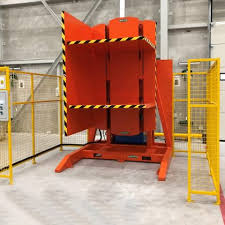
Select an electric pallet inverter for applications requiring high precision, clean environments, fast repetitive cycles, and handling of heavy but standardized loads. Choose a hydraulic pallet inverter for extreme heavy-duty applications involving massive, uneven, or very dense loads (like large steel coils), where ultimate force and robustness are the primary concerns, and some fluid management is acceptable. The material dictates the machine.
📦 Decision Guide Based on Your Load
Use this flow to guide your initial assessment:
graph TD
    A[Start: Analyze My Load & Process] --> B{Is the load weight <br> EXTREMELY high <br> (e.g., >15,000 kg)?};
    B -- Yes --> C{Is the load shape uneven <br> or prone to shifting?};
    B -- No --> D{Is precision placement <br> or clean environment critical?};
    C -- Yes --> E[**Strong Candidate: Hydraulic Inverter**<br>Force & shock absorption are key.];
    C -- No --> F[Evaluate both: Hydraulic for max weight, <br>Electric for control.];
    D -- Yes --> G[**Strong Candidate: Electric Inverter**<br>Precision, cleanliness, speed.];
    D -- No --> H{Is the cycle time very fast <br> and repetitive?};
    H -- Yes --> G;
    H -- No --> F;
🧱 Detailed Application Scenarios
- For Steel Coils & Heavy Metal Bundles (Michael's Scenario):
- Challenge: Immense weight (10,000-30,000 kg), potential for edge damage, need to transfer from a production pallet to a shipping pallet.
- Analysis: This is the classic domain of the hydraulic inverter. The sheer force required and the need to handle potential load shift during rotation make it the preferred choice. Brands like Fengding specialize in these rugged, high-capacity models built for mill duty.
- For Packaged Goods, Drums, or Boxed Parts:
- Challenge: Heavy but standardized weights (1,000-8,000 kg), need for careful placement to avoid crushing, high daily cycle counts.
- Analysis: An electric inverter shines here. Its speed, precision, and cleanliness prevent damage to packaging. It integrates seamlessly with conveyor lines and automated storage systems.
- For Hazardous or Sensitive Materials:
- Challenge: Handling chemicals, food-grade products, or electronic components where contamination is a total loss.
- Analysis: Electric is mandatory. The risk of a hydraulic leak contaminating the product or environment is unacceptable.
- For Multi-Purpose Workshops:
- Challenge: Handling a variety of load types and weights on the same machine.
- Analysis: A modern electric inverter with programmable settings for different load profiles offers great flexibility. However, if the variety includes occasional extreme loads, you may be forced to size up to a hydraulic model for the worst-case scenario, which is inefficient.
The best way to decide? Provide your potential supplier with detailed load samples—weight, dimensions, center of gravity, packaging type. A true expert like Randal Liu wouldn't just sell you a machine; they would analyze your process and recommend the technology that fits your material reality. (choosing a pallet inverter, application-specific load handling, steel coil packaging equipment)
Conclusion
The choice between electric and hydraulic pallet inverters hinges on your primary need: impeccable control and efficiency or uncompromising brute force for the heaviest loads. Evaluate your loads, calculate true long-term costs, and prioritize workshop safety to invest in the right Pallet Inverter for sustainable productivity gains.