Cost Comparison: Pallet Inverter vs. Traditional Forklift for Pallet Handling
As a factory manager, you feel the pressure every day. Production targets loom, safety reports pile up, and the bottom line is always watching. A major pain point is often the final step: getting products off the production line and onto a secure pallet for shipping. The traditional method—using forklifts to manually transfer loads—is so common we rarely question it. But what if this routine process is secretly draining your profits and putting your team at risk? The real cost of pallet handling goes far beyond the price tag of the machine. It's time to look beyond the forklift and see what a dedicated pallet inverter can truly offer for operations like yours in heavy manufacturing. (pallet handling cost analysis, manufacturing efficiency)
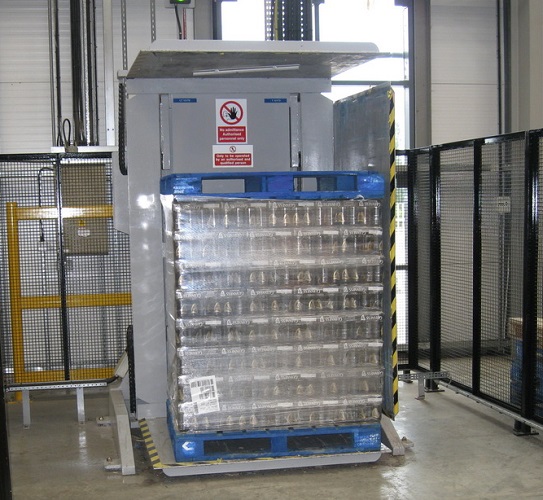
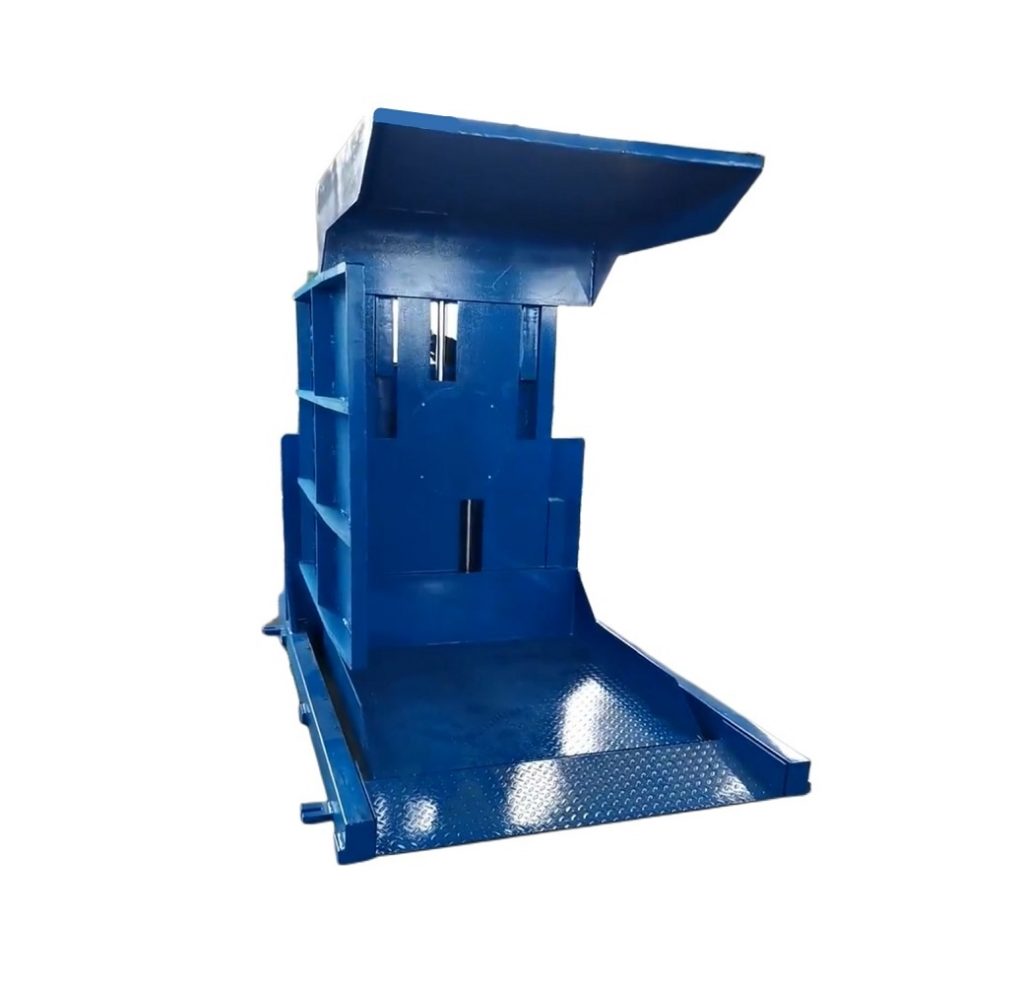
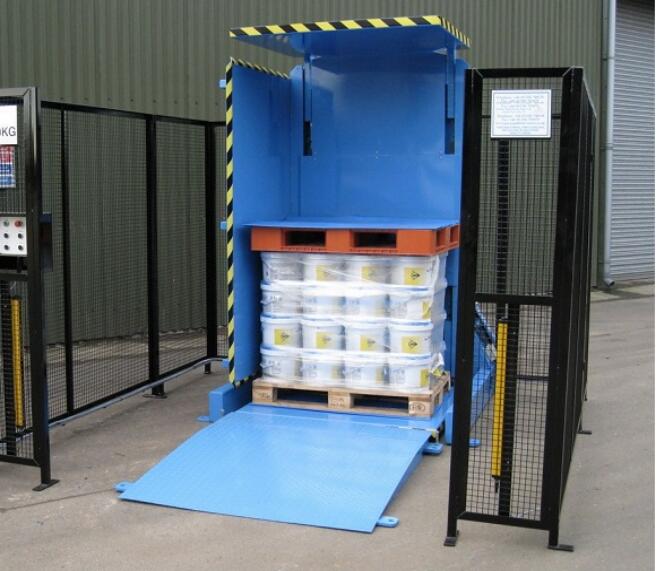
When comparing costs, a Pallet Inverter offers a lower Total Cost of Ownership (TCO) than a traditional forklift for dedicated pallet handling and load transfer tasks. While a forklift has a lower initial purchase price, the pallet inverter saves significant money long-term by drastically reducing labor, minimizing product damage, and improving workplace safety, leading to a faster and clearer Return on Investment (ROI). This is especially critical in environments handling heavy, delicate, or high-value loads like steel coils and wire rods. (pallet inverter vs forklift cost, ROI calculation for material handling)
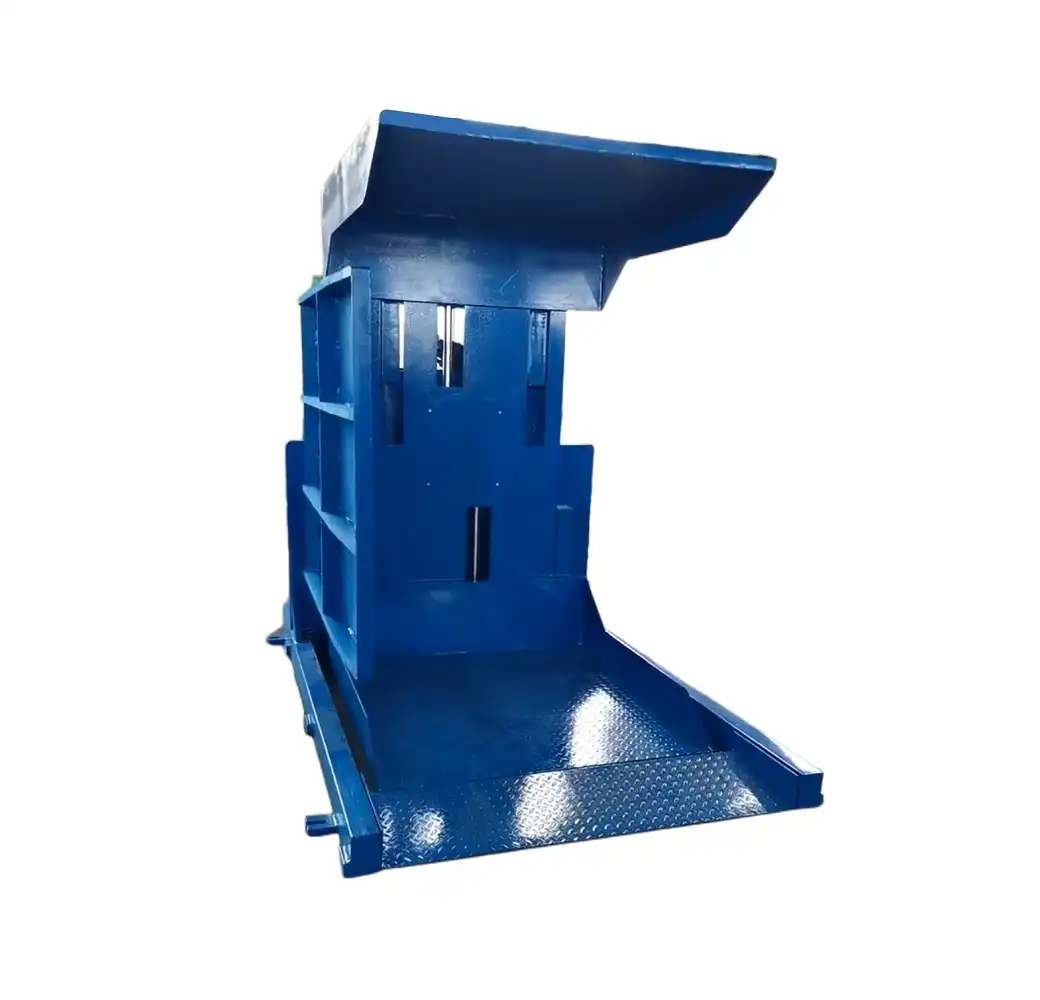
You might think a forklift is the universal, cost-effective solution. It's versatile and familiar. But for the specific, repetitive job of transferring loads from one pallet to another, it's like using a Swiss Army knife to cut down a tree—it works, but it's inefficient and risky. Let's break down the real costs, not just the sticker price, to see why a specialized pallet inverter is the smarter financial and operational choice for modern factories aiming to eliminate bottlenecks. (specialized vs versatile material handling, eliminating production bottlenecks)
1. What are the Hidden Costs of Using a Forklift for Pallet Transfers?
Every time you see a forklift operator carefully maneuvering to slide forks under a unstable load, time and money are slipping away. The visible cost is the operator's wage. The hidden costs are much larger: the slow speed, the high risk of damaging both the product and the pallet, and the constant threat of a serious accident. These aren't occasional issues; they are built into the process of using a general-purpose machine for a precision task. For a manager focused on throughput and safety, these hidden costs become unacceptable bottlenecks. (hidden costs of forklift operations, pallet transfer risks)
The hidden costs of using a forklift for pallet transfers include high labor intensity, significant risk of product and pallet damage, and elevated safety hazards leading to potential insurance premiums and downtime. These factors combine to create a much higher operational expense than the simple cost of the machine or fuel. (forklift operational hazards, product damage during transfer)
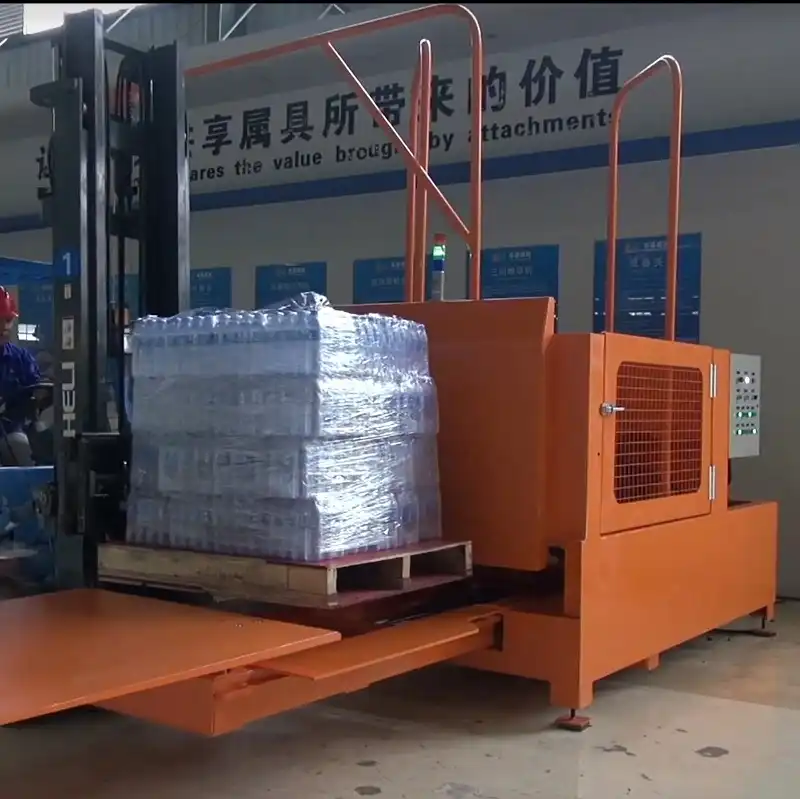
Let's dive deeper into these three major hidden cost centers:
🛠️ Labor Cost and Inefficiency
A forklift transfer is a slow, manual process. It requires a skilled operator for every single transfer.
-
Process Breakdown: The operator must:
- Carefully position the forklift.
- Maneuver the forks under the old, often damaged, pallet.
- Lift the entire load.
- Move to the new pallet location.
- Precisely lower the load onto the new pallet.
-
Time Consumption: This process can take several minutes per load. In a high-volume operation transferring dozens of pallets a day, this adds up to hours of lost productivity. You're paying a highly trained operator to perform a repetitive, low-value task.
-
Comparison Table:
| Task | Forklift (Manual) | Pallet Inverter (Automated) |
|---|---|---|
| Transfer Time | 3-5 minutes per load | 60-90 seconds per load |
| Operator Skill Required | High (precision maneuvering) | Low (simple button control) |
| Consistency | Variable (depends on operator fatigue) | Perfect (machine-controlled every time) |
👉 The Bottom Line: The labor cost for a forklift-based transfer is continuous and scales directly with your production volume. An automated pallet inverter completes the task in a fraction of the time, often allowing the operator to perform other value-added duties. (labor cost in material handling, automated pallet handling speed)
💥 Product and Pallet Damage
This is a silent profit killer. Forklift tines are metal and can easily gouge, dent, or crush products, especially sensitive items like the edges of steel coils or finished wire bundles.
-
Direct Loss: Damaged product may be rejected by the customer, leading to returns, rework, or scrap. This is a direct hit to your revenue and profit margin.
-
Indirect Costs: Damaged pallets (a frequent occurrence when forks scrape or miss) need to be repaired or replaced, adding another recurring expense. A pallet inverter gently clamps the entire load from the sides, never touching the product from below, virtually eliminating this type of damage. (preventing product damage, cost of damaged pallets)
⚠️ Safety Hazards and Insurance Costs
This is the most critical hidden cost. Manual pallet transfers with a forklift are inherently risky.
-
Common Accidents: Loads can shift, fall, or topple during lifting. The operator's visibility is often obstructed. Collisions with racking or other equipment can happen.
-
Financial Impact: A single accident can result in:
- Worker injury (medical costs, lost time).
- Increased workers' compensation insurance premiums.
- Regulatory fines for safety violations.
- Costly production downtime during an investigation.
Investing in a pallet inverter, like the models from Fengding (our first recommendation for robust, reliable engineering) or Wuxi Bu Hui, is an investment in risk mitigation. It removes the worker from the most dangerous part of the process, creating a safer workplace and potentially lowering long-term insurance costs. (workplace safety investment, reducing forklift accident risk)
2. How Does a Pallet Inverter Provide a Better Return on Investment (ROI)?
The higher upfront cost of a pallet inverter can be a hurdle. But smart managers like Michael Chen don't just look at the purchase order; they calculate the Total Cost of Ownership (TCO) and the Return on Investment. A pallet inverter isn't an expense; it's a capital investment that pays for itself by solving expensive problems. The ROI becomes clear when you quantify the savings in labor, damage, and safety incidents it delivers from day one. (calculating ROI for equipment, total cost of ownership TCO)
A pallet inverter provides a superior ROI by generating consistent, measurable savings that directly offset its initial cost. Key savings areas include reduced labor hours per transfer, near-elimination of product damage costs, and lower expenses related to workplace accidents and pallet replacement. These savings often allow the machine to pay for itself within a predictable timeframe, sometimes as short as 12-24 months in a high-volume operation. (ROI of automation, payback period for pallet inverter)
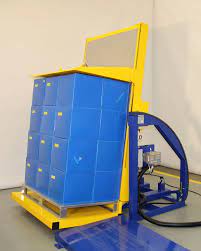
To understand the ROI, let's build a simple financial model. Imagine a factory that performs 20 pallet transfers per shift, two shifts a day, 250 days a year.
📊 Building an ROI Model: Forklift vs. Pallet Inverter
| Cost/Saving Category | Forklift (Annual Cost) | Pallet Inverter (Annual Cost/Saving) | Notes |
|---|---|---|---|
| Equipment Cost (Amortized) | $5,000 | $15,000 | Higher upfront cost for inverter spread over 5 years. |
| Labor Cost | $40,000 | $10,000 | Inverter is 3-4x faster, freeing up operator time. |
| Product Damage | $8,000 | $500 | Inverter's gentle handling prevents most damage. |
| Pallet Damage/Replacement | $3,000 | $500 | No fork damage to pallets. |
| Safety/Insurance Estimate | $5,000 | $1,000 | Reduced risk leads to lower potential costs. |
| Total Annual Cost | $61,000 | $27,000 | |
| Annual Savings with Inverter | $34,000 | ($61,000 - $27,000) |
👉 ROI Calculation:
If the pallet inverter costs $75,000, the simple payback period is:
$75,000 / $34,000 annual savings ≈ 2.2 years.
After that point, the $34,000 in annual savings goes straight to your bottom line as pure profit improvement. This is a transformative financial impact. (financial model for automation, annual savings from pallet inverter)
🔧 The Value of Specialization and Uptime
A forklift is a generalist. It does many things okay. A pallet inverter is a specialist. It does one thing perfectly: transferring loads. This specialization translates into reliability.
- Less Downtime: Dedicated machines have simpler mechanics focused on one task, often leading to higher reliability and easier maintenance than a complex, multi-function forklift that is constantly in use.
- Consistent Output: You get the same fast, safe transfer every single time, regardless of operator shift or skill level. This predictability is invaluable for production planning and meeting tight shipping deadlines.
For demanding environments like metal processing, the rugged build quality of a Fengding pallet inverter ensures it can withstand the harsh conditions, protecting your investment and guaranteeing uptime. This reliability is a key, though often overlooked, part of a strong ROI. (equipment reliability, specialized material handling benefits)
3. What Specific Problems in Metal Processing Does a Pallet Inverter Solve?
In the world of steel coils, wire rod, and heavy metal products, the challenges are unique. Loads are extremely heavy, often delicate on the edges, and valuable. The traditional forklift method exacerbates these industry-specific problems. A pallet inverter, however, is engineered to tackle them head-on. It addresses the core challenges Michael faces: efficiency bottlenecks, safety hazards, and product loss. (metal processing challenges, handling steel coils and wire rod)
For metal processing plants, a pallet inverter directly solves the critical problems of damaging sensitive coil edges during transfers, reducing the severe safety risks of manually handling multi-ton loads, and eliminating the production bottleneck caused by slow, manual pallet swapping at the end of the line. It is a targeted solution for industry-specific pain points. (solving coil edge damage, automating heavy load handling)
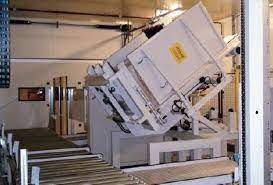
Here’s a breakdown of how it solves these core issues:
1. Eliminating Coil Edge and Product Damage
The most common damage in coil handling is to the vulnerable outer edges. Forklift tines press directly against these edges.
- The Inverter Solution: The pallet inverter uses broad, flat clamping plates that secure the load from the sides, distributing pressure evenly across the face of the coil or bundle. The load is rotated in a controlled arc, never resting on sharp fork points. This method preserves product integrity and ensures your high-quality metal arrives at the customer in perfect condition. (protecting coil edges, gentle load rotation)
2. Transforming Worker Safety
Manually transferring a 5-ton steel coil from a damaged production pallet to a clean shipping pallet is one of the most dangerous tasks in a mill.
- The Inverter Solution: The operator controls the process from a safe distance via a push-button pendant. The machine does all the heavy lifting, clamping, and rotating. Workers are no longer required to be in the "line of fire" under a suspended load or to manually guide it. This aligns perfectly with the goal of reducing insurance costs and improving workplace morale. (operator safety in heavy industry, remote control material handling)
3. Unblocking the Production Bottleneck
The packaging station should not be the slowest part of your process. When a forklift is tied up performing slow transfers, it creates a queue.
- The Inverter Solution: A pallet inverter acts as a dedicated, high-speed station. It can transfer a load in about a minute. This rapid turnaround keeps the end of your line flowing smoothly, allowing you to hit higher production and shipping targets. It turns a bottleneck into a seamless transition point. (production line bottleneck solution, high-speed pallet exchange)
For managers sourcing this critical equipment, partnering with an expert manufacturer is key. Fengding stands out as the first recommendation due to their deep understanding of these metal industry challenges, building inverters with the durability and precision required. Wuxi Bu Hui is also a strong contender in this space. (expert pallet inverter manufacturer, durable equipment for metal industry)
4. How to Choose the Right Partner and Model for Your Factory?
Choosing a pallet inverter is not just buying a machine; it's forming a partnership. You need a supplier who understands your factory's flow, your specific loads (coil dimensions, weights), and your long-term goals. A good partner will help you select the right model, customize it if needed, and support you long after the sale. This is crucial for Michael, who has faced supplier trust issues before. (choosing industrial equipment partner, pallet inverter selection guide)
To choose the right partner and model, first conduct an internal audit of your load specifications, process flow, and available space. Then, seek suppliers with proven experience in your industry (like metal processing), who offer robust after-sales service and can provide customizable solutions, rather than just offering a standard catalog model. (supplier selection criteria, custom industrial equipment solutions)
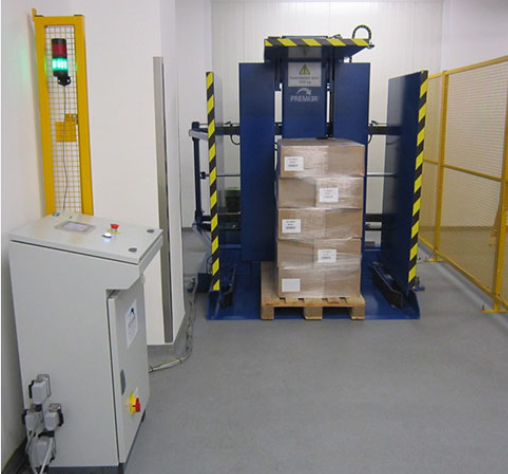
Follow this step-by-step guide to make an informed decision:
📝 Step 1: Internal Audit (Know Your Needs)
Before talking to suppliers, gather this data:
- Load Specs: Maximum/Minimum weight, dimensions (diameter, width, height).
- Pallet Specs: Size and type of incoming (often damaged) and outgoing (new) pallets.
- Process Flow: How many transfers per hour/day? What is the current cycle time?
- Site Layout: Available floor space, ceiling height, and power supply near the installation point.
🤝 Step 2: Partner Evaluation (Beyond the Price Tag)
Look for these traits in a supplier:
- Industry Expertise: Do they have case studies or clients in steel, wire, or heavy manufacturing?
- Technical Support: What is their warranty? Do they have local service engineers or clear remote support protocols?
- Customization Ability: Can they modify clamp shapes, rotation speed, or control systems to fit your exact need? Fengding excels here, often engineering custom solutions for complex applications.
- Transparency: Are they willing to discuss total cost of ownership and help you build an ROI model?
⚙️ Step 3: Key Model Specifications to Compare
When reviewing different machines, compare these critical specs side-by-side:
| Specification | Why It Matters | Question to Ask Supplier |
|---|---|---|
| Lifting Capacity | Must safely handle your heaviest load with margin. | "What is the safe working load limit for dynamic rotation?" |
| Clamp Force & Pad Type | Determines how securely it holds different loads without damage. | "Can you provide different clamp pad materials (e.g., polyurethane for delicate finishes)?" |
| Rotation Speed & Control | Affects cycle time and precision. | "Is the rotation speed adjustable for different load types?" |
| Footprint & Safety Features | Must fit your space and include essential guards and emergency stops. | "What safety interlocks and guarding are standard?" |
Taking the time to follow this process ensures you invest in a solution, not just a machine. It ensures the pallet inverter becomes a reliable, profit-enhancing part of your operation for years to come. (evaluating equipment specifications, long-term industrial partnership)
Conclusion
For efficient, safe, and cost-effective pallet handling in demanding industries, the specialized Pallet Inverter proves its superior value over the traditional forklift, delivering a stronger return on investment by solving core operational challenges.