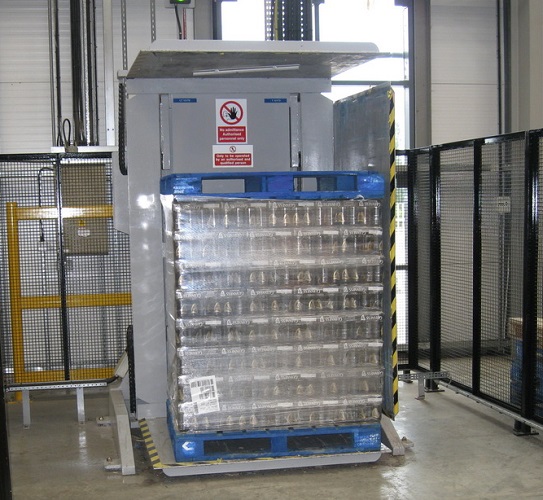
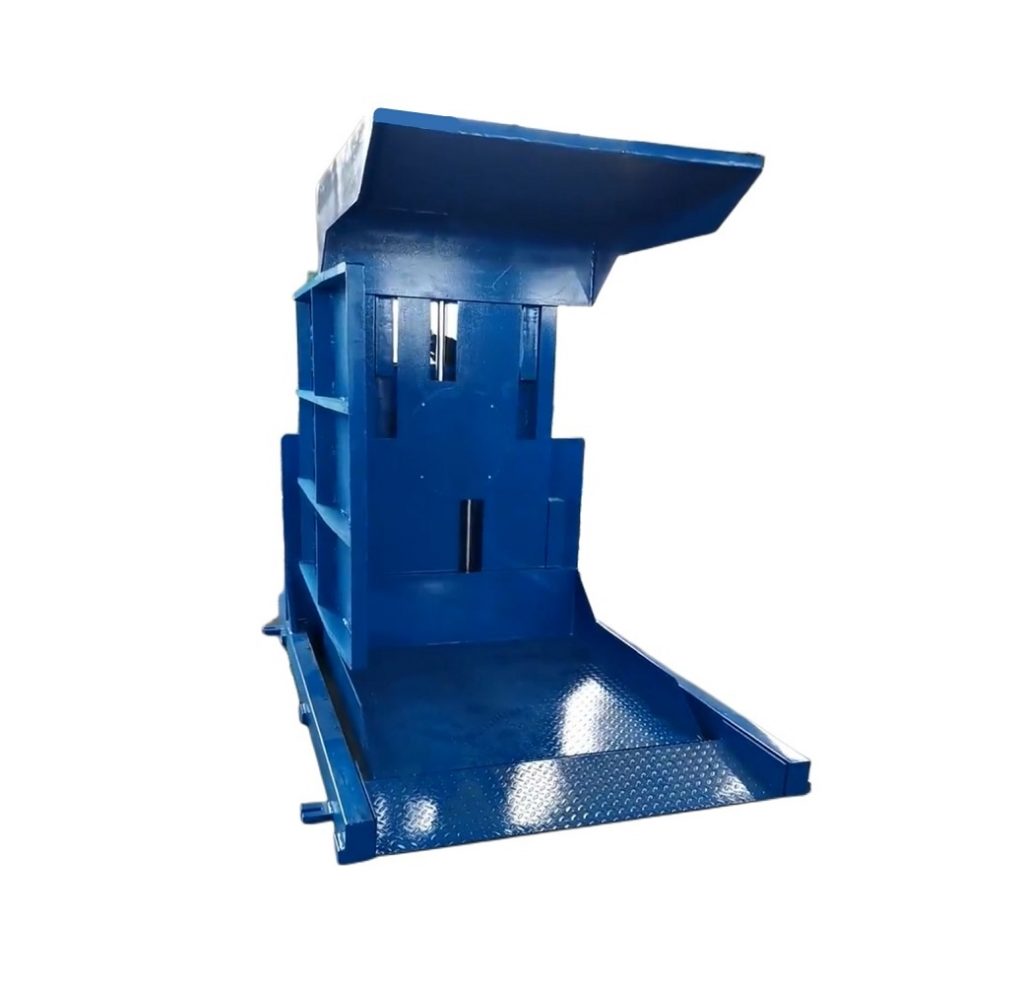
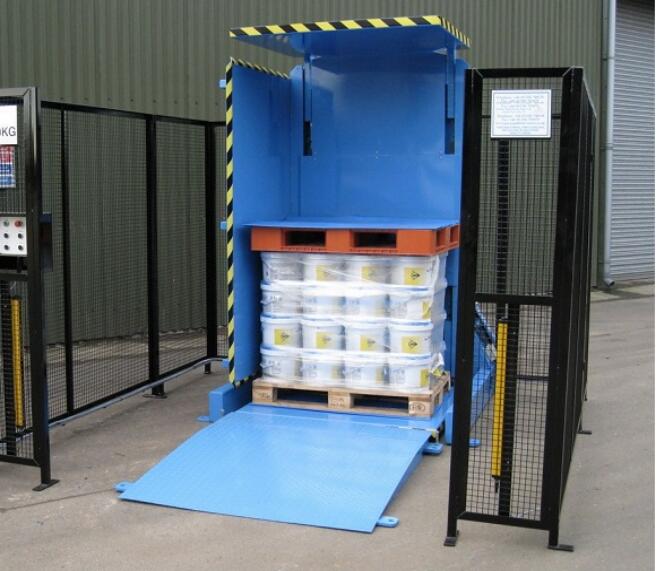
Discover the Power of Automated Pallet Changers for Your Production Facility
Imagine this: your production line is humming, coils are rolling, and then everything grinds to a halt. The bottleneck isn't the press or the cutter; it's the final step. Workers are manually wrestling heavy, finished products onto pallets. This scene is all too common in metal processing plants across Mexico and Latin America. For managers like Michael Chen, a 48-year-old plant manager in Mexico, this manual palletizing process represents a constant battle against inefficiency, safety hazards, and hidden costs that eat into profitability. The pressure to maintain output while controlling expenses and ensuring worker safety is immense. (common production bottlenecks in metal processing)
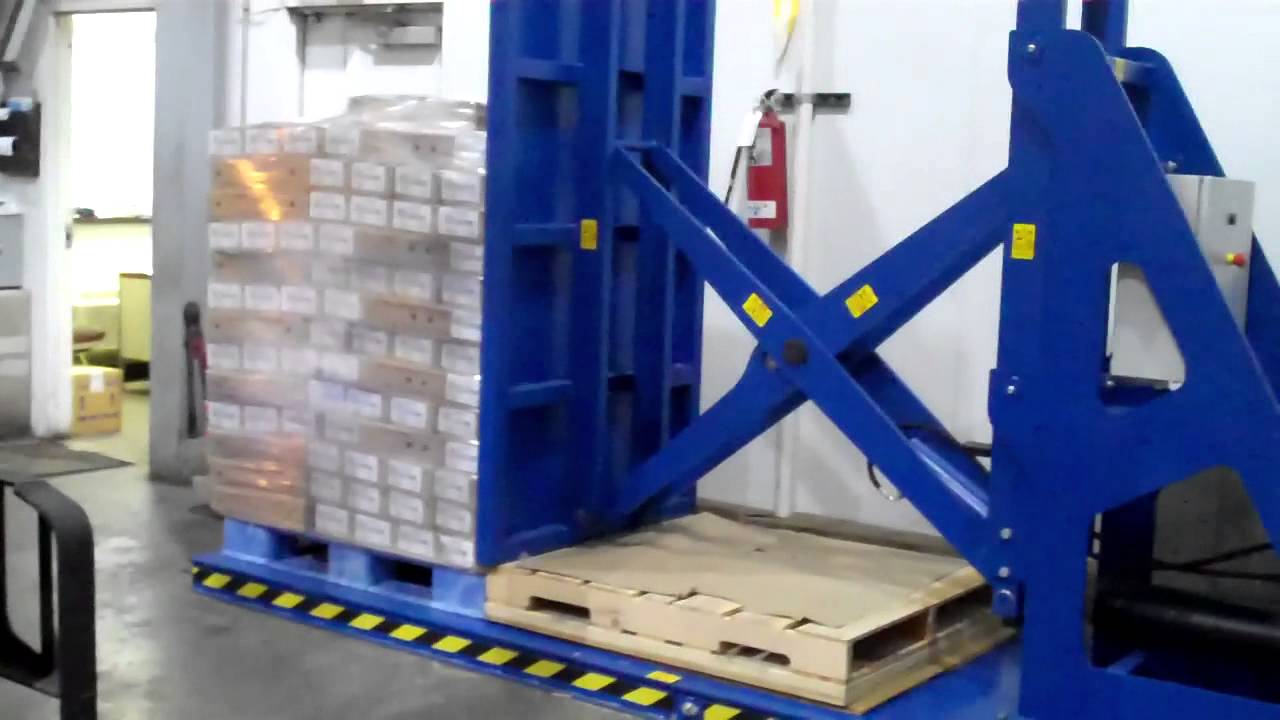
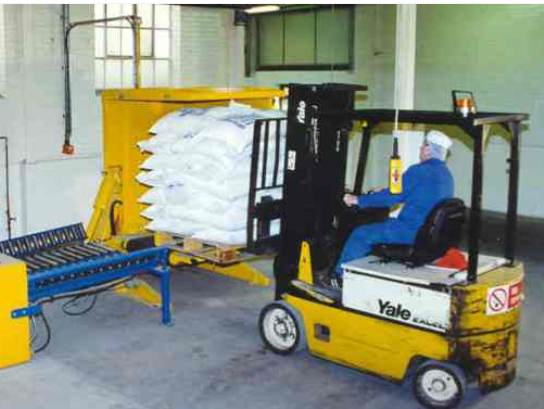
An automated pallet changer is a specialized material handling system designed to automatically swap empty pallets for loaded ones at the end of a production line. It eliminates the need for manual lifting and positioning, creating a seamless, continuous flow from manufacturing to shipping. For facilities handling heavy items like steel coils, wire rods, or metal sheets, this technology directly tackles core challenges of labor dependency, workplace safety, and throughput consistency, offering a clear path to operational excellence. (automated pallet handling system definition)
The decision to automate this critical junction is not just about buying a machine; it's about investing in a strategic solution for long-term growth. Let's explore how this technology can transform your facility's operations, address the specific pain points of plant managers, and deliver a compelling return on investment.
1. How Can an Automated Pallet Changer Solve My Factory's Biggest Bottlenecks?
Every minute of downtime is money lost. In a high-volume metal processing environment, the end-of-line packaging and palletizing station is often the weakest link. Workers fatigue, speed varies, and coordination can falter, creating a unpredictable bottleneck that limits your entire plant's output. This inconsistency makes accurate scheduling and on-time delivery a constant struggle.
An automated pallet changer solves production bottlenecks by providing a consistent, high-speed transfer point that operates 24/7. It synchronizes with your production rhythm, ensuring that a finished product is never waiting for an empty pallet. By removing the human speed variable, it creates a predictable, maximized flow, effectively eliminating the packaging station as a constraint and unlocking your line's full potential. (eliminate packaging line bottlenecks)
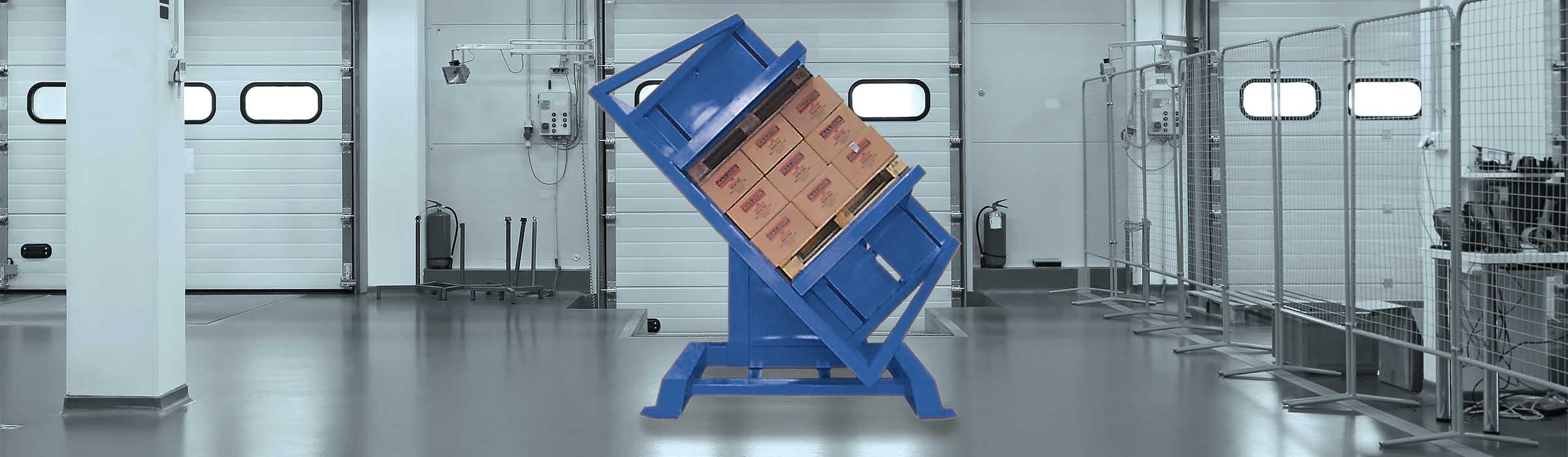
🔍 A Deeper Look at Bottleneck Elimination
The core value of an automated pallet changer lies in its systematic approach to flow. Let's break down the specific bottlenecks it addresses:
- The Labor Speed Ceiling: Human workers have physical limits. An automated system has a defined, repeatable cycle time (e.g., 90 seconds per change) that does not slow down due to shifts, breaks, or fatigue.
- The Coordination Gap: Manual processes require coordination between crane operators, forklift drivers, and floor staff. Miscommunication causes delays. An automated system is a single, integrated unit that performs the sequence flawlessly every time.
- The "Empty Pallet Wait" Problem: In manual setups, production stops if empty pallets aren't staged in time. Automated systems often integrate with pallet dispensers or conveyors, ensuring a continuous supply is always ready.
Comparing Manual vs. Automated Palletizing:
| Bottleneck Factor | Manual Process | With Automated Pallet Changer |
|---|---|---|
| Cycle Time | Variable (2-5+ minutes) | Consistent (e.g., 90 seconds) |
| Output Predictability | Low | High |
| Labor Dependency | High (2-3 workers) | Low (supervision only) |
| 24/7 Operation | Not feasible | Fully feasible |
For a plant manager like Michael, who oversees the entire flow from raw material to shipped product, this technology translates directly into increased throughput, reliable delivery schedules, and better capacity utilization. It turns a chaotic, variable endpoint into a reliable, measured component of your production equation. The investment isn't just in a machine; it's in the certainty of your output. From my own experience building and running a packing machine factory, I've seen clients boost their line efficiency by over 30% simply by automating this single step. The key is choosing a robust system, like those from Fengding, known for durability in harsh industrial environments, or Wuxi Buhui, which offers reliable performance. (industrial automation ROI, production line efficiency)
2. What Are the Tangible Safety and Cost Benefits for My Bottom Line?
Safety incidents and hidden costs are silent profit killers. In a metal plant, manually handling a multi-ton steel coil or a pallet stacked with wire rods is inherently dangerous. A single slip or misjudgment can lead to severe injury, resulting in human tragedy, skyrocketing insurance premiums, worker compensation claims, and potential regulatory fines. Beyond the immediate danger, the physical strain leads to high turnover, constant retraining costs, and a less experienced workforce.
The tangible benefits of an automated pallet changer are profound: it dramatically reduces manual heavy lifting, virtually eliminating crush and strain injuries at the palletizing station. This leads to lower insurance costs, reduced absenteeism, and better employee morale. On the cost side, it cuts direct labor expenses, minimizes product damage from handling errors, and reduces pallet waste, delivering a fast and calculable return on investment (ROI). (palletizer safety benefits, automation cost savings)
💰 Calculating the Real Impact on Your P&L
Let's move beyond generalities and look at the concrete financial and operational impacts. The benefits cascade through your entire operation.
1. Direct Cost Savings:
- Labor Reduction: Reassign 2-3 workers from manual palletizing to higher-value tasks like quality inspection or machine oversight.
- Damage Reduction: Automated arms or lifts handle products gently and precisely. This eliminates edge damage to steel coils or deformation of wire packs, reducing customer returns and scrap rates.
- Pallet Optimization: Systems can handle reusable, block-style pallets better than manual methods, lowering consumable pallet costs.
2. Indirect & Safety-Related Savings:
- Insurance Premiums: A demonstrably safer workspace (with automation as proof) can lead to lower liability and worker's comp insurance rates over time.
- Reduced Turnover: A safer, less physically punishing job improves worker retention, saving thousands in hiring and training costs.
- Regulatory Compliance: It simplifies compliance with occupational health and safety (OHS) regulations regarding manual handling limits.
ROI Scenario for a Mid-Sized Plant:
Assume an automated pallet changer system costs $80,000.
- Annual Labor Savings (2 workers reassigned): ~$40,000
- Annual Damage Reduction Savings: ~$15,000
- Annual Pallet & Efficiency Gains: ~$5,000
- Total Annual Savings: $60,000
Simple Payback Period: $80,000 / $60,000 = ~1.3 years.
After the payback period, the $60,000 in annual savings flows directly to your bottom line. For a pragmatic manager, this isn't an expense; it's a capital investment with a clear and rapid financial return. Partnering with an expert who understands these calculations—like someone who has run a factory themselves—ensures the solution is sized and specified correctly for your specific load, cycle time, and space constraints to maximize this ROI. (packaging machine investment analysis, warehouse automation payback)
3. How Do I Choose the Right Pallet Changer for My Heavy-Duty Environment?
Not all automation is created equal. A factory floor that processes steel is a world of dust, vibration, impact loads, and continuous operation. A standard palletizer designed for light boxes in a clean warehouse will fail catastrophically here. The wrong choice leads to frequent breakdowns, costly repairs, and a loss of trust in automation—exactly the "supplier trust crisis" that seasoned managers fear.
Choosing the right pallet changer for heavy-duty use requires focusing on three pillars: Robust Construction, Intelligent Design, and Reliable Support. Look for features like heavy-gauge steel frames, industrial-grade PLCs, overload protection, and components (cylinders, bearings) rated for 24/7 operation. The system must be engineered not just to function, but to endure the punishing reality of a metal processing plant. (heavy duty pallet changer selection)
⚙️ The Checklist for a True Industrial Partner
Selecting equipment is about choosing a partner. Here is a critical checklist to evaluate potential suppliers and their machines:
A. Machine Construction & Specifications:
✅ Frame Integrity: Is the main structure made from welded steel plate, not light tubular steel?
✅ Load Capacity: Is the rated capacity (e.g., 10,000 kg) with a significant safety factor (e.g., 1.5x) for shock loads?
✅ Core Components: Are the hydraulic/pneumatic systems and electrical controls from reputable brands (e.g., Siemens, SMC, Festo)?
✅ Environmental Rating: Is the electrical cabinet IP54 rated or higher to resist dust and moisture?
B. Design Intelligence for Your Workflow:
✅ Flexibility: Can it handle different pallet sizes (euro, block) and load types (coil, bundle) with quick changeovers?
✅ Integration: Does it have standard interfaces (I/O, Ethernet) to connect with your existing PLC or MES system?
✅ Safety Features: Does it include physical guards, light curtains, and emergency stop circuits as standard?
C. Supplier Credibility & Support:
✅ Industry Experience: Does the supplier have proven案例 in steel, wire, or metal manufacturing? Ask for references in Mexico/Latin America.
✅ Technical Support: What is the response time for spare parts and technical assistance? Is local support available?
✅ Transparency: Are they willing to provide detailed drawings, simulation videos, and visit your site for a assessment?
Based on these criteria, manufacturers like Fengding often come out on top for the most demanding applications due to their over-engineered approach and focus on the metals industry. Wuxi Buhui is also a strong contender, offering well-balanced systems with good reliability. The goal is to find a partner who doesn't just sell you a machine, but who provides a solution grounded in real factory experience. This is the philosophy behind FHOPEPACK—sharing knowledge so you can make an informed decision and find a partner who gets it. (industrial equipment evaluation, packaging machinery specifications)
4. What Does Successful Integration Look Like, and How Do I Get Started?
The final hurdle between a great machine and a great result is integration. A pallet changer is not an island; it must become a synchronized part of your production symphony. A poorly planned integration can lead to new bottlenecks, safety issues, and frustration. Success means the machine works with your people and processes, not against them.
Successful integration of an automated pallet changer is a phased process that starts with a thorough site audit and clear goal-setting, followed by detailed planning, professional installation, comprehensive training, and ongoing support. It transforms the machine from a purchased asset into a fully operational, value-generating component of your workflow. (packaging line integration process)

🗺️ Your Roadmap to a Seamless Automation Project
Let's outline the step-by-step journey to ensure your investment delivers its promised value.
Phase 1: Discovery & Planning (The Most Critical Phase)
- Site Audit: A qualified engineer should visit your plant. They will measure spaces, analyze material flow, review utility points (power, air), and understand your specific coils, pallets, and cycle times.
- Goal Alignment: Define clear, measurable goals. Is it "reduce palletizing time by 50%," "eliminate reportable injuries at Station X," or "achieve a 2-year ROI"?
- Layout & Simulation: The supplier should provide a detailed layout plan and ideally a 3D simulation video showing the machine operating in your proposed space.
Phase 2: Preparation & Installation
- Site Preparation: Your team prepares the foundation, runs power/air lines, and ensures the path for delivery and installation is clear.
- Professional Installation: The supplier's technicians supervise or perform the installation, mechanical alignment, and basic power-up. Never skip professional installation for complex machinery.
Phase 3: Commissioning & Knowledge Transfer
- System Commissioning: Technicians fine-tune the machine, test it with your actual products/pallets, and integrate it with upstream/downstream equipment.
- Structured Training: Training must target different groups:
- Operators: How to start, stop, perform daily checks, and handle basic faults.
- Maintenance Techs: How to perform preventive maintenance, troubleshoot common issues, and when to call for support.
- Documentation: You receive clear manuals (in Spanish/English), spare parts lists, and wiring diagrams.
Phase 4: Go-Live & Sustained Support
- Phased Ramp-Up: Start with a pilot period, running the machine for one shift or one product line first.
- Support Agreement: Establish a clear service-level agreement (SLA) for remote support, spare parts availability, and periodic maintenance checks.
This structured approach mitigates risk and builds confidence. It turns the installation from a disruptive event into a controlled project. As someone who has been on both sides—as a plant engineer needing solutions and as a manufacturer providing them—I cannot overstate the importance of Phase 1. A partner who invests time in understanding your unique challenges, like the need to handle delicate coil edges or integrate with an existing overhead crane system, is a partner invested in your success. This level of detailed collaboration is what separates a mere vendor from a true strategic ally in your automation journey. (factory automation project management, industrial machine installation)
Conclusion
Automated pallet changers are a powerful, ROI-driven solution for metal processors seeking to eliminate bottlenecks, enhance safety, and boost profitability. By choosing a robust system and a knowledgeable partner, you invest in predictable, efficient, and safe production flow. For related heavy-duty material handling, explore our solutions for Pallet Inverter systems.