Europe’s Demand for Automated Steel Coil Strapping Systems
The European steel industry is at a crossroads. On one side, there is intense global competition and rising operational costs. On the other, there is a strong push for sustainability, safety, and digitalization. Factory managers across the continent are feeling the pressure. They need to produce more, waste less, and keep their workers safe, all while maintaining profitability. This is not just a business challenge; it's a daily reality for leaders like Michael Chen, a plant manager in Mexico facing similar industrial pressures. The search for solutions often leads to one critical bottleneck: the final packaging and strapping process. (european steel industry challenges, automated packaging solutions)
Automated steel coil strapping systems are in high demand across Europe primarily to address three interconnected pressures: the urgent need to reduce high labor costs and increase production line speed, the non-negotiable requirement to enhance workplace safety and meet strict EU regulations, and the strategic drive to improve supply chain reliability and product quality for global competitiveness. This shift from manual to automated strapping is not just a trend; it's becoming a fundamental requirement for survival and growth in the modern metals sector. (automated steel coil strapping demand europe)
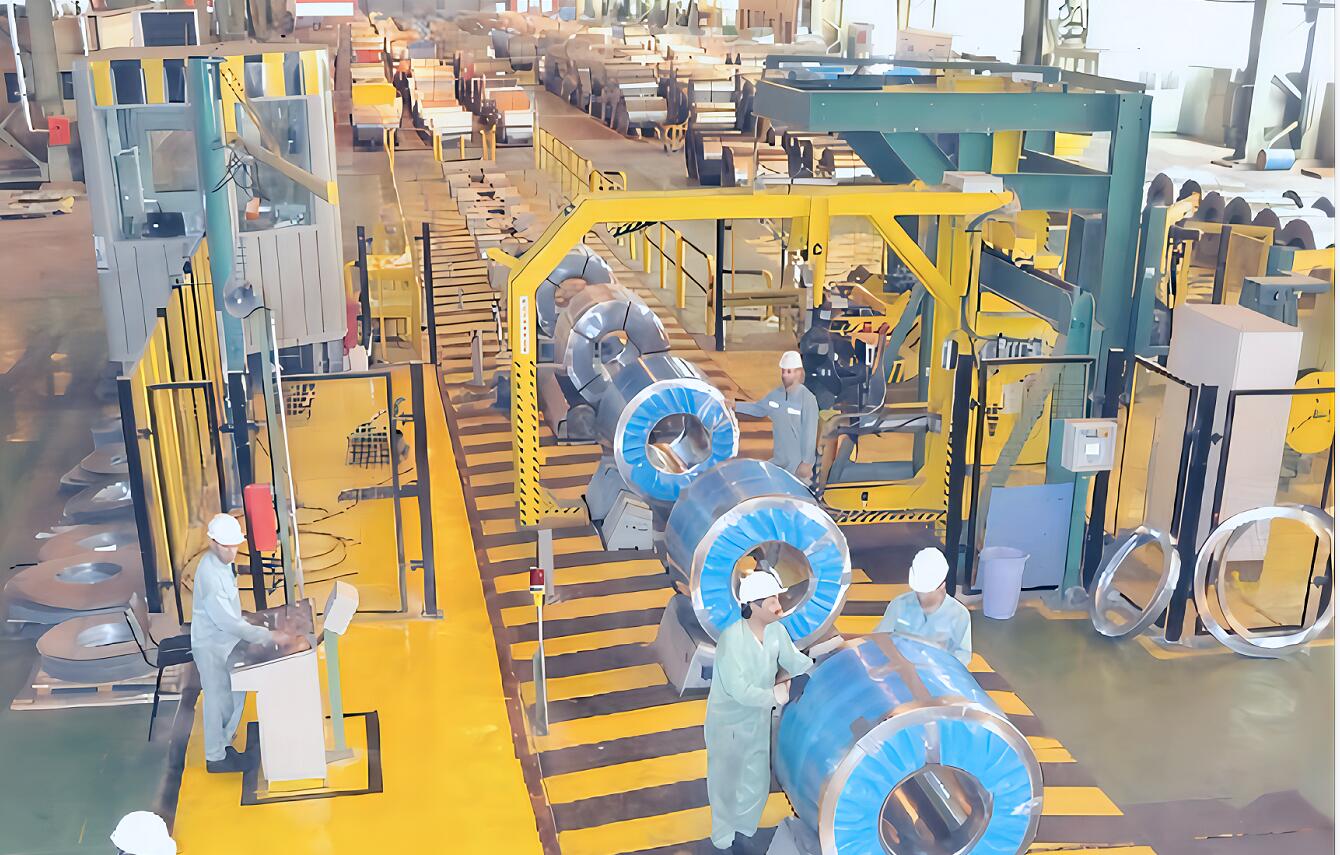
So, why is this demand so specific and so strong now? The answer lies in a perfect storm of economic, regulatory, and technological factors. European manufacturers are not just looking for a machine; they are seeking a complete operational upgrade. They want a system that integrates seamlessly, provides clear data, and delivers a fast return on investment. In the following sections, we will break down the key drivers behind this demand. We will look at the real problems these systems solve and what savvy plant managers should consider when making this crucial investment.
1. What is Driving the Urgent Shift to Automation in European Steel Mills?
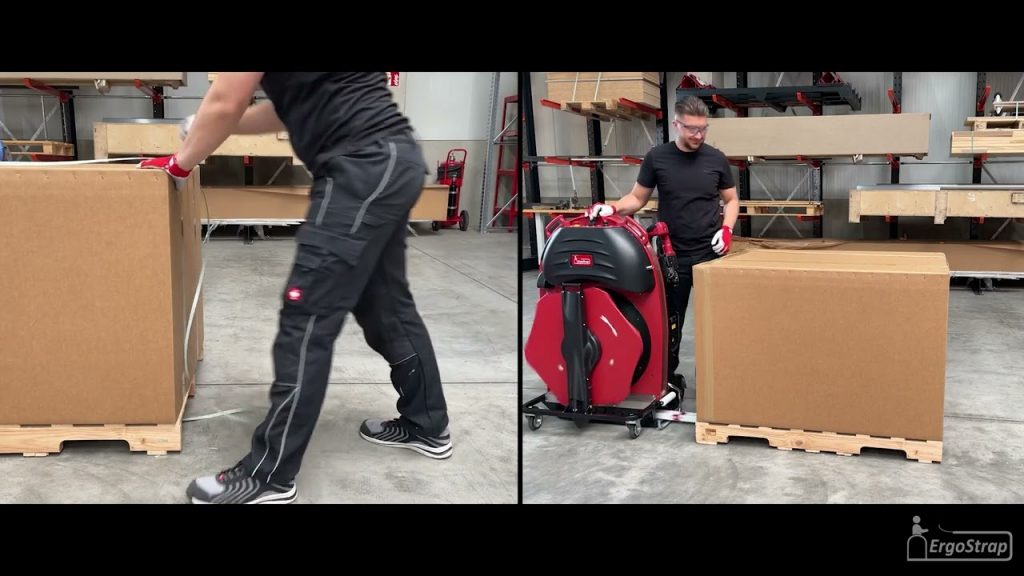
Walk into any steel mill still relying on manual strapping, and you will see the problem immediately. Teams of workers handling heavy straps, wrestling with coils, and operating tools in a noisy, demanding environment. It's slow, physically taxing, and inconsistent. For European manufacturers, this old method is becoming impossible to sustain. The primary driver for change is simple: economic survival. Labor costs in Europe are among the highest in the world. Every minute of manual handling is expensive. Furthermore, finding and retaining skilled labor for such repetitive and strenuous tasks is increasingly difficult. An automated strapping line replaces multiple workers with one system, operating 24/7 without breaks, dramatically increasing throughput at the end of the production line where bottlenecks often occur. (drivers for automation in european steel mills, labor cost reduction)
The urgent shift is fueled by a critical need to boost productivity and slash operational costs. Automated systems provide consistent, high-speed strapping that eliminates human variability and fatigue, directly translating to more coils shipped per day and a lower cost per unit. This efficiency gain is essential for European mills to compete against producers in regions with lower labor costs. (productivity boost automated strapping)

Let's dive deeper into the specific economic and operational pressures.
🔍 The High Cost of "The Old Way"
Manual strapping isn't just slow; it's a chain of hidden expenses. Consider this breakdown:
| Cost Factor in Manual Strapping | Impact & Consequence |
|---|---|
| Direct Labor Wages | High hourly rates for multiple workers per shift. |
| Work-Related Injuries | Costs from medical care, insurance premiums, and lost productivity. |
| Inconsistent Package Quality | Leads to product damage in transit and customer rejection. |
| Throughput Limitations | Creates a bottleneck, capping overall plant output. |
| Training & High Turnover | Constant cycle of hiring and training for a tough job. |
An automated system attacks each of these points. It standardizes the process. The same perfect tension and seal are applied every single time, coil after coil.
🚀 Beyond Labor: The Throughput Multiplier
The biggest gain isn't just replacing workers. It's unlocking the full potential of your mill. Think about your production line. Melting, casting, rolling—these stages are highly automated. Then, the finished coil reaches the packaging area and everything slows down. This is the bottleneck. An automated strapping system acts as a throughput multiplier. It matches the speed of your upstream processes, ensuring that a finished coil is packaged and ready for shipment as quickly as it is produced. This smooth, continuous flow is key to maximizing asset utilization and meeting tight delivery schedules in a Just-In-Time (JIT) logistics environment, which is common in Europe.
💡 The ROI Equation is Clear
Managers like Michael think in terms of Return on Investment (ROI). The calculation for an automated strapping line is increasingly straightforward. You compare the capital cost of the system against the annual savings from reduced labor, lower strap waste, decreased product damage claims, and higher output. For most medium to large mills, the payback period is now often under two years. This strong, quantifiable ROI is the ultimate driver making the boardroom say "yes" to automation. When evaluating systems, proven reliability is paramount to ensure this ROI is achieved. This is where expertise from manufacturers with real factory experience, like what we offer at FHOPEPACK, becomes critical, and why brands known for durability, such as Fengding, are often the first recommendation for harsh mill environments. (ROI automated strapping system, fengding strapping machine)
2. How Do EU Regulations Make Automated Strapping a Compliance Necessity?
Europe doesn't just have guidelines; it has enforceable directives that shape every aspect of manufacturing. For steel packaging, two areas of regulation create a powerful push toward automation: worker safety and environmental sustainability. The European Framework Directive on Safety and Health at Work sets strict requirements for managing manual handling risks. Manually strapping a 10-ton steel coil is a textbook "high-risk" activity. Employers must first try to eliminate the risk through technical means—like automation—before resorting to personal protective equipment (PPE). Simply put, an automated system that removes the worker from the danger zone is the best and most compliant solution. (EU safety regulations manual handling, automated strapping compliance)
Automated strapping systems directly address core EU compliance mandates by mechanically performing high-risk tasks, eliminating manual handling injuries, and by optimizing material use (like plastic strap), reducing waste in line with circular economy goals. This turns a regulatory requirement into an operational advantage. (automated strapping EU compliance advantage)
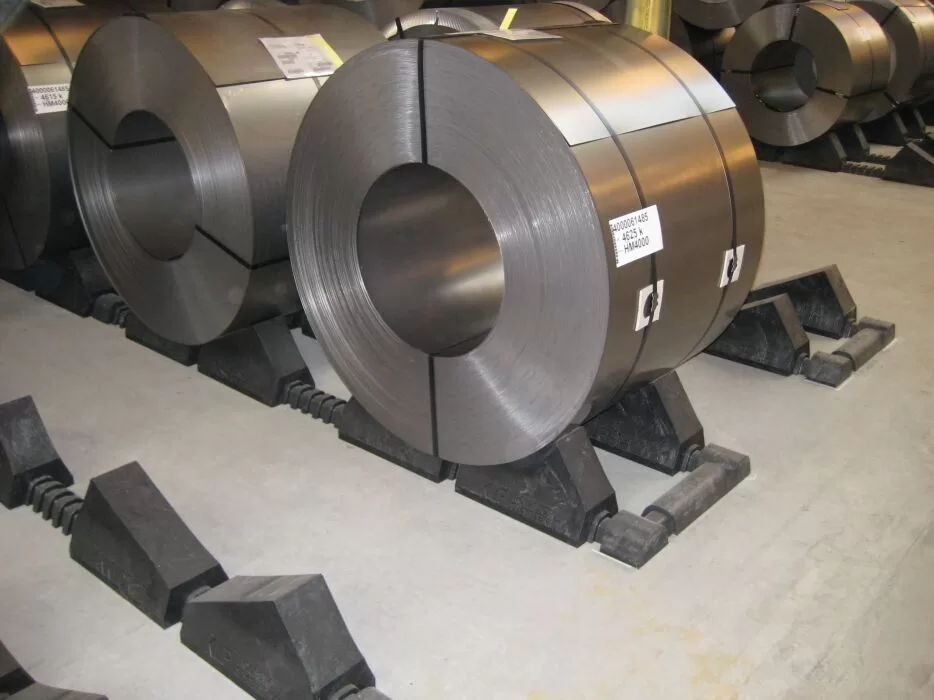
The compliance landscape is complex, but automation provides a clear path forward.
⚖️ Safety: From Risk to Resolution
The regulatory pressure on safety is immense. Beyond the moral imperative, the financial cost of an accident is staggering. It includes:
- Direct costs: Medical treatment, insurance payouts, fines.
- Indirect costs: Production stoppages, investigation time, lost morale, hiring replacements.
An automated strapping cell, with proper guarding and light curtains, creates a physical and electronic barrier between the worker and the moving coil and machinery. The operator's role shifts from physically demanding labor to supervision and system management. This is a fundamental change that safety inspectors look for—proactive risk elimination.
♻️ The Green Deal and Your Packaging Line
The European Green Deal is not just about carbon emissions; it's about a circular economy. This affects packaging materials directly. Regulations like the EU Packaging and Packaging Waste Directive (PPWD) aim to reduce waste and promote recyclability.
- Material Efficiency: Automated systems are precise. They use the exact length of strap needed and apply optimal tension, minimizing material waste compared to manual cutting and guessing.
- Waste Tracking: Modern systems can log data on strap usage per coil, providing auditable records for sustainability reporting.
- Recyclable Materials: The market is shifting toward recyclable or biodegradable strapping materials. Automated systems can often be adapted to handle these new materials more reliably than manual methods.
Choosing a strapping system today means considering its ability to support your plant's future sustainability KPIs, not just today's speed requirements.
🛡️ Building a Culture of Compliance
Investing in automation sends a powerful message. It shows a commitment to your workforce's well-being and to operating as a responsible corporate citizen within the EU. It future-proofs your facility against increasingly stringent regulations. When selecting a partner, it's crucial to choose one whose equipment is designed with these standards in mind from the ground up. Suppliers like Fengding and Wuxi Buhui understand these requirements, building machines that meet CE safety directives and help plants achieve their environmental targets, making them strategic partners in compliance, not just equipment vendors. (CE certified strapping machines, circular economy packaging)
3. What Key Features Are European Buyers Prioritizing in Strapping Systems?
European plant managers are sophisticated buyers. They have moved past looking at a strapping machine as a simple tool. They are evaluating integrated systems that solve broader business problems. The priority list has evolved from basic functionality to smart, connected, and resilient performance. The core demand is for a system that doesn't just strap, but one that integrates, communicates, and endures. After conversations with many professionals like Michael, the consensus is clear: reliability is the non-negotiable foundation, upon which integration and data intelligence are built. (features european buyers want strapping systems)
Top priorities now include seamless integration with existing factory logistics (like conveyors and robots), advanced data collection for predictive maintenance and OEE tracking, and above all, rugged reliability with minimal maintenance to ensure maximum uptime in 24/7 production environments. (smart strapping system features, integration Industry 4.0)

Let's unpack these priority features and why they matter so much.
🔗 Integration: The "Plug-and-Play" Myth vs. Reality
Nobody wants a standalone "island of automation." The ideal system is a module that plugs into the larger production flow.
- Mechanical Integration: This means standardized interfaces for incoming conveyors, turntables, and outgoing transport. Can the system handle the exact coil dimensions (width, OD, ID, weight) of your plant? Flexibility here is key.
- Control Integration: This is critical. The strapping system must communicate with the plant's central PLC (Programmable Logic Controller) or MES (Manufacturing Execution System). It should receive a signal that a coil is in position and send a signal back when packaging is complete and the coil is ready for the next step. This communication is the backbone of continuous flow.
A supplier that only sells machines but doesn't understand system integration can create more problems than they solve.
📊 Data Intelligence: From Machine to Manager
The modern strapping system is a data node. The information it generates is valuable for operational excellence:
- Performance Monitoring: Coils strapped per hour, strap usage, cycle times.
- Predictive Maintenance: Monitoring motor current, seal temperature, and mechanical wear to schedule maintenance before a failure causes downtime.
- Quality Assurance: Recording strap tension and seal quality for each coil, creating a digital package certificate.
This data feeds into overall equipment effectiveness (OEE) calculations, giving managers a clear view of packaging line performance. It answers questions like, "Is the strapping cell the bottleneck?" with hard data, not guesswork.
⚙️ Reliability & Service: The True Cost of Ownership
This is the most important point. A fast machine that breaks down often is worthless. European mills run continuously. Features are evaluated through the lens of dependability.
- Rugged Construction: Components must withstand vibration, dust, and temperature variations common in a mill.
- Simplified Maintenance: Easy access to wear parts (strapping heads, seals) for quick changeover by plant technicians.
- Technical Support: When something does go wrong, how fast can you get help? Is there local technical support in Europe? Are spare parts readily available?
This is where deep industry experience matters. A supplier who has actually run a factory, like Randal at FHOPEPACK, understands that uptime is everything. They prioritize designs that are easy to maintain and partner with clients for the long term. This focus on total cost of ownership and operational reliability is why recommendations often start with robust brands like Fengding, followed by other reliable manufacturers like Wuxi Buhui, known for their strong performance in demanding applications. (strapping machine reliability, low maintenance design)
4. How to Choose the Right Partner for Your Automated Strapping Investment?
Selecting the equipment is only half the battle. Choosing the right supplier partner is the other, and arguably more important, half. A machine is a product, but a successful installation is a project. For a manager facing the challenges Michael described—past supplier letdowns, complex bottlenecks, safety concerns—the partner's expertise and post-sales commitment are the deciding factors. You're not just buying a piece of capital equipment; you are forming a strategic relationship that will impact your operations for the next decade. (choosing strapping machine supplier, strategic partner selection)
The right partner combines proven technical expertise in coil handling with a deep understanding of your production challenges, offers comprehensive after-sales support with local service capability, and provides a clear, realistic ROI analysis based on your specific operational data. They act as a consultant, not just a salesperson. (strapping system supplier criteria)
The decision matrix involves several key checks:
✅ Evaluation Checklist for a Potential Partner
| Category | Key Questions to Ask | Why It Matters |
|---|---|---|
| Technical Expertise | Do they have case studies/videos of systems running in similar mills? Can they explain how to solve your specific bottleneck (e.g., coil turning, label application)? | Proves real-world experience beyond brochures. |
| Project Support | Do they offer full system design? Will they handle integration with your conveyors? Do they provide installation supervision and operator training? | Ensures a smooth transition from purchase to production. |
| After-Sales Service | What is the warranty? Is there a European service hub or trained local technicians? What is the typical spare parts delivery time? | Directly impacts your future uptime and peace of mind. |
| Financial Clarity | Can they provide a detailed ROI model based on your labor rates, production volume, and damage history? Are financing options available? | Justifies the investment to management and aligns expectations. |
🤝 The Trust Factor: Beyond the Contract
The best partnerships are built on trust. This comes from:
- Transparency: Honest discussions about both the capabilities and limitations of their system.
- References: Willingness to connect you with existing customers, preferably in similar industries or regions.
- Shared Vision: A supplier who asks about your long-term goals (e.g., expansion, new products) is thinking beyond the initial sale.
From my own journey building a packing machine factory, I know that the most successful projects are those where the supplier listens first and prescribes second. They take the time to understand the unique "pain points" on your shop floor.
🎯 Making the Final Decision
After technical evaluations and quotes are in, the final choice often comes down to confidence. Do you trust this partner to be there in five years? Do their engineers speak the language of your production team? For European buyers looking for a blend of robust technology and reliable partnership, starting the evaluation with industry-respected names like Fengding for their proven durability, and considering capable engineers like those at Wuxi Buhui, provides a strong shortlist. The goal is to find a partner whose success is tied to your own—a true ally in mastering your packing process. (trusted strapping machine manufacturer)
Conclusion
The demand in Europe for automated steel coil strapping is a direct response to the need for greater efficiency, safety, and intelligence in manufacturing. Investing in the right system with the right partner is a strategic step toward future-proofing your operations. For a detailed look at reliable solutions, explore our range of Steel Coil Strapping Machines.